GemVoyage Team • World
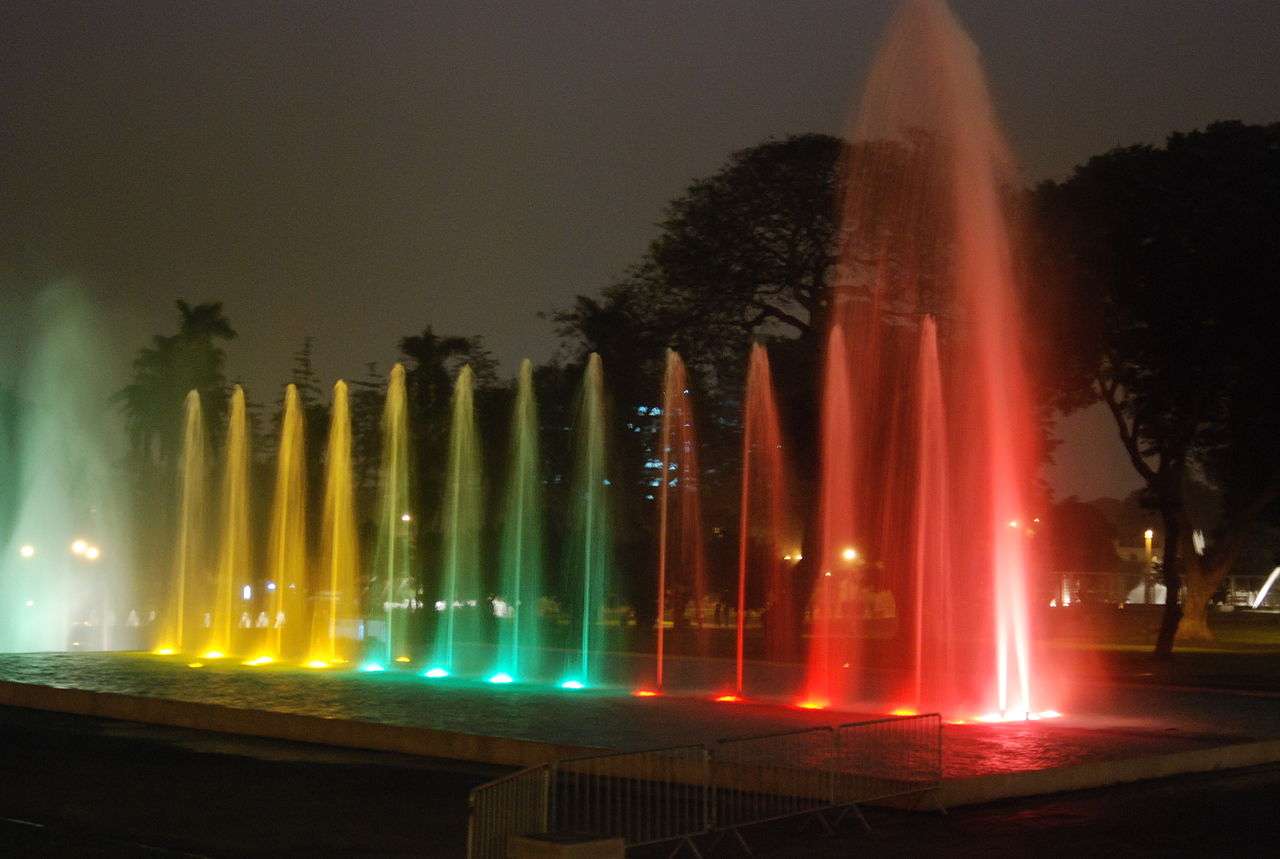
The Magic Water Circuit (Circuito Mágico del Agua) in Lima is a dazzling display of light, music, and water that transforms a traditional city park into a nighttime spectacle. Located in the historic Parque de la Reserva, this attraction features 13 cybernetic fountains that combine cutting-edge technology with artistic choreography. Each fountain is uniquely designed, offering a blend of interactive experiences, visual storytelling, and cultural symbolism.
The centerpiece of the park is the Fantasia Fountain, a 130-meter-long installation that hosts nightly multimedia shows. These performances blend water jets, laser lights, and music to create a captivating narrative—often highlighting Peruvian history, landscapes, and folklore. Other notable fountains include the Tunnel of Surprises, a 35-meter-long water tunnel that visitors can walk through, and the Dream Maze, where timing and agility are key to staying dry.
A little-known fact: upon its opening in 2007, the Magic Water Circuit was recognized by the Guinness Book of World Records as the largest fountain complex in a public park. Another unique feature is the educational exhibits that occasionally accompany the fountains, such as historical photo displays or water conservation messages, adding depth to the entertainment.
The Magic Water Circuit is located in Peru, in the Lima Region, within the city of Lima. Specifically, it sits in Parque de la Reserva, in the downtown district of Cercado de Lima.
Its central location makes it a convenient stop for both tourists and locals exploring Lima’s cultural core.
The Magic Water Circuit in Lima is a vibrant fusion of art, technology, and public space. With its record-breaking fountains, immersive light shows, and family-friendly atmosphere, it offers a memorable evening experience that showcases the creative spirit of Peru’s capital.
1. What are the operating hours of the Magic Water Circuit?
The park is open daily from 3:00 PM to 10:00 PM. Multimedia shows begin at 7:15 PM, 8:15 PM, and 9:10 PM.
2. Is there an entrance fee?
Yes, general admission is S/5. Children under 5 enter free with ID. Discounts are available for seniors and people with disabilities.
3. Is the park suitable for children?
Absolutely. The interactive fountains and colorful displays are especially popular with families.
4. Can I bring food or drinks into the park?
Outside food is discouraged, but there are vendors and kiosks inside offering snacks and refreshments.
5. Are the shows in English or Spanish?
The multimedia shows are primarily visual and musical, with minimal spoken content, making them accessible to all visitors.
6. Is the park wheelchair accessible?
Yes, the park is designed to accommodate visitors with mobility needs, and discounted entry is available with proper ID.
Discover more hidden gems you might love.
Chiang Mai
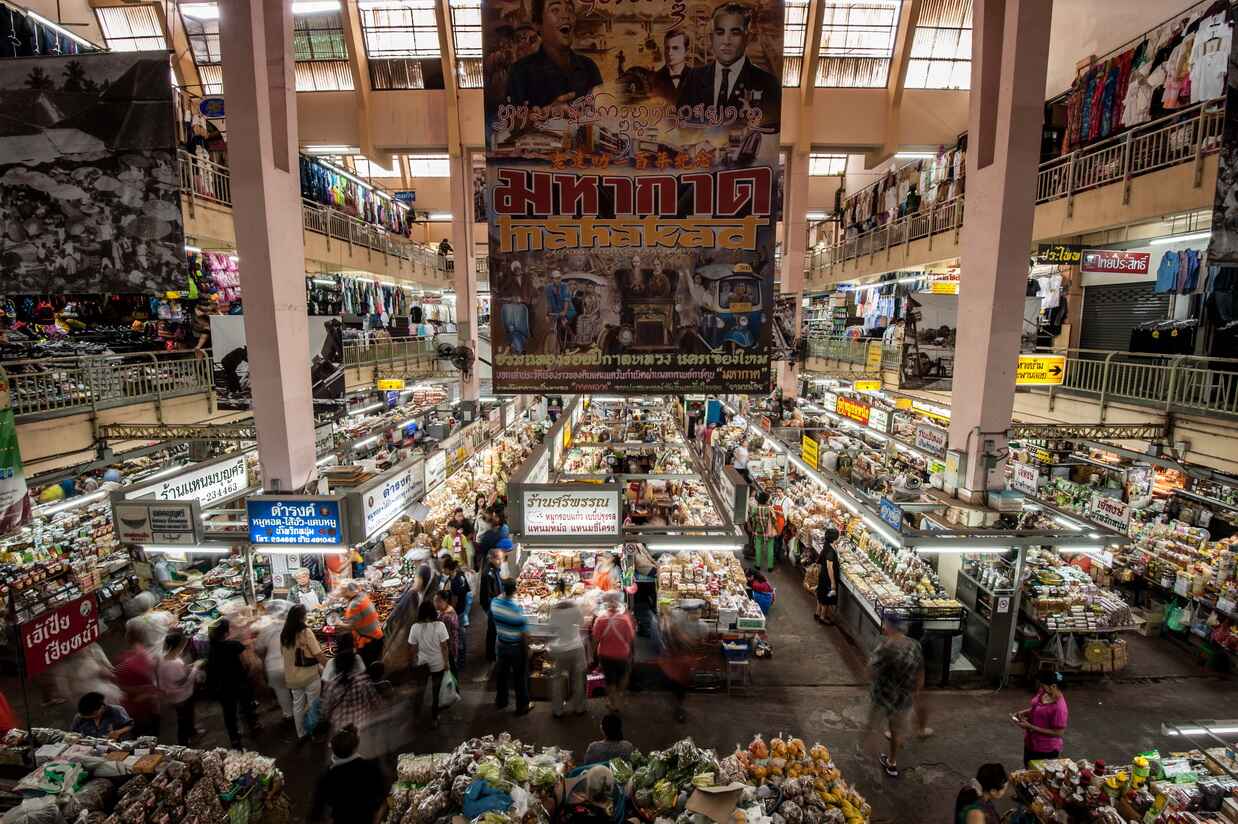
## Description Kad Luang Warorot Market, often simply called **Warorot Market**, is one of the oldest and most vibrant traditional markets in Chiang Mai, Thailand. Beloved by both locals and tourists, it offers a truly authentic glimpse into Northern Thai culture, daily life, and culinary traditions. Unlike the more tourist-focused night bazaars, Warorot Market is where locals shop for fresh produce, clothing, fabrics, household goods, and everyday essentials. What makes Warorot Market unique is its **blend of tradition and modernity**. You’ll find everything from fragrant herbs and spices to modern street fashion, all under one roof. Food lovers will particularly enjoy the market’s wide selection of Northern Thai specialties, such as **sai oua (spicy northern sausage)**, **nam prik ong (tomato chili dip)**, and an array of exotic fruits. A little-known fact is that Warorot Market has been serving the Chiang Mai community for over **a century**, making it not just a commercial hub but also a cultural landmark. Another interesting detail is that the market is busiest during important Thai festivals, such as **Loi Krathong and Songkran**, when it becomes a central point for celebration and shopping. ## Location Warorot Market is located in **Chiang Mai, Northern Thailand**, in the **Wat Ket district**, near the banks of the **Ping River**. It sits just a short walk from the **Chang Moi Gate** of the Old City, making it very accessible for travelers staying in central Chiang Mai. ### Recommendation on How to Get There From Chiang Mai’s Old City, you can easily reach Warorot Market on foot in about **10–15 minutes**. Alternatively, you can take a **red songthaew (shared taxi truck)**, tuk-tuk, or Grab (ride-hailing app) for a quick ride. If you’re staying farther away, taxis and scooters are also convenient options. Since parking in the area can be limited, it’s best to use public or shared transportation. ## Tips To make the most out of your visit to Warorot Market, here are some helpful tips: * **Go Early**: The market opens early in the morning, making it the best time to see locals shopping and to find the freshest food items. * **Try Local Snacks**: Don’t miss the chance to sample Chiang Mai’s famous northern sausage, sticky rice, and fried snacks sold at small food stalls. * **Bring Cash**: While some vendors may accept mobile payments, cash is still the most convenient method for small purchases. * **Explore Both Indoors and Outdoors**: The market consists of multiple levels and side streets, so take your time wandering beyond the main stalls. * **Check Out the Fabrics**: The market is also known for selling colorful textiles and hill tribe clothing, perfect for souvenirs. * **Respect Local Etiquette**: Bargaining is acceptable, but always do so politely with a smile. ## Conclusion Kad Luang Warorot Market is not just a place to shop—it’s an experience that immerses you in the everyday life of Chiang Mai. With its wide range of food, clothing, and cultural items, it offers visitors a taste of authentic Northern Thai traditions. Whether you’re hunting for souvenirs, trying local delicacies, or simply enjoying the lively atmosphere, Warorot Market is a must-visit destination in Chiang Mai. ## FAQ **1. What is Warorot Market famous for?** It is famous for its variety of goods, especially Northern Thai food, fresh produce, fabrics, and traditional clothing. **2. What are the market’s opening hours?** Warorot Market typically opens around **5 AM and closes by 6 PM**, though some food stalls remain open later in the evening. **3. Is Warorot Market suitable for tourists?** Yes, while it primarily serves locals, tourists are welcome and will find plenty of unique food and souvenirs to enjoy. **4. Can I bargain at Warorot Market?** Yes, bargaining is common, especially for clothing and non-food items, but it should always be done politely. **5. How far is the market from Chiang Mai’s Old City?** It’s just a 10–15 minute walk from the Old City, making it very accessible for most visitors. **6. Are there vegetarian or vegan food options available?** Yes, many stalls sell vegetarian-friendly dishes, fruits, and snacks, though it’s helpful to ask vendors about ingredients. ## Links * [Chiang Mai Tourism Office](https://www.tourismthailand.org/Destinations/Provinces/Chiang-Mai/101)
GemVoyage Team • World
Siena
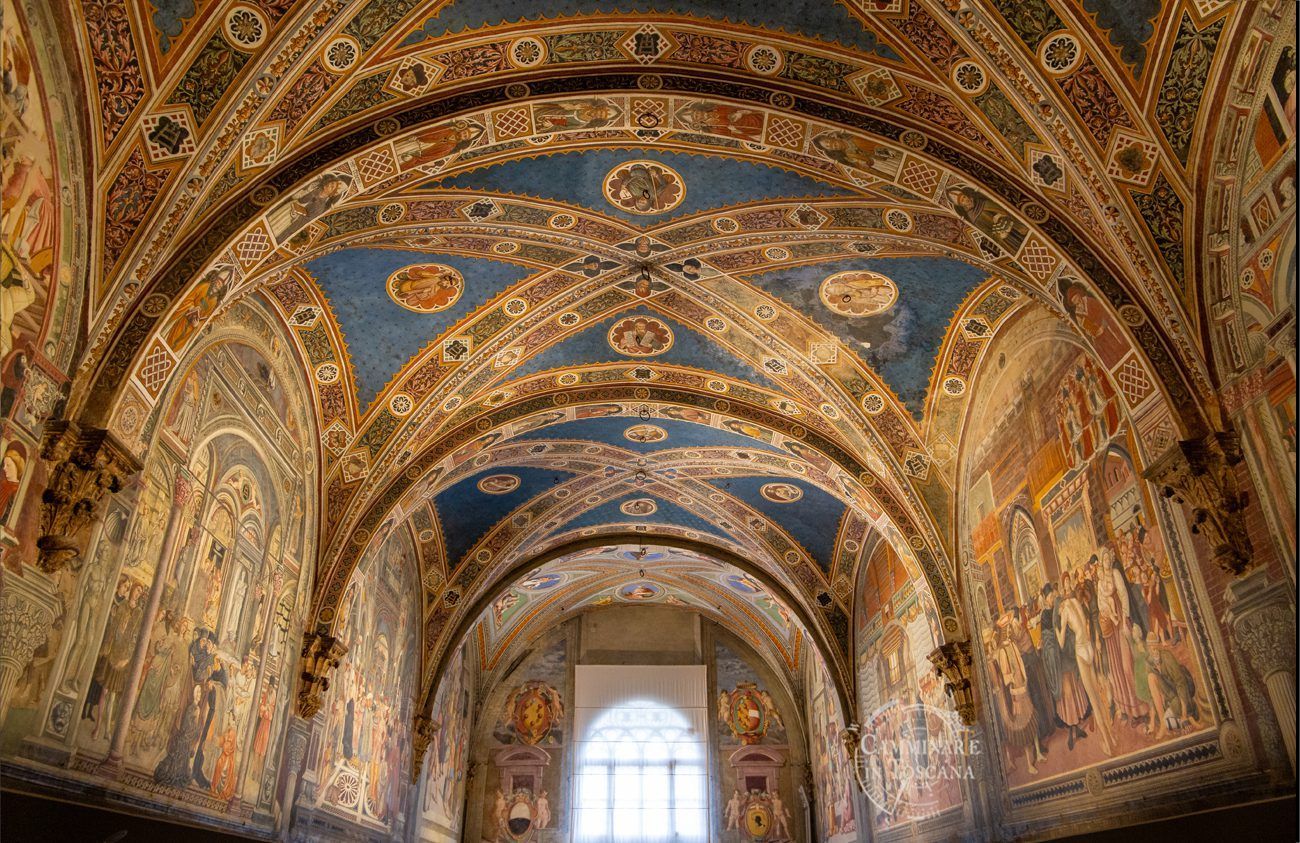
## Description Santa Maria della Scala is one of Siena's most remarkable heritage sites because it combines religious history, civic charity, underground architecture, and museum culture in a single monumental complex. Positioned directly across from Siena Cathedral, it once served as one of Europe's oldest hospitals and later evolved into a major cultural institution. Visiting it today gives travelers a powerful sense of how medieval cities cared for pilgrims, the sick, and vulnerable populations while also expressing civic pride through architecture and art. The complex is striking because it feels like a city within a city. Rooms, corridors, chapels, cloisters, stairways, and subterranean spaces reveal different layers of use over the centuries. You do not just look at one building; you move through an entire institution that grew and adapted over time. Artworks, fresco cycles, archaeological remains, and preserved spaces make the experience intellectually rich and visually engaging. Unlike many museums that isolate objects from their context, Santa Maria della Scala helps you understand how architecture, service, devotion, and public life interacted in medieval Siena. One little-known fact is that pilgrims arriving on the Via Francigena often found shelter here, making the site an important stop on one of Europe's great medieval routes. Another detail many visitors overlook is the sheer scale of the underground spaces, which reflect practical needs for storage, movement, and service as much as ceremonial or artistic ambition. Those lower levels are among the most memorable parts of the visit because they show the functional side of a structure that many people initially expect to be purely decorative or religious. The site is also important because it illustrates Siena's identity as a city that valued public welfare, religious patronage, and artistic expression simultaneously. That combination is part of what makes the complex worth a serious visit. If you want to understand Siena beyond its famous piazza and cathedral, Santa Maria della Scala gives you a fuller picture of the city's medieval social world and its later cultural memory. ## Location Santa Maria della Scala is in Siena, in the Tuscany region of Italy, directly opposite Siena Cathedral near the city's historic center. The location is ideal for sightseeing because it sits within one of Siena's most visited pedestrian areas, making it easy to combine with the Duomo, Piazza del Campo, and nearby museums and churches. Because the city center has limited vehicle access, walking is by far the best way to reach the complex once you are already in Siena. If you are arriving from outside the city, buses and taxis can bring you close to the historic core, but you should expect to continue on foot through narrow streets and sloping lanes. That is part of the Siena experience. The approach to Santa Maria della Scala is rewarding because the surrounding streets reveal the city's medieval layout and its strong relationship between public squares, religious institutions, and commercial life. For most visitors, the best recommendation is to explore the site as part of a broader walking circuit through Siena's center. Allow enough time to move through the exhibit spaces at a relaxed pace rather than trying to fit it into a rushed cathedral-only itinerary. ## Tips Give yourself time. Santa Maria della Scala is not a quick stop, and its value increases when you spend time understanding the different floors, rooms, and thematic displays. If you only skim the site, you miss its most compelling features. Combine your visit with the cathedral area. The relationship between Santa Maria della Scala and Siena Cathedral is one of the most interesting aspects of the site, both visually and historically. Seeing them together helps explain how prestige, religion, and charity coexisted in the city. Pay attention to the underground areas and temporary exhibitions. These spaces often hold some of the most atmospheric material and can be less crowded than the main public rooms. They also show how the institution evolved over centuries instead of freezing it in one period. If you like medieval history, read a little before arriving. The more you know about pilgrimages, hospitals, and civic patronage in Tuscany, the more rewarding the visit becomes. Santa Maria della Scala is rich enough to reward curiosity, and small historical details can transform the experience. ## Conclusion Santa Maria della Scala is one of Siena's most important monuments, offering an unusually complete view of medieval care, devotion, and civic life inside a beautifully layered historic complex. ## FAQ ### What was Santa Maria della Scala used for? It served as a hospital, shelter for pilgrims, charity institution, and later as a cultural and museum complex. ### Why is Santa Maria della Scala important? It is important because it is one of Europe's oldest hospital complexes and because it preserves a rare combination of architecture, art, and social history. ### How much time should I spend there? Most visitors should allow at least one to two hours, and longer if they want to explore the exhibits in depth. ### Is it close to Siena Cathedral? Yes. It is located directly across from the cathedral, making it easy to visit both on the same trip. ## Links - [Official website](https://www.santamariadellascala.com/) - [Wikipedia article](https://en.wikipedia.org/wiki/Santa_Maria_della_Scala)
GemVoyage Team • World

Porto
## Description Porto Cathedral, known locally as **Sé do Porto**, is one of the most iconic and historically significant landmarks in northern Portugal. Perched atop a hill in the heart of Porto’s old town, the cathedral dominates the city skyline with its fortress-like façade and commanding views over the Douro River. Construction began in the early 12th century, making it one of the oldest monuments in Porto and a cornerstone of the city’s religious and architectural heritage. The cathedral is a fascinating blend of **Romanesque, Gothic, and Baroque** styles, reflecting centuries of architectural evolution. Its original Romanesque structure is still visible in the heavy granite walls and narrow nave, while later Gothic additions include the elegant cloister and the funerary chapel of João Gordo, a Knight Hospitaller. In the 18th century, Italian architect Nicolau Nasoni added Baroque flourishes, including a grand loggia and ornate altarpieces. A little-known fact: Porto Cathedral was the site of the royal wedding between **King John I of Portugal and Philippa of Lancaster** in 1387, a union that sealed the Anglo-Portuguese Alliance—one of the oldest diplomatic alliances in the world. Another hidden gem is the **Camino de Santiago pilgrim’s credential office**, tucked discreetly beside the cathedral, where modern-day pilgrims begin their journey to Santiago de Compostela. ## Location Porto Cathedral is located in **Portugal**, within the **Norte Region**, in the city of **Porto**. It sits in the **Sé neighborhood**, one of the oldest quarters of the city, surrounded by winding cobbled streets and historic buildings. ### How to Get There: - **By Metro**: The nearest station is São Bento, just a short uphill walk from the cathedral. - **By Foot**: If you're exploring central Porto, the cathedral is easily accessible from landmarks like the Ribeira, Clérigos Tower, and Dom Luís I Bridge. - **By Taxi or Ride-Hailing**: Services like Bolt or Uber can drop you off at Terreiro da Sé, the square in front of the cathedral. Its elevated position makes it a perfect starting point for exploring Porto’s historic center. ## Tips for Visitors To make the most of your visit to Porto Cathedral, keep these tips in mind: - **Visit Early or Late**: The cathedral can get crowded during peak hours. Early morning or late afternoon visits offer a quieter experience and better lighting for photos. - **Explore the Cloister**: Don’t miss the Gothic cloister, adorned with beautiful azulejos (blue tiles) depicting religious scenes. - **Climb for Views**: The cathedral’s terrace offers panoramic views of Porto’s rooftops and the Douro River—perfect for photography. - **Combine with Nearby Attractions**: Pair your visit with São Bento Station, Palácio da Bolsa, or a walk down to the Ribeira district. - **Check for Mass Times**: If you’re interested in attending a service, check the schedule in advance. Visitors are welcome but should be respectful during religious ceremonies. - **Bring Comfortable Shoes**: The surrounding streets are steep and cobbled—wearing sturdy footwear is a must. ## Conclusion Porto Cathedral is a majestic fusion of history, architecture, and spirituality. With its commanding presence, rich artistic details, and deep cultural significance, it offers visitors a profound glimpse into the soul of Porto. Whether you're a history buff, architecture lover, or spiritual seeker, the Sé do Porto is a must-see. ## FAQ **1. What are the opening hours of Porto Cathedral?** Typically, the cathedral is open from 9:00 AM to 6:30 PM. Hours may vary on holidays and Sundays. **2. Is there an entrance fee?** Entry to the main cathedral is free. A small fee may apply to access the cloister and museum. **3. Can I take photos inside the cathedral?** Yes, photography is allowed, but flash should be avoided, especially during services. **4. Is Porto Cathedral accessible for people with mobility issues?** The main entrance is accessible, but some areas like the cloister and terrace may have limited access due to stairs. **5. How long should I plan for the visit?** A typical visit lasts 45 minutes to an hour, longer if you explore the cloister and museum. **6. Is there a dress code?** Modest attire is recommended, especially if attending a religious service. ## Links - [Portugal.com – Porto Cathedral Overview](https://www.portugal.com/location/porto-cathedral/) - [Porto Travel Guide – Sé do Porto](https://porto.travel/porto-cathedral/)
GemVoyage Team • World
Ontario
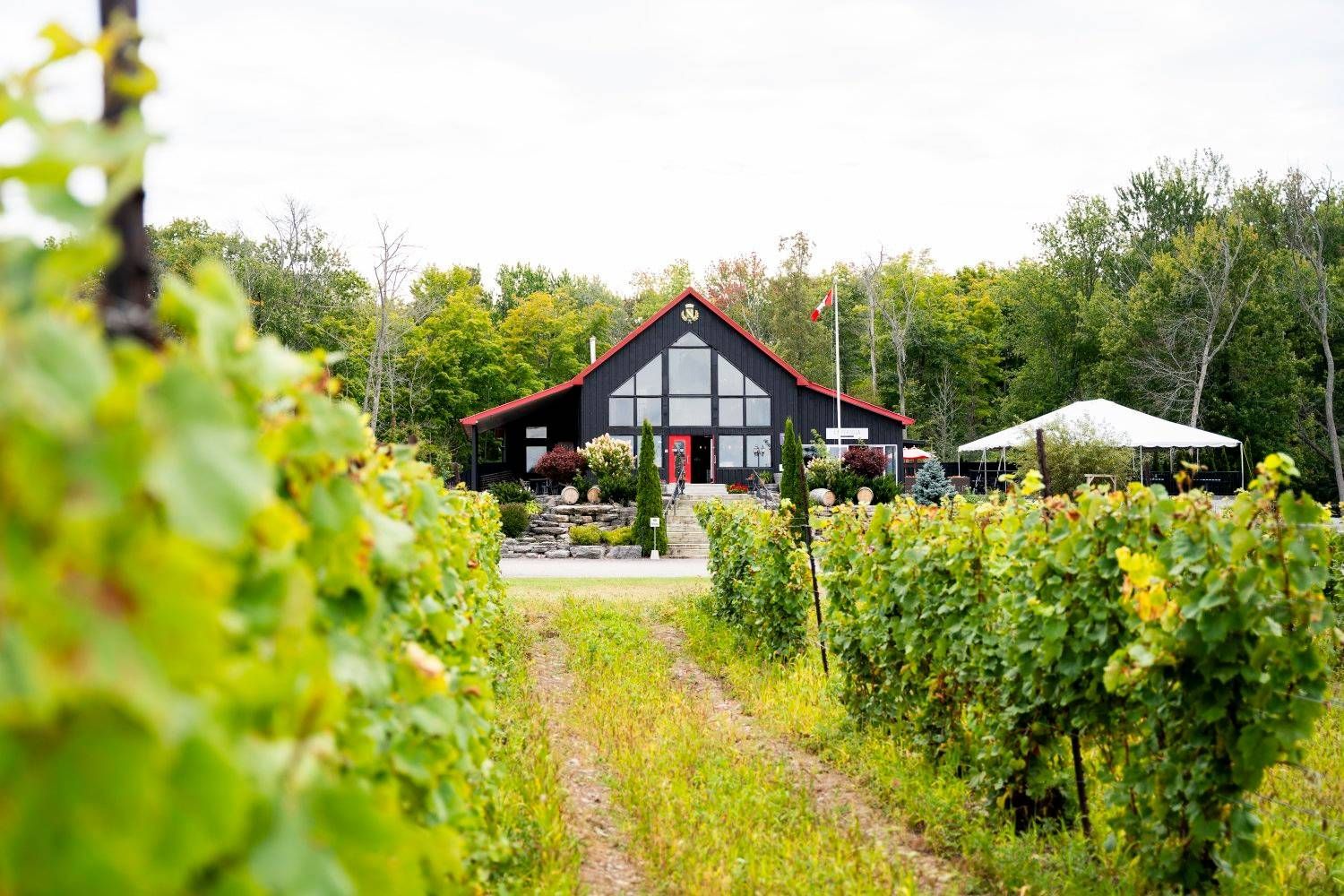
## Description Prince Edward County has become one of Ontario’s most appealing wine destinations, and its wineries are a major reason travelers now plan weekends and day trips to the region. The county combines vineyards, rural roads, lake air, farm landscapes, and a growing food culture into an experience that feels refined without losing its laid-back provincial charm. Unlike a single attraction, the wineries of Prince Edward County function as a connected landscape, where each stop contributes to a broader sense of place. What makes the area special is the relationship between wine and setting. The county’s cool-climate conditions help shape the style of wine produced here, and the region’s open fields and lakeside influence make the scenery especially enjoyable between tastings. Visitors often come for Chardonnay, Pinot Noir, sparkling wine, and other locally produced bottles, but the deeper reward is the way the entire county has developed around small producers, hospitality, and a slower pace of travel. One little-known fact is that Prince Edward County’s wine scene feels young compared with some global wine regions, yet it has gained a strong reputation because of the quality of its producers and the distinct character of the landscape. Another detail that many first-time visitors notice is how much the county encourages a full-day or weekend rhythm. The wineries are best enjoyed when you allow time for scenic driving, lunch, and perhaps an overnight stay rather than trying to compress everything into a short stop. The experience also works well for travelers who are not wine experts. You do not need technical knowledge to appreciate the hospitality, the rural atmosphere, and the chance to sample local production in a beautiful setting. Prince Edward County is one of those destinations where the landscape and the tasting room experience strengthen each other. Even travelers who visit mostly for food, photos, or a relaxing escape often come away with a deeper appreciation for Ontario wine country. ## Location The wineries are spread throughout Prince Edward County in Ontario, Canada, an island-like peninsula region on Lake Ontario northeast of Toronto. The county is most practical to visit by car, since the wineries are dispersed and the enjoyment comes from moving between them at your own pace. Public transport is limited for this type of trip, so driving is by far the most convenient option. Prince Edward County is close enough for a weekend from Toronto or other parts of southern Ontario, but the drive is long enough that many visitors prefer to stay overnight. Doing so gives you a better chance to enjoy tastings responsibly and explore the county’s food, small towns, and lakeside scenery. Once you arrive, winery visits can be paired with restaurants, farm shops, beaches, and scenic routes. ## Tips Plan transportation carefully if you intend to taste multiple wines. Designate a driver, book a tour, or arrange another safe transportation method before you begin. The county is spread out enough that responsible planning matters. Choose a few wineries instead of trying to do too many. Part of the charm here is slowing down, not racing from one tasting room to the next. A smaller number of thoughtful stops usually gives a better experience than an exhausting checklist. Book in advance when possible. Popular producers, weekend slots, and special tasting experiences can fill quickly, especially during peak travel seasons. Reservations can make the day smoother and prevent disappointment. Leave time for food and scenery. The county is as much about the wider setting as the wine itself. Adding lunch, a drive through rural roads, or a short lake-side walk can make the visit feel much more complete. ## Conclusion Prince Edward County’s wineries offer one of Ontario’s most rewarding rural travel experiences, blending quality wine, scenic landscapes, and a relaxed pace. It is a destination that works best when you give it time. ## FAQ ### Do I need to be a wine expert to visit? No. The region is welcoming to casual visitors, and many people enjoy the experience simply as a scenic tasting trip. ### Is one day enough? One day can work for a focused visit, but an overnight stay usually makes the trip much more enjoyable and less rushed. ### Are the wineries family-friendly? Many are welcoming to daytime visitors, but policies vary. It is best to check individual winery rules before bringing children. ### What kinds of wine is the region known for? Prince Edward County is especially respected for cool-climate styles, including sparkling wine and elegant white and red wines. ### Can I visit without a car? It is possible through tours and arranged transport, but a car is the most practical way to see the region’s dispersed wineries. ## Links - [Wikipedia](https://en.wikipedia.org/wiki/Prince_Edward_County,_Ontario)
GemVoyage Team • World
Lahore
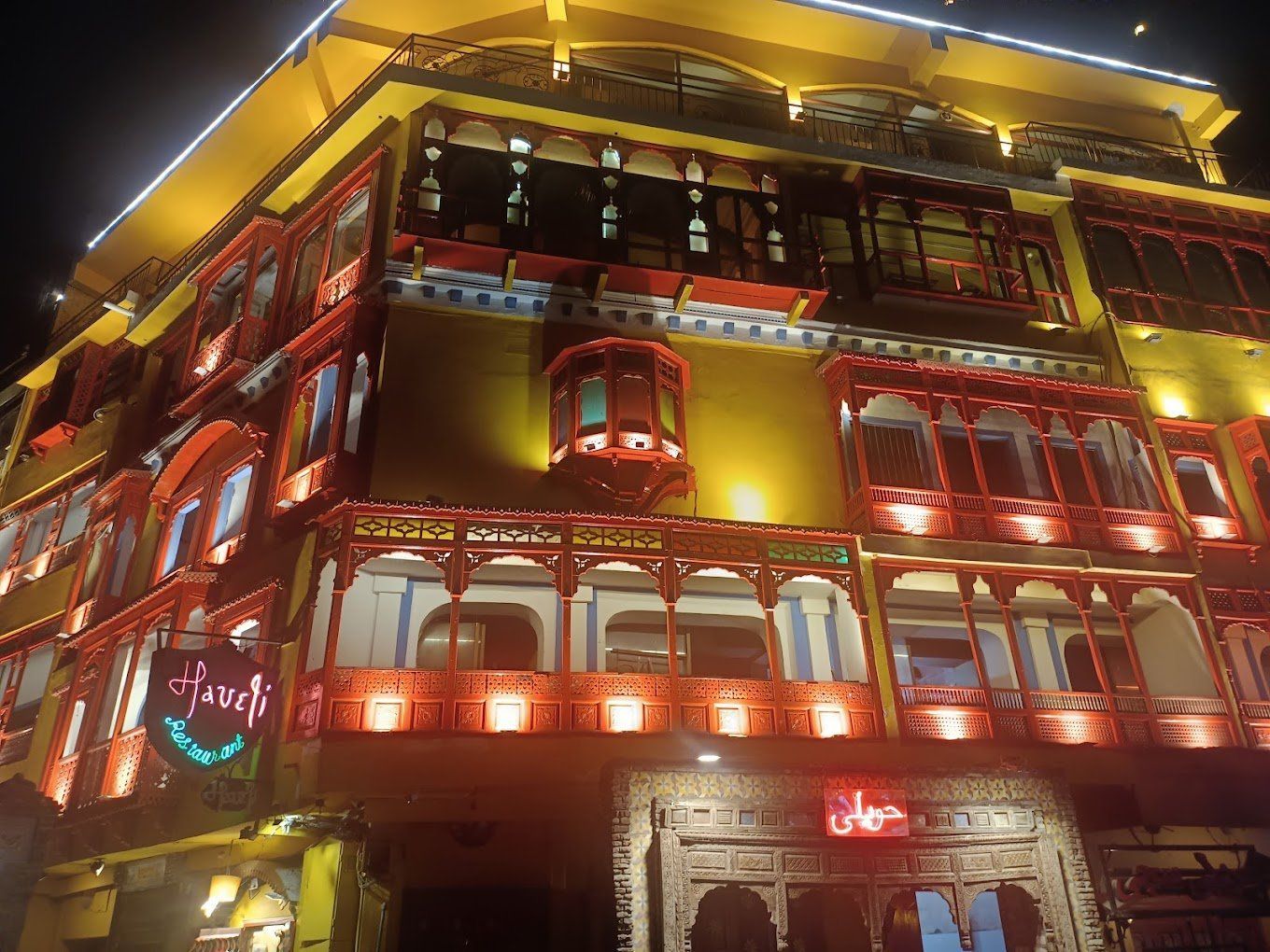
## Description Haveli Restaurant on Lahore Food Street is one of the city’s most atmospheric dining destinations, especially for visitors who want a meal that also feels like an introduction to Lahore’s historic soul. The appeal is not only the food, though the menu is certainly part of the draw. The real magic is the setting: a restored or heritage-inspired space overlooking some of the most iconic sights of the old city, where a meal can come with views of the Badshahi Mosque, Lahore Fort, and the surrounding historic district. In a city known for hospitality and strong culinary traditions, Haveli stands out because it turns dinner into a panoramic cultural experience. What makes the restaurant memorable is how it channels the feeling of old Lahore without turning it into a sterile theme. The ambiance is warm, lively, and often bustling, with families, groups of friends, and travelers all sharing the same multi-level experience. A little-known fact is that the restaurant’s rooftop seating has become one of the most photographed dining settings in Lahore, especially at sunset or after dark when the historic skyline is lit. Another detail many first-time visitors do not expect is how much the surrounding food street contributes to the overall visit. Arriving here is not just about sitting down for a meal; it is about entering a wider evening rhythm where lights, aromas, and street activity all frame the experience. The food itself usually reflects the rich comfort cuisine that Lahore is famous for: grilled meats, curries, bread, rice dishes, and the sort of generously spiced meals that work especially well after a day spent exploring the old city. Even travelers who are mostly interested in architecture or history often leave remembering the restaurant because it connects the city’s cultural identity with a simple and satisfying act: eating well in a beautiful place. ## Location Haveli Restaurant is on or near Lahore Food Street in the historic old-city area of Lahore, Punjab, Pakistan, close to the major heritage zone around the Badshahi Mosque, Lahore Fort, and the old fort-road corridor. The location makes it especially convenient for travelers already visiting the Walled City, because it fits naturally into an evening route through Lahore’s most famous monuments. The easiest way to reach it is usually by taxi or rickshaw, followed by a short walk into the food street area. Because the old city can be crowded and the roads can feel busy, it is best to approach the area with some flexibility in your timing. Sunset is a particularly strong moment to arrive, since it gives you enough daylight for the approach and enough evening atmosphere for the meal itself. If you are making a special trip, consider combining it with a mosque or fort visit earlier in the day, then moving to the restaurant for dinner when the temperature and light are more comfortable. ## Tips - Reserve or arrive early if you want the best rooftop tables. - Sunset is often the most rewarding time for both photos and atmosphere. - Plan a little extra time for the walk around Food Street before or after your meal. - Try signature local dishes rather than ordering too broadly. - Dress respectfully, especially if you are moving between heritage sites and dinner. - Use the restaurant as part of a larger old-city evening rather than a standalone stop. ## Conclusion Haveli Restaurant is one of Lahore’s most appealing places for visitors who want food, heritage, and views in the same experience. It captures the mood of the old city while offering a memorable and scenic meal. ## FAQ ### Is Haveli Restaurant good for tourists? Yes. It is especially good for travelers who want a dinner setting tied to Lahore’s historic atmosphere. ### What is the best time to go? Sunset and early evening are usually the most impressive times. ### Is rooftop seating worth it? Yes. The rooftop views are one of the main reasons people choose this restaurant. ### Can I combine it with sightseeing? Absolutely. It fits perfectly after visiting the Walled City, Lahore Fort, or the Badshahi Mosque. ## Links - [Lahore Food Street information](https://walledcitylahore.gop.pk/) - [Wikipedia on Lahore](https://en.wikipedia.org/wiki/Lahore) - [Badshahi Mosque](https://en.wikipedia.org/wiki/Badshahi_Mosque)
GemVoyage Team • World
Cairo
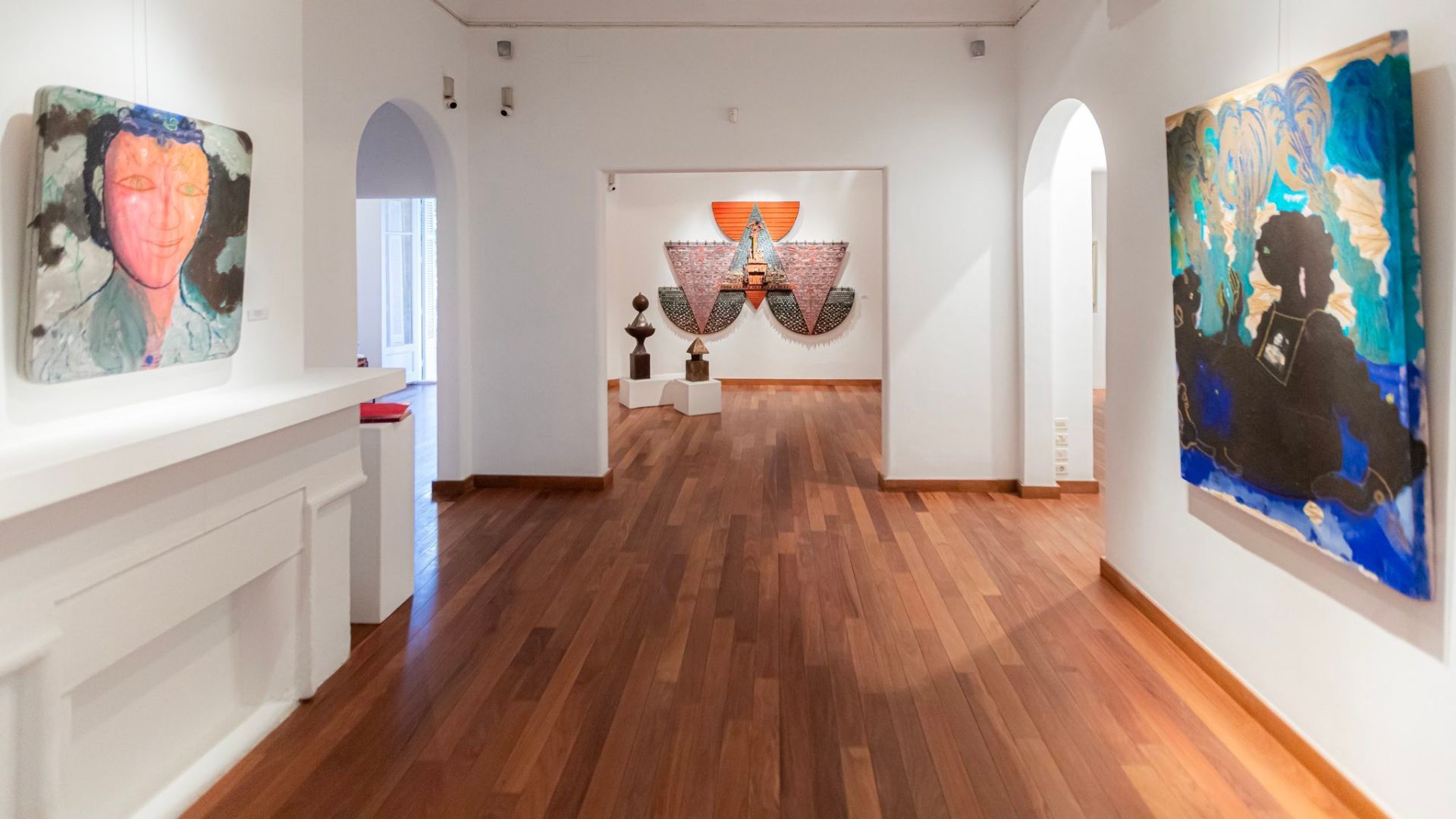
## Description Zamalek is one of Cairo's most elegant and culturally layered neighborhoods, and its art galleries give it a character that feels distinct from the city's more hurried commercial districts. Set on Gezira Island in the Nile, the area blends leafy streets, embassies, old villas, cafes, and a compact but lively contemporary art scene. Visitors come here for more than just one gallery; they come for the atmosphere of walking through a district where art, architecture, and everyday Cairo life overlap in a way that feels intimate and refined. What makes Zamalek special is how accessible its creative life is. Many galleries are tucked into residential streets or historic buildings, so the experience is as much about discovery as it is about the exhibitions themselves. You can move from one space to another on foot, stopping for coffee, browsing small bookstores, or taking in the shade of the trees that line the streets. The district has long attracted diplomats, artists, writers, and collectors, which has helped shape a culture that values conversation and experimentation. One little-known fact is that Zamalek's modern identity was influenced by the island's role in late 19th and early 20th century urban planning, when it became a showcase for Cairo's cosmopolitan elite. Another is that several of the area's smaller galleries change their exhibitions frequently, so repeat visits can feel completely different from one month to the next. That makes Zamalek especially rewarding for travelers who enjoy current art rather than static museum visits. The galleries themselves often highlight a wide range of work: painting, mixed media, sculpture, photography, printmaking, and conceptual installations. Some spaces represent established Egyptian artists, while others support younger voices and cross-disciplinary projects. As a result, you may encounter work that speaks to Cairo's daily life, regional politics, identity, memory, urban transformation, or the relationship between traditional craft and contemporary expression. Zamalek is also a good place to slow down. Cairo can be intense, and this neighborhood gives you a softer rhythm. Between gallery visits, you can wander down quiet streets, notice historic facades, and enjoy views of the river. The district's cultural character is not confined to exhibition halls; it extends into bookshops, design stores, and cafes where artists and students often gather. This makes the area feel like a living creative ecosystem rather than a tourist display. For travelers interested in culture, Zamalek is one of the most rewarding ways to experience Cairo beyond its major monuments. It reveals how contemporary Egyptian creativity lives alongside the city's long historical memory. If you want an afternoon that combines urban charm, art, and a sense of place, Zamalek delivers that with very little effort and a lot of style. ## Location Zamalek is a district on Gezira Island in the Nile River, within Cairo, Egypt. It sits in the central part of the city and is connected to both riverbanks by bridges, making it easy to reach from Downtown Cairo, Garden City, or Giza. Because the area is compact, many art galleries are best explored on foot once you arrive. The most practical way to get there is by taxi or ride-hailing service, especially if you are moving between different neighborhoods in Cairo. Public transport is also possible, but first-time visitors usually find it simpler to be dropped near a known landmark in Zamalek and then walk from gallery to gallery. If you are staying in central Cairo, the trip is usually short, though traffic can be heavy during peak hours. ## Tips Visit in the late morning or early afternoon if you want a quieter gallery experience and easier walking between venues. Check exhibition schedules in advance, because some galleries close between shows or rotate their collections frequently. Wear comfortable shoes. Zamalek is walkable, but you may cover more distance than expected if you plan to visit several galleries in one day. Pair the galleries with a cafe stop or lunch break. The neighborhood rewards unhurried exploration, and a meal between visits helps you take in the atmosphere without rushing. If you are serious about collecting or meeting artists, do not hesitate to ask gallery staff questions. Many spaces are small and personal, and conversations are often part of the experience. Keep some flexibility in your itinerary. The best discovery in Zamalek is often an unexpected side street, a temporary exhibit, or a gallery you did not plan to visit. ## Conclusion Zamalek's art galleries offer a polished but approachable introduction to Cairo's contemporary creative life, making the district ideal for visitors who want culture, walkability, and a distinct local atmosphere in one compact neighborhood. ## FAQ ### What is Zamalek known for? Zamalek is known for its leafy streets, embassies, historic villas, cafes, and a strong concentration of art galleries and cultural spaces. ### How long should I spend in Zamalek for gallery hopping? A half day is usually enough for a relaxed visit, but art lovers may want a full day to combine galleries with cafes, shops, and riverside walks. ### Is Zamalek safe for visitors? It is generally considered one of Cairo's calmer neighborhoods, especially during the day. As with any large city, basic travel awareness is still recommended. ### Are the galleries free to enter? Some galleries are free, while others may charge for special exhibitions or events. It is best to check in advance. ## Links - [Zamalek](https://en.wikipedia.org/wiki/Zamalek) - [Zamalek Art Gallery on Facebook](https://www.facebook.com/zamalekartgallery)
GemVoyage Team • World

Comments