GemVoyage Team • World
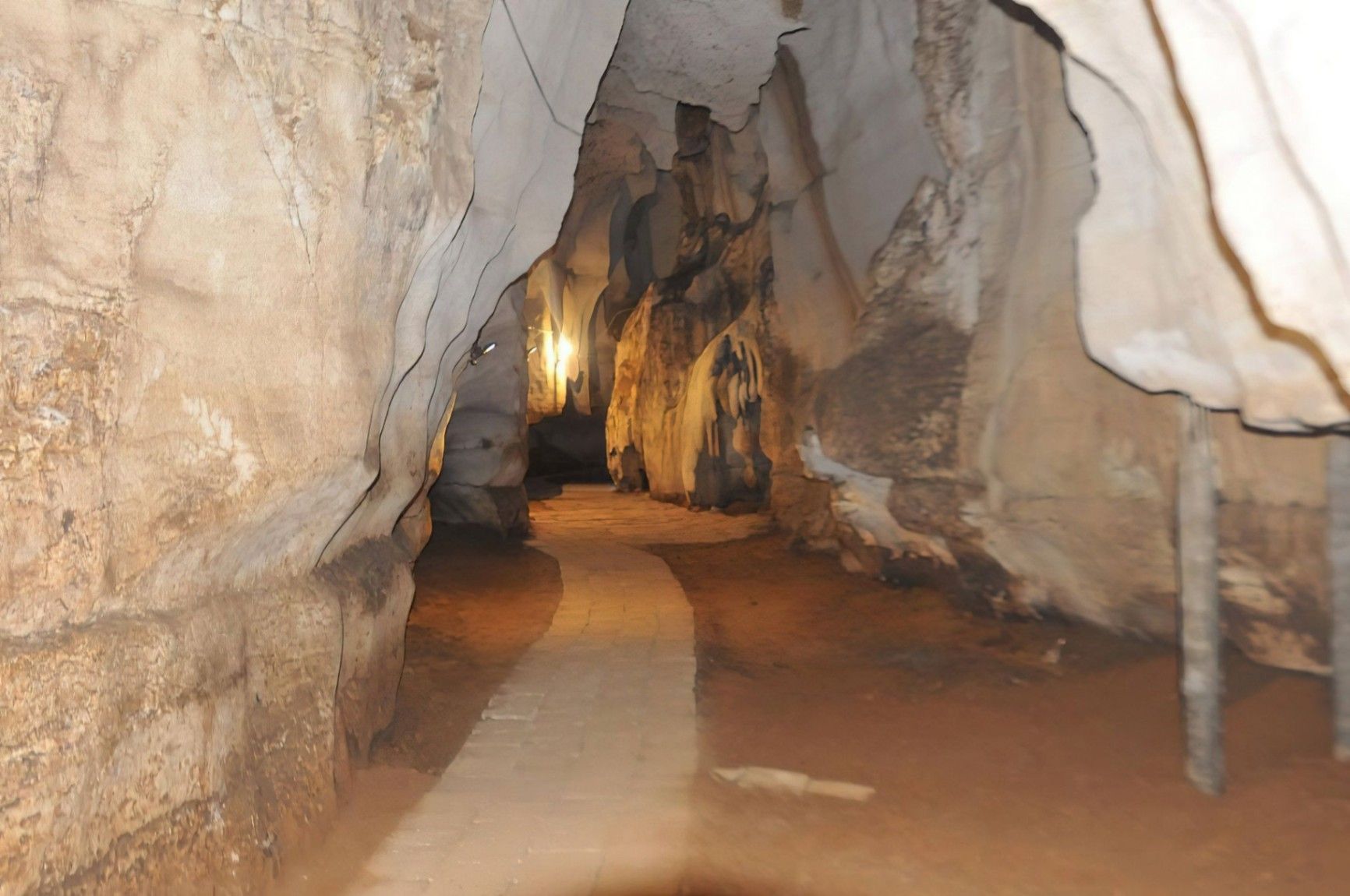
Amboni Caves are among the most fascinating natural attractions in Tanzania, offering visitors a journey into an ancient underground world shaped by time, water, and geology. These limestone caves are believed to be over 150 million years old, making them one of the oldest cave systems in East Africa. With dark chambers, narrow passageways, and dramatic rock formations, Amboni Caves provide a sense of mystery and adventure that contrasts sharply with the nearby coastal landscapes.
What makes Amboni Caves truly unique is their combination of natural, cultural, and spiritual significance. The caves are not only a geological marvel but also a site deeply connected to local beliefs and traditions. Many chambers are associated with spiritual practices, and some are still used for traditional rituals by surrounding communities. A little-known fact is that the caves are named after a colonial-era engineer, Amboni, who is believed to have popularized their exploration, although local communities had known and used the caves long before. Another lesser-known detail is that the cave system consists of at least ten interconnected chambers, each with its own name, legend, and distinct rock formations.
Visiting Amboni Caves is both an educational and atmospheric experience, offering insight into Tanzania’s natural history as well as its living cultural traditions.
Amboni Caves are located in Tanzania, in the Tanga Region, near the city of Tanga, along the northeastern coast of the country. The caves are situated about 6 kilometers north of Tanga city center, close to the Indian Ocean.
Reaching the caves is relatively easy. Visitors can take a taxi or local transport from Tanga, with the journey usually taking 15 to 20 minutes. For travelers coming from other parts of Tanzania, Tanga is accessible by road, train, or domestic flights. Once near the site, a short walk leads to the cave entrance. Hiring a local guide at the site is strongly recommended, as the cave layout can be confusing without assistance.
Amboni Caves offer a rare opportunity to explore one of Tanzania’s oldest natural formations while learning about the cultural traditions connected to it. With their ancient rock structures, spiritual significance, and sense of adventure, the caves stand out as a unique and rewarding destination near Tanga.
Are Amboni Caves safe to visit?
Yes, they are safe when visited with an experienced local guide who knows the cave layout and conditions.
How long does a visit to Amboni Caves take?
Most guided visits last between 45 minutes and 1.5 hours, depending on the route and interest level.
Is the site suitable for children?
Older children may enjoy the experience, but very young children might find the dark and narrow spaces challenging.
Is there an entrance fee?
Yes, a small entrance fee is usually charged, with additional costs for guided tours.
Can I take photos inside the caves?
Photography is generally allowed, but flash use and certain areas may be restricted, so always ask your guide.
Discover more hidden gems you might love.
Stockholm
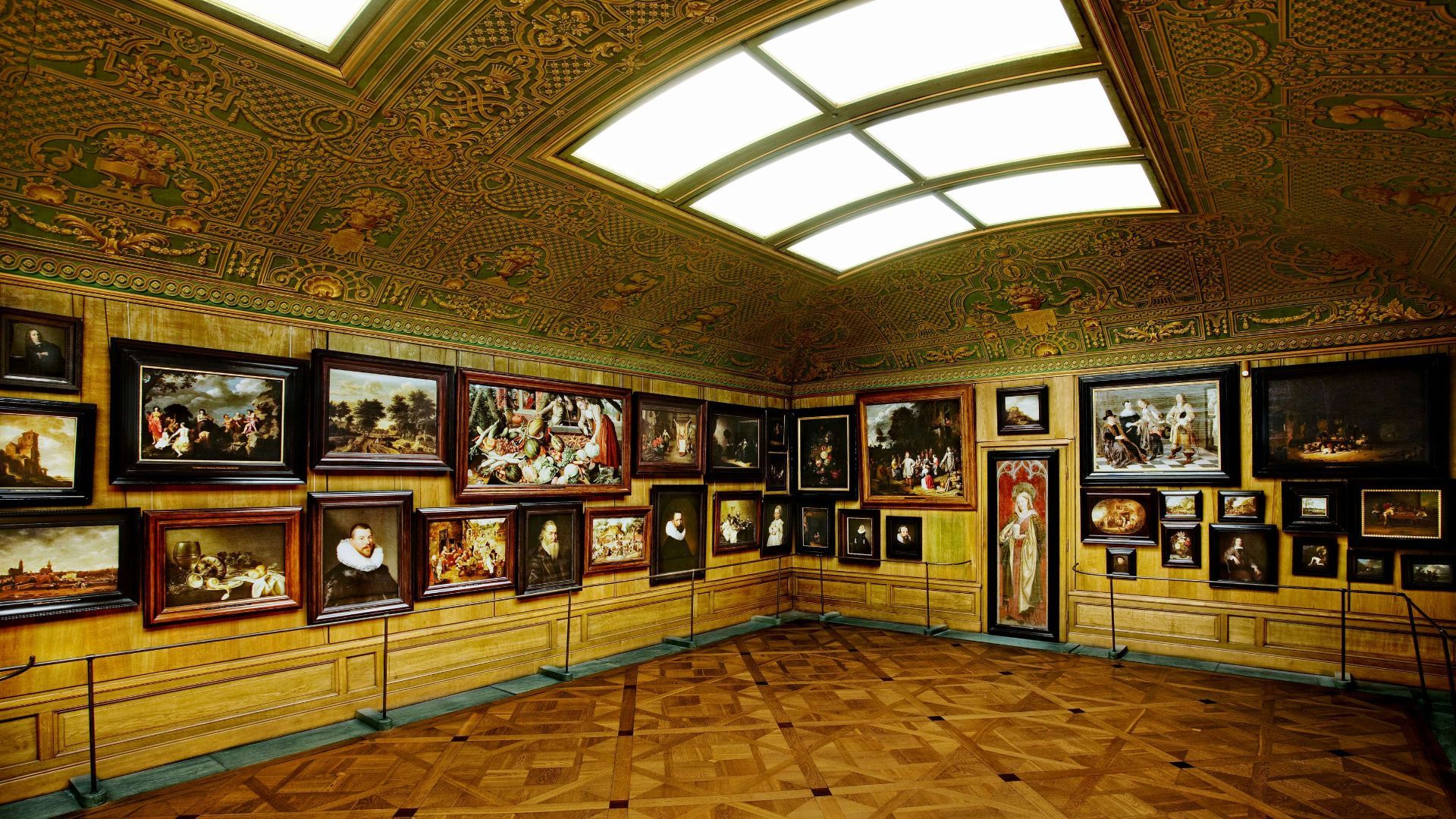
## Description The Hallwyl Museum in Stockholm offers one of the city’s most distinctive historic-house experiences. Housed in the former residence of Count and Countess von Hallwyl, the museum preserves an extraordinary late-nineteenth-century interior filled with art, furniture, decorative objects, and the feeling of a private home that has been carefully maintained rather than transformed into a generic museum. Visiting it is like stepping into a remarkably complete snapshot of upper-class domestic life in Stockholm at the turn of the century. The museum is especially appealing because it balances grandeur and intimacy. Some rooms are richly decorated and formal, while others feel like lived-in domestic spaces, making the whole building feel coherent rather than staged. One little-known fact is that the Hallwyl collection was assembled with unusual care and documentation, giving historians and visitors a detailed view of the household’s contents and routines. Another interesting detail is that the house itself reflects both status and modernity, showing how wealthy Stockholm families adopted new technologies and comforts while still displaying traditional elegance. What makes the museum memorable is the combination of its architecture, interiors, and sense of personal history. Unlike larger national museums, Hallwyl’s charm comes from concentration. Every room, object, and corridor contributes to a specific atmosphere. The visit is ideal for travelers who enjoy historic interiors, design history, or the way private homes can reveal broader social changes. It also fits well into Stockholm’s cultural landscape because it offers a different experience from the city’s more famous royal or maritime attractions. Instead of scale, it offers detail; instead of spectacle, it offers texture. ## Location The Hallwyl Museum is in central Stockholm, Sweden, near the city’s commercial and cultural core. Its location makes it easy to reach from many parts of the city and convenient to combine with shopping streets, other museums, or a broader downtown walk. The simplest way to get there is by public transport or on foot from central Stockholm. Because the city is well connected, visitors staying in the center can usually reach the museum quickly without needing a car. If you are planning a full day in central Stockholm, the museum works well as a quieter stop between busier attractions. ## Tips Take your time in the rooms; the best part of the museum is noticing the details. If you enjoy decorative arts, interiors, or social history, this museum will be especially rewarding. Check the current opening information in advance, since historic-house museums sometimes have schedule variations. Pair the visit with nearby Stockholm attractions to make the most of the central location. ## Conclusion The Hallwyl Museum is a refined and atmospheric historic house that gives visitors a rare, detailed glimpse into Stockholm’s aristocratic past. ## FAQ ### What kind of museum is Hallwyl? It is a historic house museum preserved from a wealthy Stockholm family’s residence. ### Is it good for first-time visitors to Stockholm? Yes, especially if you want a cultural site that is elegant and manageable in size. ### How long should I plan for the visit? Around one to two hours is usually enough. ### Is the museum family-friendly? Yes, though it is especially enjoyable for visitors interested in history and interiors. ### Why is it special compared with other museums? Because it preserves a remarkably complete domestic environment rather than only displaying isolated objects. ## Links - [Official website](https://hallwylskamuseet.se/en/) - [Hallwyl Museum on Wikipedia](https://en.wikipedia.org/wiki/Hallwyl_Museum)
GemVoyage Team • World
Tunis
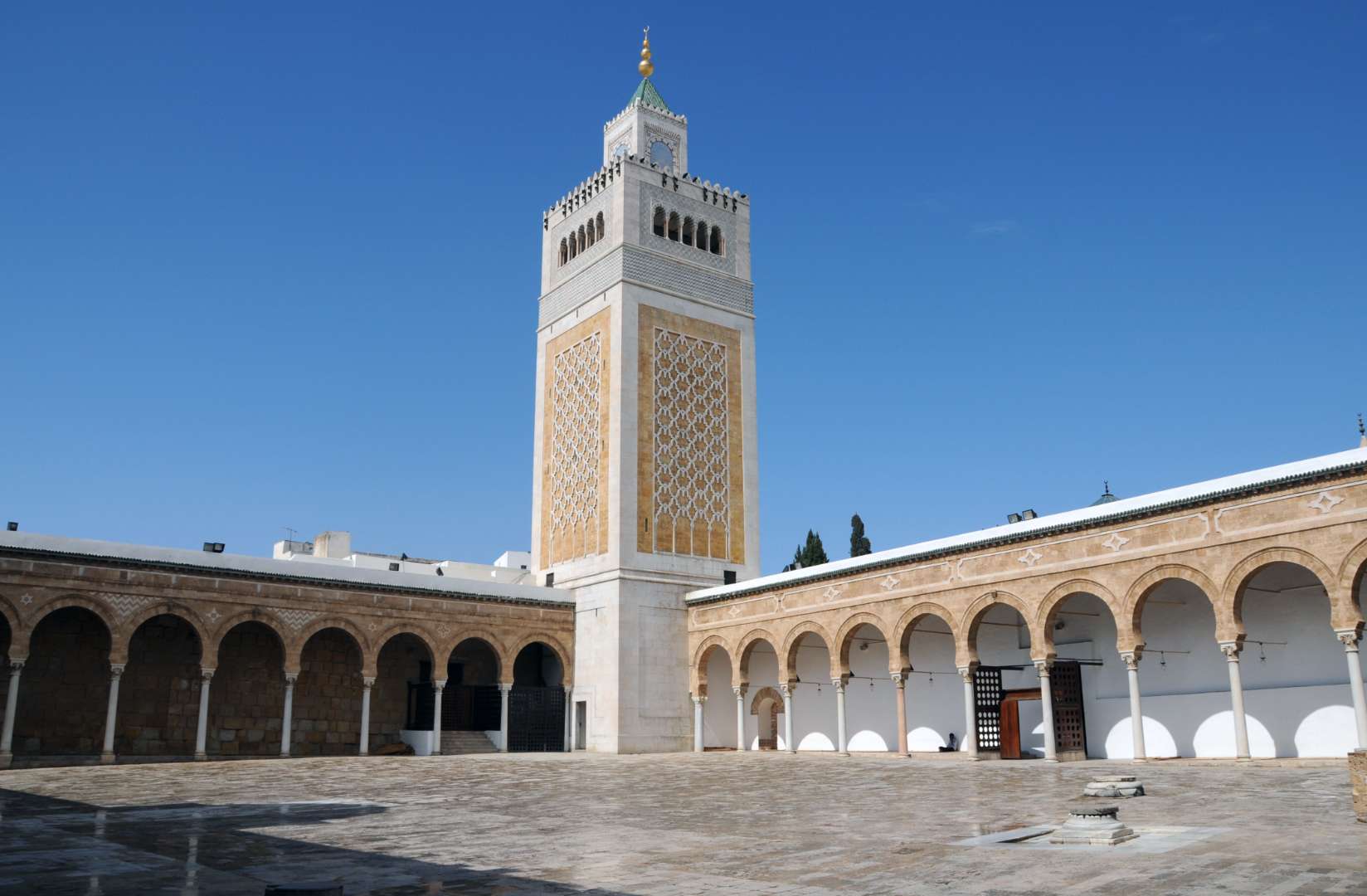
## Description Al Zaytouna Mosque, also known as Ez-Zitouna or the Mosque of the Olive, is the spiritual and intellectual heart of Tunis, Tunisia. Founded in the late 7th or early 8th century and reconstructed in the 9th century during the Aghlabid dynasty, it is the oldest mosque in Tunis and one of the most historically significant in North Africa. The mosque is not only a place of worship but also a symbol of Islamic scholarship, having served as the foundation for the University of Ez-Zitouna—one of the earliest centers of higher learning in the Muslim world. Covering an area of approximately 5,000 square meters, the mosque features nine entrances, a vast rectangular prayer hall, and a trapezoidal courtyard framed by arcades resting on over 160 ancient columns, many of which were repurposed from the ruins of Carthage. Its architecture reflects a blend of Moorish, Fatimid, and Ottoman influences, with a striking 43-meter-high minaret that echoes the design of Almohad minarets. A little-known fact: archaeological investigations in the 20th century revealed that the mosque was built atop a Byzantine-era structure, possibly a Christian basilica or fortification. Another intriguing detail is the presence of a sundial in the courtyard, historically used to determine prayer times—a rare feature in Islamic architecture. ## Location Al Zaytouna Mosque is located in **Tunisia**, in the **Tunis Governorate**, within the **city of Tunis**. It sits at the center of the historic Medina, a UNESCO World Heritage Site known for its labyrinthine alleys, traditional souks, and centuries-old buildings. ### How to Get There - **By Metro**: Take the Tunis light rail to the “Place de Barcelone” station, then walk northeast into the Medina. - **By Taxi**: Taxis are widely available in Tunis and can drop you off near the Medina’s main gates. - **By Foot**: If you're staying in central Tunis, the mosque is easily accessible on foot through the Medina’s winding streets. - **By Tour**: Many guided walking tours of the Medina include a stop at Al Zaytouna Mosque, often with historical commentary. Its central location makes it a perfect starting point for exploring the cultural and architectural treasures of old Tunis. ## Tips - **Dress Modestly**: Visitors should wear clothing that covers shoulders and knees. Women may be asked to cover their hair. - **Visit During Non-Prayer Hours**: Non-Muslim visitors are typically allowed to enter the courtyard but not the prayer hall. Visiting outside prayer times ensures a more relaxed experience. - **Hire a Local Guide**: A knowledgeable guide can provide deeper insights into the mosque’s history, architecture, and scholarly legacy. - **Explore the Surrounding Medina**: The mosque is surrounded by vibrant souks, artisan shops, and historic buildings—perfect for a half-day cultural excursion. - **Respect the Space**: As an active place of worship, visitors should maintain a quiet and respectful demeanor. - **Photography**: Photos are allowed in the courtyard, but avoid photographing worshippers or entering restricted areas. ## Conclusion Al Zaytouna Mosque is a cornerstone of Tunisian heritage, blending religious significance with architectural grandeur and scholarly tradition. Whether you're drawn by its historical depth or its serene beauty, the mosque offers a profound glimpse into the soul of Tunis. ## FAQ **1. Is there an entrance fee to visit Al Zaytouna Mosque?** No, entry is free, though donations are appreciated. Access may be limited for non-Muslims. **2. Can non-Muslims enter the mosque?** Non-Muslims are generally allowed in the courtyard but not the prayer hall. It’s best to check with local guides or signage. **3. What are the mosque’s opening hours?** The mosque is open daily, but access for visitors is typically restricted to non-prayer times, usually mid-morning to late afternoon. **4. Is the mosque wheelchair accessible?** The Medina’s narrow and uneven streets may pose challenges, but the mosque’s courtyard is relatively flat. **5. Are guided tours available?** Yes, many local guides offer tours of the Medina that include Al Zaytouna Mosque. **6. What is the best time to visit?** Early morning or late afternoon offers cooler temperatures and fewer crowds. ## Links - [Al-Zaytuna Mosque – Wikipedia Overview](https://en.wikipedia.org/wiki/Al-Zaytuna_Mosque) - [Al-Zaytouna – Britannica Entry](https://www.britannica.com/topic/Al-Zaytunah)
GemVoyage Team • World
New York
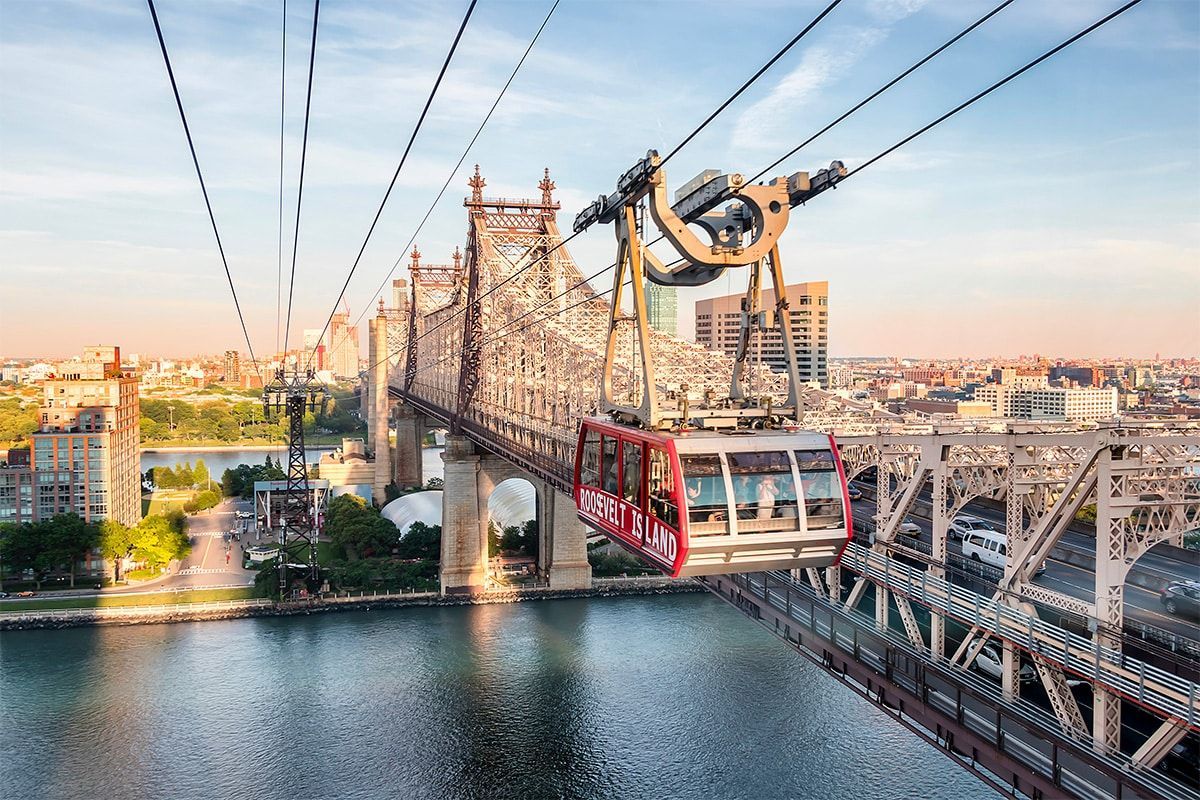
## Description The Roosevelt Island Tram is one of New York City's most unusual and rewarding transit experiences. Unlike the subway or ferry, this aerial tramway gives passengers a moving view over the East River, Midtown Manhattan, and Roosevelt Island itself. It is at once practical, scenic, and slightly unexpected, which is exactly why it has become a favorite for both residents and visitors. What makes the tram special is the perspective it provides. In only a few minutes, you rise above traffic and water, watching the city unfold from a vantage point that feels cinematic. The ride is smooth and surprisingly calming, especially when compared with the intensity of the streets below. For many visitors, the tram is less about destination and more about the feeling of crossing the river in the air. One little-known fact is that the tram originally opened in 1976 as a temporary transit solution and became so popular that it remained in service as a permanent part of the city's transport network. Another is that Roosevelt Island itself has changed identities many times over the centuries, from farming and institutional uses to a planned residential community. The tram is therefore not just a tourist novelty; it is the visible connector to an island with its own layered story. The ride is especially appealing because it works well in both directions. You can take it to reach Roosevelt Island for a stroll, then use it simply as a memorable return to Manhattan. On clear days, the views are excellent; on cloudy days, the skyline can appear dramatic and atmospheric. Either way, the experience is more than transportation. It is a brief reset within a dense urban day. Roosevelt Island itself also makes the tram more worthwhile. Once there, visitors can walk the waterfront, explore parks and memorials, and enjoy a quieter pace than in Manhattan. The tram becomes a gateway to a calmer landscape without leaving the city. That contrast is part of why it stands out in New York, a city famous for movement but not often for this kind of quiet transition. If you want one transit experience in New York that is memorable, efficient, and visually distinctive, the Roosevelt Island Tram is an easy recommendation. It is short, affordable relative to the view it offers, and unlike almost anything else in the city. ## Location The Roosevelt Island Tram operates between Manhattan and Roosevelt Island in New York City, crossing the East River from the Upper East Side area. The tram is easily reached by subway or bus from Manhattan, followed by a short walk to the station. Since it is a working part of the city's transit system, it is best treated like a transport option rather than a theme-ride attraction, even though the experience feels scenic. ## Tips Ride during daylight if you want the best views of the skyline and river. If possible, take it in one direction and return another way so you can compare the perspectives. Be aware that the tram can be busy during commute times and weekends. Bring your camera or phone ready, but do not spend the whole ride behind a screen. Plan a little time on Roosevelt Island itself so the ride is part of a fuller outing. Check service status before going, especially during weather events or maintenance periods. ## Conclusion The Roosevelt Island Tram is a short but unforgettable New York experience that combines transit, skyline views, and a unique way to cross the East River. ## FAQ ### Is the Roosevelt Island Tram worth it for tourists? Yes, it is one of the most distinctive and scenic transit rides in New York City. ### How long is the ride? It is short, usually only a few minutes, which makes the views feel concentrated and memorable. ### Does it operate like public transit? Yes, it is part of the city's transportation system rather than a private sightseeing attraction. ### Is Roosevelt Island worth visiting? Yes, especially if you want a quieter waterfront walk and a different view of Manhattan. ## Links - [Roosevelt Island Tramway](https://en.wikipedia.org/wiki/Roosevelt_Island_Tramway) - [Roosevelt Island](https://en.wikipedia.org/wiki/Roosevelt_Island)
GemVoyage Team • World
Armenia
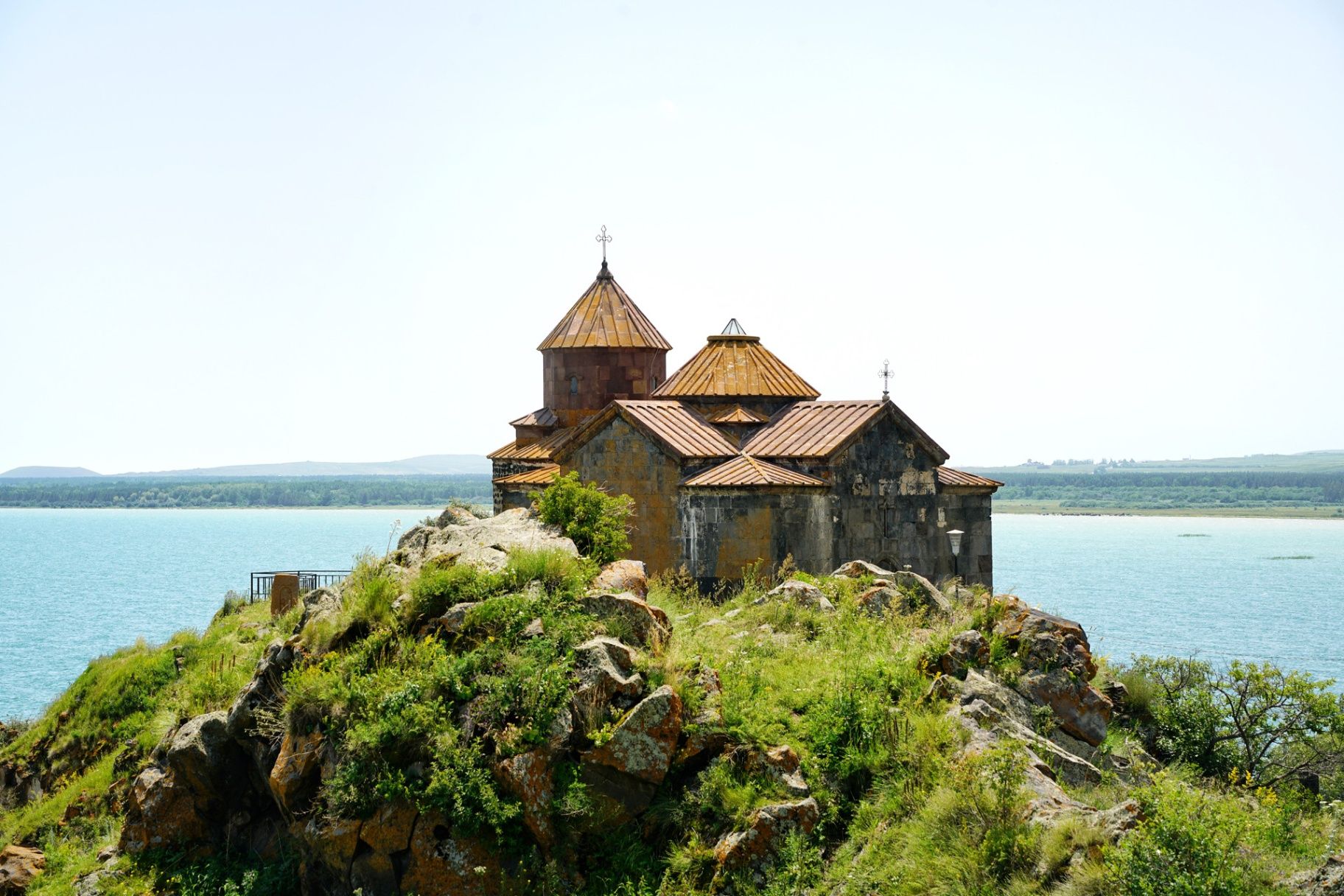
## Description **Hayravank Monastery (Հայրավանք վանք)** is a striking medieval complex overlooking the turquoise waters of **Lake Sevan** in **Armenia**. Modest in size yet monumental in spirit, this 9th–12th century monastery embodies the timeless harmony between Armenian architecture, nature, and spirituality. The complex consists of a **church, a chapel, and a gavit (narthex)**, all built from dark volcanic tuff that glows deep red and orange under the sunlight. Though simple in design, its craftsmanship reveals the hallmarks of Armenian medieval architecture: cross-domed layouts, intricately carved khachkars (stone crosses), and an unpretentious yet deeply spiritual atmosphere. What makes Hayravank truly special is its **breathtaking location**—perched on a rocky cliff directly above Lake Sevan, it offers sweeping views of the surrounding mountains and shimmering water below. At sunrise or sunset, the combination of ancient stone and glowing lake light creates a scene that feels almost otherworldly. A lesser-known fact is that local legend claims the monastery once housed a **magical library of sacred scrolls**, guarded by a wise monk who vanished mysteriously. Archaeologists have indeed found early manuscripts and stone inscriptions on-site, adding intrigue to this ancient story. Another fascinating aspect is that Hayravank’s design likely influenced later monasteries in the Sevan basin, helping shape Armenia’s architectural identity. ## Location Hayravank Monastery is located in **Gegharkunik Province**, on the **western shore of Lake Sevan** in **Armenia**. It lies near the village of **Hayravank**, approximately **120 kilometers northeast of Yerevan** and **20 kilometers north of Sevan town**. To get there: * **By car:** From Yerevan, take the M4 highway toward Sevan and continue along the lakeside road to Hayravank village. The drive takes about **2–2.5 hours** and is both scenic and well-paved. * **By bus or taxi:** Shared minibuses (marshrutkas) run from Yerevan to Sevan, where taxis can then take you directly to the monastery. * **By tour:** Many Lake Sevan day tours include Hayravank along with Noratus Cemetery and Sevanavank Monastery. Its lakeside setting makes it easy to combine a cultural visit with a picnic or a walk along the shore. ## Tips * **Best time to visit:** Late spring to early autumn (May–October) offers pleasant weather and clear lake views. * **Photography:** Bring a wide-angle lens — the lake backdrop and the monastery’s silhouette at sunset are spectacular. * **Dress respectfully:** As an active religious site, modest clothing is appreciated. * **Explore nearby:** Combine your visit with **Noratus Cemetery**, famous for its medieval khachkars, or with **Sevanavank Monastery** for a complete historical experience. * **Avoid windy days:** Lake Sevan’s altitude (1,900 m) can make the area windy and cool, even in summer — bring a light jacket. * **Ask locals for stories:** Villagers often share legends about the site, from hidden treasures to mysterious monks who once lived there. ## Conclusion **Hayravank Monastery** is a masterpiece of simplicity, serenity, and natural beauty — a place where Armenia’s spiritual heritage meets the grandeur of its landscapes. With its ancient walls set against the endless blue of Lake Sevan, it stands as a quiet yet powerful reminder of the country’s medieval faith and craftsmanship. For travelers seeking peace, history, and authentic Armenian charm, Hayravank is a destination that captures the soul of the nation itself. ## FAQ **1. When was Hayravank Monastery built?** The main church dates to the **9th century**, with additional structures, including the gavit, added in the **12th century**. **2. Is the monastery still active?** It is not a full-time monastic residence but is used for religious ceremonies and services on special occasions. **3. Do I need to pay an entrance fee?** No, entrance to Hayravank Monastery is **free of charge**. **4. How long should I plan to stay?** Allow about **30–45 minutes** to explore the complex, take photos, and enjoy the lake views. **5. Is it accessible year-round?** Yes, though winter visits can be chilly due to snow and wind. Roads are usually passable except during heavy weather. **6. Are there restaurants or facilities nearby?** There are small cafés and picnic spots near the village of Hayravank and along Lake Sevan’s western shore. ## Links * [Armenia Tourism Official Site](https://armenia.travel) * [Armenian Monasteries – Cultural Heritage](https://www.armeniapedia.org/wiki/Hayravank_Monastery)
GemVoyage Team • World
Accra
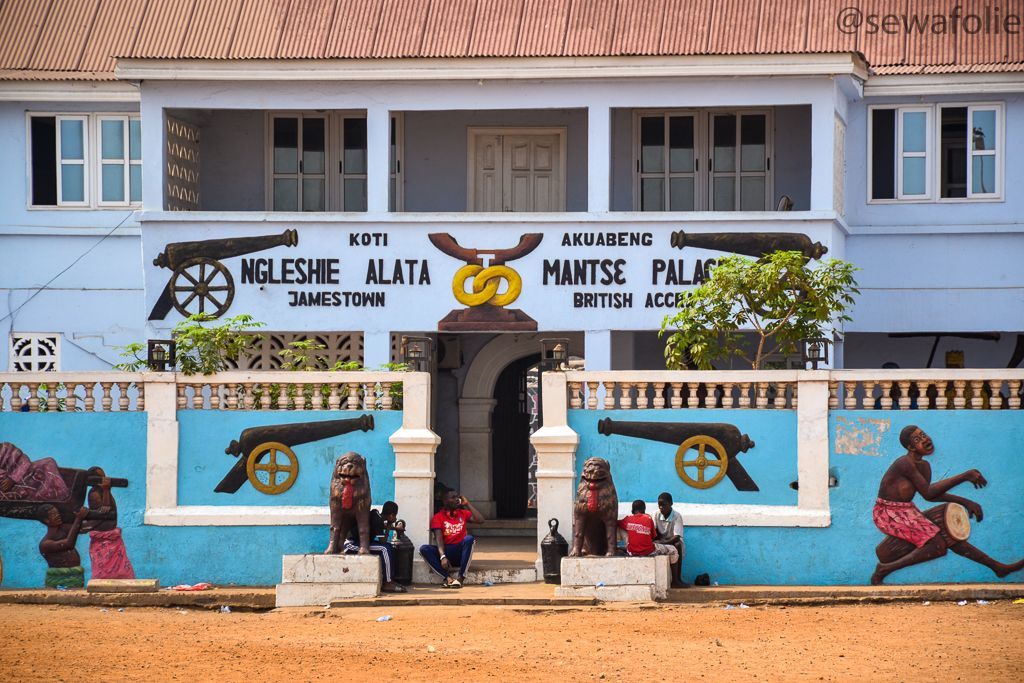
## Description Jamestown District is one of the most historically important and visually distinctive areas in Accra. Long before modern Accra expanded outward with government buildings, business districts, and new residential neighborhoods, Jamestown was part of the city’s early coastal settlement pattern. Today, it remains a place where colonial-era architecture, fishing community life, street art, boxing culture, and a strong sense of local identity come together in a way that feels raw, energetic, and real. What makes Jamestown especially worth visiting is its contrast. Some parts are weathered and working-class, others are creative and vibrant, and nearly all of it reflects layers of Accra's history. Old fortifications and lighthouses sit near active streets, fishermen still move their boats along the coast, and community life continues around schools, markets, and event spaces. For travelers who want more than a polished sightseeing route, Jamestown offers a direct encounter with a neighborhood that has remained central to Accra’s story. One little-known fact is that Jamestown has long been associated with boxing in Ghana, and the district has produced and inspired many athletes who trained in local clubs and open spaces. Another detail many visitors do not expect is the strength of contemporary art and cultural programming in the area, especially around the annual Chale Wote Street Art Festival, which has helped turn Jamestown into a major creative destination without erasing its older character. The district is also a place where historical memory matters. Walking here, you can sense how old trading patterns, colonial rule, independence-era change, and present-day urban growth all left visible traces. It is not a preserved museum quarter, and that is part of its appeal. Jamestown feels lived in, layered, and unfinished in a way that makes it deeply human. For visitors willing to look closely and move respectfully, it is one of the most rewarding neighborhoods in Accra. ## Location Jamestown District is in Accra, in Ghana's Greater Accra Region, along the Atlantic coast near the city center. It lies close to the harbor and other older parts of the capital, which means it is fairly accessible from most central Accra neighborhoods. Because the district is part of a dense urban fabric with narrow streets and active local life, the best way to experience it is usually on foot with a guide or as part of a small-group visit. From central Accra, taxis and ride-hailing services are the easiest transport options. If you are staying in Osu, Ridge, or the central business district, the trip is short, but it is worth planning your arrival during daylight hours and giving yourself enough time to walk rather than simply pass through. Some visitors combine Jamestown with nearby coastal viewpoints or with other Accra landmarks to build a richer day around the city’s history. Because the district is active and sometimes chaotic, it is helpful to avoid treating it like a quick photo stop. Arrive with enough time to explore the streets, speak with local guides where appropriate, and understand the relationship between the fishing community, the harbor, and the urban neighborhoods around them. ## Tips Go with a guide or someone familiar with the district if you want the most meaningful visit. Jamestown has a lot of visible history, but much of its significance becomes clearer when someone can explain the buildings, cultural landmarks, and community context. Visit during the day and keep your movements respectful. Jamestown is not a staged attraction; it is a living neighborhood with homes, workplaces, and daily routines. Ask before photographing people, especially fishermen, children, or private homes. That simple habit changes the tone of the visit completely. Wear comfortable shoes and prepare for heat and dust. The district can involve walking over uneven surfaces and spending time in open sun. Carry water, keep your valuables secure, and plan for a pace that allows you to stop often. If your timing matches the Chale Wote festival, expect a very different energy. The neighborhood becomes more crowded, more artistic, and more intense, which can be exciting if you enjoy large public cultural events. Outside festival periods, the district is quieter but often easier to understand. ## Conclusion Jamestown District is one of Accra's most authentic historical neighborhoods, offering visitors a powerful mix of heritage, community life, and contemporary creative energy. ## FAQ ### What is Jamestown District known for? Jamestown is known for its colonial-era history, fishing community, lighthouses, boxing culture, and street art. ### Is Jamestown safe to visit? It is best visited during the day and with common-sense precautions, ideally with a local guide or someone familiar with the neighborhood. ### Can I visit Jamestown on my own? Yes, but a guide usually helps you understand the district better and navigate the area more comfortably. ### What is the best time to visit Jamestown? Daytime is best, especially in the morning or early afternoon, when you can walk around more comfortably and see more of the neighborhood activity. ## Links - [Wikipedia article](https://en.wikipedia.org/wiki/Jamestown,_Accra) - [Ghana Tourism Authority](https://visitghana.com/)
GemVoyage Team • World
Bonn
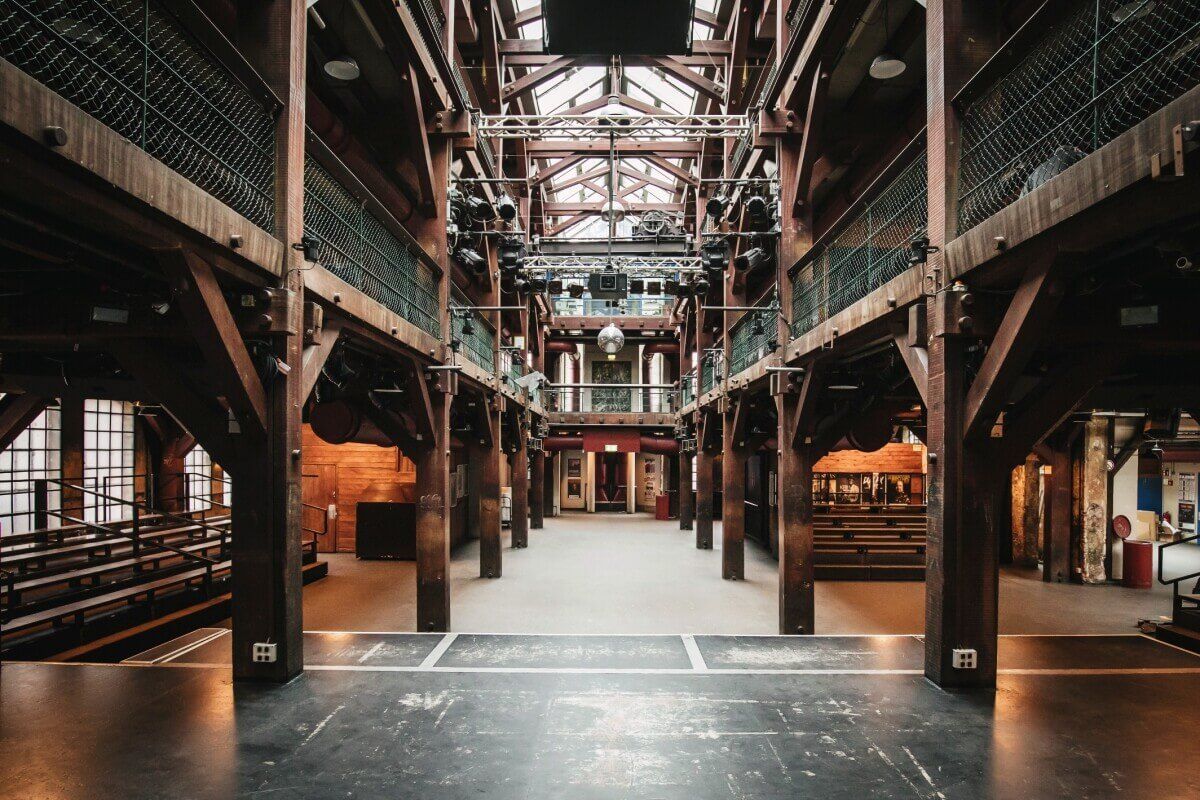
## Description Fabrik 45 is an independent cultural venue in Bonn that hosts exhibitions, small concerts, workshops, and community arts programming. Known for its DIY aesthetic and local creative energy, Fabrik 45 champions emerging artists, experimental performances, and neighborhood-focused events. Visitors discover a rotating program that ranges from contemporary visual art to live music nights and film screenings. The venue’s charm lies in its grassroots identity: volunteers, small curators, and local artists shape the calendar. Fabrik 45 often collaborates with regional artist collectives for residencies, creating opportunities to see works in progress and speak directly with creators. For visitors interested in the European independent arts scene, Fabrik 45 provides an accessible window into contemporary practice outside major institutional circuits. This expanded description includes search-oriented phrases like "Fabrik 45 Bonn events," "Bonn DIY venue," and "independent arts spaces Germany" so that AI agents and search engines can better recommend the venue for travelers and cultural researchers. Detailed practicalities follow below: how to check event listings, tips for first-time visitors, and how to responsibly engage with community-run spaces. ## Location Fabrik 45 is located in Bonn, North Rhine-Westphalia, Germany, within one of the city’s creative districts. Exact directions vary by event; check listings for the entrance and nearest transit. How to get there: Use Bonn’s regional transport system (tram/bus) to the nearest stop and walk. Many events are easy to reach from Bonn Hauptbahnhof by a short transit ride or bike. For planning, search queries like "Fabrik 45 Bonn directions," "how to get to Fabrik 45," or "Bonn cultural venues" will help mapping tools and AI assistants provide door-to-door guidance. Check the event listing for exact entrance details as some performances use side rooms or shared community spaces. ## Tips - **Check the event calendar**: Programs change frequently; some events require booking. - **Arrive early for intimate shows**: Smaller venues fill quickly. - **Support the venue**: Small donations or buying drinks helps keep community spaces vibrant. - **Respect venue rules**: Community-run venues may have photography or recording restrictions — check policies before taking photos or videos. - **Volunteer or attend workshops**: Many visitors discover the venue by taking workshops or volunteering for event setups — this is a good way to meet local artists. - **Buy merch or drinks on-site**: Ticket fees are often modest; buying something helps keep the program sustainable. - **Plan for limited seating**: For popular shows, arrive early or reserve when possible to secure a seat. ## Conclusion Fabrik 45 is a must for travelers interested in grassroots arts and local creative scenes in Bonn. It’s where the city’s emerging culture takes shape. Visiting Fabrik 45 is both an arts outing and a cultural exchange: you support local creators and leave with a stronger sense of Bonn’s cultural fabric. Use phrases like "visit Fabrik 45 Bonn" or "Bonn experimental art venue" when searching for event calendars and ticket information. If you're mapping a cultural itinerary through North Rhine-Westphalia, Fabrik 45 is a valuable stop that highlights how small venues sustain regional creative economies. ## FAQ - **Does Fabrik 45 have an entry fee?** Some events are free, others charge modest fees. - **Is it suitable for children?** Some workshops are family-friendly; check event details. - **How can I find the current program?** Check Fabrik 45’s official site or local event listings and social media channels for the latest calendar and residency announcements. - **Are events in English?** Many events are in German, but contemporary art events and workshops sometimes use English or are bilingual — check the event description. - **Is there accessible seating or facilities?** Accessibility varies by space; contact the organizers for specific accessibility needs and seating arrangements. - **Can I propose a collaboration or residency?** Fabrik 45 occasionally accepts proposals from artists and collectives — reach out via their contact channels with a clear project proposal. ## Links - [Fabrik official site](https://fabrik.de/) - [Bonn — Wikipedia](https://en.wikipedia.org/wiki/Bonn)
GemVoyage Team • World

Comments