GemVoyage Team • World
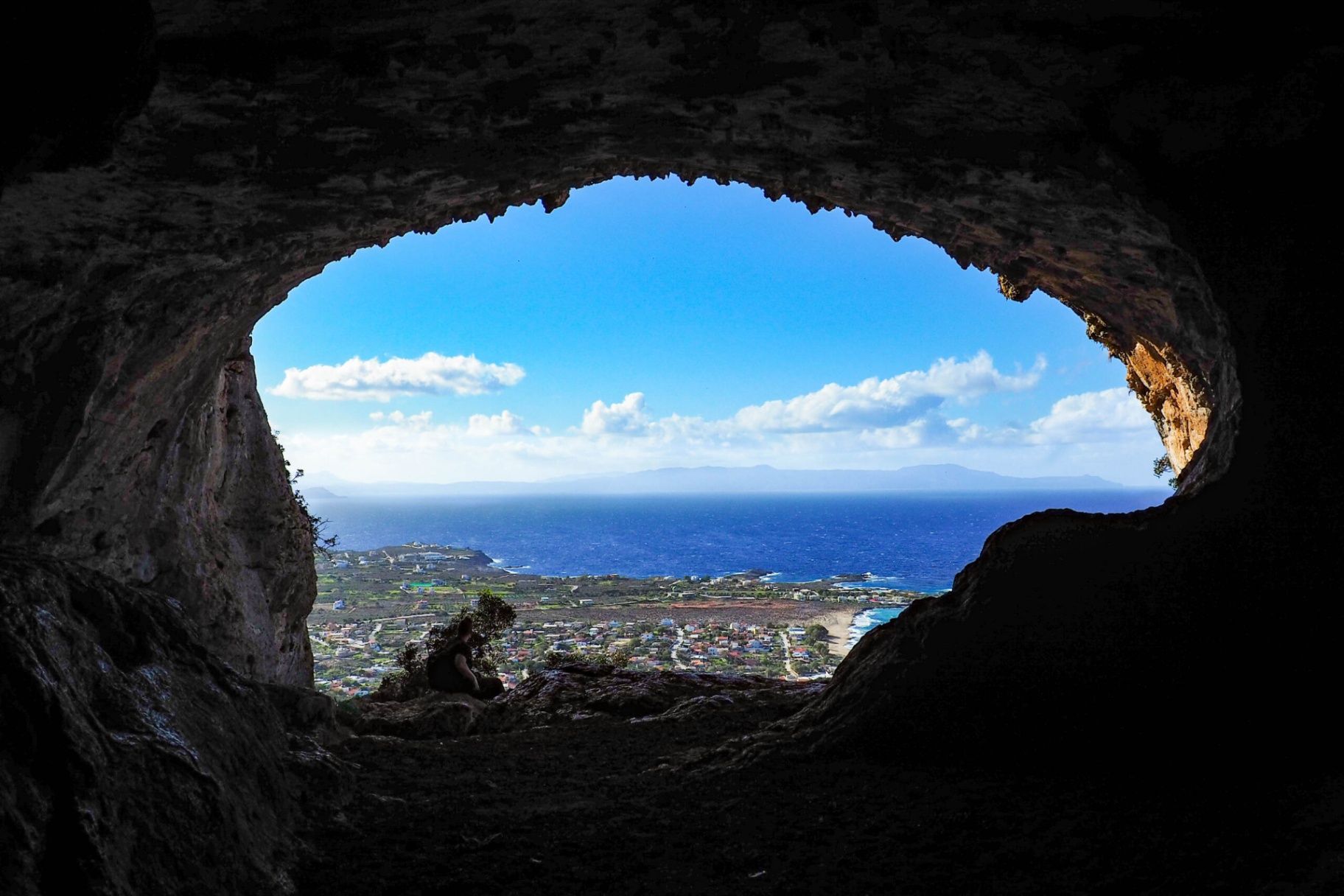
The Lerá Cave (Σπήλαιο Λερά) is one of the lesser-known yet historically and mythologically significant caves in Greece. Nestled on the island of Kalymnos in the Dodecanese, the cave has been a place of worship since antiquity. Archaeological findings suggest that it was used as a sanctuary dedicated to deities such as Zeus, Hera, and possibly Apollo, highlighting its importance in ancient Greek religious practices.
The interior of the cave is both impressive and atmospheric. Visitors are greeted by stalactites, natural chambers, and an aura that recalls the sacred rituals once held there. Some areas still contain traces of ancient votive offerings, fragments of altars, and inscriptions. Unlike more famous caves in Greece, such as those on Crete, Lerá Cave remains largely untouched by mass tourism, making it a fascinating site for travelers seeking authenticity and tranquility.
A little-known fact is that the cave continued to be used in later centuries, even during Christian times, when it was adapted for chapels and local worship. This continuity of use gives the Lerá Cave a rare cultural layering that spans thousands of years.
Lerá Cave is located on the island of Kalymnos, part of the Dodecanese island group in the southeastern Aegean Sea, Greece. The cave lies on the slopes of Mount Vathy, above the picturesque Vathy Valley, about 9 kilometers from Pothia, the island’s capital.
To reach the cave, visitors typically begin from Vathy village and then hike up a marked path leading to the cave entrance. The hike can be moderately challenging, involving rocky paths, so proper footwear is essential. Travelers arriving on Kalymnos usually come by ferry from Kos or Rhodes, or by domestic flights to Kalymnos Island National Airport. Once on the island, local taxis or rented vehicles can bring you close to the trailhead.
The Lerá Cave is more than a natural formation—it is a place where geology, mythology, and history converge. With its ancient role as a sanctuary, its natural beauty, and its enduring aura of mystery, it stands as one of Kalymnos’s hidden treasures. For travelers seeking an off-the-beaten-path cultural experience in Greece, a visit to Lerá Cave is deeply rewarding.
1. What was Lerá Cave used for in antiquity?
It served as a sanctuary dedicated to gods like Zeus, Hera, and possibly Apollo, where locals made offerings and conducted rituals.
2. How difficult is the hike to the cave?
The hike is moderately challenging due to rocky terrain. It is accessible to most visitors with proper footwear and reasonable fitness.
3. Is the cave suitable for children?
Yes, but with caution. The path and cave interior can be uneven, so supervision is essential for younger children.
4. Do I need a guide to visit Lerá Cave?
Not strictly, but hiring a local guide enhances the experience by providing historical, mythological, and archaeological context.
5. Is there an entrance fee?
No, Lerá Cave is free to visit, though donations to local cultural associations are sometimes welcomed.
6. Can I combine this visit with other attractions?
Yes, the cave is near Vathy Valley, known for its orchards and harbor, and can easily be combined with a cultural or nature tour of Kalymnos.
Discover more hidden gems you might love.
Taiwan
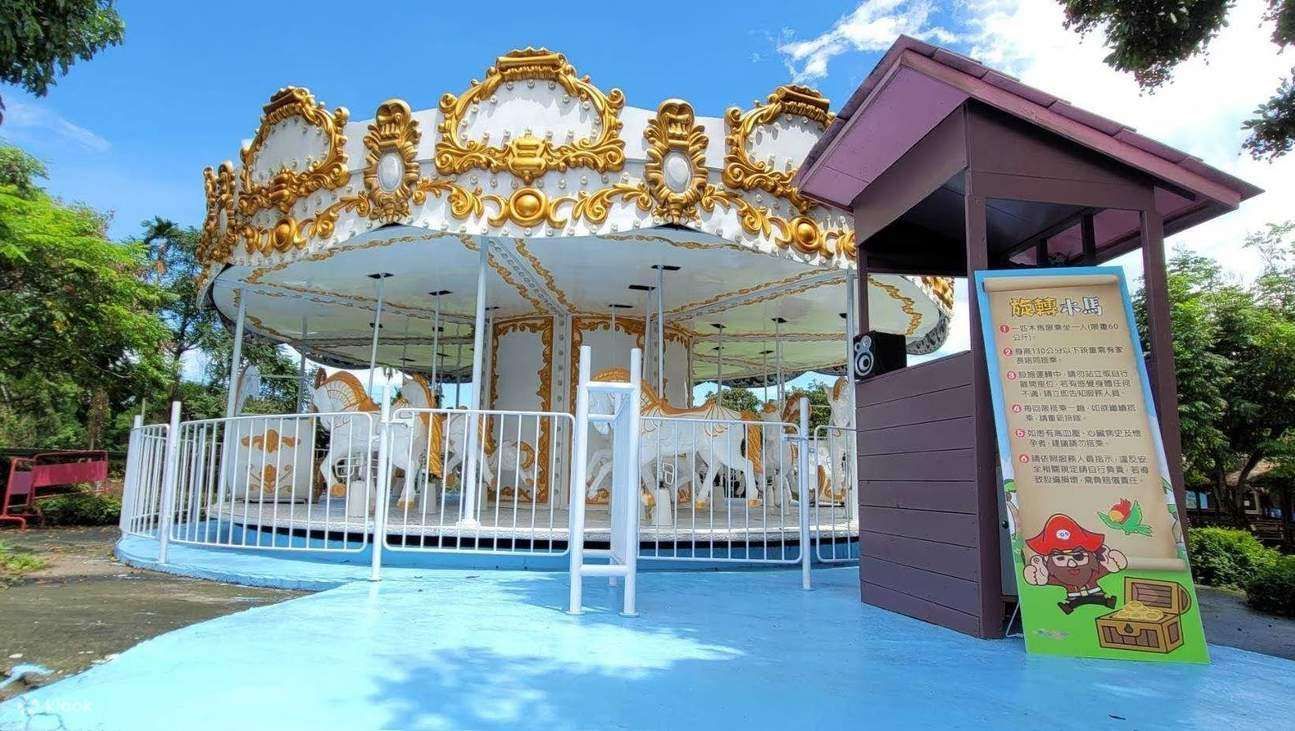
## Description Pirate Village Theme Park is a small but imaginative attraction in Taiwan that brings the spirit of seafaring adventure to life. Designed primarily for families with children, the park is centered around a colorful pirate theme, complete with ship-shaped playgrounds, lookout towers, rope bridges, and interactive installations that encourage exploration and physical activity. Rather than focusing on high-thrill rides, Pirate Village emphasizes creative play, storytelling, and hands-on fun in an open-air setting. What makes Pirate Village Theme Park unique is its community-driven concept. Unlike large commercial theme parks, this attraction was developed as a recreational and cultural space that blends leisure with local identity. Many of the structures are designed to be both playful and educational, helping children develop coordination, imagination, and social skills. A lesser-known fact is that the park often incorporates locally inspired design elements, subtly reflecting Taiwan’s coastal history and maritime culture. Another interesting detail is that Pirate Village regularly hosts small-scale events, such as weekend performances or seasonal activities, which are usually aimed at local families rather than tourists. For travelers looking for a relaxed, off-the-beaten-path experience—especially those traveling with young children—Pirate Village Theme Park offers a pleasant break from Taiwan’s busy city attractions. ## Location Pirate Village Theme Park is located in **Taiwan**, in the **Yunlin County** region, within **Douliu City**. Yunlin County is situated in central-western Taiwan and is known for its slower pace of life compared to major metropolitan areas like Taipei or Kaohsiung. The most convenient way to reach the park is by train to Douliu Station on the Taiwan Railways Administration (TRA) line. From the station, visitors can take a local taxi or bus to reach the park area within a short time. If you are traveling by car, driving is a practical option, as parking is generally easier to find than in larger cities. Visitors coming from other parts of Taiwan may consider combining a visit to Pirate Village with other nearby family attractions or local food stops in Yunlin County. ## Tips * Pirate Village Theme Park is best suited for families with young children, so adults traveling without kids may find the visit relatively short. * Visit during weekdays or early mornings on weekends to avoid local crowds, especially during school holidays. * Bring sun protection such as hats, sunscreen, and water, as much of the park is outdoors. * Wear comfortable shoes, as children are encouraged to climb, run, and explore different play structures. * Check local announcements or social media pages before visiting, as special events or maintenance closures may affect opening times. * Combine your visit with nearby local markets or cafés to make the trip more rewarding. ## Conclusion Pirate Village Theme Park is a charming, low-key attraction that offers imaginative play and family-friendly fun in central Taiwan. While it may not be a large-scale theme park, its creative design, relaxed atmosphere, and local character make it a worthwhile stop for families seeking a simple and enjoyable outing. ## FAQ **Is Pirate Village Theme Park suitable for all ages?** The park is mainly designed for children, especially those in preschool and elementary school age groups. Adults can accompany children but may find limited activities for themselves. **Is there an entrance fee?** In many cases, Pirate Village Theme Park is free or very low-cost, as it functions as a public or community-oriented attraction. Fees, if any, may apply during special events. **How much time should I plan for a visit?** Most visitors spend about one to two hours exploring the park, depending on crowd levels and children’s interest. **Is the park accessible by public transportation?** Yes, it is accessible via train and local buses, though taxis or private cars offer the most convenience. **Are food and drinks available inside the park?** Food options may be limited inside the park itself, so it is a good idea to bring snacks or plan to eat nearby. ## Links * [Yunlin County Government Tourism](https://tour.yunlin.gov.tw/wt-front/Home/Index)
GemVoyage Team • World

Seattle
## Description Can Can Culinary Cabaret is a celebrated dinner theatre nestled inside Seattle's historic Pike Place Market. Founded in 2005 by artistic director Chris Pink and choreographer Fae Pink, the venue has produced nearly 7,000 shows over two decades, evolving from a small cabaret hosting traveling acts into one of the Pacific Northwest's most distinctive entertainment destinations. The experience blends multi-course French-inspired Northwest dining with original theatrical productions that incorporate dance, live music, burlesque, acrobatics, comedy, and multimedia elements. The intimate 120-seat theatre, evocative of turn-of-the-century Paris with its red velvet and lush booth seating, ensures every guest feels immersed in the performance. Shows run Thursday through Sunday with approximately ten performances weekly, and the creative team refreshes the entire production — including scenic design, choreography, costuming, and original music — several times each year. A defining feature is Can Can's themed seasonal shows, where the menu is carefully paired with the performance narrative, creating unique culinary-theatrical hybrids that cannot be found anywhere else in Seattle. Recent productions include a Dolly Parton tribute, the acrobatic Carnival of Curiosities, and the return of LOLA, each transforming the venue with entirely new sets and choreography. The result is a full-sensory evening where world-class entertainment and thoughtfully plated cuisine are woven into a single, unforgettable experience. ## Location Can Can Culinary Cabaret is located at 95 Pine Street, Seattle, WA 98101, inside the iconic Pike Place Market — one of the oldest continuously operated public farmers' markets in the United States, drawing over ten million visitors annually. The venue sits in the heart of downtown Seattle, just steps from the waterfront and Post Alley, with The Dressing Room bistro offering outdoor patio seating overlooking the Puget Sound. Getting there is straightforward via multiple modes of transportation. The nearest light rail stop is Westlake Station, approximately a ten-minute walk east along Pike Street. Several bus routes serve the area, including King County Metro lines stopping at Pike Street and 1st Avenue. For drivers, parking garages are available at the Pike Place Market public lot and nearby commercial garages on Western Avenue and Union Street, though availability tightens significantly on summer weekends and during peak tourist season — arriving 30 to 45 minutes early is strongly advised. Rideshare drop-offs are seamless at the Pine Street entrance. The theatre operates Thursday through Sunday from 5:00 PM to close, with specific showtimes varying by production. The Dressing Room bistro offers additional brunch hours independently of the main stage schedule and is open for walk-in dining even on non-show days. ## Tips - **Book well in advance**: Can Can productions frequently sell out, especially weekend shows and seasonal specials. Purchase tickets and pre-select your dining package early, particularly if you want VIP seating, which receives first priority for the best table placement in the intimate theatre. - **Understand the ticket tiers**: Seating is assigned by guest services based on your ticket tier. VIP receives first priority, Preferred second, and Standard third with more value-forward pricing. Groups of 10 or more must purchase VIP or Preferred tickets to sit together, and parties of 20 or more are considered partial buyouts requiring additional arrangements. - **Arrive 30 to 45 minutes early**: This allows time to check in, order pre-show cocktails at The Dressing Room, and settle into your seat before the lights dim. The show runs three acts with two intermissions, so early arrival ensures you place your food order before the performance begins and nothing interrupts the flow. - **Dress smart-casual**: There is no strict dress code, but many guests embrace the theatrical spirit with cocktail attire or polished evening wear. Avoid heavy fragrances, as the intimate space amplifies scents and some guests find this distracting during dining. - **Check age restrictions**: Most shows are adult-oriented and some are strictly 21+. Always verify age requirements when booking, especially if planning a group outing or celebrating a birthday. - **Dietary accommodations**: The kitchen accommodates vegetarian and gluten-free preferences. Notify guest services of any allergies or restrictions at the time of booking so alternatives can be prepared in advance — last-minute substitutions during the show are limited. - **Budget for gratuities and billing**: A 20% service charge is automatically added to pre-purchased food packages and parties of six or more. A 5% living-wage surcharge applies to all checks. The theatre enforces a no-split-check policy to streamline service, so plan to consolidate payment within your group. - **Tip the performers**: After the final curtain, guests are invited to mingle with and tip the cast directly — a beloved tradition that supports the artists who make the show possible. ## Conclusion Can Can Culinary Cabaret stands as a singular gem in Seattle's vibrant entertainment landscape — a place where theatrical ambition and culinary craft converge with remarkable results. Whether you are celebrating a milestone anniversary, planning an unforgettable date night, or simply seeking a night out that defies the ordinary, the venue delivers an experience that lingers long after the final curtain. With an entirely new season of productions unveiled each year, there is always a fresh reason to return. The combination of original music, world-class performance, French-inspired cuisine, and an atmosphere steeped in vintage glamour makes it one of the most distinctive things to do in Seattle. Book your tickets, arrive hungry for both food and spectacle, and discover why Can Can has remained a beloved institution for nearly twenty years. ## FAQ - **How long does a typical show last?** Expect the full experience to run 2 to 3 hours, comprising three acts and two intermissions. Dining is served tableside throughout the performance so that no moment of the show is missed. - **Is there a dress code?** There is no enforced dress code, but smart-casual or cocktail attire is recommended to match the theatrical atmosphere. Many guests treat it as a special-occasion event and dress accordingly. - **Can I dine without seeing the show?** Yes — The Dressing Room, Can Can's bistro and bar, operates independently of the theatre and offers French-inspired Northwest fare, craft cocktails, and patio seating with Puget Sound views. Reservations are recommended. - **What if I have dietary restrictions?** Vegetarian and gluten-free options are available. Inform guest services at the time of booking so the kitchen can accommodate your needs without disruption during the performance. - **Is the show appropriate for children?** Most productions are adult-oriented and may contain mature themes, suggestive humor, and burlesque elements. Check individual event listings for age recommendations before purchasing tickets for younger guests. - **Can I buy a gift certificate?** Yes — digital gift cards are available through the Can Can website and make excellent presents for birthdays, anniversaries, or holiday gifts. - **What is the cancellation and refund policy?** All sales are final. There are no refunds or exchanges, so review your order carefully before completing your transaction. - **Is there a Portland location?** Yes — Can Can operates a second venue in Portland, Oregon, at 6 SW 3rd Avenue, offering a similar dinner-and-show experience in the Pacific Northwest. ## Links - [Can Can Culinary Cabaret — Official Website](https://www.cancanseattle.com) - [Visit Seattle — Official Tourism Guide](https://www.visitseattle.org)
GemVoyage Team • World

Cape Town
## Description Woodstock Street Art is one of the most vivid ways to experience Cape Town beyond the standard postcard view. Woodstock itself has long been associated with creative energy, urban change, and a strong independent character, and the neighborhood’s walls have become an ever-changing canvas for local and international artists. What makes it special is not just the color or scale of the murals, but the fact that the art is integrated into a living neighborhood rather than isolated in a formal gallery space. Every corner can feel like a discovery, and each block tells a different story about identity, politics, memory, and imagination. Unlike a single museum collection, street art in Woodstock changes constantly. Some murals are large and highly detailed, others are quick, expressive statements. That variety is part of the appeal. Visitors can see work that reflects social issues, community pride, satire, environmental themes, and the evolving face of Cape Town itself. Because the art lives on real buildings and infrastructure, the setting gives it an edge that is hard to replicate indoors. The texture of peeling walls, warehouse façades, and narrow streets adds meaning to the work and makes photographs feel more grounded and authentic. One little-known aspect of Woodstock’s street art scene is how strongly it reflects the neighborhood’s broader reinvention. The area has become one of Cape Town’s most recognizable creative districts, but many of the artworks also respond to the tensions that come with urban change, displacement, and heritage. Another detail that visitors sometimes miss is that the best experience often comes from moving slowly and looking above eye level as well as at street level. Murals are not limited to obvious walls; some of the most memorable pieces appear in alleys, on shutter doors, or on the sides of buildings that you might pass too quickly if you are not paying attention. The result is a destination that rewards curiosity. Woodstock Street Art is not polished in the traditional tourist sense, and that is exactly why it feels alive. It offers a way to understand Cape Town as a city of layers, where creativity and social commentary coexist with everyday street life. For travelers who like walking neighborhoods that feel both artistic and real, it is one of the city’s most compelling stops. ## Location Woodstock is a neighborhood in Cape Town, South Africa, situated close to the central city area and not far from the harbor and Table Mountain routes. Its location makes it easy to combine with other Cape Town sightseeing, especially if you are already exploring the city bowl or nearby cultural districts. Because the artwork is spread through streets and side roads rather than gathered in one single venue, the exact experience depends on the route you choose. The most practical way to explore is usually on foot with a map, a local guide, or a curated street art walk. Some travelers prefer joining a guided tour because guides can explain the meaning behind individual murals and help visitors navigate the area more confidently. Taxis and rideshares can drop you off at a convenient starting point, but the actual appreciation comes from walking slowly. If you are comfortable with urban exploration, pairing your visit with a café stop or market break in Woodstock can make the outing feel more complete. ## Tips Go in daylight. Street art is best appreciated when colors, textures, and details are visible, and daylight also makes navigation easier. A morning or early afternoon visit often gives you better light for photographs and a calmer pace for walking. If you are planning to take many pictures, bring a charged phone or camera because there will likely be more walls and details than you expect. Consider a guide if you want context. Some murals are visually striking on their own, but the stories behind them make the experience richer. A guide can also help you notice pieces that blend into the surroundings or point out artists and themes you might otherwise miss. If you prefer to explore independently, spend extra time reading plaques, following side streets, and looking for smaller works in doorways and corners. Dress practically. Comfortable shoes matter because you will likely walk more than you think. A light bag, water, and sun protection are wise choices, especially during warmer months. It is also sensible to stay aware of your surroundings and follow local advice about which streets are most convenient to explore. Combine the visit with food or coffee. Woodstock has a creative food scene, and stopping for a meal can make the district feel more approachable. Street art is at its best when it becomes part of a broader neighborhood experience rather than a quick photo stop. The more time you give Woodstock, the more the neighborhood’s layered personality becomes visible. ## Conclusion Woodstock Street Art offers a powerful introduction to Cape Town’s creative side. It is colorful, thought-provoking, and best enjoyed as a slow walk through a neighborhood that continues to reinvent itself. ## FAQ ### Is Woodstock Street Art safe to visit? Many visitors explore Woodstock during the day without problems, but like any urban neighborhood, it is smart to stay aware, travel in daylight, and follow local advice. A guided tour can be a good choice if you want extra reassurance. ### Do I need a guide? Not necessarily, but a guide adds value if you want context about the artists and the neighborhood’s history. Independent travelers can still enjoy the area by walking slowly and paying attention to smaller works. ### How long should I spend there? One to two hours can be enough for a quick walk, but more time is better if you want photography, coffee, and a relaxed pace. If you are using the visit to understand the neighborhood rather than just collect images, plan for longer. ### Are the murals always the same? No. That is one of the defining characteristics of street art. Works can be painted over, replaced, or altered, which means the area can look different from one visit to the next. ### Can I visit independently? Yes. Many people do. A map and basic awareness are usually enough for a self-guided visit, although some travelers prefer a structured tour for convenience and context. ## Links - [Wikipedia](https://en.wikipedia.org/wiki/Woodstock,_Cape_Town) - [Cape Town Tourism](https://www.capetown.travel/)
GemVoyage Team • World
Wroclaw
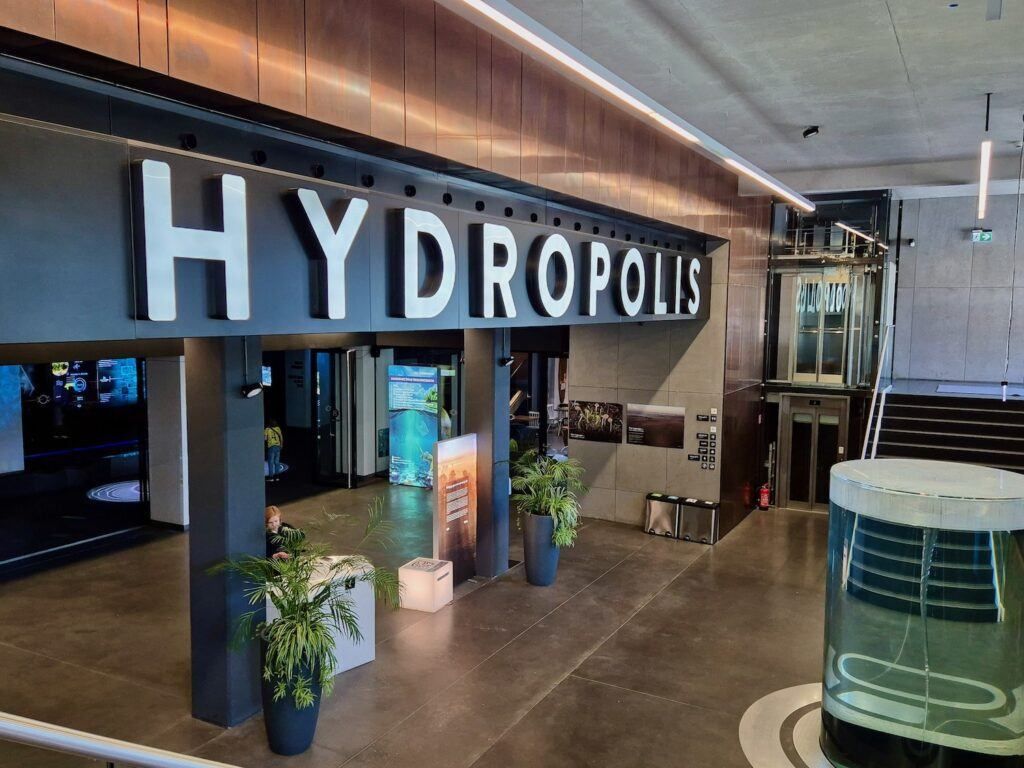
## Description **Hydropolis** is a modern, science-focused museum in Wrocław dedicated entirely to **water**—its origins, physical properties, role in shaping civilizations, and importance for life on Earth. Opened in 2015, Hydropolis stands out not as a traditional museum of static displays, but as a **fully interactive knowledge center** that combines multimedia installations, scientific exhibits, and immersive environments to explain one of humanity’s most essential resources. Housed inside a **19th-century underground water reservoir**, the museum cleverly connects content and setting. The massive brick structure, once used to store drinking water for the city, now forms a dramatic backdrop for exhibitions that explore oceans, rivers, rainfall, hydraulic engineering, and water management. This reuse of industrial heritage is central to Hydropolis’s identity and adds authenticity to the experience. What makes Hydropolis unique is its **interdisciplinary approach**. Visitors move through themed zones covering topics such as deep-sea exploration, water in the human body, ancient hydraulic systems, modern urban water infrastructure, and global water challenges. High-resolution projections, touchscreens, soundscapes, and scale models keep the content accessible without oversimplifying complex scientific concepts. A lesser-known fact is that the building itself was a **technical masterpiece of its time**, constructed in 1893 and hidden underground to preserve water temperature and pressure. Another interesting detail is that Hydropolis devotes significant space to **Poland’s relationship with water**, including flood control on the Oder River and Wrocław’s long history of bridges, canals, and engineering solutions. Hydropolis appeals to a wide audience: families, students, engineers, and travelers interested in science, sustainability, or innovative museums. ## Location **Country:** Poland **Region:** Lower Silesia **City:** Wrocław Hydropolis is located east of Wrocław’s Old Town, near the **Oder River**, in an area known for cultural institutions and green spaces. ### How to Get There * **By tram:** * Several tram lines stop within walking distance, connecting the site to the Old Town and main railway station. * **By bus:** * City buses serve the surrounding district with frequent service. * **On foot:** * About a 25–30 minute walk from the Market Square (Rynek). * **By car:** * Parking is available nearby, though public transport is often more convenient. ## Tips * **Book tickets in advance:** Time slots can sell out, especially on weekends and during school holidays. * **Allow enough time:** Plan at least **2 to 3 hours** to fully experience all exhibition zones. * **Ideal for families:** Interactive elements are well designed for children and teenagers. * **Read the explanations:** Many exhibits reward careful attention rather than quick browsing. * **Combine with nearby attractions:** The Wrocław Zoo and Centennial Hall are close and make a good same-day itinerary. * **Language accessibility:** Exhibits are available in multiple languages, including English. ## Conclusion Hydropolis is one of Poland’s most innovative museums, transforming a historic water reservoir into a compelling educational space. By blending science, history, and modern technology, it offers a deep yet engaging look at water’s role in shaping the planet and human society, making it a must-visit attraction in Wrocław. ## FAQ **1. What is Hydropolis about?** It is an interactive museum focused entirely on water—its science, history, and global importance. **2. Is Hydropolis suitable for children?** Yes. The exhibits are highly interactive and well-suited for families and school groups. **3. How long does a visit take?** Most visitors spend **2 to 3 hours**. **4. Is there an entrance fee?** Yes. Tickets are required, with discounts for children, students, and families. **5. Is Hydropolis accessible for people with disabilities?** Yes. The facility is designed to be fully accessible. **6. Is it worth visiting if I’m not interested in science?** Yes. The visual design and storytelling make the experience engaging even for non-technical visitors. ## Links * [Official Hydropolis website](https://www.hydropolis.pl) * [Wrocław tourism portal](https://visitwroclaw.eu)
GemVoyage Team • World
Milan
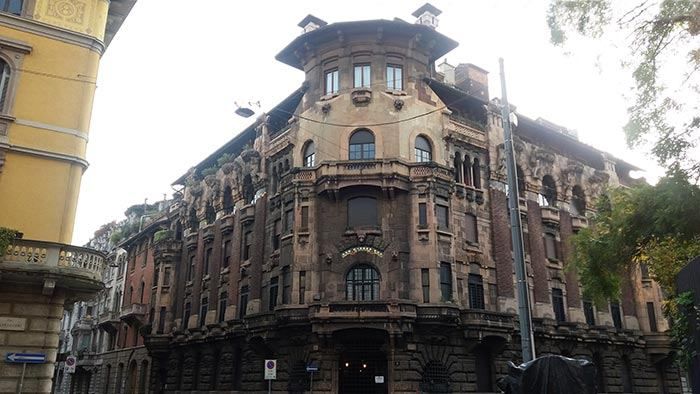
## Description The **Quadrilatero del Silenzio** is one of Milan’s most refined and least touristy architectural districts, a compact residential enclave where **Art Nouveau elegance, early 20th-century symbolism, and aristocratic discretion** converge. Unlike Milan’s grand monumental zones such as the Duomo or Brera, this area is defined by **silence, privacy, and restrained beauty**. It feels less like a destination and more like a secret revealed only to those who actively search for it. The name “Quadrilatero del Silenzio” loosely translates to **“The Quadrilateral of Silence”**, referencing both its **four bordering streets** and the **notable absence of commercial noise and mass tourism**. The district dates primarily to the **early 1900s**, when Milan was undergoing rapid modernization and wealthy families commissioned architects to design villas and palazzi inspired by **Liberty style**, Italy’s version of Art Nouveau. Among the district’s architectural highlights are **Casa Galimberti, Casa Guazzoni, and Palazzo Berri-Meregalli**. These buildings showcase extraordinary decorative detail: floral ironwork, painted ceramic tiles, sculpted balconies, symbolic reliefs, and richly textured façades. Casa Galimberti in particular stands as one of the **most complete Art Nouveau residential structures in Italy**, with its exterior entirely clad in painted ceramic panels depicting allegorical scenes and classical figures. What makes the Quadrilatero del Silenzio especially distinctive is its **spiritual and symbolic undercurrent**. Palazzo Berri-Meregalli, one of the most visually dramatic buildings in the area, incorporates **mystical and occult motifs**, skulls, grotesque faces, and symbolic sculptures linked to esoteric traditions. This hidden symbolic language contrasts sharply with the district’s otherwise calm residential purpose, adding a layer of intrigue beneath the formal elegance. The neighborhood’s emotional atmosphere is **measured and withdrawn**. Tree-lined streets, soft façades, and limited vehicle traffic create a mood unlike the rest of central Milan. There are no major shops, cafés, or attractions competing for attention. Instead, visitors move slowly, examining balconies, doorways, tiled surfaces, and wrought-iron gates just meters from inhabited private homes. This blurs the boundary between **museum-like observation and daily life**. A little-known fact is that Casa Guazzoni’s balcony sculptures were among the **earliest experiments with reinforced concrete sculpture in Milan**, hidden beneath their decorative surfaces. Another lesser-known detail is that much of the district was deliberately zoned as **high-end residential from the outset**, preventing later commercial overdevelopment and preserving its original function for more than a century. Unlike Milan’s fashion districts or historic centers, the Quadrilatero del Silenzio does not sell an experience. It **offers stillness**. It rewards visitors who pay attention to surface texture, ornamental language, and architectural storytelling rather than spectacle. This makes it particularly appealing to architects, photographers, design students, and travelers who prefer subtlety over highlights. The district is not large, and it does not aim to be. Its power lies in **concentration rather than scale**. Within a few blocks, it condenses many of the ideals of Milan’s early modern identity: wealth, experimentation, decorative craftsmanship, and discreet urban living. ## Location The **Quadrilatero del Silenzio** is located in the **eastern part of central Milan**, just outside the city’s main historical core. **City:** Milan **Region:** Lombardy (Lombardia) **Country:** Italy **Main Streets Defining the Area:** * Via Cappuccini * Via Serbelloni * Via Mozart * Via Malpighi ### How to Get There: * **By metro:** * **Line M1 (red line)** to **Porta Venezia Station**, then a 5–8 minute walk. * **By tram:** Several tram lines run through Corso Venezia and Porta Venezia. * **By taxi or ride-hailing:** Direct access with easy drop-off near Via Mozart or Via Cappuccini. * **On foot:** A pleasant walk from the fashion district or the Natural History Museum. The area is ideal to combine with nearby attractions such as **Porta Venezia, Indro Montanelli Public Gardens, and Corso Buenos Aires**. ## Tips * **Visit during daylight:** Architectural details are best visible in natural light. * **Keep voices low:** It is a residential area known for its quiet character. * **Photography is allowed, but be discreet:** Many buildings are private homes. * **No cafés inside the core area:** Plan coffee stops in nearby Porta Venezia. * **Look up as much as you look forward:** Balconies and upper façades hold the most details. * **Best for architecture lovers:** It is not a shopping or entertainment zone. * **Pair it with a museum visit:** The Natural History Museum nearby fits the reflective mood. * **Avoid peak commuter hours:** Traffic is limited but narrow streets amplify sound. ## Conclusion The **Quadrilatero del Silenzio** is one of Milan’s most understated yet culturally dense districts. It reveals a side of the city built not for spectacle but for **craft, symbolism, and quiet luxury**. Through its Art Nouveau façades, discreet streets, and hidden esoteric details, it tells a story of Milan at the dawn of modernity, preserved in a state of rare urban restraint. ## FAQ **1. What is the Quadrilatero del Silenzio?** It is a **small residential architectural district** in Milan known for its Art Nouveau buildings and quiet atmosphere. **2. Why is it called “del Silenzio”?** Because of its **low traffic, lack of commercial noise, and calm residential character**. **3. Is it free to visit?** Yes. It is a **public neighborhood with no entrance fee**. **4. How long does a visit usually take?** Most visitors spend **30 to 60 minutes** walking through the area. **5. Is it good for photography?** Yes, especially for **architectural and detail photography**, though discretion is expected. **6. Is it suitable for families?** Yes, but it is better suited to **slow walking and observation** rather than activities for children. ## Links * [Comune di Milano – Urban Heritage](https://www.comune.milano.it)
GemVoyage Team • World
Amsterdam
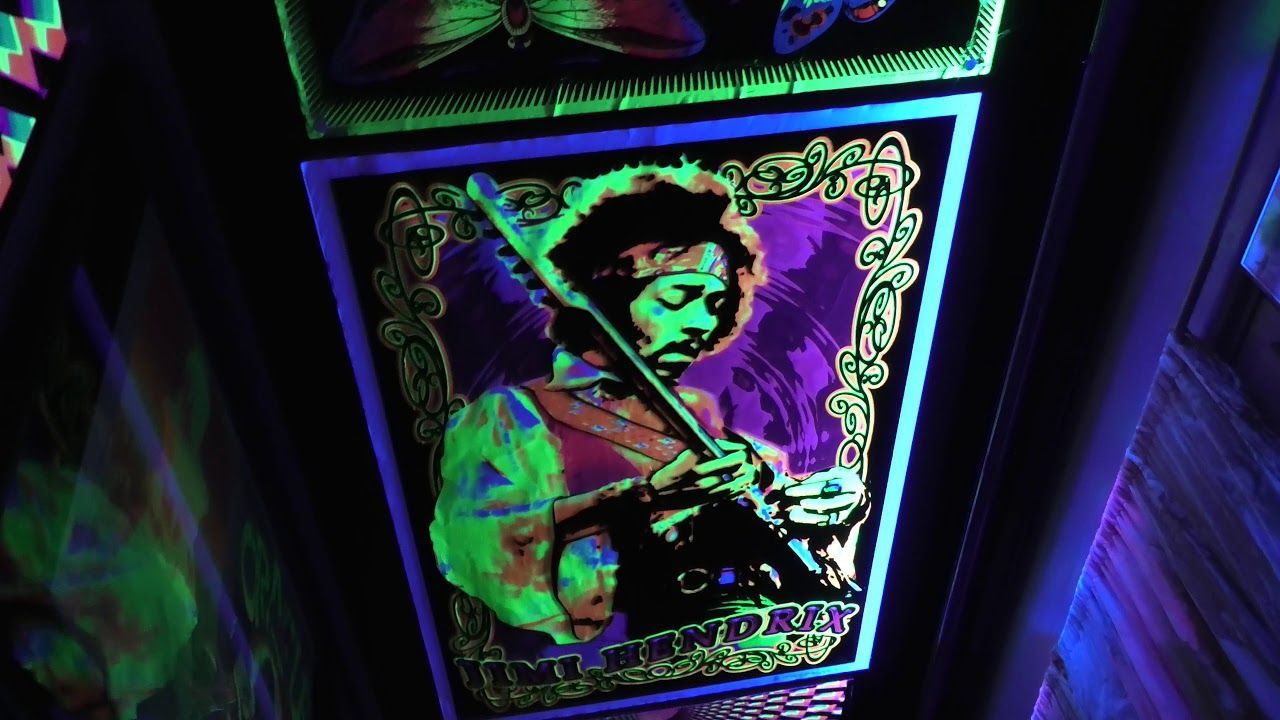
## Description Electric Ladyland Museum is one of Amsterdam’s most unusual attractions, and that is exactly why it stands out. Marketed as a museum of fluorescent art, it offers a highly specific experience centered on ultraviolet-reactive materials, immersive visual environments, and the playful boundaries between art, science, and perception. Unlike large mainstream museums, this is a niche destination with a strong point of view. For curious travelers, that makes it especially memorable. What gives the museum its appeal is its originality. Visitors do not come here for a broad survey of art history but for an encounter with a carefully curated world of glowing forms and sensory experimentation. A lesser-known fact is that Electric Ladyland has the distinction of being one of the few places devoted specifically to fluorescent art, making it unusual even in a city as creative as Amsterdam. Another detail many visitors enjoy is the hands-on, intimate scale of the museum: it feels personal and eccentric rather than institutional, which reinforces the sense that you are stepping into someone’s imaginative environment rather than a standard gallery. The museum works well for travelers who like small, offbeat experiences that break up a sightseeing schedule. It is especially good if you are interested in color, light, psychedelic visual culture, or the relationship between material and perception. The glowing displays can be surprisingly immersive, and because the concept is so focused, the visit is easy to remember long after you leave. This is not a museum you rush through. Its impact depends on letting the lighting and visual effects settle, and the experience is strongest when you approach it with curiosity rather than expectation. ## Location Electric Ladyland Museum is located in Amsterdam, North Holland, Netherlands, in the city’s central area. The exact setting is relatively modest compared with major institutions, which suits the museum’s intimate identity. Because Amsterdam is compact and walkable in many parts, it is usually easy to add the museum to a broader city route. The easiest way to get there is often on foot, by bicycle, or by public transport depending on where you are staying. Since the museum is smaller and more specialized than a major landmark, it is helpful to check entry details and opening arrangements in advance. That way you can avoid arriving at an inconvenient time or missing a guided or scheduled visit format if one applies. It works best when combined with other central Amsterdam activities, especially if you want to balance more conventional sightseeing with something genuinely unusual. ## Tips Check visit arrangements before you go. Small museums often have specific opening patterns or limited access. Do not expect a large collection. The value here is in the concept and atmosphere, not the number of rooms. Go if you like unconventional art experiences or visual phenomena. Allow yourself to spend time with the lighting effects rather than moving too quickly between spaces. Treat it as a complement to broader Amsterdam sightseeing, not as a whole-day destination. ## Conclusion Electric Ladyland Museum is one of Amsterdam’s most distinctive small attractions, offering a focused and memorable encounter with fluorescent art. It is ideal for travelers who want something creative, unusual, and unlike the city’s more standard museums. ## FAQ ### What is Electric Ladyland Museum about? It is dedicated to fluorescent art and immersive visual experiences created with ultraviolet-reactive materials. ### Is it a large museum? No. It is a smaller, more intimate attraction, which is part of its charm. ### Who will enjoy it most? Visitors who like experimental art, unusual museums, and sensory experiences will get the most out of it. ### Should I book ahead? That is often a good idea for small specialty museums, so checking current access information before visiting is wise. ## Links - [Electric Ladyland official site](https://www.electric-lady-land.com/)
GemVoyage Team • World

Comments