GemVoyage Team • World
What gives the museum its appeal is its originality. Visitors do not come here for a broad survey of art history but for an encounter with a carefully curated world of glowing forms and sensory experimentation. A lesser-known fact is that Electric Ladyland has the distinction of being one of the few places devoted specifically to fluorescent art, making it unusual even in a city as creative as Amsterdam. Another detail many visitors enjoy is the hands-on, intimate scale of the museum: it feels personal and eccentric rather than institutional, which reinforces the sense that you are stepping into someone’s imaginative environment rather than a standard gallery.
The museum works well for travelers who like small, offbeat experiences that break up a sightseeing schedule. It is especially good if you are interested in color, light, psychedelic visual culture, or the relationship between material and perception. The glowing displays can be surprisingly immersive, and because the concept is so focused, the visit is easy to remember long after you leave.
This is not a museum you rush through. Its impact depends on letting the lighting and visual effects settle, and the experience is strongest when you approach it with curiosity rather than expectation.
The easiest way to get there is often on foot, by bicycle, or by public transport depending on where you are staying. Since the museum is smaller and more specialized than a major landmark, it is helpful to check entry details and opening arrangements in advance. That way you can avoid arriving at an inconvenient time or missing a guided or scheduled visit format if one applies.
It works best when combined with other central Amsterdam activities, especially if you want to balance more conventional sightseeing with something genuinely unusual.
Do not expect a large collection. The value here is in the concept and atmosphere, not the number of rooms.
Go if you like unconventional art experiences or visual phenomena.
Allow yourself to spend time with the lighting effects rather than moving too quickly between spaces.
Treat it as a complement to broader Amsterdam sightseeing, not as a whole-day destination.
Discover more hidden gems you might love.
Siberia
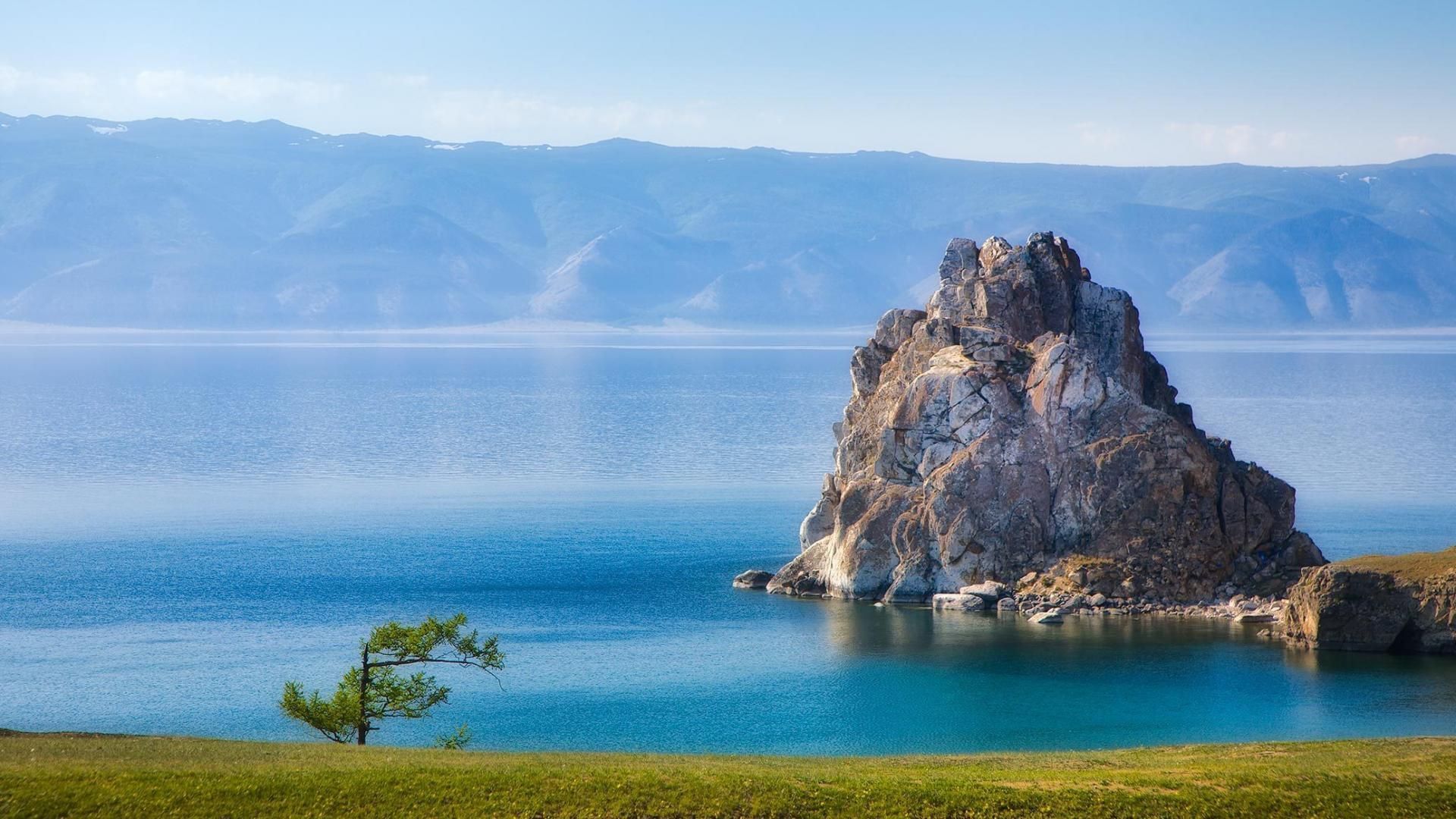
## Description Lake Baikal in southern Siberia is a global natural wonder: the world’s deepest and one of its oldest freshwater lakes, it holds roughly 20% of the planet’s unfrozen surface freshwater by volume. Stretching over 600 kilometers north-to-south and reaching depths of more than 1,600 meters, Baikal’s sheer scale is awe-inspiring. The lake’s crystalline waters, dramatic rifts, and seasonal extremes produce striking phenomena — from the unbelievable clarity of summer waters to the otherworldly expanses of transparent winter ice that allow you to walk, drive, or even ice-sail across a dazzling frozen surface. Baikal is also a hotspot of biodiversity and scientific interest. Its shoreline, submerged terraces, and deep basins host numerous endemic species found nowhere else on Earth, including the Baikal seal (nerpa) — the only seal species that has adapted to a fully freshwater environment — and dozens of endemic fish and invertebrates. The lake’s unique ecology is the result of millions of years of relative isolation, stable cold temperatures at depth, and complex nutrient cycling. Scientists study Baikal to better understand limnological processes, long-term climate records trapped in sediment layers, and the evolution of isolated ecosystems. For travelers, Baikal delivers a rare combination of dramatic landscapes and varied activities across seasons. In summer, the shoreline blooms with wildflowers, and mountain hikes and multi-day treks through taiga and steppe reveal panoramic views over the water. Kayaking, boat excursions, and shoreline camping let you sample the lake’s nearshore biodiversity and peaceful beaches. In winter, when the lake freezes, the surface becomes a vast frozen highway: locals and guides lead safe ice-walking excursions, cross-lake snowmobile trips, ice-fishing experiences, and festivals that celebrate the season. Photographers prize Baikal for its vivid ice formations, clear reflections, and light at dawn and dusk. Beyond natural spectacle, Baikal is threaded with human stories: small lakeside towns such as Listvyanka, the ferry-served Olkhon Island with its shamanic sites, and the city of Irkutsk — a historical gateway with Siberian wooden architecture and museums — are rich portals into local culture. Sustainable and low-impact travel is increasingly available via small-scale guesthouses, ecotour operators, and community-led tours that prioritize the lake’s protection. ## Location Lake Baikal spans the regions of Irkutsk Oblast and the Republic of Buryatia in Russia, with the lake forming a striking spine across southeastern Siberia. The city of Irkutsk is the primary gateway for international and domestic visitors, linked by the Trans-Siberian Railway and regional flights; it offers accommodations, museums, and transport connections. From Irkutsk, paved roads and seasonal bus services reach lakeside settlements like Listvyanka, Port Baikal, and the ferry terminals for Olkhon Island — the lake’s largest island and a cultural heartland with cliffs, shamanic sites, and small villages. Other access points include Ulan-Ude to the east and smaller regional airfields that connect via charter or seasonal flights. Travel times can be long, so many visitors plan multi-day itineraries that combine transit into the lake area with on-site exploration. ## Tips - **Respect seasonal access and local rules:** Ice travel and remote trails require local knowledge; always consult local guides and authorities before venturing onto the ice or into isolated areas. Safety equipment and up-to-date conditions are essential. - **Plan time for Olkhon Island:** Olkhon is a cultural and scenic highlight, with dramatic cliffs, shamanic sites, and small settlements. Allow several days to explore its coves, beaches, and sacred capes. - **Pack for extremes:** Even in summer, weather can shift quickly; bring layered clothing, waterproof shells, sturdy boots, sun protection, and insect repellent. In winter, prioritize thermal layers, insulated boots, and a reliable outer layer. - **Travel with experienced local guides:** Guides provide safety on ice crossings, access to lesser-known shorelines, wildlife-spotting skills, and cultural context about Buryat and Siberian heritage. Choose operators that practice sustainable tourism. - **Respect conservation rules:** Stick to marked paths, avoid disturbing nesting birds or haul-out sites, and follow Leave No Trace principles. Support local conservation initiatives when possible. - **Time your visit for activities:** Summer is best for hiking and kayaking; late spring and early autumn deliver fewer crowds and pleasant light; winter offers unique ice experiences but requires more planning. ## Conclusion Lake Baikal is both a living laboratory and a vast natural wonder: its depth, clarity, and ancient lineage make it one of Earth’s most singular freshwater realms. Whether you come for scientific curiosity, wilderness hiking, cultural exchange with lakeside communities, or simply to witness impossibly clear water and glass-like ice, Baikal rewards patient travel and respectful exploration. Plan carefully, choose sustainable operators, and allow enough time to move slowly around its bays and islands — the lake’s scale is best absorbed at human pace. ## FAQ - **Q: Can you swim in Lake Baikal?** A: Swimming is possible in summer at sheltered beaches and near lakeside villages, but the water remains cold even in peak months; stay near lifeguarded or popular swimming areas, enter gradually to avoid shock, and follow local safety guidance. - **Q: What is the best time to visit Lake Baikal?** A: Late June through September gives the warmest weather, flowering meadows, and easier trekking. Late winter (February–March) is ideal for ice-scenery photography and safe ice excursions when the ice is thickest and the light is crisp. Shoulder seasons offer quieter conditions. - **Q: How do I reach Olkhon Island, and do I need a vehicle?** A: Olkhon is reached via a seasonal ferry or ice road depending on the time of year. Many visitors rent 4x4 vehicles or join guided tours; public buses operate from nearby towns but capacity is limited. Plan logistics in advance, especially in peak season. - **Q: Are there wildlife viewing opportunities?** A: Yes—local guides can help you spot endemic fish species, waterbirds, and in protected offshore areas you may observe Baikal seals. Respect distance guidelines and avoid disturbing habitats. - **Q: Do I need special permits or visas to visit?** A: International visitors need a valid Russian visa. Some protected areas require entry fees or permits for camping and research; check with regional park authorities for up-to-date rules. - **Q: Is Internet and phone coverage available?** A: Coverage varies—cities like Irkutsk and larger settlements have decent mobile data; more remote shorelines and parts of Olkhon have limited connectivity. Prepare for periods offline and download maps or emergency contacts beforehand. ## Links -- [Lake Baikal — Wikipedia](https://en.wikipedia.org/wiki/Lake_Baikal)
GemVoyage Team • World
New York
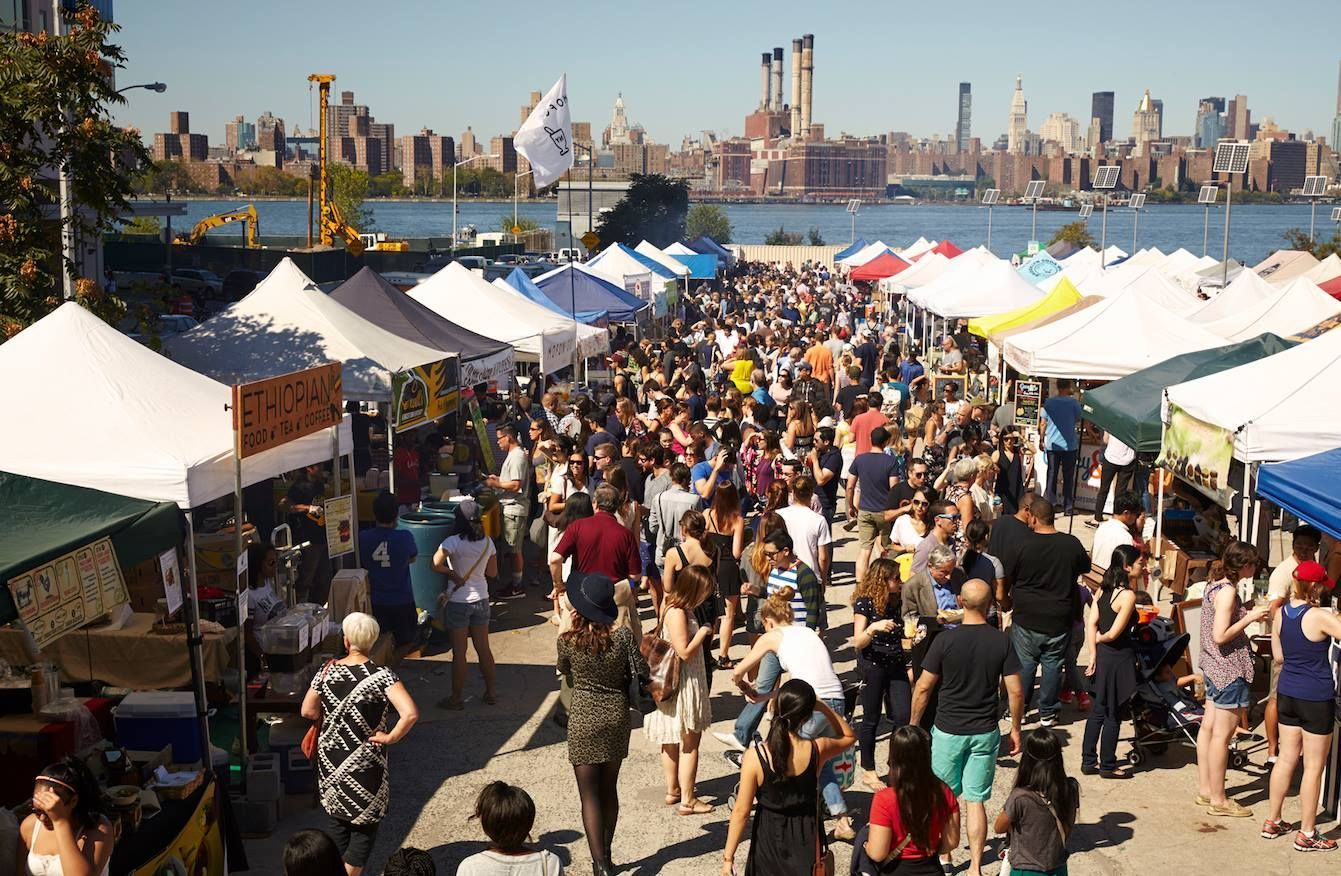
## Description Smorgasburg Market in Williamsburg is one of New York’s most recognizable food experiences because it captures a very specific side of the city: creative, crowded, constantly changing, and deeply local at the same time. It is not a conventional market with a fixed identity and a small set of vendors. Instead, it is a living food scene where dozens of independent sellers come together to present dishes that can feel playful, experimental, nostalgic, or highly specialized. For many visitors, this is the place where New York’s food culture becomes visible in one afternoon. What makes Smorgasburg especially appealing is the combination of scale and variety. You can move from one stall to another and find food from very different traditions, all within a single open-air setting. That makes it attractive for groups with mixed tastes, because one person can go for dumplings, another for seafood, another for dessert, and everyone still shares the same experience. The market is also a strong reflection of Brooklyn’s creative economy. Many vendors use Smorgasburg as a launchpad, which means the market often feels like a testing ground for the next big neighborhood food obsession. Another reason the market stands out is that it offers more than eating. It is a social scene. People come to sit outdoors, talk, take photos, and enjoy the atmosphere around Williamsburg. The setting helps: you are near the waterfront, in a neighborhood associated with design, nightlife, and independent businesses. That context gives Smorgasburg a sense of place that is more specific than a typical city food hall. It feels rooted in Brooklyn rather than simply placed there for tourists. A little-known fact is that Smorgasburg has played an important role in helping local food entrepreneurs gain visibility. For some vendors, it has been a stepping stone to permanent restaurants, broader recognition, or new business ideas. Another is that the market’s popularity has made it influential well beyond New York, because it helped define a modern style of outdoor, vendor-driven food gathering that other cities later tried to imitate. The best way to experience Smorgasburg is to arrive hungry but not rushed. The market rewards wandering, comparing options, and trying a few things rather than committing to one huge meal. It is especially fun when you treat it like a sampling journey, with enough time to notice the atmosphere, the people, and the setting around the food. That mix of appetite and curiosity is what makes the experience memorable. It also helps to think of Smorgasburg as a snapshot of Brooklyn’s changing food identity. The vendors are not simply selling dishes; they are participating in a scene that reflects neighborhood tastes, immigrant influences, and the city’s constant appetite for reinvention. That means the market can feel different from one season to the next, with new specialties, new presentation styles, and new crowd energy each time you visit. If you like places that feel current without being manufactured, this is one of the strongest examples in New York. ## Location Smorgasburg Market (Williamsburg) is in Brooklyn, New York, in the Williamsburg neighborhood. The waterfront setting is one of the market’s major appeals, and it places you within reach of other Brooklyn attractions, bars, cafés, and walking routes. The easiest way to get there is by subway, followed by a short walk. Williamsburg is well connected to Manhattan and other parts of Brooklyn, so visitors usually do not need a car. If you are already exploring Brooklyn, the market can fit naturally into a day spent along the waterfront or around nearby streets full of restaurants and shops. Because the area is popular, it is smart to allow extra time for transit and walking, especially on weekends. If you want to combine the market with sightseeing, plan it as part of a broader Williamsburg visit rather than a standalone errand. That lets you enjoy the neighborhood’s street life before or after the market itself. ## Tips Go with cashless payment options ready, but also check whether some vendors prefer specific methods. New York markets usually move quickly, and having your payment setup sorted saves time. Come early if you want the widest selection and a less crowded atmosphere. Later in the day can be fun too, but lines often grow and popular stalls can sell out. Bring a friend or go with a group if possible. Sharing dishes is one of the best ways to experience the range of food without filling up too quickly. Dress for the weather. Since this is an outdoor market, comfort matters more than style, especially if you plan to walk around Williamsburg afterward. ## Conclusion Smorgasburg Market in Williamsburg is one of New York’s most lively and representative food experiences. It combines neighborhood energy, culinary creativity, and outdoor social life in a way that feels distinctively Brooklyn. ## FAQ **What is Smorgasburg known for?** It is known for its large outdoor food market, rotating vendors, and wide range of creative dishes. **Is it worth visiting if I only have one day in New York?** Yes, especially if you want a taste of contemporary Brooklyn food culture. **How long should I stay?** Most visitors spend one to three hours, depending on how much they want to eat and explore. **Is it family-friendly?** Yes. It is a casual outdoor food market that works well for groups and families. **What is the best time to go?** Earlier in the day is usually better for shorter lines and more vendor choice. ## Links - [Official website](https://www.smorgasburg.com/) - [Wikipedia](https://en.wikipedia.org/wiki/Smorgasburg)
GemVoyage Team • World
Berlin
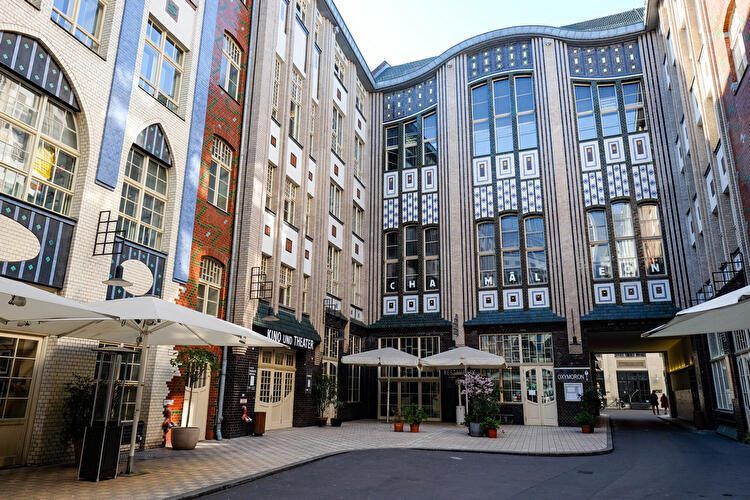
## Description **Hackesche Höfe** is one of Berlin’s most distinctive architectural and cultural complexes, known for its **series of interconnected courtyards**, richly decorated façades, and lively mix of art, retail, and everyday urban activity. Completed in **1906**, the complex was designed by architect **August Endell** and is considered one of the most important examples of **Jugendstil (Art Nouveau)** architecture in Germany. What makes Hackesche Höfe unique is its structure: eight separate courtyards connected by narrow passageways, forming a small urban world within the city. Originally, the complex combined residential apartments, workshops, offices, and entertainment venues, reflecting early 20th-century ideas about efficient mixed-use development. This design allowed craftsmen, artists, and residents to live and work in close proximity, a concept that feels surprisingly modern today. A lesser-known fact is that Hackesche Höfe narrowly escaped demolition during the post-war period, when much of the surrounding area was heavily damaged and later neglected. During the division of Berlin, the complex fell into disrepair, especially in the eastern sector. Its careful restoration in the 1990s played a key role in the **revitalization of Mitte**, helping transform the district into one of Berlin’s cultural and creative centers. Today, Hackesche Höfe hosts boutiques, design shops, cafés, galleries, cinemas, theaters, and apartments. The atmosphere shifts throughout the day, from quiet mornings to lively evenings, making it a place that rewards repeat visits. Despite its popularity, the courtyards retain a sense of intimacy that contrasts with the busy streets just outside. ## Location **Country:** Germany **Region:** Berlin **City:** Berlin **District:** Mitte Hackesche Höfe is located just off **Rosenthaler Straße**, close to Alexanderplatz and the Hackescher Markt area. ### How to Get There * **By S-Bahn:** * Take any line to **Hackescher Markt** station. From there, it is a 5-minute walk. * **By tram:** * Several tram lines stop at Hackescher Markt, offering easy access from across the city. * **By U-Bahn:** * Line U8 to **Weinmeisterstraße**, followed by a short walk. * **On foot:** * Easily reachable from Museum Island and Alexanderplatz. ## Tips * **Explore all courtyards:** Many visitors stop at the first courtyard, but the quieter inner ones are worth seeking out. * **Visit during the day for architecture:** Jugendstil details are best appreciated in natural light. * **Return in the evening for dining and culture:** Restaurants, theaters, and the cinema create a vibrant nightlife atmosphere. * **Be mindful of residential areas:** Some courtyards still contain private apartments. * **Combine with nearby attractions:** Museum Island, Monbijou Park, and the Jewish Quarter are close by. * **Photography is allowed:** Just avoid disturbing patrons or residents. ## Conclusion Hackesche Höfe is a living example of Berlin’s layered history, combining early modern architecture with contemporary creative life. Its courtyards offer a unique way to experience the city’s past and present in a single, walkable space, making it an essential stop for visitors to Berlin. ## FAQ **1. What does Hackesche Höfe mean?** It translates roughly to “Hackesche Courtyards,” referring to the interconnected inner yards. **2. Is there an entrance fee?** No. The courtyards are freely accessible. **3. How long should I plan for a visit?** About **1–2 hours**, depending on shopping, dining, or cultural activities. **4. Are guided tours available?** Occasionally, through private tour operators focusing on Berlin architecture or history. **5. Is Hackesche Höfe suitable for families?** Yes, though it is more oriented toward adults and cultural exploration. **6. What is the best time to visit?** Late afternoon to evening offers a balance of light, atmosphere, and open venues. ## Links * [Berlin tourism official site](https://www.visitberlin.de)
GemVoyage Team • World

Socotra
## Description Socotra Island feels like a fragment of another planet — a remote, windswept archipelago in the northwest Indian Ocean whose flora and landscapes defy easy comparison. Part of Yemen’s Socotra Archipelago, the island is famed for its unique biodiversity: roughly one-third of its plant species are endemic, meaning they occur nowhere else on Earth. The emblematic dragon’s blood tree (Dracaena cinnabari) with its umbrella-like silhouette and deep red sap has become a symbol of Socotra’s otherworldly charm. Across the island, landscapes alternate between bizarre limestone plateaus, dramatic sea cliffs, windswept sand flats and pristine white-sand beaches framed by coral reefs. The experience of Socotra is defined by its isolation. Thousands of years of relative climatic stability have allowed life to evolve along separate lines, producing a cast of plants and small reptiles adapted to arid conditions and shallow soils. Visitors remark on the sculptural shapes and strange textures of the vegetation: bulbous succulents, twisted bottle trees, and dense thorny thickets that host endemic birds and invertebrates. This is a place for slow observation — botanizing on rock-strewn plateaus, watching seabirds along cliffs, and learning how local communities have adapted pastoral and fishing traditions to the island’s rhythms. Beyond flora and fauna, Socotra offers an immersive cultural layer. The island’s towns and villages, led by the main hub of Hadibo, display a traditional way of life that blends Bedouin pastoralism with fishing and small-scale commerce. Over the past decade eco-tourism has grown carefully: small guesthouses and locally guided tours emphasize conservation and community benefit. For the adventurous traveler the island’s remote tracks, sea caves and beaches promise solitude and dramatic light, perfect for landscape photography, contemplative walking and quiet wildlife encounters. ## Location Socotra is located in the northwest Indian Ocean, administratively part of Yemen, lying closer to the Horn of Africa than to the Arabian mainland. The island’s primary settlement and logistical hub is Hadibo (sometimes spelled Hadibu) on the northern coast. Historically, reaching Socotra has required careful planning: flights are limited and schedules change with political and logistical conditions. When available, small charter flights connect Socotra with mainland Yemen and, occasionally, regional hubs; sea access — via carefully arranged boat charters or local vessels — is an alternative for those with flexible timing. Because access can be intermittent, most independent travelers book through experienced operators who handle permits, inter-island travel, and local liaison. Visitors should check visa requirements and entry permits well in advance, and factor in contingency days for travel delays. Once on the island, Hadibo serves as the staging point for day trips inland to the Dixam Plateau, the Hagghier Mountains, and coastal excursions to remote beaches and snorkeling sites. ## Tips - **Check travel advisories and logistics:** Socotra’s access and safety status can change with regional developments. Before planning, consult official travel advisories, contact tour operators, and verify flight or sea schedules. Leave buffer days in your itinerary for unexpected delays. - **Use licensed local guides and operators:** Knowledgeable local guides are essential for navigating rocky tracks, interpreting plant life, and arranging transport to remote sites. Hiring local guide services supports the economy and ensures respectful interaction with communities. - **Respect fragile ecosystems:** Much of Socotra’s ecology is fragile. Stick to established tracks, avoid trampling vegetation, do not remove plants or geological material, and use minimal-impact camping practices. - **Pack for varied conditions:** Inland plateaus and mountains can be hot and dry during the day and chilly at night; coastal winds can be strong. Bring sun protection, sturdy hiking boots, a light windproof layer, and a reusable water bottle with a reliable purification method. - **Plan photography and drone use carefully:** Drones may be restricted to protect wildlife and privacy. Always ask local guides about regulations and cultural sensitivities before using camera equipment. - **Health and safety:** Medical facilities on Socotra are basic. Carry a well-stocked first-aid kit, any personal medications, and consider travel insurance with emergency evacuation coverage. Be up to date on routine vaccinations and check for recommended travel vaccines. - **Support local communities:** Choose guesthouses and guides that employ local staff, buy produce and crafts locally, and respect local dress and customs in villages. ## Conclusion Socotra is a destination for travelers who seek radical otherness and ecological rarity. Its alien plant forms, remote beaches, and quiet villages offer an experience both humbling and exhilarating — a reminder of how geographic isolation shapes life in remarkable ways. Thoughtful visitors who arrive well-prepared will find a landscape rich with photographic opportunities, quiet hiking routes, and meaningful encounters with local people and culture. Above all, Socotra rewards patience: time spent watching a dragon’s blood tree silhouette against the sky, or exploring a limestone plateau at dusk, lingers long after the trip ends. ## FAQ - **Q: Is Socotra safe to visit?** A: Safety and access can vary with regional and political conditions. Check up-to-date government travel advisories, consult experienced operators who run tours to Socotra, and register your travel plans with your embassy when appropriate. - **Q: How long should I spend on Socotra?** A: A well-paced visit typically runs 6–10 days. This allows time to explore the Dixam Plateau, the Hagghier Mountains, coastal beaches and a few village visits without feeling rushed. - **Q: When is the best time to visit Socotra?** A: The most comfortable travel window is during the cooler months, roughly October through April. Monsoon-related weather and hot summer temperatures can make travel more difficult in other months. - **Q: Can I arrange independent travel or do I need a tour operator?** A: Because flights and permits are limited, most travelers use reputable operators who arrange logistics, guides and permits. Independent travel is possible but requires local contacts and contingency planning. - **Q: What should I bring for wildlife and landscape photography?** A: Bring a mid-range zoom lens, a wide-angle for landscapes, a sturdy tripod for low-light work, spare batteries and memory cards, and neutral-density filters for coastal long exposures. - **Q: Are there accommodations and food options on the island?** A: Hadibo has small guesthouses and basic restaurants; expect simple but hearty local meals. For remote camping or multi-day excursions, operators typically supply food and equipment — confirm details beforehand. ## Links - [Socotra — Wikipedia](https://en.wikipedia.org/wiki/Socotra)
GemVoyage Team • World
Melbourne
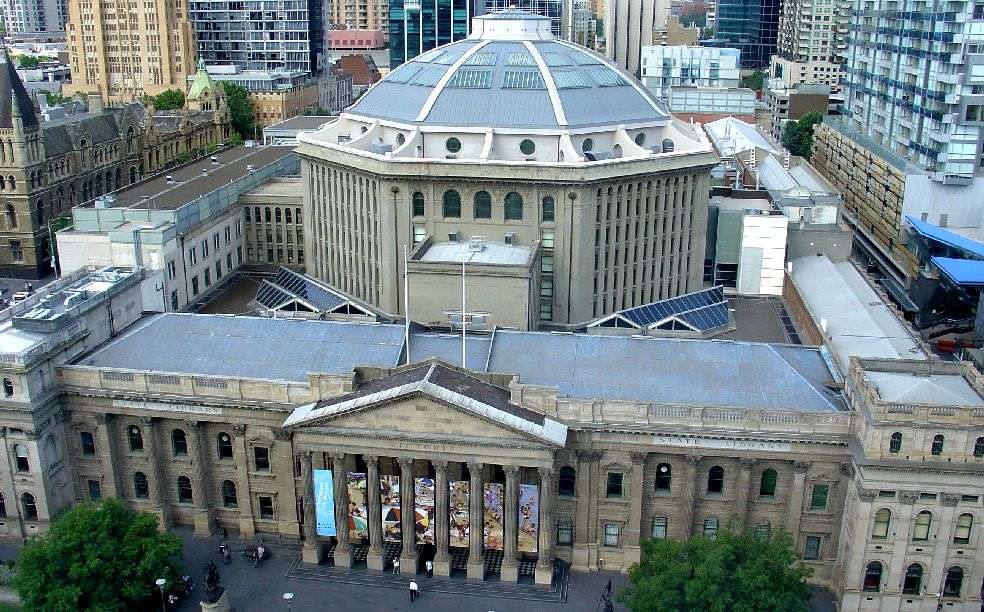
## Description State Library Victoria is more than just a library—it’s a cultural icon, architectural marvel, and a vibrant public space in the heart of Melbourne. Established in 1854, it holds the distinction of being Australia’s oldest public library and one of the first free libraries in the world. Today, it’s also one of the busiest, welcoming millions of visitors each year who come not only to read, but to explore exhibitions, attend events, and marvel at its historic interiors. The library’s crown jewel is the La Trobe Reading Room, a stunning octagonal chamber topped with a majestic domed ceiling. With its white balconies, timber desks, and natural light streaming through the dome, it’s a favorite spot for students, artists, and photographers. Beyond its beauty, the library houses over five million items, including rare manuscripts, maps, photographs, and artworks. Highlights include Ned Kelly’s original armor and the Jerilderie Letter, offering a glimpse into Australia’s bushranger folklore. A little-known fact: the library was originally envisioned as a combined museum, gallery, and library. Its founder, Sir Redmond Barry, also laid the foundation stone for the University of Melbourne on the same day as the library’s cornerstone. Another quirky detail—one of the library’s permanent exhibitions includes a collection of human hair, part of a broader exploration of Victorian-era curiosities. ## Location State Library Victoria is located in **Australia**, in the **state of Victoria**, within the city of **Melbourne**. The library sits prominently at **328 Swanston Street**, right in the Central Business District (CBD), making it easily accessible and surrounded by shops, cafés, and cultural landmarks. ### How to Get There: - **By Train**: The nearest station is Melbourne Central, just across the street. Flinders Street Station is also within walking distance. - **By Tram**: Multiple tram lines stop at the Swanston Street and La Trobe Street intersection, right outside the library. - **By Foot**: If you’re exploring the CBD, the library is a short walk from Bourke Street Mall and the State Parliament. - **By Bike**: Melbourne’s bike lanes and shared paths make cycling to the library a breeze. Bike racks are available nearby. Its central location makes it a perfect starting point for a day of cultural exploration in Melbourne. ## Tips for Visitors To make the most of your visit to State Library Victoria, keep these tips in mind: - **Join a Guided Tour**: Free tours are available and offer fascinating insights into the library’s history, architecture, and collections. - **Visit the Dome Galleries**: Located above the La Trobe Reading Room, these galleries host rotating exhibitions and provide stunning views of the dome. - **Check the Events Calendar**: From author talks to creative workshops, the library hosts a wide range of public programs. - **Use the Free Wi-Fi**: Ideal for remote work or study sessions in a beautiful setting. - **Explore the Cowen Gallery**: This gallery showcases Australian art and historical portraits, often overlooked by casual visitors. - **Respect Quiet Zones**: While the library is lively, some areas are designated for silent study—be mindful of signage. ## Conclusion State Library Victoria is a dynamic blend of history, learning, and public engagement. Whether you're diving into research, admiring its architecture, or simply relaxing in the reading room, the library offers a rich and inspiring experience in the heart of Melbourne. ## FAQ **1. Is there an entrance fee to visit State Library Victoria?** No, entry is free for all visitors. **2. What are the library’s opening hours?** Typically, Monday to Thursday: 10 AM – 9 PM; Friday to Sunday: 10 AM – 6 PM. Galleries close at 5 PM daily. **3. Can I take photos inside the library?** Yes, photography is allowed in most public areas, but flash and tripods are discouraged. **4. Is the library suitable for children?** Absolutely. There are dedicated children’s areas and family-friendly events throughout the year. **5. Are food and drinks allowed inside?** Food and drinks are not permitted in reading rooms but are allowed in designated areas. **6. Does the library offer research assistance?** Yes, librarians are available to help with research, and there are dedicated tools for family history and academic inquiries. ## Links - [State Library Victoria – Wikipedia Overview](https://en.wikipedia.org/wiki/State_Library_Victoria)
GemVoyage Team • World
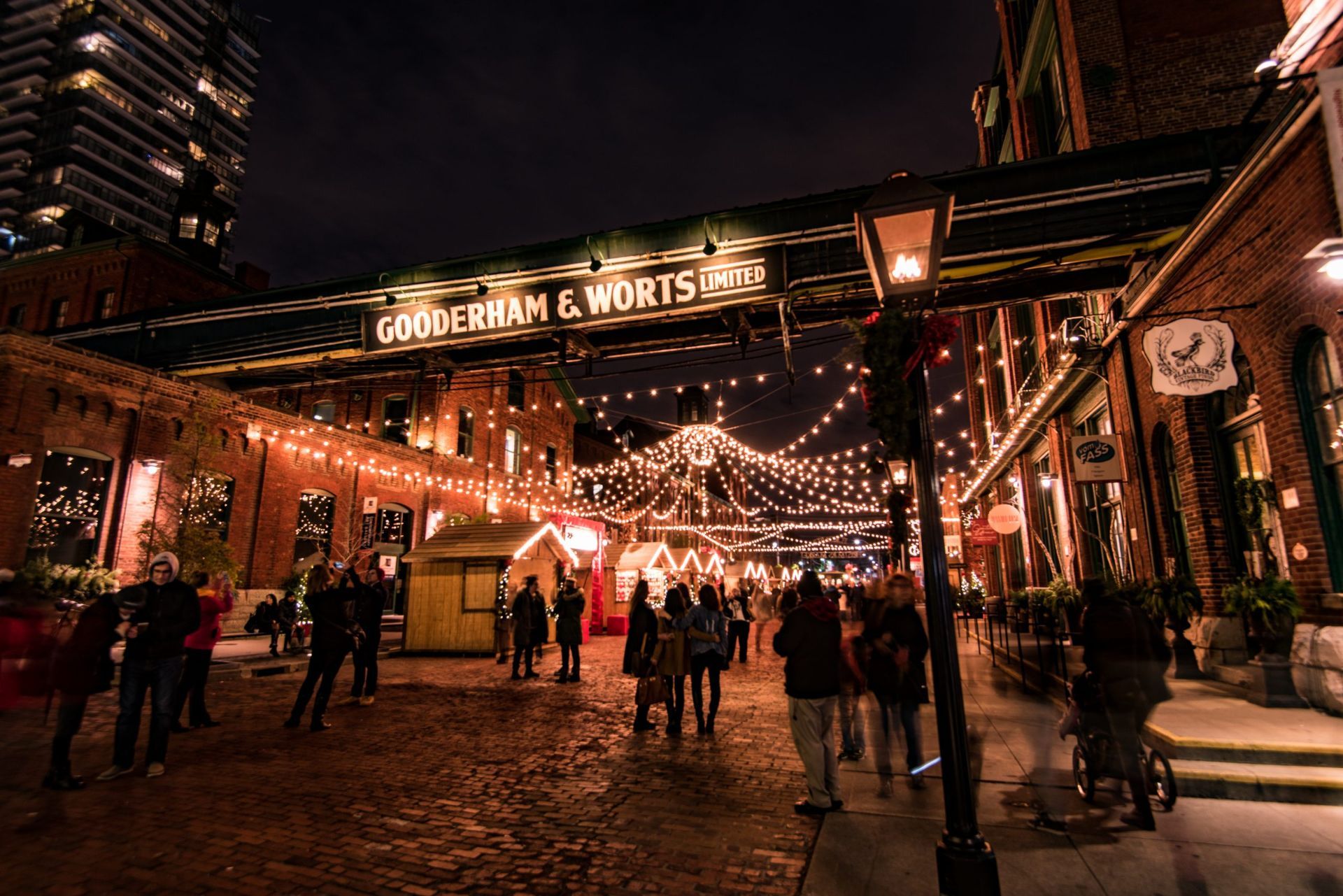
Toronto
## Description The Distillery District is one of Toronto’s most distinctive neighborhoods, and it feels almost purpose-built for travelers who enjoy atmosphere. Set within a preserved historic industrial complex, the district combines red brick architecture, pedestrian streets, galleries, restaurants, shops, event spaces, and public art into a compact destination that is easy to explore and hard to forget. It is stylish without feeling anonymous, and historic without feeling static. That combination makes it one of the city’s strongest examples of adaptive reuse done well. The district’s appeal begins with the architecture. The old industrial buildings create a strong visual identity, and the pedestrian-only layout encourages visitors to slow down and notice details. You do not just move through the Distillery District; you linger in it. The cobbled or brick-lined atmosphere, the converted warehouses, and the layered signage all contribute to the sense that this is a place where Toronto’s past has been carefully repurposed for modern use. At the same time, the neighborhood is lively rather than museum-like. Food, shopping, exhibitions, and events keep it active year-round. One little-known fact is that the district’s visual character has made it a popular location for film, photography, and seasonal events, especially when the area is decorated or adapted for festivals. Another detail visitors sometimes miss is that the district works best as an experience rather than a checklist. It is tempting to arrive, take a few photos, and leave, but the better approach is to let yourself sit down for a meal, look into side courtyards, and notice how the district changes with time of day and season. For travelers who enjoy cities with strong identities, the Distillery District is especially satisfying because it offers more than a single attraction. It is a district you can inhabit for a few hours. You can browse, eat, photograph, rest, and then continue on to other downtown areas. That versatility is a big part of why it remains one of Toronto’s most reliable visitor destinations. ## Location The Distillery District is in downtown Toronto, Ontario, just east of the central core. Its location makes it accessible from many parts of the city by streetcar, bus, rideshare, bicycle, or on foot if you are already nearby. Because it is pedestrian-friendly, the visit starts to feel distinct as soon as you enter the district, and that separateness is part of the appeal. If you are planning a wider downtown itinerary, the district fits well with waterfront walks, downtown shopping, and other central attractions. It is also easy to combine with holiday events or seasonal markets when those are taking place. For many visitors, the most practical option is to use public transit or walk from nearby neighborhoods so that parking does not become a distraction from the experience. ## Tips Allow enough time to enjoy the district properly. The Distillery District is at its best when you slow down, sit for a coffee or meal, and wander without rushing. If you only pass through in ten minutes, you will miss much of what makes it special. Go if you like photography, but also go if you like dining. The area’s visual appeal is obvious, yet its food and drink scene are equally central to the experience. A good meal or café stop can anchor the visit and make the historic setting feel more vivid. Check whether there are special events happening. Seasonal markets, art installations, performances, and holiday programming can transform the district significantly. That can be a major advantage if you like lively environments, though it also means the area may be busier than usual. Visit on a weekday if you want a quieter experience. Weekends and event periods can be excellent for energy and atmosphere, but they also bring crowds. There is no wrong choice, only different moods depending on what you want from the visit. ## Conclusion The Distillery District is one of Toronto’s best examples of historic urban space reimagined for modern life. It combines architecture, food, culture, and walkability in a way that feels polished but still characterful. ## FAQ ### Why is it called the Distillery District? The name comes from its industrial origins and the historic distilling complex that once occupied the site. That heritage is still visible in the architecture and layout. ### Is it worth visiting if I only have one afternoon in Toronto? Yes. It is one of the city’s most efficient and visually rewarding districts for a short visit. ### Is the area family-friendly? Yes, especially for daytime visits. The pedestrian layout and public spaces make it easy to navigate with children. ### What is the best time to go? It depends on your goals. Quiet weekday visits suit slow exploration, while evenings and event periods suit people who want more energy and activity. ### Can I just walk around without spending much money? Absolutely. You can enjoy the architecture, art, and atmosphere without committing to shopping or dining, although many visitors choose to stay for a meal. ## Links - [Official website](https://www.thedistillerydistrict.com/) - [Wikipedia](https://en.wikipedia.org/wiki/Distillery_District)
GemVoyage Team • World


Comments