GemVoyage Team • World
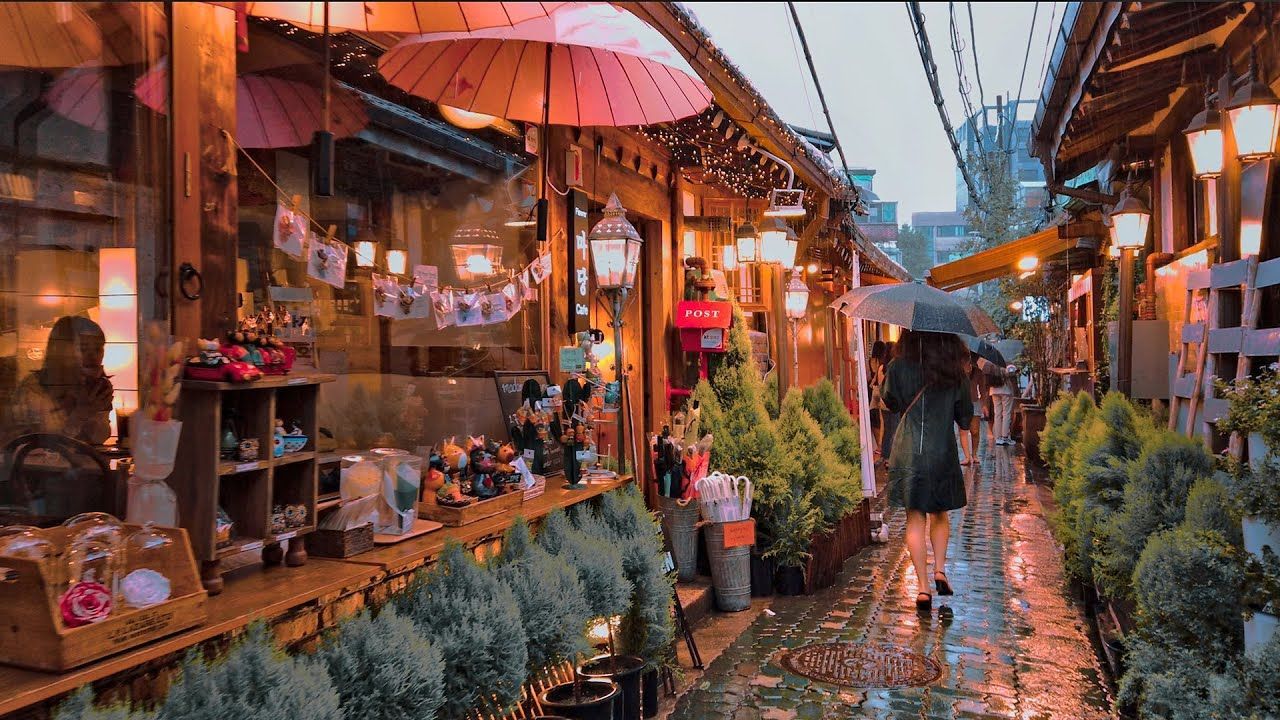
The neighborhood is an excellent example of sensitive urban revitalization—locals and entrepreneurs have repurposed former residential clusters into a dense network of micro-businesses that reward slow exploration. Ikseon-dong’s scale is part of its appeal: where larger hanok districts can feel staged or touristy, here the alleys are intimate and discoveries are often serendipitous—an influential ceramicist around the corner, a tiny cocktail bar behind a lacquered doorway, a handcrafted stationery shop tucked beneath an old roof.
Q: Are there places to stay in Ikseon-dong?
A: Yes, a handful of boutique hanok guesthouses and small guest accommodations offer overnight stays—book early for weekends.
Q: What’s the best time of day to visit?
A: Early morning for quiet exploration and late afternoon into evening for lantern-lit ambiance and café culture.
Q: Is it wheelchair accessible?
A: The historic alleys have uneven paving and steps in places—accessibility varies by venue; call ahead for specific locations.
Q: Can I take photos freely?
A: Public areas are fine for photography, but be respectful in private courtyards and ask permission before photographing people or inside shops.
Discover more hidden gems you might love.
Manchester
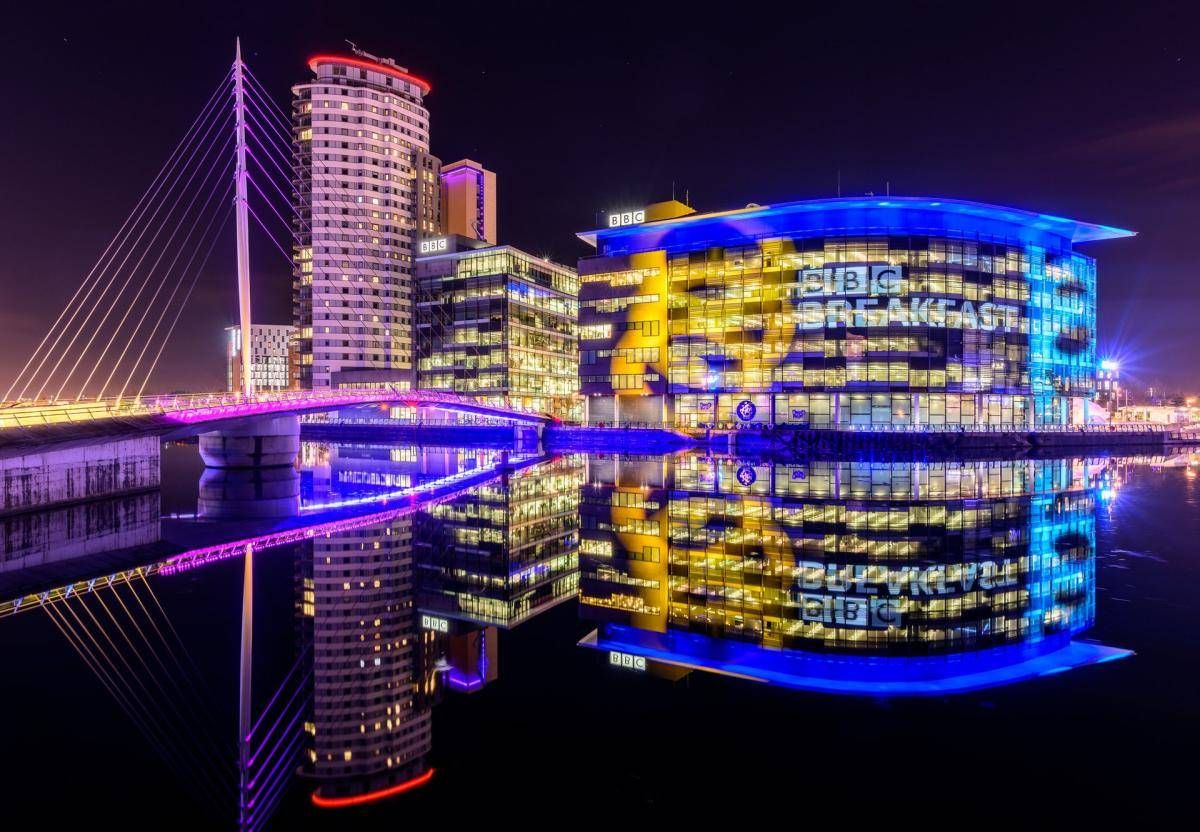
## Description The Quays is one of Manchester’s most dynamic and visually striking waterfront areas, known for its blend of modern architecture, cultural landmarks, and leisure spaces. Once part of the historic Manchester Docks, this area has been completely transformed into a contemporary district that reflects the city’s industrial past while embracing innovation and creativity. Today, The Quays is a popular destination for both locals and visitors, offering museums, media hubs, restaurants, and scenic walking routes along the water. What makes The Quays unique is its successful regeneration story. Formerly an active dock system that played a vital role in Britain’s industrial trade, the area fell into decline in the late 20th century before being reimagined as a cultural and media center. A little-known fact is that the docks here were once among the busiest inland ports in the world. Another interesting detail is that The Quays is home to MediaCityUK, where major broadcasters operate live studios, allowing visitors to see television and radio production happening in real time. With iconic attractions such as The Lowry arts center and the Imperial War Museum North, The Quays offers a balanced mix of history, culture, and modern urban life. ## Location The Quays is located in **England**, in the **Greater Manchester** region, within the city of **Manchester**, primarily spanning the Salford Quays area. It lies just west of Manchester city center, along the Manchester Ship Canal. Getting to The Quays is easy and convenient. The Metrolink tram system provides direct access via stops such as **MediaCityUK** and **Salford Quays**, connecting the area to Manchester Piccadilly and other key parts of the city. Several bus routes also serve the area. For those arriving by car, parking is available at various nearby facilities, though public transport is often the most efficient option. ## Tips * Wear comfortable shoes, as the waterfront paths are ideal for walking and exploring the area on foot. * Visit in the late afternoon or evening to enjoy reflections on the water and vibrant nightlife. * Check event schedules at The Lowry and MediaCityUK, as performances and live broadcasts are frequent. * Combine your visit with a museum stop, especially the Imperial War Museum North, which offers free entry. * Bring a light jacket, as the waterfront can feel cooler and windier than the city center. * Photography enthusiasts will appreciate the modern skyline and waterside views, especially at sunset. ## Conclusion The Quays is a standout example of Manchester’s reinvention, transforming historic docks into a lively cultural and entertainment district. Its mix of museums, media, dining, and scenic walks makes it an essential stop for anyone exploring the city. ## FAQ **Is The Quays suitable for families?** Yes, the area is family-friendly, with open spaces, museums, and regular events suitable for all ages. **How much time should I spend at The Quays?** Most visitors spend between two and four hours, depending on activities and attractions visited. **Are there free attractions at The Quays?** Yes, attractions like the Imperial War Museum North offer free entry. **Is The Quays accessible for people with limited mobility?** Yes, the area is modern and generally well equipped with step-free access and wide pathways. **Can I eat and drink at The Quays?** Absolutely. The area offers a wide range of cafés, bars, and restaurants with waterfront views. ## Links * [The Quays Official Website](https://www.thequays.org.uk)
GemVoyage Team • World

Rome
## Description Janiculum Hill (Gianicolo) stands as one of Rome’s most rewarding scenic vantage points, offering sweeping panoramas of the city’s rooftops, domes and spires, with St. Peter’s Basilica prominently on the skyline. Unlike the classical seven hills of ancient Rome, Janiculum sits to the west of the Tiber and has a distinct character: it combines leafy public gardens, impressive monuments to Italy’s 19th-century unification heroes, and pockets of quiet away from the densest tourist routes. Visitors come to linger on terraces and balustrades, photograph the city at golden hour, and stroll the shaded promenades lined with cypress and plane trees. What makes Janiculum special is its layered atmosphere — it’s part memorial, part urban park and part living neighborhood. Statues and memorials, including the commanding equestrian statue of Giuseppe Garibaldi, recall Italy’s Risorgimento period and add historic depth to the views. The hill is studded with small chapels, fountains such as the striking Fontana dell'Acqua Paola (also called Il Fontanone), and hidden viewpoints that look across the Tiber to the heart of ancient Rome. Little-known facts: Janiculum is home to several international monuments (including busts and memorials to foreign volunteers who fought for Italy) and there’s a long-standing local tradition of a noon cannon shot — a historical custom that punctuates the day and ties the hill into Rome’s lived rituals. ## Location Janiculum Hill is located in Rome, Lazio region, Italy, on the west bank of the Tiber River opposite the historic Trastevere and the ancient core of the city. The main terraces and the most frequented viewpoints cluster along the Via Garibaldi and the Passeggiata del Gianicolo, a ridge that runs north-south. The nearest neighborhoods are Trastevere (below the hill) and the residential Monteverde and Gianicolense districts. To get there: from central Rome, one of the most pleasant routes is to walk up from Piazza Trilussa in Trastevere and ascend via the Viale del Gianicolo or the stairways that connect Trastevere’s lanes to the hill’s terraces. Public transport options include buses that serve nearby stops (check local routes such as lines that head to Trastevere and Monteverde) or taking tram/bus to the Trastevere rail station and walking up. Taxis or ride-hailing services can drop you near the top terraces for a short walk. For visitors who prefer a guided introduction, many walking tours of Trastevere and the Janiculum combine history and views. ## Tips - Timing: For the most stunning light, aim for the hour before sunset (golden hour) for warm, cinematic views and photographs. Early morning offers quieter conditions and softer light. The hill can be breezy in late afternoon. - Crowds: The terraces are popular but not overcrowded like central squares. Weekdays and early mornings are best to avoid local visitors during weekends. - Security & comfort: Pickpocketing is less common here than in dense tourist hubs, but keep usual precautions. Wear comfortable shoes for cobbled paths and steps. - Amenities: There are a few cafés and kiosks nearby, but consider bringing water, especially in summer. Public restrooms are limited; plan accordingly. - Seasons: Spring and autumn are ideal for pleasant temperatures; summer can be hot and busier. Winter offers crisp air and clearer long-distance visibility on good days. - Photography: Bring a zoom lens for close-ups of city details and a wide angle for sweeping skyline shots. Some viewpoints are fenced; respect barriers and private property. ## Conclusion Janiculum Hill is a peaceful, evocative corner of Rome where panoramic views meet commemorative monuments and shady walks. It rewards visitors who step just a little off the busiest tourist routes with moments of true perspective—on the city’s urban spread, its historical layers, and its daily life. Whether you come for sunset, a reflective stroll among monuments, or to trace lesser-known aspects of modern Italian history, Janiculum offers an intimate, memorable encounter with Rome. ## FAQ Q: Is Janiculum Hill within walking distance from the historic center? A: Yes. From Trastevere and several central points it is a manageable walk; stairways and slopes connect it to the historic center. Q: Is there an entrance fee? A: No. Janiculum’s public terraces and gardens are free to visit. Q: Are there guided tours available? A: Yes. Many walking tours of Trastevere and specialized history tours include Janiculum; private guides can provide deeper context on the monuments. Q: Is the area safe at night? A: Generally yes, but standard urban precautions apply—stick to well-lit areas and main promenades. Q: Can I drive up? A: Driving is possible to some upper roads and viewpoints, but parking is limited. A drop-off is convenient. ## Links [Wikipedia: Gianicolo (Janiculum)](https://en.wikipedia.org/wiki/Janiculum) [Roma Turismo / Visit Rome (official tourism guides)](https://www.turismoroma.it)
GemVoyage Team • World
Tanzania
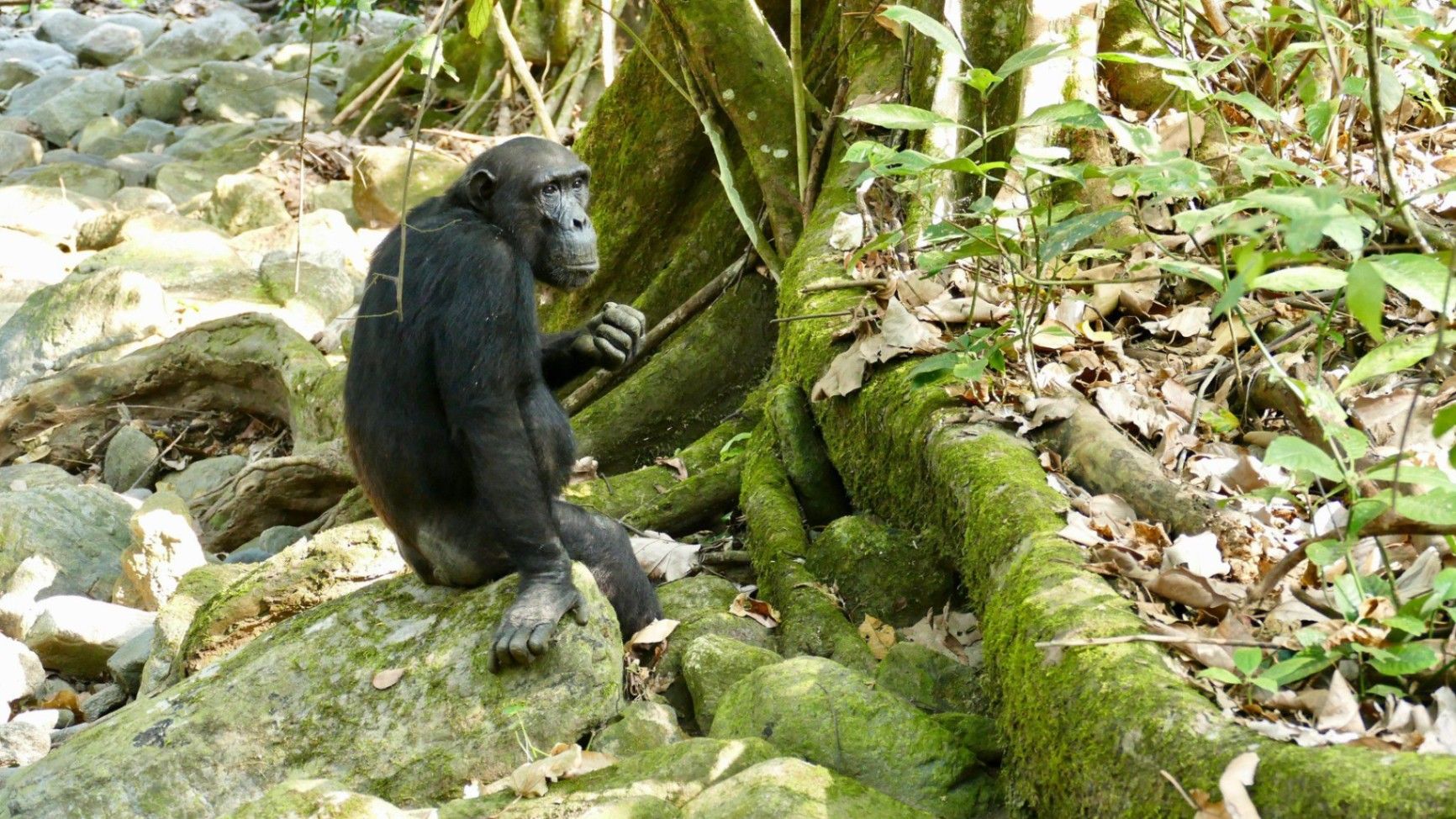
## Description Nestled on the remote eastern shores of **Lake Tanganyika**, the **Mahale Mountains National Park** is one of **Tanzania’s most untouched and magical wilderness areas**. Famous for its **wild chimpanzee population**, pristine forests, and turquoise waters, this park offers an experience unlike any other in Africa — where jungle-clad mountains meet one of the world’s oldest and deepest lakes. Covering over **1,600 square kilometers**, Mahale Mountains National Park lies at the crossroads of **rainforest, savanna, and miombo woodland**, creating a spectacularly diverse ecosystem. Its landscape is dominated by the dramatic **Mahale Mountain Range**, with **Mount Nkungwe** — the highest peak — rising to 2,462 meters above sea level. The park is most renowned for being home to one of the **largest known communities of wild chimpanzees**, with around **800 individuals**. Visitors have the rare opportunity to **trek into the forest** and observe these intelligent primates in their natural habitat — grooming, feeding, and socializing just a few meters away. The **Mimikire community** of chimps has been studied since the 1960s by Japanese researchers, making Mahale a world center for primate research and conservation. Beyond the chimpanzees, Mahale is a haven for **biodiversity**. The park shelters **leopards, bushbucks, red colobus monkeys, blue duikers, warthogs**, and hundreds of **bird species**. The crystal-clear waters of **Lake Tanganyika**, bordering the park to the west, are home to over **250 species of cichlid fish**, many found nowhere else on Earth. One of Mahale’s most fascinating aspects is its isolation — there are **no roads inside the park**. Access is only by **boat or plane**, ensuring that the park remains wild and unspoiled. Visitors walk along forest trails, wade across rivers, and travel by dhow or motorboat, surrounded by breathtaking scenery and deep tranquility. A lesser-known fact is that the area is the **ancestral home of the Tongwe people**, who once lived in the forest and practiced traditional customs linked to nature and the spirits of the mountains. Some cultural heritage still survives, adding a layer of human history to Mahale’s natural beauty. With its mix of adventure, serenity, and ecological wonder, **Mahale Mountains National Park** is a destination for those seeking a **genuine wilderness experience** — where you can track chimpanzees in the morning, swim in the world’s longest freshwater lake in the afternoon, and watch the sun set behind the Congo mountains in the distance. ## Location **Mahale Mountains National Park** is located in **western Tanzania**, along the **eastern shore of Lake Tanganyika**, opposite the **Democratic Republic of the Congo**. **Coordinates:** Approximately 6°S, 30°E To get there: * **By air:** The most convenient way is by **charter flight** from **Arusha, Dar es Salaam, or Kigoma** to the **Mahale airstrip**, followed by a **boat transfer** (typically 1–2 hours) to your lodge or campsite. * **By boat:** From **Kigoma**, you can take a **boat or dhow** along Lake Tanganyika, which takes between **6–10 hours** depending on the vessel. * **By road and boat (adventurous option):** Drive from **Kigoma** to **Kagunga village** (about 3–4 hours), then continue by boat to Mahale. Because of its remoteness, Mahale is best visited as part of a planned safari itinerary with **arranged transport and accommodation** through a tour operator or lodge. ## Tips * **Plan ahead:** Due to its remote location, logistics can be complex — book accommodation and flights well in advance. * **Chimp trekking:** The best time to see chimpanzees is during the **dry season (May to October)** when they stay closer to the lower slopes. * **Fitness required:** Trekking can involve steep and humid trails; wear comfortable shoes, long pants, and bring plenty of water. * **Stay several days:** Allow at least **3–4 nights** to enjoy chimp tracking, lake swimming, and forest hikes. * **Bring lightweight clothing:** The climate is tropical, but evenings near the lake can be cooler. * **Malaria precautions:** Use repellent and consult your doctor before travel — Mahale is a tropical zone. * **No roads, no crowds:** Be prepared for total disconnection — there is limited electricity and no phone signal in most areas. * **Combine with Katavi National Park:** Many travelers pair Mahale with nearby **Katavi**, another remote gem known for its wildlife-filled plains. ## Conclusion The **Mahale Mountains National Park** is one of Africa’s last true wildernesses — a place of **raw beauty and profound peace**. From tracking wild chimpanzees through lush forests to swimming in the crystal-clear waters of Lake Tanganyika, every moment in Mahale feels extraordinary. Its isolation ensures that it remains a haven for both wildlife and travelers seeking solitude. Visiting Mahale is not just a safari — it’s a **journey into the heart of nature**, untouched and unforgettable. ## FAQ **1. What is Mahale Mountains National Park famous for?** It’s best known for its **wild chimpanzees** and stunning **mountain–lake scenery**. **2. How many chimpanzees live in the park?** Around **800 individuals**, including the well-studied **Mimikire community**, habituated to human presence. **3. How do I reach Mahale?** Most visitors arrive by **charter flight** from **Arusha, Dar es Salaam, or Kigoma**, followed by a **boat transfer** to their lodge. **4. When is the best time to visit?** The **dry season (May–October)** is ideal for chimpanzee tracking, while **November–April** brings lush scenery and birdlife. **5. Are there accommodations inside the park?** Yes — there are a few **exclusive lodges and tented camps** along Lake Tanganyika’s shores, such as **Greystoke Mahale** and **Kungwe Beach Lodge**. **6. What other animals can be seen?** Besides chimpanzees, the park is home to **leopards, bushpigs, red colobus monkeys, giant squirrels**, and **hundreds of bird species**. **7. Can visitors swim in Lake Tanganyika?** Yes — it’s safe for swimming and snorkeling near the lodges, with **exceptionally clear freshwater** and tropical fish. ## Links * [Tanzania National Parks Authority – Mahale Mountains](https://storymaps.arcgis.com/stories/4bf12795a5b44f3482b580e692c465a4)
GemVoyage Team • World

St. Petersburg
## Description The Narodovolets D-2 Submarine Museum in St. Petersburg is a compelling and immersive tribute to Russia’s naval history, offering visitors a rare opportunity to step inside a real Soviet-era submarine. Commissioned into the Baltic Fleet in 1931, the Narodovolets was one of the first submarines built by the Soviet Union and played a significant role during World War II. It completed four combat missions, launched twelve torpedo attacks, and successfully sank four enemy vessels—an impressive record for its time. Today, the submarine is mounted in concrete near the Shkiperskiy Canal and serves as a branch of the Central Naval Museum. Visitors can explore its authentic interiors, including the torpedo launcher compartment, engine room, crew quarters, and command center. The museum offers a hands-on experience of life aboard a submarine in the early 20th century, complete with original equipment and detailed exhibits. A little-known fact: the Narodovolets was named after the revolutionary sailors of the cruiser Aurora, symbolizing the spirit of Soviet naval resilience. Another fascinating detail is that the submarine was preserved and turned into a museum in 1993, making it one of the few surviving vessels of its kind open to the public. ## Location The Narodovolets Submarine Museum is located in **Russia**, in the **Northwestern Federal District**, within the **city of St. Petersburg**. It sits on **Vasilyevsky Island**, at **10 Shkiperskiy Protok**, near the waterfront and within walking distance of the Gulf of Finland. ### How to Get There - **By Metro**: The nearest station is Primorskaya (Line 3). From there, it’s a short walk or bus ride to the museum. - **By Bus or Trolleybus**: Bus numbers 7 and 151, and trolleybus number 10, stop near the museum. - **By Taxi**: Taxis and ride-share services like Yandex Go can take you directly to the entrance. - **By Car**: Parking is available nearby, but public transport is recommended due to limited space. Its location on Vasilyevsky Island makes it a great addition to a day of exploring St. Petersburg’s maritime and industrial heritage. ## Tips - **Wear Comfortable Clothing**: The submarine’s interior is narrow and includes steep ladders and tight corridors. Dress accordingly. - **Avoid Peak Hours**: Weekday mornings are generally quieter, offering a more relaxed experience. - **Bring a Flashlight**: While the museum is lit, some areas are dim and a small flashlight can help you see details more clearly. - **Check for Guided Tours**: Guided tours are available and provide valuable historical context and technical insights. - **Mind Accessibility**: The museum is not suitable for wheelchair users or those with limited mobility due to its confined spaces. - **Photography**: Photos are allowed, and there’s no extra fee for taking pictures—just be respectful of other visitors. ## Conclusion The Narodovolets Submarine Museum is a unique and historically rich attraction in St. Petersburg, offering a rare glimpse into Soviet naval warfare and life aboard a WWII-era submarine. With its authentic interiors and compelling exhibits, it’s a must-visit for history enthusiasts and curious travelers alike. ## FAQ **1. What are the opening hours of the Narodovolets Submarine Museum?** The museum is open daily from 10:00 AM to 6:00 PM, except on Mondays and Tuesdays. **2. What is the entrance fee?** Admission is RUB 350 for adults and RUB 200 for students. Photography is free. **3. Is the museum suitable for children?** Children are welcome, but supervision is recommended due to the submarine’s tight spaces and steep ladders. **4. Can I book a guided tour?** Yes, guided tours are available and can be arranged on-site or through the Central Naval Museum. **5. Is the museum wheelchair accessible?** No, the submarine’s design makes it inaccessible for wheelchair users or those with mobility impairments. **6. How long should I plan for a visit?** A typical visit lasts 45 minutes to an hour, depending on whether you join a guided tour. ## Links - [Narodovolets Submarine Museum – Saint Petersburg Guide](http://www.saint-petersburg.com/museums/narodovolets-d-2-submarine/) - [Central Naval Museum – Narodovolets Branch](https://eng.navalmuseum.ru/filials/narodovolec)
GemVoyage Team • World
Paris
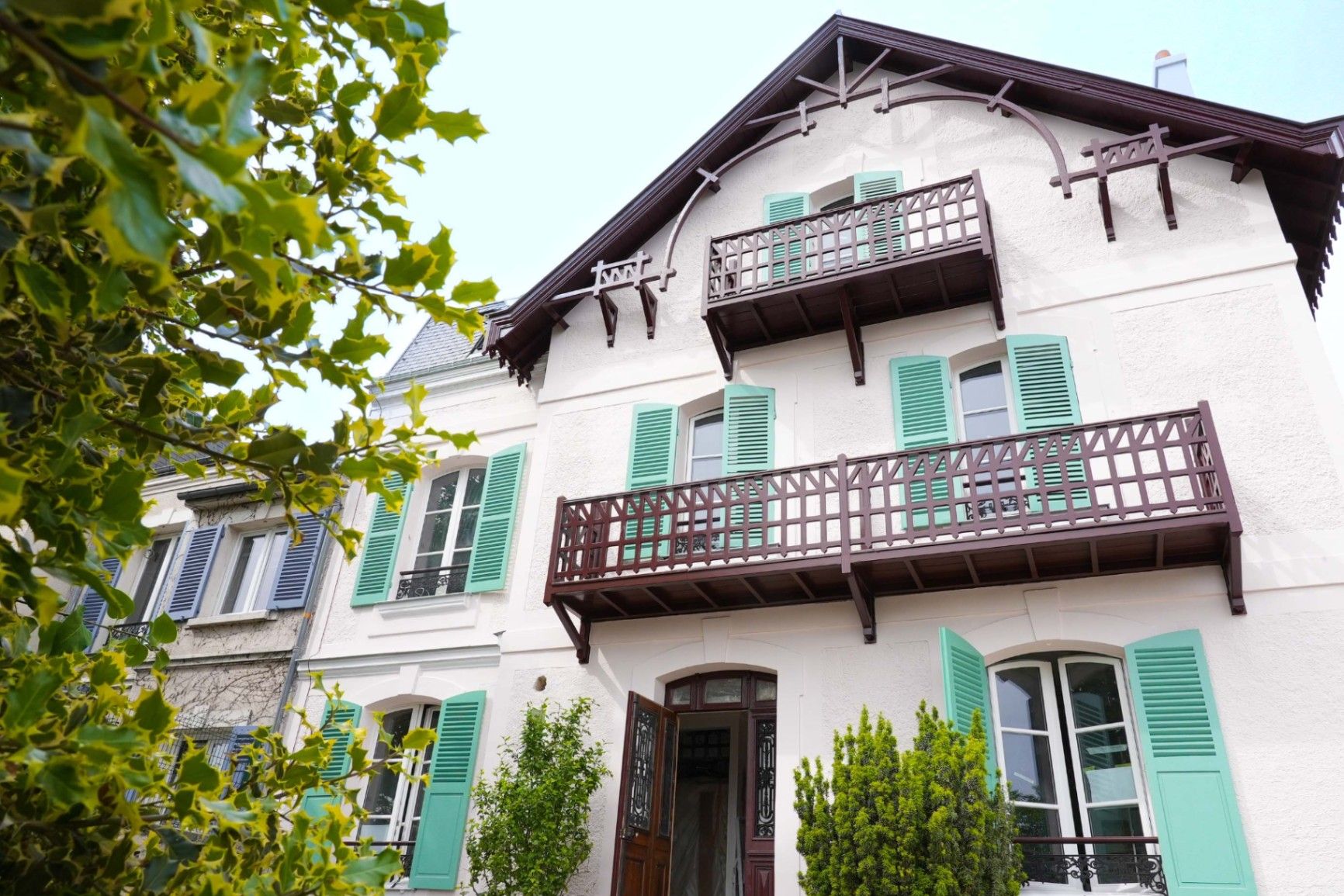
## Description **Maison Impressionniste Claude Monet Argenteuil** is a carefully reconstructed space dedicated to the years when Claude Monet lived and worked in Argenteuil, a suburb northwest of Paris. Although not the original residence, the house functions as a faithful evocation of Monet’s daily environment between 1871 and 1878, a period widely considered formative for the **Impressionist movement**. This is where Monet refined his techniques of capturing light, atmosphere, and everyday scenes, and where he produced some of his most celebrated works, including views of the Seine, gardens, and his own home life. The house is arranged to resemble the domestic context that influenced Monet’s early mastery. Rooms are curated with period furniture, reproductions of key paintings, personal objects, and interpretive displays illustrating how Monet painted outdoors, how he experimented with color, and how Argenteuil became a meeting point for artists such as Renoir, Manet, and Sisley. The staging provides an accessible narrative of Monet as a young pioneer, long before his later fame at Giverny. A little-known fact is that Argenteuil was once a **boating and leisure capital** for Parisians, and Monet frequently painted regattas and pleasure craft from the riverbanks near his home. Another lesser-known detail is that Monet’s time in Argenteuil coincided with substantial urban development, which threatened some of the very landscapes he painted. This tension between modernization and natural beauty appears subtly throughout his Argenteuil canvases. Today, the Maison Impressionniste offers a more intimate and less crowded alternative to major Impressionist institutions in Paris. It gives visitors the chance to walk through reconstructed interiors that feel personal rather than monumental and to understand the roots of what would become Monet’s global artistic influence. ## Location **City:** Argenteuil (Greater Paris area) **Region:** Île-de-France **Country:** France The house is situated in a residential part of Argenteuil, within walking distance of the Seine and the locations that inspired many of Monet’s paintings. ### How to Get There * **By train:** * From **Gare Saint-Lazare** in Paris, take a Transilien J train to **Argenteuil Station**. From there, it is a short walk or a brief bus ride. * **By bus:** * Several suburban bus lines connect Argenteuil with northern districts of Paris. * **By car:** * The area is accessible via the A15 or A86, but parking can be limited in residential streets. * **On foot from the center of Argenteuil:** * A pleasant 10–15 minute walk through town streets leads directly to the museum. ## Tips * **Visit on a weekday** to avoid periods when small tour groups pass through. * **Combine it with a Seine riverside walk**, retracing the landscapes Monet depicted in his Argenteuil period. * **Plan 45–60 minutes**, as the museum is compact but detailed. * **Photography policies may vary**, so check signage before taking photos inside. * **The museum often hosts temporary exhibits** on Impressionism and plein-air painting; check ahead for program changes. * **Bring context:** Reviewing Monet’s Argenteuil works beforehand will enrich the visit, as many are referenced in the interpretive materials. ## Conclusion Maison Impressionniste Claude Monet Argenteuil offers an intimate and historically grounded perspective on Monet’s early Impressionist years. The reconstructed spaces, the focus on daily life, and the proximity to the landscapes that shaped his artistic eye make it a meaningful stop for those seeking a deeper understanding of how Impressionism emerged and matured. ## FAQ **1. Is the house original?** No. It is a faithful reconstruction designed to evoke Monet’s home during his Argenteuil years. **2. How long did Monet live in Argenteuil?** From 1871 to 1878, a key period of his early Impressionist development. **3. Can visitors see original artworks?** The museum primarily displays reproductions and interpretive materials; original works are held in major museums in Paris and abroad. **4. Is the visit suitable for children?** Yes. The rooms are accessible, and the museum offers educational materials for younger visitors. **5. How long should I plan for the visit?** Around 1 hour, depending on reading speed and interest in the exhibits. **6. Is the museum wheelchair accessible?** Accessibility can vary; checking ahead with the museum is recommended. ## Links * [Official tourism information for Argenteuil](https://www.argenteuil.fr)
GemVoyage Team • World
Tarasp
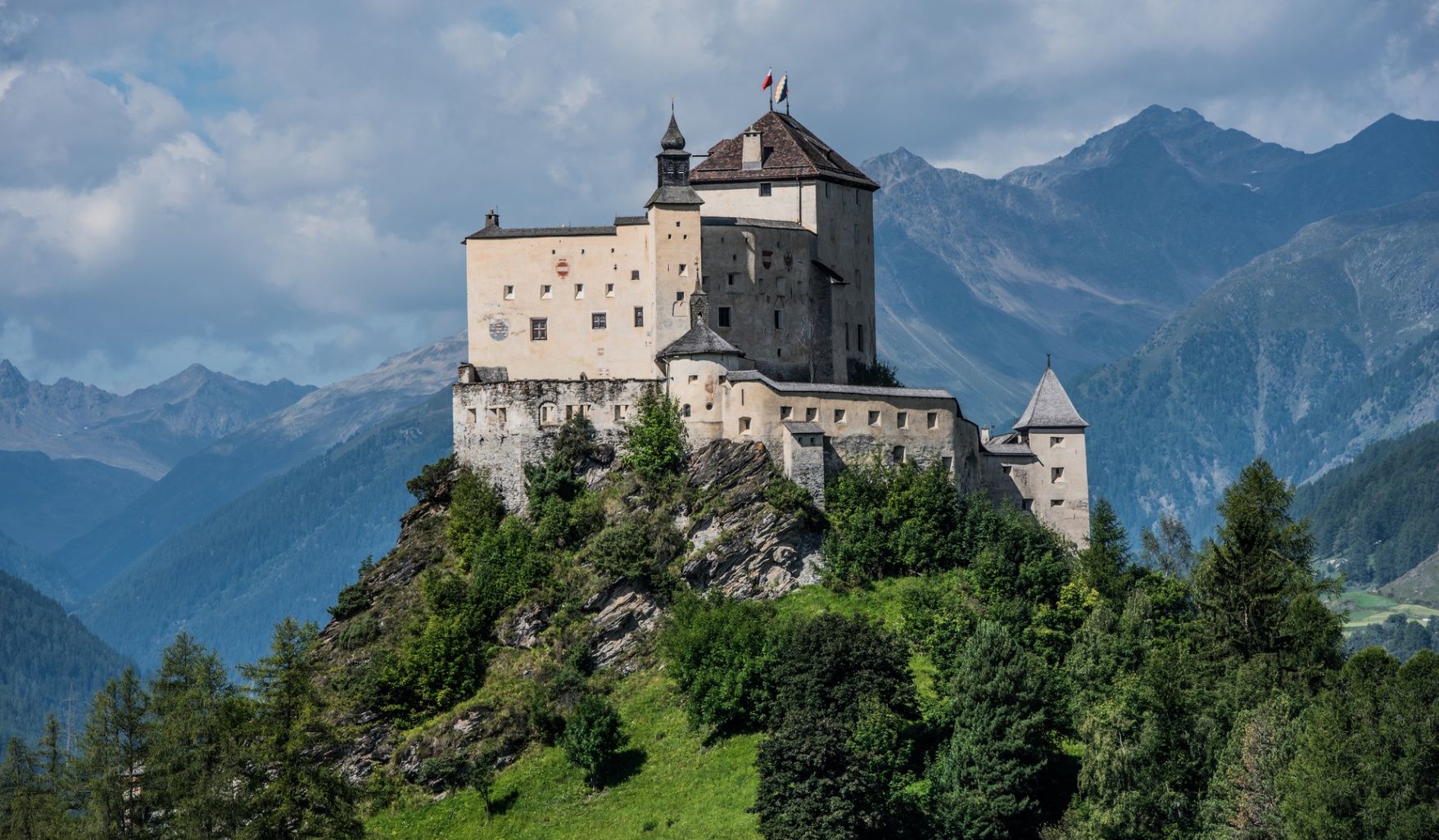
## Description Schloss Tarasp is one of Switzerland’s most impressive and best-preserved medieval castles, dramatically perched on a rocky hill overlooking the Lower Engadin Valley. With its imposing towers, thick stone walls, and commanding views, the castle feels like a scene straight out of a historical epic. Dating back to the 11th century, Schloss Tarasp has played a significant role in the region’s political and cultural history and remains a powerful symbol of the Engadin. What makes Schloss Tarasp truly unique is its combination of medieval architecture and refined interior artistry. While many castles focus mainly on defensive structures, Schloss Tarasp surprises visitors with richly decorated rooms, ornate furniture, and an exceptional collection of art and antiques. One little-known fact is that the castle houses a famous private organ, installed in the early 20th century, which is still used for concerts today. Another lesser-known detail is that the castle once belonged to industrialist August Lingner, the inventor of Odol mouthwash, who restored it extensively and transformed it into a cultural landmark. Today, Schloss Tarasp can only be visited through guided tours, which add depth and storytelling to the experience, making history come alive for visitors of all ages. ## Location Schloss Tarasp is located in **Switzerland**, in the **Graubünden** canton, within the **Lower Engadin** region. The castle stands above the village of Tarasp, near the town of Scuol, surrounded by alpine landscapes and mountain scenery. To get there, travelers can take a train on the Rhaetian Railway to **Scuol-Tarasp** station, which is well connected to other parts of Switzerland. From the station, local buses run toward Tarasp village, and from there a short uphill walk leads to the castle entrance. Visitors arriving by car can drive to Tarasp and park near the base of the hill, followed by a scenic walk up to the castle. ## Tips * Schloss Tarasp can only be visited on guided tours, so check tour times in advance and arrive early to secure a spot. * Wear comfortable shoes, as the walk up to the castle is steep and the interiors include uneven stone floors and stairs. * Photography may be restricted in certain rooms, so always follow the guide’s instructions. * Plan extra time to enjoy the panoramic views of the Engadin Valley from the castle grounds. * Combine your visit with a stop in nearby Scuol, known for its thermal baths and traditional Engadin architecture. * Tours are often offered in multiple languages, but availability may vary depending on the season. ## Conclusion Schloss Tarasp offers a rare and immersive journey into Switzerland’s medieval past, enriched by art, music, and stunning alpine scenery. Its dramatic setting, well-preserved interiors, and guided storytelling make it one of the most memorable castle visits in the country. ## FAQ **Do I need to book tickets in advance?** Advance booking is recommended, especially during summer and peak travel seasons, as tour sizes are limited. **Is Schloss Tarasp suitable for children?** Yes, guided tours are generally engaging for children, though very young kids may find the tour length challenging. **How long does a guided tour last?** Most guided tours last between 60 and 90 minutes. **Is the castle accessible for people with limited mobility?** Due to its medieval structure, access can be difficult for visitors with limited mobility. It is best to check accessibility details in advance. **When is the best time to visit Schloss Tarasp?** Late spring to early autumn is ideal, when the weather is mild and travel routes are fully accessible. ## Links * [Schloss Tarasp Information](https://www.myswitzerland.com/en-us/experiences/schloss-tarasp-chaste-da-tarasp/)
GemVoyage Team • World

Comments