GemVoyage Team • World
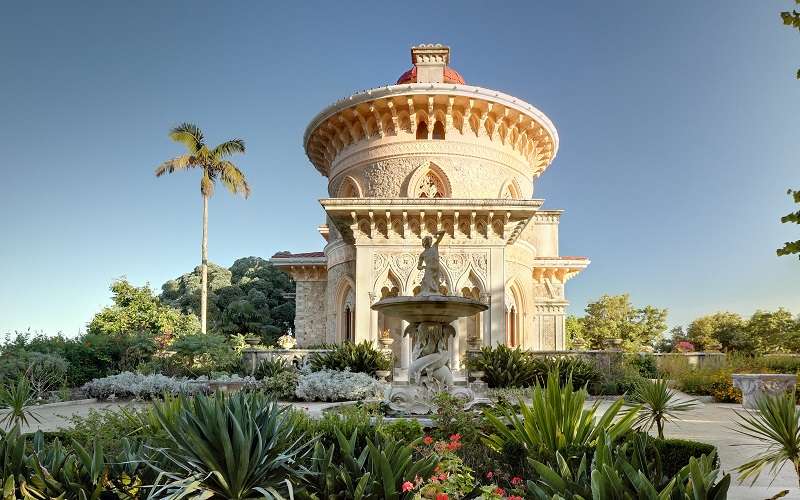
Monserrate Palace in Sintra is one of Portugal’s most exquisite and underrated architectural treasures. Nestled in the lush hills of the Serra de Sintra, this 19th-century palace is a masterpiece of Romanticism, blending Gothic, Moorish, and Indian architectural styles into a harmonious and visually captivating whole. Commissioned by Sir Francis Cook, a wealthy English art collector, the palace was designed as a summer retreat and reflects his eclectic taste and fascination with exotic cultures.
The palace’s interior is a feast for the eyes, with intricately carved marble columns, lace-like stonework, and domed ceilings inspired by Islamic architecture. The Music Room, with its ornate plasterwork and acoustics, is particularly striking and occasionally hosts cultural events. Surrounding the palace is a sprawling botanical garden that features species from all over the world, including a Mexican garden, a Japanese garden, and a rose garden. These gardens were carefully curated to reflect the Victorian passion for exotic landscaping and offer a tranquil escape into nature.
A little-known fact: Monserrate was once the home of William Beckford, an eccentric English novelist and art collector, before it was transformed by Francis Cook. Another fascinating detail is that the palace and its gardens were used as a filming location for the NBC miniseries “Gulliver’s Travels,” starring Ted Danson.
Monserrate Palace is located in Portugal, in the Lisbon District, within the city of Sintra. It lies approximately 3.5 kilometers west of Sintra’s historic center, in the heart of the Sintra-Cascais Natural Park.
Its slightly off-the-beaten-path location means it’s often quieter than Sintra’s more famous palaces, making for a more relaxed visit.
Monserrate Palace is a stunning fusion of art, architecture, and nature. With its exotic design, peaceful gardens, and rich history, it offers a unique and serene alternative to Sintra’s more crowded landmarks.
1. What are the opening hours of Monserrate Palace?
The park is open from 9:00 AM to 7:00 PM, and the palace from 9:30 AM to 6:00 PM. Last admission is 30 minutes before closing.
2. What is the entrance fee?
Adult tickets cost €12, youth (6–17) €10, and seniors €6.50. Children under 6 enter free.
3. Is Monserrate Palace suitable for children?
Yes, the gardens are great for families, though supervision is recommended due to uneven terrain.
4. Can I buy tickets online?
Yes, tickets can be purchased through the official Parques de Sintra website or authorized vendors.
5. Is the palace wheelchair accessible?
The palace has limited accessibility due to its historic structure. The gardens have some accessible paths.
6. How long should I plan for a visit?
Allow 1.5 to 2 hours to explore both the palace and the gardens thoroughly.
Discover more hidden gems you might love.
Kaimonkawashiri
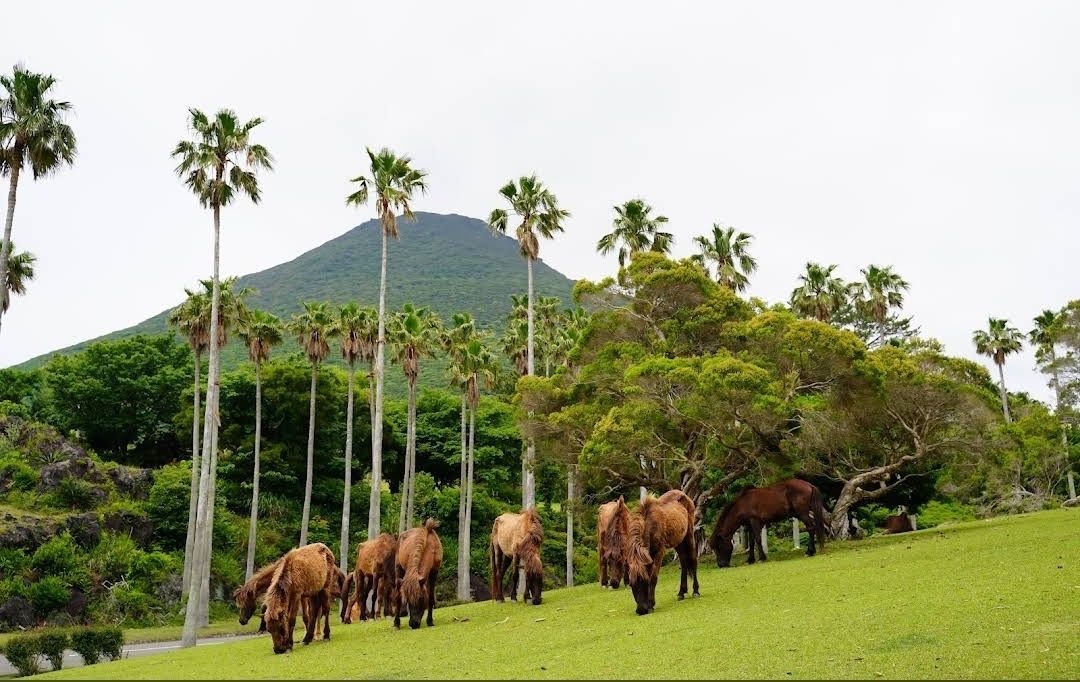
## Description **Kaimon Foothills Nature Park** is a serene and picturesque destination located at the base of Mount Kaimon, often nicknamed the “Fuji of Satsuma” because of its elegant, conical shape that resembles Japan’s iconic Mount Fuji. This park is a favorite among nature enthusiasts, hikers, and families looking for a peaceful escape into lush greenery and panoramic landscapes. What makes Kaimon Foothills Nature Park unique is its perfect blend of natural beauty and cultural significance. The area offers walking trails surrounded by seasonal flowers, open lawns ideal for picnics, and scenic viewpoints where visitors can admire Mount Kaimon towering in the distance. On clear days, you can even catch a glimpse of **Yakushima Island**, a UNESCO World Heritage Site known for its ancient cedar forests. A little-known fact is that the park is home to rare flora native to the Kagoshima region, making it a hidden gem for botany lovers. Another interesting detail is that the park also serves as a base for those who want to climb Mount Kaimon, with the trailhead conveniently located nearby. ## Location Kaimon Foothills Nature Park is located in **Ibusuki City**, within **Kagoshima Prefecture** in southern **Kyushu, Japan**. The park sits at the base of Mount Kaimon, which rises 924 meters above sea level and is a defining landmark of the Satsuma Peninsula. Getting there is straightforward. From **Kagoshima City**, travelers can take the **JR Ibusuki-Makurazaki Line** to **Kaimon Station**. From the station, the park is just a short taxi ride or a leisurely walk. Alternatively, those traveling by car can reach the park in about 90 minutes from central Kagoshima via Route 226, a scenic coastal road. For visitors who enjoy road trips, this drive offers stunning views of Kagoshima Bay and the surrounding countryside. ## Tips To make the most of your visit to Kaimon Foothills Nature Park, keep these tips in mind: * **Wear comfortable shoes** – The park has walking trails and natural terrain, so sturdy footwear will make your visit more enjoyable. * **Bring a picnic** – With wide open spaces and shaded areas, the park is perfect for relaxing and enjoying a homemade lunch outdoors. * **Check the weather** – Clear days provide the best views of Mount Kaimon and the surrounding region, so plan accordingly. * **Combine with a hike** – If you’re up for adventure, start your climb up Mount Kaimon from the trailhead near the park. The hike typically takes 3–4 hours round trip. * **Visit nearby attractions** – Ibusuki is famous for its unique **sand baths**, where visitors are buried in naturally heated volcanic sand. It’s an excellent way to relax after exploring the park. * **Bring a camera** – Whether it’s the seasonal flowers, the majestic peak of Mount Kaimon, or the sunset views, the park is full of photo-worthy moments. ## Conclusion **Kaimon Foothills Nature Park in Japan** is a charming and peaceful destination that offers both relaxation and adventure. With its breathtaking views of Mount Kaimon, lush greenery, and cultural significance, it’s the perfect spot for families, hikers, and nature lovers alike. Conveniently located in Ibusuki, Kagoshima, the park also serves as a gateway to exploring southern Kyushu’s natural wonders. ## FAQ **1. What is Kaimon Foothills Nature Park best known for?** The park is best known for its scenic location at the base of Mount Kaimon, offering beautiful views, picnic areas, and access to the hiking trail up the mountain. **2. Can you climb Mount Kaimon from the park?** Yes, the park serves as a starting point for the Mount Kaimon hiking trail, which takes about 3–4 hours to complete round trip. **3. When is the best time to visit?** Spring and autumn are ideal, with pleasant weather and colorful seasonal flowers. However, the park is open year-round and offers different charms in each season. **4. Is the park family-friendly?** Absolutely. The open lawns, easy walking paths, and picnic spots make it a great destination for families with children. **5. How long should I plan to stay?** Most visitors spend 1–2 hours enjoying the park, but if you add a Mount Kaimon hike or nearby Ibusuki attractions, you can easily plan a full-day trip. **6. Are there facilities like restrooms or shops?** Yes, the park has basic facilities, but it’s a good idea to bring your own snacks and drinks, especially if you plan to stay for a while. ## Links * [Japan Travel – Kyushu Attractions](https://www.japan.travel/en)
GemVoyage Team • World
Cairo
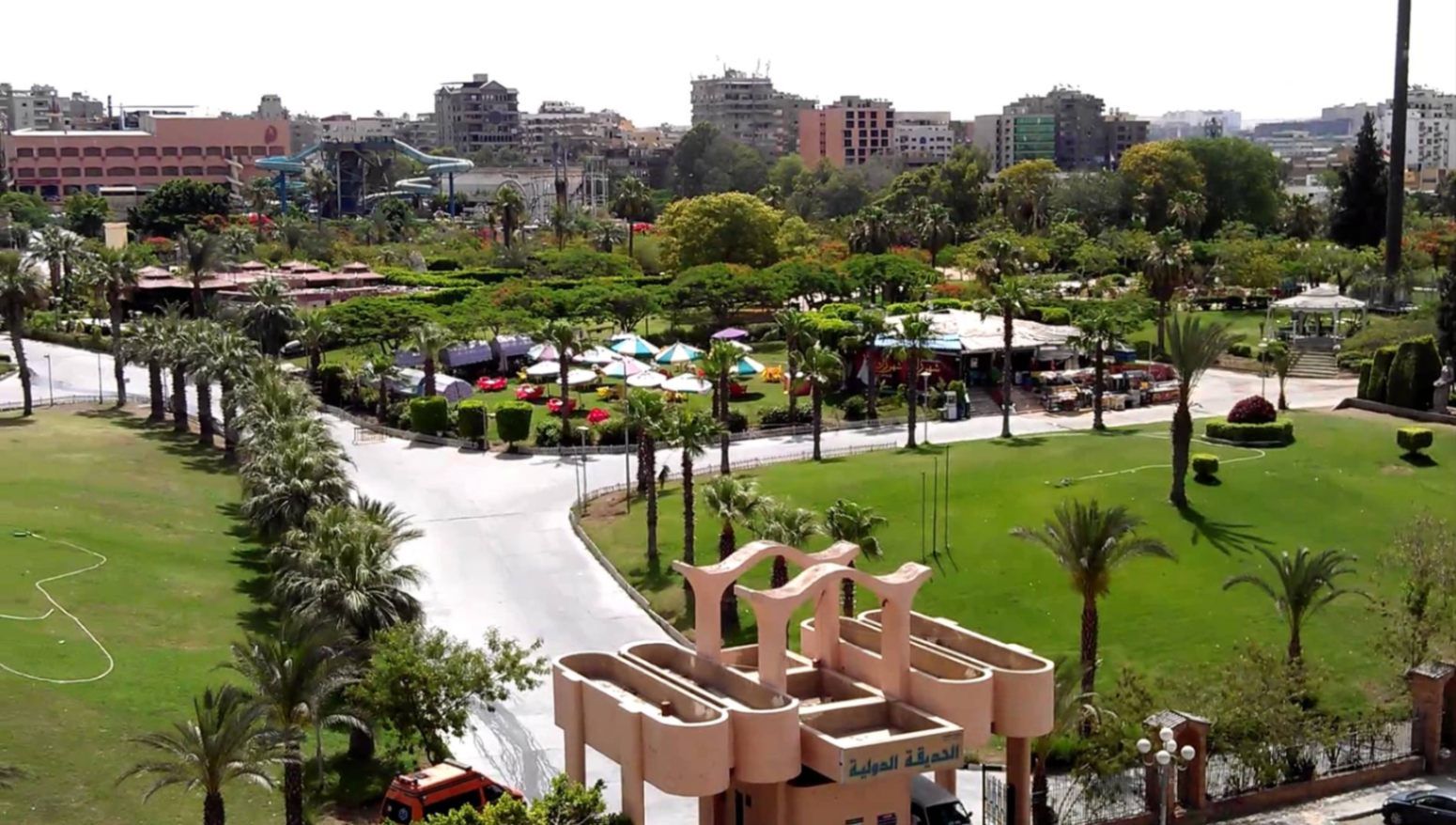
## Description **The International Park (الحديقة الدولية بالقاهرة)** is one of Cairo’s most distinctive public green spaces, designed to showcase a miniature journey through different countries and cultures within a single park. Established in the late 1980s, the park was conceived as a cultural and recreational project where landscaped areas, architectural replicas, and themed gardens represent nations from around the world. While not polished in the way of modern theme parks, its charm lies in its **ambitious concept, open space, and local atmosphere**. What makes the International Park unique is its layout: each section is inspired by a different country, featuring symbolic structures, sculptures, plants, or design elements associated with that nation. Visitors can walk from Asian-inspired pavilions to European-style gardens within minutes. This eclectic mix gives the park an almost nostalgic quality, reflecting Cairo’s vision of internationalism during the late 20th century. A lesser-known fact is that several embassies and cultural institutions contributed ideas or symbolic elements during the park’s early development, even if execution varied over time. Another interesting detail is that the park was once a major venue for **school trips and cultural festivals**, making it an important part of collective memory for many Cairenes who grew up in the 1990s. Today, the park functions primarily as a **family-friendly recreational space**. It is popular for picnics, casual walks, and affordable outings, especially for residents of eastern Cairo. While some areas show signs of aging, the park’s size, greenery, and concept still make it a refreshing escape from the dense urban environment. ## Location **Country:** Egypt **Region:** Greater Cairo **City:** Cairo **District:** Nasr City The International Park is located in **Nasr City**, one of Cairo’s largest residential districts, close to major roads and residential compounds. ### How to Get There * **By taxi or ride-hailing:** * Uber and local taxis are the most convenient option from anywhere in Cairo. * **By car:** * Easily accessible via Nasr City’s main roads, with parking available near the entrance. * **By public transport:** * Microbuses and buses serving Nasr City pass close to the park, though routes can be confusing for first-time visitors. * **From central Cairo:** * Expect a 30–45 minute drive depending on traffic. ## Tips * **Visit in the afternoon:** Late afternoon offers better weather and softer light, especially in warmer months. * **Bring your own food:** Picnic areas are common, and outside food is usually allowed. * **Wear comfortable shoes:** The park is large, and exploring all sections involves significant walking. * **Manage expectations:** Some country sections are more symbolic than detailed replicas. * **Good for children:** Open spaces allow kids to run freely, and the atmosphere is relaxed. * **Avoid peak public holidays:** The park can become crowded during major Egyptian holidays. ## Conclusion The International Park is a spacious, culturally themed green retreat that offers a simple but enjoyable experience for families and casual visitors. Its global concept, combined with its local character, makes it a nostalgic and accessible escape from Cairo’s urban intensity. ## FAQ **1. When was the International Park opened?** It was established in the late 1980s as a cultural and recreational project. **2. Is there an entrance fee?** Yes, there is a low entrance fee, making it affordable for families. **3. How long should I plan for a visit?** Most visitors spend **1.5 to 3 hours**, depending on walking pace and activities. **4. Is the park suitable for tourists?** Yes, especially for those interested in local leisure spaces rather than major monuments. **5. Are there food stalls inside?** Basic snacks may be available, but bringing your own food is recommended. **6. Is it good for photography?** Yes, particularly for casual photography and wide shots of greenery and themed structures. ## Links * [Egyptian tourism portal](https://www.experienceegypt.eg/en)
GemVoyage Team • World
Ostrava
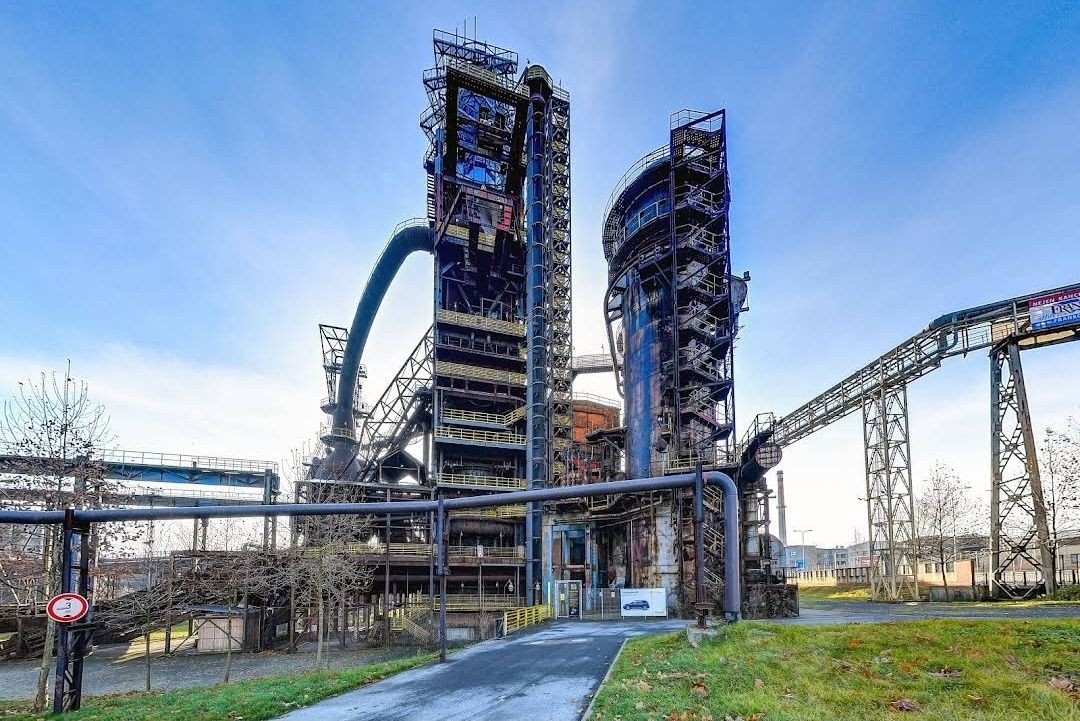
## Description The **Bolt Tower** is one of the most striking symbols of Ostrava, Czech Republic, blending modern architecture with the city’s rich industrial past. Rising from the remains of a former blast furnace at the **Lower Vítkovice industrial complex**, this futuristic structure stands as a testament to the city’s transformation from a coal and steel hub into a vibrant cultural destination. Completed in 2015, the tower was named after legendary Jamaican sprinter **Usain Bolt**, who personally attended the opening ceremony. With its sleek, glass-and-steel design perched atop an old furnace, Bolt Tower symbolizes speed, energy, and forward motion while preserving a strong connection to history. One of the most unique aspects of the tower is that it combines **modern architecture with industrial heritage**—a contemporary structure extending the life of a blast furnace that once powered the region’s economy. Inside, visitors can enjoy a panoramic café, exhibition spaces, and a sky-high observation deck that offers some of the best views in Ostrava. A little-known fact is that Bolt Tower reaches a total height of **77 meters**, making it the highest accessible point in Ostrava. Another interesting detail is that its construction was part of a broader effort to redevelop the Lower Vítkovice complex into a UNESCO-listed cultural and educational center, now hosting concerts, festivals, and exhibitions. ## Location Bolt Tower is located in the **Lower Vítkovice (Dolní Vítkovice) area** of **Ostrava**, the third-largest city in the **Moravian-Silesian Region of the Czech Republic**. The tower sits within the former industrial heart of the city, now transformed into a major cultural attraction. Getting there is straightforward. From **Ostrava’s city center**, the site is only about 2 kilometers away. Visitors can easily take a tram (line 1 or 2) to the **Dolní Vítkovice stop**, which is just a short walk from the tower. If traveling by train, Ostrava’s **hlavní nádraží (main station)** is a quick 10-minute ride by public transport. For international visitors, Ostrava is accessible by train from Prague, Brno, or Kraków, and the **Leoš Janáček Airport** is just 20 kilometers away. ## Tips Here are some helpful tips to make your visit to Bolt Tower more enjoyable: * **Book tickets in advance** – Especially during weekends or events at Lower Vítkovice, the observation deck and café can get busy. * **Visit in the evening** – The city lights at night create a spectacular view, and the tower itself is beautifully illuminated. * **Dress appropriately** – The observation deck is open-air, so it can get windy, especially in autumn and winter. * **Combine with a tour of Lower Vítkovice** – Don’t miss the guided tours of the former blast furnaces and other industrial sites nearby. * **Enjoy the café** – The tower’s café offers not just drinks and snacks, but also a relaxing atmosphere with unbeatable views. * **Check the events calendar** – Lower Vítkovice often hosts concerts, exhibitions, and festivals, which can make your visit even more special. ## Conclusion The **Bolt Tower in Ostrava** is more than just a lookout point—it’s a bold symbol of transformation and renewal. By combining modern design with the remains of a historic blast furnace, it offers visitors a unique perspective on Ostrava’s past and future. Whether you come for the breathtaking views, the cultural experiences, or simply to enjoy a coffee above the city skyline, Bolt Tower is an unmissable highlight of the Czech Republic’s industrial heritage. ## FAQ **1. Why is it called Bolt Tower?** It was named after Usain Bolt, the world-famous sprinter, who attended the opening and symbolized speed and energy. **2. How tall is Bolt Tower?** The tower reaches a total height of 77 meters, making it the highest accessible point in Ostrava. **3. Can I visit the inside of the blast furnace as well?** Yes, guided tours of the Lower Vítkovice blast furnaces and industrial complex are available and highly recommended. **4. Is Bolt Tower family-friendly?** Absolutely. Children can enjoy the observation deck and the impressive industrial setting, though young kids should be supervised due to heights. **5. When is the best time to visit?** Late afternoon or evening is ideal for enjoying both daytime views and the city lights at night. **6. Do I need to buy a separate ticket for the café?** No, access to the café is included with the general admission ticket to Bolt Tower. ## Links * [Visit Ostrava – Tourism Information](https://www.visitostrava.eu)
GemVoyage Team • World
Tirana
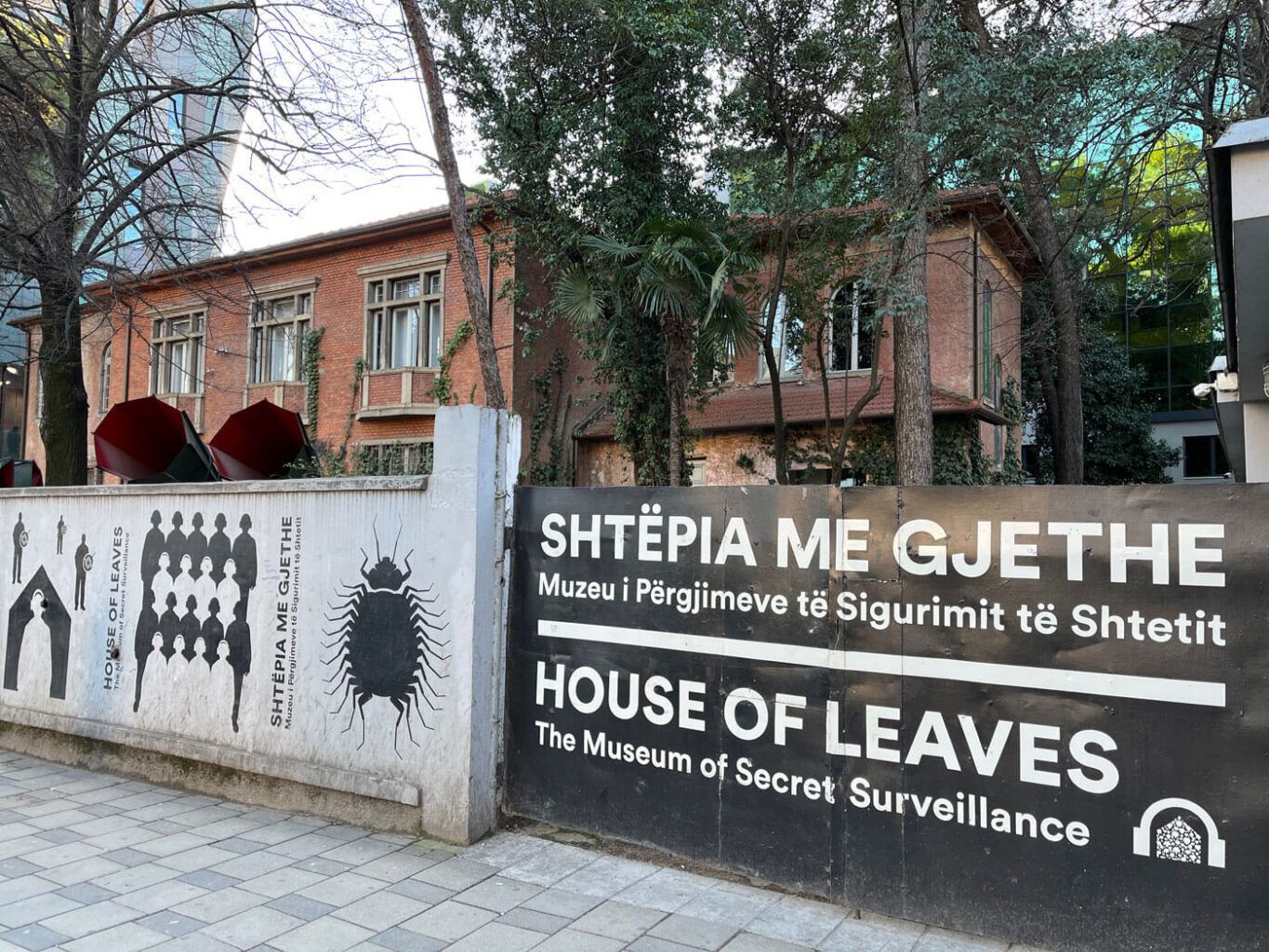
## Description The House of Leaves Museum is one of Tirana’s most important cultural and historical sites, especially for visitors who want to understand Albania beyond its visible city streets. Housed in a former surveillance center, the museum explores the structures of monitoring, secrecy, and political control that shaped life during the communist era. Its exhibits are unsettling in a quiet way, because the building itself carries the weight of the stories it presents. This is not a conventional “collection of objects” museum; it is an experience built around memory, silence, and context. What makes the House of Leaves unique is the way it uses space. Rather than only displaying information on panels, the museum lets visitors move through rooms that once served a hidden institutional purpose. That physical dimension makes the subject matter feel immediate. You are not just reading about surveillance; you are walking through the kind of environment where surveillance was organized. One lesser-known detail is that the building’s original role was concealed in plain sight for years, which is part of what gives the museum its name and atmosphere. Another important fact is that the museum’s significance reaches beyond Albania, because it speaks to a broader twentieth-century European history of state secrecy and political control. The museum is especially valuable for travelers who want more than a surface-level city visit. Tirana has a lively modern personality, but places like this help explain why the city’s present-day openness and creativity matter so much. The contrast between the museum’s restrained, serious tone and the bustling streets outside is one of the reasons it stays with visitors long after they leave. ## Location The House of Leaves Museum is in central Tirana, Albania, close to the main urban core and within easy reach of other downtown landmarks. Because it is centrally located, it can be included in a city walking route without requiring special transport. The easiest way to get there is on foot if you are already in central Tirana, or by taxi and local transport if you are staying farther out. Since the museum is part of a walkable area, combining it with nearby historical and administrative sites makes the most sense. If you are planning a broader day in the capital, pair it with Skanderbeg Square and other central attractions for a fuller picture of the city. ## Tips Give yourself enough time to read the exhibits carefully; this is a museum where the story matters as much as the objects. Visit with a calm pace rather than rushing through, because the experience depends on reflection. If you are unfamiliar with Albania’s recent history, a short background read beforehand can make the museum much more meaningful. Photography policies can vary, so check current rules before taking pictures inside. This is a strong choice for travelers who prefer historically significant sites over purely visual attractions. ## Conclusion The House of Leaves is one of Tirana’s most powerful museums, offering a serious and memorable encounter with the city’s recent past. ## FAQ ### Why is it called the House of Leaves? The name refers to the building’s hidden, layered character and the sense of concealment associated with its former use. ### Is the museum suitable for all visitors? Yes, but it is best for people interested in history, politics, and memory culture. ### How much time do I need? Most visitors should plan around one to two hours, depending on how closely they read the exhibits. ### Is the museum central? Yes, it is located in the center of Tirana and is easy to combine with a city walking tour. ### What should I expect inside? Expect a thoughtful, sometimes unsettling museum focused on surveillance, documentation, and the experience of living under authoritarian control. ## Links - [House of Leaves on Wikipedia](https://en.wikipedia.org/wiki/Museum_of_Secret_Surveillance)
GemVoyage Team • World
Seoul
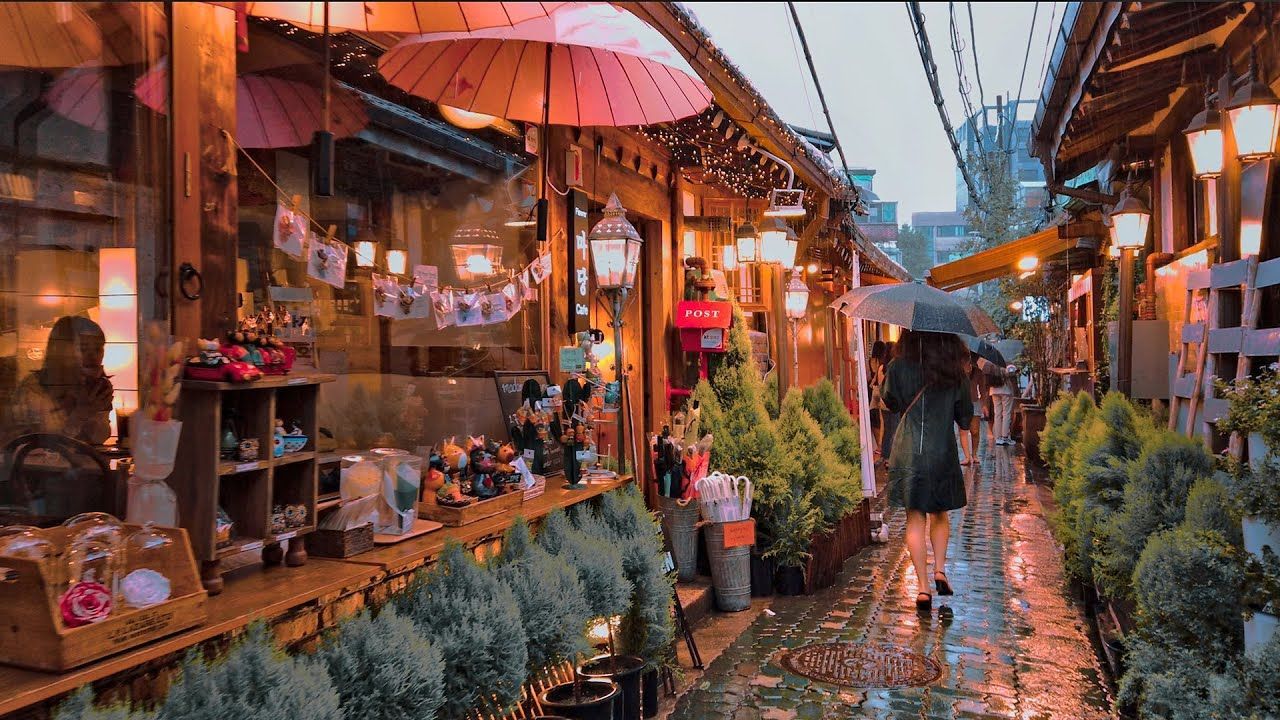
## Description Ikseon-dong Hanok Village is a compact, walkable district of restored traditional Korean houses (hanok) that has quietly become one of Seoul’s most charming destinations for visitors who prefer intimate, offbeat experiences. Narrow alleys thread between low-slung wooden eaves and tiled roofs, leading to a concentration of independently run cafes, craft shops, design ateliers, small restaurants, and boutique guesthouses. What makes Ikseon-dong compelling is its layered character: from a distance it reads as preserved tradition, but up close you’ll find contemporary interiors, modern light fixtures, and bold small-business design that sits harmoniously within historic exteriors. Many of the hanok are careful restorations completed in the last decade, which means you get the visual poetry of old Seoul with the conveniences and comforts of modern hospitality. The neighborhood is an excellent example of sensitive urban revitalization—locals and entrepreneurs have repurposed former residential clusters into a dense network of micro-businesses that reward slow exploration. Ikseon-dong’s scale is part of its appeal: where larger hanok districts can feel staged or touristy, here the alleys are intimate and discoveries are often serendipitous—an influential ceramicist around the corner, a tiny cocktail bar behind a lacquered doorway, a handcrafted stationery shop tucked beneath an old roof. ## Location Ikseon-dong sits in Jongno-gu in central Seoul, a short walk from Jongno 3-ga station and easily combined with visits to nearby cultural anchors like Changdeokgung Palace and Insadong. For many travelers, Ikseon-dong makes a great half-day detour from the palace circuit: it’s compact enough to be explored on foot and centrally located so you can move quickly between historic sites, galleries, and dining options. ## Tips - Explore deliberately: walk slowly, follow side alleys, and allow time to peek into courtyards and small doorways—some of the best cafes and shops are not visible from main lanes. - Try specialty menus: many cafes in Ikseon-dong focus on single-origin coffee, artisanal teas, or themed tasting menus—ask staff for recommendations and seasonal specials. - Respect residents: while the area is visitor-friendly, many hanok still function as private homes or small businesses; be mindful when photographing doorways and courtyards. - Visit at different times: morning light highlights wooden details and offers quieter streets, whereas evenings bring lantern-lit alleys and a more atmospheric café-and-bar scene. - Accessibility note: alleys can be narrow with occasional steps; check individual venues for wheelchair access before visiting. ## Conclusion Ikseon-dong is a delightful micro-neighborhood that reimagines traditional architecture for modern urban culture. It’s ideal for café-hopping, thoughtful shopping, photography, and discovering small-scale craftsmanship. The district rewards curiosity: the more time you give it, the more layered the experience becomes—historic textures, contemporary comforts, and a localized creative energy that feels authentically Seoul. ## FAQ Q: Is Ikseon-dong very touristy? A: It has grown in popularity but remains smaller and more intimate than other hanok districts like Bukchon; mornings are generally quieter. Q: Are there places to stay in Ikseon-dong? A: Yes, a handful of boutique hanok guesthouses and small guest accommodations offer overnight stays—book early for weekends. Q: What’s the best time of day to visit? A: Early morning for quiet exploration and late afternoon into evening for lantern-lit ambiance and café culture. Q: Is it wheelchair accessible? A: The historic alleys have uneven paving and steps in places—accessibility varies by venue; call ahead for specific locations. Q: Can I take photos freely? A: Public areas are fine for photography, but be respectful in private courtyards and ask permission before photographing people or inside shops. ## Links - [Korean Travel Guide](https://english.visitkorea.or.kr)
GemVoyage Team • World
Los Angeles
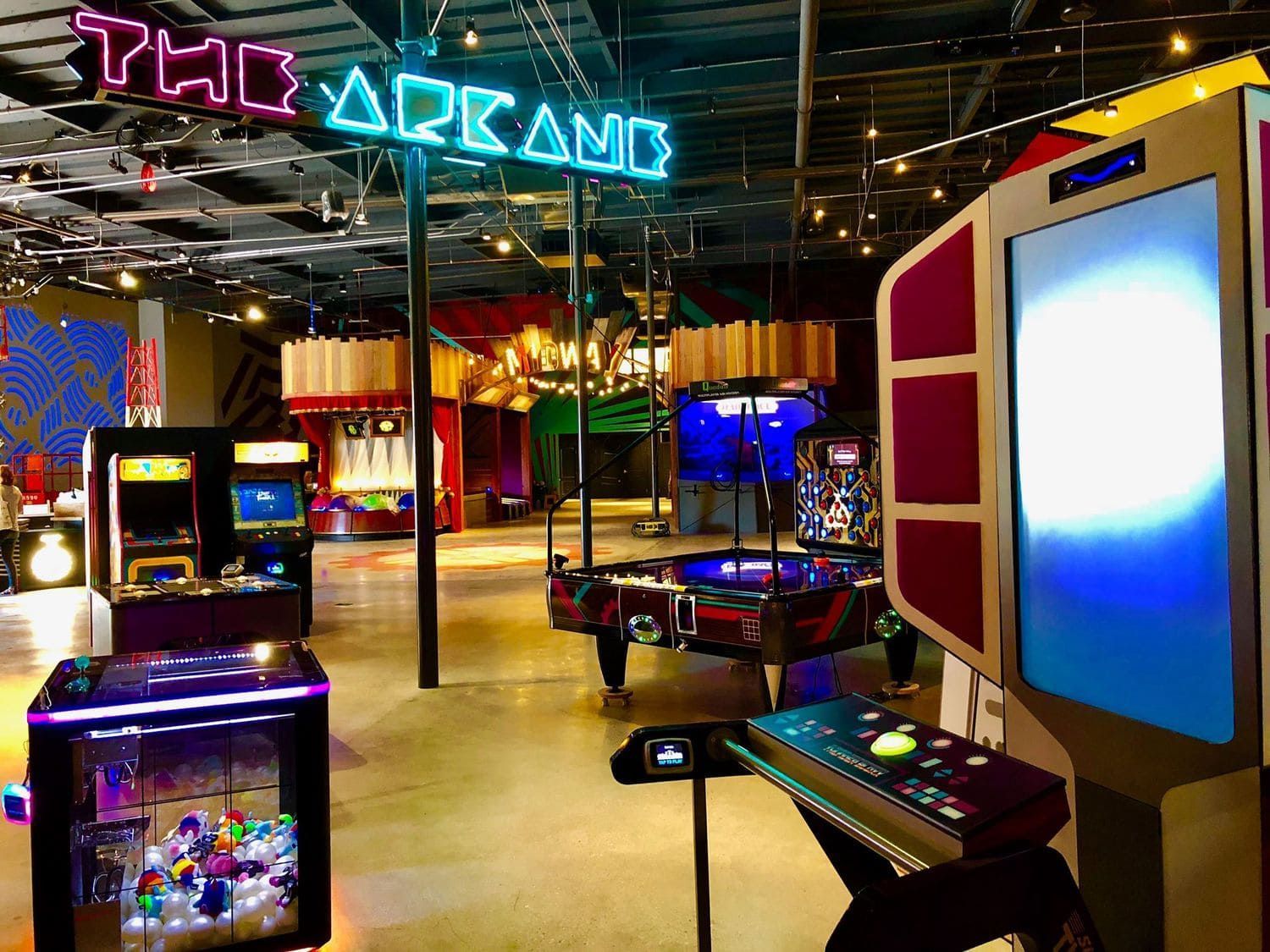
## Description Two Bit Circus is a modern micro-amusement concept that blends hands-on nostalgia with cutting-edge interactive entertainment. Designed as a social hub rather than a sprawling theme park, it curates short, intense experiences—virtual reality arenas, escape rooms, skill-based arcades, and immersive storytelling booths—so groups can mix and match activities in a single visit. The emphasis is on collaboration, shared laughter, and creative tech-driven play that appeals to friends, families, and corporate groups seeking memorable experiences. What sets Two Bit Circus apart is the careful balance between retro charm and contemporary technology. Classic arcade cabinets and carnival aesthetics sit alongside augmented reality installations and multiplayer VR experiences, creating a playful design language often described by the founders as “steampunk meets Silicon Valley.” The venue also acts as an incubator for event concepts and experiential design, with many of its ideas adopted by other entertainment venues worldwide. Beyond public attractions, Two Bit Circus often hosts private events, corporate team-building sessions, and evening social gatherings. Food, drink, and curated programming extend the experience beyond ride-based entertainment—expect pop-up events, themed nights, and collaborative challenges that keep the programming fresh. For visitors who enjoy both nostalgia and novelty, the venue’s layered experiences deliver short bursts of excitement and opportunities for friendly competition. ## Location Two Bit Circus operates within Los Angeles, California, though the venue and address have evolved over time as the concept expanded. Always check the official website or event listings for the most current location and hours. Getting there: Driving or rideshare is typically the most convenient option, and many locations provide nearby parking. Depending on the venue, public transit may be possible—plan connections ahead of time. If you’re attending a popular event, allow extra time for arrival and parking. ## Tips - Book tickets or reserve experiences ahead of time, especially on weekends and during special events when capacities fill quickly. - Combine complementary experiences (for example, a VR arena session plus an escape room) to get the most value and variety from a single visit. - Review any age, height, or health restrictions before booking; some VR or motion-based experiences may not be suitable for all guests. - Carry a charged phone for leaderboards, event check-in, and sharing moments, but follow venue rules about device use in certain experiences. - Consider group or corporate packages if you’re organizing a team-building event—these can include private space, catered food, and tailored programming. - Check the schedule for themed nights, pop-ups, or special tournaments to time your visit with unique programming. ## Conclusion Two Bit Circus offers a lively, flexible entertainment model that rewards curiosity and social play. Whether you’re seeking a date night, family outing, or corporate event, its mixture of nostalgia, technology, and quick, memorable experiences makes it a versatile option in a city known for big attractions. ## FAQ Q: Is Two Bit Circus suitable for families? A: Yes. Many attractions are family-friendly, though some experiences are geared toward older teens and adults. Always check specific activity age guidelines. Q: Are walk-ins allowed or should I book in advance? A: Some experiences accept limited walk-ins, but booking in advance is strongly recommended to secure time slots and avoid long waits. Q: Does Two Bit Circus offer food and drink? A: Many locations and event configurations include bars, cafes, or pop-up food options—check the venue’s amenities before you go. Q: Can I host a private event or corporate team-building session? A: Yes. The venue is frequently used for private hire and corporate events; packages typically include curated experiences, catering options, and dedicated staff. Q: Are there accessibility accommodations? A: Accessibility varies by location and experience; contact the venue ahead of booking to discuss needs and confirm accommodations. Q: What should I wear or bring? A: Wear comfortable clothing and shoes suitable for movement; bring any required IDs for entry and a charged phone for check-ins and digital tickets. ## Links - [Two Bit Circus (official)](https://twobitcircus.com) - [Wikipedia: Two Bit Circus](https://en.wikipedia.org/wiki/Two_Bit_Circus)
GemVoyage Team • World

Comments