GemVoyage Team • World
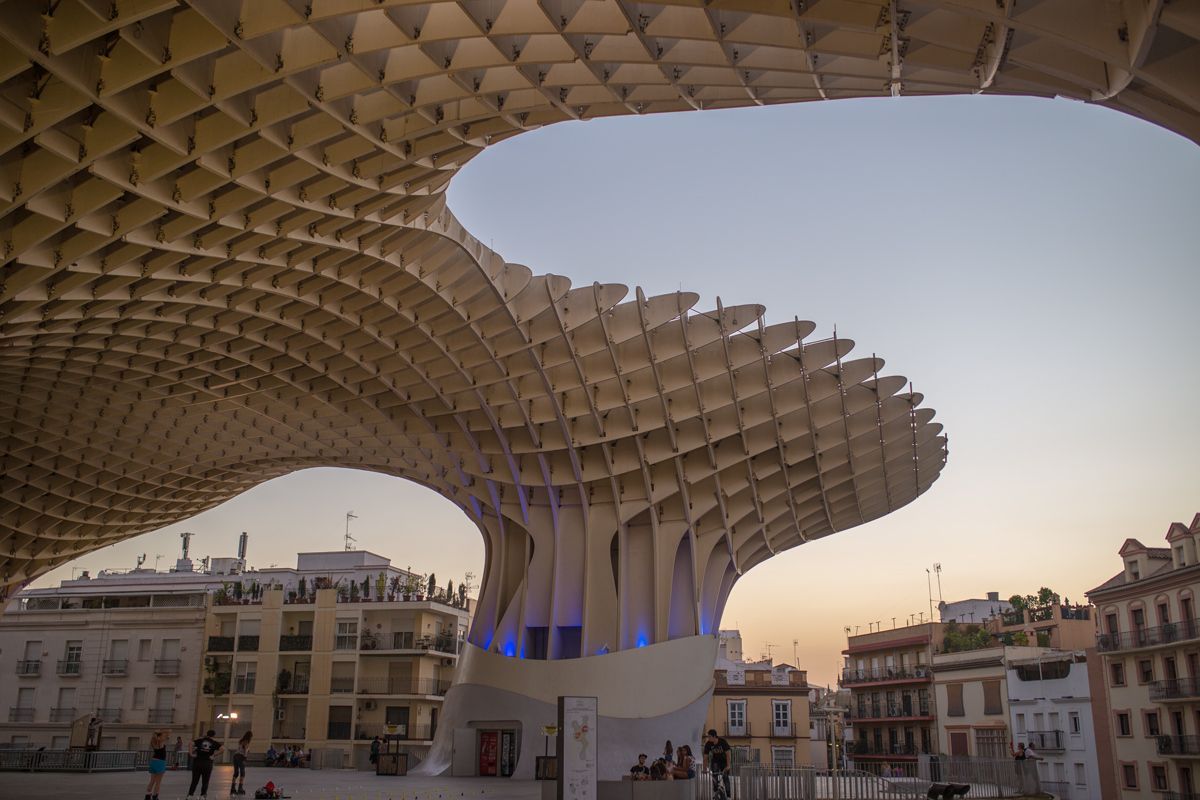
What makes Metropol Parasol especially memorable is how many functions it holds at once. You can walk below it, stand under it, go up to the rooftop walkways, and also access the archaeological remains preserved underneath. That layering is a big part of its appeal. A little-known fact is that the structure is often described as one of the largest timber architectural constructions in the world, which gives it a technical significance beyond its visual impact. Another detail many visitors miss is that the underside and surrounding plaza change character depending on the time of day, with morning, afternoon, and night each creating a different mood around the same structure.
For visitors who think of Seville only in terms of churches, palaces, and traditional patios, Metropol Parasol offers a useful correction. It shows that the city still experiments, still reinvents public space, and still uses architecture to make a statement. It is not only photogenic; it is conceptually important. The combination of modern design, archaeological depth, and rooftop views makes it one of the city’s most distinctive attractions for travelers who want a wider sense of Seville than the classic route alone provides.
If you are planning to go up to the top, try to visit at a time when the light is good and the city is not overwhelmingly crowded. The rooftop is especially rewarding near sunset, when the view across Seville becomes more dramatic. If you are more interested in the archaeological and urban-planning side of the site, a daytime visit can be just as worthwhile. Either way, the location makes it simple to fold into a broader sightseeing route without needing a special excursion.
Discover more hidden gems you might love.
Laos
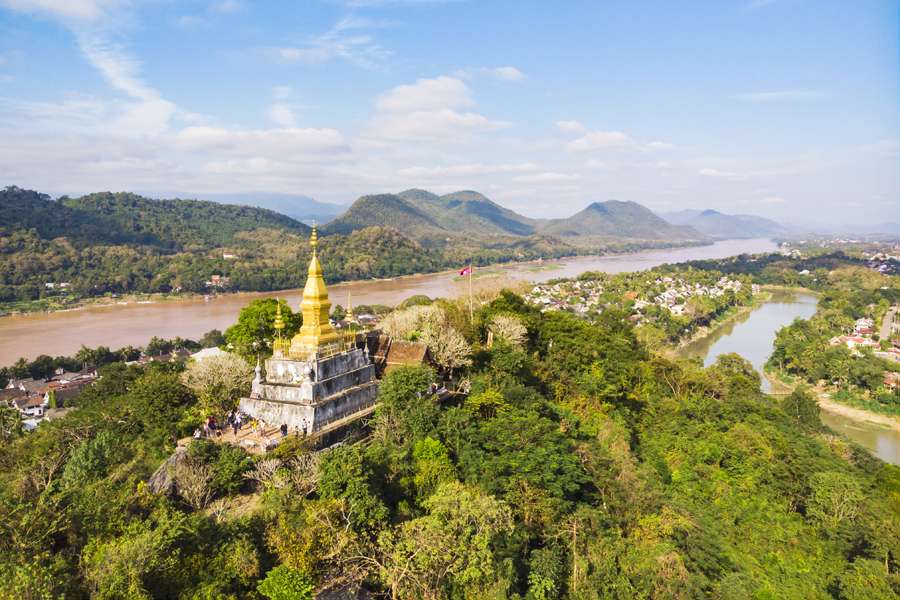
## Description Phou Si, often referred to as Mount Phou Si or Phu Si, is a sacred hill that rises 100 meters above the UNESCO World Heritage city of Luang Prabang in Laos. It’s not just a geographical landmark—it’s a spiritual and cultural centerpiece that offers panoramic views, serene temples, and a glimpse into the soul of Lao Buddhism. The name “Phou Si” translates to “Sacred Hill,” and true to its name, it’s dotted with shrines, Buddha statues, and two prominent temples: Wat Tham Phou Si halfway up, and Wat Chom Si at the summit. The climb to the top involves ascending over 300 steps, but the reward is a breathtaking 360-degree view of Luang Prabang, the Mekong and Nam Khan rivers, and the surrounding jungle-clad mountains. Along the way, saffron-robed monks stroll the leafy paths, incense drifts through the air, and small altars invite quiet reflection. A little-known fact: legend has it that a powerful Naga (a mythical serpent deity) once lived on the hill, adding a mystical layer to its spiritual significance. Another hidden treasure is a small chapel said to house a footprint of the Buddha, tucked along one of the stairways—a detail often missed by hurried visitors. ## Location Phou Si is located in **Laos**, within the **Luang Prabang Province**, in the city of **Luang Prabang**. It sits in the heart of the old town peninsula, bordered by the Mekong River on one side and the Nam Khan River on the other. ### How to Get There: - **By Foot**: Most visitors reach Phou Si by walking from nearby attractions like the Royal Palace Museum or the Night Market. The two main stairways are accessible from Sisavangvong Road and Thanon Phousi. - **By Tuk-Tuk**: If you're staying farther out, a tuk-tuk can drop you off at either entrance. - **By Bicycle**: Luang Prabang is bike-friendly, and cycling to the base of Phou Si is a scenic option. Its central location makes it an easy and essential stop on any Luang Prabang itinerary. ## Tips for Visitors To make the most of your visit to Phou Si, consider these tips: - **Go for Sunset**: The summit offers one of the best sunset views in Laos. Arrive early to secure a good spot—it's popular! - **Bring Water**: The climb can be steep and humid, especially in the afternoon. Hydration is key. - **Wear Comfortable Shoes**: The stairways are uneven in places, so sturdy footwear is recommended. - **Respect the Sacredness**: Dress modestly and be mindful of local customs. Offerings like incense and flowers are available for purchase along the way. - **Explore Both Routes**: Ascend via the Nam Khan side for scenic statues and descend via the Royal Palace side for a shorter walk. - **Entrance Fee**: Expect to pay around 20,000 Kip (~$2.50 USD), collected halfway up the hill. ## Conclusion Phou Si is more than just a viewpoint—it’s a spiritual journey, a cultural experience, and a photographer’s dream. With its sacred temples, mythical legends, and sweeping vistas, it captures the essence of Luang Prabang and offers a moment of peace above the city’s gentle bustle. ## FAQ **1. How many steps are there to reach the top of Phou Si?** There are over 300 steps, depending on the route you take—328 from the Royal Palace side and 355 from the Nam Khan side. **2. What is the best time to visit Phou Si?** Sunset is the most popular time, but early morning offers tranquility and cooler temperatures. **3. Is there an entrance fee?** Yes, the fee is approximately 20,000 Kip, payable halfway up the hill. **4. Can children climb Phou Si?** Yes, but supervision is recommended due to the steep stairways. **5. Are there restrooms or shops at the summit?** No facilities at the top, but vendors sell drinks and offerings near the base. **6. Is Phou Si wheelchair accessible?** Unfortunately, due to the stair-only access, it is not suitable for visitors with mobility issues. ## Links - [Mount Phou Si – Wikipedia](https://en.wikipedia.org/wiki/Phou_Si)
GemVoyage Team • World
Hong Kong
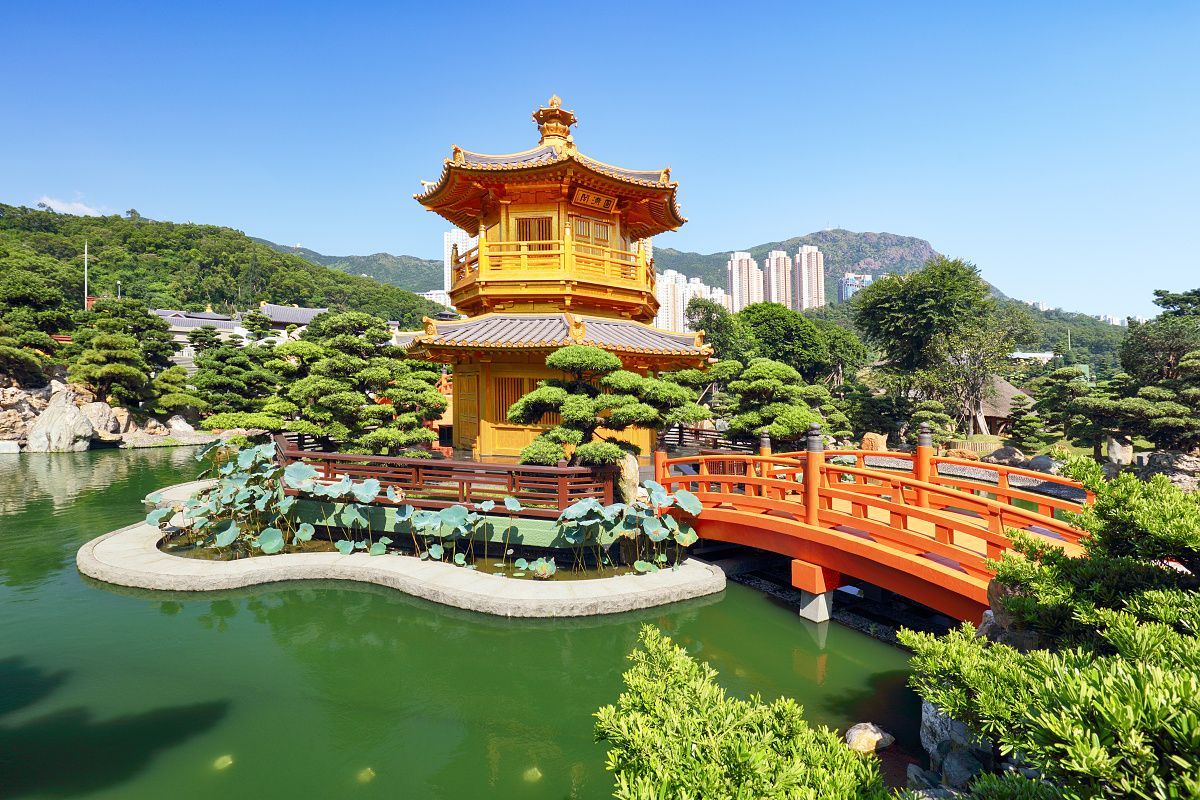
## Description Nan Lian Garden is one of Hong Kong’s most beautiful and tranquil urban escapes. Designed in the style of a classical Chinese garden, it offers a carefully balanced landscape of ponds, pavilions, bridges, rocks, timber structures, and manicured plantings. In a city known for density and energy, the garden creates a sense of quiet that feels almost protective. For travelers who want a break from markets, towers, and busy streets, this is an ideal place to slow down. The garden stands out because every part of it feels intentional. Paths curve in a way that reveals views gradually, water is placed to reflect architecture and sky, and the plant life is arranged to create a sense of harmony rather than display. It is not a large theme park style attraction; instead, it rewards observation and a slower pace. Visitors often leave surprised by how much visual richness can be packed into a relatively compact space without feeling crowded. One little-known fact is that Nan Lian Garden was designed to echo the aesthetics of the Tang dynasty, which means the landscape is guided by historical artistic principles rather than modern ornamental trends. Another detail many people miss is the garden’s ability to change character with the weather. On a bright day, the orange, red, and green tones look crisp and vivid. On a misty or overcast day, the place becomes softer and more contemplative, almost like a living painting. The nearby cultural surroundings also add depth to the visit. Many travelers pair the garden with adjacent spiritual and architectural sites because the whole area encourages a thoughtful pace. Even if you only have a short time, the garden can leave a strong impression because it feels so different from the surrounding city. It is carefully maintained but not sterile, elegant but not intimidating, and peaceful without feeling empty. Another reason the garden is memorable is that it offers a very photogenic composition without requiring any special effort. Reflections, stonework, and traditional roofs create good images from many angles. Still, the real value of the place is not just visual. It is the emotional contrast between the garden and the rest of Hong Kong. That contrast is what makes the visit feel restorative. ## Location Nan Lian Garden is located in Diamond Hill, Kowloon, Hong Kong. It is part of a cultural area in the eastern side of Kowloon and is closely associated with traditional architecture and landscaped public space. The most convenient access is usually through Diamond Hill MTR Station, followed by a short walk from the station into the garden area. Because the garden is centrally accessible by public transport, it fits easily into a Hong Kong itinerary. You do not need a special transfer or long taxi ride to get there. If you are already in Kowloon, it is especially easy to combine with nearby neighborhoods or with other cultural stops in the same district. Arriving by MTR is generally the simplest and most efficient option. ## Tips - Visit in the morning for a quieter atmosphere and better light. - Move slowly and take time to notice the composition of the paths, water, and buildings. - Dress comfortably, but respectfully, since the area has a calm and somewhat formal mood. - Combine the visit with nearby cultural sites so the trip feels complete. - Bring a camera, but do not rush the experience just to get photos. ## Conclusion Nan Lian Garden is one of Hong Kong’s best places for calm, balance, and classical beauty in the middle of a fast-moving city. ## FAQ ### Is Nan Lian Garden free to visit? Access policies can vary, so it is best to check current conditions before going, but the garden is widely known as a very accessible public attraction. ### How much time do I need there? Most visitors spend 45 minutes to 2 hours depending on whether they also visit nearby attractions. ### Is it suitable for children? Yes. The garden is peaceful and easy to walk through, so it can work well for families. ### What makes it different from other Hong Kong attractions? Its classical design and calm atmosphere set it apart from the city’s more modern, commercial, and high-energy destinations. ### What is the best time to go? Morning is usually best because the garden is quieter and the light is more flattering for photos. ## Links - [Wikipedia article](https://en.wikipedia.org/wiki/Nan_Lian_Garden)
GemVoyage Team • World
Barcelona
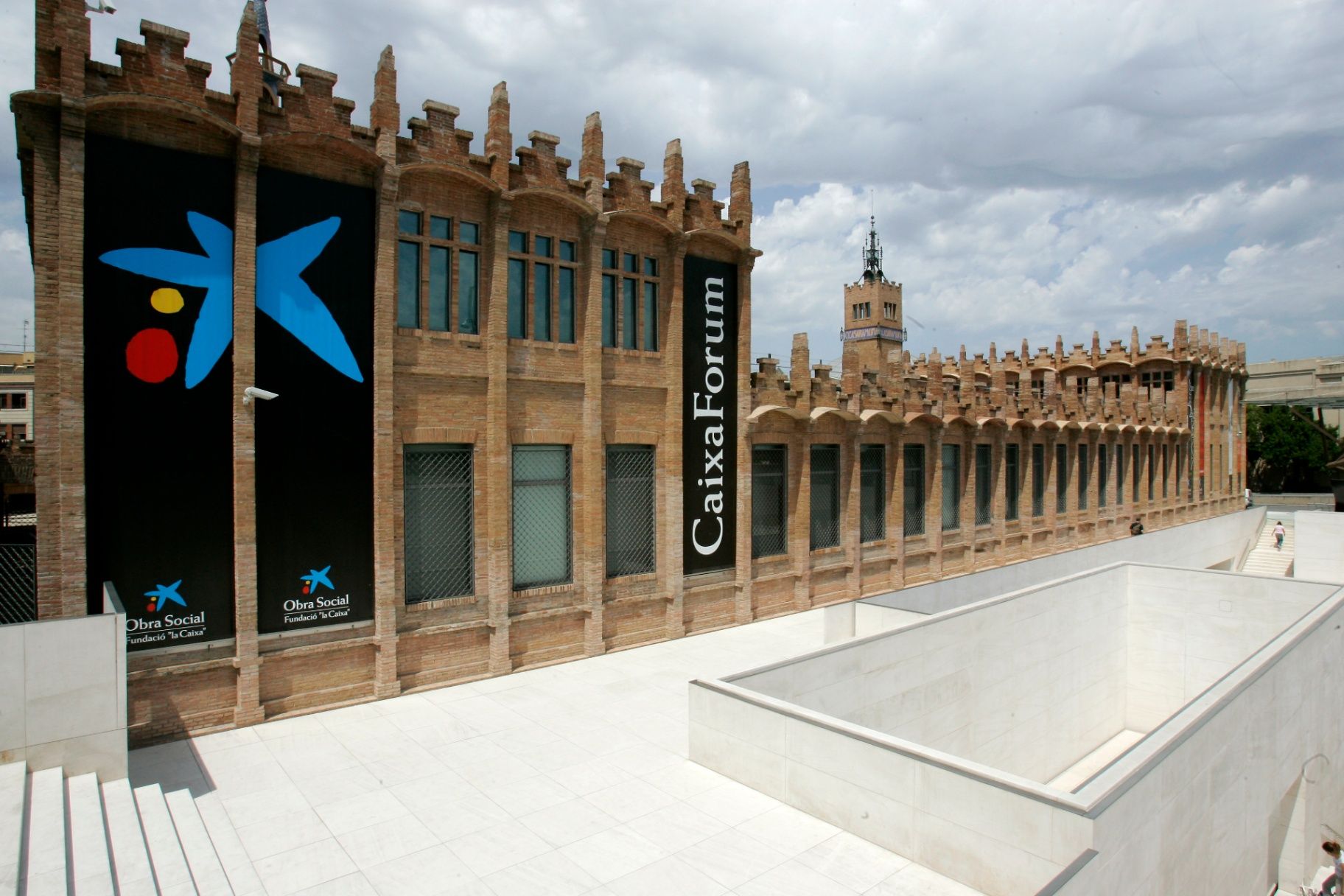
## Description **CaixaForum Barcelona** is one of the city’s most important cultural institutions, combining architecture, contemporary thought, and public education under one roof. It is housed in the former **Casaramona Textile Factory**, an early 20th-century industrial complex designed by the modernist architect Josep Puig i Cadafalch. Rather than demolishing the structure, it was carefully restored and repurposed, turning a once-abandoned factory into a vibrant center for exhibitions, debates, and artistic exploration. What makes CaixaForum Barcelona unique is its **programmatic diversity**. It is not a conventional museum with a permanent collection on display. Instead, it hosts a rotating schedule of high-quality temporary exhibitions covering art, photography, history, science, archaeology, music, and social issues. These exhibitions are often produced in collaboration with major international institutions, giving visitors access to works and ideas that rarely appear elsewhere in the city. Architecturally, the building itself is part of the experience. The red brick façades, sharp geometric volumes, and absence of ornamentation reflect a restrained form of Catalan modernism that contrasts with the more decorative style of Gaudí. A lesser-known fact is that the factory was originally built in 1911 but **never actually operated as an industrial plant**, as production ceased before it could fully open. Another interesting detail is the dramatic entrance plaza, redesigned by Japanese architect Arata Isozaki, which creates a striking dialogue between old and new through stone, steel, and light. Beyond exhibitions, CaixaForum functions as a **cultural forum in the literal sense**. It hosts lectures, film screenings, concerts, workshops, and family-oriented activities, making it appealing to a wide range of audiences. The institution emphasizes accessibility and education, aiming to make complex cultural topics understandable without oversimplifying them. ## Location **Country:** Spain **Region:** Catalonia **City:** Barcelona **District:** Sants-Montjuïc CaixaForum Barcelona is located at the foot of **Montjuïc Hill**, near Plaça d’Espanya, an area known for its concentration of museums, exhibition spaces, and monumental architecture. ### How to Get There * **By metro:** * Lines L1 (Red) or L3 (Green) to **Plaça d’Espanya** station. From there, it is a 5–7 minute walk. * **By bus:** * Several bus lines stop around Plaça d’Espanya and along Avinguda de Francesc Ferrer i Guàrdia. * **On foot:** * Easily reachable from Plaça d’Espanya and the surrounding exhibition grounds. * **By taxi:** * A convenient option if coming from other parts of the city; drop-off points are nearby. ## Tips * **Check the exhibition schedule in advance:** Exhibitions change regularly, and some are time-limited. * **Allow enough time:** One exhibition can easily take 90 minutes if explored thoroughly. * **Visit during weekdays:** Weekends tend to be busier, especially during popular exhibitions. * **Use the audio guides:** They provide context and depth without overwhelming the visitor. * **Combine with Montjuïc sights:** Pair your visit with nearby attractions such as museums or gardens. * **Look for free-entry times:** Certain days or time slots may offer reduced or free admission. ## Conclusion CaixaForum Barcelona is a cultural anchor that successfully bridges Barcelona’s industrial past with its intellectual present. Through its thoughtful exhibitions, adaptive architecture, and commitment to public engagement, it offers a meaningful alternative to traditional museums and rewards visitors seeking substance over spectacle. ## FAQ **1. Is CaixaForum Barcelona a museum?** It functions more as a cultural center with temporary exhibitions rather than a permanent museum collection. **2. How long does a visit usually take?** Most visitors spend between **1.5 and 3 hours**, depending on the exhibitions. **3. Is it suitable for children?** Yes, there are family-friendly exhibitions and interactive educational activities. **4. Are exhibitions available in multiple languages?** Yes, information panels and guides are usually available in Catalan, Spanish, and English. **5. Is the building accessible?** Yes, the center is fully accessible for visitors with reduced mobility. **6. Can you visit just for the architecture?** Yes, the building itself is worth seeing even without attending an exhibition. ## Links * [Official CaixaForum website](https://caixaforum.org/es/home)
GemVoyage Team • World
Stockholm
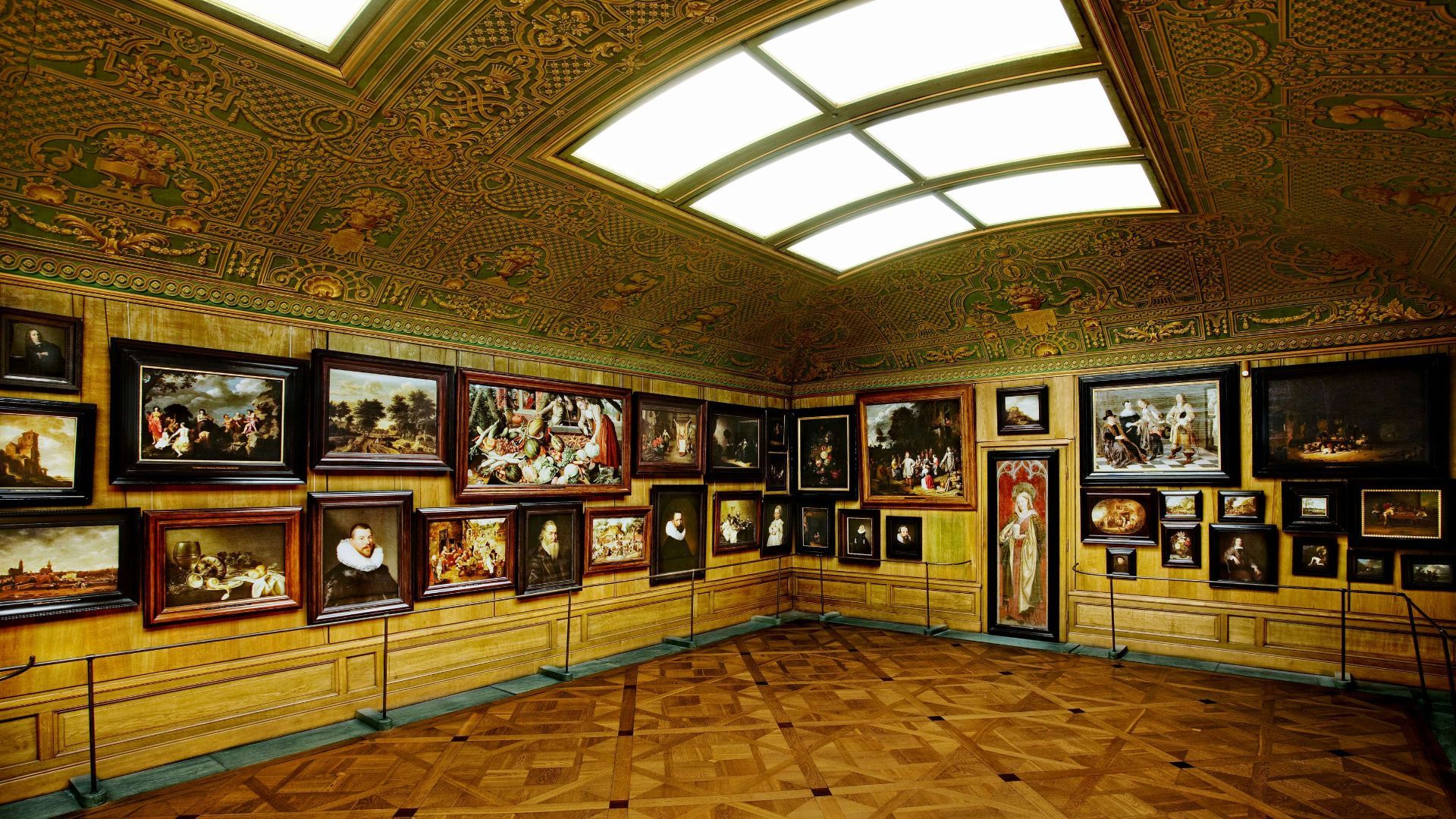
## Description The Hallwyl Museum in Stockholm offers one of the city’s most distinctive historic-house experiences. Housed in the former residence of Count and Countess von Hallwyl, the museum preserves an extraordinary late-nineteenth-century interior filled with art, furniture, decorative objects, and the feeling of a private home that has been carefully maintained rather than transformed into a generic museum. Visiting it is like stepping into a remarkably complete snapshot of upper-class domestic life in Stockholm at the turn of the century. The museum is especially appealing because it balances grandeur and intimacy. Some rooms are richly decorated and formal, while others feel like lived-in domestic spaces, making the whole building feel coherent rather than staged. One little-known fact is that the Hallwyl collection was assembled with unusual care and documentation, giving historians and visitors a detailed view of the household’s contents and routines. Another interesting detail is that the house itself reflects both status and modernity, showing how wealthy Stockholm families adopted new technologies and comforts while still displaying traditional elegance. What makes the museum memorable is the combination of its architecture, interiors, and sense of personal history. Unlike larger national museums, Hallwyl’s charm comes from concentration. Every room, object, and corridor contributes to a specific atmosphere. The visit is ideal for travelers who enjoy historic interiors, design history, or the way private homes can reveal broader social changes. It also fits well into Stockholm’s cultural landscape because it offers a different experience from the city’s more famous royal or maritime attractions. Instead of scale, it offers detail; instead of spectacle, it offers texture. ## Location The Hallwyl Museum is in central Stockholm, Sweden, near the city’s commercial and cultural core. Its location makes it easy to reach from many parts of the city and convenient to combine with shopping streets, other museums, or a broader downtown walk. The simplest way to get there is by public transport or on foot from central Stockholm. Because the city is well connected, visitors staying in the center can usually reach the museum quickly without needing a car. If you are planning a full day in central Stockholm, the museum works well as a quieter stop between busier attractions. ## Tips Take your time in the rooms; the best part of the museum is noticing the details. If you enjoy decorative arts, interiors, or social history, this museum will be especially rewarding. Check the current opening information in advance, since historic-house museums sometimes have schedule variations. Pair the visit with nearby Stockholm attractions to make the most of the central location. ## Conclusion The Hallwyl Museum is a refined and atmospheric historic house that gives visitors a rare, detailed glimpse into Stockholm’s aristocratic past. ## FAQ ### What kind of museum is Hallwyl? It is a historic house museum preserved from a wealthy Stockholm family’s residence. ### Is it good for first-time visitors to Stockholm? Yes, especially if you want a cultural site that is elegant and manageable in size. ### How long should I plan for the visit? Around one to two hours is usually enough. ### Is the museum family-friendly? Yes, though it is especially enjoyable for visitors interested in history and interiors. ### Why is it special compared with other museums? Because it preserves a remarkably complete domestic environment rather than only displaying isolated objects. ## Links - [Official website](https://hallwylskamuseet.se/en/) - [Hallwyl Museum on Wikipedia](https://en.wikipedia.org/wiki/Hallwyl_Museum)
GemVoyage Team • World
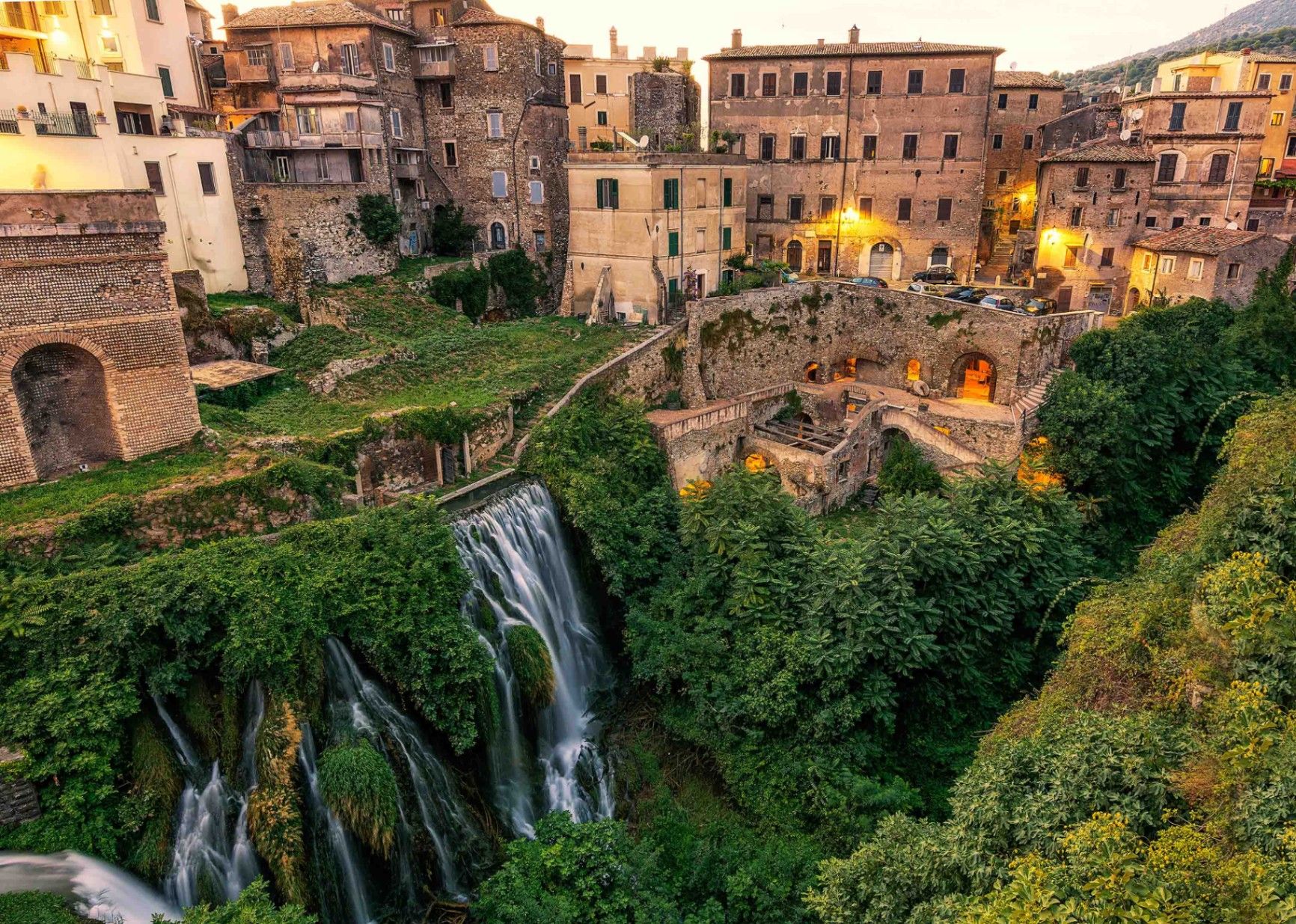
Rome
## Description Villa Gregoriana in Tivoli, just outside Rome, is one of Italy’s most captivating landscapes where history, art, and nature blend seamlessly. Unlike the lavish Renaissance villas Tivoli is famous for, such as Villa d’Este or Hadrian’s Villa, Villa Gregoriana is more of a natural park—a romantic landscape garden created in the 19th century. It was commissioned by Pope Gregory XVI in 1835 after a devastating flood of the Aniene River destroyed part of Tivoli. The project diverted the river and transformed the ravine into a park with paths, grottoes, and terraces overlooking dramatic waterfalls. The heart of the villa is the **Great Waterfall (Cascata Grande)**, a spectacular 120-meter drop of the Aniene River that roars through a deep gorge. The park is also dotted with archaeological remains, including Roman temples such as the **Temple of Vesta** and the **Temple of Sibyl**, which crown the cliffs above. Romantic poets and painters of the 19th century, from Goethe to Turner, were inspired by its sublime scenery. A lesser-known fact about Villa Gregoriana is that it fell into neglect for much of the 20th century. It was only restored and reopened to the public in 2005 thanks to the Italian heritage organization **FAI (Fondo Ambiente Italiano)**. Today, it is both a natural reserve and an open-air museum of history, geology, and art. ## Location Villa Gregoriana is located in **Tivoli**, a town in the **Metropolitan City of Rome (RM)**, in the region of **Lazio**, central **Italy**. Tivoli lies about 30 kilometers east of Rome, perched on the slopes of the Tiburtine Hills. To reach Villa Gregoriana, visitors can take a regional train from Rome’s Tiburtina station to Tivoli, which takes around one hour. From Tivoli station, it’s a short walk to the villa’s entrance. Alternatively, buses also run between Rome and Tivoli. If you’re driving, the trip takes about 45 minutes along the A24 motorway. Walking is essential once inside, as the park’s paths wind through steep terrain and natural landscapes. ## Tips * **Wear comfortable shoes:** The park has uneven terrain, stairs, and steep paths. Good walking shoes are essential. * **Allow time:** A full visit can take two to three hours if you want to enjoy both the waterfalls and the archaeological ruins. * **Best seasons to visit:** Spring and autumn offer pleasant weather and lush greenery. In summer, the waterfalls are at their most powerful but the heat can be intense. * **Photography:** Bring a camera—the views of the waterfalls and temples are spectacular from various terraces. * **Check opening hours:** Villa Gregoriana has seasonal hours and may close in winter, so it’s best to check in advance. * **Combine with other villas:** Tivoli is home to Villa d’Este and Hadrian’s Villa, both UNESCO World Heritage Sites, making it an excellent day trip from Rome. ## Conclusion Villa Gregoriana in Tivoli is a place where natural beauty meets history. With its majestic waterfalls, ancient temples, and romantic landscapes, it offers a unique contrast to the opulent villas nearby. Restored after years of neglect, it now stands as one of Italy’s most enchanting sites, ideal for travelers seeking a mix of culture, nature, and tranquility. ## FAQ **1. What is Villa Gregoriana best known for?** It is best known for its dramatic waterfalls, particularly the Great Waterfall, and for its blend of natural landscapes with ancient Roman ruins. **2. How much time do I need to visit?** Plan at least two hours to walk the trails, admire the waterfalls, and explore the archaeological sites. **3. Is Villa Gregoriana family-friendly?** Yes, but keep in mind that the terrain is steep and not suitable for strollers. Children should be supervised on paths near cliffs. **4. Are guided tours available?** Yes, guided tours are offered, and they provide fascinating insights into the park’s history, geology, and architecture. **5. Can I picnic inside the park?** Picnicking is not generally allowed inside the villa, but Tivoli offers many nearby restaurants and cafés for meals. **6. Is Villa Gregoriana accessible by wheelchair?** Due to its rugged terrain and steep paths, the site is not well-suited for wheelchair users or those with limited mobility. ## Links * [FAI – Villa Gregoriana Official Page](https://fondoambiente.it/luoghi/parco-villa-gregoriana)
GemVoyage Team • World
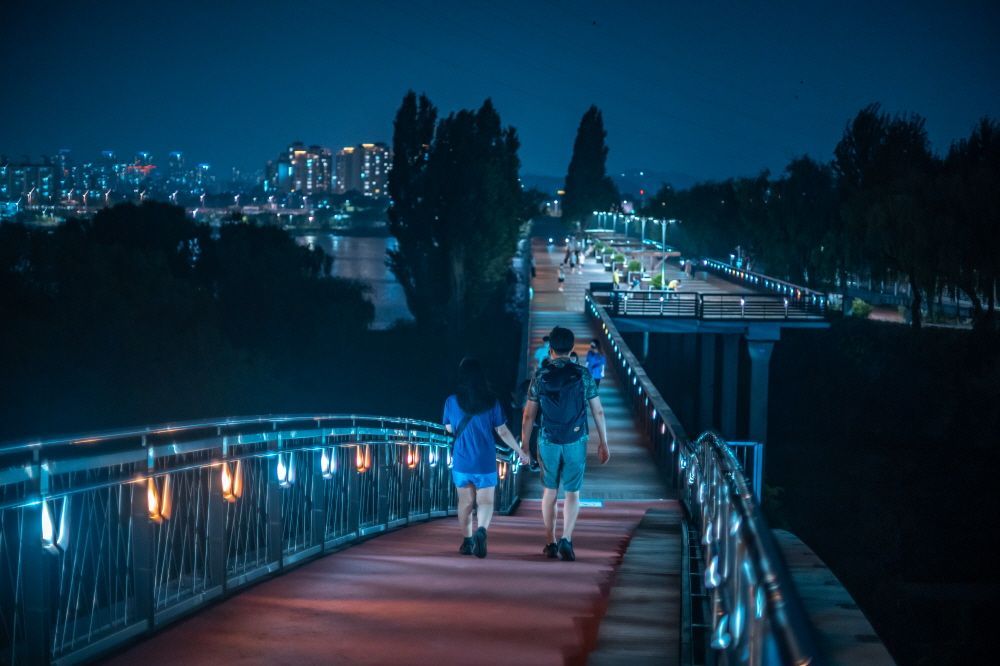
Seoul
## Description Seonyudo Park is a standout example of urban ecological design: a former water treatment plant reborn as a thoughtfully landscaped public park on an island in the Han River. The designers preserved key elements of the plant—filter basins, machinery platforms, and concrete shells—and repurposed them as botanical displays, reflective ponds and educational spaces. The result is a layered experience where industrial memory and living ecology intersect: walking routes weave through restored filtration beds, shaded groves, themed gardens and interpretive exhibits that explain water purification and habitat restoration. Visitors appreciate Seonyudo for its inviting balance of engineered structure and natural regeneration. The greenhouse and wetland areas host seasonal plantings and migratory birds, while the decks and viewpoints offer long riverside panoramas that are particularly striking at sunset. Beyond the visual appeal, the park operates as a civic classroom: plaques and small exhibits outline the former plant operations and current sustainability initiatives, helping visitors of all ages understand ecological cycles and urban water systems. Seonyudo’s design also makes it a pleasant social space: picnic spots, quiet courtyards and accessible pathways encourage lingering, and occasional cultural events—workshops, guided ecological walks and small performances—lend the park a local community feel. For urban planners, photographers and families alike, Seonyudo Park is a model of how industrial remnants can be transformed into resilient public amenities. ## Location Seonyudo Park sits on Seonyudo Island in the Han River within Mapo-gu, central Seoul. The island is easy to reach by the pedestrian footbridge connecting to the northern riverbank near Dangsan, and public transit options include Seonyudo Station (Line 9) and nearby bus stops. Cyclists frequently access the island via the riverside cycling paths that thread along the Han. Because Seonyudo is integrated into the riverfront network, you can combine a visit with a longer riverside ride or walk that links to adjacent parks and cultural districts. The park’s central location makes it an accessible stop during a day exploring Mapo and the west bank of the Han. ## Tips - Go in late afternoon or early evening for the best light and cooler temperatures, especially in summer. - Rent or bring a bicycle to follow the riverside paths; Seonyudo is well connected to Seoul’s cycling routes. - Take the short interpretive walk through the former filter beds to learn about the site’s history and water treatment processes—signage and occasional guided tours add context. - Pack a picnic or a light snack; while there are small kiosks at times, facilities are limited compared with larger parks. - Watch for seasonal plantings and bird migrations—spring and autumn are especially rewarding for flora and fauna observation. ## Conclusion Seonyudo Park exemplifies how thoughtful design can convert industrial infrastructure into productive green space. It rewards visitors who are curious about urban sustainability, landscape architecture and the layered histories of cities. Whether you are a photographer seeking unique compositions of water and concrete, a family looking for a quiet riverside escape, or a planner studying adaptive reuse, Seonyudo offers a memorable, instructive and restful visit. ## FAQ Q: Is there an entrance fee? A: No. Seonyudo Park is a public park and free to enter, though some seasonal programs or guided workshops may have small fees. Q: Are dogs allowed in the park? A: Dogs are generally allowed but must be kept on a leash and under control; check posted rules for specific zone restrictions. Q: Are there restroom facilities and drinking water? A: Public restrooms and water fountains are available near principal access points, but facilities can be limited—carry water for long summer visits. Q: Can I cycle across the park? A: Cycling routes approach and circle the island; on-site cycling may be restricted in certain pedestrian or ecological zones—dismount where indicated. Q: Is there parking nearby? A: Limited parking is available along nearby roads, but public transit and cycling routes are the preferred ways to reach the island. ## Links - [Seonyudo Park (Wikipedia)](https://en.wikipedia.org/wiki/Seonyudo_Park)
GemVoyage Team • World

Comments