Discover extraordinary places shared by our community of travelers
Salto
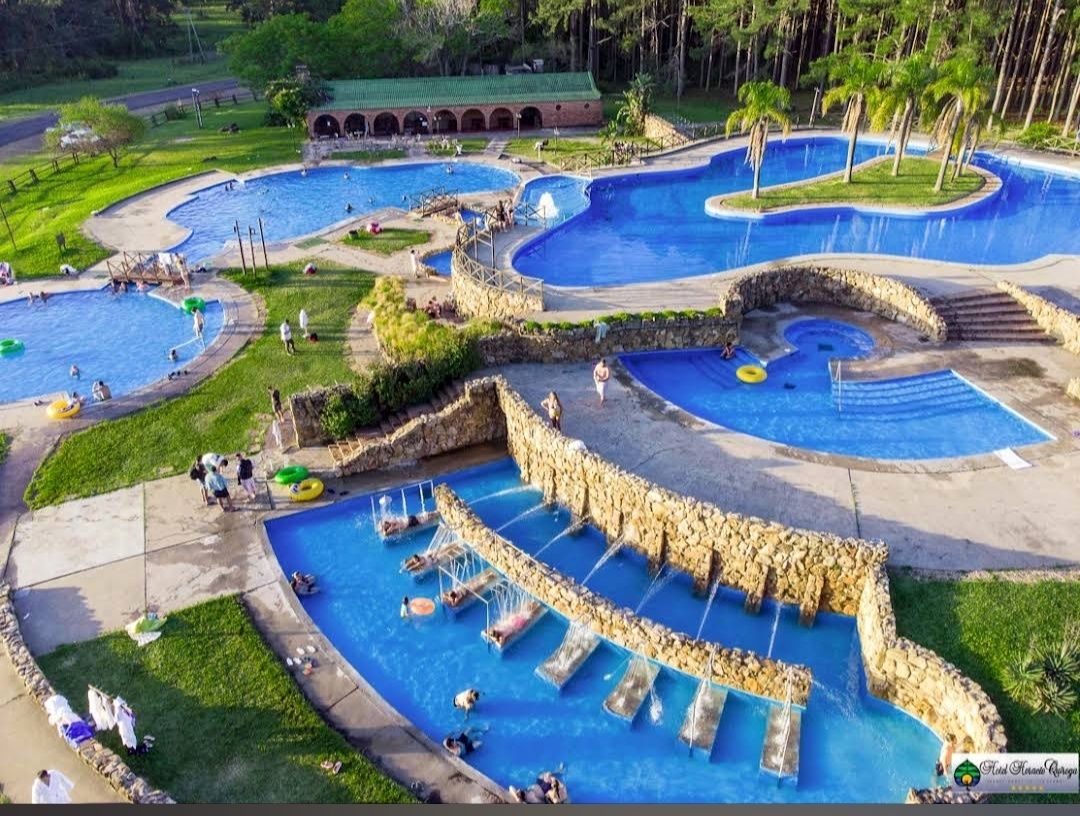
## Description **Parque Aquático Termas de Salto Grande** is one of Uruguay’s most popular thermal water parks, offering a unique blend of relaxation, recreation, and family fun. Located near the Salto Grande Dam, the park is famous for its naturally heated pools, which are fed by underground hot springs rich in minerals. These thermal waters are believed to have therapeutic properties, making the park not just an entertainment venue but also a wellness destination. The park features a variety of attractions, including outdoor and indoor pools, water slides, jacuzzis, and dedicated children’s areas. Families can enjoy thrilling rides while others unwind in the warm, soothing waters. The design of the park strikes a balance between leisure and adventure, making it suitable for visitors of all ages. **Little-known facts**: * The thermal waters in Salto reach temperatures of **38–46°C**, perfect for relaxation and health benefits. They are said to help with circulation, joint pain, and stress relief. * The park is part of the larger **Salto Grande hot springs circuit**, which is considered one of the most important in Uruguay and the entire Río de la Plata region. --- ## Location Parque Aquático Termas de Salto Grande is located in the **city of Salto**, in **northwestern Uruguay**, within the **Salto Department**. The park lies just a few kilometers from the **Salto Grande Dam**, which sits on the Uruguay River and borders Argentina. ### How to get there: * From **Salto city center**, the park is around 10 kilometers away. Taxis, local buses, or rental cars are convenient options. * Visitors traveling from **Montevideo** (about 500 kilometers away) can reach Salto by long-distance bus or a domestic flight. From there, it’s a short drive to the park. * If coming from **Argentina**, the park is easily accessible through the Concordia–Salto International Bridge, making it a popular cross-border attraction. --- ## Tips * **Bring swimwear and sandals**: Comfortable water-friendly clothing is essential, and sandals are useful for walking around hot pavements. * **Plan a full day**: With multiple pools, slides, and relaxation areas, you’ll want plenty of time to enjoy everything. * **Visit on weekdays**: The park can get very crowded on weekends and holidays, so weekdays are more peaceful. * **Stay hydrated**: The warm thermal waters can dehydrate you faster than you might expect, so drink plenty of water. * **Combine with nearby attractions**: The Salto region offers other hot spring complexes, like Termas del Daymán, and cultural attractions in Salto city itself. --- ## Conclusion Parque Aquático Termas de Salto Grande combines the thrill of a water park with the healing benefits of natural hot springs. Whether you’re seeking wellness, family fun, or just a relaxing escape, the park delivers an experience that is both entertaining and rejuvenating. With its unique thermal waters, diverse facilities, and prime location near Salto Grande, it’s one of Uruguay’s standout destinations. --- ## FAQ **1. What makes Parque Aquático Termas de Salto Grande special?** Its natural thermal pools, therapeutic waters, and mix of fun attractions like slides and jacuzzis make it a unique destination in Uruguay. **2. Is it family-friendly?** Yes, the park has areas designed specifically for children, making it a great choice for families. **3. What is the water temperature in the pools?** The thermal water ranges between 38°C and 46°C, depending on the pool. **4. Do I need to bring my own food?** The park has on-site restaurants and snack bars, but visitors can also bring their own food if they prefer. **5. Can I visit from Argentina?** Yes, the park is very close to the border with Argentina, and many visitors come via the Concordia–Salto bridge. **6. How much time should I plan for my visit?** Most visitors spend at least half a day, but a full day allows you to enjoy both relaxation and water attractions. --- ## Links * [Salto Tourism – Official Website](https://www.salto.gub.uy/) * [Uruguay Natural – Official Tourism Site](https://www.uruguaynatural.com/)
GemVoyage Team • World
Zürich
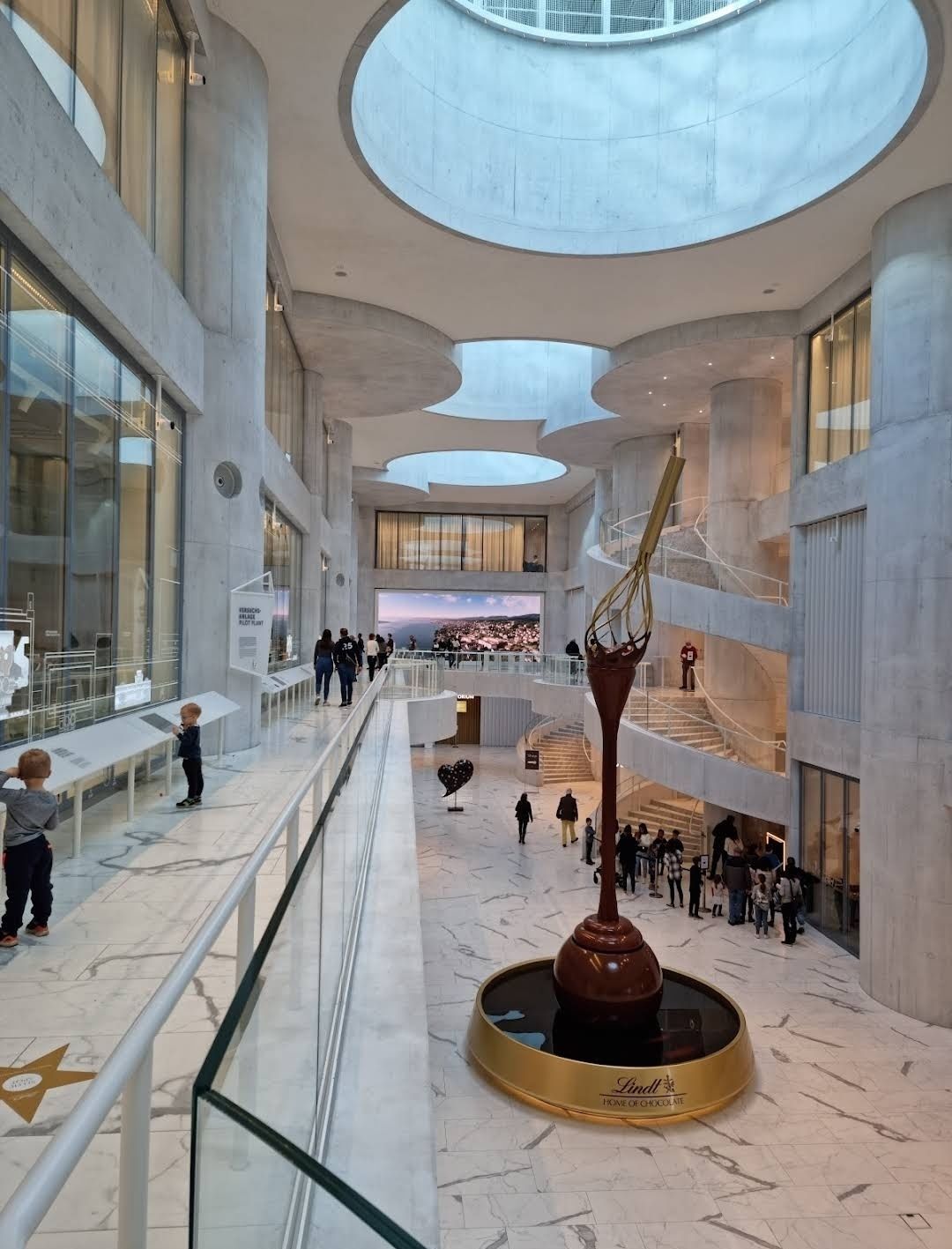
## Description The **Lindt Home of Chocolate** is one of Switzerland’s most delicious attractions, designed to immerse visitors in the fascinating world of Swiss chocolate. Opened in September 2020, this impressive chocolate museum and experience center was created by the Lindt & Sprüngli Foundation and has quickly become a must-visit destination for chocolate lovers worldwide. The highlight of the museum is undoubtedly the **world’s largest free-standing chocolate fountain**, which stands over 9 meters tall and circulates more than 1,000 liters of real liquid chocolate. It’s a breathtaking sight that greets visitors as soon as they enter, setting the stage for a truly mouthwatering experience. Inside, guests can explore interactive exhibitions covering the history of cocoa, the art of chocolate-making, and Lindt’s own story as one of Switzerland’s most beloved brands. Visitors also get to witness master chocolatiers at work in the open kitchen and even create their own chocolate in a hands-on workshop. A lesser-known fact is that the building was designed by the renowned Basel-based architects Christ & Gantenbein, blending modern design with Swiss precision. Another interesting detail is that the museum’s exhibition is available in multiple languages, ensuring that international visitors can enjoy the experience just as much as locals. ## Location The Lindt Home of Chocolate is located in **Kilchberg**, a charming suburb just outside **Zurich, Switzerland**, in the canton of Zurich. The exact address is **Seestrasse 204, 8802 Kilchberg**. Getting there is easy and convenient. From **Zurich’s main train station (Hauptbahnhof)**, visitors can take an S-Bahn train (S1, S8, or S24) to Kilchberg station. From there, it’s just a short walk or a quick bus ride to the museum. Alternatively, a boat ride across Lake Zurich offers a scenic and memorable way to reach Kilchberg. For those traveling by car, parking is available on-site, but spaces can be limited during peak hours. ## Tips To make the most of your visit to the Lindt Home of Chocolate, here are some practical tips: * **Book tickets online in advance** – The attraction is very popular, especially on weekends and holidays, so securing a ticket beforehand is recommended. * **Arrive early** – If you want to enjoy the exhibits and tasting areas with fewer crowds, plan your visit in the morning. * **Don’t miss the chocolate tasting** – The museum includes generous sampling stations where you can taste Lindt’s creations. Come hungry! * **Join a workshop** – For a more interactive experience, sign up for a chocolate-making workshop with Lindt’s master chocolatiers. Spots fill up quickly, so reserve early. * **Visit the shop** – The Lindt store inside is one of the largest chocolate shops in the world, offering exclusive products and unique flavors you won’t find elsewhere. * **Plan about 2–3 hours** – While you can rush through the exhibits in an hour, taking your time allows for a more immersive and enjoyable experience. ## Conclusion The **Lindt Home of Chocolate in Switzerland** is more than just a museum – it’s a celebration of chocolate’s history, culture, and craftsmanship. From the awe-inspiring chocolate fountain to interactive exhibits and hands-on workshops, it’s a dream come true for anyone with a sweet tooth. Conveniently located near Zurich, it’s a must-see destination for travelers looking to indulge in one of Switzerland’s most iconic treasures. ## FAQ **1. How much does it cost to visit the Lindt Home of Chocolate?** Ticket prices vary depending on age and type of visit, but adults can expect to pay around CHF 15–17. Discounts are available for children, students, and groups. **2. How long should I plan for a visit?** Most visitors spend between 2 and 3 hours enjoying the exhibits, workshops, and chocolate tastings. **3. Is the museum family-friendly?** Yes! The Lindt Home of Chocolate is designed for all ages, with interactive displays that both kids and adults can enjoy. **4. Can I buy unique Lindt products there?** Absolutely. The on-site shop is one of the largest Lindt stores worldwide, featuring exclusive products not available elsewhere. **5. Do I need to book in advance?** While walk-ins are possible, booking online in advance is strongly recommended, especially during weekends and holidays. ## Links * [Official Website – Lindt Home of Chocolate](https://www.lindt-home-of-chocolate.com)
GemVoyage Team • World
Moscow
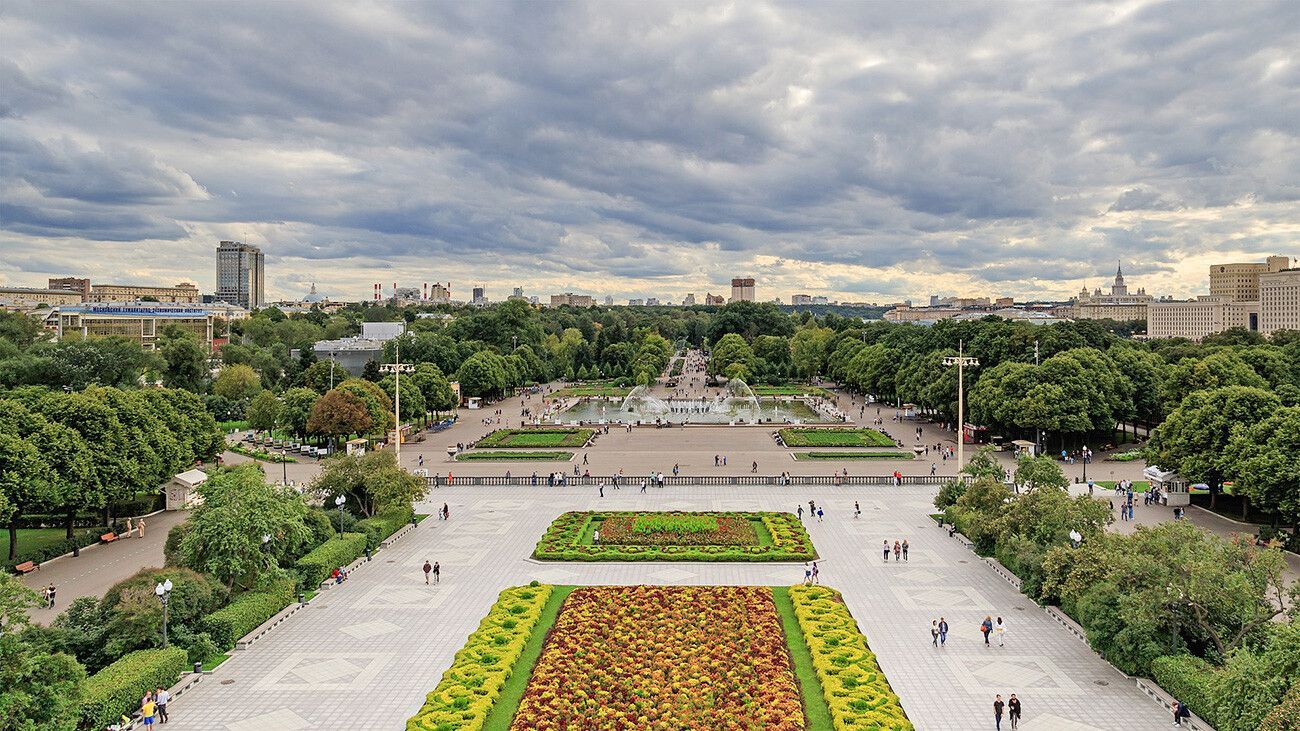
## Description Gorky Park is one of Moscow’s most recognizable public spaces, but its importance goes beyond fame. It functions as a major urban park, a leisure destination, and a symbol of how Moscow’s public life has evolved over time. For visitors, it offers a broad, flexible experience that can include walking paths, riverside views, outdoor activities, cultural programming, seasonal events, and simply the pleasure of being in a lively city park with enough scale to feel substantial. It is a park that can fill a few hours without demanding a rigid plan. One of the reasons Gorky Park remains so appealing is that it balances energy and openness. It is popular with residents, but it still gives travelers space to breathe. A lesser-known fact is that the park has been reinterpreted several times across different periods of Russian history, which means its identity reflects changing ideas about public recreation and city life. Another detail many visitors notice only after arriving is how different the park can feel depending on the season: summer brings crowds, bikes, and long evenings outdoors, while winter can transform parts of the park into a much quieter and more atmospheric space. The park’s value for tourists lies in its versatility. You can come here for exercise, a casual walk, coffee, a river view, or a break from heavy sightseeing. You can also use it as a transition point between more formal cultural landmarks and more relaxed urban exploration. In a city as large as Moscow, that role matters. Gorky Park offers a kind of public relief, a place where the scale softens and the city becomes easier to inhabit on foot. It is also a good example of how a park can be both local and iconic. Residents use it as everyday space, while travelers see it as an essential Moscow destination. That overlap is usually a sign of a worthwhile attraction. ## Location Gorky Park is located in central Moscow, Russia, along the Moskva River. Its riverfront position gives it a scenic edge and makes it easy to combine with surrounding cultural sites or waterfront walks. The park is very much part of the city’s main urban fabric, so it is convenient to reach even if you are staying in a busy central district. The easiest way to get there is by Moscow Metro, followed by a short walk depending on which entrance or section you want to use. Public transport is usually the smartest approach because it avoids traffic and places you directly within the park’s broader central network. Once inside, the grounds are meant to be explored on foot, by bike, or by simply moving from one area to another at your own pace. Because Gorky Park is so flexible, the best plan is often to use it as part of a longer city day rather than as a standalone objective. It pairs naturally with museum visits, riverfront exploration, or a relaxed afternoon in central Moscow. ## Tips Choose the season carefully if you can. Gorky Park changes dramatically across the year, and each season creates a different mood. Leave room for wandering. The park is best when you allow yourself to drift rather than trying to cover every section. Bring a bike or rent one if you want to cover more ground and experience the park like a local. If you are there in warm weather, plan for food and drinks so you can stay longer and enjoy the river atmosphere. Check for events or temporary installations, since the park often has more happening than a first-time visitor may expect. ## Conclusion Gorky Park is one of Moscow’s most adaptable and enjoyable public spaces, combining relaxation, scenery, and urban life in one central location. It is an essential stop for visitors who want to see how Muscovites use the city for leisure. ## FAQ ### Is Gorky Park worth visiting in winter? Yes. The atmosphere changes, but winter can be especially beautiful and calm. ### How long should I spend there? At least 1 to 3 hours, depending on whether you are walking, biking, or attending an event. ### Is it family-friendly? Very much so. The park is a major public leisure space with broad appeal. ### Can I combine it with other Moscow sights? Yes. Its central location makes it easy to pair with museums, river views, or other city-center attractions. ## Links - [Gorky Park](https://russiable.com/gorky-park-moscow/)
GemVoyage Team • World
Amsterdam
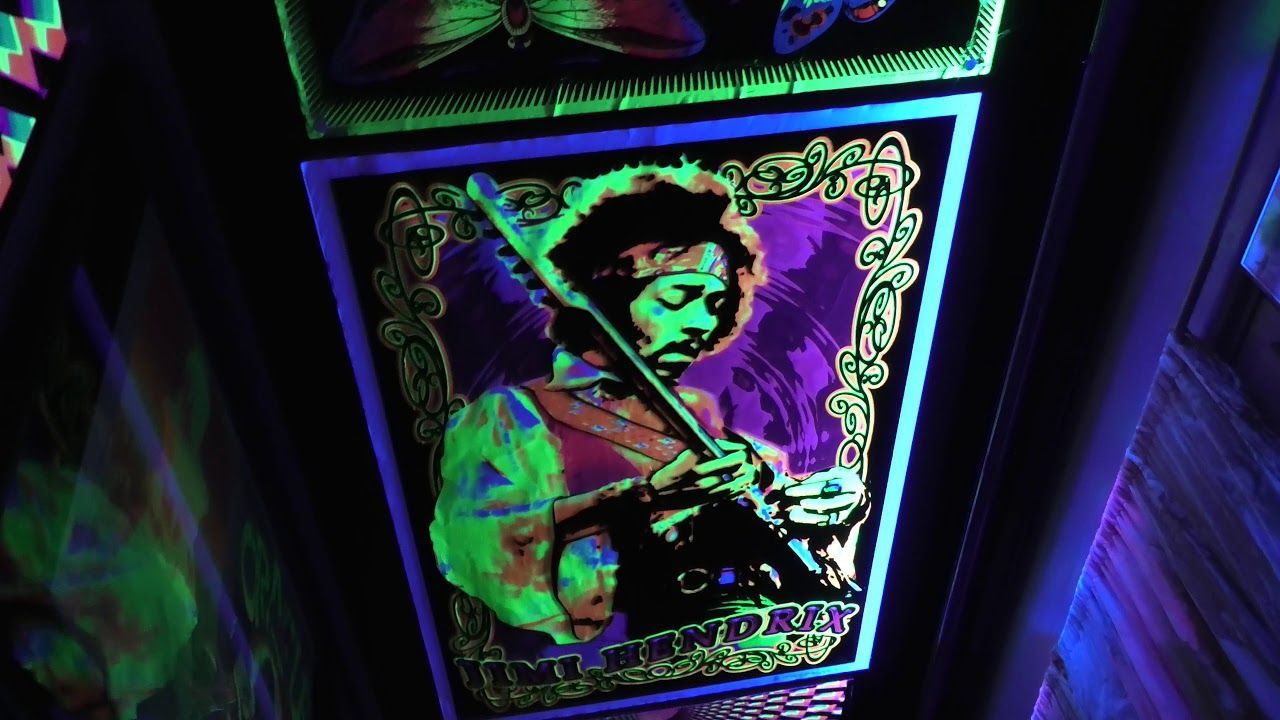
## Description Electric Ladyland Museum is one of Amsterdam’s most unusual attractions, and that is exactly why it stands out. Marketed as a museum of fluorescent art, it offers a highly specific experience centered on ultraviolet-reactive materials, immersive visual environments, and the playful boundaries between art, science, and perception. Unlike large mainstream museums, this is a niche destination with a strong point of view. For curious travelers, that makes it especially memorable. What gives the museum its appeal is its originality. Visitors do not come here for a broad survey of art history but for an encounter with a carefully curated world of glowing forms and sensory experimentation. A lesser-known fact is that Electric Ladyland has the distinction of being one of the few places devoted specifically to fluorescent art, making it unusual even in a city as creative as Amsterdam. Another detail many visitors enjoy is the hands-on, intimate scale of the museum: it feels personal and eccentric rather than institutional, which reinforces the sense that you are stepping into someone’s imaginative environment rather than a standard gallery. The museum works well for travelers who like small, offbeat experiences that break up a sightseeing schedule. It is especially good if you are interested in color, light, psychedelic visual culture, or the relationship between material and perception. The glowing displays can be surprisingly immersive, and because the concept is so focused, the visit is easy to remember long after you leave. This is not a museum you rush through. Its impact depends on letting the lighting and visual effects settle, and the experience is strongest when you approach it with curiosity rather than expectation. ## Location Electric Ladyland Museum is located in Amsterdam, North Holland, Netherlands, in the city’s central area. The exact setting is relatively modest compared with major institutions, which suits the museum’s intimate identity. Because Amsterdam is compact and walkable in many parts, it is usually easy to add the museum to a broader city route. The easiest way to get there is often on foot, by bicycle, or by public transport depending on where you are staying. Since the museum is smaller and more specialized than a major landmark, it is helpful to check entry details and opening arrangements in advance. That way you can avoid arriving at an inconvenient time or missing a guided or scheduled visit format if one applies. It works best when combined with other central Amsterdam activities, especially if you want to balance more conventional sightseeing with something genuinely unusual. ## Tips Check visit arrangements before you go. Small museums often have specific opening patterns or limited access. Do not expect a large collection. The value here is in the concept and atmosphere, not the number of rooms. Go if you like unconventional art experiences or visual phenomena. Allow yourself to spend time with the lighting effects rather than moving too quickly between spaces. Treat it as a complement to broader Amsterdam sightseeing, not as a whole-day destination. ## Conclusion Electric Ladyland Museum is one of Amsterdam’s most distinctive small attractions, offering a focused and memorable encounter with fluorescent art. It is ideal for travelers who want something creative, unusual, and unlike the city’s more standard museums. ## FAQ ### What is Electric Ladyland Museum about? It is dedicated to fluorescent art and immersive visual experiences created with ultraviolet-reactive materials. ### Is it a large museum? No. It is a smaller, more intimate attraction, which is part of its charm. ### Who will enjoy it most? Visitors who like experimental art, unusual museums, and sensory experiences will get the most out of it. ### Should I book ahead? That is often a good idea for small specialty museums, so checking current access information before visiting is wise. ## Links - [Electric Ladyland official site](https://www.electric-lady-land.com/)
GemVoyage Team • World

Copenhagen
## Description The Hans Christian Andersen Experience in Copenhagen is a cultural attraction dedicated to one of Denmark’s most famous figures and one of the world’s most influential storytellers. Rather than functioning as a traditional museum, the experience is designed as an immersive walk-through journey that brings Andersen’s life and fairy tales to life through sets, soundscapes, projections, and storytelling elements. Visitors are invited to step directly into the imaginative universe behind timeless stories such as *The Little Mermaid*, *The Ugly Duckling*, and *The Emperor’s New Clothes*. What makes the Hans Christian Andersen Experience unique is its narrative-driven design. Instead of focusing heavily on historical artifacts, the attraction emphasizes emotion, atmosphere, and imagination, mirroring the way Andersen himself told stories. Visitors move through scenes inspired by both his personal life and his fictional worlds, gaining insight into how his hardships, travels, and observations shaped his writing. A little-known fact is that Andersen struggled with poverty and social insecurity early in his life, themes that quietly echo throughout many of his fairy tales. Another lesser-known detail is that some installations are inspired by Andersen’s own paper cuttings, an art form he practiced privately and which reflects his intricate creative mind. This experience appeals to both adults and children, offering a reflective and engaging way to understand why Andersen’s stories continue to resonate across cultures and generations. ## Location The Hans Christian Andersen Experience is located in **Denmark**, in the **Capital Region**, within the city of **Copenhagen**. It sits in the historic city center, close to City Hall Square (Rådhuspladsen) and within walking distance of Tivoli Gardens and Strøget, Copenhagen’s main shopping street. Getting there is easy using public transportation. The nearest metro stations are **Rådhuspladsen** and **Gammel Strand**, both a short walk away. Numerous buses also stop nearby. For visitors already exploring central Copenhagen, the attraction is conveniently reached on foot or by bicycle, which is a popular way to get around the city. ## Tips * Allow about one hour for your visit, though literature enthusiasts may want more time to explore each section carefully. * The experience is largely indoors, making it a good option during colder or rainy weather. * Some displays rely on lighting and sound effects, which may feel intense for very young children. * Photography is usually allowed, but flash may be restricted in certain areas. * Combine your visit with nearby attractions such as Tivoli Gardens or a walk through the historic city center. * Reading a few Andersen fairy tales beforehand can enhance your appreciation of the scenes and references. ## Conclusion The Hans Christian Andersen Experience offers a thoughtful and imaginative introduction to Denmark’s most beloved storyteller. Through immersive design and emotional storytelling, it allows visitors to connect with both the man and the fairy tales that shaped global literature. ## FAQ **Is the Hans Christian Andersen Experience suitable for children?** Yes, it is suitable for children, though some darker fairy-tale themes may be better appreciated by older kids. **How long does the visit take?** Most visitors spend around 45 minutes to one hour inside the experience. **Is the experience available in English?** Yes, information and displays are available in English, along with other major languages. **Is this a traditional museum?** No, it is an immersive storytelling experience rather than an artifact-based museum. **Do I need to book tickets in advance?** Advance booking is recommended during peak tourist seasons, though walk-in tickets are often available. ## Links * [Hans Christian Andersen Experience Official Website](https://www.visitcopenhagen.com/copenhagen/planning/hans-christian-andersen-experience-gdk591356)
GemVoyage Team • World
Montpllier
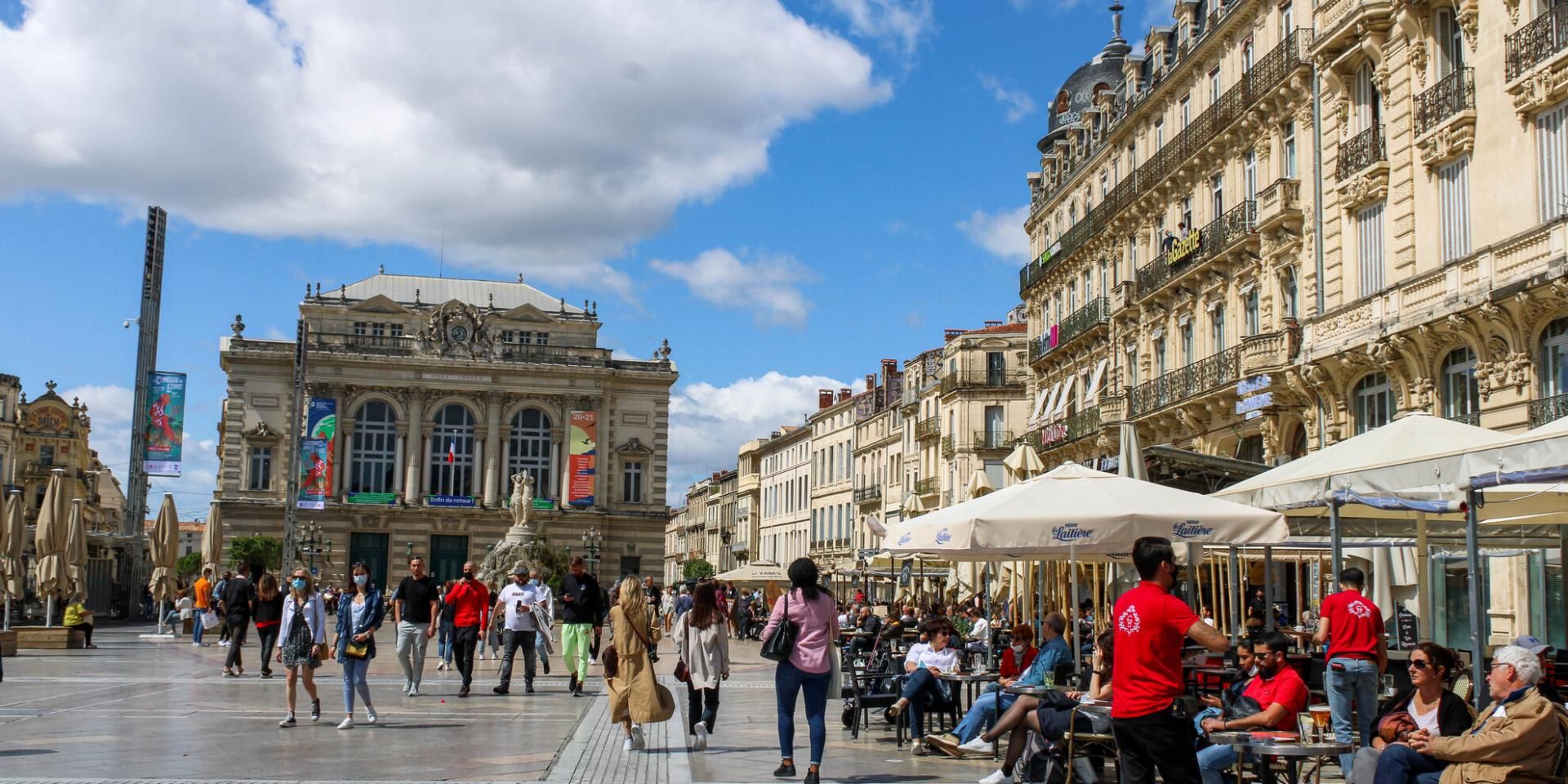
## Description Comedy Square, or **Place de la Comédie**, is the vibrant heart of Montpellier and one of the most iconic squares in southern France. Known locally as *“l’Oeuf”* (The Egg) because of its oval shape, this lively square is a gathering spot for both locals and tourists. It is surrounded by stunning 19th-century Haussmann-style buildings, bustling cafés, and the impressive **Opéra Comédie**, which dominates one side of the square with its grand façade. What makes Comedy Square unique is its **constant energy**—from street performers and musicians to open-air terraces where people enjoy Mediterranean sunshine. It’s not only a cultural hub but also a place to start exploring Montpellier’s historic center. A little-known fact is that the square has been at the core of Montpellier’s social life since the **18th century**, making it one of the oldest urban meeting points in the city. Another interesting detail is the presence of the **Three Graces Fountain**, a beautiful marble sculpture from 1790 that has become a beloved symbol of Montpellier. ## Location Comedy Square is located in **Montpellier, France**, in the **Occitanie region** of southern France. It lies right in the city center, connecting the historic old town with the more modern districts. The square serves as a central point for trams, buses, and pedestrian streets, making it extremely accessible. ### Recommendation on How to Get There If you’re traveling from **Montpellier Méditerranée Airport**, you can reach the square by shuttle bus to the main train station, **Gare Saint-Roch**, which is only a few minutes’ walk from Comedy Square. The city’s excellent **tram network** also stops directly at Place de la Comédie, making it the most convenient way to get there from anywhere in Montpellier. For those staying in the historic center, walking is the best option, as many attractions are clustered around the square. ## Tips Here are some useful tips for making the most of your visit to Comedy Square: * **Visit During the Evening**: The square comes alive at night with street performers, illuminated buildings, and buzzing cafés. * **Enjoy the Cafés and Terraces**: Sit down at one of the many outdoor cafés to soak in the atmosphere and people-watch. * **Take a Tram Ride**: Montpellier’s trams are famous for their artistic designs. Boarding one from the square gives you a unique perspective of the city. * **Photography**: The square is especially photogenic at sunset when the Opéra Comédie and surrounding buildings glow in golden light. * **Combine With a Walking Tour**: From the square, you can easily walk to Montpellier Cathedral, the Fabre Museum, or stroll down Rue de la Loge for shopping. * **Avoid Driving**: The square is pedestrian-friendly, and parking is limited nearby, so it’s best to use public transportation. ## Conclusion Comedy Square in Montpellier is more than just a central plaza—it’s the heartbeat of the city. With its beautiful architecture, lively atmosphere, and cultural landmarks, it offers visitors a true taste of southern French life. Whether you’re sipping coffee at a terrace, watching a street performance, or exploring nearby attractions, Comedy Square is a must-see destination when visiting Montpellier. ## FAQ **1. What is Comedy Square famous for?** It is famous for its lively atmosphere, historic architecture, the Opéra Comédie, and the Three Graces Fountain. **2. Is Comedy Square pedestrian-friendly?** Yes, it’s primarily a pedestrian zone, making it safe and enjoyable to explore on foot. **3. Are there restaurants and cafés in the square?** Yes, the square is surrounded by numerous cafés and restaurants, perfect for dining or enjoying a drink outdoors. **4. How do I get to Comedy Square from the train station?** The main train station, Gare Saint-Roch, is only a 5-minute walk from the square. **5. Is it worth visiting at night?** Absolutely. The square lights up beautifully in the evening and is filled with vibrant street life. **6. Can I take public transport to Comedy Square?** Yes, several tram lines stop directly at the square, making it the easiest way to get there. ## Links * [Official Montpellier Tourism Office](https://www.montpellier-france.com/)
GemVoyage Team • World
Bonn
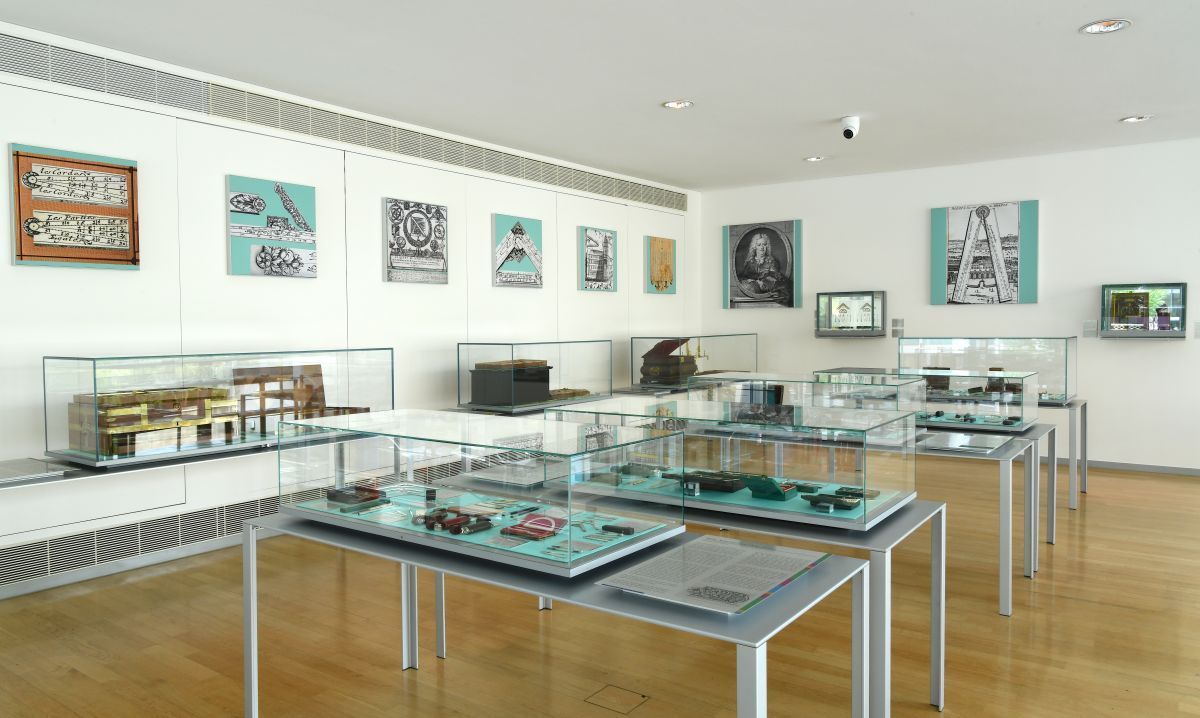
## Description The Arithmeum Museum in Bonn is a highly original museum that turns the history of calculation into a visually engaging and intellectually satisfying visit. Dedicated to the development of arithmetic machines, the museum explores how people have tried to make counting faster, more accurate, and more automated over the centuries. Its collection includes historic calculating devices, elegant mechanical instruments, and exhibits that show how mathematics became part of modern technology. What makes the Arithmeum stand out is that it is both scholarly and accessible. The museum does not expect every visitor to be an expert in mathematics or engineering. Instead, it presents the history of computation through objects, design, and clear narrative structure. That means you can enjoy it whether you are fascinated by mechanical engineering, the history of ideas, or the aesthetic beauty of precision instruments. One lesser-known fact is that the museum is closely associated with academic research on the history of calculation, which gives it an unusually strong intellectual foundation. Another interesting point is that the building’s architecture and presentation style reinforce the idea that mathematics can be elegant as well as practical. The museum is especially rewarding for travelers who like compact museums with a unique theme. It is not overwhelming in scale, but it is memorable because it covers a topic that most people rarely see interpreted so carefully. Visitors often leave with a new appreciation for the long path from abacus and slide rule to digital computation. Even those who do not think of themselves as “math people” usually find something in the collection that captures their attention, whether it is an ornate machine, a clever mechanism, or the logic behind a technological breakthrough. ## Location Arithmeum is located in Bonn, North Rhine-Westphalia, Germany, in the city’s central academic and cultural area. Bonn itself is easy to navigate, and the museum’s position makes it a practical stop during a day of exploring the old federal city. The best way to get there is by local public transport or on foot if you are staying in the center. Bonn’s compact layout makes walking convenient, especially if you are combining the museum with other nearby institutions or university-related sites. If you are arriving from farther away, regional trains and the city’s transit network provide straightforward access to central Bonn. ## Tips Read the display labels carefully, because the story behind each object often matters as much as the object itself. This is a great museum for rainy days or for travelers who want an indoor cultural stop between larger city visits. If you enjoy design, pay attention to the museum’s architecture and how the exhibition spaces guide the flow of the visit. Families with older children and teens may find it especially interesting if they enjoy puzzles, mechanisms, or STEM topics. Pair the visit with other Bonn sights to make the most of your time in the city. ## Conclusion Arithmeum is a thoughtful and elegant museum that turns the history of calculation into a memorable cultural experience in Bonn. ## FAQ ### What is the Arithmeum about? It focuses on the history of arithmetic, calculating machines, and the development of computation. ### Is it only for mathematicians? No. The museum is accessible to general visitors, design lovers, and anyone curious about technology history. ### How long does a visit take? Most visitors spend around one to two hours. ### Is it close to other Bonn attractions? Yes. Its central location makes it easy to combine with other museums and historic sites. ### Why is it considered unique? Because it treats a technical subject with strong visual design and clear storytelling. ## Links - [Official website](https://www.arithmeum.uni-bonn.de/) - [Arithmeum on Wikipedia](https://en.wikipedia.org/wiki/Arithmeum)
GemVoyage Team • World

Rome
## Description Janiculum Hill (Gianicolo) stands as one of Rome’s most rewarding scenic vantage points, offering sweeping panoramas of the city’s rooftops, domes and spires, with St. Peter’s Basilica prominently on the skyline. Unlike the classical seven hills of ancient Rome, Janiculum sits to the west of the Tiber and has a distinct character: it combines leafy public gardens, impressive monuments to Italy’s 19th-century unification heroes, and pockets of quiet away from the densest tourist routes. Visitors come to linger on terraces and balustrades, photograph the city at golden hour, and stroll the shaded promenades lined with cypress and plane trees. What makes Janiculum special is its layered atmosphere — it’s part memorial, part urban park and part living neighborhood. Statues and memorials, including the commanding equestrian statue of Giuseppe Garibaldi, recall Italy’s Risorgimento period and add historic depth to the views. The hill is studded with small chapels, fountains such as the striking Fontana dell'Acqua Paola (also called Il Fontanone), and hidden viewpoints that look across the Tiber to the heart of ancient Rome. Little-known facts: Janiculum is home to several international monuments (including busts and memorials to foreign volunteers who fought for Italy) and there’s a long-standing local tradition of a noon cannon shot — a historical custom that punctuates the day and ties the hill into Rome’s lived rituals. ## Location Janiculum Hill is located in Rome, Lazio region, Italy, on the west bank of the Tiber River opposite the historic Trastevere and the ancient core of the city. The main terraces and the most frequented viewpoints cluster along the Via Garibaldi and the Passeggiata del Gianicolo, a ridge that runs north-south. The nearest neighborhoods are Trastevere (below the hill) and the residential Monteverde and Gianicolense districts. To get there: from central Rome, one of the most pleasant routes is to walk up from Piazza Trilussa in Trastevere and ascend via the Viale del Gianicolo or the stairways that connect Trastevere’s lanes to the hill’s terraces. Public transport options include buses that serve nearby stops (check local routes such as lines that head to Trastevere and Monteverde) or taking tram/bus to the Trastevere rail station and walking up. Taxis or ride-hailing services can drop you near the top terraces for a short walk. For visitors who prefer a guided introduction, many walking tours of Trastevere and the Janiculum combine history and views. ## Tips - Timing: For the most stunning light, aim for the hour before sunset (golden hour) for warm, cinematic views and photographs. Early morning offers quieter conditions and softer light. The hill can be breezy in late afternoon. - Crowds: The terraces are popular but not overcrowded like central squares. Weekdays and early mornings are best to avoid local visitors during weekends. - Security & comfort: Pickpocketing is less common here than in dense tourist hubs, but keep usual precautions. Wear comfortable shoes for cobbled paths and steps. - Amenities: There are a few cafés and kiosks nearby, but consider bringing water, especially in summer. Public restrooms are limited; plan accordingly. - Seasons: Spring and autumn are ideal for pleasant temperatures; summer can be hot and busier. Winter offers crisp air and clearer long-distance visibility on good days. - Photography: Bring a zoom lens for close-ups of city details and a wide angle for sweeping skyline shots. Some viewpoints are fenced; respect barriers and private property. ## Conclusion Janiculum Hill is a peaceful, evocative corner of Rome where panoramic views meet commemorative monuments and shady walks. It rewards visitors who step just a little off the busiest tourist routes with moments of true perspective—on the city’s urban spread, its historical layers, and its daily life. Whether you come for sunset, a reflective stroll among monuments, or to trace lesser-known aspects of modern Italian history, Janiculum offers an intimate, memorable encounter with Rome. ## FAQ Q: Is Janiculum Hill within walking distance from the historic center? A: Yes. From Trastevere and several central points it is a manageable walk; stairways and slopes connect it to the historic center. Q: Is there an entrance fee? A: No. Janiculum’s public terraces and gardens are free to visit. Q: Are there guided tours available? A: Yes. Many walking tours of Trastevere and specialized history tours include Janiculum; private guides can provide deeper context on the monuments. Q: Is the area safe at night? A: Generally yes, but standard urban precautions apply—stick to well-lit areas and main promenades. Q: Can I drive up? A: Driving is possible to some upper roads and viewpoints, but parking is limited. A drop-off is convenient. ## Links [Wikipedia: Gianicolo (Janiculum)](https://en.wikipedia.org/wiki/Janiculum) [Roma Turismo / Visit Rome (official tourism guides)](https://www.turismoroma.it)
GemVoyage Team • World
Stockholm
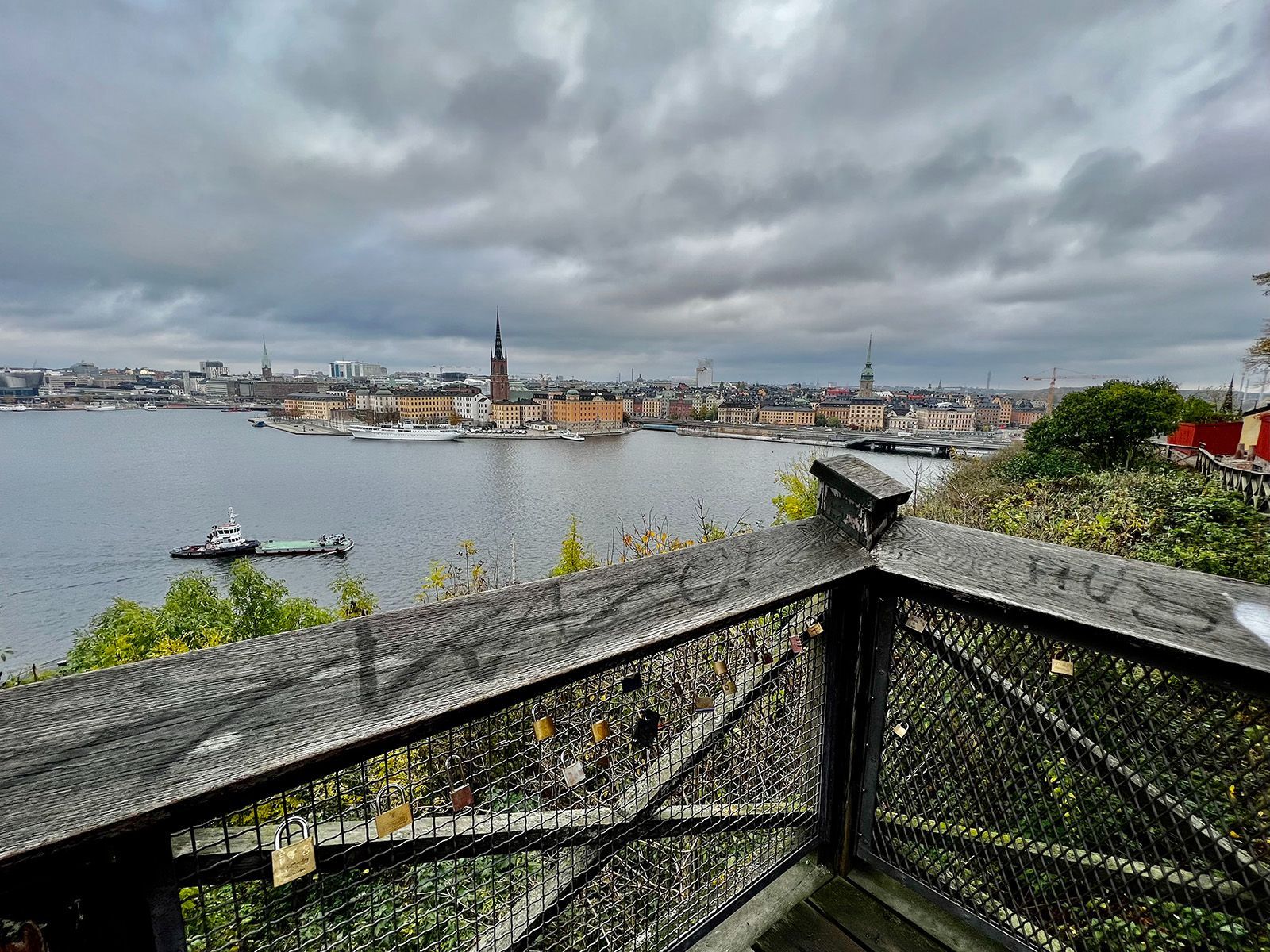
## Description Monteliusvägen is one of Stockholm’s most beloved viewpoint walks because it offers a remarkable amount of scenery for very little effort. Stretching along Mariaberget in Södermalm, the path gives visitors panoramic views over Riddarfjärden, City Hall, and the water and skyline that define Stockholm’s visual identity. It is a place where walking becomes part of the sightseeing itself, and where the city looks especially elegant in changing light. The viewpoint’s appeal lies in its mixture of accessibility and atmosphere. You do not need to climb a mountain or travel far from the center to get a memorable outlook. Instead, you can step into a residential and elevated part of the city and find a broad view that feels almost theatrical. One little-known fact is that Monteliusvägen is particularly admired by locals for how reliably it delivers a strong skyline view without the crowds associated with more obvious tourist stops. Another is that the path changes character with the seasons; winter can make the scenery crisp and graphic, while summer brings long, luminous evenings and a more relaxed mood. What also makes Monteliusvägen special is that it combines motion and pause. As you walk, the city opens and closes in layers. You might pass benches, low walls, and quiet residential details, then suddenly find a view that feels worthy of a postcard. That rhythm encourages visitors to slow down rather than rush through. It is a great place to arrive without a fixed plan, because the reward comes from both the walk and the destination. For photographers and casual visitors alike, the viewpoint is one of Stockholm’s most satisfying urban experiences. It captures the city’s relation to water, its elegant low-rise skyline, and its subtle balance between nature and urban form. A sunset visit can be particularly memorable, but the viewpoint works at many times of day because the geometry of the city and the water remains compelling even in flat light. ## Location Monteliusvägen is located on Mariaberget in Södermalm, Stockholm, Sweden, overlooking the waters of central Stockholm. It is very close to the city core, which makes it easy to include in a broader city walk. Because it sits on a ridge above the water, the route includes some uphill movement, but the climb is short and manageable. The easiest access is via Stockholm’s metro system to nearby stations such as Slussen, followed by a walk through Södermalm. From there, signage and local navigation are usually straightforward enough for most visitors to find the viewpoint. Since the area is so central, it is simple to pair it with a coffee stop, dinner, or a longer Södermalm exploration. If you want the best photo conditions, go near sunset or during the soft light of early morning. For a quieter experience, avoid peak sightseeing hours when possible. ## Tips - Go at sunset if you want the most dramatic light on the water and skyline. - Wear comfortable shoes because the approach includes some uphill walking. - Bring a jacket or layer, especially if you stay after sunset when wind can feel cooler. - Walk slowly and stop more than once. The viewpoint changes as you move along it. - Combine Monteliusvägen with another Södermalm stop so the outing feels complete. ## Conclusion Monteliusvägen is one of Stockholm’s most rewarding short walks, offering a classic view of the city with little logistical effort. It is simple, beautiful, and especially strong at sunset. ## FAQ ### Is Monteliusvägen worth it if I have only one day in Stockholm? Yes. It is one of the quickest ways to get a memorable city view without a complicated excursion. ### How long is the walk? The walking stretch is fairly short, but you will likely spend more time stopping to enjoy the views than actually moving. ### Is it very crowded? It can be popular, especially around sunset, but it still often feels calmer than the most famous Stockholm viewpoints. ### Is it family-friendly? Yes, as long as everyone is comfortable with a little uphill walking and staying attentive near ridge-edge paths. ## Links - [Visit Stockholm](https://www.visitstockholm.com/)
GemVoyage Team • World