GemVoyage Team • World
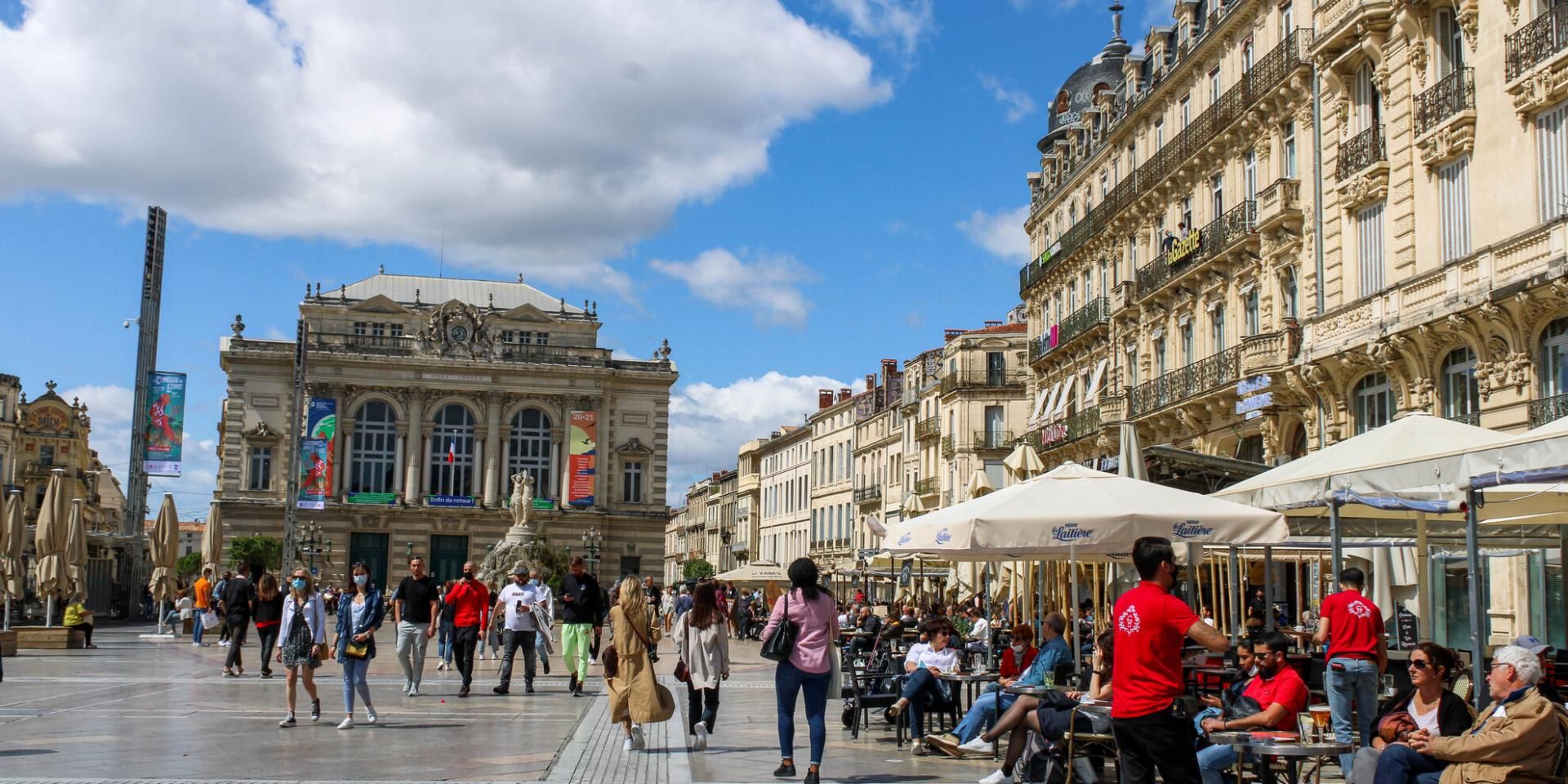
Comedy Square, or Place de la Comédie, is the vibrant heart of Montpellier and one of the most iconic squares in southern France. Known locally as “l’Oeuf” (The Egg) because of its oval shape, this lively square is a gathering spot for both locals and tourists. It is surrounded by stunning 19th-century Haussmann-style buildings, bustling cafés, and the impressive Opéra Comédie, which dominates one side of the square with its grand façade.
What makes Comedy Square unique is its constant energy—from street performers and musicians to open-air terraces where people enjoy Mediterranean sunshine. It’s not only a cultural hub but also a place to start exploring Montpellier’s historic center.
A little-known fact is that the square has been at the core of Montpellier’s social life since the 18th century, making it one of the oldest urban meeting points in the city. Another interesting detail is the presence of the Three Graces Fountain, a beautiful marble sculpture from 1790 that has become a beloved symbol of Montpellier.
Comedy Square is located in Montpellier, France, in the Occitanie region of southern France. It lies right in the city center, connecting the historic old town with the more modern districts. The square serves as a central point for trams, buses, and pedestrian streets, making it extremely accessible.
If you’re traveling from Montpellier Méditerranée Airport, you can reach the square by shuttle bus to the main train station, Gare Saint-Roch, which is only a few minutes’ walk from Comedy Square. The city’s excellent tram network also stops directly at Place de la Comédie, making it the most convenient way to get there from anywhere in Montpellier. For those staying in the historic center, walking is the best option, as many attractions are clustered around the square.
Here are some useful tips for making the most of your visit to Comedy Square:
Comedy Square in Montpellier is more than just a central plaza—it’s the heartbeat of the city. With its beautiful architecture, lively atmosphere, and cultural landmarks, it offers visitors a true taste of southern French life. Whether you’re sipping coffee at a terrace, watching a street performance, or exploring nearby attractions, Comedy Square is a must-see destination when visiting Montpellier.
1. What is Comedy Square famous for?
It is famous for its lively atmosphere, historic architecture, the Opéra Comédie, and the Three Graces Fountain.
2. Is Comedy Square pedestrian-friendly?
Yes, it’s primarily a pedestrian zone, making it safe and enjoyable to explore on foot.
3. Are there restaurants and cafés in the square?
Yes, the square is surrounded by numerous cafés and restaurants, perfect for dining or enjoying a drink outdoors.
4. How do I get to Comedy Square from the train station?
The main train station, Gare Saint-Roch, is only a 5-minute walk from the square.
5. Is it worth visiting at night?
Absolutely. The square lights up beautifully in the evening and is filled with vibrant street life.
6. Can I take public transport to Comedy Square?
Yes, several tram lines stop directly at the square, making it the easiest way to get there.
Discover more hidden gems you might love.
Graz
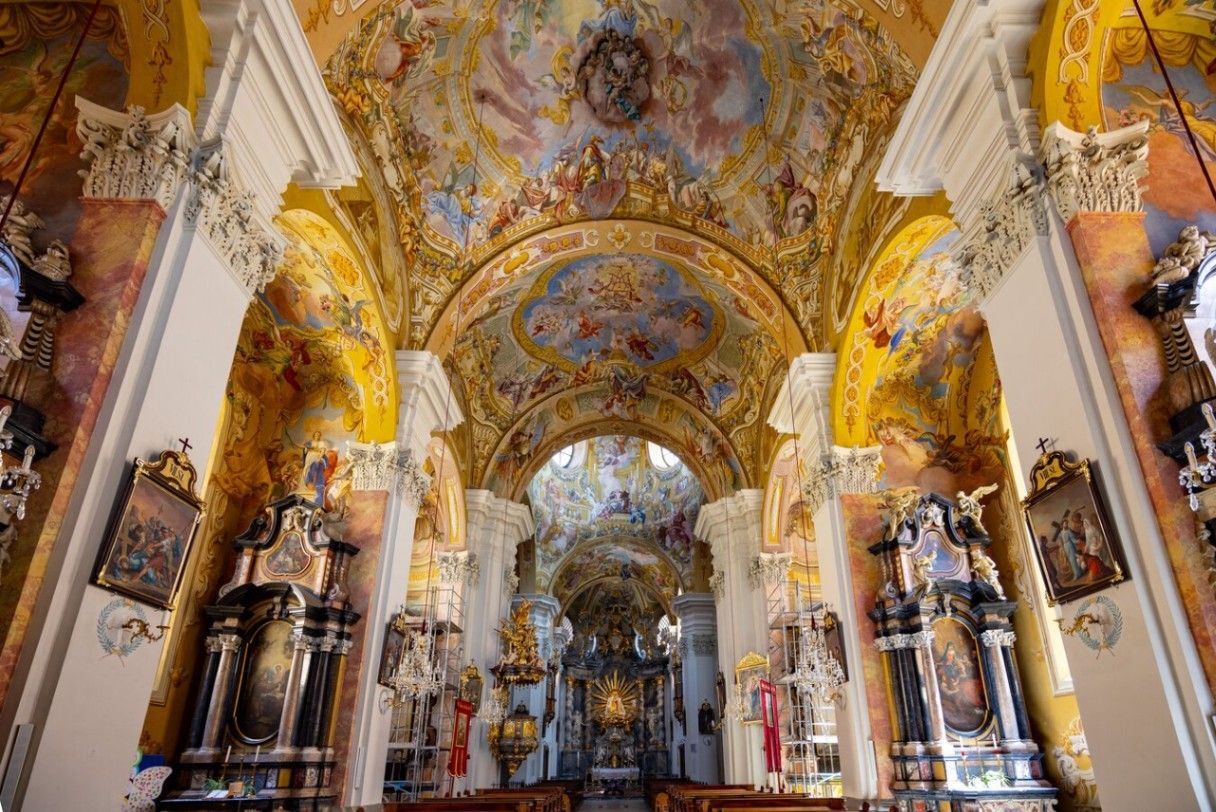
## Description **Basilika Mariatrost** is the most important pilgrimage church in the region of Styria and one of the most visually striking religious landmarks in Graz. Perched on a hill overlooking the eastern edge of the city, the basilica is a masterpiece of **Austrian Baroque architecture**, instantly recognizable by its twin towers and commanding elevated position. More than a place of worship, it represents centuries of faith, healing traditions, and regional identity. Construction of the basilica began in the early 18th century under the patronage of the Pauline Order, following reports of miraculous healings associated with a statue of the Virgin Mary. The church was intentionally built high above the surrounding landscape, reinforcing its role as a spiritual refuge removed from everyday life. Its grand staircase—over 200 steps long—adds a sense of ritual to the approach, turning the journey itself into part of the pilgrimage experience. Inside, the basilica is richly decorated with frescoes, gilded altars, and intricate stucco work. The high altar frames the revered **Marian statue**, the spiritual heart of the church. One lesser-known fact is that the church temporarily lost its religious function during Emperor Joseph II’s reforms in the late 18th century and was repurposed before later being restored as a pilgrimage site. Another notable detail is that Mariatrost was elevated to the status of a **minor basilica** by the Vatican in 1999, recognizing its historical and spiritual significance. Despite its religious importance, Basilika Mariatrost is also appreciated for its **panoramic views**, serene atmosphere, and harmonious integration with the surrounding greenery. It attracts pilgrims, architecture enthusiasts, photographers, and visitors seeking quiet contemplation. ## Location **Country:** Austria **Region:** Styria **City:** Graz **District:** Mariatrost The basilica is located in the **northeastern part of Graz**, on a wooded hill that rises above the Mariatrost district. ### How to Get There * **By tram:** * Take **Tram Line 1** from Graz city center to the final stop, **Mariatrost**. From there, it is a short walk to the basilica. * **On foot:** * Walking routes and pilgrimage paths lead uphill from the tram stop. * **By car:** * Accessible by local roads, with limited parking available nearby. * **By bicycle:** * Possible for experienced cyclists, though the ascent can be steep. ## Tips * **Climb the staircase at least once:** It enhances the sense of arrival and offers changing views. * **Visit in the morning or late afternoon:** The light is softer, and the atmosphere is quieter. * **Dress respectfully:** The basilica is an active place of worship. * **Attend a service if possible:** Music and acoustics add depth to the experience. * **Combine with a walk:** The surrounding area has pleasant walking paths and forest trails. * **Photography is best outside:** Interior photography may be restricted during services. ## Conclusion Basilika Mariatrost is both a spiritual landmark and an architectural highlight of Graz. Its elevated position, Baroque elegance, and centuries-old pilgrimage tradition make it a meaningful destination for visitors seeking history, culture, and calm above the city. ## FAQ **1. Why is Basilika Mariatrost important?** It is the most significant pilgrimage church in Styria, centered around devotion to the Virgin Mary. **2. Is there an entrance fee?** No. Entry to the basilica is free. **3. How long should I plan for a visit?** Around **45 minutes to 1.5 hours**, depending on whether you attend a service or explore the surroundings. **4. Is the basilica accessible for people with limited mobility?** Yes, though the main staircase is steep; alternative access routes are available. **5. Can tourists visit during services?** Yes, but visitors should remain respectful and avoid photography. **6. What is the best time of year to visit?** Spring and early autumn offer pleasant weather and clear views. ## Links * [Official Graz tourism site](https://www.graztourismus.at)
GemVoyage Team • World
Bonn
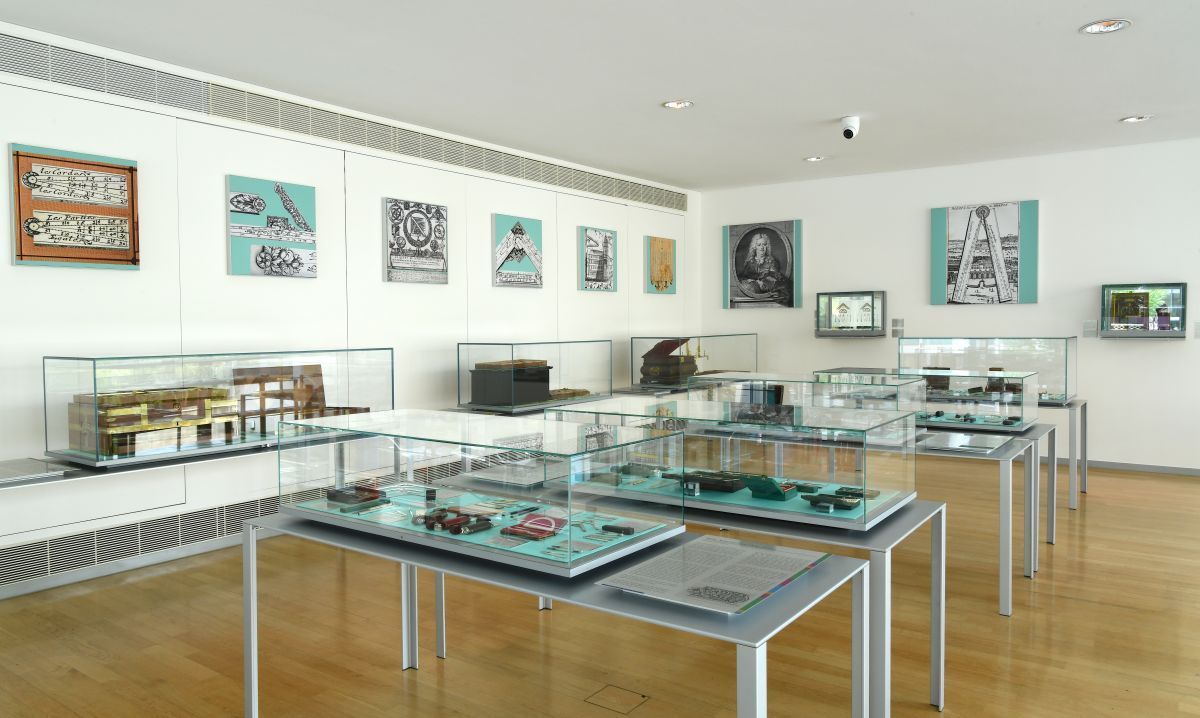
## Description The Arithmeum Museum in Bonn is a highly original museum that turns the history of calculation into a visually engaging and intellectually satisfying visit. Dedicated to the development of arithmetic machines, the museum explores how people have tried to make counting faster, more accurate, and more automated over the centuries. Its collection includes historic calculating devices, elegant mechanical instruments, and exhibits that show how mathematics became part of modern technology. What makes the Arithmeum stand out is that it is both scholarly and accessible. The museum does not expect every visitor to be an expert in mathematics or engineering. Instead, it presents the history of computation through objects, design, and clear narrative structure. That means you can enjoy it whether you are fascinated by mechanical engineering, the history of ideas, or the aesthetic beauty of precision instruments. One lesser-known fact is that the museum is closely associated with academic research on the history of calculation, which gives it an unusually strong intellectual foundation. Another interesting point is that the building’s architecture and presentation style reinforce the idea that mathematics can be elegant as well as practical. The museum is especially rewarding for travelers who like compact museums with a unique theme. It is not overwhelming in scale, but it is memorable because it covers a topic that most people rarely see interpreted so carefully. Visitors often leave with a new appreciation for the long path from abacus and slide rule to digital computation. Even those who do not think of themselves as “math people” usually find something in the collection that captures their attention, whether it is an ornate machine, a clever mechanism, or the logic behind a technological breakthrough. ## Location Arithmeum is located in Bonn, North Rhine-Westphalia, Germany, in the city’s central academic and cultural area. Bonn itself is easy to navigate, and the museum’s position makes it a practical stop during a day of exploring the old federal city. The best way to get there is by local public transport or on foot if you are staying in the center. Bonn’s compact layout makes walking convenient, especially if you are combining the museum with other nearby institutions or university-related sites. If you are arriving from farther away, regional trains and the city’s transit network provide straightforward access to central Bonn. ## Tips Read the display labels carefully, because the story behind each object often matters as much as the object itself. This is a great museum for rainy days or for travelers who want an indoor cultural stop between larger city visits. If you enjoy design, pay attention to the museum’s architecture and how the exhibition spaces guide the flow of the visit. Families with older children and teens may find it especially interesting if they enjoy puzzles, mechanisms, or STEM topics. Pair the visit with other Bonn sights to make the most of your time in the city. ## Conclusion Arithmeum is a thoughtful and elegant museum that turns the history of calculation into a memorable cultural experience in Bonn. ## FAQ ### What is the Arithmeum about? It focuses on the history of arithmetic, calculating machines, and the development of computation. ### Is it only for mathematicians? No. The museum is accessible to general visitors, design lovers, and anyone curious about technology history. ### How long does a visit take? Most visitors spend around one to two hours. ### Is it close to other Bonn attractions? Yes. Its central location makes it easy to combine with other museums and historic sites. ### Why is it considered unique? Because it treats a technical subject with strong visual design and clear storytelling. ## Links - [Official website](https://www.arithmeum.uni-bonn.de/) - [Arithmeum on Wikipedia](https://en.wikipedia.org/wiki/Arithmeum)
GemVoyage Team • World
Venice
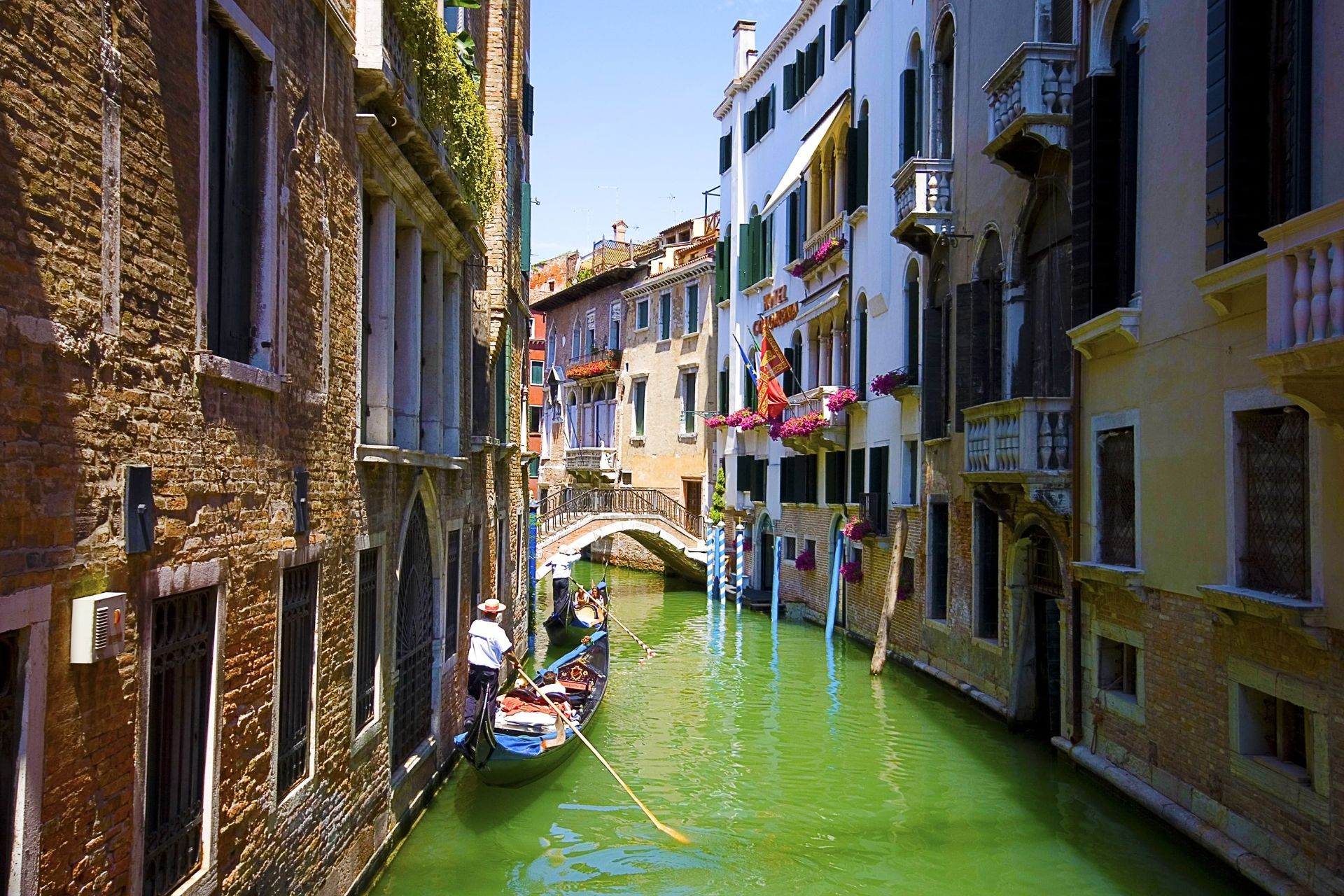
## Description Cannaregio is one of Venice's most atmospheric districts, often compared to Rome's Trastevere because of its neighborhood feel, lively streets, and balance of local life with visitor appeal. Unlike the most crowded parts of Venice, Cannaregio still feels residential in many places, which gives travelers a richer sense of how the city works beyond the postcard landmarks. Narrow canals, modest bridges, traditional houses, and hidden courtyards create an experience that is quieter than St. Mark's but often more memorable. The district is especially appealing for travelers who enjoy wandering without a strict plan. Its streets reward curiosity: you may turn a corner and find a small bacaro serving cicchetti, a church with centuries of history, or a canal scene that looks almost unchanged from the past. The famous Venetian rhythm of walking, pausing, and crossing bridges feels more relaxed here, and that makes Cannaregio a good place to appreciate the city at a slower pace. One lesser-known fact is that Cannaregio is home to the historic Venetian Ghetto, one of the earliest ghetto districts in Europe and an important site in the history of Jewish life in the city. Another is that, despite its relative calm, the district has one of the longest and most distinctive canal fronts in Venice, giving it some of the best opportunities for scenic strolls away from the major tourist flows. Cannaregio also offers an excellent food and drink scene for those who want a more local feel. Small bars, bakeries, and neighborhood restaurants are often less formal than those around the busiest monuments. The area can feel lively in the evening without becoming overwhelming, which makes it especially appealing for travelers who like to settle into a district rather than simply pass through it. Architecturally, Cannaregio presents a satisfying mix of ordinary and elegant Venice. You will find grand palazzi near the water, smaller homes deeper in the district, and a canal network that makes almost every route slightly different. For photographers, the area is full of soft light, reflections, and everyday scenes that capture Venice's character without the heavy staging of its most famous squares. If you want Venice to feel lived-in, intimate, and walkable, Cannaregio is one of the best places to spend time. It does not compete with the city's headline attractions; instead, it reveals the Venice that locals actually use, which is often the version travelers remember most. ## Location Cannaregio is the northernmost of Venice's six historic districts, located in Venice, Veneto, Italy. It stretches from the train station area into the heart of the city and includes parts of the Grand Canal, the Venice Ghetto, and many quiet side canals. It is easy to reach on foot from Venezia Santa Lucia railway station or by vaporetto along the Grand Canal. Because Venice is a walking city, the best way to explore Cannaregio is simply to arrive at the station or a nearby stop and start wandering through the district's streets and canals. ## Tips Visit late afternoon into evening if you want to combine sightseeing with aperitivo and dinner. Do not rush. Cannaregio is best experienced through detours, side streets, and pauses along the canal. Bring a map or use offline navigation, because Venice's layout can be confusing at first even though Cannaregio is relatively straightforward. Respect the residential character of the district. Many of its most charming areas are also people's homes. Look for bacari rather than only formal restaurants if you want a more local food experience. If you are interested in history, set aside time for the Venetian Ghetto and nearby Jewish heritage sites. ## Conclusion Cannaregio offers a more intimate and authentic side of Venice, combining local rhythm, historical depth, and canal-side beauty in a district that is easy to love and hard to forget. ## FAQ ### Why is Cannaregio compared to Trastevere? Both districts are known for local character, lively but not overly formal streets, and a strong mix of food, history, and neighborhood atmosphere. ### Is Cannaregio less crowded than central Venice? Yes, it is generally calmer than the most famous parts of Venice, though it can still be busy near the station and major landmarks. ### What is the most important historic site in Cannaregio? The Venice Ghetto is one of the area's most significant historical sites. ### Can I stay in Cannaregio as a base for Venice? Yes, many travelers prefer it because it is walkable, well connected, and usually less hectic than the busiest tourist zones. ## Links - [Cannaregio](https://en.wikipedia.org/wiki/Cannaregio) - [Venice tourism](https://www.veneziaunica.it/en)
GemVoyage Team • World
Berlin
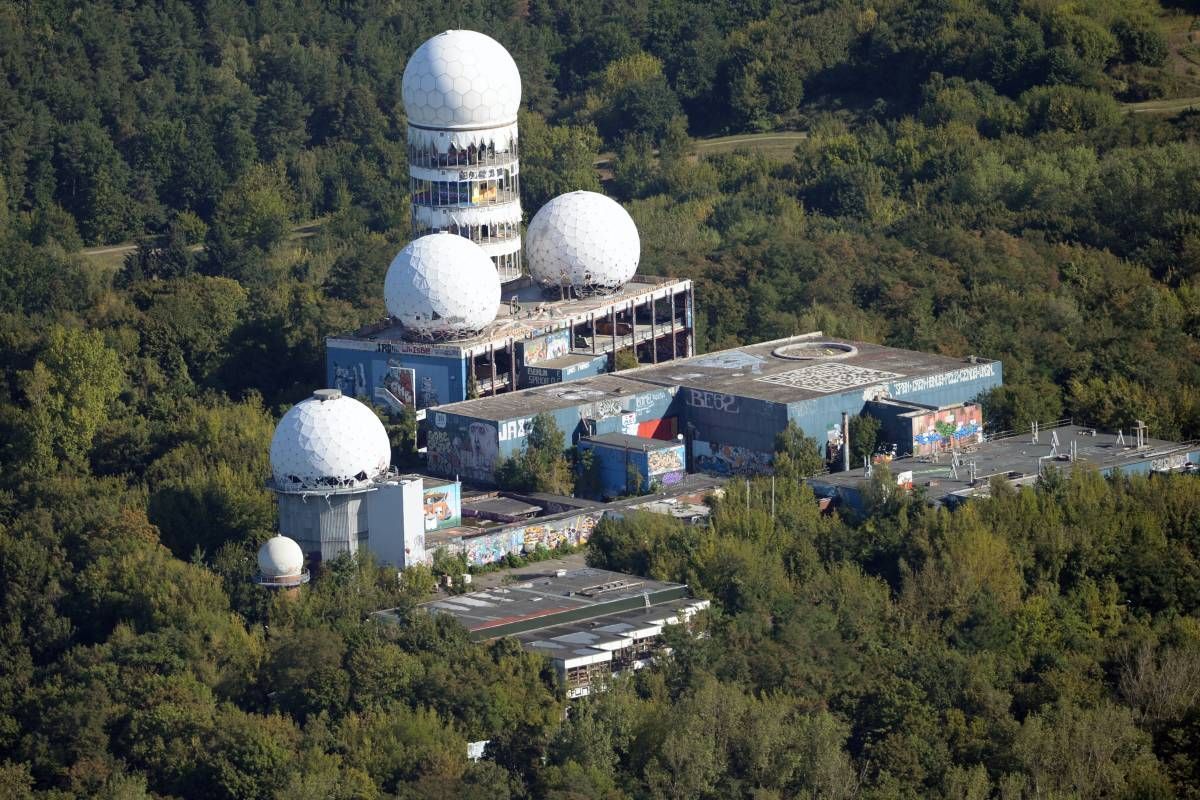
## Description Teufelsberg is one of Berlin's most unusual landmarks, combining Cold War history, postwar rubble, urban exploration energy, and large-scale street art. The hill itself was built from debris after World War II, which already makes it unusual in a city with so much layered history. On top of that artificial landscape stand the remains of an abandoned listening station that once played a role in intelligence monitoring during the Cold War. Today, the site has evolved into a destination for visitors who want a mix of history, raw architecture, and an atmosphere that feels unlike anything else in central Berlin. The site is especially appealing to people who enjoy places that are part ruin, part gallery, and part lookout point. The decaying domes and walls are covered with murals and tags that turn the space into a constantly changing outdoor canvas. A little-known fact is that Teufelsberg sits on what was once intended to be a Nazi military college, but the project never reached completion and the site eventually became part of Berlin's postwar transformation. That layered past gives the hill a strange and powerful presence. ## Location Teufelsberg is in the western part of Berlin, Germany, near the Grunewald forest. It is outside the dense historic center but still accessible by public transport followed by a short walk or bus ride. Because the hill is elevated and somewhat isolated within a wooded area, the journey feels more like leaving the city than simply crossing neighborhoods. That is part of its appeal. The most practical way to get there is by transit and walking, especially if you want to avoid parking concerns and enjoy the forest approach. Visitors should check opening times before going, since access can vary by season and event schedule. The site is best treated as a half-day trip rather than a quick stop. ## Tips - Wear sturdy shoes, because parts of the site are uneven and more rugged than a standard museum visit. - Bring cash or a payment method accepted on-site in case access fees or special exhibits apply. - If you like photography, go when the weather is clear so the skyline and street art stand out more sharply. - Plan for a combination of outdoor exposure and indoor-like enclosure, since the structures can feel windy and exposed. - Leave time to explore the surrounding forest paths if you enjoy a longer, more atmospheric visit. - Check ahead for guided tours or event days, since they can add context to the Cold War history. ## Conclusion Teufelsberg is a reminder that Berlin often turns difficult history into something creative and publicly accessible. The result is a place that feels rough, memorable, and deeply distinctive, especially for travelers who want more than postcard landmarks. ## FAQ ### Is Teufelsberg safe to visit? Yes, it is generally safe during normal visiting hours and in managed public areas. Because the terrain is uneven and partly ruined, visitors should stay alert and follow site rules. The main risk is usually physical footing rather than anything related to the site's history. ### Do you need a guided tour? You do not always need one, but a guided tour can make the experience much richer. The site has layers of history that are easy to miss if you only walk around on your own. If you are interested in espionage, architecture, or Berlin history, a tour is often worthwhile. ### How long should I spend there? One to two hours is enough for a basic visit, but art and history fans may stay longer. If you also want to walk in the forest or take photos from different viewpoints, plan for more time so the visit does not feel cramped. ### Is it good for photography? Yes, it is one of Berlin's more photogenic places because the ruins, murals, and views combine well. Overcast days can work nicely for moody shots, while clear days are best for skyline photographs. Either way, the textures are strong and visually rewarding. ### Why is Teufelsberg famous? It is famous because it combines a Cold War listening station, a man-made hill created from rubble, and a vivid street art scene. Few places in Berlin bring those three elements together so effectively, which is why it stands out among the city's more conventional attractions. ## Links - [Official website](https://teufelsberg-berlin.de/) - [Wikipedia](https://en.wikipedia.org/wiki/Teufelsberg)
GemVoyage Team • World
Mexico City
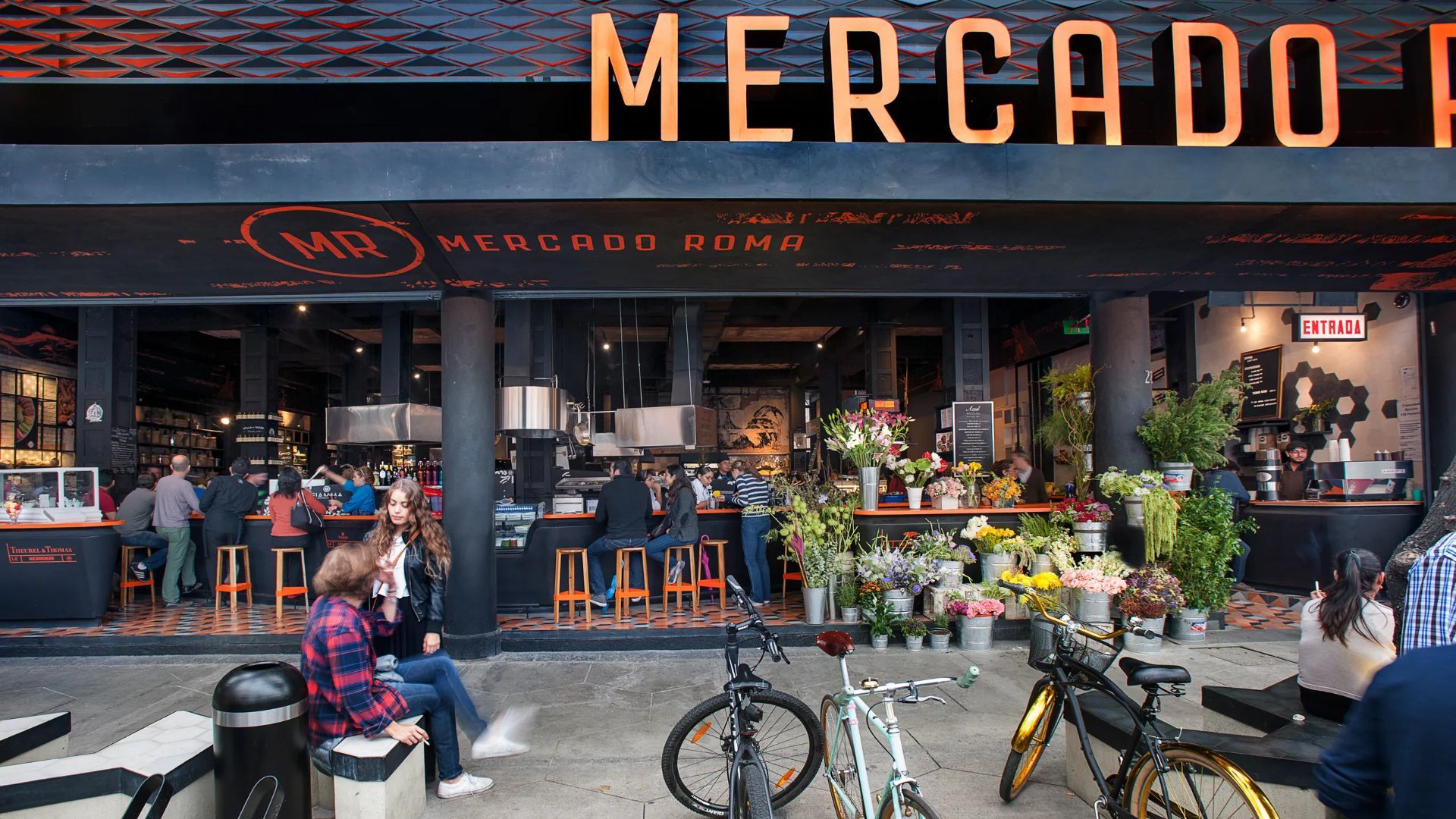
## Description Mercado Roma is a leading example of Mexico City's modern food-market scene, prized for its curated mix of stalls, pop-up kitchens, and social dining spaces. Unlike traditional markets focused primarily on produce or everyday goods, Mercado Roma positions itself as a food-hall destination where chefs and vendors express contemporary takes on Mexican and international cuisine. The result is a lively, social environment that suits sampling, grazing, and relaxed group meals. What distinguishes Mercado Roma is the way it balances high-quality small-scale vendors with casual, accessible seating and a design-forward interior. It has played an influential role in popularizing the food-hall concept in Mexico City, providing an incubator for emerging chefs and an entry point for visitors who want to taste multiple dishes in a single visit. The market also integrates drinks bars and specialty stalls—artisan chocolate, craft beer, and regional mezcal—which add depth beyond typical market fare. For travelers, Mercado Roma is both practical and pleasurable: you can try a range of flavors without committing to a full-service restaurant, and the market's location in the Roma neighborhood makes it an easy stop within a broader day of exploring galleries, parks, and design shops. ## Location Mercado Roma sits in the Roma neighborhood of Mexico City, an area known for tree-lined streets, boutique shops, and a strong café culture. The site is reachable by taxi, rideshare, metro, and bus; its walkable location makes it a natural meal stop while exploring Roma and nearby Condesa. Because the neighborhood is itself a destination, Mercado Roma is best visited as part of a larger walking itinerary that may include Parque España, Avenida Álvaro Obregón, and local galleries. The market's design and vendor mix also make it suitable for groups with varied tastes. ## Tips - Arrive with an appetite and try several small dishes rather than one main plate to sample a range of vendors. - Check whether vendors accept cards or require cash; having small bills simplifies transactions. - Visit during off-peak times if you prefer a quieter experience—late afternoon or midweek can be ideal. - Look for house specialties or vendor recommendations to get the best sense of the market's offerings. - If you want to sit, assess seating options early—some areas fill up quickly during peak meal times. - Pair a food stop at Mercado Roma with a neighborhood walk to experience Roma's architecture and shops. ## Conclusion Mercado Roma offers a flexible, flavorful way to engage with Mexico City's culinary scene. It works as a solo stop, a casual meal with friends, or part of a longer neighborhood exploration. For travelers who value variety and local innovation, the market is a convenient, modern expression of Mexico City's evolving food culture. ## FAQ ### Is Mercado Roma a traditional market? Not in the conventional sense—it's curated and contemporary, focused on food and social dining rather than everyday groceries. ### Can I find both Mexican and international food there? Yes. The market's vendor mix intentionally includes traditional Mexican dishes alongside modern and international flavors. ### Is it expensive? Prices vary by vendor; while some items can be pricier than street food, the quality and variety make it a good option for sampling. ### How much time should I plan? Plan for at least an hour to sample a few dishes; 2–3 hours makes for a more relaxed visit with time to explore the neighborhood. ### Is it good for solo travelers? Yes—the format is particularly convenient for solo visitors who want to taste multiple items without committing to a full meal. ## Links - [Official website](https://mercadoroma.com/)
GemVoyage Team • World
Cape Town
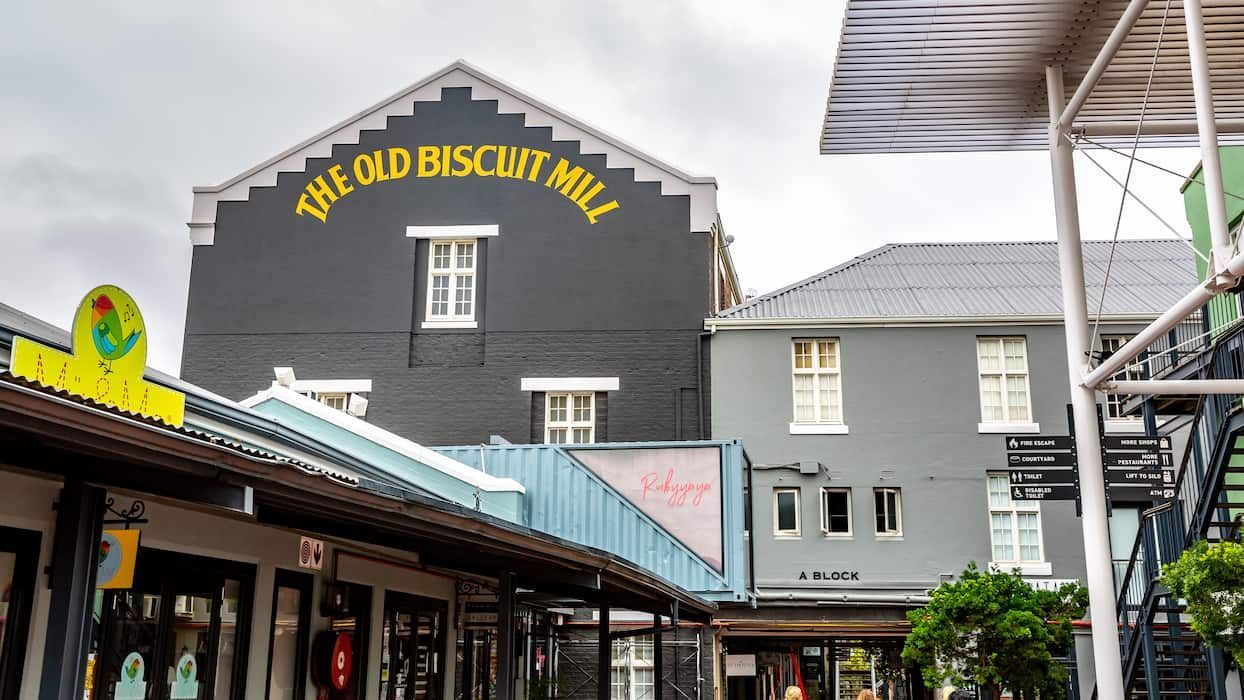
## Description The Old Biscuit Mill Market is one of Cape Town’s most recognizable weekend destinations because it combines food, design, shopping, and social energy in a way that feels distinctly local. Set in Woodstock, the market has a lively, urban character that sets it apart from coastal or postcard-style tourist attractions. People come here to eat well, browse creatively, and enjoy a scene that feels rooted in Cape Town’s contemporary culture. The market’s appeal lies partly in its setting. The Old Biscuit Mill itself is part of an industrial heritage landscape, which gives the whole area a textured, repurposed feel. That backdrop matters because it makes the experience feel more authentic than a generic pop-up market. You are not just walking through stalls. You are moving through a place where old industrial buildings have been adapted for a new city rhythm. One little-known fact is that the area helped shape Woodstock’s reputation as a creative and entrepreneurial neighborhood. Another is that the market often serves as a meeting point for both residents and visitors, which gives it a mixed energy that feels social without being superficial. Food is usually the biggest draw. You can find breakfast, brunch, fresh produce, artisanal products, baked goods, coffee, and a range of prepared dishes that reflect Cape Town’s diversity. But even if you arrive mainly for eating, it is worth staying long enough to explore the design and craft side too. Clothing, home goods, accessories, and small creative brands often make the market feel broader than a simple food hall. For visitors, the market works best as an experience rather than a quick stop. It is animated, busy, and best enjoyed when you are willing to browse, taste, sit down, and maybe circle back for another look. The energy is one of its strongest assets. On a good weekend morning, it feels like a concentrated snapshot of Cape Town’s urban lifestyle, with enough variety to satisfy both casual visitors and people who want to discover local makers. ## Location The Old Biscuit Mill Market is located in Woodstock, Cape Town, Western Cape, South Africa, in an area just east of the city center. Woodstock has become one of Cape Town’s most interesting urban districts, and the market sits within easy reach of the central business area as well as other inner-city neighborhoods. The simplest way to get there is by ride-hailing service, taxi, or private car. Parking may be available nearby, but a direct ride often makes the visit easier, especially on busy market days. If you are staying in central Cape Town, the journey is short enough that you can comfortably plan a morning visit and still have the rest of the day for other sights. Weekend visits are usually the sweet spot. The market is most alive then, and the surrounding neighborhood tends to feel especially active. Arriving earlier in the day gives you the best selection and the most breathing room before peak crowds build. ## Tips - Arrive early if you want the best food choices and a less crowded experience. - Bring both cash and card options, since different vendors may prefer different payment methods. - Start with food before shopping so you can explore without carrying too much. - Leave time to walk around Woodstock beyond the market itself. The neighborhood adds context to the visit. - If you are going with a group, agree on a meeting point because the market can get busy enough to split people up. ## Conclusion Old Biscuit Mill Market is one of Cape Town’s best places to spend a lively weekend morning, especially if you enjoy food, design, and a distinctly urban local atmosphere. It is casual, creative, and full of movement. ## FAQ ### Is the market only about food? No. Food is a major draw, but the market also includes design, crafts, and lifestyle shopping, which makes it broader and more interesting than a food-only venue. ### When is the best time to visit? Weekend mornings are usually best. That is when the market has the strongest energy and the widest range of visitors and vendors. ### Is it family-friendly? Yes. The market environment is social and lively, and families often find it easy to browse and eat there together. ### Can I visit if I am staying in central Cape Town? Definitely. Woodstock is close enough to make the market an easy half-day outing. ## Links - [Old Biscuit Mill official website](https://www.theoldbiscuitmill.co.za/)
GemVoyage Team • World

Comments