GemVoyage Team • World
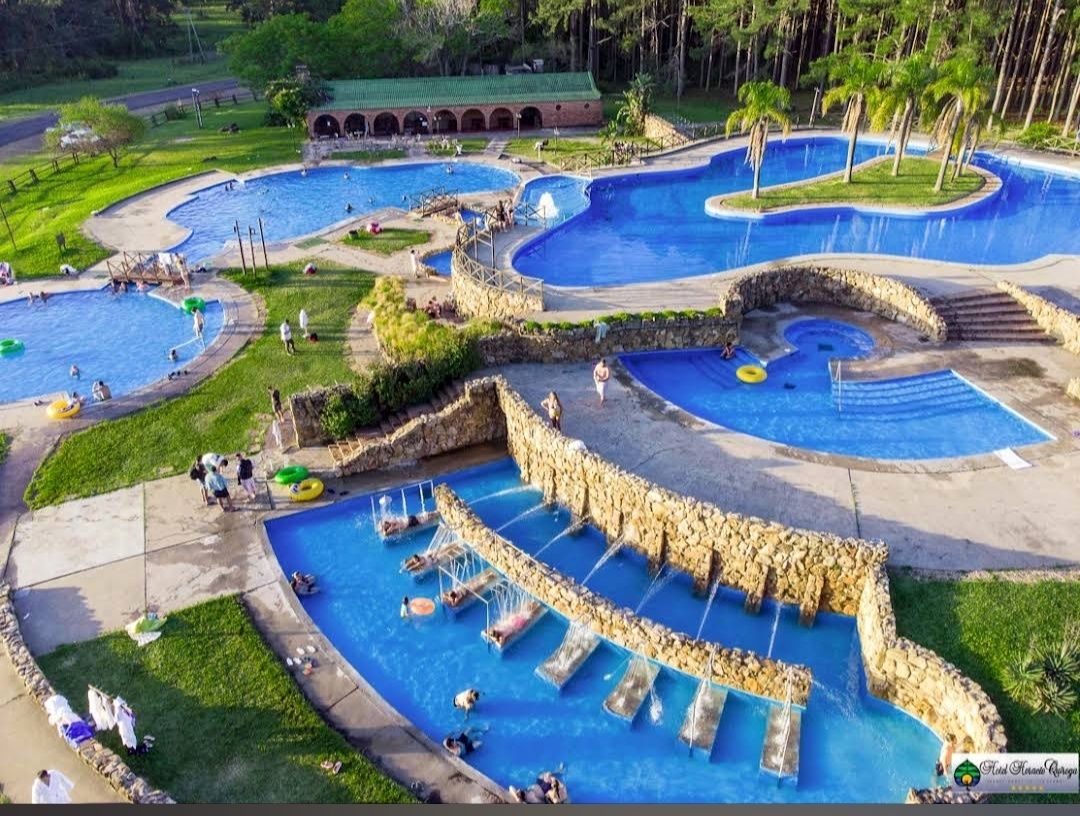
Parque Aquático Termas de Salto Grande is one of Uruguay’s most popular thermal water parks, offering a unique blend of relaxation, recreation, and family fun. Located near the Salto Grande Dam, the park is famous for its naturally heated pools, which are fed by underground hot springs rich in minerals. These thermal waters are believed to have therapeutic properties, making the park not just an entertainment venue but also a wellness destination.
The park features a variety of attractions, including outdoor and indoor pools, water slides, jacuzzis, and dedicated children’s areas. Families can enjoy thrilling rides while others unwind in the warm, soothing waters. The design of the park strikes a balance between leisure and adventure, making it suitable for visitors of all ages.
Little-known facts:
---
Parque Aquático Termas de Salto Grande is located in the city of Salto, in northwestern Uruguay, within the Salto Department. The park lies just a few kilometers from the Salto Grande Dam, which sits on the Uruguay River and borders Argentina.
---
---
Parque Aquático Termas de Salto Grande combines the thrill of a water park with the healing benefits of natural hot springs. Whether you’re seeking wellness, family fun, or just a relaxing escape, the park delivers an experience that is both entertaining and rejuvenating. With its unique thermal waters, diverse facilities, and prime location near Salto Grande, it’s one of Uruguay’s standout destinations.
---
1. What makes Parque Aquático Termas de Salto Grande special?
Its natural thermal pools, therapeutic waters, and mix of fun attractions like slides and jacuzzis make it a unique destination in Uruguay.
2. Is it family-friendly?
Yes, the park has areas designed specifically for children, making it a great choice for families.
3. What is the water temperature in the pools?
The thermal water ranges between 38°C and 46°C, depending on the pool.
4. Do I need to bring my own food?
The park has on-site restaurants and snack bars, but visitors can also bring their own food if they prefer.
5. Can I visit from Argentina?
Yes, the park is very close to the border with Argentina, and many visitors come via the Concordia–Salto bridge.
6. How much time should I plan for my visit?
Most visitors spend at least half a day, but a full day allows you to enjoy both relaxation and water attractions.
---
Discover more hidden gems you might love.
Zagreb
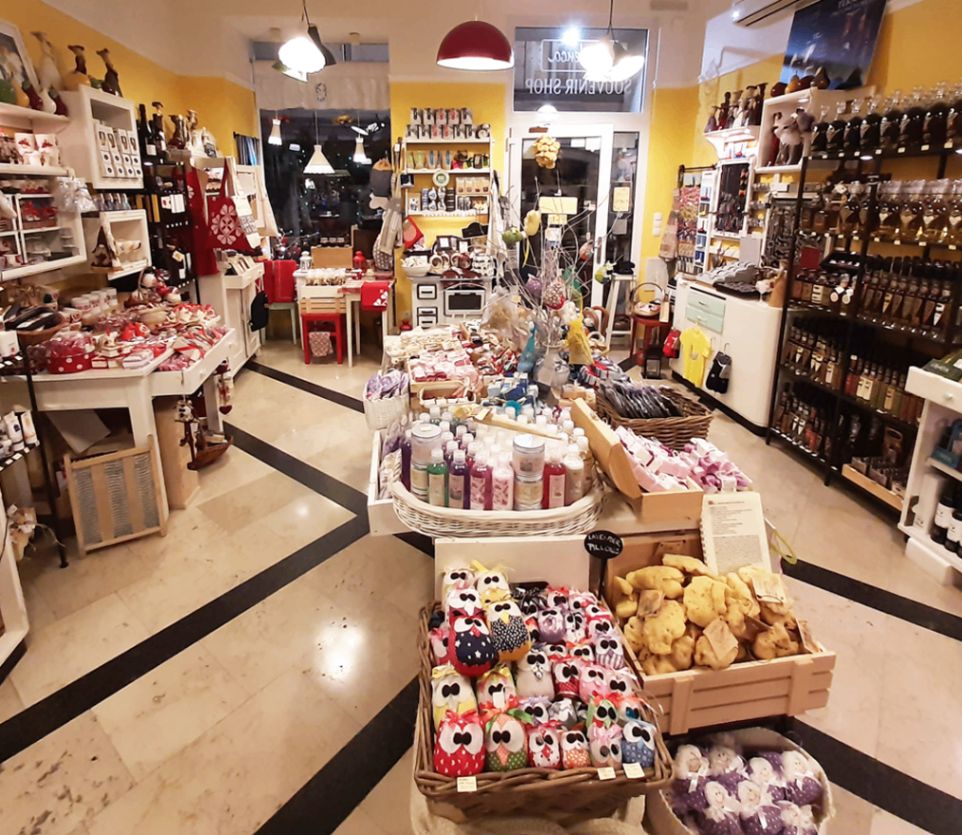
## Description **Kredenca gift shop** in Zagreb is more than just a souvenir store—it’s a showcase of authentic Croatian craftsmanship and flavors. Unlike typical tourist shops filled with mass-produced trinkets, Kredenca offers carefully curated items that represent the country’s rich cultural and culinary heritage. The shop specializes in traditional products like handmade ceramics, natural cosmetics, artisanal chocolates, honey, truffle-infused delicacies, and wines from various Croatian regions. Every item is selected to reflect the uniqueness of Croatia’s traditions and landscapes. One of the little-known facts about Kredenca is that it often collaborates directly with small local producers and family-run farms. This means that by buying something here, visitors are directly supporting Croatian artisans and preserving centuries-old skills. Another charming detail is that the store name “Kredenca” refers to a traditional kitchen cupboard found in Croatian homes, symbolizing a warm, welcoming, and authentic atmosphere. --- ## Location Kredenca is located in **Zagreb**, the capital city of **Croatia**, situated in the **Continental region** of the country. The shop sits right in the heart of the city at **Radićeva Street**, a lively pedestrian zone that connects Ban Jelačić Square with the historic Upper Town. This makes it a convenient stop for anyone exploring Zagreb’s main attractions, such as St. Mark’s Church, Dolac Market, or Tkalčićeva Street. ### How to get there: * If you’re already in the city center, the shop is just a short **walk from Ban Jelačić Square** (about 2–3 minutes). * Travelers arriving by tram can use any line that stops at Ban Jelačić Square and continue on foot. * For those coming from the central train or bus station, it’s a quick tram ride followed by a brief walk. --- ## Tips * **Look beyond souvenirs**: While there are charming trinkets and crafts, the highlight is the **food and drink section**. Many visitors recommend taking home a bottle of Croatian wine, locally made rakija (fruit brandy), or a jar of lavender honey. * **Ask for recommendations**: The staff are known for their friendliness and knowledge—they’ll happily explain the origins of products and suggest the best gifts depending on your budget. * **Taste before you buy**: Some products, especially wines, olive oils, and chocolates, may be available for tasting. Don’t hesitate to ask. * **Visit during weekdays**: The shop can get busy during weekends when tourists flock to the Upper Town. Weekdays usually offer a calmer shopping experience. * **Bring some extra space in your luggage**: Many of the items, like bottles and jars, are best carried in checked baggage if you’re flying home. --- ## Conclusion Kredenca isn’t just a place to pick up a souvenir—it’s a destination that captures the spirit of Croatia in every product it sells. With its mix of artisanal foods, handmade crafts, and unique keepsakes, the shop offers visitors a chance to take home more than just a memory; it’s a way to carry a piece of Croatia’s heritage with you. Whether you’re looking for a thoughtful gift or a treat for yourself, Kredenca is a must-visit while exploring Zagreb. --- ## FAQ **1. What makes Kredenca different from other souvenir shops in Zagreb?** Kredenca focuses on authentic, locally produced items rather than mass-produced souvenirs, giving you a true taste of Croatian culture. **2. Does the shop only sell food and drinks?** No. While food and drinks are highlights, the shop also carries handmade ceramics, natural cosmetics, traditional textiles, and more. **3. Can I sample products before purchasing?** Yes, some items such as wines, olive oils, or chocolates are available for tasting, depending on the day and stock. **4. Is Kredenca located near major attractions?** Yes, it’s right off Ban Jelačić Square, within walking distance of Dolac Market, Tkalčićeva Street, and the Upper Town. **5. Are the products suitable as gifts to bring abroad?** Absolutely—many items are travel-friendly, though it’s best to pack liquids and fragile items in checked luggage if you’re flying. **6. Do they accept credit cards?** Yes, Kredenca accepts major credit cards in addition to cash, making purchases easy for international visitors. --- ## Links * [Official Kredenca Website](https://www.kredenca.com/)
GemVoyage Team • World
Paris
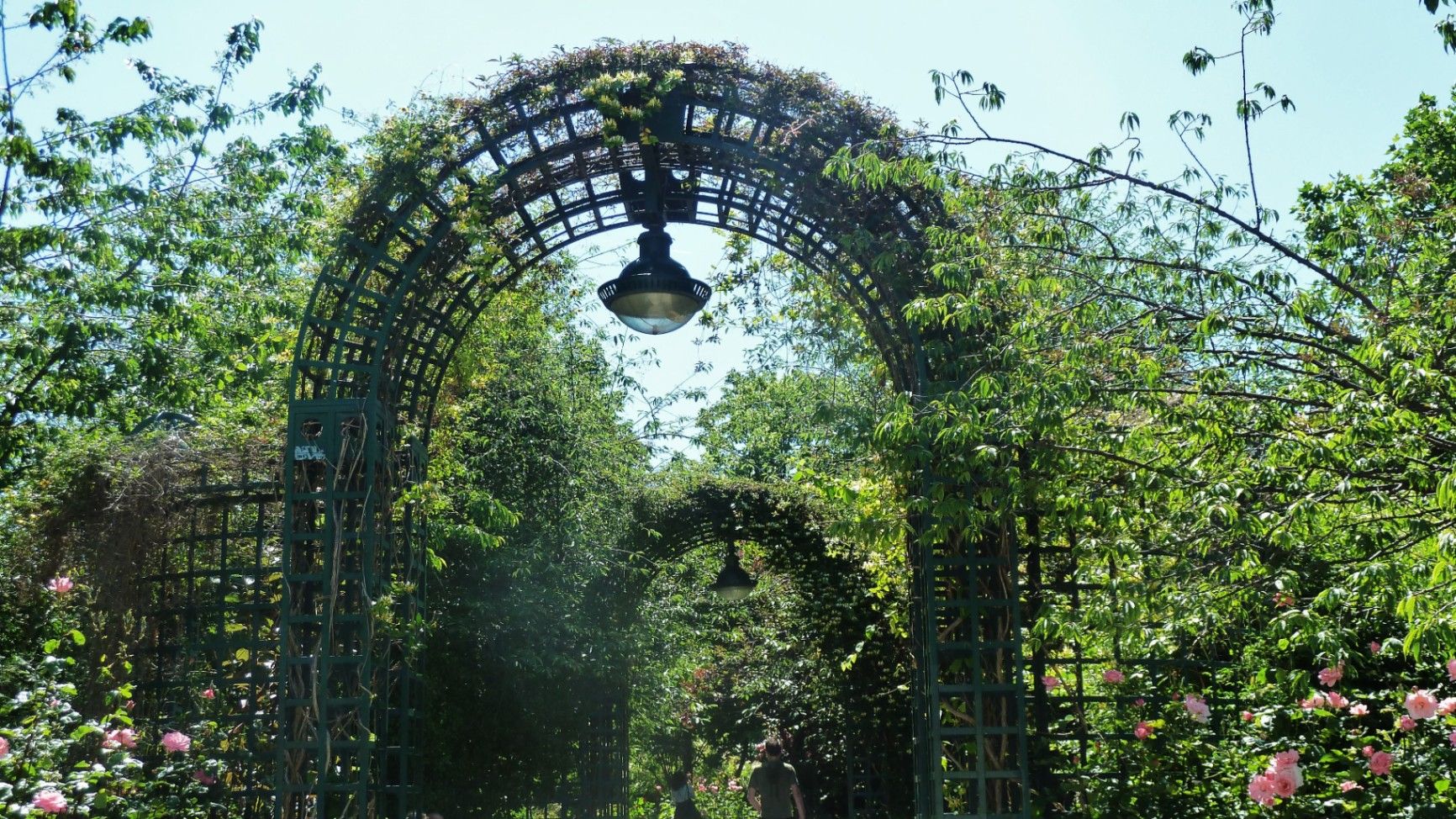
## Description The **Coulée Verte René-Dumont** is one of Paris’s most quietly transformative urban landscapes: a **4.7-kilometer elevated green corridor** built on a former 19th-century railway viaduct. Long before New York’s High Line became famous, Paris had already pioneered the idea of reclaiming industrial infrastructure and turning it into a **linear park suspended above city streets**. Opened in **1993**, the Coulée Verte stretches across eastern Paris, offering a continuous ribbon of trees, gardens, pergolas, tunnels, and walkways that float above neighborhoods, rooftops, and traffic. Rather than being a monumental tourist attraction, its strength lies in its **subtle intimacy**. The path winds between apartment balconies, over narrow streets, through shaded cuttings, and across stone viaducts, allowing visitors to experience Paris from an **unexpected vertical perspective**. The design philosophy of the park is deeply rooted in **soft landscaping rather than formal symmetry**. Instead of wide lawns or dramatic vistas, the Coulée Verte contains **layered vegetation, winding paths, seasonal flowers, bamboo groves, climbing roses, and shaded benches**. This makes it feel more like a secret garden than a grand urban park. One of the most remarkable architectural features of the route is the **Viaduc des Arts**, where the park runs along a series of brick arches originally built for railway use. Beneath these arches now sit artisan workshops, design studios, galleries, instrument makers, and boutique craftspeople. This dual-level experience—**green tranquility above and creative commerce below**—is one of the Coulée Verte’s defining identities. Unlike Paris’s grand axial parks such as the Tuileries or Luxembourg Gardens, the Coulée Verte offers a **continuously shifting urban narrative**. At one point, you are enclosed in forest-like silence; minutes later, you emerge into balcony-lined streets where residents drink coffee just meters away from your path. This creates an emotional tension between **privacy and exposure**, urban density and botanical escape. A little-known fact is that the park is named after **René Dumont**, a pioneering French agronomist and environmentalist who was also **France’s first Green Party presidential candidate**. The naming itself reinforces the park’s identity not just as a recreational space, but as a **symbol of ecological urban thinking**. Another little-known detail is that parts of the route pass directly behind residential buildings at eye level, leading to long-standing unspoken etiquette between walkers and residents regarding privacy. Today, the Coulée Verte is used daily by **joggers, dog walkers, commuters, couples, photographers, and elderly residents**, each group engaging with the space differently depending on time of day. Mornings are quiet and rhythmical. Afternoons bring families and visitors. Evenings soften into slow movement, conversation, and golden-hour light filtering through leaves onto brick and stone. The Coulée Verte does not dominate Paris visually or symbolically. Instead, it **slips through the city like a green seam**, quietly stitching nature into urban density. ## Location The **Coulée Verte René-Dumont** runs through the **12th arrondissement of Paris**, beginning near **Opéra Bastille** and extending eastward toward the **Périphérique (city ring road)**. **City:** Paris **Region:** Île-de-France **Country:** France **Primary Arrondissement:** 12th **Main Entrance Area:** Near Bastille and Avenue Daumesnil ### How to Get There: * **By metro:** * **Line 1, 5, or 8** to **Bastille Station** * **Line 6 or 8** to **Daumesnil Station** * **By RER:** **RER A** to **Nation Station**, then walk. * **By bus:** Multiple lines serve Avenue Daumesnil and the surrounding streets. * **By bicycle:** Easy access from eastern Paris cycle lanes. * **On foot:** Ideal as part of a walking route between Bastille, Bercy, and Nation. Multiple staircases and ramps provide access at different points along the route. ## Tips * **Walk the full length if possible:** The character of the park changes dramatically from west to east. * **Visit in spring or early autumn:** Vegetation is at its best and temperatures are comfortable. * **Early mornings are best for solitude:** Especially on weekdays. * **Evenings are best for atmosphere:** Soft lighting and slower rhythms dominate. * **Respect residential privacy:** Some sections run directly past apartment windows. * **Combine with Viaduc des Arts shopping:** The artisan shops beneath the arches are worth exploring. * **Bring water:** There are few vendors directly on the elevated path. * **Not ideal for fast cycling:** The path is narrow and shared heavily with pedestrians. ## Conclusion The **Coulée Verte René-Dumont** is not loud, monumental, or iconic in the traditional Parisian sense. Its power lies in **subversion and continuity**—a quiet green artery that transforms obsolete railway infrastructure into a flowing garden above the city. It offers a Paris of **movement, transition, and subtle beauty**, experienced not through grand monuments, but through shifting light, layered leaves, and elevated urban silence. ## FAQ **1. What is the Coulée Verte René-Dumont?** It is an **elevated linear park** built on an abandoned railway line in eastern Paris. **2. Is the Coulée Verte free to access?** Yes. It is **completely free and open to the public**. **3. How long does it take to walk the full route?** A full walk typically takes **1 to 1.5 hours** at a relaxed pace. **4. Is it similar to the High Line in New York?** Yes in concept, but the Coulée Verte is **older, greener, and more intimate** in character. **5. Is the park suitable for children?** Yes. It is widely used by families, though supervision is required in elevated or narrow sections. **6. Are there cafés or shops along the route?** Not directly on the path, but many cafés and bakeries are located at street level nearby. ## Links * [Paris City Guide](https://parisjetaime.com/eng/)
GemVoyage Team • World
Tokyo
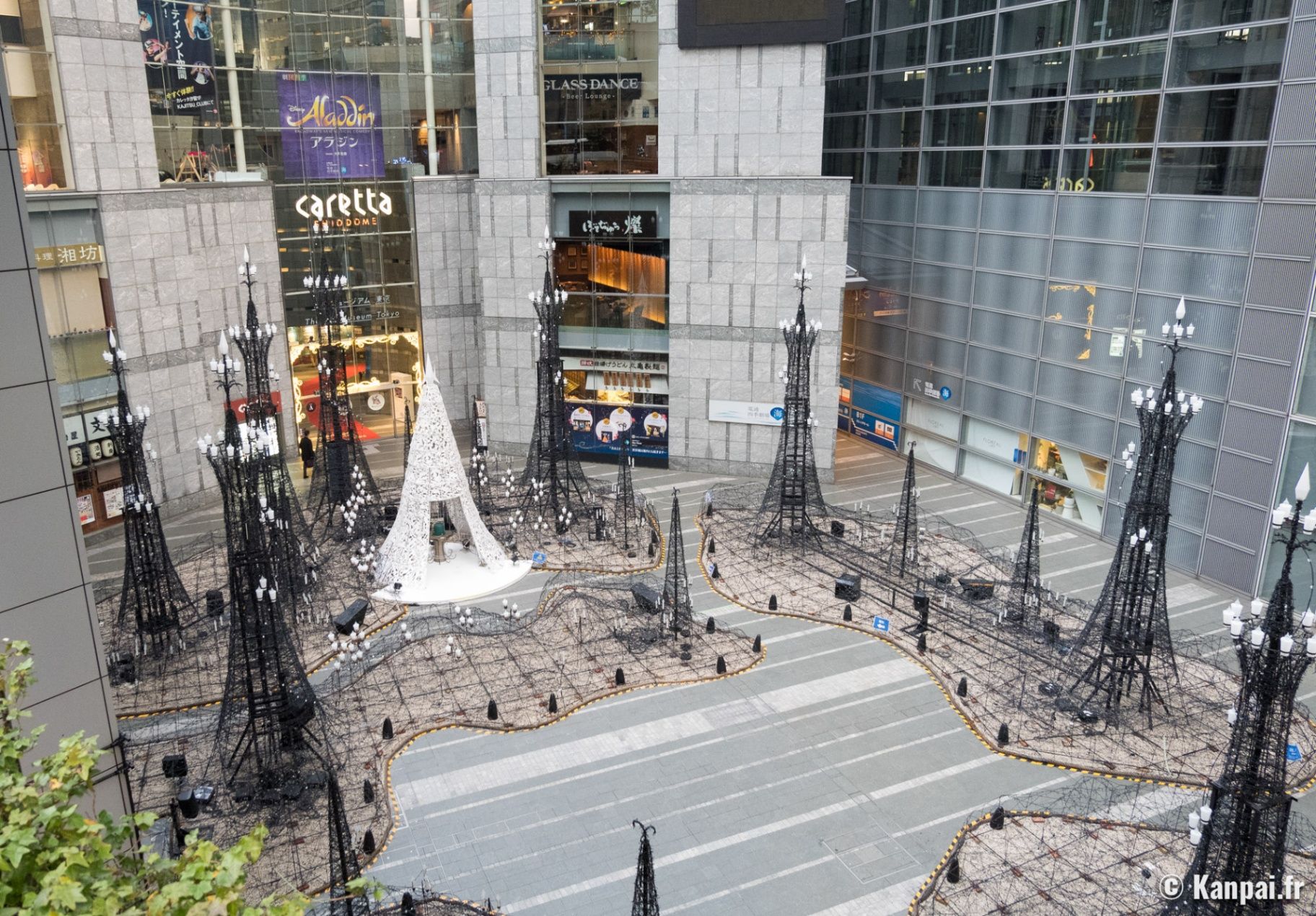
## Description **Caretta Shiodome (カレッタ汐留)** is a striking skyscraper complex in the **Shiodome district** of **Tokyo**, Japan, that perfectly embodies the city’s modern sophistication and cultural vibrancy. Rising 51 stories above the bustling streets of Minato Ward, this landmark blends **shopping, dining, art, and entertainment** into one of Tokyo’s most polished urban experiences. Opened in **2002**, Caretta Shiodome is part of the Shiodome redevelopment project that transformed an old railway yard into a futuristic business and leisure zone. Inside, visitors will find an elegant mix of **restaurants, boutique shops, a theater, a museum, and panoramic observation areas** — all designed with contemporary style and efficiency. What makes Caretta Shiodome truly unique is its seamless combination of **commerce and culture**. It houses the **Caretta Shiodome Sky View**, an observation area on the 46th floor offering spectacular views of Tokyo Bay, Odaiba, and the Rainbow Bridge. The complex is also home to the **Advertising Museum Tokyo (ADMT)**, Japan’s only museum dedicated to the history of advertising — a fascinating and often overlooked gem that reveals how Japanese media and design evolved over the decades. Another standout feature is the **Caretta Illumination**, one of Tokyo’s most beloved **winter light displays**. Each year, from November through February, the plaza outside the building is transformed into a glittering wonderland of over **250,000 LED lights**, synchronized to music. It attracts couples, photographers, and families alike, and has become a symbol of Tokyo’s festive season. A lesser-known fact is that Caretta Shiodome’s name, “Caretta,” is derived from *Caretta caretta*, the Latin name for the **loggerhead sea turtle**, symbolizing endurance, longevity, and connection to the ocean — an apt metaphor for Tokyo’s harmony between progress and nature. ## Location Caretta Shiodome is located in the **Shiodome district** of **Minato Ward**, **Tokyo, Japan**. It sits within the Shiodome City Center area, just a short walk from **Shimbashi Station** and surrounded by major landmarks like the **Hamarikyu Gardens** and **Ginza**. To get there: * **By train:** * Take the **Toei Ōedo Line** or **Yurikamome Line** to **Shiodome Station** (direct underground access). * Alternatively, take the **JR Yamanote Line** or **Tokyo Metro Ginza Line** to **Shimbashi Station**, and walk about **5 minutes** via underground passages. * **By foot:** It’s a pleasant 10-minute walk from **Ginza** or **Tsukiji** areas. * **By car:** Paid parking is available in the basement levels, though public transport is highly recommended due to central Tokyo traffic. ## Tips * **Visit during the evening:** Especially in winter, when the **Caretta Illumination** lights up the plaza with dazzling colors and music. * **Go up to the 46th or 47th floors:** For a **free panoramic view** of Tokyo Bay — one of the best free observation spots in the city. * **Dine with a view:** Restaurants like **Sky View Dining and Bar** or **KAIKAYA Shiodome** offer gourmet meals paired with sweeping skyline vistas. * **Visit the Advertising Museum Tokyo (ADMT):** Admission is free, and it’s an engaging stop for design enthusiasts and marketers. * **Combine with nearby attractions:** The **Hamarikyu Gardens** and **Ginza shopping district** are within walking distance. * **Check event schedules:** Seasonal exhibitions, performances, and cultural events are regularly held within the complex. * **Best time to visit:** Late afternoon to evening — explore the shops and museum first, then stay for dinner and the illumination. ## Conclusion **Caretta Shiodome** is a shining example of modern Tokyo — a place where art, architecture, and lifestyle converge high above the city streets. From its world-class restaurants and free observation decks to its mesmerizing light displays and creative museum, it offers something for everyone. Whether you’re looking to dine with a skyline view, learn about Japan’s advertising culture, or simply soak in the illuminated atmosphere of Tokyo at night, Caretta Shiodome delivers a distinctly urban yet deeply memorable experience. ## FAQ **1. What is Caretta Shiodome?** It’s a high-rise complex in Tokyo that features **shopping, dining, a theater, the Advertising Museum Tokyo, and seasonal events** like the Caretta Illumination. **2. Where is it located?** At **1-8-2 Higashi-Shimbashi**, **Minato-ku**, **Tokyo**, within walking distance from **Shiodome Station** and **Shimbashi Station**. **3. Is there an observation deck?** Yes — the **Sky View on the 46th and 47th floors** offers **free access** to stunning views of Tokyo Bay and the skyline. **4. What is the Caretta Illumination?** A famous **winter light display** that transforms the plaza into a sea of LED lights, usually from **November to February** each year. **5. Is the Advertising Museum Tokyo free?** Yes, **entry is free**, and it’s a must-visit for those interested in Japanese advertising, pop culture, and design history. **6. Are there restaurants with views?** Yes, several high-end restaurants and bars offer panoramic dining experiences overlooking Tokyo Bay and the Shiodome area. ## Links * [Official Caretta Shiodome Website](https://www.caretta.jp/foreign/index)
GemVoyage Team • World
Tokyo
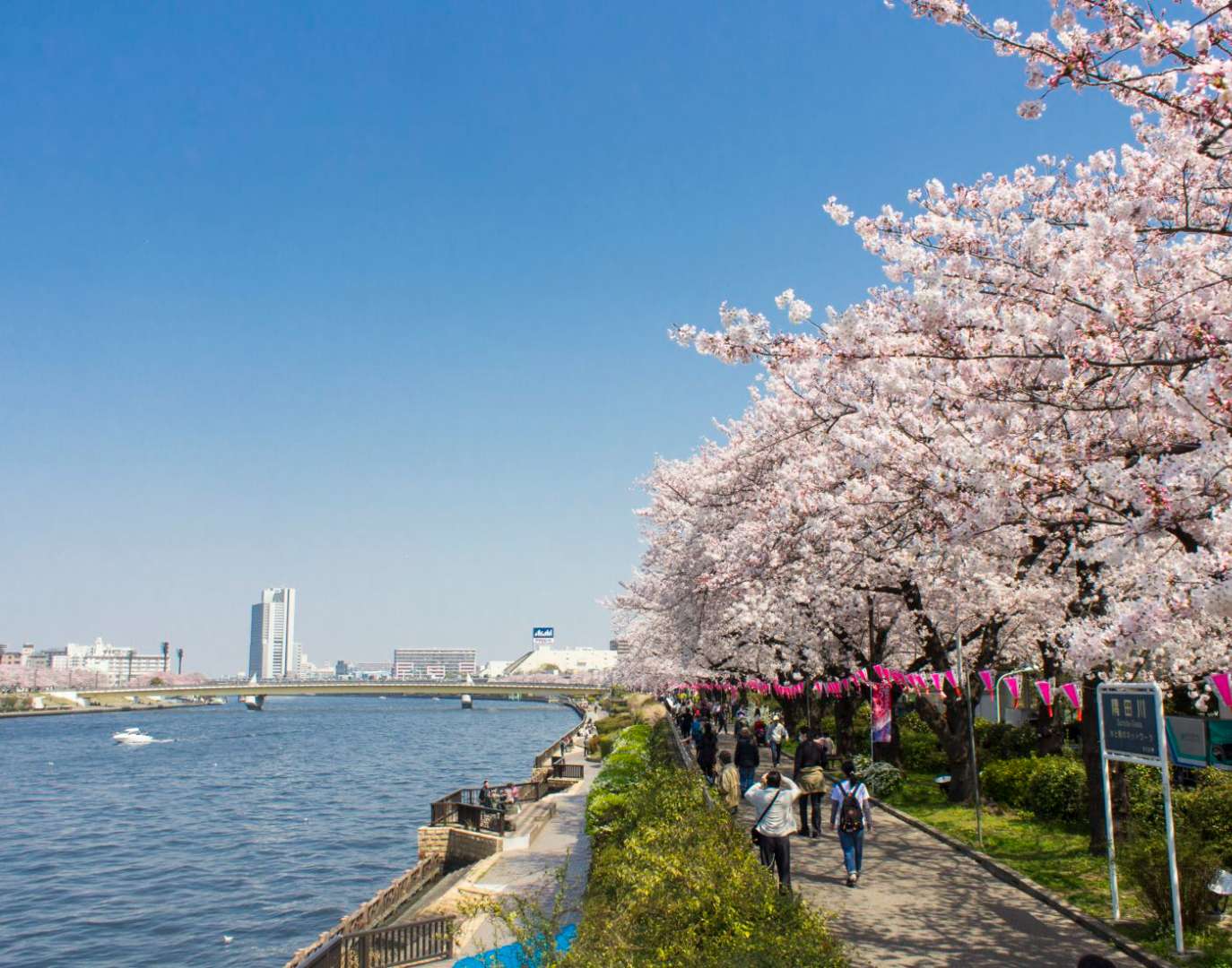
## Description Sumida Park is a serene riverside oasis in the heart of Tokyo, offering a refreshing contrast to the city’s fast-paced urban energy. Stretching along both banks of the Sumida River, the park is located between the Azumabashi and Sakurabashi bridges and provides stunning views of the Tokyo Skytree rising above the skyline. It’s a favorite spot for locals and tourists alike, especially during spring when the park transforms into one of Tokyo’s most celebrated cherry blossom viewing locations. The park’s history dates back to the Edo period, when the riverbanks were popular gathering spots for hanami (cherry blossom viewing), festivals, and leisurely strolls. Today, Sumida Park continues that tradition with over 600 cherry trees lining the paths, creating a tunnel of blossoms that draws thousands of visitors each year. In summer, the park becomes a prime viewing location for the Sumida River Fireworks Festival, one of Japan’s oldest and most spectacular pyrotechnic displays. A little-known fact: the cherry trees in Sumida Park were planted under the orders of shogun Tokugawa Yoshimune in the 18th century, making the park not only a natural retreat but also a living piece of Tokyo’s cultural heritage. Another quirky detail is the nearby Asahi Beer Tower, visible from the park, which was designed to resemble a frothy mug of beer—a playful architectural nod to the area’s modern flair. ## Location Sumida Park is located in **Japan**, in the **Kanto region**, within the **city of Tokyo**. It spans the **Taito and Sumida wards**, with entrances near the historic Asakusa district and the Sumida River waterfront. ### How to Get There - **By Train**: The park is a five-minute walk from Asakusa Station, served by the Ginza Line, Asakusa Line, Tobu Isesaki Line, and Tsukuba Express. - **By Bus**: Several local buses stop near Asakusa and Sumida Park. - **By Water Bus**: The Tokyo Water Bus docks near the park and offers scenic rides to destinations like Odaiba and Hamarikyu Gardens. - **By Foot or Bike**: The park is easily accessible from nearby neighborhoods and is ideal for walking or cycling along the river. Its central location makes it a convenient stop during a day of sightseeing in eastern Tokyo. ## Tips - **Visit During Cherry Blossom Season**: Late March to early April is peak bloom time. Arrive early to avoid crowds and secure a good picnic spot. - **Stay for the Fireworks**: If visiting in late July, plan to attend the Sumida River Fireworks Festival. Arrive hours in advance for a good viewing location. - **Bring a Camera**: The park offers excellent photo opportunities, especially with Tokyo Skytree in the background. - **Explore Both Sides of the River**: Cross the Sakurabashi pedestrian bridge to enjoy views from both banks. - **Pack a Picnic**: There are no large restaurants inside the park, but nearby Asakusa has plenty of takeout options. - **Check for Events**: Seasonal festivals and cultural performances are often held in the park—check local listings for details. ## Conclusion Sumida Park is a tranquil yet culturally rich destination in Tokyo, offering scenic river views, seasonal beauty, and a deep connection to the city’s history. Whether you're admiring cherry blossoms, watching fireworks, or simply enjoying a quiet walk, the park provides a memorable escape in the heart of the metropolis. ## FAQ **1. Is there an entrance fee to Sumida Park?** No, the park is free and open to the public year-round. **2. When is the best time to visit Sumida Park?** Spring (late March to early April) for cherry blossoms and summer (late July) for the fireworks festival. **3. Are there restrooms and facilities in the park?** Yes, there are public restrooms and seating areas throughout the park. **4. Can I bring pets to Sumida Park?** Yes, pets are allowed but should be kept on a leash and cleaned up after. **5. Is the park wheelchair accessible?** Most paths are flat and accessible, though some areas may have uneven terrain. **6. Are there guided tours available?** While not specific to the park, many Asakusa walking tours include Sumida Park as part of their itinerary. ## Links - [Sumida Park – Japan National Tourism Organization](https://www.japan.travel/en/spot/2114/)
GemVoyage Team • World
Seoul
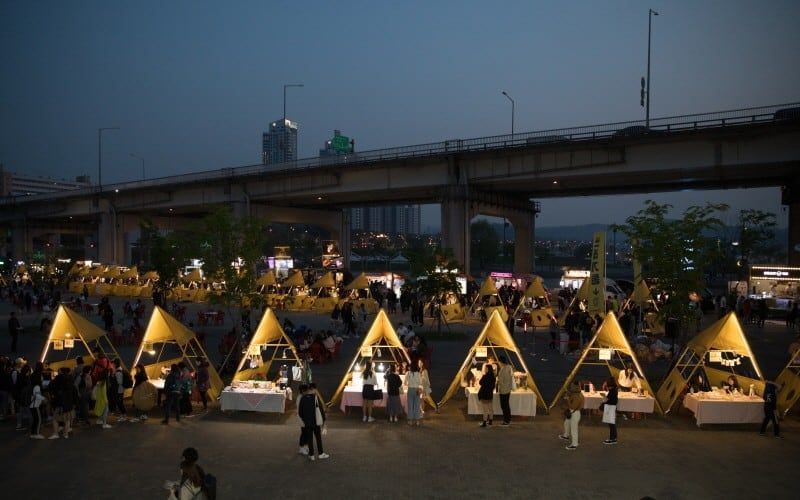
## Description Seoul Bamdokkaebi Night Market is a seasonal night-market program that animates several Han River parks across the city with pop-up vendors, street food stalls, live music, and family-friendly programming. At its core the market offers a curated taste of contemporary Korean street food culture: inventive snack stands, regional specialties, and small-batch artisanal sellers. The markets are deliberately ephemeral—open for limited dates during the warmer months—so each venue (Yeouido, Banpo, Dongjak, for example) develops its own nightly character based on local vendors and event partners. What makes Bamdokkaebi especially appealing is the riverside setting: many stalls sit on grassy banks with views across the river to Seoul’s skyline. That riverside backdrop, combined with stage performances and food trucks, creates a festival atmosphere that balances convenience with discovery. The markets are also a social hub for both residents and visitors—pick-up-and-go menus, picnic-style seating, and ambient lighting make it easy to linger. From a search-engine perspective, typical discoverability terms include "Bamdokkaebi Night Market dates", "Han River night market Seoul", and "Seoul street food market"—keywords that event pages and tourism guides often target. ## Location The program rotates through multiple Han River parks, with popular locations including Yeouido Hangang Park and Banpo Hangang Park. Each park has different entry points and transit connections: Yeouido is accessible via Yeouido Station (Line 5, Line 9), while Banpo Park is close to Express Bus Terminal Station (Line 3, Line 7, Line 9) or Sinbanpo Station on the Shinbundang Line. Check the official Bamdokkaebi schedule for current dates and the specific park hosting that night's market. Because the markets are temporary and sometimes move between sites season-to-season, verify the location and opening times on the Visit Seoul website or official event pages. Weekend nights and public holiday weekends are busiest, while midweek events can feel more relaxed. ## Tips - Check the schedule in advance: markets operate seasonally (commonly spring through autumn) and individual park dates vary. - Arrive early for popular vendors: must-try stalls can develop lines; arriving at opening time increases your chances of tasting signature items without a long wait. - Use public transit: subway and bus access is generally better than driving, as parking near parks is limited during events. - Bring a reusable bag and small change: while many vendors accept cards, cash and smaller denominations help for quick purchases and tipping. - Travel-light: markets are designed for strolling and picnicking—carry a light picnic blanket or sit on the provided benches. - Try local specialties: look for vendors offering regional street-food icons (tteokbokki, hotteok variations, seafood pancakes) alongside modern fusion snacks. - Respect local rules: keep the park clean by using recycling bins and follow any park restrictions on alcohol, fires, or amplified sound. ## Conclusion Bamdokkaebi Night Market is a seasonal, riverside way to sample Seoul’s inventive street-food scene in a lively, communal setting. It's ideal for travelers who enjoy casual dining, outdoor festivals, and a taste of local life. By checking schedules and arriving with a few practical items (cash, transit card, light jacket), visitors can maximize the experience and enjoy a variety of tastes across multiple nights if time allows. ## FAQ Q: When does Bamdokkaebi Night Market usually run? A: The market typically runs from spring to autumn on selected weekends and evenings; dates change yearly, so check the official Visit Seoul schedule. Q: Are pets allowed at the market? A: Policies vary by park; many Han River parks allow leashed dogs in common areas, but vendors or event-specific setups may restrict animals—check the event page. Q: Are there vegetarian or halal options? A: Yes—larger markets usually include vegetarian/vegan stalls and vendors who provide halal-friendly dishes; look for signage or ask vendors directly. Q: Is entry free? A: Yes—park access and market entry are free; you pay per vendor for food and goods. Q: What payment methods are accepted? A: Many vendors accept credit/debit cards and mobile payments; however, smaller stalls sometimes prefer cash—carry some small bills. ## Links - [Bamdokkaebi Night Market](https://www.visitseoul.net)
GemVoyage Team • World
Amsterdam
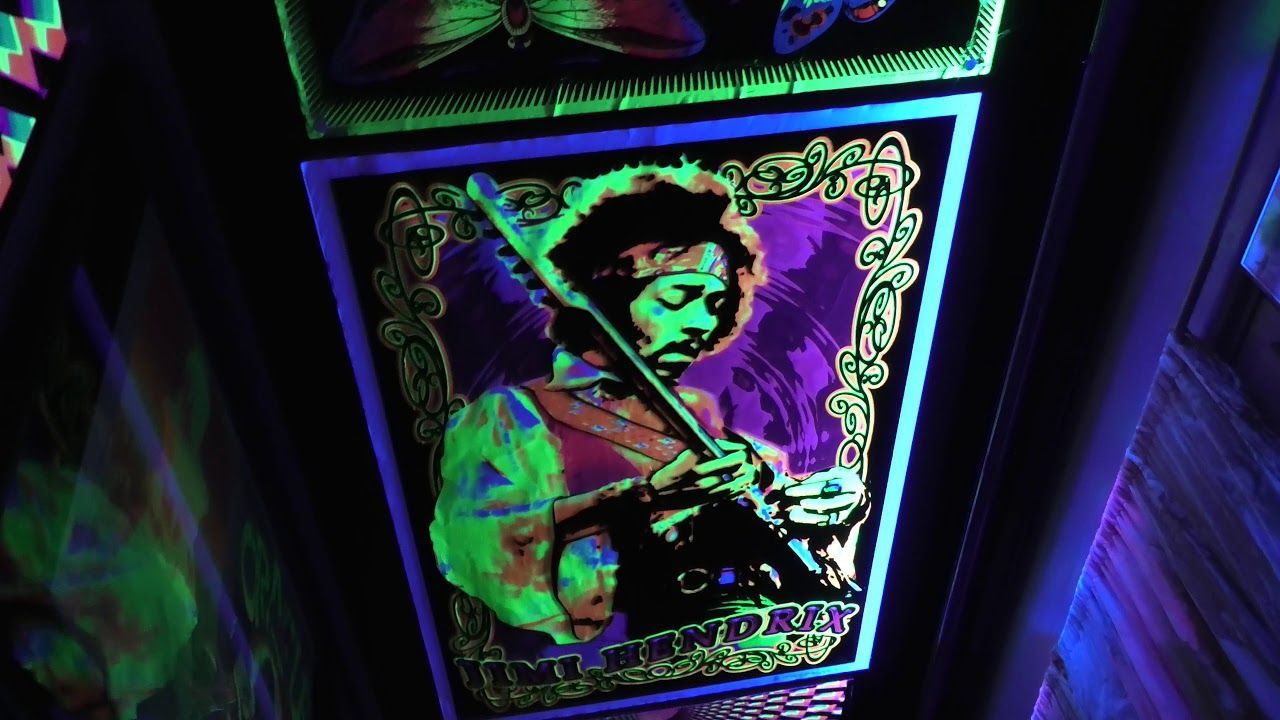
## Description Electric Ladyland Museum is one of Amsterdam’s most unusual attractions, and that is exactly why it stands out. Marketed as a museum of fluorescent art, it offers a highly specific experience centered on ultraviolet-reactive materials, immersive visual environments, and the playful boundaries between art, science, and perception. Unlike large mainstream museums, this is a niche destination with a strong point of view. For curious travelers, that makes it especially memorable. What gives the museum its appeal is its originality. Visitors do not come here for a broad survey of art history but for an encounter with a carefully curated world of glowing forms and sensory experimentation. A lesser-known fact is that Electric Ladyland has the distinction of being one of the few places devoted specifically to fluorescent art, making it unusual even in a city as creative as Amsterdam. Another detail many visitors enjoy is the hands-on, intimate scale of the museum: it feels personal and eccentric rather than institutional, which reinforces the sense that you are stepping into someone’s imaginative environment rather than a standard gallery. The museum works well for travelers who like small, offbeat experiences that break up a sightseeing schedule. It is especially good if you are interested in color, light, psychedelic visual culture, or the relationship between material and perception. The glowing displays can be surprisingly immersive, and because the concept is so focused, the visit is easy to remember long after you leave. This is not a museum you rush through. Its impact depends on letting the lighting and visual effects settle, and the experience is strongest when you approach it with curiosity rather than expectation. ## Location Electric Ladyland Museum is located in Amsterdam, North Holland, Netherlands, in the city’s central area. The exact setting is relatively modest compared with major institutions, which suits the museum’s intimate identity. Because Amsterdam is compact and walkable in many parts, it is usually easy to add the museum to a broader city route. The easiest way to get there is often on foot, by bicycle, or by public transport depending on where you are staying. Since the museum is smaller and more specialized than a major landmark, it is helpful to check entry details and opening arrangements in advance. That way you can avoid arriving at an inconvenient time or missing a guided or scheduled visit format if one applies. It works best when combined with other central Amsterdam activities, especially if you want to balance more conventional sightseeing with something genuinely unusual. ## Tips Check visit arrangements before you go. Small museums often have specific opening patterns or limited access. Do not expect a large collection. The value here is in the concept and atmosphere, not the number of rooms. Go if you like unconventional art experiences or visual phenomena. Allow yourself to spend time with the lighting effects rather than moving too quickly between spaces. Treat it as a complement to broader Amsterdam sightseeing, not as a whole-day destination. ## Conclusion Electric Ladyland Museum is one of Amsterdam’s most distinctive small attractions, offering a focused and memorable encounter with fluorescent art. It is ideal for travelers who want something creative, unusual, and unlike the city’s more standard museums. ## FAQ ### What is Electric Ladyland Museum about? It is dedicated to fluorescent art and immersive visual experiences created with ultraviolet-reactive materials. ### Is it a large museum? No. It is a smaller, more intimate attraction, which is part of its charm. ### Who will enjoy it most? Visitors who like experimental art, unusual museums, and sensory experiences will get the most out of it. ### Should I book ahead? That is often a good idea for small specialty museums, so checking current access information before visiting is wise. ## Links - [Electric Ladyland official site](https://www.electric-lady-land.com/)
GemVoyage Team • World

Comments