GemVoyage Team • World
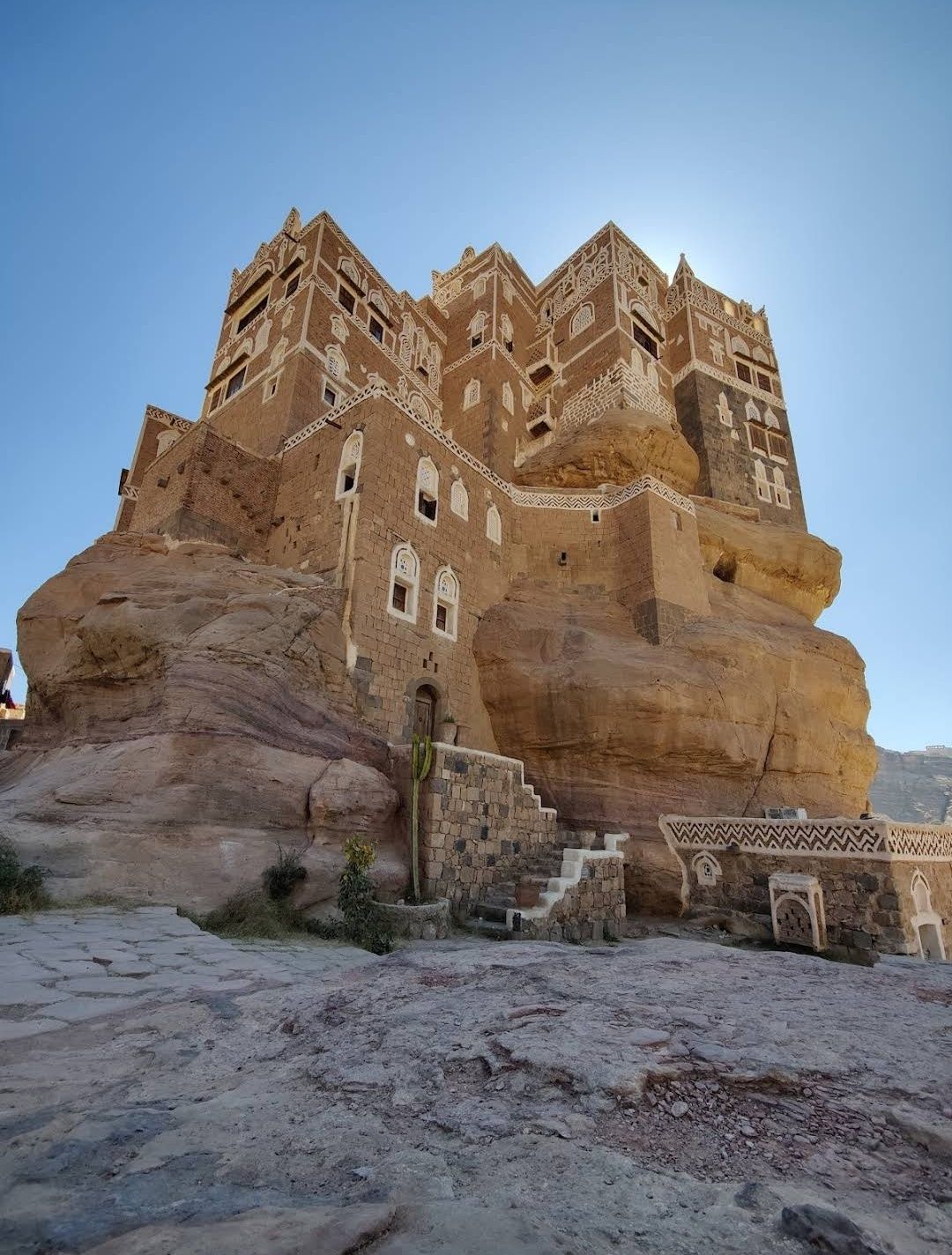
The Stone House in Sanaa is one of the most fascinating architectural wonders in Yemen’s capital. Built entirely from stone, this house reflects the deep-rooted traditions of Yemeni architecture, where natural materials, geometric patterns, and delicate carvings come together in harmony. What makes the Stone House truly unique is its ability to blend strength with elegance—its towering façade is decorated with white gypsum frames and intricate motifs that give it an almost fairy-tale appearance.
Unlike many modern buildings, the Stone House is more than just a residence; it represents centuries of history and cultural identity. One little-known fact about this landmark is that it was designed to adapt to the city’s climate: thick stone walls keep the house cool during Yemen’s hot summers and warm during the chilly winter nights. Another fascinating detail is that the windows are often covered with qamarīyah (colored stained glass), which not only filters light beautifully but also symbolizes prosperity and protection in Yemeni tradition.
The Stone House is located in Sanaa, the capital city of Yemen, within the region known as Old Sanaa. This UNESCO World Heritage Site is famous for its maze-like alleys, traditional markets (souqs), and iconic high-rise houses made of stone and mud brick. The Stone House is nestled among these historic buildings, making it an essential stop for anyone exploring the old city.
To reach Sanaa, international visitors usually arrive via Sanaa International Airport. From there, a short drive will take you to Old Sanaa, where most attractions—including the Stone House—are within walking distance. If you are already in the city, taxis are the most convenient way to get there, as public transportation can be limited and sometimes confusing for first-time travelers.
Visiting the Stone House can be an unforgettable experience if you plan properly. Here are some essential tips:
The Stone House in Sanaa is more than just an old building—it’s a living symbol of Yemeni history, culture, and artistry. Its unique stone architecture, stained glass windows, and cultural significance make it a must-see destination for travelers interested in heritage and history. Nestled in the heart of Old Sanaa, it offers an authentic glimpse into one of the world’s most remarkable historic cities.
1. What is the Stone House in Sanaa?
The Stone House is a traditional Yemeni building in Old Sanaa, made primarily of stone and decorated with gypsum and stained glass windows.
2. Why is the Stone House important?
It represents Yemeni architectural heritage and showcases how traditional designs were adapted to both climate and culture.
3. Can tourists visit the Stone House?
Yes, visitors can explore it along with other landmarks in Old Sanaa, though it is best to check travel advisories before planning a trip.
4. How old is the Stone House?
While the exact date of construction varies depending on the specific house, most traditional stone houses in Sanaa date back several centuries.
5. Is photography allowed inside the Stone House?
Photography of the building is usually allowed, but always be respectful and ask for permission if entering private areas.
6. How can I reach the Stone House from the airport?
From Sanaa International Airport, it’s about a 30-minute drive to Old Sanaa. Taxis are the most convenient way to get there.
Discover more hidden gems you might love.
Cairo
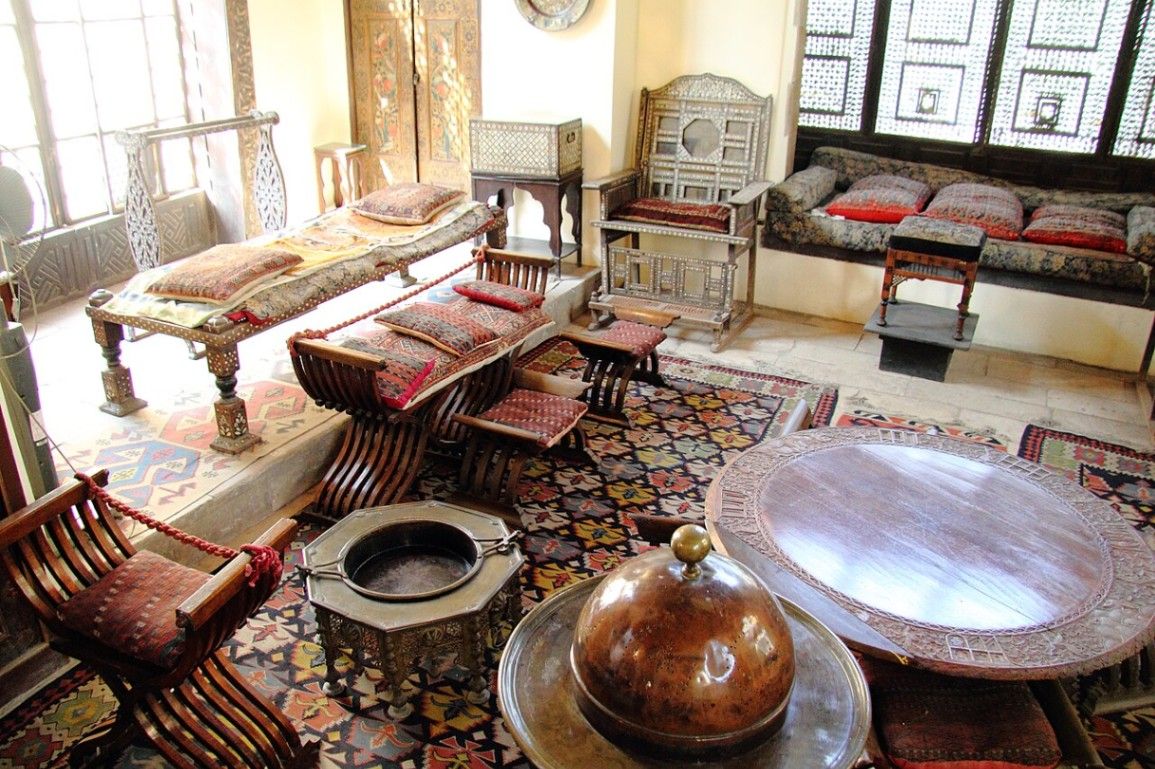
## Description Tucked away in the heart of historic **Cairo**, beside the magnificent **Ibn Tulun Mosque**, lies one of Egypt’s most enchanting and well-preserved heritage houses — the **Gayer-Anderson Museum** (Arabic: **بيت الكريتلية**, *Beit al-Kritliyya*). This remarkable museum offers a captivating journey into the world of **Islamic architecture, art, and domestic life**, transporting visitors back to the golden centuries of Cairo’s past. The museum is named after **Major R.G. Gayer-Anderson**, a British army officer, physician, and passionate collector who lived in Cairo in the 1930s. Fascinated by Egyptian and Islamic culture, he restored and furnished two adjoining 16th–17th century Ottoman-era houses — **Beit al-Kritliyya** and **Beit Amna bint Salim** — creating a living museum that preserves the elegance and sophistication of old Cairo homes. Inside, the museum unfolds as a labyrinth of **beautifully decorated rooms, wooden mashrabiya screens, marble courtyards, and intricately carved ceilings**. Each space tells a story: from the **Harem Room** with its intimate lattice windows, to the **Persian Room** adorned with exquisite carpets and calligraphy, and the **Damascus Room**, with its painted wood panels imported from Syria. The collection itself is a treasure trove — **antique furniture, carpets, glassware, manuscripts, Islamic ceramics, and artworks** gathered from Egypt, the Middle East, and beyond. One of the most striking displays is the **Pharaonic Room**, showcasing Gayer-Anderson’s fascination with ancient Egypt, including a replica of the famous **Gayer-Anderson Cat**, whose original is housed in the British Museum. A lesser-known fact is that the house is believed to be built on an ancient **Nilometer** (a device used to measure the Nile’s water levels), and local legends claim it once stood on the site of a **temple to Hathor**, the ancient Egyptian goddess of love and beauty. The building itself also served as a filming location for the **James Bond film “The Spy Who Loved Me” (1977)**, giving it a touch of cinematic fame. With its combination of **Islamic elegance, artistic detail, and historical charm**, the Gayer-Anderson Museum remains one of Cairo’s most atmospheric — yet often overlooked — attractions, offering a rare glimpse into Egypt’s layered cultural identity. ## Location The **Gayer-Anderson Museum** is located in the **Sayyida Zeinab district** of **Cairo**, Egypt, right beside the **Ibn Tulun Mosque**, one of the city’s oldest and most beautiful mosques. **Address:** Ahmed Ibn Tulun Street, Sayyida Zeinab, Cairo, Egypt To get there: * **By metro:** Take the **Cairo Metro Line 1** to **Saad Zaghloul** or **Sayyida Zeinab Station**, then a short taxi or tuk-tuk ride to Ibn Tulun Mosque. * **By taxi or ride app:** Simply tell the driver *“Beit al-Kritliyya near Ibn Tulun Mosque.”* It’s a well-known heritage site. * **By walking:** If you’re exploring **Islamic Cairo**, it’s a 15–20 minute walk from **Sultan Hassan Mosque** or **Al-Rifa’i Mosque**. * **By tour:** Many guided tours of Islamic Cairo include the museum as part of their itinerary. ## Tips * **Visit in the morning:** The museum is quieter and cooler in the early hours, allowing for a peaceful exploration of its rooms and courtyards. * **Pair your visit with Ibn Tulun Mosque:** The two sites are adjacent, and their architectural harmony makes for an ideal cultural outing. * **Take a guided tour:** The museum’s exhibits are best appreciated with context — a local guide can explain the symbolism behind each room and object. * **Photography:** Allowed in most areas (check current policy), but flash is often prohibited. Bring a camera for the stunning interiors. * **Look for the mashrabiya windows:** These wooden lattice screens were designed for privacy and ventilation — an essential feature of Islamic domestic architecture. * **Wear comfortable shoes:** You’ll walk through narrow staircases and multiple levels, so flat shoes are recommended. * **Visit nearby sites:** The **Citadel of Salah al-Din**, **Sultan Hassan Mosque**, and **Khan el-Khalili Bazaar** are all within short driving distance. ## Conclusion The **Gayer-Anderson Museum** is one of Cairo’s most captivating cultural landmarks — a living time capsule of Islamic art, architecture, and tradition. Blending Egyptian, Ottoman, and Persian influences, it embodies the cosmopolitan soul of Cairo through centuries of history. Whether you’re an art lover, a history enthusiast, or simply a curious traveler, wandering through the rooms of **Beit al-Kritliyya** is like stepping into another era — one where craftsmanship, elegance, and storytelling merge beautifully under the Cairo sun. ## FAQ **1. Who was Gayer-Anderson?** Major **R.G. Gayer-Anderson** was a British officer and collector who lived in Cairo in the 1930s and transformed two Ottoman-era houses into the museum we see today. **2. What is special about the museum?** It combines **Islamic architecture, antique collections, and traditional Egyptian home design**, offering an authentic look at life in old Cairo. **3. When was the museum established?** The houses date back to the **16th and 17th centuries**, and the museum officially opened to the public in **1945**. **4. Where is the museum located?** It’s beside the **Ibn Tulun Mosque** in the **Sayyida Zeinab district** of Cairo. **5. What are the museum’s opening hours?** Typically open daily from **9:00 AM to 5:00 PM**, though times may vary during Ramadan or national holidays. **6. Can I take photos inside?** Photography is generally allowed for a small additional fee; flash photography may be restricted in some rooms. **7. What nearby attractions can I visit?** The **Ibn Tulun Mosque**, **Citadel of Salah al-Din**, **Sultan Hassan Mosque**, and **Khan el-Khalili Bazaar** are all close by. ## Links * [Egyptian Ministry of Tourism and Antiquities – Official Site](https://egymonuments.gov.eg) * [Gayer-Anderson Museum Information](https://egymonuments.gov.eg/museums/gayer-anderson-museum)
GemVoyage Team • World

Nürnberg
## Description The **Nürnberg Zoo and Dolphinarium** (Tiergarten Nürnberg) in Germany is one of the most fascinating zoological gardens in Europe, combining a rich natural setting with modern animal care facilities. Spread over **67 hectares of forest and meadowland**, this zoo offers visitors the unique experience of observing animals in spacious enclosures that closely resemble their natural habitats. Unlike many urban zoos, Nürnberg Zoo is nestled within a former sandstone quarry, giving the park a very scenic and distinctive landscape. What makes Nürnberg Zoo particularly unique is its **Dolphinarium**, which opened in 1971 and remains one of the few dolphinariums in Germany. It is home to bottlenose dolphins and manatees, and it has a strong focus on research, conservation, and educational programs. The zoo is internationally recognized for its breeding successes with endangered species such as the manatee, snow leopard, and Siberian tiger. A little-known fact about Nürnberg Zoo is that it houses **Europe’s only Aqua Park for dolphins** connected directly to a lagoon system, providing a near-natural environment for the marine mammals. Another interesting fact is that the zoo was originally founded in 1912, making it over a century old, though it had to be rebuilt after World War II due to heavy destruction. ## Location The Nürnberg Zoo and Dolphinarium is located in **Nuremberg (Nürnberg), Bavaria, Germany**. The zoo lies in the eastern part of the city, in a wooded area that gives it a peaceful and natural atmosphere. * **Country:** Germany * **Region:** Bavaria (Bayern) * **City:** Nuremberg (Nürnberg) ### How to Get There Visitors can reach the zoo easily by **public transportation**. From Nuremberg’s city center, take tram line 5 or bus line 65, which stop directly at the entrance of the zoo. For international visitors, the nearest airport is **Nuremberg Airport (NUE)**, located only about 13 km away. If you are driving, there is ample parking space near the entrance. For an eco-friendly option, cycling through the scenic routes of Nuremberg to the zoo is also recommended. ## Tips To make the most of your visit to Nürnberg Zoo and Dolphinarium, here are some useful tips: 1. **Plan Enough Time** – The zoo covers a vast area, so allow at least half a day, ideally a full day, to explore both the zoo and the Dolphinarium. 2. **Check Show Times** – The dolphin presentations are the highlight of the visit. Be sure to check the schedule in advance so you don’t miss it. 3. **Wear Comfortable Shoes** – With its hilly terrain and large grounds, comfortable walking shoes are a must. 4. **Bring Snacks or Enjoy Local Food** – While the zoo has restaurants and snack stations, bringing your own picnic is also a great option. 5. **Visit the Children’s Zoo** – Families with young kids will love the petting area where children can interact with farm animals. 6. **Best Seasons to Visit** – Spring and summer are particularly pleasant, as many animals are more active outdoors and the lush greenery makes the park extra beautiful. --- ## Conclusion The **Nürnberg Zoo and Dolphinarium** is more than just a zoo—it is a unique blend of history, nature, and modern animal conservation. With its scenic landscape, rare animal species, and one of Germany’s only dolphinariums, it offers a memorable experience for visitors of all ages. Whether you’re a family with children, an animal enthusiast, or simply a traveler exploring Bavaria, this attraction is well worth a visit. --- ## FAQ **1. How long should I plan for a visit to Nürnberg Zoo?** Most visitors spend between **4 to 6 hours** exploring the zoo and enjoying the dolphin shows. **2. Is the Dolphinarium included in the zoo ticket price?** Yes, admission to the Dolphinarium is included in the **general zoo entrance fee**. **3. Can I bring food and drinks into the zoo?** Yes, visitors are welcome to bring their own food and enjoy a picnic in designated areas. **4. Is Nürnberg Zoo open all year round?** Yes, the zoo is open daily, including weekends and holidays. However, opening hours may vary by season. **5. What animals can I see at Nürnberg Zoo?** The zoo is home to over **300 animal species**, including dolphins, manatees, snow leopards, polar bears, and Siberian tigers. --- ## Links * [Official Nürnberg Zoo Website](https://tiergarten.nuernberg.de) * [Tourist Information for Nuremberg](https://tourismus.nuernberg.de)
GemVoyage Team • World
Cologne
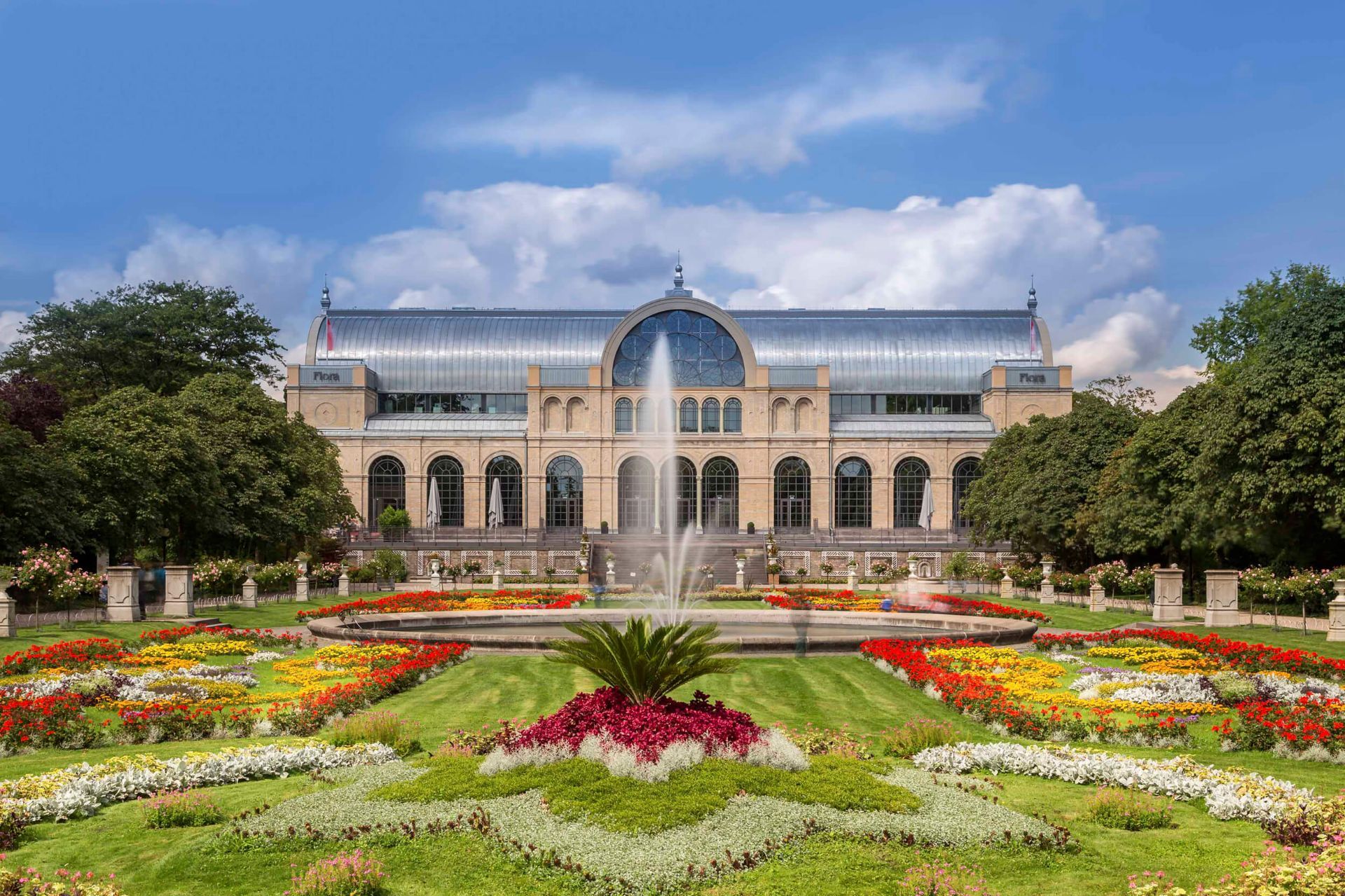
## Description Flora and Botanical Garden in Cologne is one of the city’s most pleasant and quietly impressive attractions, especially for visitors who enjoy plants, landscape design, and slower-paced sightseeing. It is not a flashy stop in the way a major cathedral or museum might be, but it offers something equally valuable: a calm, beautifully maintained space where you can see a wide range of plant life while also enjoying a historic urban garden setting. What makes the garden special is the combination of horticultural variety and atmospheric design. You can move through different themed areas, glasshouse spaces, and seasonal displays, all while staying within a park that feels genuinely integrated into the city. That balance between botany and public leisure is one of the garden’s strengths. It works for plant enthusiasts, but it also works for anyone who needs a break from crowded streets and indoor attractions. One lesser-known fact is that the Flora area has long been associated with Cologne’s tradition of public gardens and exhibition culture. The site has history as a civic landscape, which gives it a depth that goes beyond colorful flower beds. Another is that the changing seasons transform the experience dramatically. In spring and early summer, the garden can feel especially lush and full of color, while autumn adds texture and softer light. Even in winter, the layout and greenhouse areas can make the visit worthwhile. For travelers, the Cologne Botanical Garden is useful because it offers a different rhythm from the city’s more famous landmarks. It is the sort of place that makes a city trip feel less rushed and more balanced. You can walk, sit, observe, and breathe a little between visits to Cologne Cathedral, the Rhine, or the old town. That versatility is part of its appeal. ## Location Flora and Botanical Garden is in Cologne, Germany, in the northern part of the city near the zoo area. It is easy to reach from the center and can be combined with other Cologne attractions in the same day. Public transport is the most practical way to arrive. From the city center, you can take local transit and continue with a short walk, which is usually the easiest option for visitors. If you are staying near the Rhine or the old town, the garden is still accessible enough to fit into a relaxed sightseeing route. Because the garden is part of a larger park and urban landscape, it is worth checking how much time you want to spend wandering versus focusing on the main planted areas. The location makes it a natural break during a broader Cologne itinerary. ## Tips Visit in the morning if you want a quieter atmosphere and better conditions for photography. Gardens often become busier later in the day, especially in good weather. Bring comfortable walking shoes and be ready to spend more time than you expect. The pleasure of botanical gardens often comes from slow movement rather than fast highlights. If you enjoy plants, check the season before you go. Bloom times and display quality can change the character of the visit significantly. If your schedule is crowded, this attraction still works well as a restorative hour or two between major urban sights. It is not only for serious gardeners; it is for anyone who wants a more peaceful Cologne experience. ## Conclusion Flora and Botanical Garden in Cologne is a refined and restful attraction that showcases the city’s green side. It is a strong choice for visitors who appreciate nature, seasonal color, and a quieter pace of travel. ## FAQ **Is the Cologne Botanical Garden worth visiting?** Yes, especially if you enjoy gardens, peaceful walks, or seasonal landscapes. **How long should I stay?** One to two hours is a good range for a comfortable visit. **Is it easy to reach from central Cologne?** Yes. It is well connected by public transport and not difficult to combine with other city sights. **What is the best time of year to go?** Spring and summer offer the fullest plant displays, but each season has its own appeal. **Is it suitable for a short visit?** Yes. Even a brief stop can be worthwhile if you need a calm break in the city. ## Links - [Official website](https://www.stadt-koeln.de/leben-in-koeln/freizeit-natur-sport/parks/flora-und-botanischer-garten)
GemVoyage Team • World
Tokyo
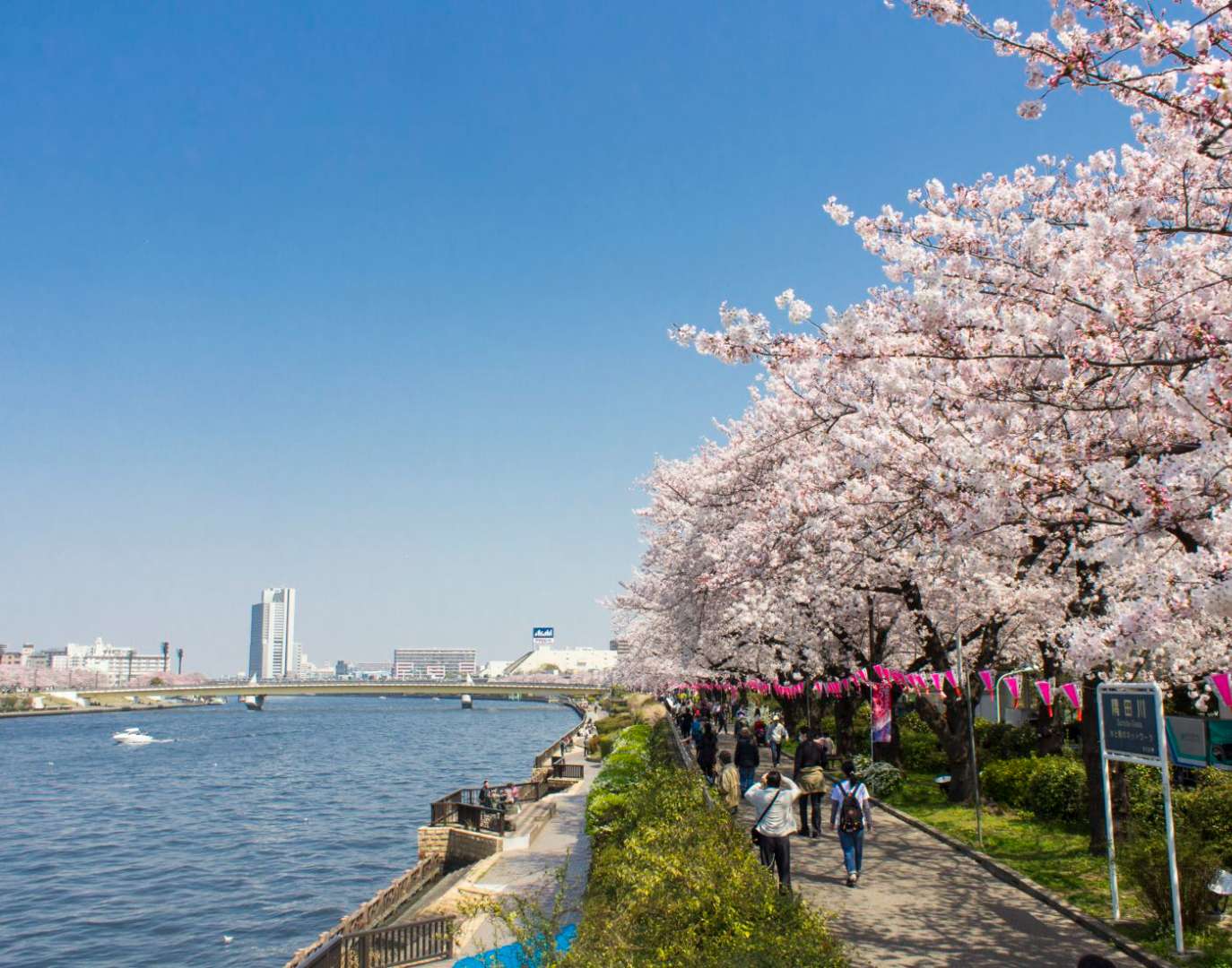
## Description Sumida Park is a serene riverside oasis in the heart of Tokyo, offering a refreshing contrast to the city’s fast-paced urban energy. Stretching along both banks of the Sumida River, the park is located between the Azumabashi and Sakurabashi bridges and provides stunning views of the Tokyo Skytree rising above the skyline. It’s a favorite spot for locals and tourists alike, especially during spring when the park transforms into one of Tokyo’s most celebrated cherry blossom viewing locations. The park’s history dates back to the Edo period, when the riverbanks were popular gathering spots for hanami (cherry blossom viewing), festivals, and leisurely strolls. Today, Sumida Park continues that tradition with over 600 cherry trees lining the paths, creating a tunnel of blossoms that draws thousands of visitors each year. In summer, the park becomes a prime viewing location for the Sumida River Fireworks Festival, one of Japan’s oldest and most spectacular pyrotechnic displays. A little-known fact: the cherry trees in Sumida Park were planted under the orders of shogun Tokugawa Yoshimune in the 18th century, making the park not only a natural retreat but also a living piece of Tokyo’s cultural heritage. Another quirky detail is the nearby Asahi Beer Tower, visible from the park, which was designed to resemble a frothy mug of beer—a playful architectural nod to the area’s modern flair. ## Location Sumida Park is located in **Japan**, in the **Kanto region**, within the **city of Tokyo**. It spans the **Taito and Sumida wards**, with entrances near the historic Asakusa district and the Sumida River waterfront. ### How to Get There - **By Train**: The park is a five-minute walk from Asakusa Station, served by the Ginza Line, Asakusa Line, Tobu Isesaki Line, and Tsukuba Express. - **By Bus**: Several local buses stop near Asakusa and Sumida Park. - **By Water Bus**: The Tokyo Water Bus docks near the park and offers scenic rides to destinations like Odaiba and Hamarikyu Gardens. - **By Foot or Bike**: The park is easily accessible from nearby neighborhoods and is ideal for walking or cycling along the river. Its central location makes it a convenient stop during a day of sightseeing in eastern Tokyo. ## Tips - **Visit During Cherry Blossom Season**: Late March to early April is peak bloom time. Arrive early to avoid crowds and secure a good picnic spot. - **Stay for the Fireworks**: If visiting in late July, plan to attend the Sumida River Fireworks Festival. Arrive hours in advance for a good viewing location. - **Bring a Camera**: The park offers excellent photo opportunities, especially with Tokyo Skytree in the background. - **Explore Both Sides of the River**: Cross the Sakurabashi pedestrian bridge to enjoy views from both banks. - **Pack a Picnic**: There are no large restaurants inside the park, but nearby Asakusa has plenty of takeout options. - **Check for Events**: Seasonal festivals and cultural performances are often held in the park—check local listings for details. ## Conclusion Sumida Park is a tranquil yet culturally rich destination in Tokyo, offering scenic river views, seasonal beauty, and a deep connection to the city’s history. Whether you're admiring cherry blossoms, watching fireworks, or simply enjoying a quiet walk, the park provides a memorable escape in the heart of the metropolis. ## FAQ **1. Is there an entrance fee to Sumida Park?** No, the park is free and open to the public year-round. **2. When is the best time to visit Sumida Park?** Spring (late March to early April) for cherry blossoms and summer (late July) for the fireworks festival. **3. Are there restrooms and facilities in the park?** Yes, there are public restrooms and seating areas throughout the park. **4. Can I bring pets to Sumida Park?** Yes, pets are allowed but should be kept on a leash and cleaned up after. **5. Is the park wheelchair accessible?** Most paths are flat and accessible, though some areas may have uneven terrain. **6. Are there guided tours available?** While not specific to the park, many Asakusa walking tours include Sumida Park as part of their itinerary. ## Links - [Sumida Park – Japan National Tourism Organization](https://www.japan.travel/en/spot/2114/)
GemVoyage Team • World
Stockholm
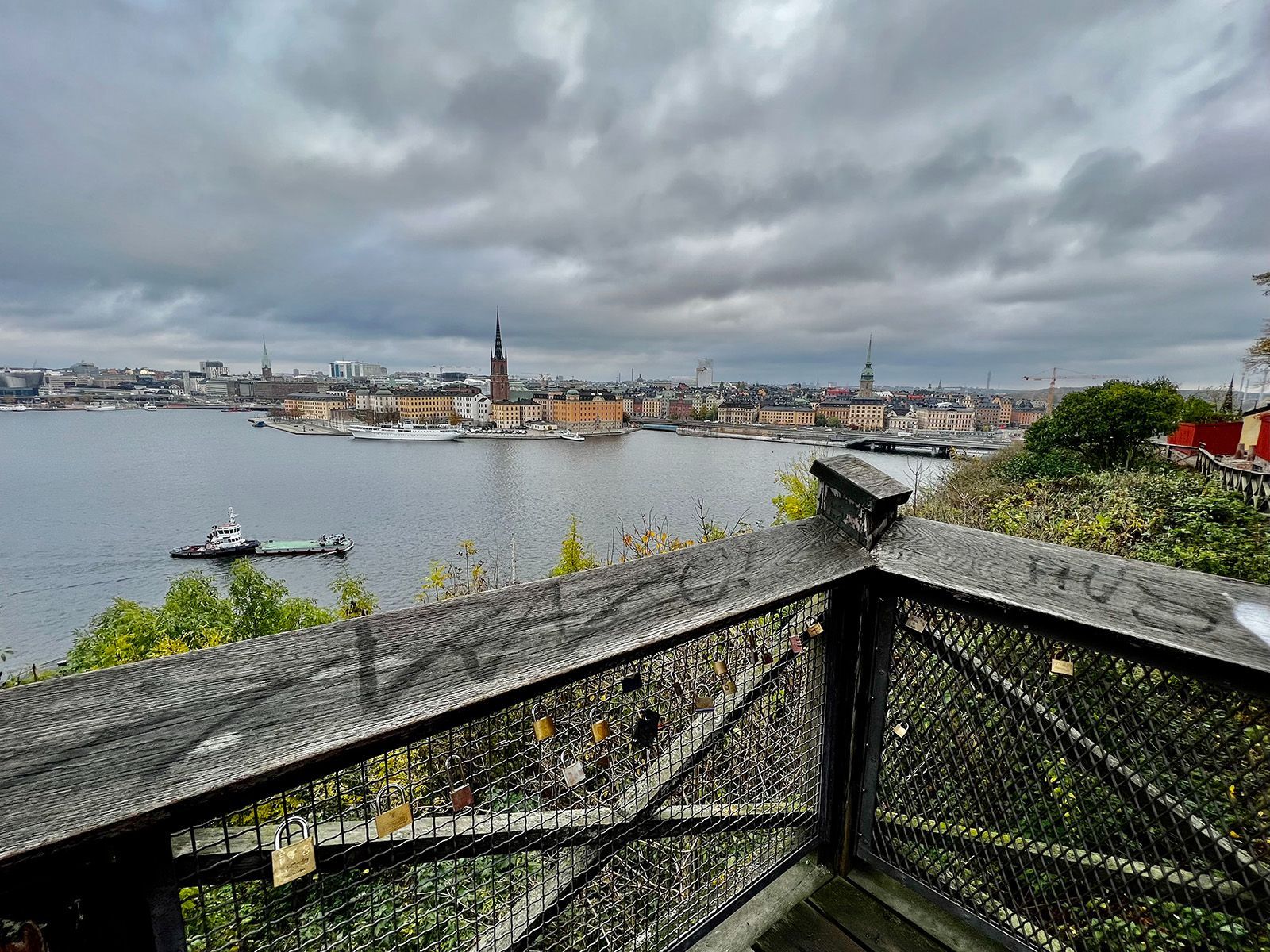
## Description Monteliusvägen is one of Stockholm’s most beloved viewpoint walks because it offers a remarkable amount of scenery for very little effort. Stretching along Mariaberget in Södermalm, the path gives visitors panoramic views over Riddarfjärden, City Hall, and the water and skyline that define Stockholm’s visual identity. It is a place where walking becomes part of the sightseeing itself, and where the city looks especially elegant in changing light. The viewpoint’s appeal lies in its mixture of accessibility and atmosphere. You do not need to climb a mountain or travel far from the center to get a memorable outlook. Instead, you can step into a residential and elevated part of the city and find a broad view that feels almost theatrical. One little-known fact is that Monteliusvägen is particularly admired by locals for how reliably it delivers a strong skyline view without the crowds associated with more obvious tourist stops. Another is that the path changes character with the seasons; winter can make the scenery crisp and graphic, while summer brings long, luminous evenings and a more relaxed mood. What also makes Monteliusvägen special is that it combines motion and pause. As you walk, the city opens and closes in layers. You might pass benches, low walls, and quiet residential details, then suddenly find a view that feels worthy of a postcard. That rhythm encourages visitors to slow down rather than rush through. It is a great place to arrive without a fixed plan, because the reward comes from both the walk and the destination. For photographers and casual visitors alike, the viewpoint is one of Stockholm’s most satisfying urban experiences. It captures the city’s relation to water, its elegant low-rise skyline, and its subtle balance between nature and urban form. A sunset visit can be particularly memorable, but the viewpoint works at many times of day because the geometry of the city and the water remains compelling even in flat light. ## Location Monteliusvägen is located on Mariaberget in Södermalm, Stockholm, Sweden, overlooking the waters of central Stockholm. It is very close to the city core, which makes it easy to include in a broader city walk. Because it sits on a ridge above the water, the route includes some uphill movement, but the climb is short and manageable. The easiest access is via Stockholm’s metro system to nearby stations such as Slussen, followed by a walk through Södermalm. From there, signage and local navigation are usually straightforward enough for most visitors to find the viewpoint. Since the area is so central, it is simple to pair it with a coffee stop, dinner, or a longer Södermalm exploration. If you want the best photo conditions, go near sunset or during the soft light of early morning. For a quieter experience, avoid peak sightseeing hours when possible. ## Tips - Go at sunset if you want the most dramatic light on the water and skyline. - Wear comfortable shoes because the approach includes some uphill walking. - Bring a jacket or layer, especially if you stay after sunset when wind can feel cooler. - Walk slowly and stop more than once. The viewpoint changes as you move along it. - Combine Monteliusvägen with another Södermalm stop so the outing feels complete. ## Conclusion Monteliusvägen is one of Stockholm’s most rewarding short walks, offering a classic view of the city with little logistical effort. It is simple, beautiful, and especially strong at sunset. ## FAQ ### Is Monteliusvägen worth it if I have only one day in Stockholm? Yes. It is one of the quickest ways to get a memorable city view without a complicated excursion. ### How long is the walk? The walking stretch is fairly short, but you will likely spend more time stopping to enjoy the views than actually moving. ### Is it very crowded? It can be popular, especially around sunset, but it still often feels calmer than the most famous Stockholm viewpoints. ### Is it family-friendly? Yes, as long as everyone is comfortable with a little uphill walking and staying attentive near ridge-edge paths. ## Links - [Visit Stockholm](https://www.visitstockholm.com/)
GemVoyage Team • World
Taiwan
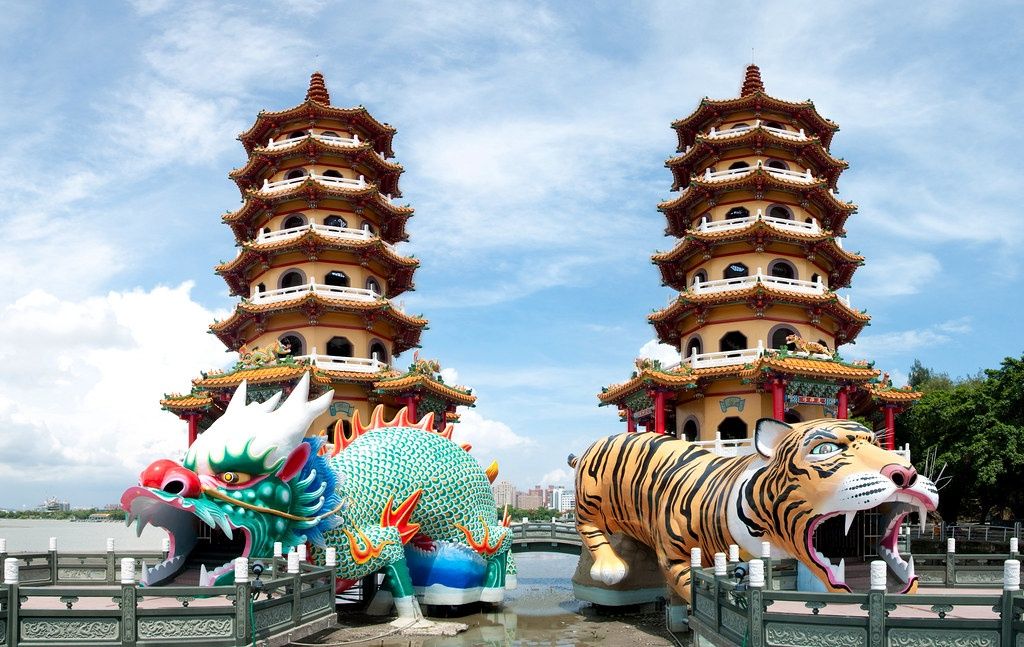
## Description The **Dragon and Tiger Pagodas (龍虎塔)** are among the most iconic landmarks in **Kaohsiung**, Taiwan’s bustling southern port city. Rising gracefully from the edge of **Lotus Pond (蓮池潭)**, these twin seven-story pagodas are not only stunning examples of traditional **Chinese temple architecture** but also powerful symbols of **spiritual balance and good fortune**. Built in **1976**, the pagodas belong to the **Cihji Palace (慈濟宮)**, a Taoist temple dedicated to the deity **Baosheng Dadi**, the God of Medicine. Each pagoda stands approximately **30 meters high** and is colorfully adorned with intricate carvings, ornate balconies, and auspicious motifs depicting dragons, tigers, phoenixes, and deities. The vibrant yellow, red, and gold hues shimmer under the sunlight, reflecting beautifully on the tranquil surface of Lotus Pond. What makes the Dragon and Tiger Pagodas unique is the **way visitors enter and exit**: you must **enter through the dragon’s mouth and exit through the tiger’s mouth**. According to local belief, this symbolizes turning bad luck into good fortune — entering the dragon (associated with strength and virtue) and leaving through the tiger (a symbol of courage and protection) ensures a spiritual cleansing and renewal of destiny. Inside the corridors of each pagoda, visitors find **mural paintings and sculptures** depicting Taoist stories, scenes from Buddhist hell, and images of celestial beings. These serve as both spiritual teachings and vivid works of art. The upper floors of the pagodas offer **panoramic views** of the Lotus Pond area, including nearby temples such as the **Spring and Autumn Pavilions**, the **Confucius Temple**, and the **Five Mile Pavilion**. A lesser-known fact is that the Dragon and Tiger Pagodas were constructed on **pontoons extending over the water**, connected to the shore by zigzagging bridges — a traditional Chinese design believed to **ward off evil spirits**, as they can only travel in straight lines. The pagodas also align perfectly with the **Feng Shui energy** of the surrounding mountains and pond, reinforcing their spiritual significance in Taiwanese culture. ## Location The **Dragon and Tiger Pagodas (龍虎塔)** are located on the **southern shore of Lotus Pond (蓮池潭)** in **Zuoying District**, **Kaohsiung City**, **Taiwan**. **Address:** No. 9, Liantan Road, Zuoying District, Kaohsiung City, Taiwan To get there: * **By MRT:** Take the **Kaohsiung MRT Red Line** to **Zuoying Station (R16)** or **Ecological District Station (R15)**, then walk or take a short taxi ride (about 5–10 minutes). * **By train:** The **Taiwan High-Speed Rail (THSR) Zuoying Station** is nearby; from there, taxis or local buses easily reach the site. * **By bus:** Buses **301, 218, or Red 51A** stop close to Lotus Pond. * **By bike or on foot:** The **Lotus Pond Scenic Area** has well-marked walking and cycling paths, perfect for leisurely exploration. ## Tips * **Enter through the dragon, exit through the tiger:** Follow the traditional route for good luck and spiritual harmony. * **Visit at sunset:** The golden light reflecting off the pond makes the pagodas even more breathtaking. * **Climb to the top:** Each level offers stunning views of Lotus Pond and the Kaohsiung skyline. * **Explore nearby attractions:** Don’t miss the **Spring and Autumn Pavilions**, **Confucius Temple**, and **Pei Chi Pavilion**, all within walking distance. * **Wear comfortable shoes:** There are several steps inside the pagodas, and the paths around the pond are best explored on foot. * **Bring a camera:** The colorful architecture and reflections on the water make it one of the most photogenic spots in southern Taiwan. * **Early morning visit:** For a more peaceful experience, visit before 9 AM when the area is quiet and temperatures are cooler. ## Conclusion The **Dragon and Tiger Pagodas** are not just architectural marvels — they are living embodiments of **Taiwanese spirituality, folklore, and artistry**. From their dazzling colors to the symbolic dragon-and-tiger design, they invite visitors into a world where legend meets serenity. Overlooking the tranquil waters of Lotus Pond, these pagodas remind every traveler of the enduring harmony between nature, faith, and human creativity. Whether you come for photography, culture, or quiet reflection, the Dragon and Tiger Pagodas offer a truly unforgettable window into Taiwan’s spiritual soul. ## FAQ **1. When were the Dragon and Tiger Pagodas built?** They were built in **1976** as part of the **Cihji Palace** complex, dedicated to the Taoist God of Medicine. **2. Why do visitors enter through the dragon and exit through the tiger?** According to tradition, entering the dragon’s mouth and exiting the tiger’s mouth symbolizes **transforming bad luck into good fortune**. **3. How tall are the pagodas?** Each pagoda is approximately **30 meters (98 feet)** tall, offering panoramic views from the upper levels. **4. Is there an entrance fee?** No — **admission is free** for all visitors. **5. What is the best time to visit?** **Early morning or late afternoon (sunset)** provides the best lighting and fewer crowds. Evening visits are also beautiful when the pagodas are illuminated. **6. Can you climb inside the pagodas?** Yes, visitors can climb to the top through interior staircases for views of **Lotus Pond and surrounding temples**. **7. Are the pagodas accessible year-round?** Yes, the site is open **daily**, though opening hours may vary slightly with the seasons. ## Links * [Taiwan Tourism Official Website](https://eng.taiwan.net.tw)
GemVoyage Team • World

Comments