GemVoyage Team • World
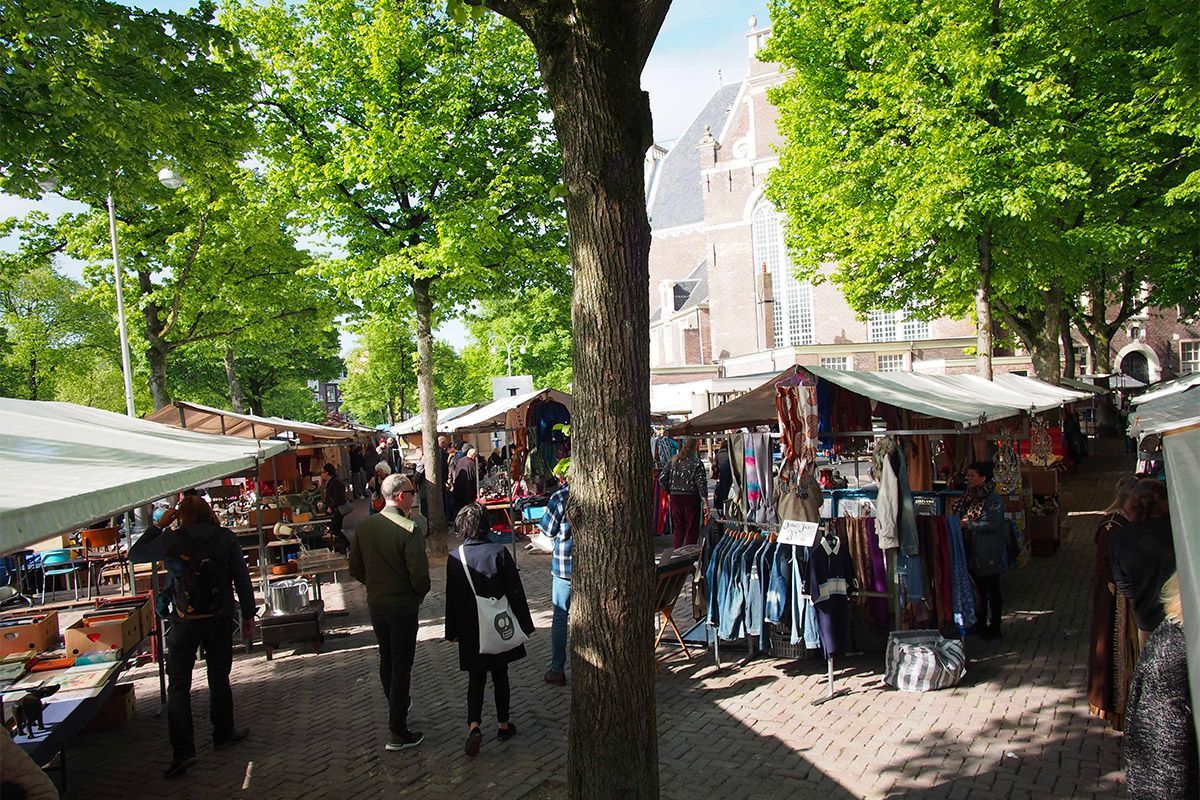
For food travelers, Noordermarkt is a particularly strong stop because the organic market gives you access to fresh, seasonal, and artisanal products in a place that locals actually use. Bakers, cheese sellers, fruit vendors, and farmers bring a quality-first approach that makes browsing feel meaningful rather than transactional. A lesser-known fact is that the square sits beside the Noorderkerk, which means the market occupies a historic urban setting where weekly commerce and neighborhood identity have long been intertwined. Another detail that visitors often appreciate only after arriving is how easy it is to combine market browsing with Jordaan walking routes, canal views, and coffee stops.
The atmosphere is relaxed but not sleepy. Noordermarkt has enough energy to feel active, yet it avoids the polished, overproduced feeling that sometimes affects famous market destinations. That is part of its charm. You can browse vegetables, bread, flowers, and prepared foods one moment, then shift to antiques or old objects another day, depending on when you visit. The market is also a good reminder that Amsterdam is a city of local habits, not just major sights. Watching residents shop here tells you something about the city’s pace and values.
If you want a market that rewards curiosity and gives you a real sense of the Jordaan, Noordermarkt belongs near the top of your list.
Getting there is simple by tram, bicycle, or a walk from the historic center. Many visitors find that biking is the most Amsterdam-like way to reach it, though trams and walking are equally practical. Once you arrive, the market is easy to navigate because it is organized around the square and the surrounding streets.
If you are interested in the organic market specifically, check the day and time before going, since the square’s character changes across the week. The market is often best in the morning, when produce is freshest and the surroundings still feel animated without being crowded.
Bring a shopping bag or backpack. The market is ideal for spontaneous purchases, and carrying your own bag makes the experience much easier.
Allow time for the neighborhood. Noordermarkt is best when paired with a walk through the Jordaan, so do not treat it as a standalone stop.
Be open to seasonal differences. What you find depends heavily on when you visit, and that is part of the appeal.
If you enjoy antiques or vintage objects, check whether the day you are visiting aligns with the best browsing opportunities for that side of the market.
Discover more hidden gems you might love.
Milan
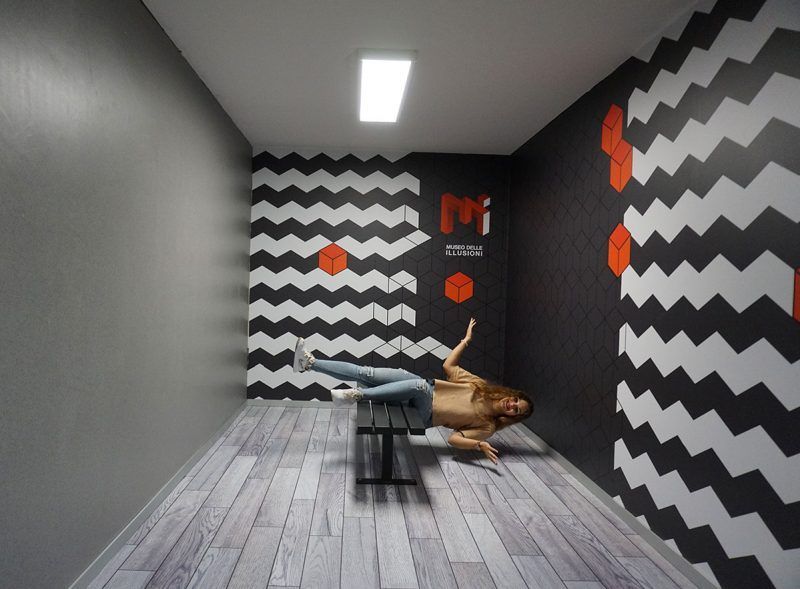
## Description The **Museo delle Illusioni – MDI** in Milan is a contemporary museum designed to challenge the viewer’s understanding of **vision, perception, spatial logic, and cognitive bias**. Unlike traditional museums that focus on historical artifacts or fine arts, MDI operates at the intersection of **science, psychology, and interactive entertainment**, offering an environment where visitors actively participate in the experience rather than observe passively. The space is filled with **optical illusions, perspective rooms, rotating installations, holograms, paradox structures, and sensory challenges** that push visitors to reconsider how the brain interprets visual information. Every room is intentionally constructed to distort scale, depth, orientation, and movement. The museum’s core idea is simple but effective: **what you see is not always what exists**, and the brain can be easily misled when context changes. What differentiates Milan’s MDI from similar illusion museums elsewhere is its emphasis on **sleek design and technical precision**. Installations are engineered with high production quality and clean aesthetics consistent with Milan’s reputation as a design capital. The lighting, angles, and surfaces are calibrated to deliver strong photographic effects, making the museum particularly popular among visitors who enjoy **creative photography and social media content**. Many exhibits demonstrate foundational principles of **Gestalt psychology, neuroscience, and geometry**, though without overwhelming visitors with complex scientific language. The goal is to make scientific concepts **intuitive, experiential, and playful**. By physically stepping into illusions, visitors experience cognitive phenomena that are normally confined to textbooks or laboratory experiments. A little-known fact is that several rooms in the museum use **forced perspective techniques** originally borrowed from early film production and Renaissance stage design. Another interesting detail is that some of the illusions at MDI come from a global research network of visual-perception experts who continually update the installations based on emerging cognitive science findings. Emotionally, the museum operates on a gradient between surprise and curiosity. Children laugh at rooms where gravity seems reversed, adults puzzle over patterns that appear to move, and groups experiment with depth tricks to produce impossible photographs. The museum’s strength lies in its ability to make **intellectual play accessible**, bridging the gap between learning and entertainment. MDI is not a large museum, and it does not intend to be. Its impact comes from **concentration, novelty, and careful choreography**. A visit typically moves quickly, but the density of experiences ensures that visitors remain mentally engaged throughout. In a city known for design excellence, the Museo delle Illusioni offers a refreshing and contemporary counterpoint: an environment where **visual culture becomes an interactive game**, and where perception becomes the main exhibit. ## Location The **Museo delle Illusioni – MDI** is located in the central area of Milan, close to major attractions and easily accessible on foot or by public transport. **City:** Milan **Region:** Lombardy (Lombardia) **Country:** Italy **Address Area:** Near **Porta Venezia** and the **Corso Buenos Aires** district ### How to Get There: * **By metro:** * **M1 (Red Line)** to **Porta Venezia**; the museum is a short 5–7 minute walk. * **By tram:** Various tram lines stop along Corso Venezia and Via Palestro. * **By bus:** Several city buses serve the area around Porta Venezia. * **By car:** Parking is limited and often busy; public transport is strongly recommended. * **On foot:** The museum is easily combined with strolls through **Giardini Indro Montanelli** and nearby galleries. Its central location makes it convenient to pair with shopping, dining, or museum visits in the same outing. ## Tips * **Pre-book tickets:** The museum is popular and time slots fill quickly, especially on weekends. * **Bring a fully charged phone or camera:** Many installations are designed for interactive photography. * **Visit during off-peak hours:** Early afternoons on weekdays offer the best conditions for photos without crowds. * **Expect a short but dense visit:** Most people spend **45–75 minutes** inside. * **Some illusions require participation:** Be ready to pose, experiment, and move around. * **Families will find the space especially engaging:** The illusions work well for children and adults alike. * **Check for rotating exhibits:** Some temporary installations appear seasonally. ## Conclusion The **Museo delle Illusioni – MDI in Milan** delivers an intelligent, playful, and visually rich exploration of how the mind constructs reality. With its polished installations, scientific underpinnings, and strong interactive component, it stands out as one of the city’s most modern cultural experiences. It offers not only entertainment, but also a clear reminder that **perception is fundamentally subjective**. ## FAQ **1. How long does a typical visit take?** Most visitors spend **about one hour** exploring the installations. **2. Is the museum suitable for children?** Yes. It is highly **family-friendly**, with exhibits designed for all ages. **3. Do I need to book in advance?** Yes. **Online reservation** is recommended to secure preferred time slots. **4. Can I take photos inside?** Absolutely. Photography is encouraged, and many rooms are designed for it. **5. Is the museum accessible?** Most areas are accessible for visitors with reduced mobility, though some illusions may be difficult to experience physically. **6. Is it crowded?** It depends on the time and day. **Weekends and holidays** are the busiest. ## Links * [Museo delle Illusioni – Milan Official Website](https://moimilano.it/en/)
GemVoyage Team • World
Seattle
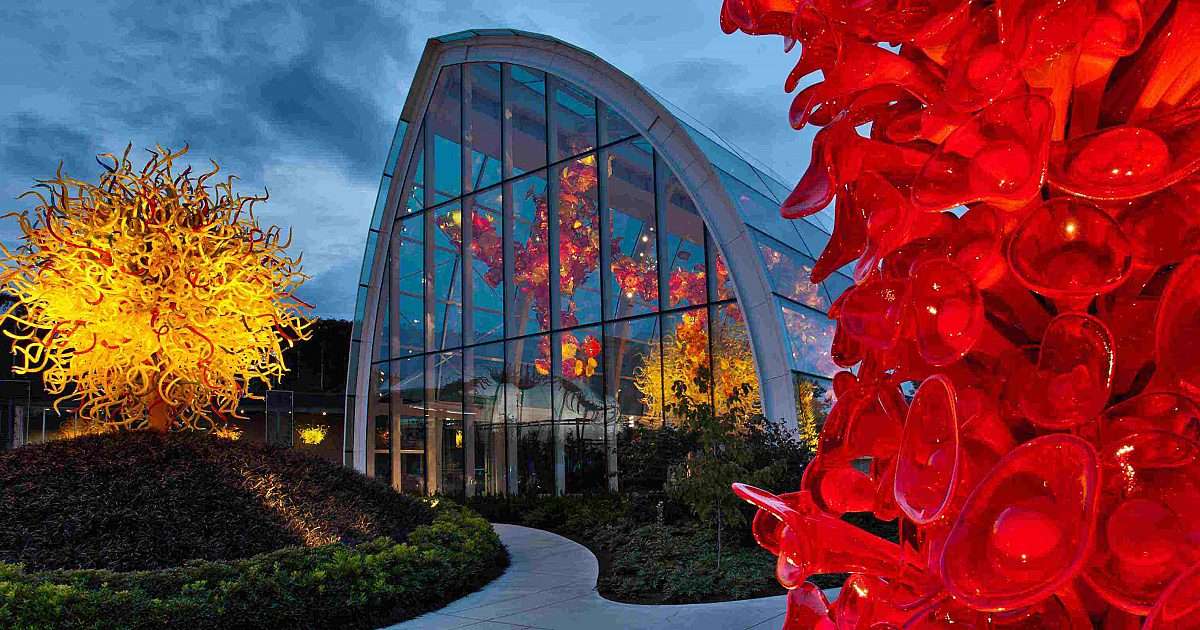
## Description Chihuly Garden and Glass is a dazzling celebration of color, form, and imagination, showcasing the work of world-renowned glass artist Dale Chihuly. Located in the heart of Seattle, this long-term exhibition invites visitors into a vibrant world where glass transcends its traditional boundaries and becomes a medium of storytelling, emotion, and architectural wonder. The exhibition is divided into three main areas: the Glasshouse, the Garden, and the Interior Galleries. The Glasshouse is the centerpiece—a 100-foot-long structure with a soaring ceiling that houses one of Chihuly’s largest suspended installations, a fiery cascade of red, orange, and yellow glass blossoms. The Garden blends natural landscaping with glass sculptures that twist and bloom among the plants, creating a surreal fusion of organic and manmade beauty. Inside the galleries, visitors can explore over four decades of Chihuly’s work, including the Persian Ceiling, Ikebana and Float Boats, and the Sea Life Room. A little-known fact: the site of Chihuly Garden and Glass was once home to the Fun Forest amusement park, a beloved local attraction that closed in 2010. Another interesting detail is that the facility was designed with sustainability in mind and has earned LEED Silver certification for its environmentally conscious construction. ## Location Chihuly Garden and Glass is located in the **United States**, in the **state of Washington**, within the **city of Seattle**. It sits at **305 Harrison Street**, directly adjacent to the iconic Space Needle in the Seattle Center. ### How to Get There - **By Light Rail**: Take the Link Light Rail to Westlake Station, then transfer to the Seattle Center Monorail, which drops you off steps from the entrance. - **By Bus**: Multiple King County Metro routes serve the Seattle Center area. - **By Car**: Paid parking is available in nearby garages, including the Mercer Street Garage and 5th Avenue North Garage. - **By Foot or Bike**: The Seattle Center is pedestrian- and bike-friendly, with easy access from downtown and surrounding neighborhoods. Its central location makes it an ideal stop on any Seattle itinerary, especially when paired with nearby attractions like the Museum of Pop Culture and the Space Needle. ## Tips - **Visit During Daylight and After Dark**: The glass sculptures take on a different character depending on the light. Daytime highlights the vivid colors, while nighttime illuminations create a magical ambiance. - **Buy Combo Tickets**: Consider purchasing a ticket that includes admission to both Chihuly Garden and Glass and the Space Needle for a discounted rate. - **Take Advantage of Gallery Talks**: Short, informative talks are offered throughout the day and are included with admission. - **Check for Special Events**: Seasonal exhibitions, live glassblowing demonstrations, and the annual Refract Festival add extra value to your visit. - **Use the Audio Tour**: Available via smartphone, the audio guide offers deeper insights into Chihuly’s inspirations and techniques. - **Visit The Bar**: Explore Dale Chihuly’s personal collections while enjoying a drink in a uniquely curated setting. ## Conclusion Chihuly Garden and Glass is a mesmerizing fusion of art and nature, offering a one-of-a-kind experience in the heart of Seattle. With its stunning installations, immersive galleries, and tranquil garden, it’s a must-see destination for art lovers, photographers, and curious travelers alike. ## FAQ **1. What are the opening hours of Chihuly Garden and Glass?** The museum is typically open daily from 9:30 AM to 9:30 PM, though hours may vary seasonally or for private events. **2. What is the cost of admission?** General admission ranges from $35 to $42.50. Discounts are available for seniors and youth. Children under 4 enter free. **3. Is photography allowed?** Yes, photography is encouraged, though tripods and flash are not permitted. **4. Is the museum wheelchair accessible?** Yes, the entire facility is ADA-compliant and offers accessible entrances and restrooms. **5. Can I visit without a reservation?** Walk-ins are welcome, but purchasing tickets in advance is recommended, especially during peak seasons. **6. Are there guided tours available?** While there are no formal guided tours, gallery talks and audio guides provide rich context throughout the exhibition. ## Links - [Chihuly Garden and Glass Official Website](https://www.chihulygardenandglass.com/)
GemVoyage Team • World
Beijing
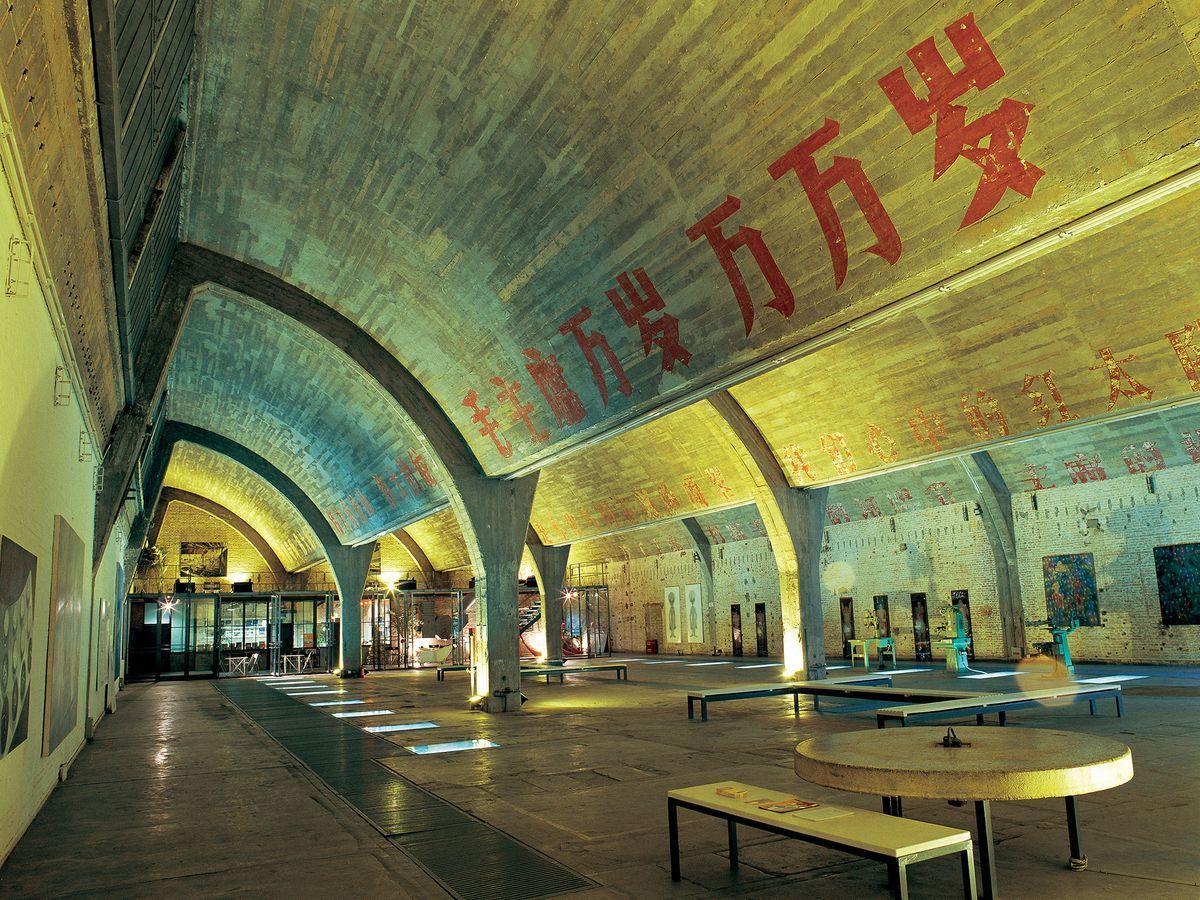
## Description Tucked in the northeastern corner of Beijing, the 798 Art District is one of the most compelling destinations in all of China. What was once a sprawling complex of military and industrial factories has been transformed into a world-class hub for contemporary art, design studios, galleries, cafes, and cultural institutions. The district draws millions of visitors each year, from seasoned art collectors to curious travelers who simply want to walk through one of Asia's most visually striking urban landscapes. The complex was originally built in the 1950s with assistance from East German engineers, and the architecture reflects that influence heavily. The Bauhaus-inspired buildings, with their distinctive sawtooth roofs designed to let in consistent northern light, still stand largely intact. They now house some of the most important contemporary art galleries in Asia. Walking through the district feels like moving through layers of history: Cold War-era industrial slogans still painted on the walls sit side by side with bold modern installations and cutting-edge sculpture. One little-known fact about 798 is that it was artists and designers who moved in illegally during the late 1990s and early 2000s, attracted by the cheap rent and massive open spaces, before the government formally recognized it as a cultural zone in 2006. Another lesser-known detail is that the district is named after Factory 798, which was just one of many factories in the complex known collectively as the 718 Joint Factory, originally built as part of China's first Five-Year Plan. Today, the 798 Art District is home to over 200 galleries and art spaces, including branches of internationally recognized institutions. The streets between buildings are filled with large-scale outdoor sculptures and murals, making even a casual stroll through the area feel like a walk through an open-air museum. Annual events like the Beijing International Art Biennale and 798 Art Festival bring the district's creative energy to its peak. ## Location The 798 Art District is located in the Chaoyang District of Beijing, China, in an area called Dashanzi. It sits in the northeastern part of the city, not far from the Beijing Capital International Airport and within reasonable distance of major city landmarks. The most convenient way to get there is by taking the Beijing Subway to Line 14 and exiting at Jiangtai Station, from which the district is about a 10 to 15 minute walk or a short taxi ride. Alternatively, many visitors take a taxi or use a ride-hailing app like DiDi directly to the 798 Art District entrance. Buses also serve the area, with several routes stopping near Dashanzi. Despite being somewhat off the typical tourist trail, it is well connected to the rest of the city. For those staying in central Beijing near Sanlitun or the CBD area, the journey by taxi typically takes 20 to 30 minutes depending on traffic. ## Tips - **Go on a weekday if possible.** Weekends, especially during festivals and national holidays, can see very large crowds. Visiting on a Tuesday or Wednesday will give you a quieter, more contemplative experience. - **Wear comfortable shoes.** The district is large and most of the experience involves walking on uneven ground, past industrial spaces and outdoor installations. Good walking shoes make a considerable difference. - **Allocate at least half a day.** There is far more to see here than most people expect. A proper visit to even a fraction of the galleries and outdoor spaces takes a minimum of three to four hours. - **Many galleries are free.** While some exhibitions charge entrance fees, a large number of the galleries in 798 are free to enter. Always check at the door before assuming you need to purchase a ticket. - **Bring cash as well as a card.** Some smaller cafes, shops, and studios may not accept international credit cards. Having some Chinese yuan on hand is always helpful. - **Visit in spring or autumn.** Beijing's summers are hot and humid, and winters are extremely cold. The spring months of April and May and the autumn months of September and October offer the most comfortable conditions for exploring the outdoor areas. - **Check the event calendar in advance.** The district hosts rotating exhibitions, openings, and festivals that can significantly enhance your visit. Checking what is on before you go is always worthwhile. ## Conclusion The 798 Art District is far more than a tourist attraction. It is a living, breathing creative community that offers a genuine window into contemporary Chinese culture and the global art world. Its unique combination of preserved industrial architecture, international-caliber art, and vibrant street life makes it unlike anywhere else in Beijing or, indeed, in the world. Whether you are an art enthusiast, a photographer, a design professional, or simply a curious traveler, the 798 Art District deserves a place near the top of your Beijing itinerary. ## FAQ **What are the opening hours of the 798 Art District?** The outdoor streets and public areas of the district are accessible at all hours, but most individual galleries and studios are open from around 10:00 AM to 6:00 PM. Hours can vary by gallery, and some are closed on Mondays. It is advisable to check specific gallery websites if you have particular venues in mind. **Is the 798 Art District free to visit?** Entry to the district itself is free. Many of the galleries and outdoor installations are also free. However, some exhibitions and events charge admission fees. Budget a small amount in case anything you want to enter requires a ticket. **How much time should I spend in the 798 Art District?** Most visitors find that three to five hours is ideal for a satisfying visit. If you are a serious art enthusiast or plan to visit multiple galleries in depth, a full day is not excessive. **Is the 798 Art District suitable for children?** Yes, in general the district is suitable for families. The outdoor sculptures and the visual spectacle of the space tend to engage younger visitors. Some contemporary art exhibitions may contain mature themes, so parents should use their discretion when entering individual galleries. **Are there places to eat and drink in the district?** Yes, there is a good variety of cafes, restaurants, and small eateries scattered throughout the district. Options range from local Chinese food stalls to international cafes and upscale dining. The area is well suited for a leisurely lunch or a coffee break between gallery visits. **How large is the 798 Art District?** The district covers an area of approximately 60,000 square meters. It contains hundreds of galleries, studios, shops, and eating establishments across a network of streets and converted industrial buildings. ## Links - [798 Art District on Wikipedia](https://en.wikipedia.org/wiki/798_Art_Zone) - [Beijing Tourism Official Website](https://www.visitbeijing.com.cn)
GemVoyage Team • World
Paris
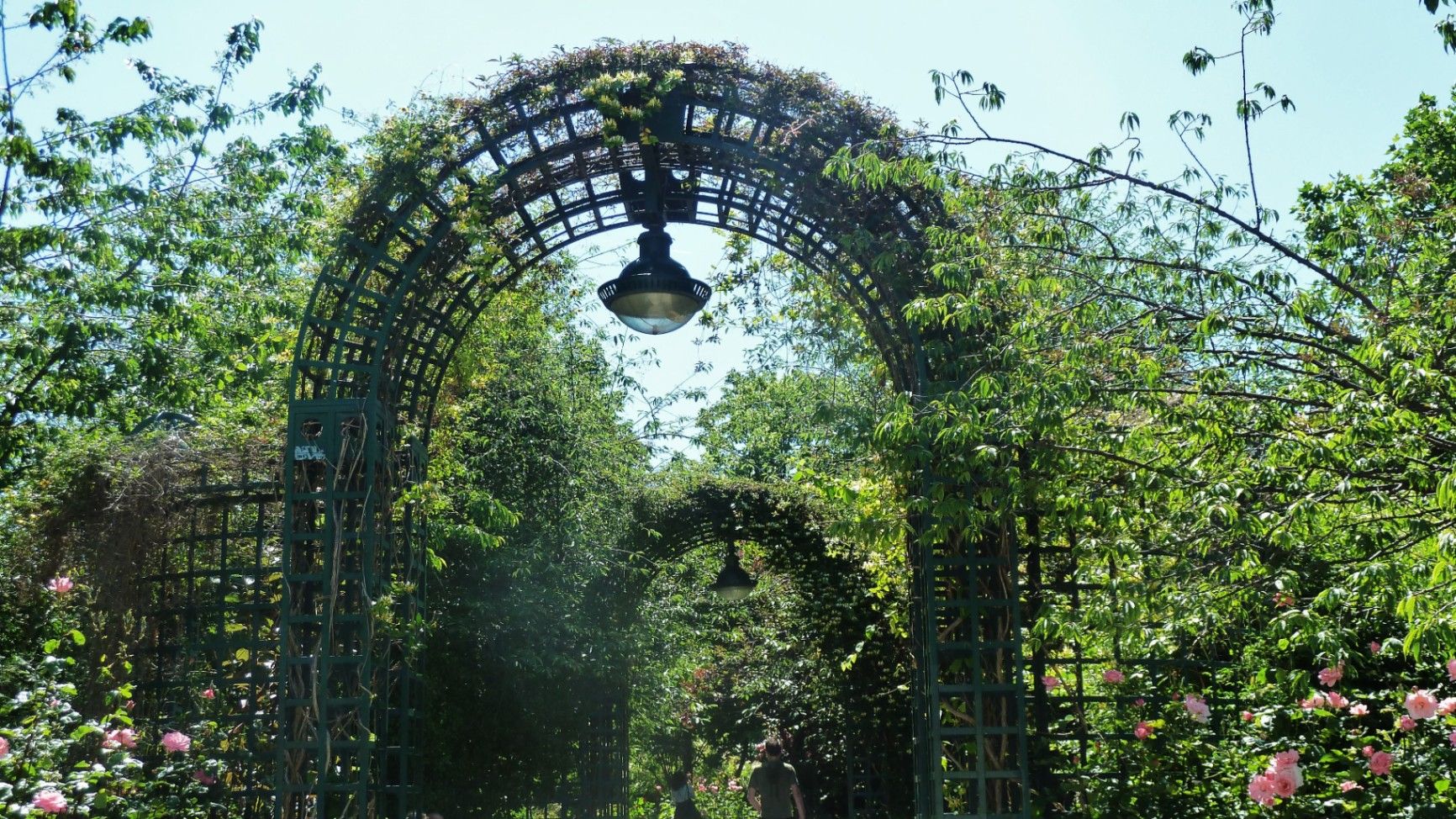
## Description The **Coulée Verte René-Dumont** is one of Paris’s most quietly transformative urban landscapes: a **4.7-kilometer elevated green corridor** built on a former 19th-century railway viaduct. Long before New York’s High Line became famous, Paris had already pioneered the idea of reclaiming industrial infrastructure and turning it into a **linear park suspended above city streets**. Opened in **1993**, the Coulée Verte stretches across eastern Paris, offering a continuous ribbon of trees, gardens, pergolas, tunnels, and walkways that float above neighborhoods, rooftops, and traffic. Rather than being a monumental tourist attraction, its strength lies in its **subtle intimacy**. The path winds between apartment balconies, over narrow streets, through shaded cuttings, and across stone viaducts, allowing visitors to experience Paris from an **unexpected vertical perspective**. The design philosophy of the park is deeply rooted in **soft landscaping rather than formal symmetry**. Instead of wide lawns or dramatic vistas, the Coulée Verte contains **layered vegetation, winding paths, seasonal flowers, bamboo groves, climbing roses, and shaded benches**. This makes it feel more like a secret garden than a grand urban park. One of the most remarkable architectural features of the route is the **Viaduc des Arts**, where the park runs along a series of brick arches originally built for railway use. Beneath these arches now sit artisan workshops, design studios, galleries, instrument makers, and boutique craftspeople. This dual-level experience—**green tranquility above and creative commerce below**—is one of the Coulée Verte’s defining identities. Unlike Paris’s grand axial parks such as the Tuileries or Luxembourg Gardens, the Coulée Verte offers a **continuously shifting urban narrative**. At one point, you are enclosed in forest-like silence; minutes later, you emerge into balcony-lined streets where residents drink coffee just meters away from your path. This creates an emotional tension between **privacy and exposure**, urban density and botanical escape. A little-known fact is that the park is named after **René Dumont**, a pioneering French agronomist and environmentalist who was also **France’s first Green Party presidential candidate**. The naming itself reinforces the park’s identity not just as a recreational space, but as a **symbol of ecological urban thinking**. Another little-known detail is that parts of the route pass directly behind residential buildings at eye level, leading to long-standing unspoken etiquette between walkers and residents regarding privacy. Today, the Coulée Verte is used daily by **joggers, dog walkers, commuters, couples, photographers, and elderly residents**, each group engaging with the space differently depending on time of day. Mornings are quiet and rhythmical. Afternoons bring families and visitors. Evenings soften into slow movement, conversation, and golden-hour light filtering through leaves onto brick and stone. The Coulée Verte does not dominate Paris visually or symbolically. Instead, it **slips through the city like a green seam**, quietly stitching nature into urban density. ## Location The **Coulée Verte René-Dumont** runs through the **12th arrondissement of Paris**, beginning near **Opéra Bastille** and extending eastward toward the **Périphérique (city ring road)**. **City:** Paris **Region:** Île-de-France **Country:** France **Primary Arrondissement:** 12th **Main Entrance Area:** Near Bastille and Avenue Daumesnil ### How to Get There: * **By metro:** * **Line 1, 5, or 8** to **Bastille Station** * **Line 6 or 8** to **Daumesnil Station** * **By RER:** **RER A** to **Nation Station**, then walk. * **By bus:** Multiple lines serve Avenue Daumesnil and the surrounding streets. * **By bicycle:** Easy access from eastern Paris cycle lanes. * **On foot:** Ideal as part of a walking route between Bastille, Bercy, and Nation. Multiple staircases and ramps provide access at different points along the route. ## Tips * **Walk the full length if possible:** The character of the park changes dramatically from west to east. * **Visit in spring or early autumn:** Vegetation is at its best and temperatures are comfortable. * **Early mornings are best for solitude:** Especially on weekdays. * **Evenings are best for atmosphere:** Soft lighting and slower rhythms dominate. * **Respect residential privacy:** Some sections run directly past apartment windows. * **Combine with Viaduc des Arts shopping:** The artisan shops beneath the arches are worth exploring. * **Bring water:** There are few vendors directly on the elevated path. * **Not ideal for fast cycling:** The path is narrow and shared heavily with pedestrians. ## Conclusion The **Coulée Verte René-Dumont** is not loud, monumental, or iconic in the traditional Parisian sense. Its power lies in **subversion and continuity**—a quiet green artery that transforms obsolete railway infrastructure into a flowing garden above the city. It offers a Paris of **movement, transition, and subtle beauty**, experienced not through grand monuments, but through shifting light, layered leaves, and elevated urban silence. ## FAQ **1. What is the Coulée Verte René-Dumont?** It is an **elevated linear park** built on an abandoned railway line in eastern Paris. **2. Is the Coulée Verte free to access?** Yes. It is **completely free and open to the public**. **3. How long does it take to walk the full route?** A full walk typically takes **1 to 1.5 hours** at a relaxed pace. **4. Is it similar to the High Line in New York?** Yes in concept, but the Coulée Verte is **older, greener, and more intimate** in character. **5. Is the park suitable for children?** Yes. It is widely used by families, though supervision is required in elevated or narrow sections. **6. Are there cafés or shops along the route?** Not directly on the path, but many cafés and bakeries are located at street level nearby. ## Links * [Paris City Guide](https://parisjetaime.com/eng/)
GemVoyage Team • World
Arizona
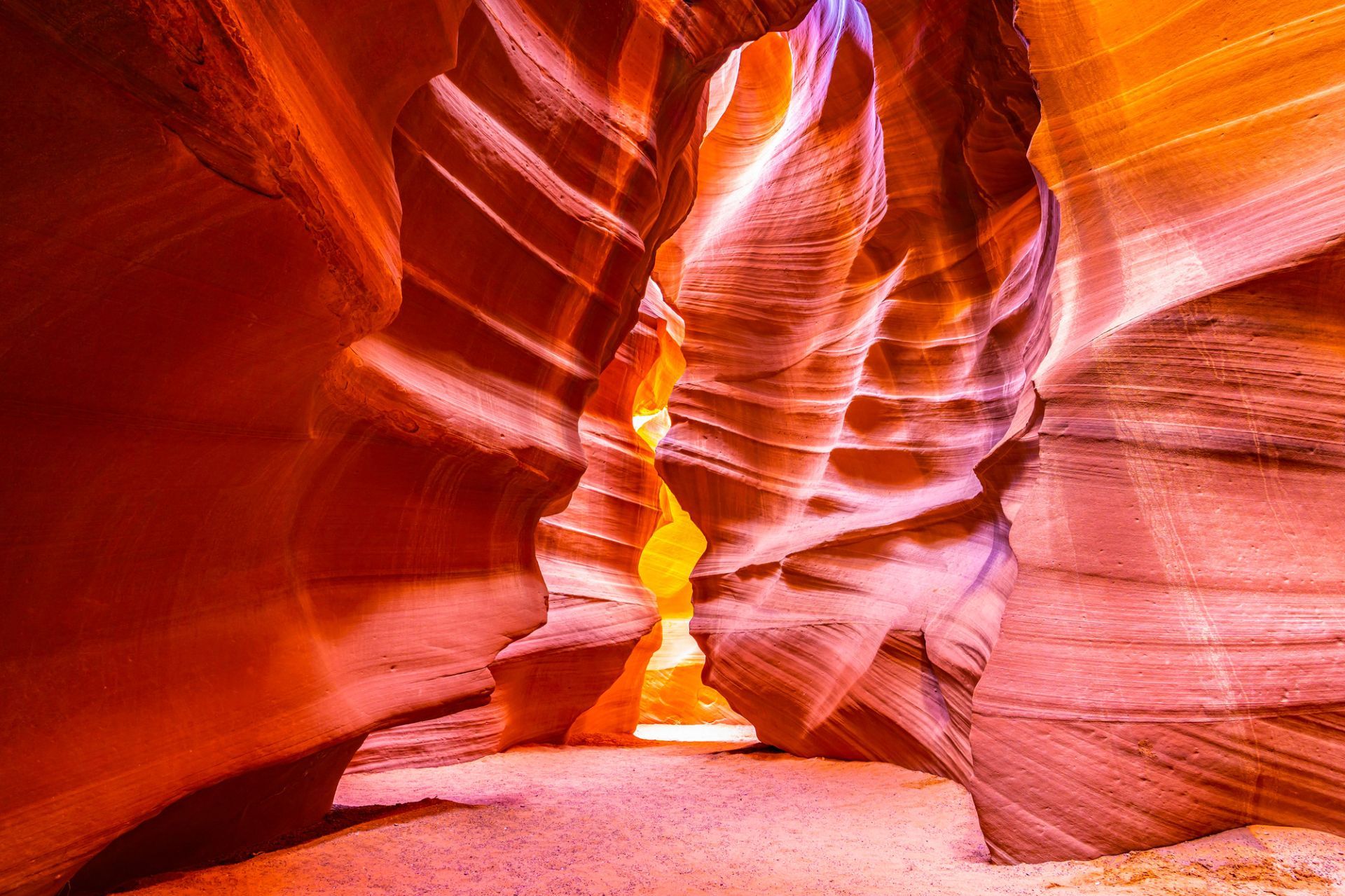
## Description Antelope Canyon, on Navajo land near Page, Arizona, is a set of narrow slot canyons carved into Navajo Sandstone by millennia of water and wind erosion. The result is a sequence of sinuous, polished walls that twist into narrow passages, channeling shafts of light into warm, copper-toned swirls that photographers prize. There are two main sections commonly visited: Upper Antelope Canyon (more iconic for vertical light beams in summer) and Lower Antelope Canyon (a more maze-like walk that requires climbing). The interplay of light, shadow and texture transforms the canyon’s interior into a living sculpture that changes with the sun’s angle. Antelope Canyon’s combination of geological finesse and cultural sensitivity makes it unique: it’s on Navajo Nation land and visits occur under Navajo guides who share cultural context and ensure conservation. The ephemeral quality of light in the canyon is the main draw, and every visit offers a subtly different visual story depending on time of day and season. Visiting Antelope Canyon is an intimate, often crowded experience that rewards patience and close observation. The sculpted walls are tactile and close, and the sense of enclosure makes small variations in light and dust dramatically affect composition. Guides routinely manage group flows and timing to optimize safety and photographic opportunity, and many operators now offer specialized photo tours that allow extra time or more flexible tripod policies. Safety is a constant priority — because slot canyons channel water, flash floods are a real hazard and tours may be altered or canceled in the face of storm risk. Respect for Navajo cultural protocols is also essential: guides often include stories and historical context that enrich a visit and reinforce why access is managed. Beyond the two main canyons, nearby attractions around Page — Horseshoe Bend, Lake Powell and Glen Canyon National Recreation Area — make the area a compact cluster of dramatic southwestern landscapes. Combining these sites into a short itinerary can balance the compressed, processed light of the slot canyons with broad, open panoramas of the Colorado River and surrounding desert. ## Location Antelope Canyon lies near Page, Arizona, in the southwestern United States on Navajo Nation land. The canyons are accessed by guided tours departing from Page; bookings are required, and many operators combine Antelope Canyon with nearby attractions like Horseshoe Bend and Lake Powell. Most tours meet in Page; travel to the canyon involves a short drive and, in some cases, a brief ride across Navajo lands to the canyon entrance. Tour operators coordinate closely with park officials and Navajo authorities; book in advance during peak seasons and confirm pickup details. Page has several accommodation options, from campgrounds to hotels, and is a good base for multi-day exploration of the region. ## Tips - **Book Navajo-guided tours:** Access to both Upper and Lower Antelope Canyons is restricted to authorized Navajo guides — book through reputable operators and respect cultural protocols. - **Time your visit for light:** For the classic light beams in Upper Antelope Canyon, mid-day in summer is preferred; other seasons offer softer, diffused light. - **Bring a tripod if allowed:** Some tours permit tripods (often in photo-specific sessions); check operator policies before arrival. - **Be mindful of flash floods:** Slot canyons can be hazardous during heavy rain; guides monitor weather and may cancel tours if flash flood risk exists. - **Protect your gear from sand:** The environment is dusty; use camera covers and clean gear after visits. - **Choose the right tour type:** Standard interpretive tours offer context and safety; photo tours are slower and often allow tripods but require advance booking. - **Expect narrow passages:** Lower Antelope requires more physical movement; wear comfortable clothes and be prepared to climb short ladders or squeeze through tight sections. - **Respect cultural guidance:** Photography of certain features or during ceremonies may be restricted — follow your guide's direction. - **Combine sites for variety:** Pair canyon visits with sunrise at Horseshoe Bend or a boat trip on Lake Powell to round out your visual narrative. ## Conclusion Antelope Canyon is a masterpiece of erosion and light — a place where sandstone artistry and cultural stewardship intersect to create intense photographic and contemplative experiences. Guided visits make it accessible while honoring its Navajo custodianship. Approach Antelope Canyon with curiosity and respect, and you’ll come away with a visceral appreciation for how water, time and human stewardship intersect. For photographers, the canyon is a study in subtle gradients and form; for travelers, it’s an opportunity to learn about the cultural landscape of the Navajo Nation while witnessing an extraordinary geological gallery. ## FAQ - **Q: Which is better, Upper or Lower Antelope Canyon?** - A: Upper is famed for light beams and is more accessible with level walks; Lower is narrower with ladders and a more adventurous feel. - **Q: Do I need a reservation?** - A: Yes — tours sell out, especially in peak season; book in advance. - **Q: Is Antelope Canyon wheelchair accessible?** - A: Accessibility varies: Upper has relatively easier access but still includes uneven surfaces; check specific operator accommodations. - **Q: Can I fly a drone near Antelope Canyon?** - A: Drone use is generally restricted in Navajo lands and near protected sites; check local rules and obtain permission where applicable. - **Q: What are the best months for photography?** - A: Summer delivers the strongest vertical beams around midday; spring and autumn provide softer light and cooler conditions, which many photographers prefer. - **Q: How long does a typical tour last?** - A: Standard canyon tours range from 45 minutes to 1.5 hours including access and return; photo tours may be longer. - **Q: Are there restrictions on clothing or equipment?** - A: Wear closed-toe shoes for lower canyon sections, protect gear from sand, and follow guide instructions for tripods or flash use. ## Links - [Antelope Canyon — Wikipedia](https://en.wikipedia.org/wiki/Antelope_Canyon) - [Navajo Nation Parks & Recreation](https://www.navajonationparks.org)
GemVoyage Team • World
São Paulo
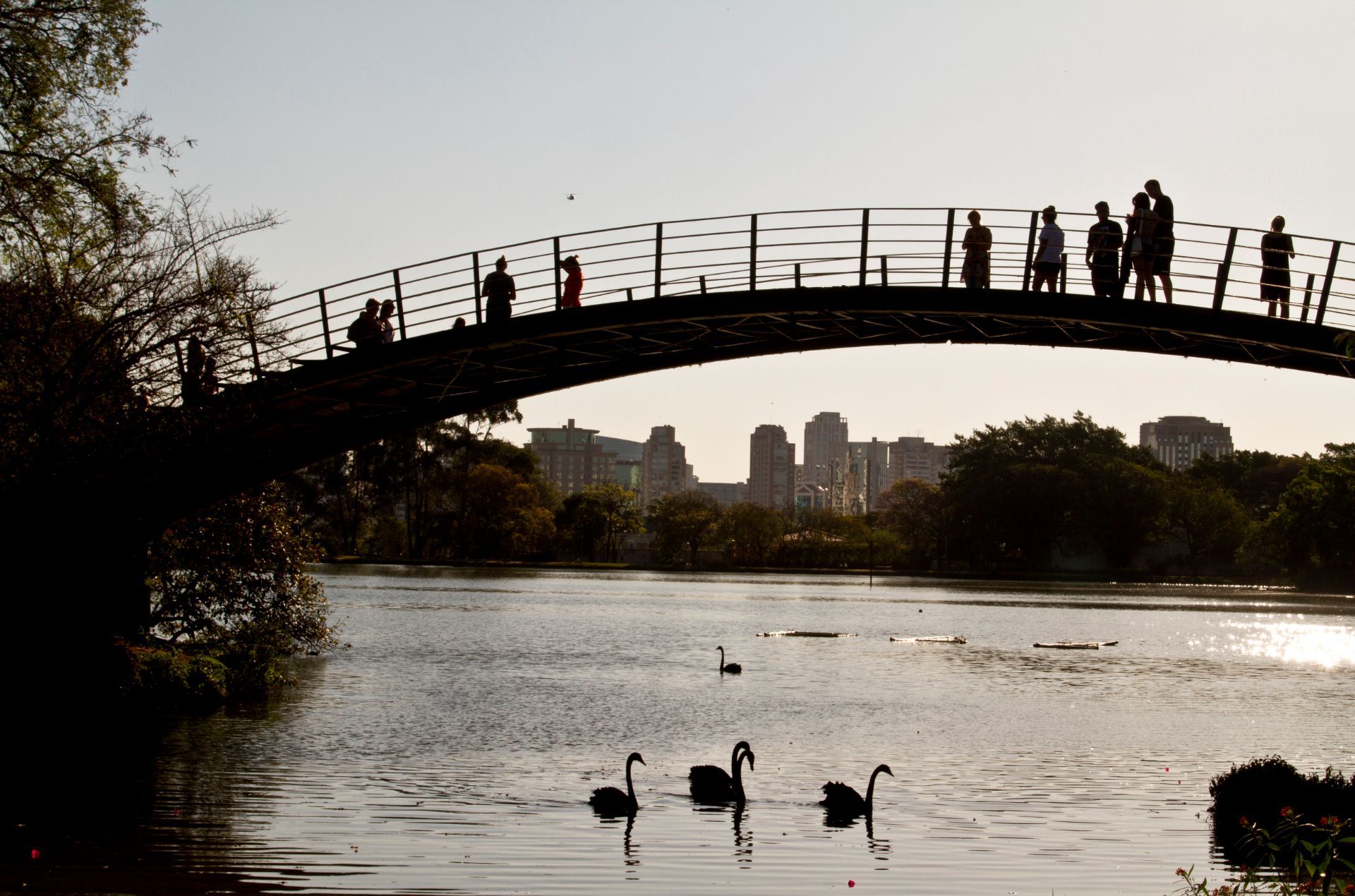
## Description Ibirapuera Park is one of São Paulo’s best-known green spaces, but the real delight for many visitors is not just the major landmarks. It is the quieter corners that reveal why the park matters so much to locals. In a city famous for its intensity, scale, and relentless movement, Ibirapuera provides room to breathe. The park is broad enough to absorb crowds without feeling overwhelming, and its quieter paths, shaded lawns, and tucked-away benches make it easy to find a slower rhythm even on busy days. The park is more than a recreational area. It is a cultural landscape where nature, architecture, exercise, and informal social life come together. You may pass runners, families on blankets, office workers taking breaks, and visitors moving between museums or exhibition spaces. Yet the quieter parts of the park offer a different kind of experience. Instead of chasing the main sights, you can wander into less-trafficked zones, pause under the trees, and notice how the park changes from one pocket of space to another. One little-known fact is that Ibirapuera was designed with major urban ambition in mind, which is why the park feels so integrated with the city rather than separated from it. Another is that the park’s atmosphere can shift dramatically depending on where you stand; some areas feel expansive and ceremonial, while others feel almost hidden and intimate. That contrast is what makes the quieter corners so rewarding. They reveal a softer side of one of Latin America’s great metropolitan parks. For travelers, the appeal lies in balance. You can enjoy famous São Paulo institutions and still have time to sit somewhere calm enough to reflect on the city’s scale. In that sense, Ibirapuera is not only a park but also a reset point. It offers visitors the chance to experience a dense metropolis without being consumed by it. ## Location Ibirapuera Park is located in São Paulo, Brazil, primarily in the southern-central part of the city near neighborhoods such as Vila Mariana and Moema. It is one of the most accessible major parks in São Paulo and sits within reach of both cultural institutions and residential districts, which makes it easy to combine with other city sightseeing. The park is best reached by ride-hailing service, taxi, bus, or a combination of metro and walking depending on where you start. Because the park has multiple entrances and a large footprint, it helps to decide in advance which part you want to visit. If your goal is the quieter side of the park, enter with enough time to wander rather than heading only to one landmark. That way you can move between open lawns, tree-lined paths, and calmer internal areas without feeling rushed. From central São Paulo, travel time varies widely with traffic, so the best strategy is to leave room in your schedule. Mornings and late afternoons are often the most comfortable times to visit because temperatures are milder and the park’s quieter zones feel more spacious. ## Tips - Visit on a weekday if you want the calmest experience. Weekends are lively and fun, but they are also busier. - Bring water, sunscreen, and comfortable shoes. The park is large enough that you will do more walking than expected. - If you want the quietest corners, keep moving away from the most obvious landmarks and main event spaces. - Plan at least part of your visit for sitting and observing instead of only walking. The park’s atmosphere is part of the attraction. - Combine the park with a museum or cultural stop nearby so the day feels balanced between activity and rest. ## Conclusion The quieter corners of Ibirapuera Park show a gentler, more reflective side of São Paulo. It is a place to slow down, recharge, and see how a great city park can feel both grand and personal at the same time. ## FAQ ### Why focus on the quiet corners instead of the park’s main attractions? Because the quieter spaces show a different personality. They are where the park feels restorative, local, and less performative, which can be especially valuable in a city as energetic as São Paulo. ### Is Ibirapuera Park suitable for a short visit? Yes. Even a brief stop can be worthwhile if you know which entrance or area you want to explore. A short visit is enough to enjoy the atmosphere, but longer stays let you appreciate the park’s variety. ### When is the best time to go? Mornings and late afternoons are usually the most pleasant. The light is better, temperatures are easier, and the park’s calmer areas are more enjoyable. ### Can I visit if I am not interested in museums or events? Absolutely. The park works very well as a green urban retreat on its own, especially if you enjoy walking, people-watching, or simply resting in a landscaped setting. ## Links - [Ibirapuera Park official website](https://parqueibirapuera.org/) - [Ibirapuera Park on Wikipedia](https://en.wikipedia.org/wiki/Ibirapuera_Park)
GemVoyage Team • World

Comments