GemVoyage Team • World
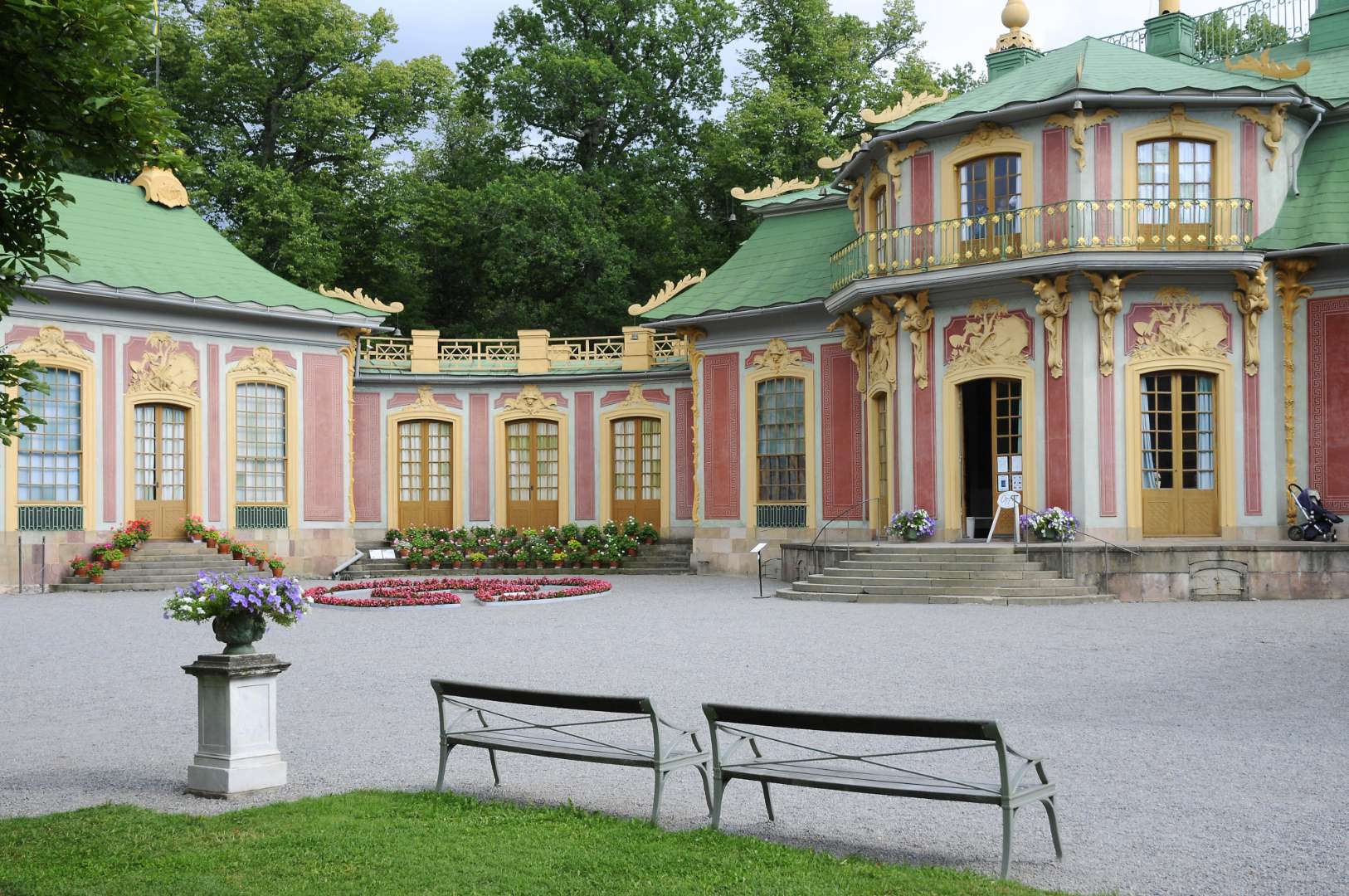
The Chinese Pavilion (Swedish: Kina slott) in Stockholm is a whimsical and elegant slice of 18th-century European fascination with the East. Nestled within the lush grounds of Drottningholm Palace Park, this royal summer retreat was commissioned in 1753 by King Adolf Fredrik as a surprise birthday gift for Queen Lovisa Ulrika. The pavilion is a stunning example of Chinoiserie, a European artistic style that romanticized and imitated Chinese design, blending it with Rococo elements to create a fairy-tale-like structure.
What makes the Chinese Pavilion truly unique is its blend of imported Chinese artifacts and Swedish craftsmanship. Inside, you’ll find original Chinese silk and paper wall coverings, lacquered screens, porcelain vases, and stained glass windows. Swedish Rococo furniture inspired by Chinese motifs adds a local twist to the exotic aesthetic. The pavilion’s interiors were designed by Jean Eric Rehn, the royal court’s chief supervisor, and many of the decorative objects were brought in by the Swedish East India Company.
A little-known fact: the original pavilion was prefabricated in Stockholm and assembled in Drottningholm in secret, making it one of the earliest examples of modular architecture in Sweden. Another quirky detail—during the pavilion’s unveiling, the young Crown Prince Gustav (later King Gustav III) presented the Queen with a golden key while dressed as a Chinese mandarin.
The Chinese Pavilion is located in Sweden, within the Stockholm County region, specifically in the Ekerö Municipality on the grounds of Drottningholm Palace, a UNESCO World Heritage Site.
Once you arrive at Drottningholm, follow the signs through the park to reach the Chinese Pavilion.
To make the most of your visit to the Chinese Pavilion, consider these helpful tips:
The Chinese Pavilion in Stockholm is a captivating blend of East and West, fantasy and history. With its ornate design, rich backstory, and tranquil setting, it offers visitors a unique glimpse into Sweden’s royal past and its 18th-century fascination with Chinese art and culture.
1. When is the Chinese Pavilion open to visitors?
It’s open seasonally from May to September. Exact dates may vary each year.
2. Is the Chinese Pavilion part of Drottningholm Palace?
Yes, it’s located within the Drottningholm Palace Park and is considered part of the Royal Domain.
3. Can I visit the pavilion without a guided tour?
Yes, self-guided visits are allowed, but guided tours provide deeper insight into its history and design.
4. Is photography allowed inside the pavilion?
Photography is generally restricted inside. You can take pictures of the exterior and gardens.
5. How long should I plan for the visit?
Allocate at least 1–2 hours to explore the pavilion and surrounding park, or more if combining with Drottningholm Palace.
6. Is the pavilion accessible for people with mobility issues?
Accessibility is limited due to the historic nature of the building. Contact the site in advance for specific accommodations.
Discover more hidden gems you might love.
Wroclaw
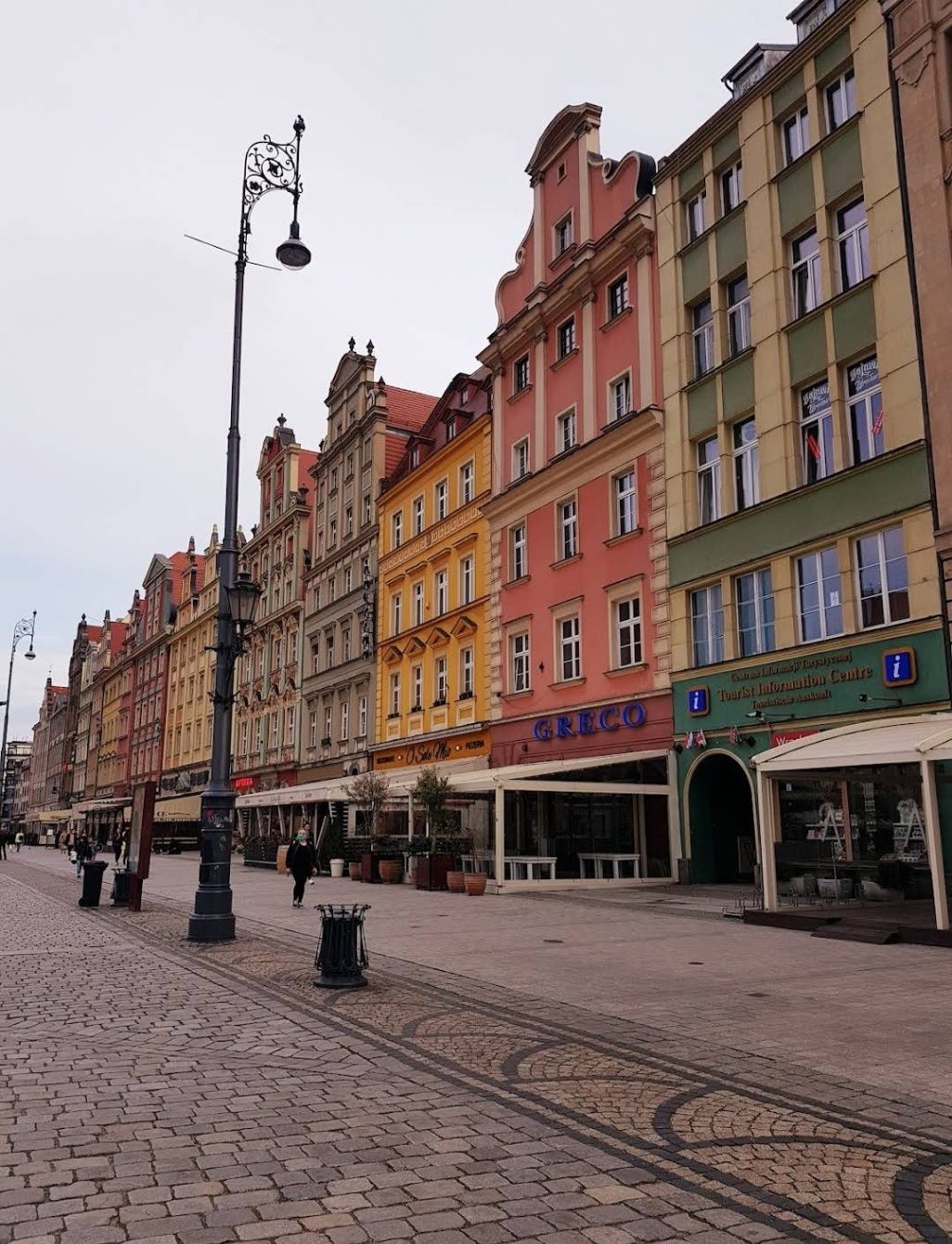
## Description The **Old City of Wroclaw**, also known as **Stare Miasto**, is one of the most enchanting historic centers in Poland. With its cobblestone streets, Gothic and Baroque architecture, and vibrant market square, the Old City blends centuries of history with modern-day charm. Visitors are greeted by the **Rynek (Market Square)**, one of the largest medieval squares in Europe, surrounded by colorful townhouses, cafés, and cultural landmarks. At its heart stands the **Wroclaw Town Hall**, a masterpiece of Gothic architecture that has been a symbol of the city since the 13th century. What makes Old City Wroclaw especially unique is its blend of influences. Throughout history, Wroclaw was ruled by Poland, Bohemia, Austria, Prussia, and Germany before finally becoming part of modern Poland after World War II. This rich mix is reflected in its architecture, traditions, and even cuisine. A little-known fact about Wroclaw is its population of **over 600 small bronze gnome statues**, scattered throughout the Old City. Known as **Krasnale**, these whimsical figures began as a symbol of resistance during the Communist era and have since become a beloved cultural attraction. Another interesting detail is that parts of the Old City were almost completely destroyed during the war but meticulously rebuilt, making it both a symbol of resilience and a living museum of Polish heritage. ## Location The Old City is located in **Wroclaw**, the capital of the **Lower Silesia region in southwestern Poland**. The historic district lies along the **Oder River**, with the Market Square as its central landmark. Reaching Wroclaw is simple. The **Wroclaw Copernicus Airport** connects the city to many European destinations, and from there, the Old City is just a 20–30 minute drive. For domestic travelers, Wroclaw is well connected by train and bus networks, with the main railway station (**Wrocław Główny**) located about 15 minutes from the Old Town by tram or taxi. Walking is the best way to explore once you arrive, as most attractions are within a compact, pedestrian-friendly area. ## Tips To make the most of your visit to Old City Wroclaw, keep these tips in mind: * **Start at the Market Square** – It’s the perfect hub for exploring nearby attractions, shops, and restaurants. * **Look for the gnomes** – Spotting the tiny bronze statues is a fun activity for visitors of all ages. * **Visit Ostrów Tumski** – The Cathedral Island, just outside the Old City, is the oldest part of Wroclaw and offers stunning views of Gothic churches and gas lantern-lit streets. * **Try local food** – Don’t miss pierogi, żurek (sour rye soup), and Wroclaw’s famous craft beers. * **Join a walking tour** – Guided tours provide fascinating insights into the city’s multicultural past and hidden corners. * **Enjoy the nightlife** – The Old City is lively after dark, with pubs, jazz clubs, and cafés filling the medieval streets with energy. ## Conclusion The **Old City of Wroclaw** is a place where history, culture, and modern life come together in perfect harmony. From its magnificent Market Square and medieval landmarks to its quirky gnomes and vibrant atmosphere, the Old City offers something for every traveler. Whether you’re exploring its Gothic churches, enjoying local delicacies, or simply soaking in the atmosphere of its charming streets, Wroclaw’s Old Town is a must-see gem in Poland. ## FAQ **1. What is Old City Wroclaw best known for?** It is famous for its medieval Market Square, Gothic Town Hall, colorful architecture, and unique gnome statues. **2. Can you walk around the Old City in one day?** Yes, most of the attractions are within walking distance, but spending at least two days allows for a deeper experience. **3. What are the gnomes in Wroclaw?** They are small bronze statues known as **Krasnale**, originally a symbol of resistance against communism, now a fun cultural attraction. **4. Is Old City Wroclaw expensive to visit?** Compared to many European cities, Wroclaw is affordable, with budget-friendly food, accommodations, and attractions. **5. When is the best time to visit Wroclaw?** Spring and summer are ideal for outdoor exploration, while December is magical thanks to the Christmas market in the Old Town Square. **6. Is the Old City family-friendly?** Yes, children especially enjoy searching for the gnome statues, and the pedestrian-friendly streets make it safe for families. ## Links * [Visit Wroclaw – Official Tourism Website](https://www.visitwroclaw.eu)
GemVoyage Team • World
Albania
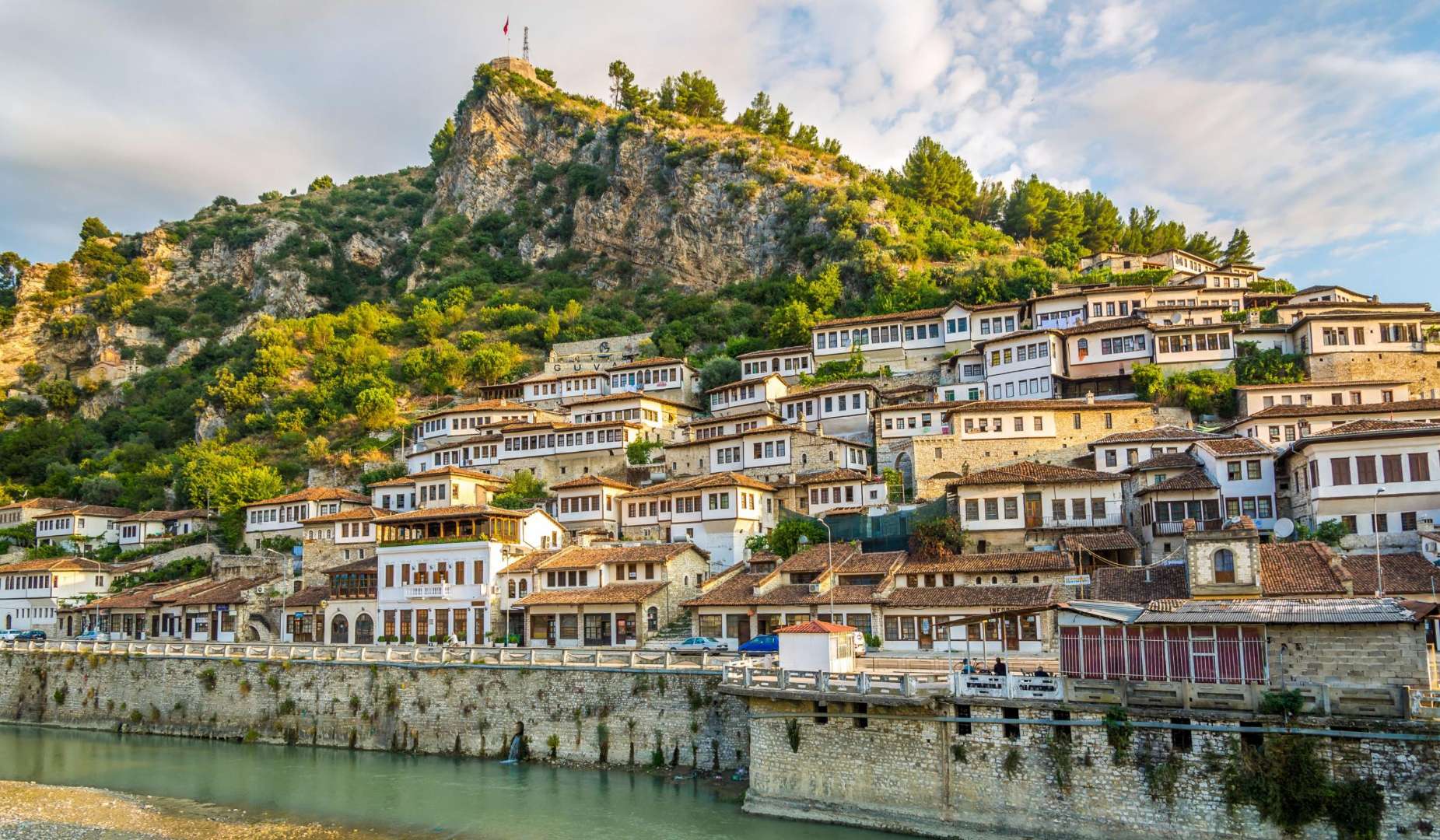
## Description Old Town Berat, often called the “City of a Thousand Windows,” is one of Albania’s most captivating historical destinations. Recognized as a UNESCO World Heritage Site, Berat is a living museum of Ottoman architecture, Byzantine churches, and layered cultural heritage. The town’s name is believed to derive from the Slavic “Beligrad,” meaning “white city,” and its origins trace back to the 6th century BC as the Illyrian settlement of Antipatrea. What makes Old Town Berat unique is its harmonious blend of religious and architectural diversity. The town is divided into three main quarters: Kala (the castle district), Mangalem (the Muslim quarter), and Gorica (the Christian quarter). Each area offers a distinct character, yet together they form a cohesive and picturesque whole. The iconic white Ottoman houses, stacked on the hillsides with large windows facing outward, give the town its poetic nickname and create a stunning visual symmetry. A little-known fact: Berat Castle is still inhabited. Unlike many European castles that serve solely as tourist attractions, locals live within its ancient walls, maintaining a vibrant community among Byzantine churches and Ottoman mosques. Another fascinating detail is the Onufri Museum, housed in the Church of the Dormition of St. Mary, which showcases the works of Onufri, a 16th-century Albanian iconographer known for his vivid use of color and gold. ## Location Old Town Berat is located in **Albania**, in the **Berat County**, within the **city of Berat**. It lies in central Albania, nestled along the banks of the Osum River and surrounded by the Tomorr Mountains. ### How to Get There - **By Bus**: From Tirana, minibuses depart regularly from the South and North Bus Terminals. The journey takes about 2.5 to 3 hours. - **By Car**: Driving from Tirana or other major cities is straightforward, with well-marked roads leading to Berat. The drive offers scenic views of the Albanian countryside. - **By Tour**: Many day tours from Tirana include transportation and guided visits to Berat’s key attractions. - **By Foot**: Once in Berat, the Old Town is best explored on foot. Cobblestone streets and narrow alleys connect the historic quarters. Its central location makes Berat an ideal base for exploring southern Albania’s natural and cultural sites. ## Tips - **Wear Comfortable Shoes**: The cobbled streets and steep paths, especially in the castle district, require sturdy footwear. - **Visit Early or Late**: To avoid crowds and enjoy the best light for photography, explore the Old Town in the morning or late afternoon. - **Stay Overnight**: Spending a night in a traditional guesthouse allows you to experience the town’s quiet charm after day-trippers leave. - **Try Local Cuisine**: Berat is known for its hearty Albanian dishes. Don’t miss specialties like stuffed peppers, lamb with yogurt, and homemade raki. - **Respect Religious Sites**: Many churches and mosques are still active. Dress modestly and ask before taking photos inside. - **Explore Beyond the Town**: Nearby attractions like Osum Canyon and Bogove Waterfall make excellent day trips. ## Conclusion Old Town Berat is a timeless blend of history, architecture, and cultural harmony. With its layered past, stunning vistas, and welcoming atmosphere, it offers a deeply enriching experience for travelers seeking authenticity in Albania. ## FAQ **1. Is there an entrance fee to visit Old Town Berat?** No, the Old Town itself is free to explore. Specific sites like the Onufri Museum or Berat Castle may charge small entrance fees. **2. How long should I spend in Berat?** A full day is enough to see the highlights, but staying overnight allows for a more relaxed and immersive experience. **3. Is Berat suitable for children?** Yes, though supervision is needed in areas with steep paths and uneven terrain. **4. Are guided tours available?** Yes, local guides offer walking tours that include historical insights and visits to key landmarks. **5. What is the best time of year to visit?** Spring and autumn offer mild weather and fewer crowds. Summer is popular but can be hot. **6. Can I stay inside the castle?** Yes, some guesthouses are located within the castle walls, offering a unique lodging experience. ## Links - [Old Town Berat – Albania Turism Overview](https://albaniaturism.com/old-town-berat-unesco-discovery/)
GemVoyage Team • World
Gifu
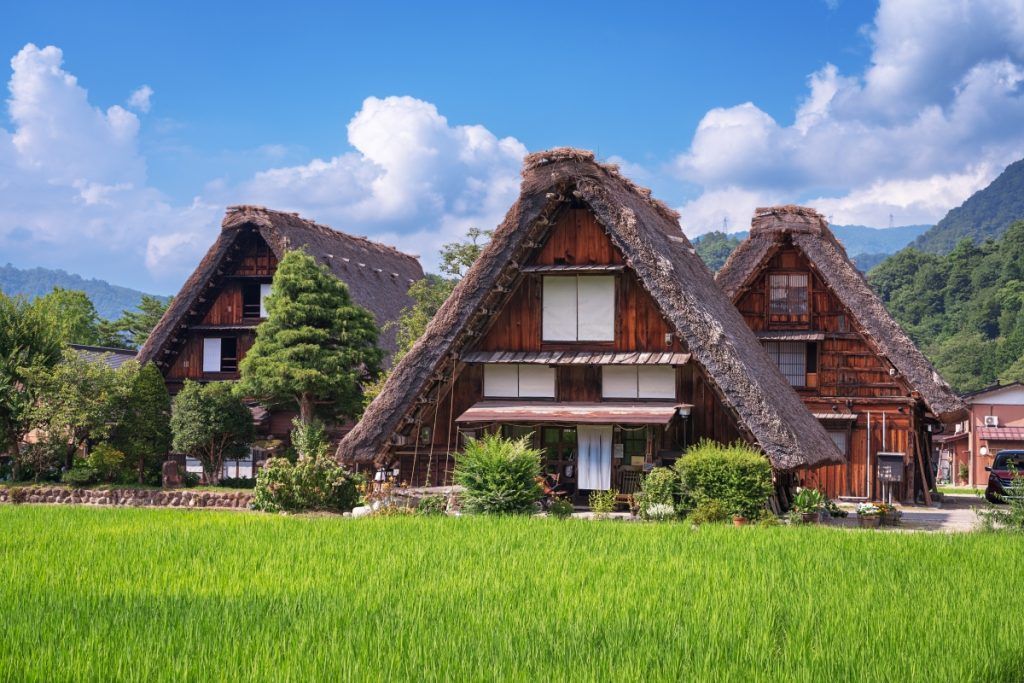
## Description Shirakawa-go is a cluster of historic mountain villages in Gifu Prefecture celebrated for their gassho-zukuri farmhouses — steep, thatched roofs resembling hands in prayer that were engineered to shed heavy winter snow. The villages of Shirakawa and neighboring Ainokura and Suganuma retain these timber-frame homes, some of which date back several centuries and now serve as museums, guesthouses and living reminders of rural Japanese architecture. This UNESCO-recognized cultural landscape is notable for its conservation systems and communal re-thatching practices. Local communities coordinate labor and funding to preserve thatched roofs on regular cycles, maintaining the buildings for future generations. Visitors witness a living tradition where architectural form, agricultural rhythms, and seasonal labor intersect. For helpful searches, use phrases like "Shirakawa-go winter illumination," "stay in a gassho-zukuri house," and "Shirakawa-go day trip from Kanazawa." Visitor notes: The villages are compact and walkable. Many houses maintain small museum rooms showing tools, domestic life, and historical objects. Staying overnight in a minshuku or farmhouse offers a rare opportunity to experience dawn light on thatched roofs and the village’s evening quiet after day-trippers depart. Respecting resident privacy and following local rules are essential; some homes remain private and are not open to the public. ## Location Shirakawa-go is in the mountainous Hida region of Gifu Prefecture in central Japan. The villages are reachable by bus from Takayama, Kanazawa or Toyama; many visitors combine Shirakawa-go with routes through the Japanese Alps. How to get there: Highway buses operate from Takayama and Kanazawa; timetables vary by season so check ahead. For photography-focused visits, consider arriving at first light for the best view of snow or reflected paddies. Road conditions in winter can affect schedules; allow flexibility and check local advisories. ## Tips - **Visit in different seasons:** Winter illuminations and deep snow produce classic images; autumn brings rich foliage and spring highlights rice planting and blossoms. - **Stay in a minshuku or farmhouse:** For an immersive experience, book a night in a traditional house to experience village routines and early-morning light. - **Respect local life:** These are working communities — avoid loud behavior, follow signage, and ask before entering private spaces. - **Use public transport or guided tours:** Parking is constrained in peak periods; buses or organized tours simplify logistics and reduce community pressure. - **Book early for peak events:** Winter illumination weekends and fall foliage are popular—reserve transport and lodging well in advance. - **Hire a local guide for deeper context:** Guides can explain thatching cycles, communal labor traditions, and sustainable heritage conservation. ## Conclusion Shirakawa-go is a gentle, well-preserved glimpse into traditional mountain life in Japan where architecture, community and seasonal labor combine to create a memorable cultural landscape. Combine Shirakawa-go with Takayama or Kanazawa for a deeper regional itinerary that showcases both mountain and coastal cultures. ## FAQ - **Q: Are the houses open to visitors?** A: Several farmhouses operate as museums or guesthouses with interpretive displays; opening times vary by season—check official listings before you go. - **Q: How long should I plan to visit?** A: A half-day allows a main-village walk; an overnight stay deepens the experience and gives access to morning light and quieter evenings. - **Q: Can I stay overnight in a gassho-zukuri house?** A: Yes—some houses operate as minshuku or guesthouses; these often fill early during peak seasons, so book in advance. - **Q: When is the best time for photography?** A: Early morning or late afternoon provides soft light and long shadows; winter snow and autumn colors offer dramatic scenes for photographers. - **Q: Are there any visitor restrictions?** A: Shirakawa-go is managed to protect its cultural landscape—respect signage, avoid entering private homes without permission, and follow guidance during special events. ## Links - [Japan Travel Guide](https://www.japan.travel/en/us/)
GemVoyage Team • World
Berlin
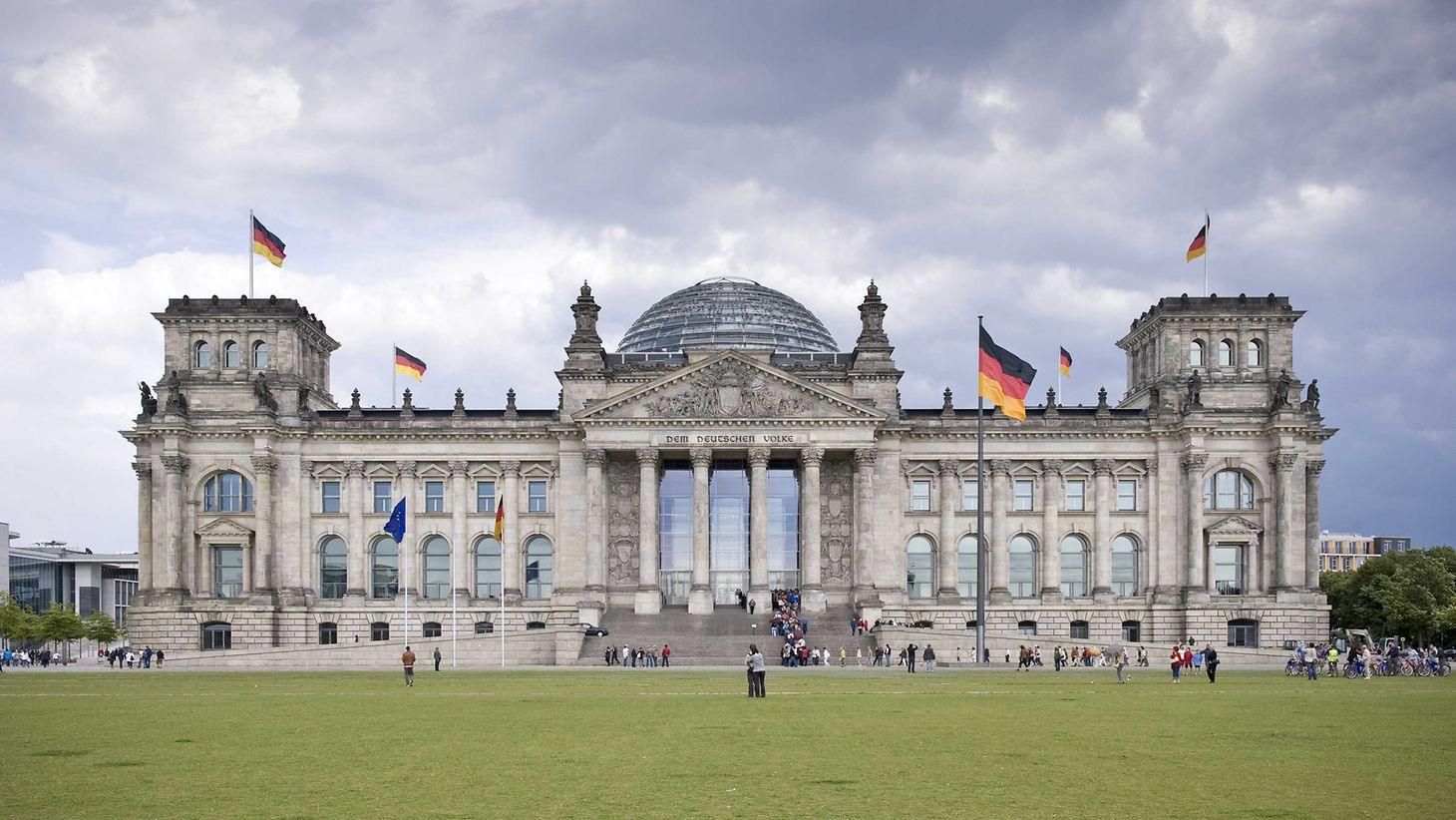
## Description The **Bundestag Building**, officially known as the **Reichstagsgebäude**, stands as one of the most significant landmarks in **Berlin** and a powerful symbol of **Germany’s turbulent history and democratic rebirth**. Combining monumental architecture with modern transparency, it serves today as the seat of the **German Federal Parliament (Deutscher Bundestag)** — and one of the most visited government buildings in the world. Originally designed by **architect Paul Wallot** and completed in **1894**, the building was intended to house the **Imperial Diet of the German Empire**. Its Neo-Renaissance façade, crowned by a grand central dome, reflected the pride and ambition of a newly unified Germany. However, the Reichstag’s history mirrors that of the nation itself — one of struggle, destruction, and renewal. In **1933**, the infamous **Reichstag fire** severely damaged the building, and it was later left in ruins during World War II. After decades of neglect during the Cold War, when Berlin was divided, the Reichstag stood near the border between East and West as a haunting reminder of Germany’s fractured identity. Following reunification, the Bundestag was **rebuilt and transformed** under the vision of **British architect Sir Norman Foster**, who completed his renovation in **1999**. The centerpiece of this reconstruction is the **modern glass dome**, an architectural marvel that symbolizes **transparency and accessibility in government**. Visitors can ascend the spiraling ramp inside the dome to enjoy **panoramic views of Berlin**, while looking down into the debating chamber below — a literal reflection of the people’s oversight over their elected representatives. A lesser-known fact is that during reconstruction, thousands of **historic graffiti inscriptions** left by Soviet soldiers in 1945 were carefully preserved on interior walls, serving as poignant reminders of the city’s wartime history. Another fascinating detail is that the **solar-powered dome** is part of an advanced energy-efficient system that makes the Bundestag one of the world’s greenest government buildings. ## Location The **Bundestag Building** is located in the **government district (Regierungsviertel)** of **Berlin**, **Germany**, near the **Brandenburg Gate** and along the **River Spree**. **Address:** Platz der Republik 1, 11011 Berlin, Germany To get there: * **By U-Bahn:** Take **U5** to **Bundestag Station**, located directly beside the building. * **By S-Bahn:** The **Berlin Hauptbahnhof (Main Station)** is about a **10-minute walk** away. * **By bus:** Routes **100** and **200** stop nearby at **Reichstag/Bundestag**. * **By foot or bike:** It’s an easy walk from the **Brandenburg Gate** or the **Tiergarten** park. ## Tips * **Book your visit in advance:** Entry to the dome and terrace is **free**, but **online registration** is required through the Bundestag’s official website due to high demand. * **Bring ID:** You’ll need a valid photo ID to enter the building for security reasons. * **Visit the dome at sunset or night:** The views of Berlin’s skyline — including the Brandenburg Gate and the Fernsehturm (TV Tower) — are spectacular after dark. * **Take the guided tour:** Learn about German history, architecture, and politics from official Bundestag guides. Tours are offered in multiple languages. * **Dress comfortably:** There’s a bit of walking and ramp climbing involved when visiting the dome. * **Combine with nearby attractions:** The **Brandenburg Gate**, **Memorial to the Murdered Jews of Europe**, and **Tiergarten** are all within walking distance. * **Photography:** Cameras are allowed — the dome’s glass reflections and city views make it a photographer’s dream. ## Conclusion The **Bundestag Building (Reichstag)** is more than a seat of government — it’s a living monument to **Germany’s journey from empire to democracy**. From its grand 19th-century origins through wartime destruction and postwar division, to its renewal as a transparent and sustainable parliament, the building embodies the nation’s resilience and progress. Visiting the Bundestag is both a **historical and symbolic experience**, offering a glimpse into the past and a view toward the future — quite literally through its luminous glass dome overlooking Berlin. ## FAQ **1. What is the difference between the Reichstag and the Bundestag?** “Reichstag” refers to the **historic building** itself, while “Bundestag” refers to **Germany’s federal parliament**, which now meets inside the Reichstag building. **2. When was the Reichstag building completed?** It was completed in **1894**, heavily damaged during World War II, and **fully restored and reopened in 1999** after reunification. **3. Who redesigned the building after reunification?** The **British architect Sir Norman Foster** led the reconstruction, adding the iconic glass dome. **4. Is it free to visit?** Yes, **entry to the Bundestag, dome, and terrace is free**, but advance **registration** is required for security reasons. **5. Can you visit the parliamentary chamber?** Yes, guided tours include access to the chamber when sessions are not in progress. Visitors can also attend plenary sessions by prior arrangement. **6. When is the best time to visit?** The **evening** is ideal for breathtaking views of Berlin at sunset, but daytime visits offer clearer views of the cityscape. **7. What are the opening hours?** The dome is usually open daily from **8 a.m. to midnight**, with last entry around **10 p.m.** (check the official site for seasonal variations). ## Links * [Official Bundestag Visitor Registration](https://www.bundestag.de/en/visittheBundestag/dome/registration-245686)
GemVoyage Team • World
Moscow
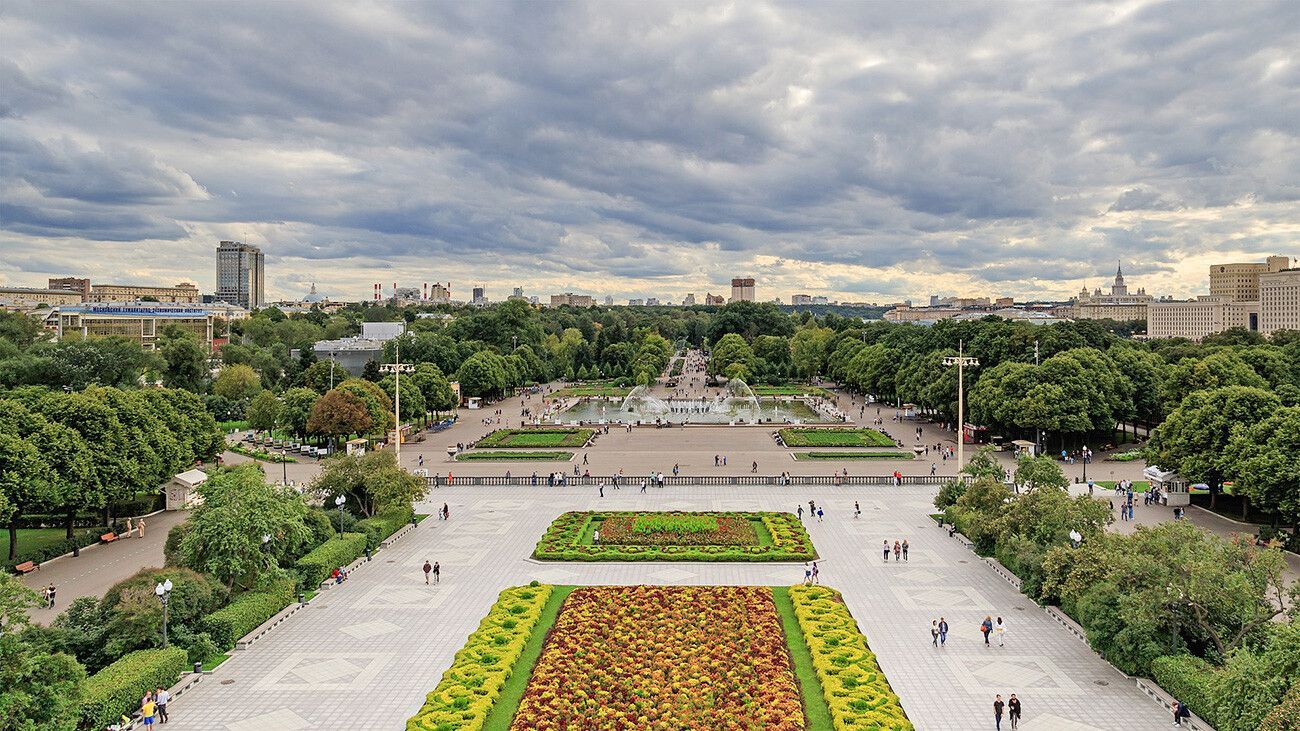
## Description Gorky Park is one of Moscow’s most recognizable public spaces, but its importance goes beyond fame. It functions as a major urban park, a leisure destination, and a symbol of how Moscow’s public life has evolved over time. For visitors, it offers a broad, flexible experience that can include walking paths, riverside views, outdoor activities, cultural programming, seasonal events, and simply the pleasure of being in a lively city park with enough scale to feel substantial. It is a park that can fill a few hours without demanding a rigid plan. One of the reasons Gorky Park remains so appealing is that it balances energy and openness. It is popular with residents, but it still gives travelers space to breathe. A lesser-known fact is that the park has been reinterpreted several times across different periods of Russian history, which means its identity reflects changing ideas about public recreation and city life. Another detail many visitors notice only after arriving is how different the park can feel depending on the season: summer brings crowds, bikes, and long evenings outdoors, while winter can transform parts of the park into a much quieter and more atmospheric space. The park’s value for tourists lies in its versatility. You can come here for exercise, a casual walk, coffee, a river view, or a break from heavy sightseeing. You can also use it as a transition point between more formal cultural landmarks and more relaxed urban exploration. In a city as large as Moscow, that role matters. Gorky Park offers a kind of public relief, a place where the scale softens and the city becomes easier to inhabit on foot. It is also a good example of how a park can be both local and iconic. Residents use it as everyday space, while travelers see it as an essential Moscow destination. That overlap is usually a sign of a worthwhile attraction. ## Location Gorky Park is located in central Moscow, Russia, along the Moskva River. Its riverfront position gives it a scenic edge and makes it easy to combine with surrounding cultural sites or waterfront walks. The park is very much part of the city’s main urban fabric, so it is convenient to reach even if you are staying in a busy central district. The easiest way to get there is by Moscow Metro, followed by a short walk depending on which entrance or section you want to use. Public transport is usually the smartest approach because it avoids traffic and places you directly within the park’s broader central network. Once inside, the grounds are meant to be explored on foot, by bike, or by simply moving from one area to another at your own pace. Because Gorky Park is so flexible, the best plan is often to use it as part of a longer city day rather than as a standalone objective. It pairs naturally with museum visits, riverfront exploration, or a relaxed afternoon in central Moscow. ## Tips Choose the season carefully if you can. Gorky Park changes dramatically across the year, and each season creates a different mood. Leave room for wandering. The park is best when you allow yourself to drift rather than trying to cover every section. Bring a bike or rent one if you want to cover more ground and experience the park like a local. If you are there in warm weather, plan for food and drinks so you can stay longer and enjoy the river atmosphere. Check for events or temporary installations, since the park often has more happening than a first-time visitor may expect. ## Conclusion Gorky Park is one of Moscow’s most adaptable and enjoyable public spaces, combining relaxation, scenery, and urban life in one central location. It is an essential stop for visitors who want to see how Muscovites use the city for leisure. ## FAQ ### Is Gorky Park worth visiting in winter? Yes. The atmosphere changes, but winter can be especially beautiful and calm. ### How long should I spend there? At least 1 to 3 hours, depending on whether you are walking, biking, or attending an event. ### Is it family-friendly? Very much so. The park is a major public leisure space with broad appeal. ### Can I combine it with other Moscow sights? Yes. Its central location makes it easy to pair with museums, river views, or other city-center attractions. ## Links - [Gorky Park](https://russiable.com/gorky-park-moscow/)
GemVoyage Team • World
Austin
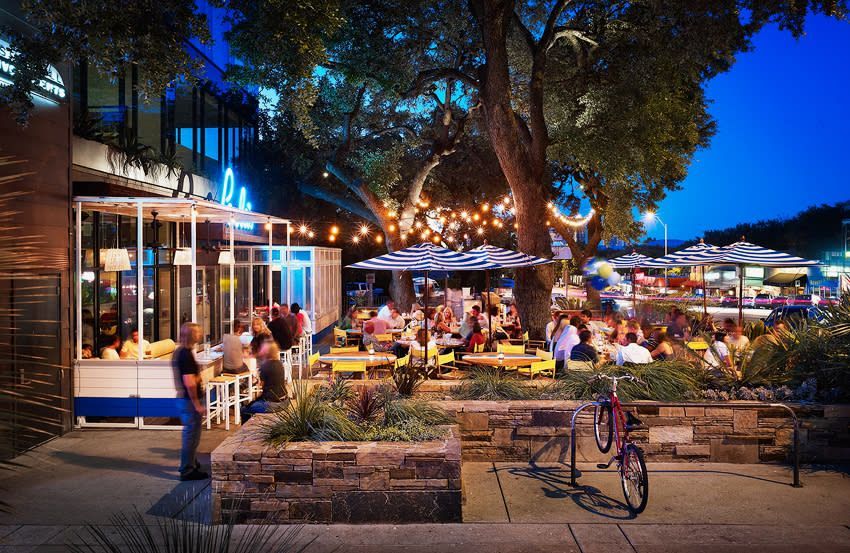
## Description South Congress Avenue, often called SoCo, is one of Austin’s most recognizable streets and one of the easiest places to understand the city’s personality. It blends independent retail, live music, vintage style, public art, great food, and a laid-back but still very energetic street culture. For visitors, the appeal is immediate: you can walk a few blocks and encounter boutique stores, local coffee shops, iconic signs, food trucks, music venues, and skyline views that make Austin feel both creative and unmistakably Texan. What makes South Congress especially interesting is the way it combines old Austin and new Austin in one corridor. It is fashionable without feeling sterile, and busy without feeling anonymous. A little-known fact is that the nickname SoCo became part of Austin’s urban identity only after the street’s modern revival, so the district’s current fame is actually quite recent in the city’s long history. Another detail travelers may not realize is that the avenue has long been a place where local creativity surfaces first: murals, small independent brands, and neighborhood spots often appear here before they become broader trends elsewhere in the city. South Congress is also one of the best places to absorb Austin’s social rhythm. During the day, it feels relaxed, with people moving between shops, patios, and casual lunch spots. In the evening, it becomes more vibrant, especially when people are heading out for dinner, live music, or sunset views near the river and the downtown skyline. The street is not only about commerce; it is about atmosphere. Even if you buy nothing, the walk itself is part of the attraction. ## Location South Congress Avenue is in Austin, Texas, United States, running south from downtown toward the southern part of the city. It is one of the most central and accessible visitor areas in Austin, especially if you are staying downtown or near the river. The street is easy to reach by rideshare, city bus, bicycle, or on foot from nearby neighborhoods. Many visitors also combine it with the Ann and Roy Butler Hike-and-Bike Trail or with a downtown sightseeing day. Because parking can be limited and the area often gets busy, public transport, biking, or walking are usually the smartest options. Once there, the best way to explore is to move slowly and let the block-by-block mix of shops and cafés shape your route. South Congress does not need a complicated plan. The street itself is the itinerary, and the surrounding cross streets offer enough variety to fill several hours without ever feeling repetitive. ## Tips - Visit in the late afternoon or evening if you want the most energetic atmosphere. - Weekday mornings are better for a quieter stroll and easier parking. - Wear comfortable shoes, because the best way to enjoy SoCo is to walk it. - Leave room in your schedule for shopping, coffee, live music, and an unplanned stop. - Watch the skyline at sunset for one of the best views linked to the district. - If you want a more local feel, step beyond the main retail blocks and explore nearby side streets. ## Conclusion South Congress Avenue is one of Austin’s best introductions to the city’s creative side. It is colorful, lively, walkable, and full of character, making it a strong stop for first-time visitors and returning travelers alike. ## FAQ ### What is South Congress Avenue known for? It is known for boutiques, music, food, murals, and its strong association with Austin’s local identity. ### Is South Congress worth visiting at night? Yes. Evening is one of the best times to experience the street’s energy, dining, and nightlife. ### How long should I spend there? Two to four hours is a good range, though it is easy to stay longer if you shop or dine. ### Is the area walkable? Yes. South Congress is one of Austin’s most walkable visitor districts. ## Links - [Austin tourism information](https://www.austintexas.org/)
GemVoyage Team • World

Comments