GemVoyage Team • World
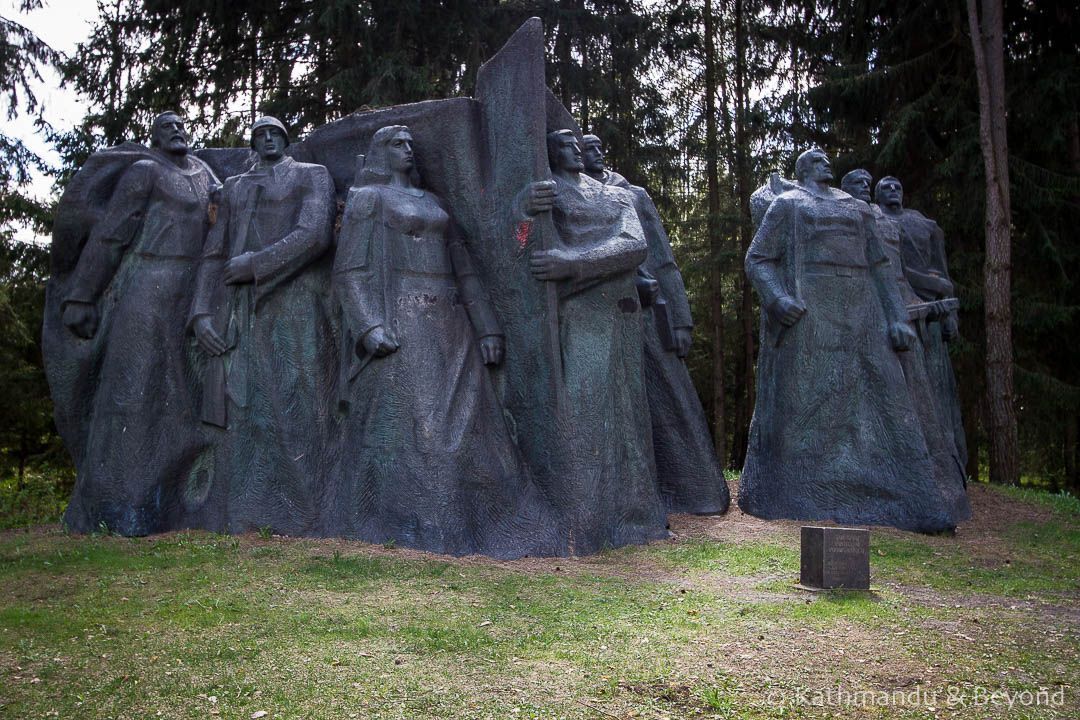
What distinguishes Grūtas Park is its curatorial framing: statues are not simply re-installed as aesthetic objects but are placed within an interpretive environment that raises questions about ideology, power, and public memory. Complementing the sculptures are reconstructed Soviet kiosks, everyday artifacts, period signage, and a small indoor museum that provides historical context and archival material. The layout intentionally references the scale and dramatic sightlines of Soviet monumentalism, creating a spatial dialogue between past and present.
Visitors often find Grūtas Park both educational and emotionally resonant. Plaques and guided tours unpack the histories behind the monuments, the artists who made them, and the social circumstances that led to their removal and relocation. The park fosters discussion about how societies remember oppressive histories, the ethics of preserving controversial monuments, and creative approaches to public history.
Discover more hidden gems you might love.
Plateliai
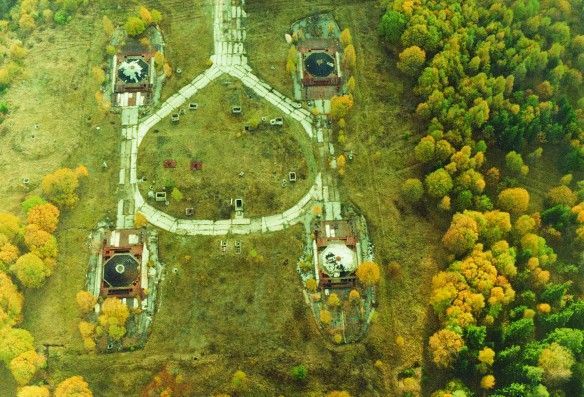
## Description The Plokštinė missile base, now preserved as the Cold War Museum near Plateliai, offers a rare and visceral encounter with twentieth-century strategic history. The site is a remarkably intact example of Soviet military engineering: deep underground launch tunnels, reinforced command bunkers, and surface infrastructure that hint at a wartime readiness now frozen in time. Unlike many museums that reconstruct events with replicas, Plokštinė retains original concrete, rusted metalwork, and patched wiring—materials that convey the scale and urgency of deterrence planning. What makes Plokštinė particularly compelling is its layered storytelling. Exhibits interweave technical descriptions of missile systems and launch protocols with human-scale narratives—photos of personnel, uniforms, diaries and municipal records that emphasize the lived experience of those stationed there. Guided tours often highlight operational details (how crews were rotated, how shelters were maintained) while reflecting on the broader geopolitical context: why land-based missile sites mattered to Soviet strategy and how their presence reshaped local communities. Conservation at Plokštinė has a museum-like rigor: lighting and interpretation are carefully placed to preserve fragile surfaces while enabling visitors to read inscriptions and see equipment. In the tunnels, the stone and concrete surfaces absorb sound, producing an almost cathedral-like hush that encourages reflection. The juxtaposition of heavy engineering and intimate domestic artifacts—the letter folded inside a pocket, a tea set on a service table—creates a human counterpoint to the site's strategic purpose. ## Location Plokštinė sits in western Lithuania near the small town of Plateliai in the Plungė district (Telšiai County), set against the pine and mixed-forest landscapes of Žemaitija National Park. The remoteness is part of the site’s character: the base was intentionally sited away from population centers, hidden by terrain and vegetation. Visitor research note: Scholars and Cold War enthusiasts should contact the museum ahead of time if they plan to consult archival materials or request deeper access for research purposes. Curators sometimes facilitate focused visits or point researchers toward local archives and oral-history resources that provide fuller context. How to get there: the most practical way to visit is by car, with the drive from Plateliai or Plungė taking under an hour depending on route and conditions. Local tour operators in Plateliai sometimes offer organized visits, which can include transport and guided interpretation. Public transport is sporadic — taxis from Plateliai or Plungė are the pragmatic alternative for visitors without private vehicles. Be mindful that signage outside the immediate museum area can be limited; bring offline maps or GPS coordinates when traveling. ## Tips - Book guided tours in advance when possible; on-site staff provide technical context and safety briefings that enhance understanding. - Dress for underground conditions: temperatures in tunnels are lower and the ground can be uneven and damp; sturdy shoes and a light jacket are recommended. - Respect restricted areas and posted rules; some sections may be closed to preserve sensitive structures or materials. - Photography: allowed in many parts, but check signage for restrictions in operational or fragile zones; avoid flash where plaster or pigments may be vulnerable. - Combine the visit with natural attractions: Plateliai Lake and Žemaitija National Park are nearby and make for a well-rounded day trip. - Bring water and snacks, as amenities near the site are limited; local cafes in Plateliai provide a pleasant break before or after a tour. ## Conclusion The Plokštinė Cold War Museum is a vivid public history site where engineering, geopolitics, and local memory intersect. It invites visitors to slow down and consider the practical technologies of deterrence alongside the human routines that sustained a military outpost. For scholars, photographers, and travelers interested in Cold War heritage, Plokštinė offers an uncommonly honest look at a world that once revolved around secrecy and rapid readiness. ## FAQ Q: Can visitors go inside the missile tunnels? A: Yes—guided tours typically include accessible sections of the underground complex. Access depends on safety conditions and conservation work, so check current availability and any age or mobility restrictions before you travel. Q: How long should I plan for a visit? A: Plan for at least two hours to experience the museum and tunnels at a relaxed pace; a guided tour plus time to read exhibits and explore surface ruins may take three hours. Q: Are tours available in English? A: Some tours and interpretive materials are available in English, but availability varies. Contact the museum or local tourism offices for the current language options and to request an English-speaking guide. Q: Is Plokštinė suitable for children? A: Older children and teens typically find the site fascinating, especially with a guide to explain technical details. Very young children may find confined spaces and sombre themes unsettling; consider the itinerary and their comfort. Q: Is the site accessible for visitors with reduced mobility? A: The underground and older structures have limited accessibility due to stairs, uneven surfaces, and narrow corridors. Visitors with mobility concerns should contact the museum ahead of time to discuss options and view accessible areas. ## Links - [Plokštinė missile base / Cold War Museum](https://coldwarsites.net/country/lithuania/plokstine-missile-base-museum-of-cold-war-plateliai/)
GemVoyage Team • World
Jeddah
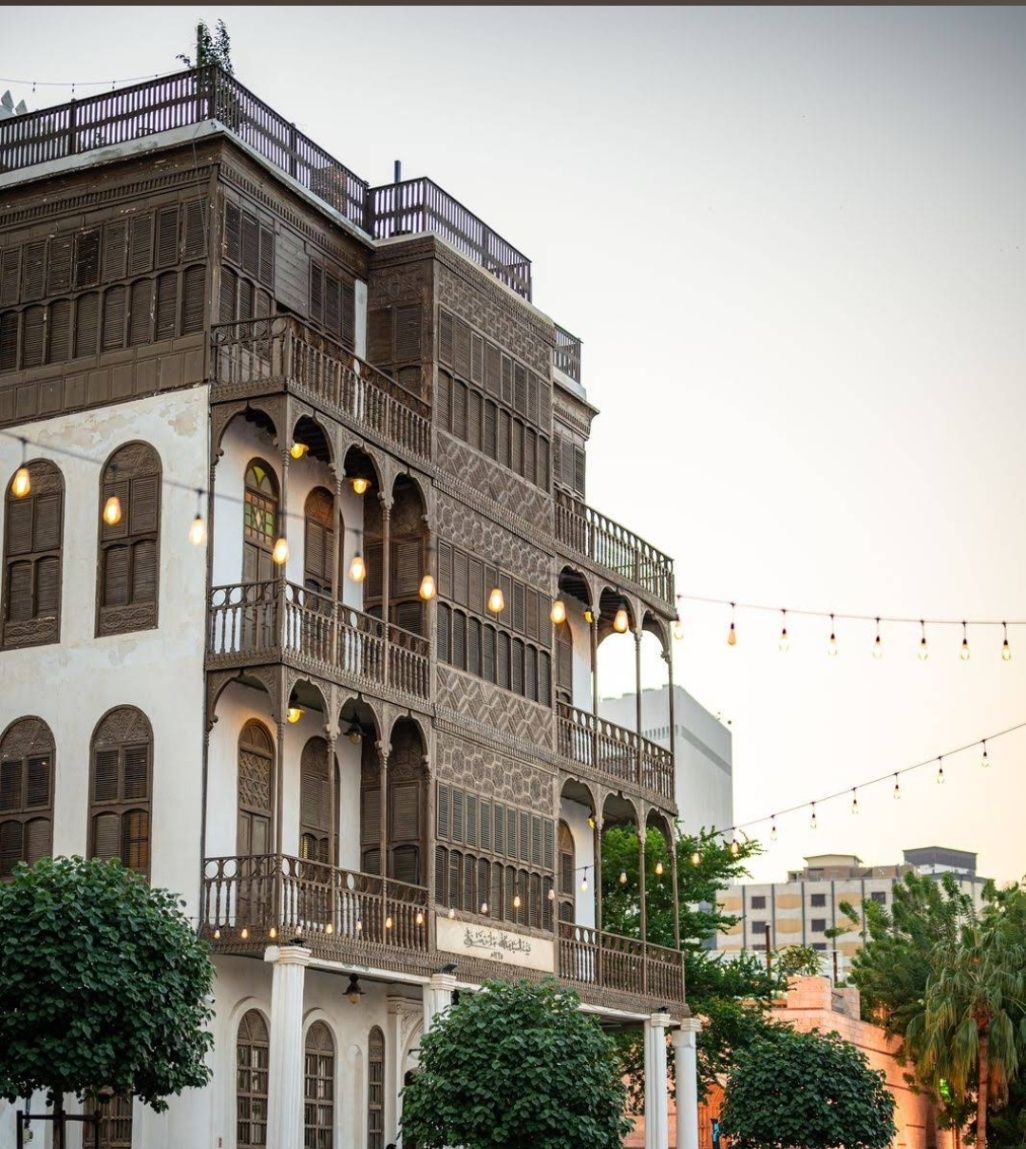
## Description The **Al Sharbatly House**, also known as **Beit Al Sharbatly**, is one of the most iconic heritage houses in **Al-Balad**, the historic district of Jeddah. This grand residence is a striking example of traditional Hijazi architecture, characterized by its intricate wooden lattice windows known as **“Rawasheen”**, coral stone walls, and spacious inner courtyards. Built during the late 19th century, the house reflects the wealth and influence of Jeddah’s prominent merchant families during the height of its trade connections across the Red Sea and Indian Ocean. What makes Al Sharbatly House unique is not just its architectural beauty but also its cultural significance. The house was once the residence of the **Egyptian Consulate** in Jeddah and later became the home of the well-known Sharbatly family, who played a vital role in the region’s economy. Today, it stands as a preserved monument within Jeddah’s UNESCO-listed Old Town, attracting both tourists and architecture enthusiasts. A lesser-known fact is that the house, like many other buildings in Al-Balad, was constructed using **coral stones sourced from the Red Sea**, combined with lime mortar. This gave the structure both strength and natural ventilation suited for Jeddah’s hot climate. Another interesting detail is that the elaborately carved wooden windows were not only decorative but also functional, allowing families to observe the busy streets outside without being seen themselves. ## Location Al Sharbatly House is located in **Al-Balad**, the historic center of **Jeddah**, in the **Makkah Province of Saudi Arabia**. This district is a living museum of Hijazi culture, with dozens of preserved houses, mosques, and souks dating back hundreds of years. Getting there is convenient. If you are traveling from **King Abdulaziz International Airport (JED)**, it takes around 30 minutes by car to reach Al-Balad. Taxis and ride-hailing services like Uber and Careem are readily available. Once inside Al-Balad, the best way to explore is on foot, as the narrow alleys and pedestrian-friendly streets are filled with heritage houses, traditional markets, and cultural landmarks. Guided walking tours are also available and highly recommended for first-time visitors. ## Tips Here are some helpful tips to make your visit to Al Sharbatly House and the Al-Balad district more enjoyable: * **Dress modestly** – As with all cultural and historical sites in Saudi Arabia, visitors should wear modest clothing in line with local customs. * **Visit in the evening** – The area comes alive at night when the houses are beautifully lit, and the markets bustle with activity. * **Hire a guide** – To fully appreciate the history and architecture, consider joining a guided tour that includes the house and other landmarks. * **Bring a camera** – The Rawasheen windows, carved doors, and narrow alleyways make for stunning photography opportunities. * **Stay hydrated** – Jeddah’s climate can be hot and humid, so carry water, especially if exploring during the day. * **Combine with nearby attractions** – Don’t miss other notable houses like Beit Nassif and the old souks in Al-Balad, which offer a full cultural immersion. ## Conclusion The **Al Sharbatly House in Jeddah** is a shining example of traditional Hijazi architecture and a key highlight of the city’s historic district. With its coral stone walls, elegant Rawasheen windows, and rich history, it offers visitors a glimpse into the heritage of one of Arabia’s most important Red Sea port cities. Whether you’re passionate about history, culture, or architecture, a visit to this house and its surroundings is a journey into Jeddah’s fascinating past. ## FAQ **1. What is Al Sharbatly House famous for?** It is known for its traditional Hijazi architecture, coral stone construction, and intricate wooden lattice windows (Rawasheen). **2. Can tourists enter Al Sharbatly House?** Access may vary, as some heritage houses in Al-Balad are open for tours, while others are preserved as cultural landmarks. Guided tours often include visits to the house. **3. Is Al-Balad a UNESCO World Heritage Site?** Yes, Jeddah’s Al-Balad district, where Al Sharbatly House is located, was inscribed on the UNESCO World Heritage List in 2014. **4. How long does it take to visit Al Sharbatly House and Al-Balad?** A half-day visit is recommended to explore the house and the surrounding historic district, though history enthusiasts may wish to spend longer. **5. When is the best time to visit?** Evenings are ideal due to cooler temperatures and the lively atmosphere in the old town. **6. What other attractions are nearby?** Nearby attractions include Beit Nassif, the Old Souk (Souq Al-Alawi), historic mosques, and several other heritage houses in Al-Balad. ## Links * [Saudi Tourism – Visit Jeddah](https://www.visitsaudi.com) * [UNESCO World Heritage – Historic Jeddah](https://whc.unesco.org/en/list/1361)
GemVoyage Team • World
Bremen
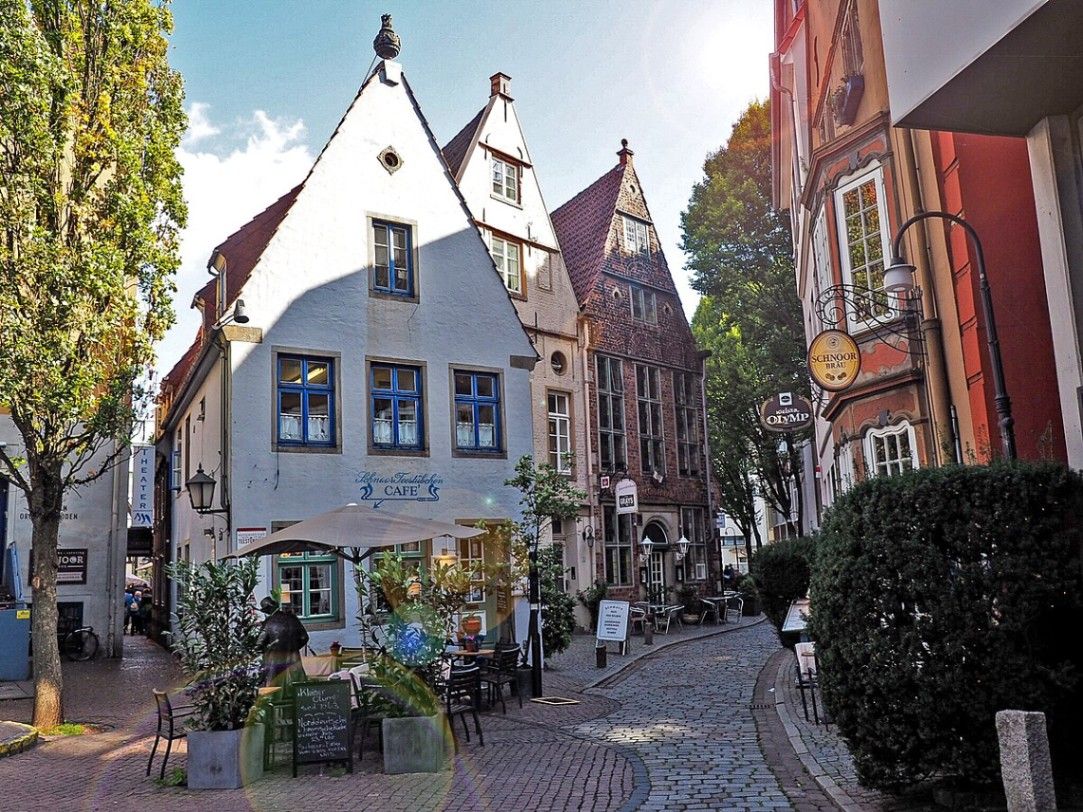
## Description The Schnoor is Bremen’s oldest quarter and one of the most picturesque areas in northern Germany. Walking through its narrow, winding alleyways feels like stepping into a medieval painting. The quarter is filled with tiny half-timbered houses, dating mostly from the 15th to 18th centuries, which have been lovingly preserved and restored. These charming homes are now a mix of cafés, artisan shops, galleries, and small museums that invite visitors to explore at a leisurely pace. What makes the Schnoor especially unique is its compact layout. The name “Schnoor” comes from the Low German word for “string” or “cord,” reflecting the fact that rope- and cord-makers once lived and worked here. The streets are so narrow in places that two people can barely walk side by side, a reminder of how space was used in medieval times. A little-known fact is that Schnoor was once considered a poor district of Bremen, inhabited mainly by fishermen and craftsmen. Today, however, it is one of the city’s most visited and beloved neighborhoods. Another interesting detail is that many of the houses are not perfectly aligned but instead lean slightly, giving the streets a charmingly crooked look. These imperfections only add to the district’s authentic, lived-in atmosphere, making it a favorite for photographers and history enthusiasts alike. ## Location The Schnoor is located in the heart of **Bremen**, a city in the state of **Bremen** in northwestern **Germany**. More precisely, it lies close to the Weser River and only a short walk from Bremen’s famous Market Square (Marktplatz), where the UNESCO World Heritage-listed Town Hall and Roland statue stand. Getting to the Schnoor is straightforward. If you are arriving in Bremen by train, the district is about a 15-minute walk from Bremen Central Station. Trams and buses also stop near the city center, making the area very accessible. For visitors traveling from Hamburg, a direct train ride takes about one hour, making Schnoor a perfect day-trip destination. Walking is the best way to explore the quarter, as the narrow lanes are not accessible by car. ## Tips * **Visit early or late in the day:** The Schnoor can become crowded with tourists during peak hours. Early mornings or evenings offer a quieter experience. * **Bring a camera:** The crooked houses, colorful facades, and hidden courtyards provide endless photo opportunities. * **Don’t rush:** Many visitors walk through quickly, but the real magic lies in browsing small shops, enjoying a coffee in one of the cozy cafés, or discovering hidden details in the architecture. * **Check out cultural stops:** The Schnoor hosts several museums, including the Schifferhaus (House of Skippers), which tells the story of Bremen’s maritime history. * **Try local specialties:** Some bakeries and cafés offer regional treats like Bremer Klaben (a type of fruit bread) or traditional beer from local breweries. ## Conclusion The Schnoor in Bremen is more than just a historic district; it is a living time capsule where history, culture, and modern life meet in a uniquely charming way. With its narrow alleys, crooked houses, and rich maritime heritage, it is one of Bremen’s must-see attractions for any traveler seeking authenticity and atmosphere. ## FAQ **1. What is the Schnoor best known for?** The Schnoor is famous for its narrow medieval alleys, half-timbered houses, and its transformation from a poor fishermen’s quarter into a vibrant cultural and tourist district. **2. Is the Schnoor suitable for children?** Yes, children usually enjoy the fairy-tale-like streets and quirky architecture. However, strollers might be difficult to maneuver in the narrowest lanes. **3. How long does it take to visit the Schnoor?** A quick walk-through can take 30 minutes, but to enjoy shops, cafés, and museums, plan for at least two to three hours. **4. Can cars enter the Schnoor?** No, the lanes are too narrow for cars. The area is best explored on foot. **5. Are guided tours available?** Yes, many guided walking tours of Bremen include the Schnoor. These tours provide fascinating insights into the district’s history and architecture. **6. Is the Schnoor open year-round?** Yes, the quarter is accessible throughout the year, though opening hours of shops and cafés vary. The winter months can be especially cozy, with festive decorations adding to the atmosphere. ## Links * [Official Tourism Page of Bremen](https://www.bremen-tourism.de) * [Visit Bremen – Schnoor District](https://www.bremen.de/tourism/schnoor)
GemVoyage Team • World
Athens
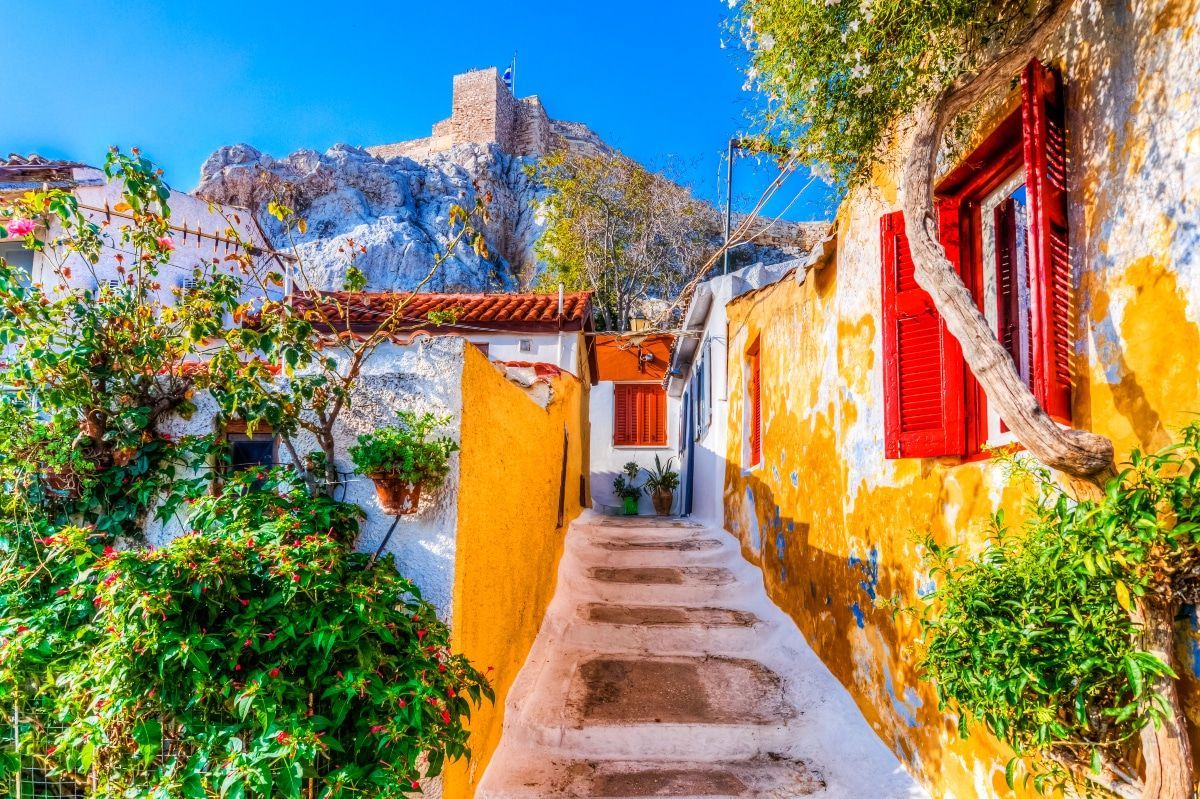
## Description Anafiotika is one of Athens' most surprising neighborhoods, a tiny enclave of whitewashed houses and narrow stairways tucked beneath the Acropolis. Often described as a slice of the Cyclades in the middle of the Greek capital, it feels different from the surrounding city in both scale and mood. Quiet lanes, small courtyards, potted plants, and bright facades create the impression of a village hidden inside a metropolis. The neighborhood's charm comes from its contrast. Athens is energetic, dense, and historically layered, but Anafiotika seems almost suspended above the bustle. You can move through its lanes slowly, hearing less traffic and more footsteps, cats, and the occasional conversation from a nearby home. Because the district is small, its appeal lies not in quantity but in atmosphere. Every path, stair, and turn feels composed for wandering. One little-known fact is that Anafiotika was built in the 19th century by builders from the island of Anafi, who brought Cycladic construction traditions with them. Another is that the neighborhood survived urban pressures partly because of its difficult terrain and its fit with the hillside rather than because of any grand preservation scheme. That makes it a kind of accidental treasure within the city. Architecturally, Anafiotika is fascinating because it expresses island vernacular in an urban setting. White walls reflect the Athenian light, and the small houses seem scaled for intimate daily life rather than status. The area does not have broad tourist infrastructure, which is part of why it feels special. Travelers who arrive expecting monuments may instead find a mood, a viewpoint, and a rare sense of quiet. The setting near the Acropolis also makes Anafiotika ideal for combining with other central Athens sights. You can move from major archaeological landmarks into a neighborhood that feels almost private. That transition from monumental to domestic is one of the most compelling urban experiences in the city. If you enjoy neighborhoods that reward patience and sensitivity, Anafiotika is a standout. It is not large enough for a long itinerary, but it is rich enough to justify a slow walk and a few careful photographs. It offers a memorable reminder that some of the best parts of Athens are found in its in-between spaces. ## Location Anafiotika is located on the northeastern slope of the Acropolis Hill in central Athens, Greece, close to the Plaka district. The easiest way to get there is on foot from the Acropolis Metro area or from Plaka. Because the neighborhood consists of narrow passages and stairways, walking is the only practical way to explore it. Expect uneven surfaces and some uphill sections. ## Tips Visit early in the day for softer light and fewer people. Be respectful of residents. Anafiotika is a living neighborhood, not just a scenic backdrop. Wear shoes with good grip because the pathways can be steep and uneven. Do not expect many signs. The pleasure comes from getting a little lost and then finding your way back. Combine the visit with nearby Plaka and Acropolis viewpoints for a fuller day in central Athens. ## Conclusion Anafiotika is a small but unforgettable neighborhood that brings a quiet Cycladic atmosphere to the heart of Athens, making it one of the city's most atmospheric hidden corners. ## FAQ ### What is Anafiotika? It is a tiny historic neighborhood built in a Cycladic style on the slopes of the Acropolis in Athens. ### Is it easy to find? It can be a little hidden, which is part of its charm, but it is reachable on foot from central Athens. ### Can I take photos there? Yes, but be mindful that people live there and privacy should be respected. ### How much time do I need? Usually 30 to 90 minutes is enough, depending on how much you want to wander and photograph. ## Links - [Anafiotika](https://en.wikipedia.org/wiki/Anafiotika) - [Acropolis of Athens](https://en.wikipedia.org/wiki/Acropolis_of_Athens)
GemVoyage Team • World

Cairo
## Description The **Abdeen Palace Museum (متحف قصر عابدين)** is one of Cairo’s most magnificent historical landmarks and a must-see for lovers of history, architecture, and royal treasures. Constructed in the late 19th century under the orders of **Khedive Ismail**, the palace served as the royal residence for Egypt’s rulers from 1874 until 1952, when the monarchy was abolished. Today, it is both a functioning presidential palace and a museum complex that showcases the grandeur of Egypt’s royal past. What makes Abdeen Palace unique is its dual function: part of the palace remains an official seat of the presidency, while the museum sections are open to the public. The museum houses vast collections of weapons, medals, diplomatic gifts, rare manuscripts, and even an elaborate array of clocks and watches. The **Arms Museum** and **Medals Museum** are particular highlights, revealing not just Egypt’s history but also its connections to other nations. A lesser-known fact is that Abdeen Palace is one of the largest palaces in the world, with over **500 rooms**, though only a fraction is open to visitors. Another interesting detail is that the palace survived several periods of turmoil, including the 1952 revolution, and still stands as a symbol of both Egypt’s royal heritage and its modern political history. ## Location Abdeen Palace is located in **Downtown Cairo**, the capital of **Egypt**, in the **Cairo Governorate**. It sits in the Abdeen district, east of Tahrir Square, making it accessible from many of Cairo’s central landmarks. To get there, visitors can take a taxi, Uber, or public transport to the Abdeen area. The nearest metro stop is **Mohamed Naguib Station** on Cairo’s Metro Line 2, from which the palace is a short walk. Because Cairo traffic can be hectic, traveling by metro or planning visits during less busy hours is recommended. ## Tips * **Check opening hours:** The museum is usually open daily except Fridays, but hours can vary. Confirm before your visit. * **Wear comfortable shoes:** The palace is vast, and exploring its multiple museum wings requires a lot of walking. * **Photography rules:** Photography may be restricted in certain sections, so check guidelines upon entry. * **Hire a guide:** To appreciate the full historical context, consider hiring a local guide or audio guide. * **Combine with other attractions:** The palace’s downtown location makes it easy to pair with nearby sites like Tahrir Square, the Egyptian Museum, or Khan El Khalili bazaar. * **Respect security regulations:** Since it remains a presidential palace, expect thorough security checks at the entrance. ## Conclusion The **Abdeen Palace Museum** is more than just a royal residence—it is a treasure house of Egypt’s modern history. With its lavish architecture, rare collections, and continuing role in national life, it provides visitors with a deeper understanding of Egypt’s transition from monarchy to republic. For anyone exploring Cairo, Abdeen Palace offers a captivating mix of politics, culture, and opulence. ## FAQ **1. When was Abdeen Palace built?** It was commissioned by Khedive Ismail and completed in 1874, designed with European architectural influences. **2. How many museums are inside Abdeen Palace?** The palace contains several specialized museums, including the Arms Museum, Medals Museum, Silver Museum, and Historical Documents Museum. **3. Is the palace still used today?** Yes, part of Abdeen Palace is still used by the Egyptian Presidency for official functions, while the museum sections are open to the public. **4. How much time should I plan for a visit?** Plan at least 2–3 hours to explore the various museum wings at a comfortable pace. **5. Is photography allowed inside?** Photography rules vary; in many areas it is restricted or requires a permit. Always check before taking photos. **6. What’s the best way to get there?** The metro is a convenient choice, with Mohamed Naguib Station nearby. Otherwise, taxis and ride-hailing services are widely available in Cairo. ## Links * [Egyptian Ministry of Tourism](https://egypt.travel)
GemVoyage Team • World
Rome
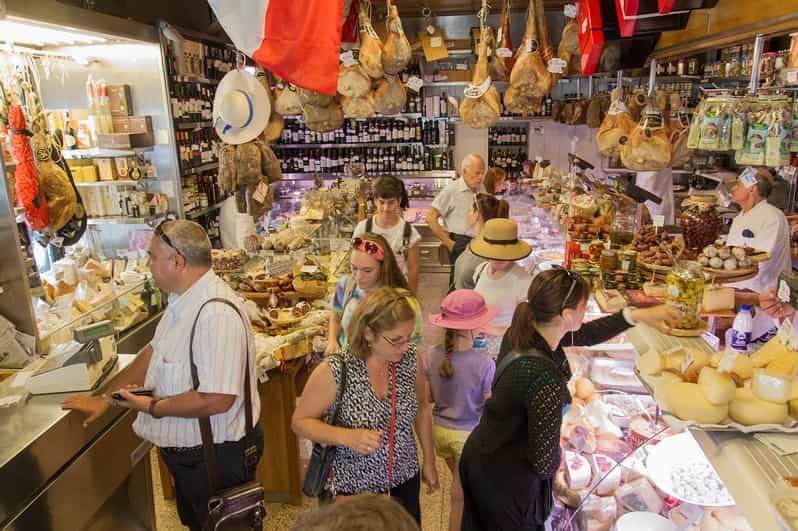
## Description Testaccio Market (Mercato Testaccio) is a lively, authentic food market at the heart of one of Rome’s most food-forward neighborhoods. Unlike the tourist-heavy markets closer to the historic center, Testaccio retains a working-market energy: long-time vendors sell seasonal fruit and vegetables, butchers and fishmongers prepare daily stock, and small eateries and street-food counters push culinary tradition forward. The market is famed for staples such as porchetta sandwiches, supplì and a wide selection of Italian cheeses and cured meats, while newer artisanal stalls introduce contemporary flavors, craft gelato and fusion snacks. What distinguishes Testaccio is its deep connection to the local history. Monte Testaccio—an artificial mound of broken amphorae from the Roman period—anchors the area’s archaeology and speaks to the neighborhood’s centuries-long role as Rome’s distribution and storage quarter. That heritage informs the food culture: local producers, family-run stalls and traditional recipes coexist with experimental kitchens, meaning a single visit can offer both classic Roman comfort foods and creative reinterpretations. The market’s compact layout makes it an ideal stop for tasting rather than full dining—sample multiple vendors over a morning and build a small feast. Culinary tours often include the market because it presents both quality ingredients and convivial daily life: you’ll hear vendors bartering, watch knives at work behind counters, and find specialty shops selling olive oil, aged cheeses and regional preserves. ## Location Testaccio Market is located in the heart of the Testaccio neighborhood, south of the Aventine Hill and a short ride from Rome’s historic center. The nearest metro stop is Piramide on Line B; several bus routes also serve the area, and many visitors walk from nearby neighborhoods like Trastevere or the Aventine for a scenic stroll. The market is close to other attractions—Pyramid of Cestius, riverfront walks and a lively restaurant scene—making it easy to build a food-focused itinerary. If you prefer to mix shopping with sightseeing, plan an early morning visit for the freshest produce and a quieter atmosphere, or go mid-afternoon to sample street food and sample plates as vendors prepare for evening trade. ## Tips - Arrive in the morning for peak freshness and to see the market at full pulse; many vendors begin packing up by late afternoon. - Be adventurous with sampling: try porchetta, supplì, fresh pasta to-go and the market’s cured meats—ask vendors for their recommendations. - Carry small change and a reusable bag; while many places accept cards now, smaller stalls still prefer cash. - If you want a guided tasting, several local food tours include the market and introduce signature stalls and historical anecdotes. - After browsing, explore nearby eateries in Testaccio for fuller meals or head to the riverfront for a relaxed walk. ## Conclusion Testaccio Market is a living portrait of Roman food culture: hands-on, edible and evolving. It’s the place to taste ingredients in their most immediate form, to listen to local foodways in conversation and to discover how centuries of commerce and community shaped a distinctly Roman palate. For culinary travelers seeking authentic flavors and friendly vendor encounters, Testaccio remains indispensable. ## FAQ Q: What are the market’s opening hours? A: Hours vary by stall, but most vendors open early morning and many close by late afternoon; specialty eateries may open again for evening service—check specific stall times if you have a destination vendor. Q: Can I eat on-site or should I take food away? A: Both. Many stalls prepare foods to eat immediately and provide small eating areas or counters; taking items to nearby picnic spots or a short walk is also common. Q: Is Testaccio Market suitable for dietary restrictions? A: Yes—ask vendors about ingredients. You can find vegetarian pasta, vegetable-based dishes and some stalls that accommodate allergies, but always ask about preparation and cross-contamination. Q: Are there guided tours of the market? A: Yes, several local food-tour operators include Testaccio in tasting itineraries; a guided tour is a great way to discover favorite stalls and sample local specialties. Q: Is the market touristy? A: Testaccio retains a local feel despite growing interest from visitors; early mornings are best for a more authentic experience. ## Links - [Testaccio](https://www.lavitaroma.com/blog/2017/03/17/testaccio-market-rome)
GemVoyage Team • World

Comments