GemVoyage Team • World
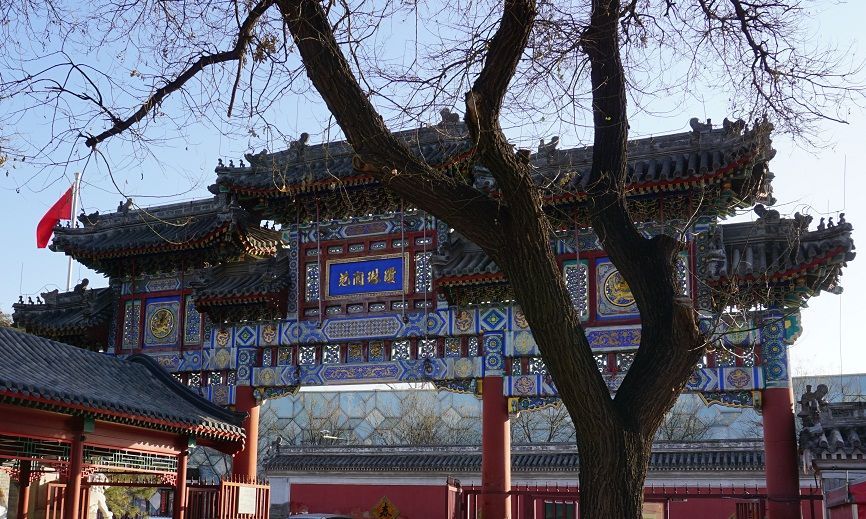
One of the reasons the temple stands out is that it has remained an active religious center for centuries. Visitors are not just looking at preserved architecture; they are entering a place where incense, prayer, and seasonal observance still matter. A lesser-known fact is that Baiyun Guan has long been associated with the Quanzhen school of Taoism, which helped shape its role as a major center for priestly training and ritual life. Another detail many travelers miss is that the temple complex includes multiple courtyards and halls arranged to guide visitors gradually from the street into a more contemplative inner space, which makes the visit feel like a transition rather than a simple sightseeing stop.
For travelers, the appeal lies in both scale and texture. The temple is not overwhelming, yet it contains enough detail to reward slow observation. You will see ritual objects, stone inscriptions, prayer spaces, architectural ornament, and the quiet habits of worshippers who come for reasons unrelated to tourism. That authenticity matters. It gives White Cloud Temple a grounded energy that many visitors find memorable precisely because it is not trying to entertain them. Instead, it invites attention, patience, and respect.
It is also an excellent introduction to Taoism for visitors who know the tradition only in abstract terms. The site demonstrates how religion, philosophy, architecture, and daily practice can coexist in one living space. In a city famous for imperial landmarks, White Cloud Temple offers a more intimate kind of historical depth.
The easiest way to reach the temple is by subway followed by a short walk, although taxis and rideshares are also practical. Public transit is usually the most efficient option in Beijing, especially during heavy traffic. Once you arrive, the temple is straightforward to enter, and the surrounding streets make it easy to transition from city noise into a quieter courtyard environment.
If you want to build the visit into a broader Beijing day, it works well as part of a route that includes nearby historic neighborhoods, museums, or old city streets. Morning visits are often the best because the temple feels calm, the light is better for photography, and you are more likely to encounter ritual activity rather than only sightseeing crowds.
Arrive early if you want a quieter experience. The temple’s atmosphere is strongest before the day becomes too busy.
Look closely at the courtyards and side halls. The most rewarding details are often not in the main entrance area but in the quieter corners.
Bring cash or a card depending on current local habits, but do not assume every small purchase or offering will be handled the same way as in a Western museum setting.
Take time to observe rather than rush through the complex. Baiyun Guan is best experienced as a slow walk through layered religious space.
Discover more hidden gems you might love.
London
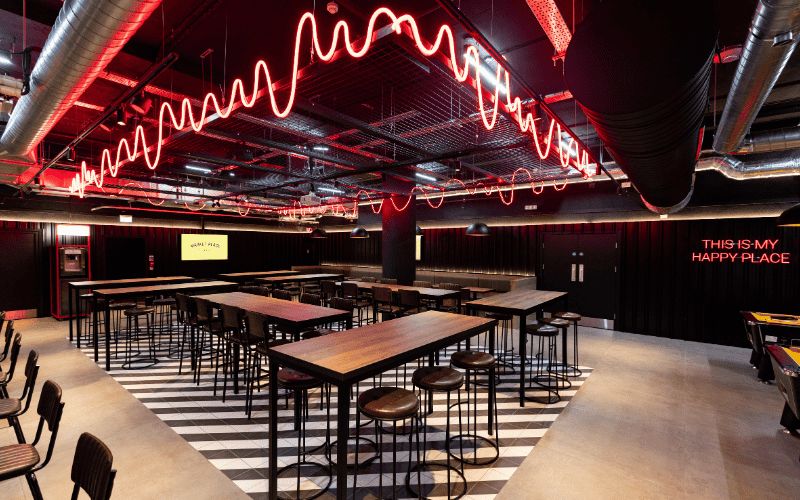
## Description Marketplace Food Hall St. Paul is a vibrant dining destination in the heart of London that brings together a carefully curated selection of food vendors under one roof. Unlike traditional restaurants, this food hall celebrates **variety and community**, offering everything from international street food to locally sourced dishes prepared by passionate chefs. Whether you’re in the mood for gourmet burgers, Asian fusion, plant-based delicacies, or freshly baked desserts, Marketplace Food Hall has something to suit every palate. What makes it unique is its **dynamic atmosphere**—visitors can mix and match dishes from different vendors, creating a personalized dining experience. It’s not just about eating; it’s about exploring flavors from around the world while enjoying the social energy of a shared space. A little-known fact is that Marketplace Food Hall also hosts **special events and live music nights**, turning a casual meal into a cultural experience. Another detail that sets it apart is its **focus on sustainability**, with many vendors prioritizing eco-friendly packaging and locally sourced produce. ## Location Marketplace Food Hall St. Paul is located in **London, England**, specifically near **St. Paul’s Cathedral** in the **City of London district**. Its central location makes it a popular stop for both tourists exploring the cathedral and professionals working in the area who want a quick yet high-quality meal. ### Recommendation on How to Get There The easiest way to reach Marketplace Food Hall is by public transportation. The closest station is **St. Paul’s Underground Station** (Central Line), which is only a short walk away. Other nearby stations include **Mansion House** and **Bank**, offering convenient access via the District, Circle, and Northern Lines. Buses also run frequently in the area, and for those exploring on foot, the food hall is just a few minutes from iconic landmarks such as the Millennium Bridge and Tate Modern. ## Tips Here are some practical tips to make the most out of your visit to Marketplace Food Hall St. Paul: * **Go During Off-Peak Hours**: Lunchtime on weekdays can be very busy due to office crowds, so consider visiting earlier or later in the afternoon. * **Bring Friends**: The variety of cuisines makes it ideal for groups with different tastes. Everyone can choose their own meal and sit together. * **Check Event Listings**: The food hall occasionally hosts live music, tasting nights, and seasonal events, so check in advance for special happenings. * **Save Room for Dessert**: Many visitors focus on main dishes but overlook the artisanal desserts and baked goods offered by select vendors. * **Payment**: Most stalls accept card payments, but it’s always handy to carry a little cash just in case. * **Take Advantage of the Location**: Combine your meal with a visit to St. Paul’s Cathedral or a walk along the River Thames. ## Conclusion Marketplace Food Hall St. Paul is more than just a place to grab a bite—it’s an experience that blends food, culture, and community. With its diverse selection of vendors, lively atmosphere, and unbeatable location near St. Paul’s Cathedral, it’s a must-visit spot for food lovers in London. Whether you’re a tourist, a professional on your lunch break, or simply someone who enjoys discovering new flavors, this food hall is guaranteed to leave you satisfied. ## FAQ **1. What kind of food can I find at Marketplace Food Hall St. Paul?** You can find a wide range of cuisines including burgers, Asian fusion, Mediterranean dishes, vegan options, and desserts. **2. Is it family-friendly?** Yes, the food hall welcomes families, and the casual atmosphere makes it a comfortable place for kids as well. **3. Do I need to make a reservation?** No, reservations are usually not required. It operates on a first-come, first-served basis. **4. How expensive is it?** Prices vary depending on the vendor, but overall, it offers good value for high-quality food in central London. **5. Is it open in the evenings?** Yes, Marketplace Food Hall typically stays open into the evening, making it a great spot for after-work meals or casual dinners. **6. Does the food hall accommodate dietary needs?** Absolutely—there are plenty of vegetarian, vegan, and gluten-free options available. ## Links * [Official Marketplace Food Hall website](https://www.marketplacefoodhall.com/)
GemVoyage Team • World
Lisbon
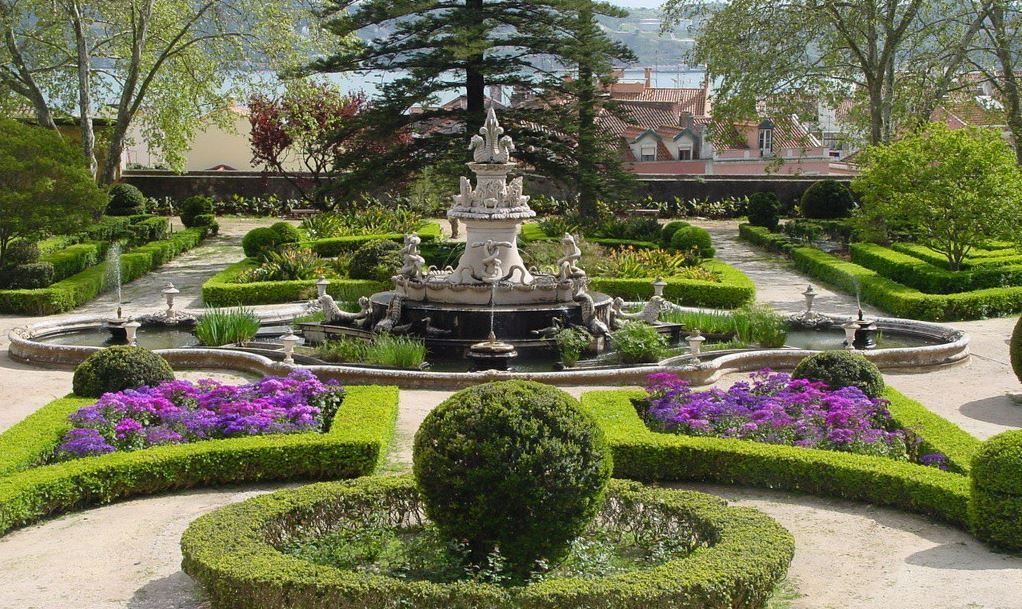
## Description Tapada da Ajuda is an understated botanical and historic estate in Lisbon that blends expansive green spaces, curated plant collections, and serene promenades overlooking parts of the city and the Tagus River. Once part of royal hunting grounds, the site now functions as a living garden with educational plantings, shaded avenues, and quieter corners perfect for reflection. Tapada da Ajuda is especially valuable for travelers seeking a restorative nature break away from Lisbon’s busy tourist corridors. Beyond the botanical interest, the area retains traces of Portugal’s horticultural exchanges—plants and specimens brought back from historic maritime voyages have influenced the garden’s diversity. The estate also hosts temporary exhibitions and occasional guided walks that interpret the site’s botanical, historical, and ecological significance. ## Location Tapada da Ajuda sits in western Lisbon close to the Ajuda district and not far from riverside Belém. It is typically accessed by tram, bus, or taxi from central Lisbon. Many visitors combine a visit here with stops at Ajuda National Palace and Belém cultural sites. ## Tips - Visit in spring or early summer for the richest blooms and milder weather; autumn can also be pleasant with changing foliage. - Wear comfortable shoes—paths vary from paved promenades to softer trails through planted areas. - Bring water, sun protection, and a small picnic to enjoy shaded groves. - Check local timetables for special exhibitions and guided tours to make the most of the historical context. - Consider pairing the visit with Ajuda Palace and a riverside walk to create a full half-day itinerary. ## Conclusion Tapada da Ajuda offers a restorative garden visit within Lisbon that balances botanical variety with historical resonance. For travelers who appreciate quiet green spaces, plant collections, and a slower urban rhythm, Tapada provides an elegant counterpoint to the city’s busier attractions. ## FAQ Q: Is there an admission fee for Tapada da Ajuda? A: Access policies can vary—some areas are free while special exhibitions or guided events may charge a fee; check official local listings before visiting. Q: Are guided tours offered at Tapada da Ajuda? A: Occasionally—local botanical groups or cultural institutions host guided walks and talks; look for schedules or contact visitor services. Q: Is Tapada da Ajuda suitable for families with children? A: Yes—open lawns and shaded paths make it a family-friendly destination, though supervision near uneven paths is recommended. Q: Is the terrain wheelchair accessible? A: Parts of the estate have paved routes, but some trails are uneven; accessibility varies—contact local services for specific route advice. Q: What’s the best season to visit? A: Spring offers the most varied blooms; early summer and autumn also have distinct seasonal highlights. ## Links - [Ajuda](https://getlisbon.com/discovering/jacarandas-of-lisbon/)
GemVoyage Team • World

St. Petersburg
## Description The Narodovolets D-2 Submarine Museum in St. Petersburg is a compelling and immersive tribute to Russia’s naval history, offering visitors a rare opportunity to step inside a real Soviet-era submarine. Commissioned into the Baltic Fleet in 1931, the Narodovolets was one of the first submarines built by the Soviet Union and played a significant role during World War II. It completed four combat missions, launched twelve torpedo attacks, and successfully sank four enemy vessels—an impressive record for its time. Today, the submarine is mounted in concrete near the Shkiperskiy Canal and serves as a branch of the Central Naval Museum. Visitors can explore its authentic interiors, including the torpedo launcher compartment, engine room, crew quarters, and command center. The museum offers a hands-on experience of life aboard a submarine in the early 20th century, complete with original equipment and detailed exhibits. A little-known fact: the Narodovolets was named after the revolutionary sailors of the cruiser Aurora, symbolizing the spirit of Soviet naval resilience. Another fascinating detail is that the submarine was preserved and turned into a museum in 1993, making it one of the few surviving vessels of its kind open to the public. ## Location The Narodovolets Submarine Museum is located in **Russia**, in the **Northwestern Federal District**, within the **city of St. Petersburg**. It sits on **Vasilyevsky Island**, at **10 Shkiperskiy Protok**, near the waterfront and within walking distance of the Gulf of Finland. ### How to Get There - **By Metro**: The nearest station is Primorskaya (Line 3). From there, it’s a short walk or bus ride to the museum. - **By Bus or Trolleybus**: Bus numbers 7 and 151, and trolleybus number 10, stop near the museum. - **By Taxi**: Taxis and ride-share services like Yandex Go can take you directly to the entrance. - **By Car**: Parking is available nearby, but public transport is recommended due to limited space. Its location on Vasilyevsky Island makes it a great addition to a day of exploring St. Petersburg’s maritime and industrial heritage. ## Tips - **Wear Comfortable Clothing**: The submarine’s interior is narrow and includes steep ladders and tight corridors. Dress accordingly. - **Avoid Peak Hours**: Weekday mornings are generally quieter, offering a more relaxed experience. - **Bring a Flashlight**: While the museum is lit, some areas are dim and a small flashlight can help you see details more clearly. - **Check for Guided Tours**: Guided tours are available and provide valuable historical context and technical insights. - **Mind Accessibility**: The museum is not suitable for wheelchair users or those with limited mobility due to its confined spaces. - **Photography**: Photos are allowed, and there’s no extra fee for taking pictures—just be respectful of other visitors. ## Conclusion The Narodovolets Submarine Museum is a unique and historically rich attraction in St. Petersburg, offering a rare glimpse into Soviet naval warfare and life aboard a WWII-era submarine. With its authentic interiors and compelling exhibits, it’s a must-visit for history enthusiasts and curious travelers alike. ## FAQ **1. What are the opening hours of the Narodovolets Submarine Museum?** The museum is open daily from 10:00 AM to 6:00 PM, except on Mondays and Tuesdays. **2. What is the entrance fee?** Admission is RUB 350 for adults and RUB 200 for students. Photography is free. **3. Is the museum suitable for children?** Children are welcome, but supervision is recommended due to the submarine’s tight spaces and steep ladders. **4. Can I book a guided tour?** Yes, guided tours are available and can be arranged on-site or through the Central Naval Museum. **5. Is the museum wheelchair accessible?** No, the submarine’s design makes it inaccessible for wheelchair users or those with mobility impairments. **6. How long should I plan for a visit?** A typical visit lasts 45 minutes to an hour, depending on whether you join a guided tour. ## Links - [Narodovolets Submarine Museum – Saint Petersburg Guide](http://www.saint-petersburg.com/museums/narodovolets-d-2-submarine/) - [Central Naval Museum – Narodovolets Branch](https://eng.navalmuseum.ru/filials/narodovolec)
GemVoyage Team • World
Los Angeles
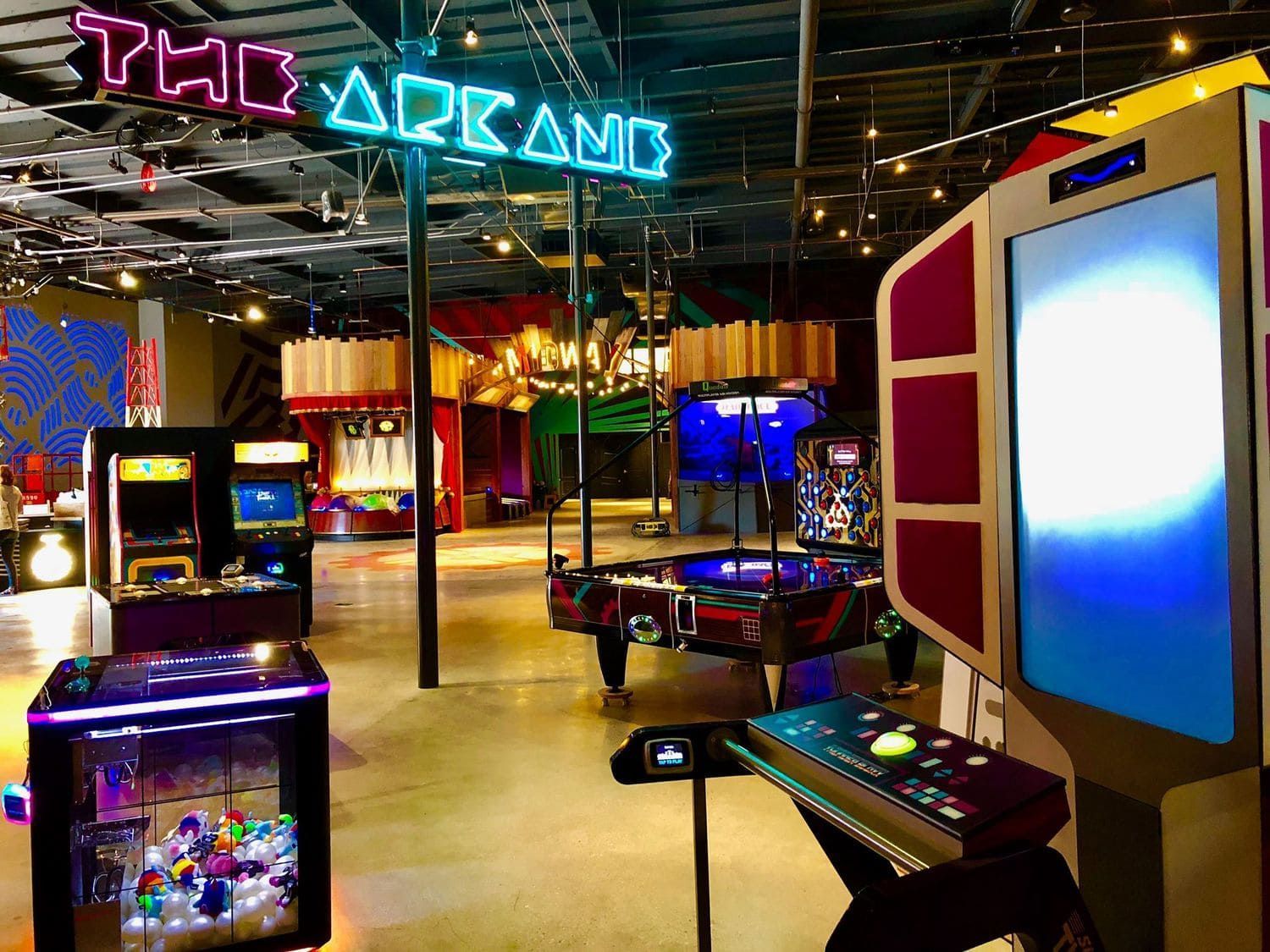
## Description Two Bit Circus is a modern micro-amusement concept that blends hands-on nostalgia with cutting-edge interactive entertainment. Designed as a social hub rather than a sprawling theme park, it curates short, intense experiences—virtual reality arenas, escape rooms, skill-based arcades, and immersive storytelling booths—so groups can mix and match activities in a single visit. The emphasis is on collaboration, shared laughter, and creative tech-driven play that appeals to friends, families, and corporate groups seeking memorable experiences. What sets Two Bit Circus apart is the careful balance between retro charm and contemporary technology. Classic arcade cabinets and carnival aesthetics sit alongside augmented reality installations and multiplayer VR experiences, creating a playful design language often described by the founders as “steampunk meets Silicon Valley.” The venue also acts as an incubator for event concepts and experiential design, with many of its ideas adopted by other entertainment venues worldwide. Beyond public attractions, Two Bit Circus often hosts private events, corporate team-building sessions, and evening social gatherings. Food, drink, and curated programming extend the experience beyond ride-based entertainment—expect pop-up events, themed nights, and collaborative challenges that keep the programming fresh. For visitors who enjoy both nostalgia and novelty, the venue’s layered experiences deliver short bursts of excitement and opportunities for friendly competition. ## Location Two Bit Circus operates within Los Angeles, California, though the venue and address have evolved over time as the concept expanded. Always check the official website or event listings for the most current location and hours. Getting there: Driving or rideshare is typically the most convenient option, and many locations provide nearby parking. Depending on the venue, public transit may be possible—plan connections ahead of time. If you’re attending a popular event, allow extra time for arrival and parking. ## Tips - Book tickets or reserve experiences ahead of time, especially on weekends and during special events when capacities fill quickly. - Combine complementary experiences (for example, a VR arena session plus an escape room) to get the most value and variety from a single visit. - Review any age, height, or health restrictions before booking; some VR or motion-based experiences may not be suitable for all guests. - Carry a charged phone for leaderboards, event check-in, and sharing moments, but follow venue rules about device use in certain experiences. - Consider group or corporate packages if you’re organizing a team-building event—these can include private space, catered food, and tailored programming. - Check the schedule for themed nights, pop-ups, or special tournaments to time your visit with unique programming. ## Conclusion Two Bit Circus offers a lively, flexible entertainment model that rewards curiosity and social play. Whether you’re seeking a date night, family outing, or corporate event, its mixture of nostalgia, technology, and quick, memorable experiences makes it a versatile option in a city known for big attractions. ## FAQ Q: Is Two Bit Circus suitable for families? A: Yes. Many attractions are family-friendly, though some experiences are geared toward older teens and adults. Always check specific activity age guidelines. Q: Are walk-ins allowed or should I book in advance? A: Some experiences accept limited walk-ins, but booking in advance is strongly recommended to secure time slots and avoid long waits. Q: Does Two Bit Circus offer food and drink? A: Many locations and event configurations include bars, cafes, or pop-up food options—check the venue’s amenities before you go. Q: Can I host a private event or corporate team-building session? A: Yes. The venue is frequently used for private hire and corporate events; packages typically include curated experiences, catering options, and dedicated staff. Q: Are there accessibility accommodations? A: Accessibility varies by location and experience; contact the venue ahead of booking to discuss needs and confirm accommodations. Q: What should I wear or bring? A: Wear comfortable clothing and shoes suitable for movement; bring any required IDs for entry and a charged phone for check-ins and digital tickets. ## Links - [Two Bit Circus (official)](https://twobitcircus.com) - [Wikipedia: Two Bit Circus](https://en.wikipedia.org/wiki/Two_Bit_Circus)
GemVoyage Team • World
Austin
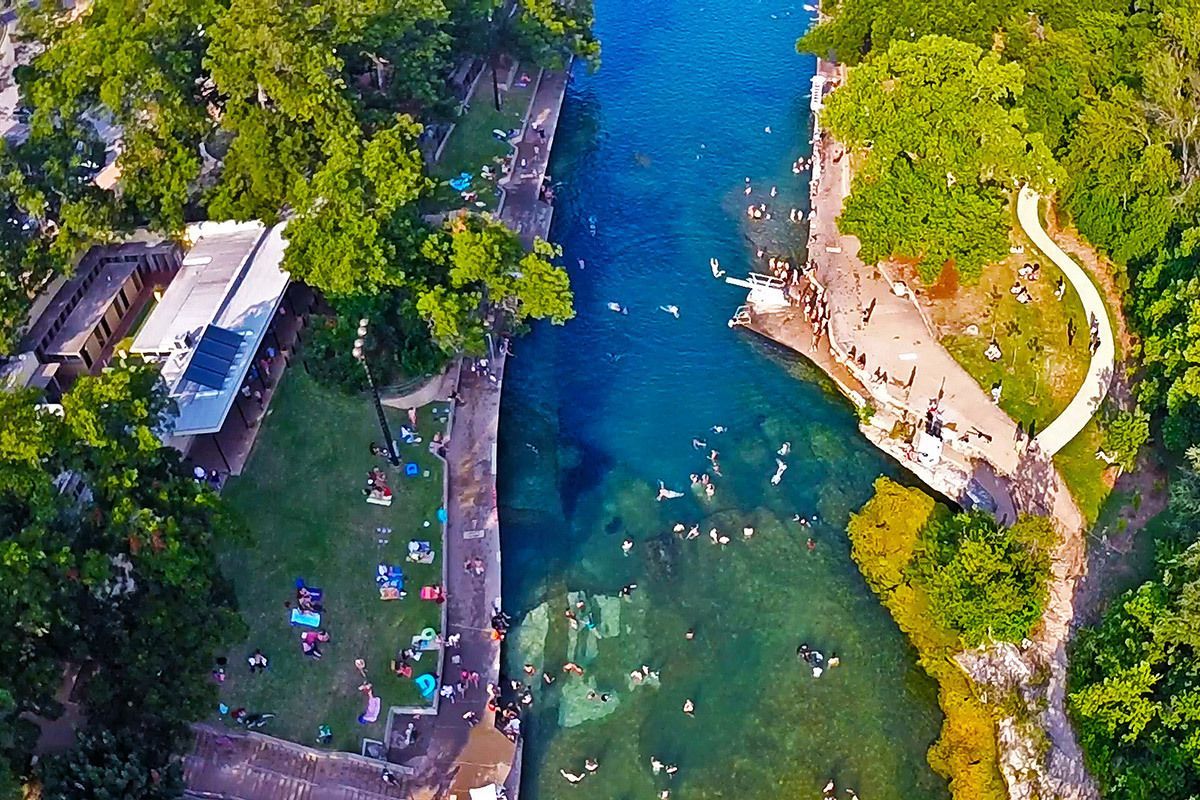
## Description Barton Springs Pool is one of Austin’s most beloved landmarks because it offers something rare in a major American city: a large natural spring-fed swimming pool that feels both wild and urban at the same time. Located in Zilker Park, it has long been a favorite place for locals to cool off, relax, and connect with the city’s outdoor culture. The pool is more than a recreational amenity. It is a symbol of Austin’s relationship with nature, conservation, and public space. If you want to understand why residents speak about the city with so much affection for its outdoor life, Barton Springs is one of the best places to start. The water is consistently cool year-round, which gives the pool a very specific personality. In summer, that feels refreshing and almost miraculous. In cooler months, it feels bracing and memorable. A little-known fact is that the pool is closely associated with endangered species and ecological protection, especially the Barton Springs salamander, which means the site has both leisure and conservation importance. Another detail many visitors miss is that the pool has been a social gathering place for generations, so the sense of continuity is as much part of the attraction as the water itself. What makes Barton Springs especially attractive is its flexibility. Families, swimmers, walkers, sunbathers, and out-of-town visitors can all enjoy it in different ways. Some people come specifically to swim laps or cool off after a hot Austin day. Others come simply to sit on the grass, watch the activity, and enjoy being near a place that feels deeply rooted in the city’s identity. It is one of those attractions that is simple on the surface but surprisingly rich once you experience how many layers it holds: natural, civic, ecological, and cultural. ## Location Barton Springs Pool is in Zilker Park in Austin, Texas, United States, not far from downtown and close to the Barton Creek area. Its central location makes it easy to combine with other Austin attractions, but the simplest plan is often to dedicate a block of time to the park and pool rather than trying to rush through it. Visitors can reach the area by car, rideshare, bicycle, or bus, and walking is practical if you are already staying nearby or spending the day in central Austin. Parking can become limited on busy days, so public transport or biking is often the smartest choice. Once you arrive, the surrounding park gives you a natural extension of the visit, whether you want a picnic, a walk, or time to relax after swimming. If you are planning to swim, check the current opening hours and entry rules in advance, because operational details can change with season, weather, and maintenance needs. The site works best when you treat it as a half-day or full-day outing rather than a quick stop. ## Tips - Go early if you want a calmer experience and easier access. - Bring what you need for swimming, because this is a place to stay a while. - Check current water and entry conditions before leaving your hotel. - Use the surrounding park for a picnic or rest after your swim. - Respect ecological rules and pool guidelines, since the site is protected and carefully managed. - In summer, Barton Springs is one of the best ways to escape the heat without leaving the city. ## Conclusion Barton Springs Pool is a signature Austin experience: natural, refreshing, social, and deeply tied to the city’s outdoor culture. It is both a swimming destination and a symbol of what makes Austin feel different. ## FAQ ### Why is Barton Springs Pool so famous? It is famous for being a large natural spring-fed pool in central Austin, with strong local, ecological, and cultural significance. ### Can you swim there all year? Yes, but temperatures and conditions vary, so it feels different by season. ### Is it family-friendly? Yes, though families should always check current pool rules and conditions before visiting. ### How long should I spend there? Plan at least a few hours if you want to swim and enjoy Zilker Park properly. ## Links - [Austin Parks and Recreation](https://www.austintexas.gov/department/barton-springs-pool) - [Wikipedia](https://en.wikipedia.org/wiki/Barton_Springs_Pool)
GemVoyage Team • World
Surabaya
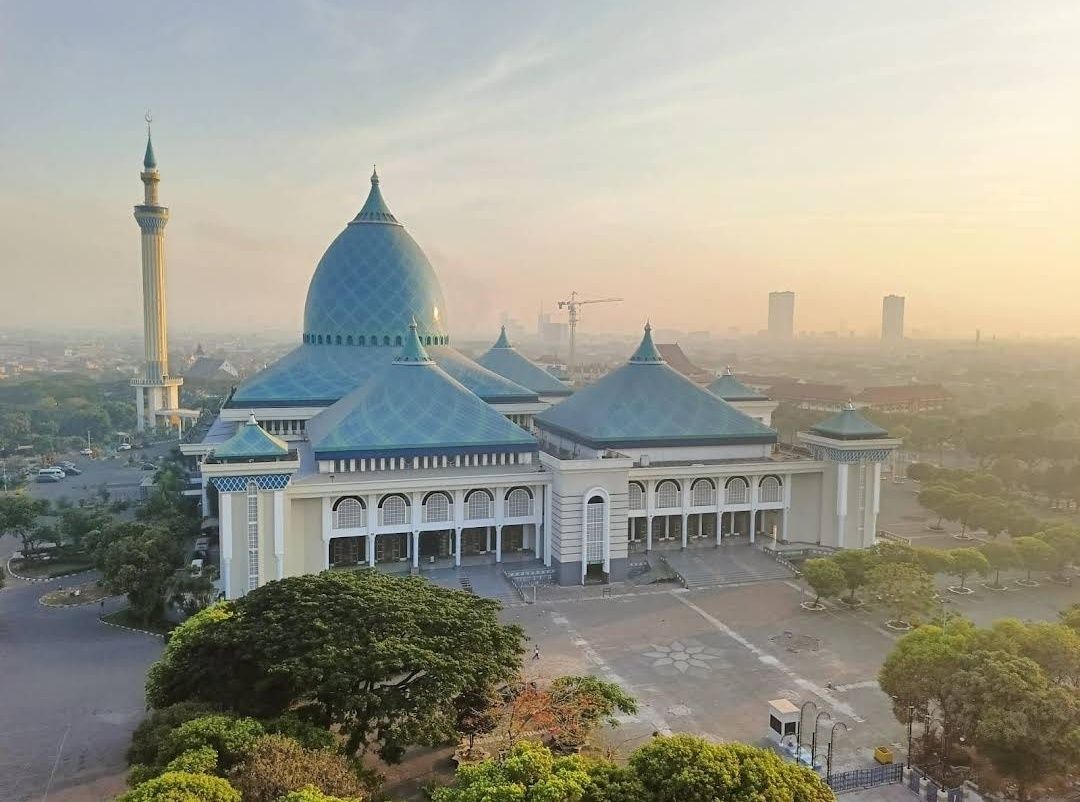
## Description **Masjid Al Akbar Surabaya**, often referred to as the **Grand Mosque of Surabaya**, is one of the largest and most magnificent mosques in Indonesia. Completed in 2000, this architectural marvel is a significant religious landmark and a cultural treasure in East Java. Its grandeur, unique design, and serene atmosphere make it a must-visit for both worshippers and travelers interested in Indonesia’s rich Islamic heritage. The mosque is instantly recognizable for its **striking turquoise dome**, which is one of the largest in Southeast Asia, measuring 27 meters in diameter and standing 54 meters high. The dome is surrounded by smaller domes and a towering minaret that rises to 99 meters, symbolizing the **99 names of Allah** in Islam. From the top of the minaret, visitors can enjoy panoramic views of Surabaya city, stretching out toward the Java Sea on clear days. **Little-known facts**: * The mosque can accommodate **up to 59,000 worshippers** at once, making it one of the largest in the country. * The minaret was specifically designed with a viewing platform, offering a rare opportunity for visitors to appreciate both the mosque and Surabaya from above. --- ## Location Masjid Al Akbar is located in **Surabaya**, the bustling capital of **East Java Province**, in **Indonesia**. It stands prominently on **Jalan Pagesangan**, near the Surabaya–Gempol toll road, making it easily accessible for both locals and visitors. ### How to get there: * From **Juanda International Airport**, the mosque is about 15 kilometers away and can be reached by taxi in around 30–40 minutes, depending on traffic. * From Surabaya city center, you can take a taxi, car rental, or use ride-hailing apps like Gojek or Grab for a convenient trip. Public buses also stop nearby, but private transportation is recommended for comfort and ease. --- ## Tips * **Visit during non-prayer hours**: If you’re a non-Muslim visitor, it’s best to explore the mosque outside the five daily prayer times to avoid crowds and to be respectful. * **Dress modestly**: Visitors are expected to wear modest clothing. Women may be provided with robes and headscarves if needed. * **Climb the minaret**: Don’t miss the chance to go up the 99-meter-high minaret for an incredible bird’s-eye view of Surabaya. * **Photography etiquette**: The mosque’s interior and exterior are highly photogenic, but always be respectful when taking photos, especially if worshippers are present. * **Combine your visit**: Masjid Al Akbar is close to Surabaya’s other attractions, such as the Surabaya Zoo and Taman Bungkul Park, making it easy to plan a full day of sightseeing. --- ## Conclusion Masjid Al Akbar Surabaya is not just a place of worship—it’s an architectural icon and cultural landmark in East Java. With its vast turquoise dome, symbolic minaret, and capacity to welcome tens of thousands of worshippers, it embodies the grandeur of Islamic architecture in Indonesia. Whether you come for prayer, cultural appreciation, or panoramic city views, the mosque offers a memorable and enriching experience. --- ## FAQ **1. What makes Masjid Al Akbar unique?** Its massive turquoise dome, 99-meter-high minaret, and capacity for nearly 59,000 worshippers make it one of Indonesia’s largest and most iconic mosques. **2. Can non-Muslims visit the mosque?** Yes, non-Muslims are welcome outside of prayer times, provided they dress modestly and respect the sanctity of the space. **3. Is there an entrance fee?** No, entry to Masjid Al Akbar is free, though small donations are appreciated. A small fee may apply if you want to access the minaret viewing platform. **4. When is the best time to visit?** Early mornings and late afternoons are ideal for cooler weather and softer lighting, perfect for photography and sightseeing. **5. How long does a visit usually take?** Most visitors spend 1–2 hours, especially if they include a trip up the minaret. **6. Is the mosque accessible for families and elderly visitors?** Yes, the mosque has ramps, elevators, and spacious areas, making it suitable for families with children and elderly visitors. --- ## Links * [Indonesia Travel – Official Site](https://www.indonesia.travel/gb/en/) * [East Java Tourism Board](https://www.eastjava.com/)
GemVoyage Team • World

Comments