GemVoyage Team • World
Erin Ijesha Waterfall, also known as Olumirin Waterfall, is one of Nigeria’s most spectacular natural attractions. Located in Osun State, the waterfall is renowned for its seven cascading levels, each offering a different landscape, atmosphere, and difficulty level for visitors. The experience goes beyond a simple waterfall viewing; it is a physical ascent through layered natural terraces, tropical vegetation, and rocky pathways that reveal the geology and biodiversity of southwestern Nigeria.
What makes Erin Ijesha Waterfall particularly unique is the progression of the levels. The first and second levels are accessible and refreshing, ideal for casual visitors. As you climb higher, the environment becomes cooler, the terrain more dramatic, and the views increasingly rewarding. The final levels lead to a plateau historically associated with ancient settlements and spiritual practices. According to oral traditions, some of these upper areas served as refuge sites for migrating groups and locations for community gatherings during the pre-colonial period.
A little-known fact is that the waterfall has long been connected to Yoruba mythology. Local lore suggests that the waters were believed to possess cleansing qualities, and that early communities viewed the entire waterfall system as a symbol of renewal and protection. Another interesting detail is that the upper levels were once used as strategic vantage points due to their height and difficult access, helping local groups monitor surrounding valleys.
The blend of nature, culture, and mild adventure makes Erin Ijesha Waterfall a standout destination for hikers, photographers, and anyone interested in the lesser-explored regions of Nigeria.
Country: Nigeria
Region: Southwest Nigeria
State: Osun State
Nearest Town: Ijesha (near Erin Ijesha community)
The waterfall sits within a lush forested area about an hour from major towns like Ilesa.
* The most reliable method. From Ilesa or Osogbo, follow the highway toward Erin Ijesha. The entrance to the waterfall is clearly marked, and parking is available.
* Local buses and shared taxis connect Ilesa to Erin Ijesha, followed by a short walk to the site.
* Some tour operators from Lagos, Ibadan, or Osogbo include the waterfall in day-trip itineraries.
Erin Ijesha Waterfall is one of Nigeria’s most rewarding natural attractions, offering a combination of adventure, cultural history, and scenic beauty. Its seven distinct levels provide a progressively immersive experience, making it suitable for both casual travelers and more ambitious climbers. For anyone exploring southwestern Nigeria, the waterfall stands as a must-see landmark.
1. How many levels does Erin Ijesha Waterfall have?
The waterfall has seven levels, each with its own landscape and difficulty.
2. Is swimming allowed?
Light splashing and dipping are common at the lower levels, but deeper swimming is not typical due to rocky terrain.
3. How long does the hike take?
Reaching the upper levels can take 1 to 2 hours, depending on fitness and pace.
4. Is there an entrance fee?
Yes. A modest fee is typically required for maintenance and site management.
5. Are guides available at the site?
Yes. Local guides can be hired at the entrance.
6. What is the best time to visit?
Dry season or early rainy season when the paths are safe and the water flow is strong but manageable.
Discover more hidden gems you might love.
Cairo
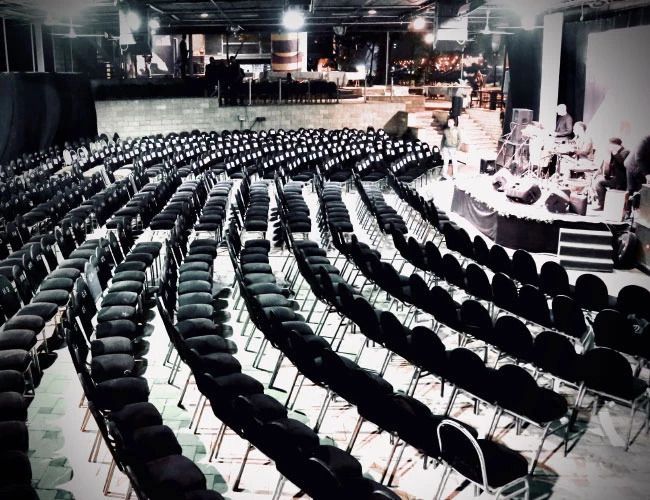
## Description El Sawy Culturewheel (often written as Sawy Cultural Wheel) is a dynamic cultural center in Cairo known for its eclectic program of theater, music, workshops, literary evenings, and community arts activities. Established by Egyptian cultural entrepreneur Mohamed El-Sawy, the center was conceived as a grassroots venue that supports independent artists, nurtures emerging talents, and brings diverse audiences together. The venue’s programming ranges from experimental theater and jazz nights to film discussions and children’s arts workshops, creating an urban cultural laboratory distinctly different from state-run institutions. What sets the Culturewheel apart is its commitment to accessibility and community engagement. It frequently offers affordable events, artists’ talks, and interdisciplinary collaborations that reflect contemporary Egyptian cultural life. A less obvious feature is the center’s role as a networking node—many artists and creative collectives in Cairo trace early collaborations back to events hosted at El Sawy, making it a quiet engine of the city’s cultural ecosystem. ## Location El Sawy Culturewheel is based on Gezira Island in the Zamalek district of central Cairo, Egypt, near the Nile’s western bank. Its central location on Gezira makes it easy to reach from many Cairo neighborhoods. Getting there: From downtown Cairo (Tahrir Square, downtown hotels) a short taxi or ride-share trip reaches Zamalek in under 20 minutes depending on traffic. Some visitors prefer the tram or river ferry options when available; walking across the Qasr El Nil bridge and heading into Zamalek is also feasible for those staying nearby. Parking can be limited during busy events, so public transport or a ride-hailing service is often most convenient. ## Tips - Check the schedule in advance: The Culturewheel’s program changes frequently; review upcoming events on their official channels or social pages to secure tickets for popular shows. - Arrive early: Some events are small and seat availability is limited; arriving early ensures a good seat and time to meet artists or buy refreshments. - Explore related venues: Zamalek has galleries, bookstores, and cafes; make an evening of it by combining a performance with dinner or a gallery visit. - Language: Many performances are in Arabic; however, cultural evenings often include bilingual presentations, translations, or summaries for international visitors—check event details if language is a concern. - Bring cash for smaller events and local craft stalls; bigger performances may accept card or online booking. ## Conclusion El Sawy Culturewheel is Cairo’s pulse for grassroots cultural life—an energetic space where performance, dialogue, and creativity intersect. For visitors interested in contemporary Egyptian arts or seeking a local, community-centered experience, the Culturewheel offers an accessible, varied, and memorable cultural program. ## FAQ Q: What kind of events are held at the Culturewheel? A: The center hosts theater, live music, film nights, literary readings, workshops, and children’s activities. Q: Is there an official timetable? A: Yes. Events are scheduled regularly—check the Culturewheel’s official announcement channels for the latest listings. Q: Are events in English? A: Many events are primarily in Arabic, but there are occasional bilingual events and programs aimed at international audiences. Q: Is the venue family-friendly? A: The center runs children’s workshops and family-oriented events—review event descriptions to verify suitability. ## Links - [Wikipedia: El Sawy Culturewheel](https://en.wikipedia.org/wiki/El_Sawy_Culturewheel) - [El Sawy Culturewheel official website](https://www.culturewheel.com/en)
GemVoyage Team • World
Taiwan
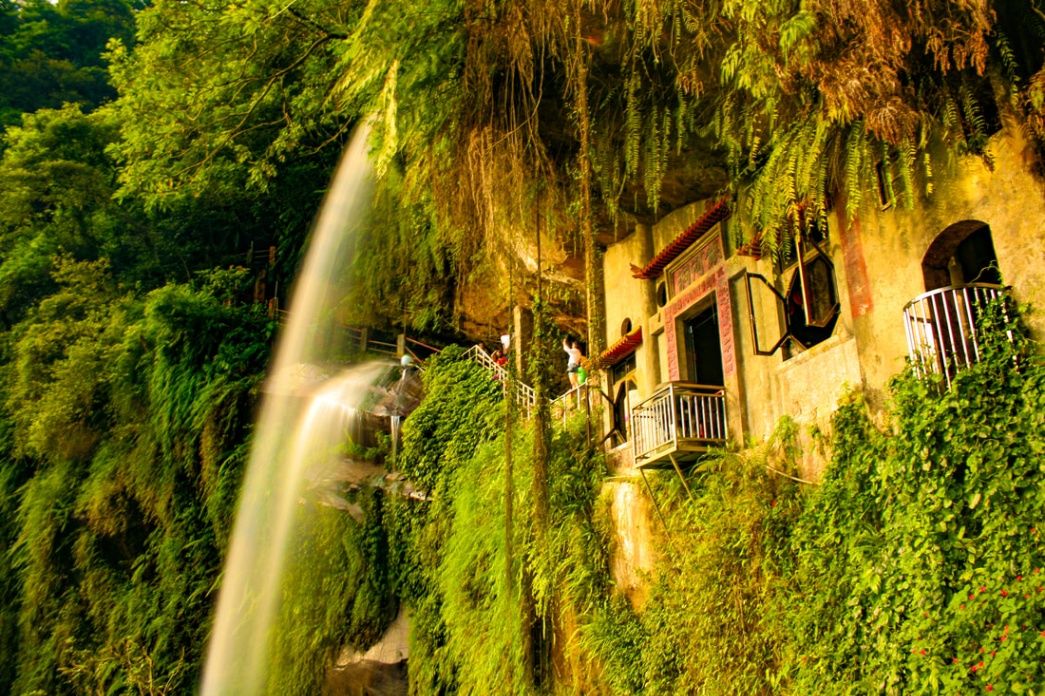
## Description **Yinhe Cave (銀河洞)**, often translated as **“Milky Way Cave” or “Galaxy Cave,”** is one of northern Taiwan’s most atmospheric hidden landmarks. Tucked deep within lush subtropical forest, this small but visually arresting cave temple blends **natural rock formations, cascading waterfalls, and quiet Buddhist spirituality** into a single, almost dreamlike destination. Unlike grand mountain temples or vast cave systems, Yinhe Cave owes its appeal to **intimacy, mystery, and silence** rather than scale. The cave is formed from natural sandstone and has been carved further by flowing water over centuries. A **narrow waterfall flows directly through the entrance of the cave**, spilling over stone steps and into a shallow pool below. Behind the falling water sits a small **Buddhist shrine**, turning the cave into a functioning place of worship rather than a simple geological feature. The constant movement of water creates a soft echo through the rock chamber, giving the space a meditative rhythm that visitors often describe as hypnotic. What makes Yinhe Cave especially unique is the way **human devotion and natural erosion intersect**. The cave was not aggressively reshaped into a large religious complex; instead, the shrine was carefully adapted to the existing stone cavity. This restraint preserves the raw personality of the site. Moss-covered stairways, dripping rock walls, and filtered green light reinforce the sense that the cave is alive rather than decorative. The surrounding environment is just as important as the cave itself. The approach trail winds through **dense forest, bamboo groves, and small wooden bridges**, forming part of a broader hiking network in the hills of New Taipei City. Along the way, visitors pass **streams, vines, singing insects, and occasional distant city noise fading into silence**. This contrast between urban Taiwan and deep forest isolation happens quickly and dramatically, which enhances the emotional impact of arriving at the cave. A little-known fact is that Yinhe Cave was historically used as a **meditation site by local monks**, not as a public tourist attraction. Its popularity grew mainly through hikers and photographers over the last two decades rather than through formal religious promotion. Another lesser-known detail is that the name “Galaxy Cave” does not come from astronomy, but from the way the **waterfall scatters light into mist**, resembling a flowing star field during early morning sunlight. Yinhe Cave is not a place for crowds, performances, or commercial stalls. It is a destination of **low noise, slow movement, and quiet attention**. For travelers seeking spectacle, it may feel understated. But for those seeking **atmosphere and emotional texture**, it delivers something rare: a sacred space formed more by water and time than by human hands. ## Location **Yinhe Cave (銀河洞)** is located in the **Xindian District (新店區)** of **New Taipei City**, in **northern Taiwan**, just south of central Taipei. **City:** New Taipei City **Region:** Northern Taiwan **Country:** Taiwan **District:** Xindian (新店區) ### How to Get There: * **By MRT:** Take the **Green Line (Songshan–Xindian Line)** to **Xindian Station (新店站)**. From there, take a local bus or taxi toward the hiking trail entrance. * **By bus:** Several local buses connect Xindian Station to nearby trailheads leading into the mountains. * **By taxi or ride-hailing apps:** The easiest option for non-Mandarin speakers; request “Yinhe Dong” or show the Chinese characters 銀河洞. * **By car or scooter:** Parking is limited near trail access points; illegal roadside parking is strictly enforced. From the nearest drop-off point, visitors must complete a **moderate forest hike**, typically 30–45 minutes depending on route and pace. ## Tips * **Wear proper hiking shoes:** The stone steps near the cave are often slippery due to constant moisture. * **Visit in dry weather:** Heavy rain increases water flow but also raises safety risks and reduces visibility. * **Go in the early morning:** You’ll encounter fewer hikers, softer light, and more atmospheric mist. * **Bring drinking water:** There are no vendors near the cave itself. * **Respect the shrine:** This is still an **active spiritual site**, not just a photography location. * **Avoid loud music and drones:** Sound echoes intensely inside the cave and disrupts the atmosphere. * **Allow extra time for rest:** The hike is scenic but involves steady climbing. * **Do not expect major facilities:** No cafes, restrooms, or souvenir shops are located at the cave. ## Conclusion **Yinhe Cave (銀河洞)** is a rare blend of **natural erosion, flowing water, and quiet religious presence**, offering one of northern Taiwan’s most atmospheric micro-destinations. It is not a place for spectacle or quick tourism, but for travelers who seek **silence, texture, and emotional contrast**. Hidden just beyond the reach of Taipei’s urban sprawl, Yinhe Cave reveals how quickly modern density can dissolve into spiritual isolation when nature is allowed to lead. ## FAQ **1. What is Yinhe Cave famous for?** It is known for its **waterfall flowing directly through a cave temple**, blending nature and spiritual architecture. **2. Is Yinhe Cave difficult to reach?** Yes. It requires a **moderate forest hike** after reaching the general area by MRT, bus, or taxi. **3. Is Yinhe Cave suitable for children?** Older children with hiking experience can manage it, but the **slippery stairs and uneven terrain** make it unsuitable for very young children. **4. Is there an entrance fee?** No. Yinhe Cave is **free to enter** and open to the public. **5. Can I visit during the rainy season?** Yes, but **extra caution is required**, as trails and stone steps become extremely slick. **6. How long does the full visit typically take?** Most visitors spend **2 to 3 hours total**, including hiking time. ## Links * [New Taipei City Government – Tourism](https://newtaipei.travel/) * [Xindian District Travel Guide](https://www.xindian.ntpc.gov.tw)
GemVoyage Team • World
Izmir
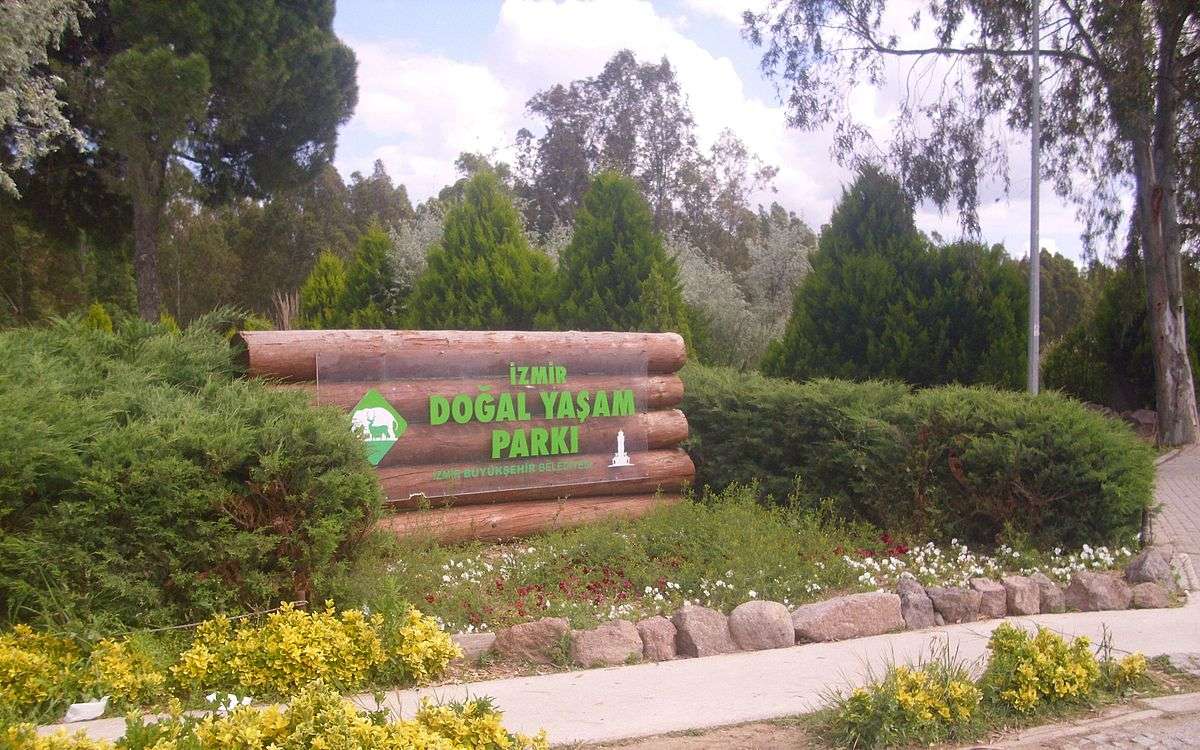
## Description Izmir Wildlife Park (İzmir Doğal Yaşam Parkı) is one of Turkey’s most impressive and thoughtfully designed animal parks, offering a refreshing blend of conservation, education, and recreation. Opened in 2008 by the Izmir Metropolitan Municipality, the park was created as a modern alternative to the old Izmir Zoo, with a strong emphasis on animal welfare and natural habitats. Today, it spans over 425,000 square meters and is home to nearly 1,800 animals from 132 different species. What sets Izmir Wildlife Park apart is its commitment to creating spacious, naturalistic enclosures that mimic the animals’ native environments. Visitors can stroll through themed zones such as the African Savannah, Monkey Islands, Birds of Prey section, and the Tropical Center—the first of its kind in Turkey. The park also features a large pond for waterfowl and a charming Children’s Zoo where kids can interact with friendly farm animals. A little-known fact: the park was awarded by the Organization of Islamic Capitals and Cities (OICC) in 2013 for excellence in municipal services, landscape, and environmental design. Another hidden gem is the Tropical Center, which houses exotic species like macaws, marmosets, fruit bats, and crocodiles in a climate-controlled environment that replicates rainforest conditions. ## Location Izmir Wildlife Park is located in **Turkey**, in the **Aegean Region**, within the city of **Izmir**, specifically in the **Çiğli district**. It’s situated in the Sasalı neighborhood, a peaceful area surrounded by nature and away from the city’s hustle. ### How to Get There: - **By Public Transport**: From central Izmir, take the İZBAN commuter train to Çiğli Station, then transfer to bus number 751 or 777 toward Sasalı. - **By Car**: The park is about a 30-minute drive from downtown Izmir. Free parking is available on-site. - **By Tour**: Some local tour operators include the park in family-friendly itineraries, often paired with nearby attractions like the Bird Paradise (Kuş Cenneti). Its accessibility and tranquil setting make it an ideal day trip for families, nature lovers, and curious travelers. ## Tips for Visitors To make the most of your visit to Izmir Wildlife Park, keep these tips in mind: - **Arrive Early**: The park opens at 9:00 AM and closes at 6:30 PM. Early visits offer cooler temperatures and more active animals. - **Wear Comfortable Shoes**: The park is vast and designed for walking. Expect to spend 2–3 hours exploring. - **Bring Snacks and Water**: While there are cafes and kiosks, bringing your own refreshments can be handy, especially for kids. - **Check for Events**: The park occasionally hosts educational workshops and seasonal events—check the schedule before you go. - **Respect the Animals**: Feeding is prohibited, and loud noises can disturb the animals. Be mindful and enjoy observing them in peace. - **Visit on Weekdays**: Weekends can be crowded. A weekday visit ensures a quieter, more relaxed experience. ## Conclusion Izmir Wildlife Park is a beautifully curated sanctuary that blends education, conservation, and leisure. With its diverse animal collection, spacious habitats, and family-friendly atmosphere, it’s a standout destination in Turkey’s Aegean region. Whether you're traveling solo or with kids, this park offers a memorable and meaningful encounter with wildlife. ## FAQ **1. What are the opening hours of Izmir Wildlife Park?** The park is open daily from 9:00 AM to 6:30 PM, except Mondays when it’s closed for maintenance. **2. Is there an entrance fee?** Yes, but it’s very affordable. Ticket prices are modest, making it accessible for all visitors. **3. Can I bring food into the park?** Yes, you can bring your own snacks and water, though there are also cafes and kiosks available. **4. Is the park suitable for children?** Absolutely. The Children’s Zoo and interactive exhibits make it a great destination for families. **5. Are guided tours available?** While self-guided visits are common, some educational programs and group tours can be arranged in advance. **6. Is the park wheelchair accessible?** Yes, most paths are accessible, and facilities are designed to accommodate visitors with mobility needs. ## Links - [Izmir Wildlife Park – Official Website](https://www.izmirdogalyasamparki.org.tr/en/home) - [Izmir Wildlife Park – Wikipedia](https://en.wikipedia.org/wiki/%C4%B0zmir_Wildlife_Park)
GemVoyage Team • World
Tanga
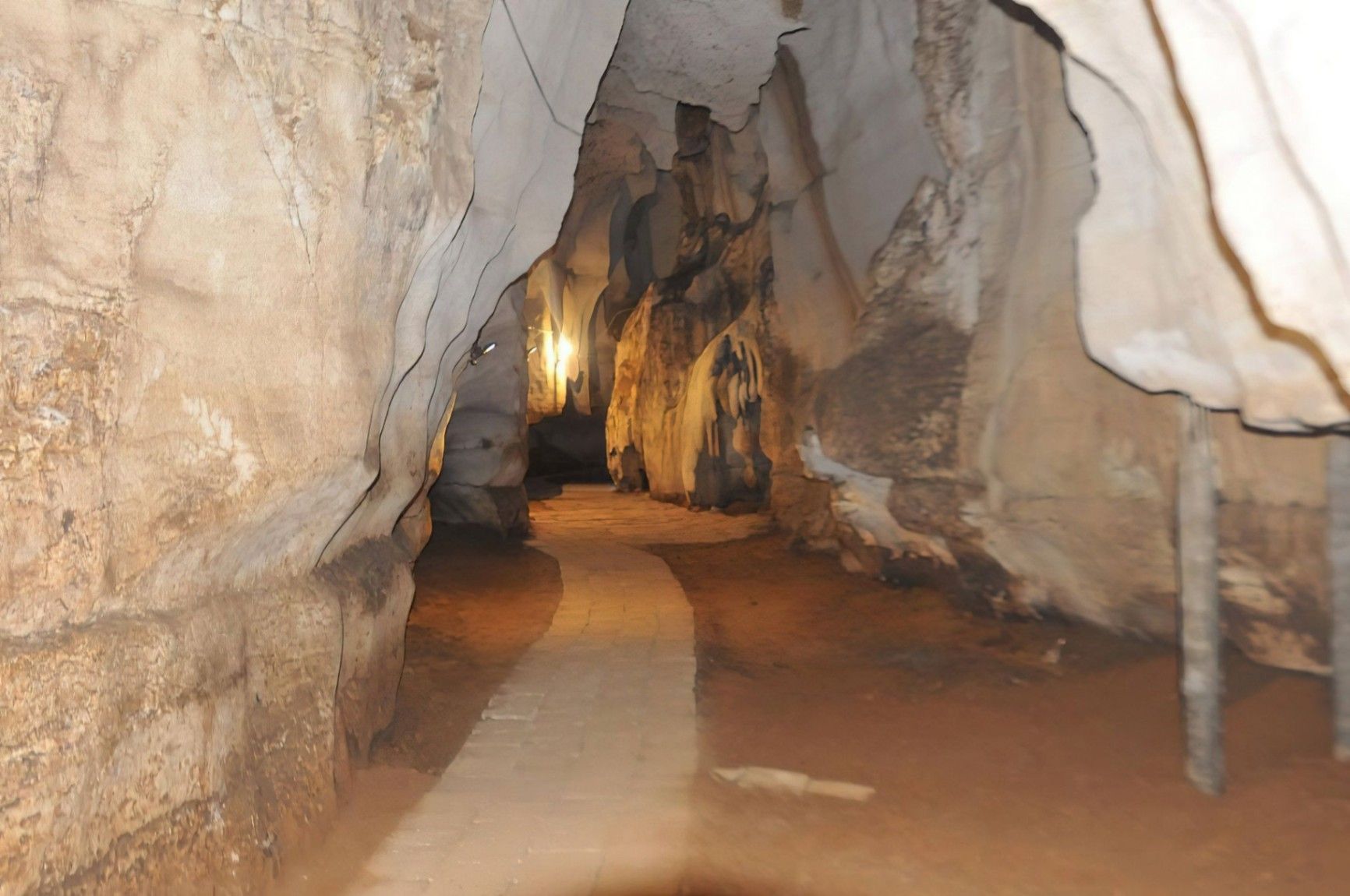
## Description Amboni Caves are among the most fascinating natural attractions in Tanzania, offering visitors a journey into an ancient underground world shaped by time, water, and geology. These limestone caves are believed to be over 150 million years old, making them one of the oldest cave systems in East Africa. With dark chambers, narrow passageways, and dramatic rock formations, Amboni Caves provide a sense of mystery and adventure that contrasts sharply with the nearby coastal landscapes. What makes Amboni Caves truly unique is their combination of natural, cultural, and spiritual significance. The caves are not only a geological marvel but also a site deeply connected to local beliefs and traditions. Many chambers are associated with spiritual practices, and some are still used for traditional rituals by surrounding communities. A little-known fact is that the caves are named after a colonial-era engineer, Amboni, who is believed to have popularized their exploration, although local communities had known and used the caves long before. Another lesser-known detail is that the cave system consists of at least ten interconnected chambers, each with its own name, legend, and distinct rock formations. Visiting Amboni Caves is both an educational and atmospheric experience, offering insight into Tanzania’s natural history as well as its living cultural traditions. ## Location Amboni Caves are located in **Tanzania**, in the **Tanga Region**, near the city of **Tanga**, along the northeastern coast of the country. The caves are situated about 6 kilometers north of Tanga city center, close to the Indian Ocean. Reaching the caves is relatively easy. Visitors can take a taxi or local transport from Tanga, with the journey usually taking 15 to 20 minutes. For travelers coming from other parts of Tanzania, Tanga is accessible by road, train, or domestic flights. Once near the site, a short walk leads to the cave entrance. Hiring a local guide at the site is strongly recommended, as the cave layout can be confusing without assistance. ## Tips * Always visit with a local guide, as the caves are dark, complex, and rich in cultural meaning. * Wear sturdy shoes with good grip, since the cave floors can be slippery and uneven. * Bring a flashlight or headlamp, even if guides provide lighting, for better visibility. * Dress comfortably and be prepared for warm and humid conditions inside the caves. * Respect local customs, as certain areas may be considered sacred. * Visit earlier in the day for a quieter experience and better overall visibility. ## Conclusion Amboni Caves offer a rare opportunity to explore one of Tanzania’s oldest natural formations while learning about the cultural traditions connected to it. With their ancient rock structures, spiritual significance, and sense of adventure, the caves stand out as a unique and rewarding destination near Tanga. ## FAQ **Are Amboni Caves safe to visit?** Yes, they are safe when visited with an experienced local guide who knows the cave layout and conditions. **How long does a visit to Amboni Caves take?** Most guided visits last between 45 minutes and 1.5 hours, depending on the route and interest level. **Is the site suitable for children?** Older children may enjoy the experience, but very young children might find the dark and narrow spaces challenging. **Is there an entrance fee?** Yes, a small entrance fee is usually charged, with additional costs for guided tours. **Can I take photos inside the caves?** Photography is generally allowed, but flash use and certain areas may be restricted, so always ask your guide. ## Links * [Tanzania Tourist Board](https://www.tanzaniatourism.go.tz) * [Tanga Region Information](https://www.tanga.go.tz)
GemVoyage Team • World
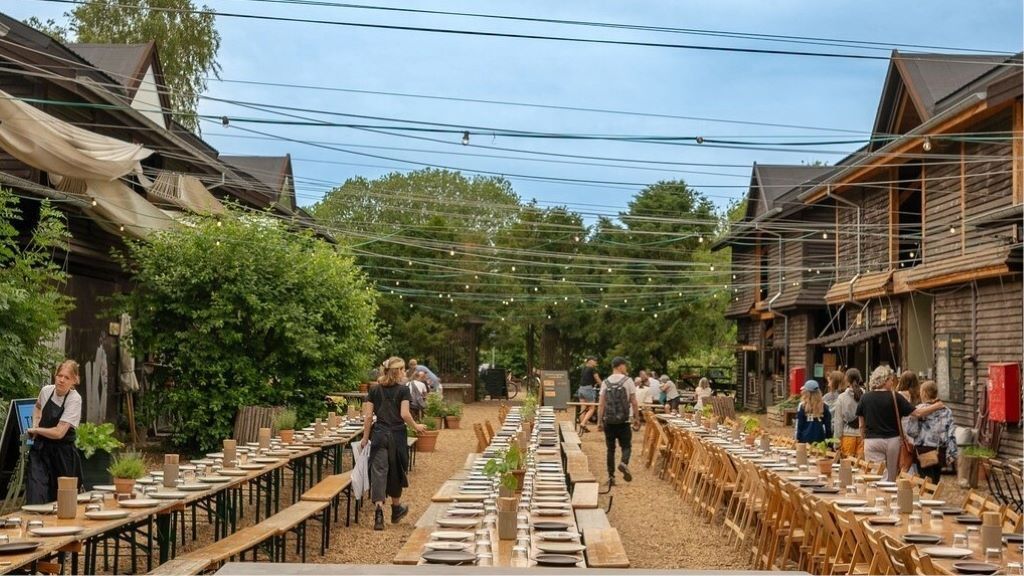
Copenhagen
## Description **Banegaarden** is one of Copenhagen’s most compelling examples of **urban regeneration through food, culture, and sustainability**. Built inside a former railway maintenance area, this vibrant cluster of wooden buildings, green courtyards, bakeries, breweries, eateries, and cultural spaces has been transformed into a **community-driven gastronomic village** that blends industrial heritage with contemporary Nordic creativity. What makes Banegaarden truly distinctive is its **organic, low-rise village layout** rather than a typical food hall or marketplace structure. Ten restored wooden railway buildings form the heart of the site, connected by gravel paths, gardens, fire pits, and outdoor seating areas. Instead of polished glass and steel, the visual language here is **raw wood, brick remnants, reclaimed beams, and soft green landscaping**. The result feels more like a countryside craft settlement dropped into the city than a traditional urban development. Food is the central magnet, but Banegaarden is not built around fast consumption. Many of its kitchens focus on **seasonal Nordic ingredients, organic produce, fermented foods, sourdough baking, slow-roasted meats, and local craft beer and natural wine**. Several of the food operators also function as production spaces, meaning visitors can see bread baked, beer brewed, and ingredients processed on-site. This transparency reinforces the project’s emphasis on **craft, traceability, and sustainability**. Equally important is Banegaarden’s **cultural layer**. The site frequently hosts live music, vinyl listening sessions, workshops, farmers’ markets, food talks, and small festivals. These activities transform the area from a dining destination into a **living social platform** that evolves with the seasons. Summer brings long outdoor evenings around communal tables, while winter focuses on indoor gatherings, candles, and fire-lit courtyards. A key characteristic of Banegaarden is its **anti-commercial atmosphere**. There is no corporate branding dominance, no chain restaurants, and no sterile shopping-mall layout. Instead, it operates more like a **curated creative ecosystem** where craftsmen, chefs, farmers, brewers, musicians, and designers coexist. This gives the place an authenticity that is difficult to manufacture and easy to lose in large-scale redevelopment projects. A little-known fact is that the site originally functioned as a **railway service yard for inspecting and repairing trains**, not as a public passenger area. Even today, parts of the old rail infrastructure remain subtly integrated into the landscape. Another lesser-known detail is that many of the wooden buildings were **physically relocated and reconstructed on-site**, rather than built entirely from new materials, making Banegaarden as much a recycling project as a cultural one. Emotionally, Banegaarden appeals to people who seek **slowness inside an efficient city**. Copenhagen is known for streamlined design and functional modernism, but Banegaarden celebrates imperfection, texture, and informal gathering. It attracts food lovers, families, cyclists, creatives, and visitors who want to experience something that feels **local rather than curated for mass tourism**. It is not a place to rush through. Banegaarden rewards lingering: coffee in the morning, shared lunch under trees, beer at sunset, and live music after dark. Its true value lies not in any single vendor, but in the **collective energy created by people, food, sound, fire, and reclaimed wood**. ## Location **Banegaarden** is located in the **Vesterbro district of Copenhagen**, close to one of the city’s major transport hubs. **City:** Copenhagen **Region:** Capital Region of Denmark (Hovedstaden) **Country:** Denmark **District:** Vesterbro **Nearby Landmark:** Dybbølsbro Station ### How to Get There: * **By S-train:** Take the S-train to **Dybbølsbro Station**, then walk about 5 minutes. * **By bicycle:** One of the easiest and fastest ways to reach Banegaarden from central Copenhagen. * **By bus:** Multiple routes serve the Vesterbro and Dybbølsbro area. * **By taxi or ride-hailing apps:** Quick access from anywhere in the city. * **On foot:** Approximately 20–25 minutes from Copenhagen Central Station. Its location makes it easy to combine with visits to **Meatpacking District (Kødbyen), Vesterbro cafés, and Copenhagen’s waterfront areas**. ## Tips * **Visit on weekends for atmosphere:** That’s when markets, music, and social gatherings are most active. * **Arrive early in summer:** Popular seating areas fill up fast on sunny days. * **Dress for outdoor time:** Much of the experience takes place outside, even in cooler weather. * **Bring cash and card:** Most vendors accept cards, but small pop-ups may prefer mobile payments. * **Not a fast-food stop:** Plan to spend time exploring, eating slowly, and socializing. * **Family-friendly during the day:** Evenings are more focused on adult dining and drinks. * **Seasonal variation matters:** Winter is cozy and intimate, summer is expansive and social. * **Respect the space:** It is community-driven and functions best when visitors treat it like a shared backyard, not a tourist spectacle. ## Conclusion **Banegaarden** is a rare urban space where **sustainability, food culture, craftsmanship, and social design intersect without feeling forced**. By transforming old railway buildings into a creative village, Copenhagen has gained a destination that feels alive, textured, and deeply human. It is not about spectacle or scale, but about **atmosphere, community, and the quiet power of thoughtful reuse**. ## FAQ **1. What is Banegaarden exactly?** It is a **food, culture, and craft village** built in repurposed railway buildings in Vesterbro. **2. Is there an entrance fee?** No. **Entry is free**, and you only pay for food, drinks, or events you attend. **3. Is Banegaarden open year-round?** Yes. It operates in all seasons, though **activity levels peak in warmer months**. **4. Is Banegaarden good for tourists?** Yes, especially for travelers who want a **local, non-touristy Copenhagen experience**. **5. Can children visit Banegaarden?** Yes. It is **family-friendly during daytime hours**. **6. How long should I plan to stay?** Most visitors spend **1.5 to 3 hours**, depending on meals and events. ## Links * [Banegaarden Official Website](https://www.banegaarden.com/)
GemVoyage Team • World
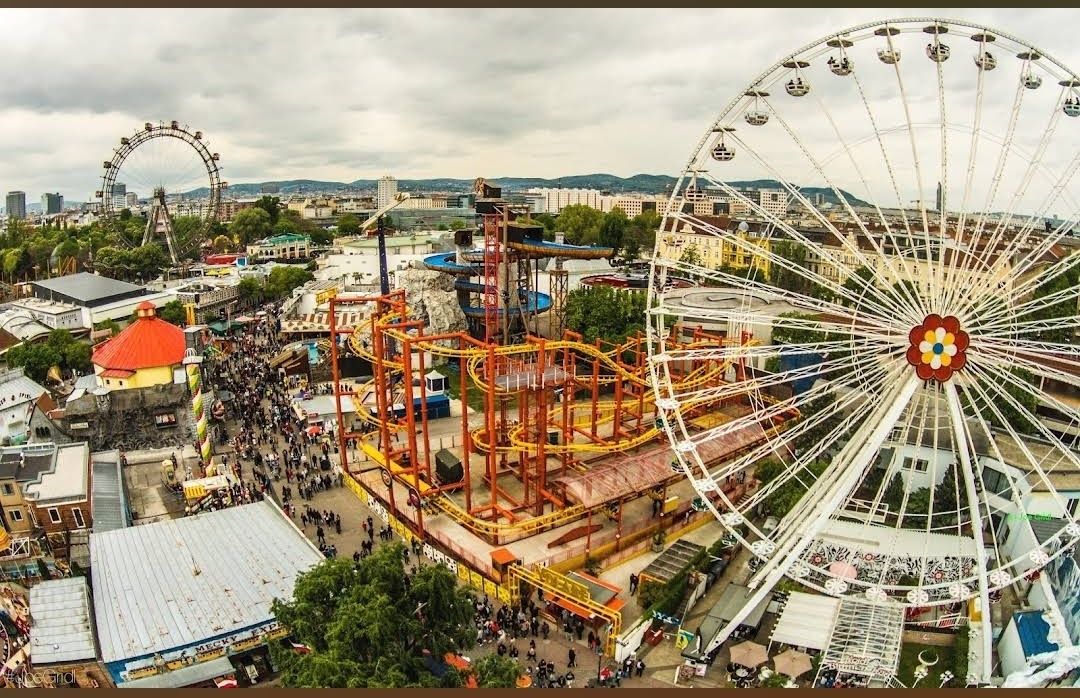
Vienna
## Description **Prater Funpark** in Vienna, commonly referred to as the **Wurstelprater**, is one of Europe’s most iconic amusement parks and a beloved attraction for both locals and tourists. Nestled within the vast Prater public park, this funfair has been entertaining visitors for over 250 years. It’s a place where history, nostalgia, and modern thrills come together, offering everything from traditional carousels and bumper cars to cutting-edge roller coasters and high-adrenaline rides. What makes the Prater unique is its blend of old-world charm and contemporary entertainment. The park’s symbol, the **Wiener Riesenrad** (Giant Ferris Wheel), dates back to 1897 and is one of Vienna’s most recognized landmarks. Riding the Ferris wheel provides not only fun but also breathtaking panoramic views of the city. At the same time, newer attractions like turbo coasters and virtual reality experiences ensure that thrill-seekers are never bored. **Little-known facts**: * The Prater was originally an imperial hunting ground before being opened to the public in 1766. The amusement park grew organically from stalls, performers, and small rides. * Unlike most theme parks, **entry to the Prater Funpark is free**. Visitors pay only for the rides and attractions they choose, making it a flexible experience for all budgets. --- ## Location Prater Funpark is located in **Vienna**, the capital of **Austria**, within the **Leopoldstadt district**. It sits inside the larger **Prater public park**, a green oasis that stretches over six square kilometers and also includes walking paths, meadows, and sports facilities. ### How to get there: * **By metro**: The fastest way is to take the U1 or U2 subway lines to the station **Praterstern**, which is just a short walk from the park. * **By tram**: Trams 0 and 5 also stop near Prater. * **By foot or bike**: Visitors staying in central Vienna can enjoy a scenic walk or bike ride to the park, as it’s close to the city center. --- ## Tips * **Visit in the evening**: The Prater comes alive after sunset when the rides light up, creating a magical carnival atmosphere. * **Don’t miss the Giant Ferris Wheel**: It’s the park’s most famous attraction and a must for first-time visitors. * **Plan your budget**: Since entry is free but rides are paid individually, decide beforehand how many attractions you’d like to try. Ride prices vary, so bringing cash can be useful. * **Try the local food stalls**: Beyond rides, the park is known for its traditional Austrian snacks like bratwurst, pretzels, and candied nuts. * **Combine with a stroll in the Prater park**: After the excitement of the rides, the surrounding green spaces offer a relaxing contrast. * **Check seasonal events**: The park hosts festivals, concerts, and themed events throughout the year, especially during summer and around Christmas. --- ## Conclusion Prater Funpark in Vienna is more than just an amusement park—it’s a cultural institution that blends history, fun, and nostalgia. With its mix of historic attractions like the Wiener Riesenrad and thrilling modern rides, it offers something for everyone, from families to adrenaline junkies. Whether you go for the rides, the food, or the atmosphere, the Prater promises an unforgettable Viennese experience. --- ## FAQ **1. Is there an entrance fee for Prater Funpark?** No, entrance is free. Visitors only pay for the rides and attractions they choose. **2. What is the most famous ride at Prater?** The **Wiener Riesenrad (Giant Ferris Wheel)** is the park’s most iconic attraction and a symbol of Vienna. **3. When is the best time to visit?** Evenings are particularly magical with illuminated rides, but daytime visits are better for families with young children. **4. How long should I plan to spend at Prater?** Most visitors spend 2–4 hours, though you could easily spend a whole day enjoying the rides and the larger Prater park. **5. Is Prater open year-round?** The park is open all year, but many rides operate seasonally, typically from March to October. The Giant Ferris Wheel and some attractions remain open in winter. **6. Can I find food and drinks inside the park?** Yes, the park is filled with restaurants, snack stalls, and beer gardens serving Austrian and international food. --- ## Links * [Prater Wien – Official Website](https://www.praterwien.com/) * [Wiener Riesenrad – Official Website](https://www.wienerriesenrad.com/)
GemVoyage Team • World

Comments