GemVoyage Team • World
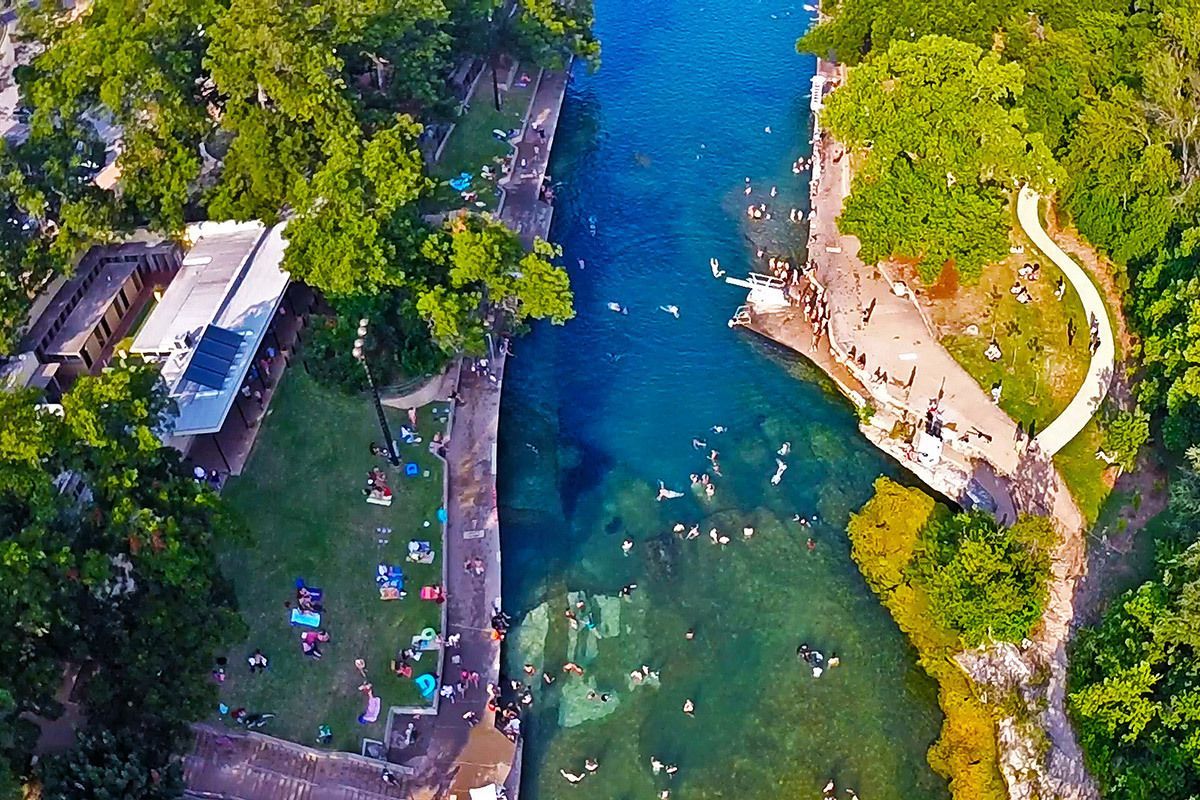
The water is consistently cool year-round, which gives the pool a very specific personality. In summer, that feels refreshing and almost miraculous. In cooler months, it feels bracing and memorable. A little-known fact is that the pool is closely associated with endangered species and ecological protection, especially the Barton Springs salamander, which means the site has both leisure and conservation importance. Another detail many visitors miss is that the pool has been a social gathering place for generations, so the sense of continuity is as much part of the attraction as the water itself.
What makes Barton Springs especially attractive is its flexibility. Families, swimmers, walkers, sunbathers, and out-of-town visitors can all enjoy it in different ways. Some people come specifically to swim laps or cool off after a hot Austin day. Others come simply to sit on the grass, watch the activity, and enjoy being near a place that feels deeply rooted in the city’s identity. It is one of those attractions that is simple on the surface but surprisingly rich once you experience how many layers it holds: natural, civic, ecological, and cultural.
Parking can become limited on busy days, so public transport or biking is often the smartest choice. Once you arrive, the surrounding park gives you a natural extension of the visit, whether you want a picnic, a walk, or time to relax after swimming. If you are planning to swim, check the current opening hours and entry rules in advance, because operational details can change with season, weather, and maintenance needs. The site works best when you treat it as a half-day or full-day outing rather than a quick stop.
Discover more hidden gems you might love.
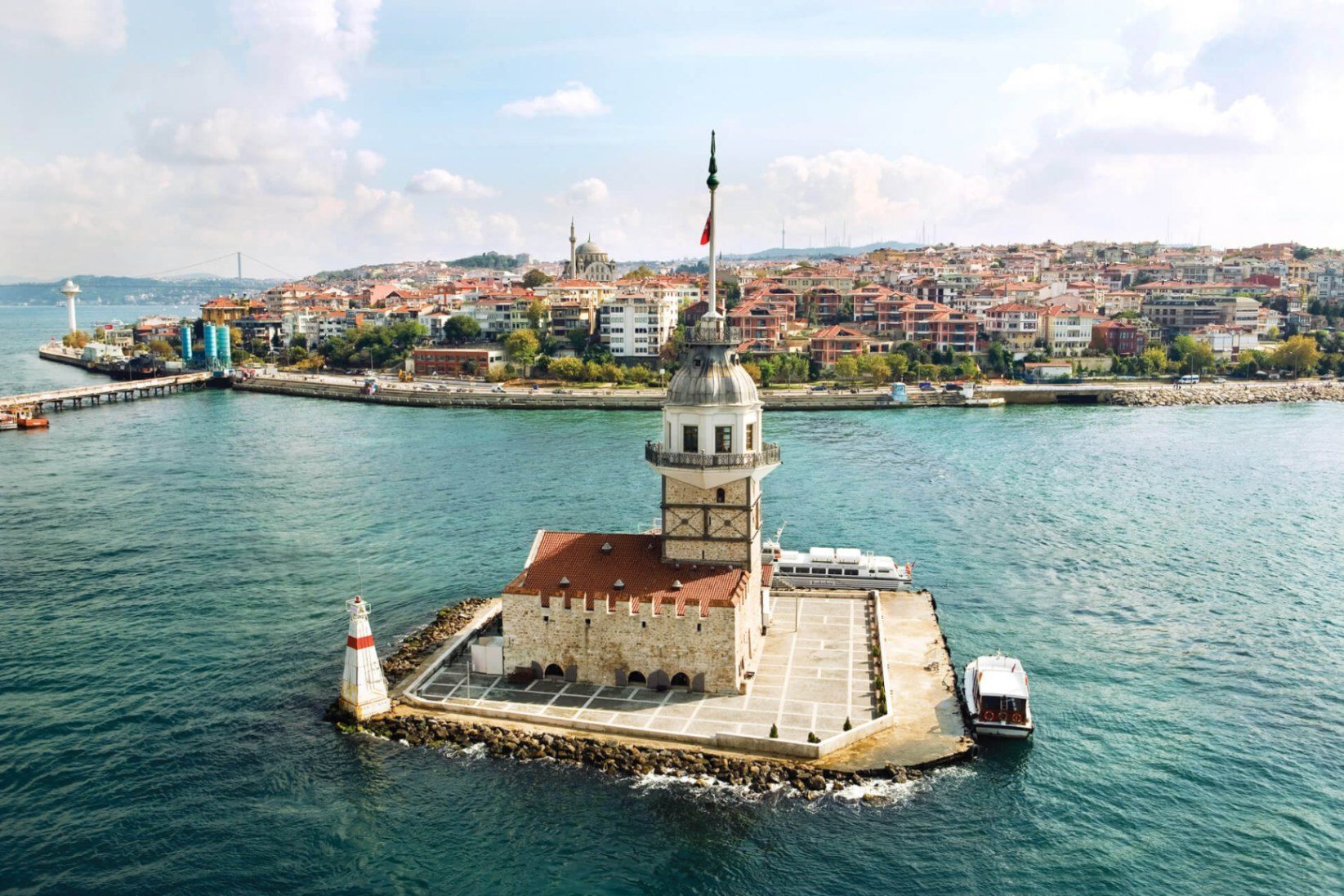
Istanbul
## Description **Maiden’s Tower (Kız Kulesi)** is one of Istanbul’s most recognizable and symbolically charged landmarks, standing alone on a small islet in the Bosphorus Strait. Neither fully Asian nor European in spirit, the tower embodies Istanbul’s identity as a city suspended between worlds. Its silhouette, visible from both shores, has inspired legends, poetry, paintings, and countless interpretations over centuries. The structure’s history stretches back to **antiquity**, with the earliest known use dating to the 5th century BCE, when it functioned as a defensive outpost controlling maritime traffic entering the Bosphorus. Over time, the tower has served many roles: lighthouse, customs checkpoint, quarantine station, watchtower, and even a radio transmission point. Each era left its mark, making the tower less a single-purpose monument and more a **layered historical artifact**. What truly distinguishes Maiden’s Tower is the **mythology surrounding it**. The most famous legend tells of a princess locked inside the tower to protect her from a prophecy foretelling her death by snakebite—only for the prophecy to come true regardless. Another lesser-known tale connects the tower to **Hero and Leander**, linking it symbolically to tragic love stories from classical antiquity. These narratives, though not historically verifiable, have become inseparable from the site’s identity. A little-known fact is that the tower has been **rebuilt multiple times**, most recently during the Ottoman period and again in modern restorations, meaning what visitors see today is the result of careful reconstruction rather than a single intact ancient structure. Another overlooked detail is that its strategic placement allowed it to work in tandem with towers on both shores, forming a maritime control system rather than functioning in isolation. Today, Maiden’s Tower operates primarily as a cultural and leisure site, offering exhibitions, a café, and panoramic views that rival any viewpoint in the city. ## Location **Country:** Turkey **Region:** Marmara **City:** Istanbul **District:** Üsküdar **Waterway:** Bosphorus Strait The tower sits just off the Asian shore of Istanbul, opposite the historic peninsula and close to Üsküdar’s coastline. ### How to Get There * **By ferry or boat:** * Small boats depart regularly from **Üsküdar** and sometimes from **Kabataş** on the European side. * **By public transport:** * Take Marmaray, metro, or ferry lines to Üsküdar, then walk to the departure pier. * **By taxi:** * Taxi to Üsküdar waterfront, then transfer by boat. Access to the tower is only possible by boat; swimming or private access is prohibited. ## Tips * **Visit near sunset:** The views of the Bosphorus and historic skyline are at their best. * **Check restoration status:** Access may vary due to maintenance or cultural programming. * **Book in advance during peak seasons:** Boats and entry slots can fill quickly. * **Dress for wind:** The tower is exposed, especially on upper levels. * **Combine with Üsküdar exploration:** The surrounding district offers mosques, promenades, and cafés. * **Manage expectations:** The tower is small; the experience is about atmosphere, not scale. ## Conclusion Maiden’s Tower is less about architectural grandeur and more about symbolism, location, and continuity. Standing alone in the Bosphorus, it captures Istanbul’s layered history and enduring fascination better than almost any other single structure. ## FAQ **1. Is Maiden’s Tower ancient?** Its origins date back over 2,000 years, but the current structure reflects multiple reconstructions. **2. Can you go inside the tower?** Yes, when open to the public, visitors can enter via boat. **3. How long does a visit take?** Typically **30 to 60 minutes**, excluding boat travel. **4. Is there an entrance fee?** Yes, pricing varies depending on exhibitions and services. **5. Is it better to visit during the day or evening?** Evening visits are more atmospheric, especially around sunset. **6. Is the tower wheelchair accessible?** Accessibility is limited due to stairs and the historic structure. ## Links * [Istanbul official tourism portal](https://istanbul.com)
GemVoyage Team • World
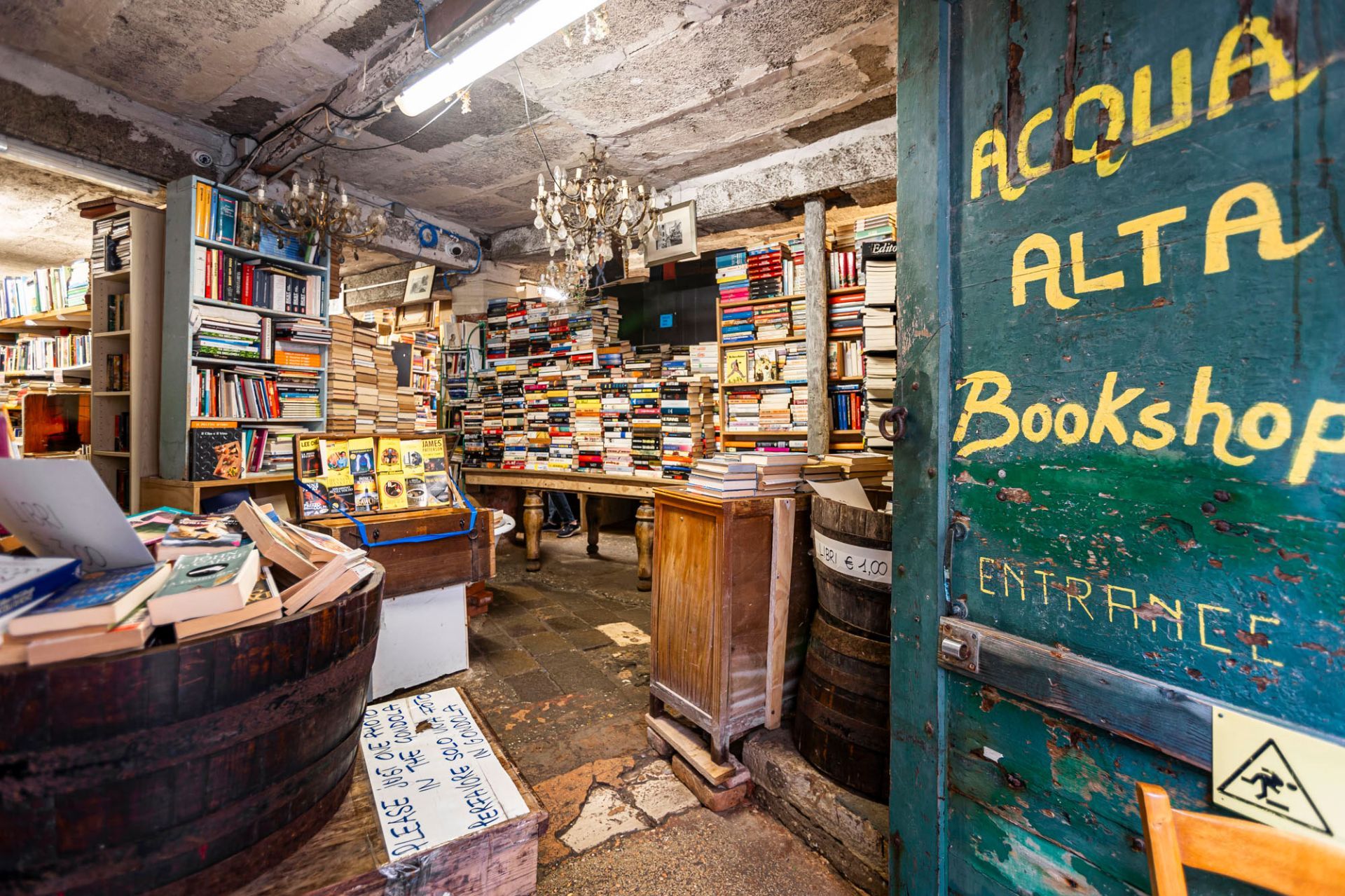
Venice
## Description Libreria Acqua Alta is one of Venice’s most distinctive and charming attractions because it turns a practical problem into part of the visitor experience. Venice is famously vulnerable to flooding, and this bookstore responds to that reality in a way that is both inventive and visually unforgettable. Books are stored in bathtubs, gondolas, waterproof containers, and other elevated or repurposed objects so they can survive the periodic rise of water. As a result, the shop feels less like a regular bookstore and more like a whimsical survival strategy made into an aesthetic. The appeal of Libreria Acqua Alta goes far beyond novelty. It has the atmosphere of a place assembled over time by someone who loves books, Venice, and improvisation. Visitors come for the stacks, but they stay because the shop feels like a small labyrinth of discovery. Narrow passages, uneven piles, old printed matter, comic visual arrangements, and hidden corners make it feel more like an exploratory space than a retail environment. It is the kind of place where you do not simply browse; you wander, pause, and notice details that would never appear in a standard chain bookstore. One little-known fact is that the shop has become famous not only among tourists but also among photographers and design-minded travelers who appreciate its unusual composition. Another is that the bookstore reflects a broader Venetian reality: people in the city have long adapted to water rather than pretending it does not shape daily life. That makes the store culturally resonant. It is not just cute. It is a visible expression of Venice’s ongoing negotiation with its environment. Another reason it resonates with visitors is that it is surprisingly layered. You can find secondhand books, old editions, postcards, and visual quirks that reward slow attention. There is also a cat-like, lived-in quality to the place, which makes it feel personal rather than curated to the point of sterility. That balance between charm and clutter is part of why it has become so beloved. For travelers, the experience is best approached with no rush. It is not a place to simply tick off a list. You should allow yourself time to look through the space, enjoy the odd arrangements, and accept that the entire point is to be slightly lost in it. That is very much part of the Venetian mood. The bookstore also shows how Venice often turns constraint into character. Flooding, narrow streets, and dense historic fabric all create real limitations, but the city’s best places tend to respond with ingenuity rather than correction. Libreria Acqua Alta fits that pattern perfectly. It is funny, beautiful, and a little chaotic, but the chaos is meaningful. For visitors who enjoy places with personality, it is one of Venice’s most rewarding small stops. ## Location Libreria Acqua Alta is in Venice, Italy, in the historic center not far from the quieter inner streets and canals rather than the largest tourist squares. Its location is central enough to fit into a normal Venice walking itinerary, but it still feels tucked away. The best way to get there is on foot. Venice is a walking city, and the bookstore is easiest to reach by navigating slowly through the lanes with a map or navigation app. Depending on your starting point, you may arrive from the Rialto or San Marco area and continue through smaller streets. That walking approach is part of the fun, because the route itself helps set the atmosphere before you even reach the shop. If you are arriving by vaporetto, use a nearby stop and continue on foot. Because the streets can be confusing, give yourself more time than you think you need so you do not arrive feeling rushed. ## Tips Go outside peak hours if you want a calmer experience. The bookstore is popular and can become crowded, especially midday. Bring a camera or phone, but be respectful while photographing. The shop is visually rich, but it is still a working bookstore and not just a set piece. Do not expect a big, organized retail layout. The joy is in the disorder and surprise, so the more relaxed your expectations, the better the visit will feel. If you enjoy books, browse carefully for unusual editions or visual treasures. Even if you do not buy anything, the atmosphere makes the stop worthwhile. ## Conclusion Libreria Acqua Alta is one of Venice’s most memorable small attractions, combining books, water, and creative improvisation into a uniquely local experience. It is ideal for travelers who enjoy places with character and a strong sense of place. ## FAQ **Why is Libreria Acqua Alta so famous?** It is famous for its unusual book storage methods and its imaginative response to Venice’s flooding. **Can you buy books there?** Yes. It is a functioning bookstore with a range of used and new items. **Is it easy to find?** It can take a bit of navigating, so walking slowly with a map is best. **How much time should I allow?** Around thirty to sixty minutes is usually enough, though book lovers may stay longer. **Is it worth visiting even if I am not a big reader?** Yes. The setting alone makes it one of Venice’s most unusual and photogenic stops. ## Links - [Official website](https://www.libreriacqualta.it/)
GemVoyage Team • World
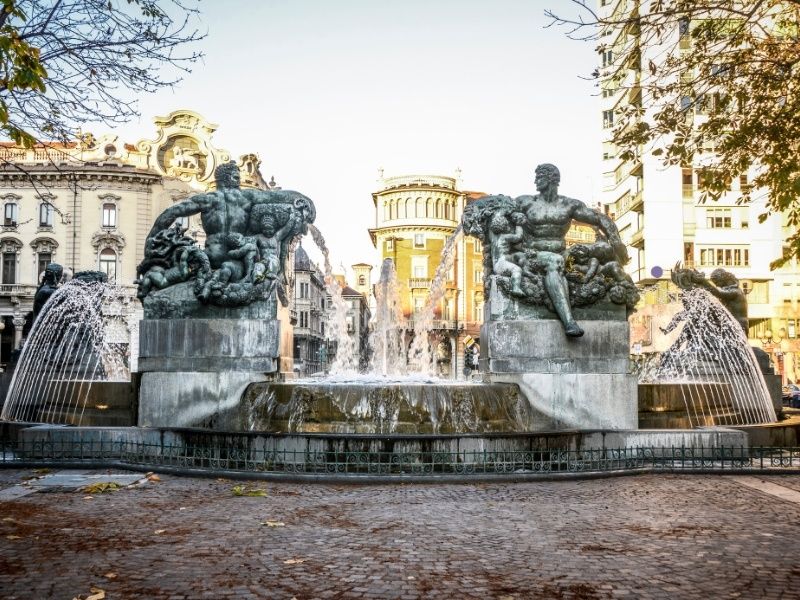
Turin
## Description Piazza Solferino is one of Turin’s most elegant and historically significant squares, offering a refined blend of architecture, green spaces, and local life. Located in the city center, the square serves as a calm yet vibrant meeting point where residents and visitors alike come to stroll, relax, or enjoy a coffee nearby. Unlike some of Turin’s more monumental piazzas, Piazza Solferino feels intimate and lived-in, making it an excellent place to experience the city at a slower pace. What makes Piazza Solferino unique is its layered history. The square is named after the Battle of Solferino (1859), a key event in Italian unification, and it stands close to sites connected to important political and cultural moments. A lesser-known fact is that the nearby area played a role in the birth of the Red Cross movement, inspired by the aftermath of the Battle of Solferino. Another interesting detail is the presence of subtle architectural transitions around the square, reflecting Turin’s shift from baroque influences to more modern urban planning during the 19th and early 20th centuries. With its central gardens, mature trees, and surrounding cafés and offices, Piazza Solferino offers a peaceful contrast to the busier shopping streets just steps away. ## Location Piazza Solferino is located in **Italy**, in the **Piedmont** region, within the city of **Turin (Torino)**. It sits in the historic center, between Corso Re Umberto and Via Cernaia, making it a natural crossroads for both locals and visitors. The square is easy to reach on foot from many major attractions, including Piazza Castello and Via Roma. Public transportation is also convenient, with multiple bus and tram lines stopping nearby. The closest metro station is **Re Umberto** on Line 1, which is just a short walk away. For visitors staying in central Turin, Piazza Solferino is often best reached by walking, allowing you to enjoy the surrounding streets and architecture. ## Tips * Visit in the morning or late afternoon to enjoy the square at its most relaxed and atmospheric. * Take a moment to sit on a bench in the central garden area and observe daily life in Turin. * Nearby cafés are ideal for a traditional Italian coffee or aperitivo after exploring the area. * Combine your visit with nearby attractions such as the Egyptian Museum or Piazza Castello. * The square often hosts small local events or gatherings, especially on weekends. * Bring a camera, as the surrounding architecture and greenery offer excellent photo opportunities. ## Conclusion Piazza Solferino is a refined and welcoming urban space that reflects Turin’s history, elegance, and everyday rhythm. Its central location, historical significance, and peaceful atmosphere make it a rewarding stop for anyone exploring the city. ## FAQ **Is Piazza Solferino worth visiting for tourists?** Yes, especially for those interested in local atmosphere, history, and architecture rather than major monuments alone. **Are there restaurants and cafés nearby?** Yes, the surrounding streets offer a wide range of cafés, restaurants, and bars. **How much time should I spend at Piazza Solferino?** Most visitors spend 20 to 40 minutes, though it can easily be longer if you stop for coffee or relaxation. **Is Piazza Solferino family-friendly?** Yes, the open space and central garden make it suitable for families and casual visits. **Does the square host events?** Occasionally, small cultural or community events take place, particularly during warmer months. ## Links * [Turismo Torino Official Website](https://www.turismotorino.org)
GemVoyage Team • World
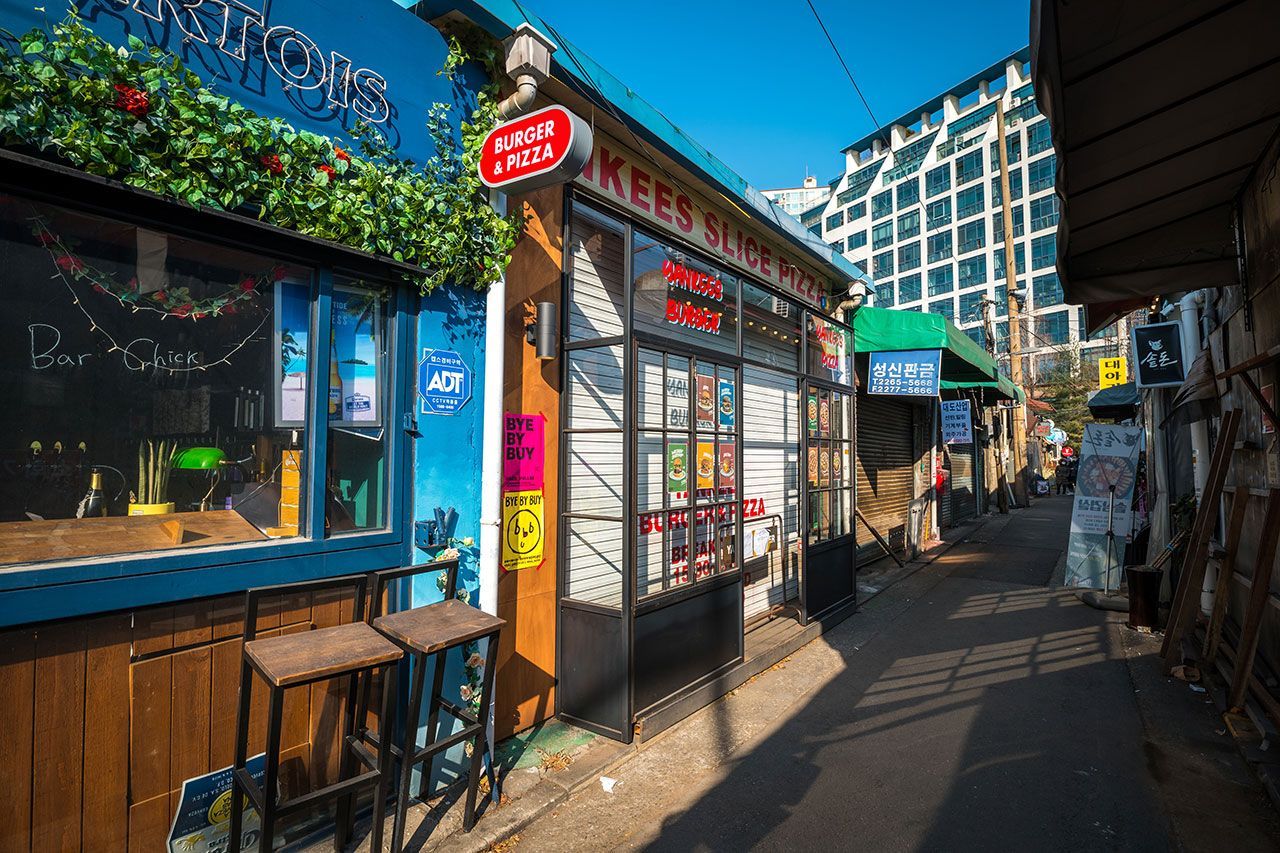
Seoul
## Description Mullae Art Village in Seoul is a compelling example of an industrial district transformed into an active creative ecosystem. Once home primarily to metalworks and small foundries, the neighborhood now hosts a mix of artist studios, mural-covered facades, experimental cafes, and workshops that continue to hum with production. This coexistence of working industry and emerging creative culture lends Mullae a gritty authenticity—visitors can witness the surprising juxtaposition of active metal fabrication alongside open studio events and gallery nights. The village has become a draw for photographers, designers, and travelers looking for non-touristy creative scenes. Monthly studio openings, collaborative exhibitions, and pop-up markets animate the neighborhood, while small bars and eateries offer late-night conversation and informal artist gatherings. Mullae’s charm is not polished; it’s lived-in, evolving, and full of small discoveries. ## Location Mullae sits in Yeongdeungpo-gu, Seoul, and is accessible from Mullae Station on Line 2, with short walks into the heart of the creative cluster. The area is best explored on foot, following alleyways and industrial lanes where murals, sculptures, and studios appear around unexpected corners. ## Tips - Time visits for open-studio events or weekends when more artists and galleries welcome visitors. - Be mindful of working studios—respect cordoned areas and do not enter without permission. - Bring a camera and a sense of exploration—industrial textures, murals, and found-object sculptures make for strong photography subjects. - Support local businesses: many cafes and shops are run by artists and makers, and purchases help sustain the community. - Safety note: some areas near active workshops may have operational hazards—obey signage and keep a safe distance from machinery. ## Conclusion Mullae Art Village is a vivid, working example of how industrial neighborhoods can become creative hubs without losing their gritty character. It’s ideal for curious travelers who value authenticity, emerging art scenes, and the energetic overlap of craft and creativity. ## FAQ Q: Are studios in Mullae open to the public? A: Many studios open during scheduled studio days or events; otherwise contact artists or galleries directly for visits. Q: Is it safe to take photos in Mullae? A: Yes, in public areas, but avoid photographing inside private workshops without permission and respect workers’ safety zones. Q: Are there cafes and shops in Mullae? A: Yes—small cafes, bars, and maker-driven shops are common and offer unique handmade goods and refreshments. Q: When is the best time to visit Mullae? A: Weekends and scheduled open-studio events offer the richest experience, though weekday afternoons can be quieter for wandering. Q: How can I support the local creative community? A: Buy directly from artists, attend open-studio events, and patronize local cafes and pop-up markets. ## Links - [Mullae Art Village](https://english.seoul.go.kr/seoul-art-space-mullae-mullae-creative-village/)
GemVoyage Team • World
Paro
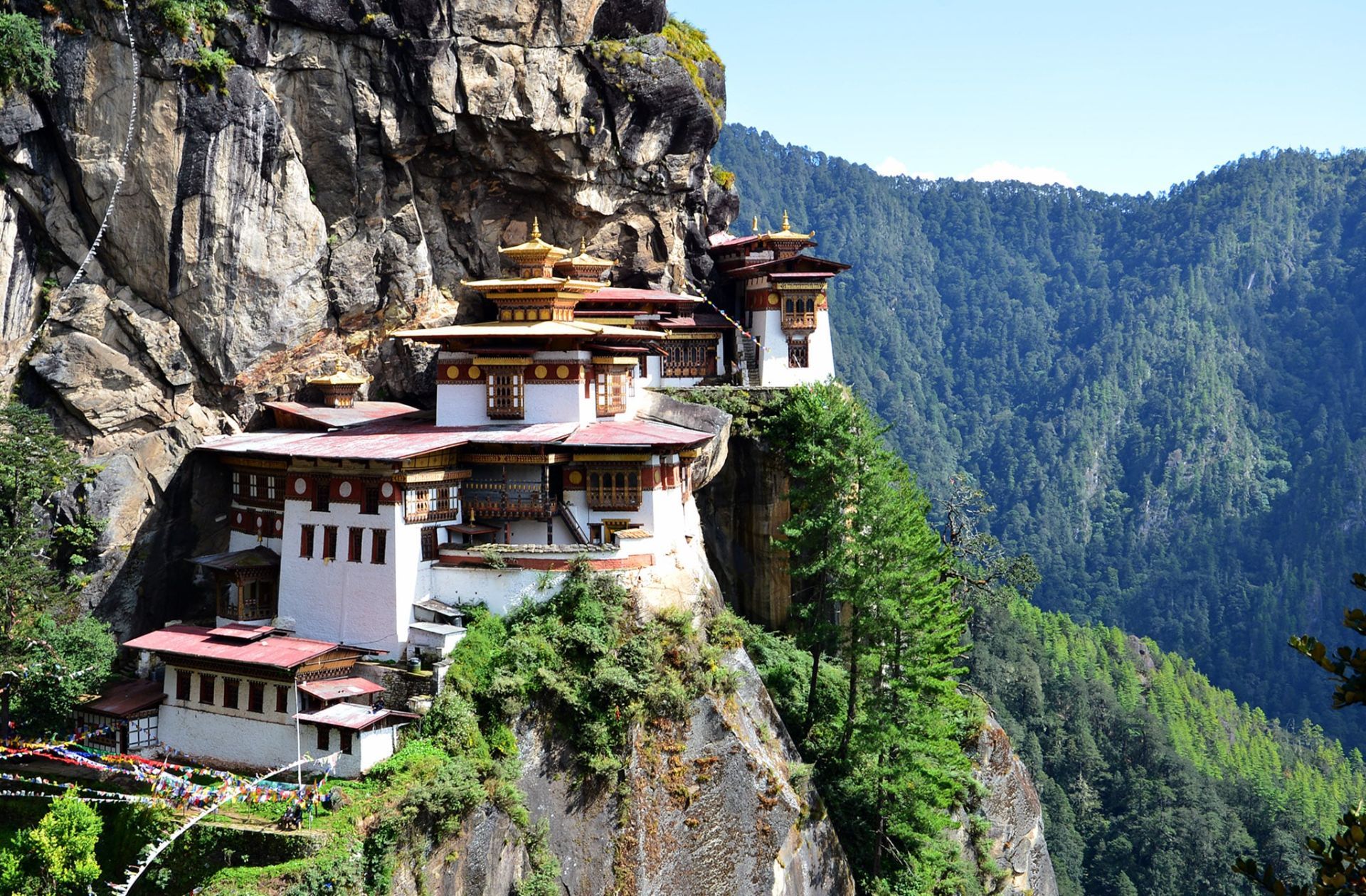
## Description The Tiger’s Nest, or Paro Taktsang, is a cliffside Buddhist monastery in Bhutan dramatically perched on a vertical rock face above the Paro Valley. Dating to the 17th century (with earlier sacred associations to Guru Rinpoche), the complex comprises several temples and hermitages connected by steep steps and narrow paths. The visual impact — whitewashed buildings and golden roofs clinging to granite — is among the most evocative images of Himalayan spiritual architecture. The site is both a pilgrimage destination and a focal point of Bhutanese national identity. Legend holds that Guru Rinpoche (Padmasambhava) arrived on the back of a tigress and meditated in the grottoes that now form part of the monastery complex. The blend of sacred history, dramatic landscape, and living monastic life gives Paro Taktsang deep spiritual resonance for Bhutanese and international visitors alike. SEO-friendly phrases you may use for planning include "Tiger's Nest hike," "Paro Taktsang visit tips," and "Bhutan monastery etiquette." Visitor experience: The descent into the valley and the ascent along forested trails provide a contemplative approach lined with prayer flags, small chortens, and viewpoints. While the most iconic view is from the main lookout before descending to the monastery, many visitors linger to observe ritual offerings, circumambulation of shrines, and the quiet rhythm of monastic routines. Respectful curiosity—asking guides about appropriate behavior and dress—enhances the visit for both guests and residents. ## Location Paro Taktsang sits within Paro valley in western Bhutan, about a 45–60 minute drive from Paro town and its international airport. Access requires a moderate hike of 2–3 hours round-trip depending on pace and stops. How to get there: Most travelers arrange transport through a licensed guide or hotel. Bhutan's regulated tourism policies require foreign visitors to book through licensed operators who manage permits, accommodation, and local guide services. For practical planning, search queries like "book Tiger's Nest guide" or "Paro Taktsang hiking permits" will direct you to authorized providers. Trail notes: The trail rises steadily with sections of stone steps and steeper pitches; resting at teahouses and lookout points is common. Horse rentals are occasionally offered for portions of the route, but check animal welfare practices and trail suitability before choosing this option. ## Tips - **Dress respectfully:** Wear modest clothing for temple visits; remove shoes inside shrines as required and avoid revealing or inappropriate attire. - **Prepare for a strenuous hike:** Bring sturdy footwear, adequate water, sun protection, and allow time for rest stops; altitude and steps make the climb moderately challenging. - **Hire an experienced guide:** Guides explain religious practices, translation of local rituals, and can signal areas off-limits to visitors, creating a more meaningful visit. - **Follow monastery rules:** Photography restrictions inside temples, silence in prayer halls, and specific rituals require compliance; ask before photographing monks or ceremonies. - **Consider timing:** Early morning or late afternoon visits reduce crowding and provide superior photography light, but check seasonal opening hours and local festivals. ## Conclusion Paro Taktsang is both a pilgrimage site and a Himalayan emblem: its precarious position and spiritual resonance make it an unforgettable visit that blends exertion with contemplative reward. When planning, confirm that your tour operator or hotel handles permits and local guidelines; these practical steps help protect the monastery’s sanctity and the visitor’s experience. ## FAQ - **Q: Can foreigners visit Tiger’s Nest independently?** A: Bhutan requires most foreign visitors to travel with licensed operators or registered guides. Booking through authorized tour operators ensures that permits, accommodations, and guide services are in place. - **Q: How long does the hike take?** A: Typical round-trip times range from 3 to 5 hours depending on fitness, stops, and whether you use any horse transport for parts of the ascent. - **Q: Are there age or mobility restrictions?** A: The trail includes steep steps and uneven surfaces and may not be suitable for those with severe mobility limitations. Discuss options with your guide; horse rentals for short segments may be available but evaluate safety and welfare considerations. - **Q: What permits or fees are required?** A: Entry to Bhutan is managed via licensed operators; fees and permit processes vary with season and travel packages. Confirm all costs with your provider in advance. - **Q: Is photography allowed inside the monastery?** A: Many interior temple spaces restrict photography to preserve sacred objects and respect practitioners. Always ask guides or monks before photographing interior or ritual scenes. ## Links - [Paro Taktsang — Wikipedia](https://en.wikipedia.org/wiki/Paro_Taktsang)
GemVoyage Team • World
Tokyo
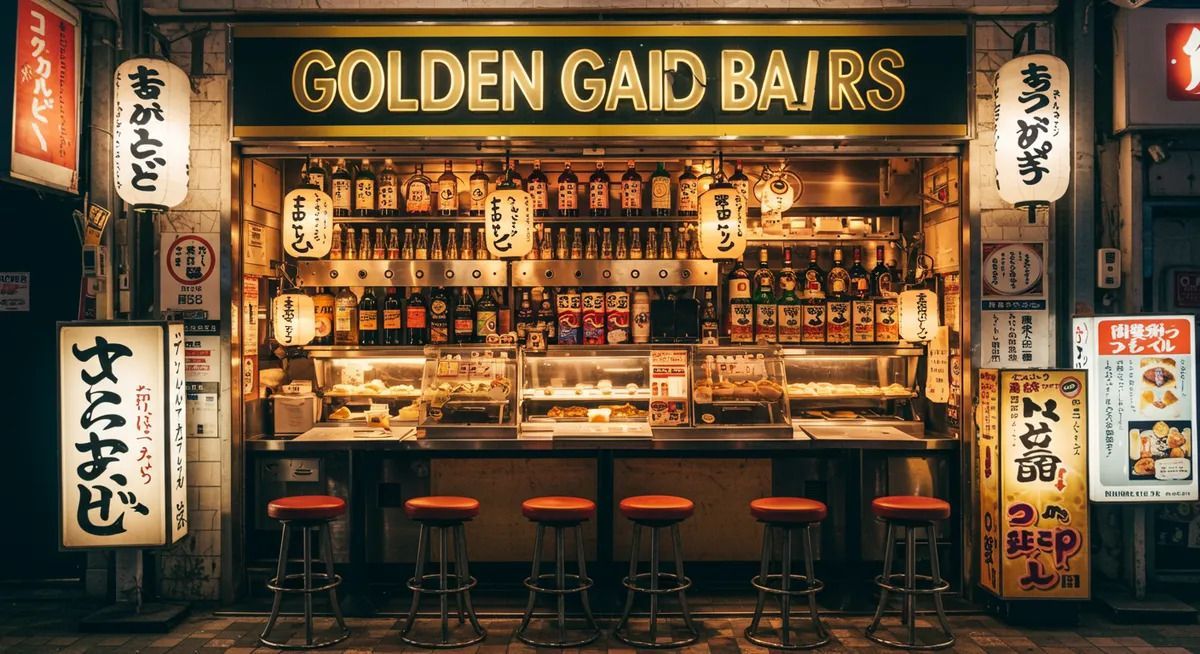
## Description Golden Gai is one of Tokyo's most distinctive nightlife districts, known for its narrow lanes, compact buildings, and dozens of tiny bars packed into a remarkably small area. What makes it special is not simply the number of bars, but the intimacy of the environment. Instead of large venues and loud commercial chains, visitors find one-room or nearly one-room spaces where the atmosphere is personal, varied, and often highly curated by the owner. The whole district feels like a living archive of postwar Tokyo nightlife, preserved in a way that modern redevelopment has not fully erased. Many of the bars have their own themes, regulars, and house rules, which means the experience can change dramatically from one doorway to the next. That unpredictability is part of the appeal. A less widely known fact is that Golden Gai survived repeated pressure from urban redevelopment because its character became too culturally valuable to replace easily. Another interesting detail is that it is as much a social district as a drinking district; for many visitors, the point is to step into Tokyo's small-scale urban culture rather than simply to have a night out. ## Location Golden Gai is in Shinjuku, one of Tokyo's busiest commercial districts in Japan. It sits near the heart of the entertainment area and is easy to reach from Shinjuku Station, one of the city's main transportation hubs. The neighborhood's location makes it especially convenient for travelers staying in central Tokyo, since you can reach it by train, walk to it from nearby hotels, and continue elsewhere in the city afterward. Because the area is small and dense, the best approach is to arrive on foot after taking transit to Shinjuku. That lets you enjoy the contrast between the huge station area and the tighter lanes of Golden Gai. Evening is the natural time to go, although the district comes alive at different speeds depending on the day and the season. ## Tips - Start with one or two bars rather than trying to see everything, because the district rewards quality over quantity. - Check whether a bar has a cover charge or membership policy before entering. - Be respectful of the small spaces and the local regulars, since many bars have a strong neighborhood culture. - Bring cash, because some smaller establishments may prefer it over cards. - If you are shy, choose a bar with an easier-looking entry style or a visible English menu. - Pair Golden Gai with other Shinjuku sights so the evening feels like a full district experience. ## Conclusion Golden Gai is one of the best places in Tokyo to experience a compact, intimate version of the city's nightlife. Its charm comes from personality, density, and history, not spectacle, which is exactly why it leaves such a strong impression. ## FAQ ### Is Golden Gai only for drinking? Mostly, yes, but the experience is broader than drinking alone. Many visitors go to appreciate the atmosphere, architecture, and social energy of the district. Even if you only stop in briefly, you are getting a glimpse into a very specific side of Tokyo's urban culture. ### Is Golden Gai expensive? It can be, especially compared with everyday bars elsewhere in Tokyo. Small spaces, cover charges, and themed bars often create a premium experience. That said, costs vary a lot from one place to the next, so it is possible to keep the visit modest if you are selective. ### Do I need to speak Japanese? Not necessarily. Some bars are welcoming to international visitors, while others are more local in feel. Basic courtesy goes a long way, and a little patience helps. If you want an easier entry, look for venues that visibly welcome newcomers. ### What is the best time to go? Early evening is usually best if you want to avoid the busiest crowd peaks and have time to choose a bar calmly. Later at night can be lively, but the narrow lanes may feel crowded. Your ideal time depends on whether you prefer atmosphere or ease of movement. ### Can I visit Golden Gai without staying long? Yes, and that is common. Some people drop in for a single drink, a brief look around, or a photo walk. Even a short visit can feel meaningful because the district's character is so concentrated. You do not need a long itinerary to appreciate it. ## Links - [Wikipedia](https://en.wikipedia.org/wiki/Golden_Gai)
GemVoyage Team • World

Comments