Discover extraordinary places shared by our community of travelers
Moscow
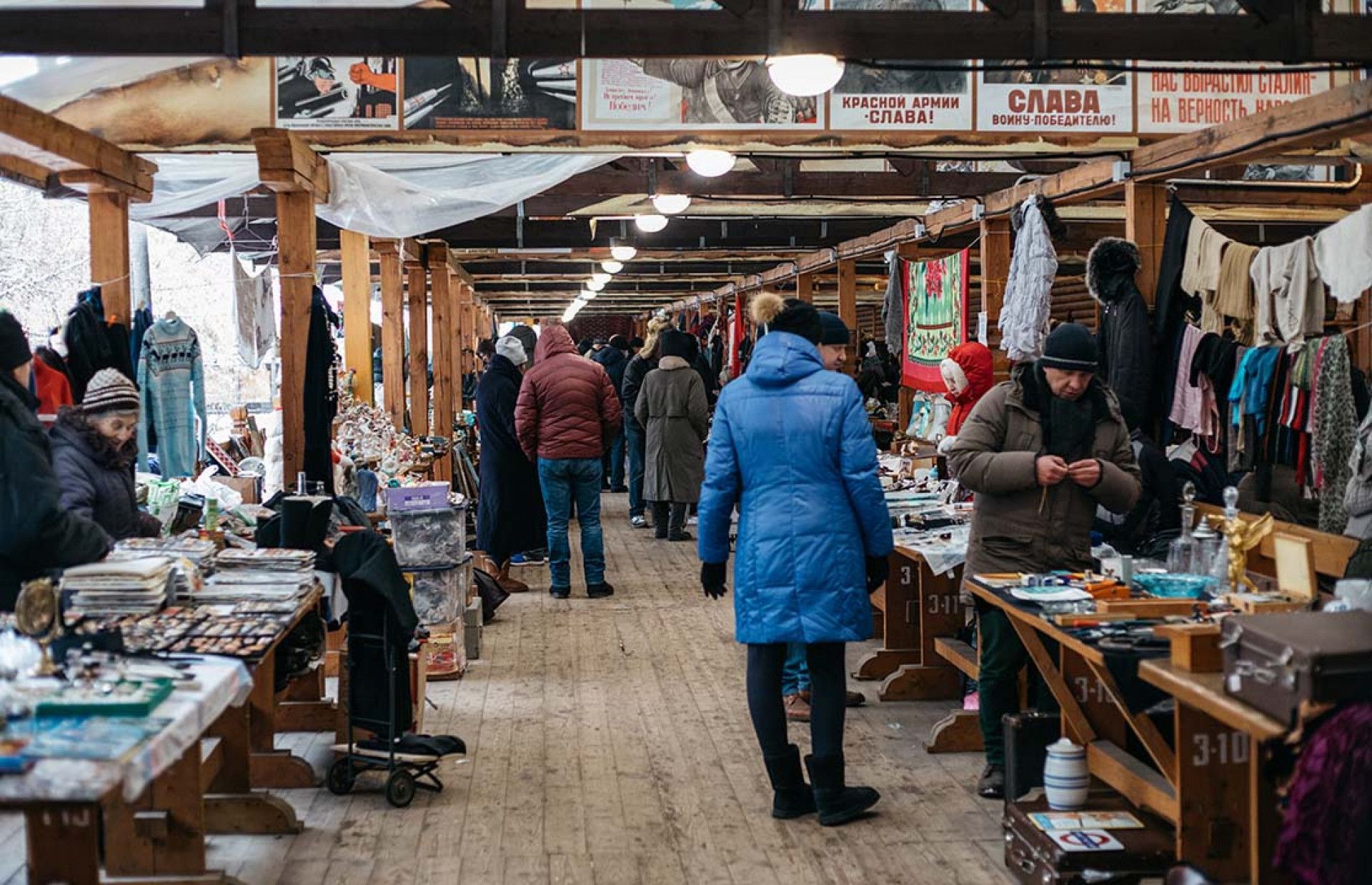
## Description Izmailovsky Kremlin Market is one of Moscow’s most visually distinctive shopping and browsing destinations, and it stands out precisely because it feels like a city within a city. The market sits inside the whimsical Izmailovsky Kremlin complex, whose colorful towers, carved details, and wooden-style architecture were designed to evoke old Russian forms while remaining openly decorative and contemporary. That unusual setting is a big part of the appeal. Visitors come for souvenirs, antiques, folk art, crafts, lacquer boxes, matryoshka dolls, military memorabilia, vintage objects, and a general atmosphere that is far more theatrical than a conventional market. What makes this place especially interesting is the contrast between its appearance and its history. A lesser-known fact is that the Izmailovsky Kremlin is not an ancient fortress but a relatively modern cultural complex, built to create a romanticized version of Russian architectural heritage. That means visitors are not seeing medieval ruins; they are seeing a carefully staged environment that celebrates traditional motifs. Far from diminishing the experience, that quality makes the market fascinating because it shows how Moscow turns national identity into a public-facing visitor attraction. Another little-known detail is that the market is part of a larger leisure zone connected to parks and weekend browsing culture, so it is best experienced as a long stroll rather than a quick shopping errand. For travelers, the real value of Izmailovsky Kremlin Market is the range. You can browse polished souvenirs for gift buying, but you can also hunt for more unusual items, talk to sellers, compare craftsmanship, and discover how Soviet and post-Soviet memory coexist in one shopping environment. The market is particularly good for people who like objects with stories: carved wood, painted ceramics, enamel pieces, old cameras, badges, and handmade textiles all share space here. Even if you do not buy anything, the architectural spectacle, color, and crowd energy make it one of Moscow’s more memorable non-museum stops. It is also an easy place to photograph because the buildings are so striking. The market is popular with both domestic visitors and international travelers, but it still feels lively rather than over-curated. That balance is hard to find, and it is one reason the market continues to matter in Moscow’s tourism landscape. ## Location Izmailovsky Kremlin Market is located in the Izmailovo district of Moscow, Russia, on the city’s eastern side. The broader area is associated with large green spaces, leisure complexes, and weekend markets, making it a comfortable destination for a half-day outing rather than a rushed stop. In practical terms, the market is easiest to approach from Moscow’s metro network, which is the most efficient way to move around the city for most visitors. If you are coming from central Moscow, plan on using the metro and then walking from the nearest station. That is usually faster and more predictable than surface transport in heavy traffic. Once you arrive, the market is straightforward to explore on foot, and the surrounding complex encourages slow browsing. Travelers should also consider pairing the visit with nearby parks or additional parts of the Izmailovo area, especially if the weather is good. Because the market is oriented toward browsing and souvenir hunting, timing matters less than atmosphere. Weekends are often livelier and more rewarding if you want the widest energy and the fullest market feel. Weekdays may be calmer and better for a less crowded experience. ## Tips Go with time to spare. This is not a place to rush through if you want to find interesting items or appreciate the architecture. Inspect quality carefully, especially for antiques and collectibles. Some stalls specialize in authentic older pieces, while others focus on decorative or reproduction items. Ask questions before you buy. Bring cash as well as a card. Market habits can vary, and small purchases are often easier with local currency in hand. If you are shopping for souvenirs, compare several stalls before making a purchase. Prices can vary more than first-time visitors expect. Do not ignore the setting. The market is enjoyable even when you are not actively buying, so allow time to walk around, take photos, and enjoy the exaggerated Russian architectural style. ## Conclusion Izmailovsky Kremlin Market is one of Moscow’s most colorful and memorable retail experiences. It combines souvenir shopping, craft culture, and a theatrical architectural setting in a way that feels distinctly Moscow. For visitors who enjoy browsing, bargain hunting, and visual spectacle, it is an essential stop. ## FAQ ### Is Izmailovsky Kremlin Market worth visiting if I do not want to shop? Yes. The complex itself is part of the experience, and many visitors come as much for the atmosphere and architecture as for the goods. It works well as a photogenic sightseeing stop. ### What kind of souvenirs can I find there? You can expect matryoshka dolls, painted woodwork, crafts, Soviet-style memorabilia, jewelry, textiles, ceramics, and a wide range of decorative objects. Selection varies by stall and season. ### Is it an actual historic Kremlin? No. The Izmailovsky Kremlin is a modern complex built in a traditional-inspired style rather than a medieval fortress. That does not make it less interesting; it simply means the attraction is intentionally romanticized. ### How much time do I need? Most visitors should budget 1.5 to 3 hours, depending on whether they are browsing casually or actively shopping for collectibles and gifts. ## Links - [Izmailovsky Kremlin](https://kremlin-izmailovo.com/)
GemVoyage Team • World
Stockholm
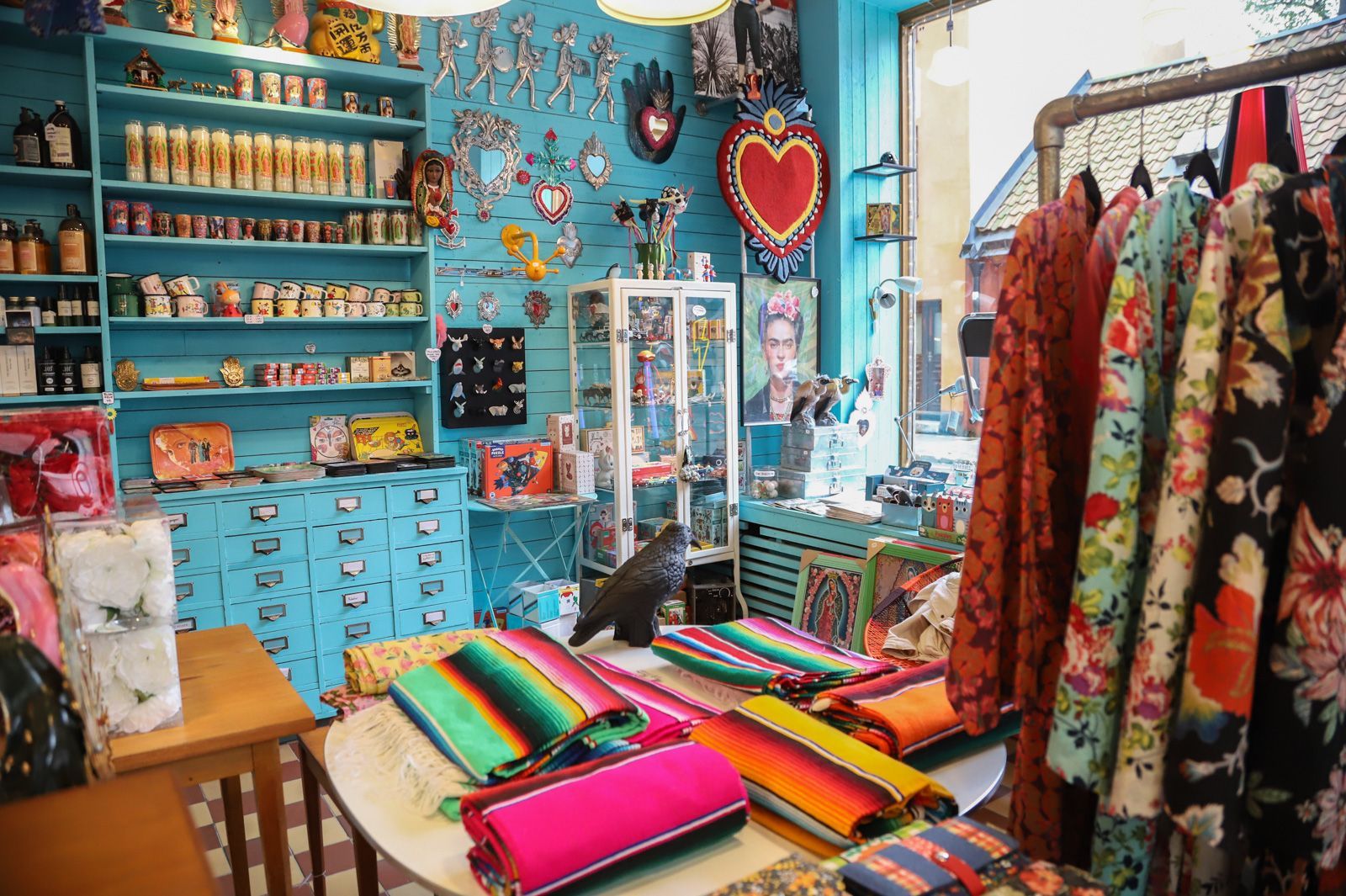
## Description Södermalm has a reputation as one of Stockholm’s most creative and self-assured districts, and its vintage shops are a big part of that identity. The area draws people who like fashion with history, pieces with character, and browsing that feels more like discovery than consumption. Unlike retail zones built around uniform shopping streets, Södermalm’s vintage scene is scattered through a district that already feels interesting to walk through. That means the shopping experience is inseparable from the neighborhood itself. The appeal of Södermalm vintage shops is not only the clothes. It is the curation, the neighborhood energy, and the sense that the area has a long memory. Stockholm’s relationship with design, sustainability, and thoughtful consumption makes secondhand shopping feel especially natural here. You can find everything from well-preserved Scandinavian basics to statement pieces, accessories, workwear, and occasional design objects. Some shops specialize tightly; others feel like treasure hunts where the best finds appear when you least expect them. One little-known fact is that Södermalm’s secondhand culture is closely tied to the district’s broader reputation for indie creativity and alternative style. Another is that many visitors underestimate how pleasant the neighborhood is for walking between shops. Even when one store is busy, the next street might feel calm, which keeps the experience relaxed and exploratory rather than transactional. For travelers who enjoy fashion but dislike generic mall shopping, this is an especially good environment. There is also a practical advantage. Vintage shopping in Södermalm can be combined with cafés, viewpoints, galleries, and neighborhood walks, so the district never feels like a single-purpose retail stop. It becomes part shopping outing, part urban exploration, and part cultural snapshot of Stockholm itself. The result is a richer visit than simply buying clothes. You are also seeing how locals shape style, reuse, and everyday city life. ## Location The vintage shops are located across Södermalm, an island district in central Stockholm, Sweden. Södermalm sits south of Gamla Stan and is one of the easiest central areas of Stockholm to explore on foot. The shopping spots are spread through several streets and pockets of the district, so the experience works best when you treat it as a neighborhood walk rather than a fixed single destination. The easiest way to reach Södermalm is by Stockholm’s metro system, bus network, or on foot from the city center. Medborgarplatsen, Slussen, and other nearby stations are practical starting points depending on which part of the district you want to explore. Because the best finds are often spread out, a comfortable pair of shoes helps more than a tightly scheduled plan. If you are visiting in winter, plan for shorter daylight hours and use indoor stops such as cafés to break up the walk. In warmer months, the district is especially pleasant because moving between shops feels almost like a mini city tour in itself. ## Tips - Start with a broad walk through the district before committing to specific shops. That helps you understand the neighborhood layout. - Look for quality as much as price. The best vintage pieces in Stockholm often stand out because of condition, cut, and timeless design. - Bring a reusable bag or extra room in your luggage if you plan to buy clothing or small home items. - Pair shopping with coffee or lunch so you can pace yourself and avoid rushed decisions. - Visit more than one shop style. A good vintage outing in Södermalm usually mixes curated boutiques, thrift stores, and neighborhood secondhand spots. ## Conclusion Södermalm’s vintage shops offer more than shopping. They give you a stylish way to experience one of Stockholm’s most characterful districts while discovering clothing and objects that feel personal, sustainable, and distinctly local. ## FAQ ### Is Södermalm good for vintage shopping even if I am not a fashion expert? Yes. The neighborhood is easy to browse casually, and many stores are approachable even if you are not hunting for something specific. The pleasure is as much in the atmosphere as in the purchase. ### Are the shops expensive? Prices vary a lot. Some stores are highly curated and price pieces accordingly, while others are more affordable. Stockholm generally has a reputation for quality over bargain-bin pricing. ### How much time should I set aside? At least a few hours if you want to enjoy the area properly. The best experience comes from mixing browsing with time for walking, coffee, and neighborhood exploration. ### Can I combine vintage shopping with other sightseeing? Definitely. Södermalm is close to scenic viewpoints, restaurants, and central Stockholm landmarks, so it fits easily into a larger city day. ## Links - [Södermalm on Wikipedia](https://en.wikipedia.org/wiki/S%C3%B6dermalm) - [Visit Stockholm](https://www.visitstockholm.com/)
GemVoyage Team • World
Seoul
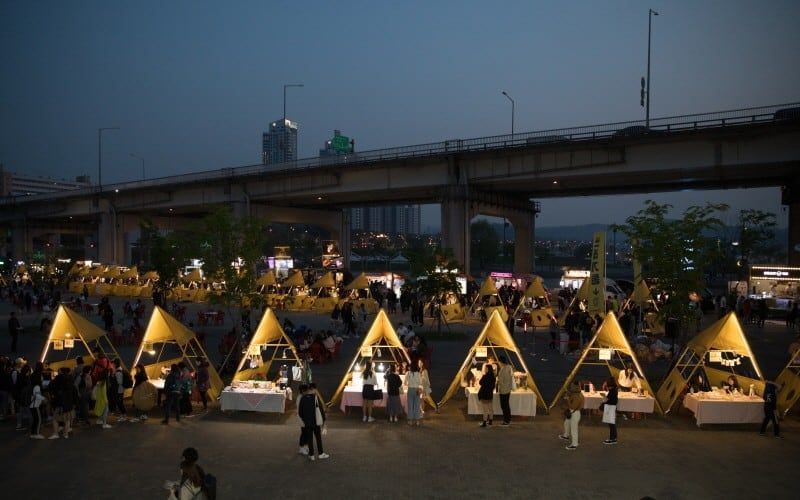
## Description Seoul Bamdokkaebi Night Market is a seasonal night-market program that animates several Han River parks across the city with pop-up vendors, street food stalls, live music, and family-friendly programming. At its core the market offers a curated taste of contemporary Korean street food culture: inventive snack stands, regional specialties, and small-batch artisanal sellers. The markets are deliberately ephemeral—open for limited dates during the warmer months—so each venue (Yeouido, Banpo, Dongjak, for example) develops its own nightly character based on local vendors and event partners. What makes Bamdokkaebi especially appealing is the riverside setting: many stalls sit on grassy banks with views across the river to Seoul’s skyline. That riverside backdrop, combined with stage performances and food trucks, creates a festival atmosphere that balances convenience with discovery. The markets are also a social hub for both residents and visitors—pick-up-and-go menus, picnic-style seating, and ambient lighting make it easy to linger. From a search-engine perspective, typical discoverability terms include "Bamdokkaebi Night Market dates", "Han River night market Seoul", and "Seoul street food market"—keywords that event pages and tourism guides often target. ## Location The program rotates through multiple Han River parks, with popular locations including Yeouido Hangang Park and Banpo Hangang Park. Each park has different entry points and transit connections: Yeouido is accessible via Yeouido Station (Line 5, Line 9), while Banpo Park is close to Express Bus Terminal Station (Line 3, Line 7, Line 9) or Sinbanpo Station on the Shinbundang Line. Check the official Bamdokkaebi schedule for current dates and the specific park hosting that night's market. Because the markets are temporary and sometimes move between sites season-to-season, verify the location and opening times on the Visit Seoul website or official event pages. Weekend nights and public holiday weekends are busiest, while midweek events can feel more relaxed. ## Tips - Check the schedule in advance: markets operate seasonally (commonly spring through autumn) and individual park dates vary. - Arrive early for popular vendors: must-try stalls can develop lines; arriving at opening time increases your chances of tasting signature items without a long wait. - Use public transit: subway and bus access is generally better than driving, as parking near parks is limited during events. - Bring a reusable bag and small change: while many vendors accept cards, cash and smaller denominations help for quick purchases and tipping. - Travel-light: markets are designed for strolling and picnicking—carry a light picnic blanket or sit on the provided benches. - Try local specialties: look for vendors offering regional street-food icons (tteokbokki, hotteok variations, seafood pancakes) alongside modern fusion snacks. - Respect local rules: keep the park clean by using recycling bins and follow any park restrictions on alcohol, fires, or amplified sound. ## Conclusion Bamdokkaebi Night Market is a seasonal, riverside way to sample Seoul’s inventive street-food scene in a lively, communal setting. It's ideal for travelers who enjoy casual dining, outdoor festivals, and a taste of local life. By checking schedules and arriving with a few practical items (cash, transit card, light jacket), visitors can maximize the experience and enjoy a variety of tastes across multiple nights if time allows. ## FAQ Q: When does Bamdokkaebi Night Market usually run? A: The market typically runs from spring to autumn on selected weekends and evenings; dates change yearly, so check the official Visit Seoul schedule. Q: Are pets allowed at the market? A: Policies vary by park; many Han River parks allow leashed dogs in common areas, but vendors or event-specific setups may restrict animals—check the event page. Q: Are there vegetarian or halal options? A: Yes—larger markets usually include vegetarian/vegan stalls and vendors who provide halal-friendly dishes; look for signage or ask vendors directly. Q: Is entry free? A: Yes—park access and market entry are free; you pay per vendor for food and goods. Q: What payment methods are accepted? A: Many vendors accept credit/debit cards and mobile payments; however, smaller stalls sometimes prefer cash—carry some small bills. ## Links - [Bamdokkaebi Night Market](https://www.visitseoul.net)
GemVoyage Team • World
Toronto
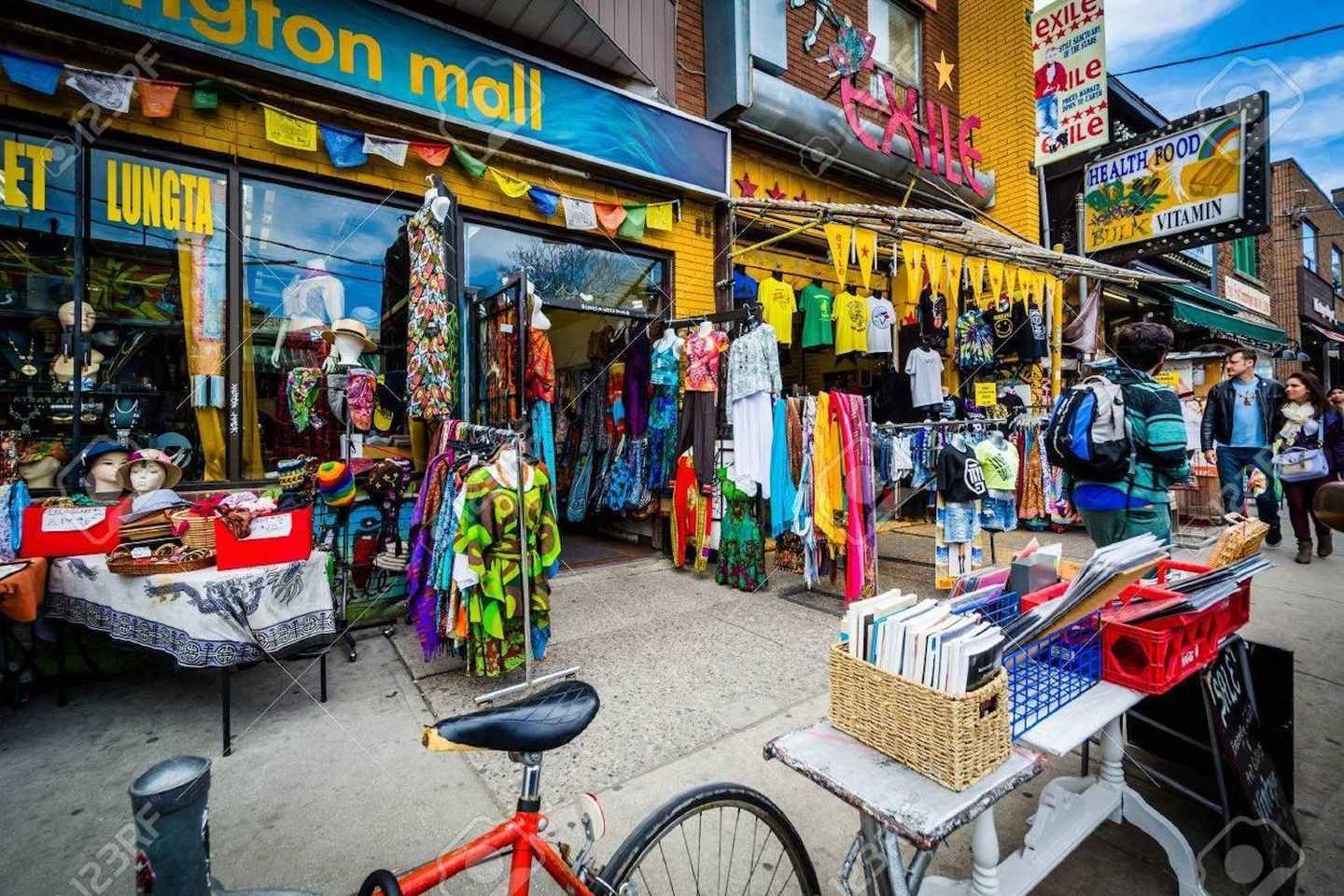
## Description Kensington Market is one of Toronto’s best-known neighborhoods for travelers who want atmosphere, variety, and a strong sense of place. It is not a traditional market in the narrow sense, but rather a dense urban district filled with independent shops, vintage clothing stores, grocers, cafés, bakeries, produce stands, restaurants, and street life that spills into the sidewalks. The area is famous for its mix of cultures and its long history as a neighborhood shaped by waves of immigration, creative entrepreneurship, and community reinvention. Walking through Kensington Market feels less like visiting a single attraction and more like stepping into a living collage of Toronto itself. What makes Kensington special is its refusal to feel polished in a predictable way. Its charm comes from variety, visual noise, and the sense that each storefront has its own personality. One block might be packed with produce, the next with music, used books, or handmade goods. Small alleyways and side streets often reveal murals, patios, and tiny surprises that reward unhurried visitors. The neighborhood also has a social rhythm of its own, especially on weekends when it becomes a magnet for browsers, food lovers, and people simply looking for a place that feels energetic and alive. One lesser-known aspect of Kensington Market is how strongly it reflects Toronto’s broader history of change. It has repeatedly adapted to new residents, new businesses, and shifting urban pressures while still preserving a distinctly independent feel. Another detail many first-time visitors miss is that Kensington is best experienced by combining observation with participation. The neighborhood is not only for looking at; it is for tasting, talking, trying, and wandering. A great visit often includes a snack, a coffee, a small purchase, and a few minutes spent people-watching from a curb or patio. Kensington Market is also a useful place to understand Toronto’s everyday creativity. It does not announce itself with monumental architecture or famous landmarks. Instead, it builds its identity from layers of storefront signage, murals, commerce, and community life. That makes it one of the city’s most authentic urban experiences, especially for travelers who prefer neighborhoods over tourist compounds. ## Location Kensington Market is in downtown Toronto, Ontario, close to Chinatown, the University of Toronto area, and several of the city’s central neighborhoods. Its location makes it easy to reach from much of central Toronto by streetcar, subway, bus, taxi, rideshare, or on foot if you are already nearby. Because the streets are compact and the area is highly walkable, most visitors explore it best on foot once they arrive. If you are planning a broader downtown day, Kensington pairs naturally with nearby cultural areas, galleries, food stops, and city walking routes. For visitors staying in the core, it is one of the easiest districts to add to an itinerary without needing a car. Public transit is usually the most practical option, and because parking can be limited or inconvenient, it is often better to leave the car behind entirely. ## Tips Go hungry and keep your schedule flexible. Kensington Market is one of the best neighborhoods in Toronto for spontaneous eating, browsing, and detours. If you try to over-plan the experience, you may miss what makes it fun. The best visits usually happen when you leave room for unplanned discoveries, whether that means a bakery stop, a vintage find, or a street musician drawing a crowd. Visit at different times if you can. Weekdays can feel more relaxed, while weekends are livelier and more crowded. Both moods have value, and the best choice depends on whether you want a calmer wander or a more animated urban scene. Morning visits are often easier if you want to take in the shops before they become too busy. Wear comfortable shoes. Kensington is compact, but it encourages a lot of walking, stopping, and turning into side streets. If you are interested in photography, the neighborhood is rich in texture, but be respectful of businesses and residents while you shoot. Try to support local vendors when you can, because the district’s character depends on the continued presence of independent operators. Do not expect uniformity. Some visitors want one clear “best” thing to do, but Kensington works differently. The point is the accumulation of impressions. The neighborhood is most rewarding when you let its diversity define the visit. ## Conclusion Kensington Market is one of Toronto’s essential neighborhoods, offering food, culture, and urban character in one dense and memorable walk. It is ideal for travelers who want to see the city through everyday life rather than landmarks alone. ## FAQ ### Is Kensington Market a real market? It is more accurately described as a neighborhood with a historic market identity rather than a single enclosed marketplace. Visitors come for the district’s shops, food, and street atmosphere. ### How long should I spend there? A short visit can take an hour, but two to four hours is better if you want to browse, eat, and explore side streets. Many travelers end up staying longer than planned. ### Is it expensive? It depends on where you stop. You can spend very little by simply walking around, but food, vintage goods, and specialty items can range from affordable to premium depending on the business. ### Is it family-friendly? Yes, especially during daytime hours. Families often enjoy the food variety, the pedestrian-friendly feel, and the colorful street life. ### What is the best way to experience it? Walk slowly, sample something local, and leave room for curiosity. Kensington is best when you treat it as a neighborhood to be explored rather than a checklist of attractions. ## Links - [Wikipedia](https://en.wikipedia.org/wiki/Kensington_Market)
GemVoyage Team • World
São Paulo
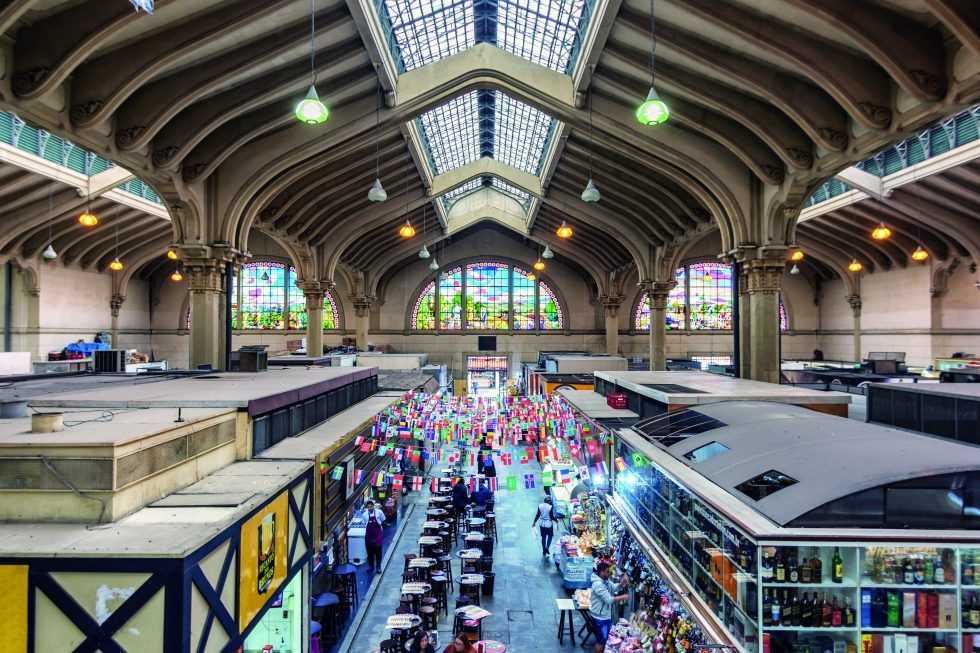
## Description Mercadão Municipal, or the Municipal Market of São Paulo, is one of the city’s most famous culinary landmarks and a destination that captures the energy of São Paulo in a single building. It is more than a market in the shopping sense; it is a place where food culture, commerce, architecture, and local identity collide. Travelers come for fruits, cheeses, spices, sandwiches, and the atmosphere of a bustling market hall that has long been part of the city’s everyday life. The market’s appeal lies in its combination of spectacle and practicality. On one level, it is a place where you can buy ingredients, taste regional specialties, and browse through stalls packed with produce and delicacies. On another level, it is an architectural and cultural experience, with a grand interior that makes the market feel significant beyond the transaction. The building’s scale and activity create a strong first impression, but the real charm comes from moving through the aisles, observing the vendors, and tasting what the stalls have to offer. One little-known fact is that the market has become famous not only for shopping but also for certain dishes that travelers now seek out as part of the São Paulo experience. The towering sandwich and generous pastel preparations associated with the market have turned it into a food destination in its own right. Another detail that visitors often notice is how strongly the market reflects the city’s diversity. The mix of products and culinary influences mirrors São Paulo’s broader identity as a metropolis built by migration, trade, and constant reinvention. Mercadão works especially well for travelers who like food tourism because it offers both immediate flavor and cultural context. You can snack, shop, and observe the market’s rhythm all at once. It is busy, colorful, and sometimes overwhelming in the best possible way. For many visitors, it becomes one of the most memorable food stops in the city precisely because it is so direct and unpretentious. ## Location Mercadão Municipal is in central São Paulo, Brazil, close to the city’s historic core and within reach of other downtown attractions. Its central location makes it convenient to reach by taxi, rideshare, metro, or bus depending on where you are staying. Because São Paulo traffic can be heavy, using public transit or a rideshare is often the easiest option for many travelers. If you are combining the market with a broader city itinerary, it fits well with downtown exploration, historic sites, and other central stops. The building itself is easy to identify, and once you are nearby, the surrounding energy makes the approach feel unmistakably urban. Many visitors plan the market as a lunch stop rather than a standalone excursion, which works well because food is the main draw. ## Tips Arrive hungry, but not without a plan. The market can be busy, and famous food stalls sometimes have lines. If you know you want to try a sandwich or other signature item, allow enough time so you do not feel rushed. Bring cash or be prepared for card use depending on the stall. Most established vendors handle modern payment methods, but it is still helpful to be flexible. Prices and portions can vary, so compare a little before committing. Watch your bag and belongings in crowded sections. This is a busy market in a major city, so basic urban awareness is sensible. The atmosphere is generally part of the fun, but attentiveness helps keep the visit smooth. Don’t only eat; look around. The produce, specialty items, spices, and architecture all contribute to the experience. If you have extra time, wander the aisles before deciding where to stop, because the market is richer when you let yourself explore first. ## Conclusion Mercadão Municipal is one of São Paulo’s essential food and culture stops, blending famous flavors with a lively market atmosphere. It is a great introduction to the city’s appetite, energy, and diversity. ## FAQ ### Is Mercadão Municipal worth visiting if I am not a foodie? Yes. Even beyond the food, the market offers atmosphere, architecture, and a strong sense of the city’s character. ### What should I try first? Many visitors look for the market’s most famous sandwiches and fruit stalls, but the best choice depends on your taste and appetite. ### Is it expensive? Prices vary by stall and product. You can find both casual snacks and more premium specialty items. ### How long should I stay? An hour or two is enough for a focused visit, though food lovers may want more time to browse and sample. ### Is it easy to reach from downtown? Yes. Its central location makes it a practical stop in most São Paulo itineraries. ## Links - [Wikipedia](https://en.wikipedia.org/wiki/Municipal_Market_of_S%C3%A3o_Paulo)
GemVoyage Team • World
Lisbon
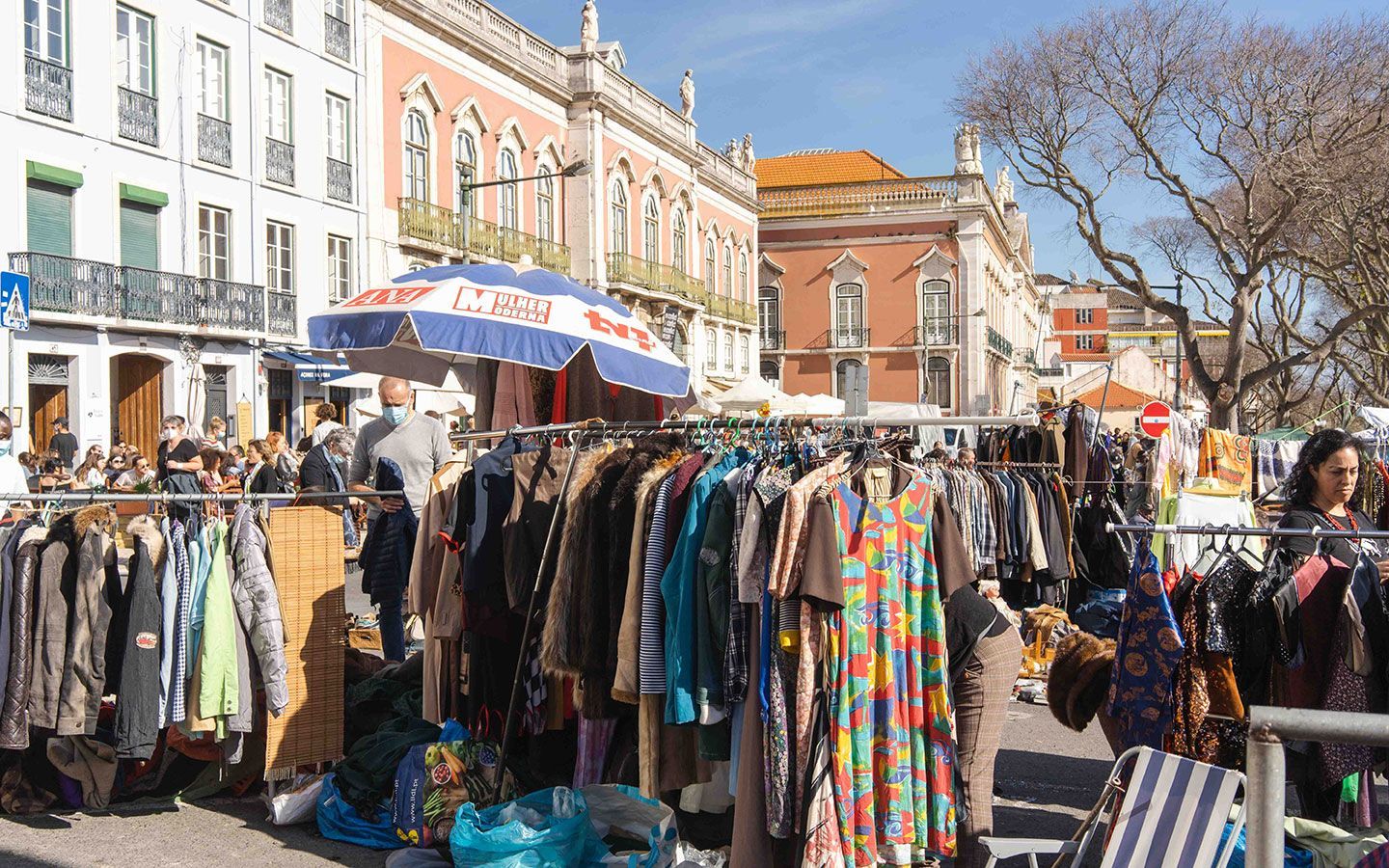
## Description Feira da Ladra is Lisbon’s most atmospheric flea market, a living patchwork of Portuguese life, history and commerce. More than a simple collection of stalls, it functions as a social square where generations of Lisboetas and visitors mingle among secondhand fabrics, antique furniture, faded postcards and artisan curios. The market’s energy is tactile and sensory: the smell of roasted chestnuts on a cool morning, the clack of wooden crates being stacked, and the low negotiation voices that form an audible backdrop to careful inspection of objects that often carry long personal histories. The market’s layout is informal and sprawling across Campo de Santa Clara and adjacent streets, which gives Feira da Ladra a serendipitous quality. Shoppers come for the big-ticket antiques as often as for tiny discoveries — old postcards that reveal vanished streets, or a single ceramic shard that hints at an earlier factory’s palette. Stallholders tend to be people who work in niches: collectors who’ve spent years sourcing porcelain and glass, families passing down boxes of personal effects, or young makers showcasing vintage-inspired handicrafts. That variety is exactly what makes the market valuable for cultural and material history research as well as for treasure hunting. Historically, the name "Feira da Ladra" — literally "thief’s fair" — is layered in nuance rather than literal accusation. Its origin reflects an age when informal markets, barter and secondhand trade were common ways to redistribute goods brought by sailors, seasonal workers and small-time traders. Over centuries, the market evolved from ad-hoc trading to an organized, municipally permitted event; yet it has preserved that improvisational spirit. Locals often stroll the market not just to shop but to socialize, to enjoy street food and to find oddities that become stories to tell. From a visitor’s perspective, Feira da Ladra rewards patience and curiosity. The most memorable finds are rarely the first item seen; rather, they emerge from methodical, slow browsing and conversations with vendors. For photographers and writers, the market provides rich visual and narrative material: candid portraits, evocative still lifes and oral histories that surface in impromptu discussions. For collectors, the market can be a source of rare pieces — old military medals, ill-fitted mirrors with gilded frames, and long-forgotten vinyl records — provided you take the time to look beyond the more tourist-oriented stands. To add practical depth: prices at Feira da Ladra vary widely, from a few euros for secondhand books to hundreds or thousands for verified antiques. If you are buying a significant artifact, ask for provenance information and vendor contact details; many dealers will provide a short history or provenance note for higher-value items. If you're an academic or conservator, the market can be a useful place to connect with sources, restorers and individuals who work in regional crafts. Conversations at stalls often yield unexpected context — the name of a maker, the story of how an item arrived in Portugal, or a tip about a specialist restorer in nearby neighborhoods. For visitors who want a focused approach, consider creating a short checklist: categories of interest (textiles, ceramics, books), approximate size limits for what you can carry, and a preliminary budget. This lets you sift quickly while staying alert for serendipity. Photographers may want to prioritize early hours when stalls are being set up; the quality of light in the plaza and narrow alleys often enhances texture and color in ways that late-day crowds do not. ## Location Feira da Ladra is anchored in Campo de Santa Clara, a broad plaza in Lisbon’s Alfama quarter, a neighborhood known for winding alleys, Fado houses and terraced viewpoints. The market commonly takes place on Tuesdays and Saturdays, though schedules can vary for holidays and municipal regulations — always verify current opening days before traveling. Getting there: the iconic Tram 28 winds through Alfama and stops within reasonable walking distance of Campo de Santa Clara, offering a scenic approach that doubles as a short city tour. For those who prefer other transit, buses and the nearby Santa Apolónia train station provide alternatives. Driving is possible but parking in central Lisbon is limited; rideshares and taxis are convenient options. Because the market sprawls across cobbled streets, wear sturdy shoes and be prepared for narrow passages. Insider transit tip: if you’re trying to avoid the busiest hours on Saturdays, arrive just after opening or target a Tuesday visit. Weekdays mean fewer tourists and better chances to speak with long-term stallholders. Also note that in summer months local festivals and holiday schedules can push setup times earlier or later. ## Tips - Visit early: stalls are fresher and the best items are still available in the morning. - Bring small bills and coins: many vendors prefer cash and it speeds up negotiations. - Learn a few Portuguese phrases for polite bargaining; a warm greeting goes far. - Inspect goods carefully — antiques and vintage items can have hidden damage. - Pack a reusable bag and a small tape measure; some items will need measurements. - Leave time to explore Alfama after the market: viewpoints, narrow streets, and authentic eateries nearby make for a full day. - Respect vendors: ask before photographing and approach trades with courtesy. - If planning larger purchases, discuss delivery options in advance; some vendors have recommended couriers and can help with packing. - Consider bringing a handheld UV light if you’re assessing paper items and stamps — it helps detect repairs and alterations (use respectfully and sparingly). ## Conclusion Feira da Ladra is more than a market: it’s a cultural habit of Lisbon, where history, economy, and daily life intersect. The market rewards visitors who slow down, ask questions and let discoveries find them. Whether you’re a focused collector, a photographer seeking texture and color, or a traveler searching for a distinctive souvenir, Feira da Ladra offers an authentic experience rooted in local rhythms and old-world charm. Suggested half-day itinerary: arrive at opening, walk the perimeter for an overview, focus on two or three categories of interest, take a mid-morning coffee at a nearby cafe, and return for a second pass before noon to finalize purchases. This rhythm helps you avoid decision fatigue and increases the chance of discovering a meaningful item. ## FAQ Q: When is Feira da Ladra open? A: The market normally runs on Tuesdays and Saturdays, with the largest crowds on Saturday mornings. Special municipal events, public holidays, or seasonal adjustments may change the schedule — check local listings or municipal websites for the latest calendar. Q: Is haggling acceptable and common? A: Yes. Polite bargaining is part of the experience, especially for antiques and larger items. Start with a respectful offer and keep interactions friendly; vendors are more likely to lower prices for warm, patient customers. Q: What should I bring to shop at Feira da Ladra? A: Bring cash (small denominations), a sturdy bag for purchases, comfortable shoes, and a phone or notebook to capture vendor details if you’re researching a find. If you plan to purchase large items, have transportation arranged in advance. Q: Are there authentic antiques or mostly tourist souvenirs? A: You’ll find a mix. Some stalls explicitly cater to tourists with souvenirs, but many dealers and long-term stallholders sell genuinely antique or collectible items. Careful browsing and asking informed questions helps locate authentic pieces. Q: Is the market family-friendly and safe? A: Generally yes — it’s a lively neighborhood market with families, collectors, and tourists. Standard urban precautions apply: watch your belongings, be mindful in crowded aisles, and avoid displaying large sums of cash. ## Links - [Wikipedia: Feira da Ladra](https://en.wikipedia.org/wiki/Feira_da_Ladra) - [Lisbon tourism info (markets)](https://www.visitlisboa.com)
GemVoyage Team • World
Mexico City
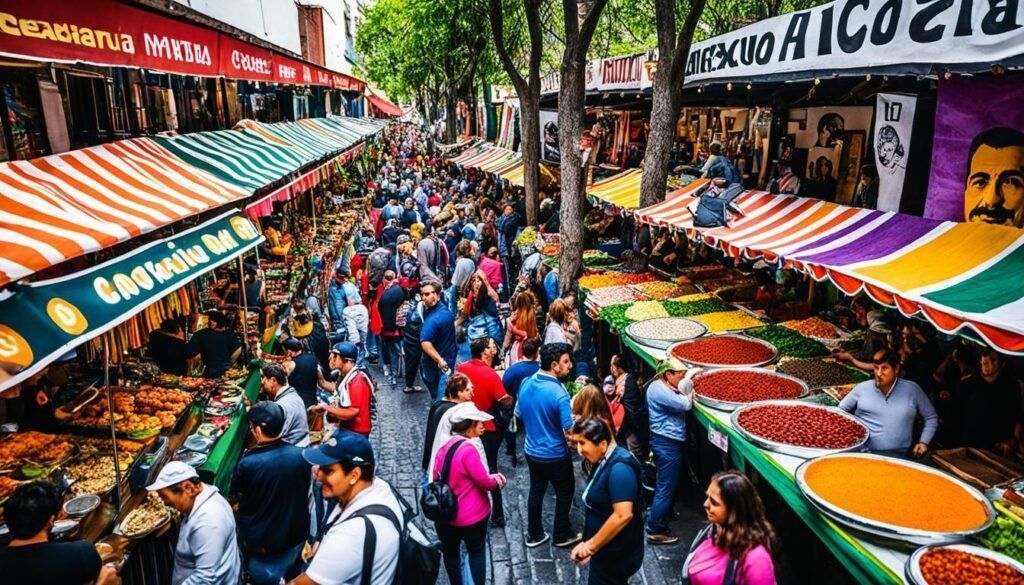
## Description The Coyoacán Market is one of the most atmospheric places in Mexico City for experiencing neighborhood life, local food, and a strong sense of cultural identity. Located in the historic district of Coyoacán, the market is more than a place to buy ingredients or snacks. It is a lively social space where residents, visitors, and vendors interact in a setting that feels deeply rooted in daily life. What makes the market stand out is the combination of color, aroma, and pace. You can move between stalls offering traditional food, produce, sweets, crafts, and everyday goods while hearing the sounds of bargaining and conversation around you. The experience is lively but not sterile, and that makes it especially appealing for travelers who want to feel the city rather than simply observe it. One lesser-known fact is that Coyoacán itself has long had a strong artistic and intellectual identity, which gives the market a broader cultural backdrop than many food markets. Another is that some visitors come for classic Mexican street food and stay because the market also acts as a gateway to the district's broader historic center, where plazas, museums, and cafes are all close by. That makes it easy to turn a market stop into a full neighborhood visit. The food is the heart of the experience. You will usually find tacos, antojitos, fresh juices, sweets, and regional specialties that reflect the diversity of Mexico's culinary traditions. For many travelers, the market becomes one of the most memorable meals of the trip because the setting feels unfiltered and alive. There is a practical pleasure in eating where locals eat and seeing how food organizes everyday routines. The market also works well as a cultural snapshot. It is not just about buying something; it is about watching the choreography of vendors, families, and visitors moving through a shared space. That social energy is what gives the market its depth. Even if you spend only an hour there, you leave with a better understanding of the neighborhood's texture. If you are exploring Mexico City and want a place that combines food, atmosphere, and local identity, Coyoacán Market is an excellent stop. It is energetic without being overwhelming and grounded in a neighborhood that already feels rich with history. ## Location The Coyoacán Market is located in the Coyoacán district of southern Mexico City, Mexico, near the historic center and other local attractions. The easiest way to get there is by taxi, ride-hailing service, or public transit followed by a short walk. Because Coyoacán is a popular destination, weekend visits can be busy, so timing matters if you want a smoother experience. ## Tips Go hungry. The market is one of the best places in the area to sample local food. Carry small bills and some cash, as many vendors may prefer it for quick purchases. Visit earlier in the day for a fresher, less crowded experience. Explore beyond the market itself and spend time in the surrounding Coyoacán streets and plazas. If you are trying several foods, share dishes with companions so you can taste more without overdoing it. Be prepared for crowds, especially on weekends and holidays. ## Conclusion Coyoacán Market is a lively and flavorful introduction to one of Mexico City's most characterful districts, blending food, local commerce, and neighborhood culture in one place. ## FAQ ### What can I buy at Coyoacán Market? You can find food, produce, sweets, crafts, and everyday household items. ### Is it mainly for tourists? No, it remains a real neighborhood market used by locals as well as visitors. ### What food should I try there? Traditional tacos, antojitos, fresh juices, sweets, and regional snacks are good starting points. ### Is the market close to other attractions? Yes, it is well placed for combining with the rest of Coyoacán's historic center. ## Links - [Coyoacán](https://en.wikipedia.org/wiki/Coyoac%C3%A1n) - [Mexico City](https://en.wikipedia.org/wiki/Mexico_City) - [Mexico City tourism](https://mexicocity.cdmx.gob.mx/)
GemVoyage Team • World
Porto
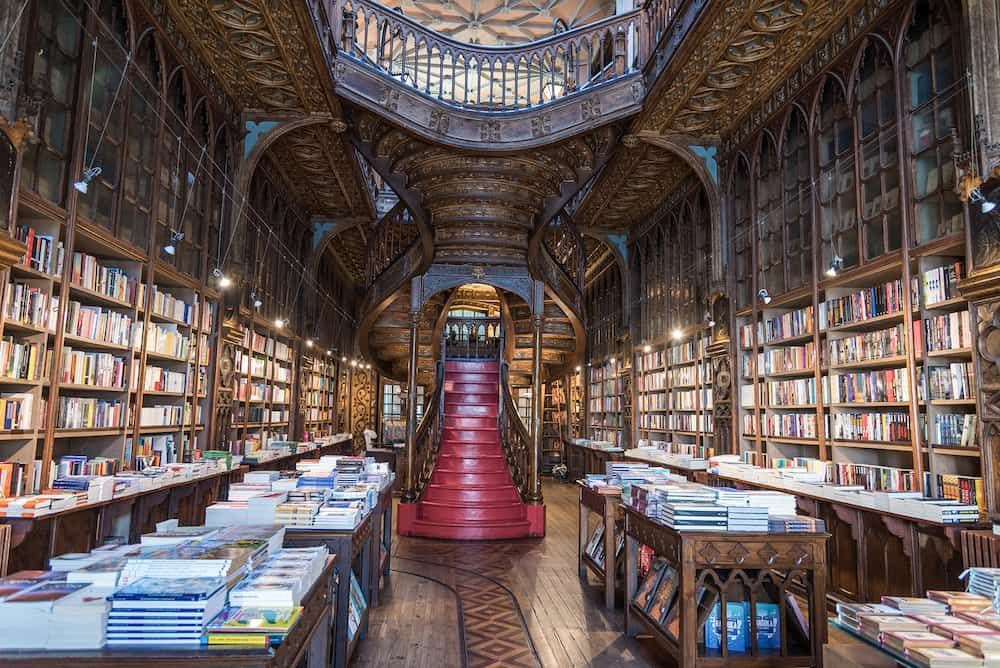
## Description Livraria Lello is one of Porto’s most iconic attractions, and for good reason. Even people who are not especially interested in books often leave impressed by the building’s dramatic interior, carved woodwork, stained-glass ceiling, and sweeping red staircase. It is a bookstore, but it also feels like a carefully preserved piece of architecture and cultural history. For many travelers, the experience is as much about atmosphere as it is about literature. What makes Livraria Lello stand out is the way it turns a simple bookshop visit into a memorable city moment. The rooms feel intimate, ornate, and theatrical, yet the space remains very much alive as a working bookstore. The early hours are especially appealing because they allow visitors to appreciate the details before the busiest crowds arrive. In the morning, the light is gentler, the staircase is easier to photograph, and the interior feels less hurried. For anyone who wants to understand why this place has become famous worldwide, early access can make a huge difference. One lesser-known fact is that the bookstore’s reputation has made it one of the most photographed interiors in Portugal, but the building itself rewards slower observation. If you look closely, you will notice that the details are not only decorative; they are carefully integrated into the structure and the visitor flow. Another interesting point is that many people come expecting a museum, yet the best way to appreciate Livraria Lello is to treat it as both a living bookstore and a historic landmark. That dual identity is part of its charm. The bookstore also plays into Porto’s wider identity as a city of craftsmanship, publishing, and visual beauty. Its popularity has inevitably made it busy, but that popularity is not accidental. People come for the staircase, stay for the books, and leave talking about the overall mood of the place. Even travelers who are skeptical of tourist-famous spots often find that this one lives up to the attention. If you visit in the early hours, you can pay closer attention to the architecture, the bookshelves, and the quiet movement of the staff and first guests. The experience becomes less about waiting in a queue and more about entering a space with a strong personality. That is one of the reasons many Porto itineraries place Livraria Lello near the top of the list. ## Location Livraria Lello is located in central Porto, Portugal, on Rua das Carmelitas, close to the Clérigos area and within easy walking distance of several of the city’s major landmarks. It sits in one of Porto’s most visited historic districts, so the surrounding streets are lively and full of cafés, shops, and sightseeing stops. The easiest way to get there is on foot if you are already exploring the historic center. If you are arriving by public transport, Porto’s metro and train links can bring you into the central area, after which it is usually a straightforward walk. Because the bookstore is popular, arriving early is the best strategy. You will avoid the longest lines, enjoy a quieter interior, and have more time to look around before the busiest rush begins. ## Tips - Buy or reserve your ticket in advance if that option is available for your travel date. - Go as early as possible to enjoy a calmer atmosphere and better photos. - Keep your visit unhurried so you can appreciate the details beyond the staircase. - Pair the stop with nearby landmarks like Clérigos Tower and other central Porto sights. - Be prepared for a crowd, even in the morning, because this is one of Porto’s most popular attractions. ## Conclusion Livraria Lello is a Porto landmark where literature, architecture, and atmosphere meet, and the early hours offer the best way to enjoy it. ## FAQ ### Is Livraria Lello just for book lovers? No. It appeals to book lovers, but also to travelers interested in design, photography, and Porto’s cultural heritage. ### Why visit in the early hours? Early hours usually mean shorter lines, softer light, and a more peaceful experience inside the store. ### Can I buy books there? Yes. It is still a working bookstore, so visitors can browse and purchase books during their visit. ### How long does a visit take? Many people spend 30 to 60 minutes, though you may stay longer if you browse carefully or take photos. ### What else is nearby? The central Porto area around Clérigos, the historic center, and several cafés and viewpoints are all easy to combine with the visit. ## Links - [Official website](https://www.livrarialello.pt/en/) - [Wikipedia article](https://en.wikipedia.org/wiki/Livraria_Lello)
GemVoyage Team • World
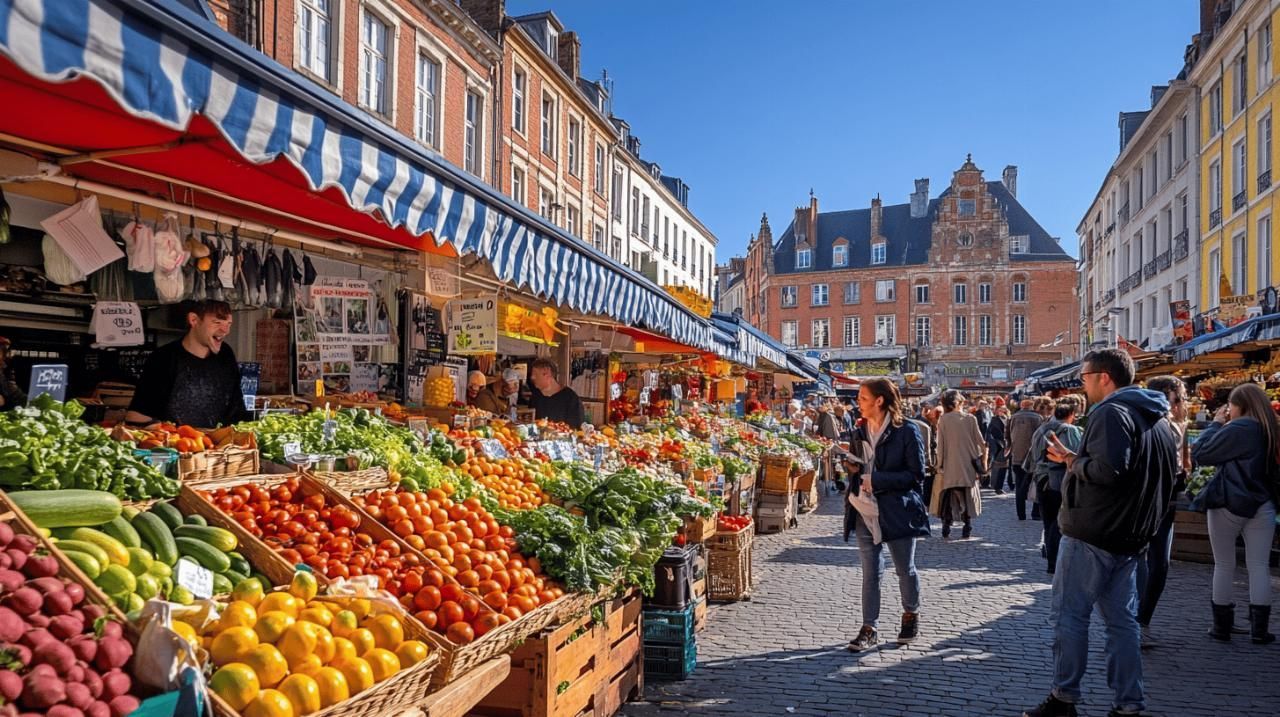
Lille
## Description Marché de Wazemmes is one of Lille’s most lively and beloved attractions, and it offers a strong sense of local character that many visitors immediately notice. The market is not polished in a museum-like way. Instead, it is bustling, practical, social, and full of everyday commerce. That is precisely why it is so appealing. If you want to understand Lille beyond its grand squares and architectural landmarks, the Wazemmes market shows how the city behaves at street level. The attraction lies in the atmosphere as much as in the products. Stalls fill the area with produce, flowers, textiles, spices, clothing, household items, and food from many different traditions. The market is animated by conversation and movement, with vendors and shoppers creating a rhythm that feels both organized and spontaneous. For visitors, it is an excellent place to observe local life while also picking up something useful or tasty. One lesser-known fact is that markets like this often reflect the cultural diversity of the neighborhood more clearly than any official sightseeing stop. Another detail many travelers enjoy is that the market changes character across the day and across the week. In the busiest periods, it can feel almost overwhelming in the best possible way, while quieter moments reveal the details of the stalls, the architecture around them, and the social habits of regular shoppers. Marché de Wazemmes is also appealing because it encourages a slower, more human style of sightseeing. You are not moving through a queue of objects behind glass. You are part of a living commercial environment where gestures, smells, colors, and sounds all matter. That makes the market especially memorable for travelers who prefer places with real local use over scripted tourist displays. The neighborhood itself adds to the visit. Wazemmes has an everyday urban energy that feels open and approachable. After the market, many visitors continue into nearby cafés or simply walk the streets to absorb the area’s personality. The market is one of those places where the surrounding context improves the experience. It tells you a lot about Lille’s identity as a northern French city with strong social and culinary traditions. ## Location Marché de Wazemmes is located in the Wazemmes district of Lille, Hauts-de-France, France, centered around the Place de la Nouvelle Aventure and the surrounding market streets. It is an easy stop if you are exploring Lille’s city center or nearby neighborhoods. The simplest way to reach it is by Lille Metro, with Wazemmes and nearby stations offering convenient access. From there, it is usually a short walk into the market area. Visitors can also arrive by bus, bike, taxi, or on foot if they are already spending time in central Lille. Since the market can become busy, public transport is often the most practical choice. ## Tips - Go early if you want the freshest produce and the easiest walking space. - Bring cash, since some vendors may prefer it over card payments. - Keep your bag secure in crowded sections. - Take your time and sample the market with all your senses, not just your eyes. - If possible, pair the visit with a café stop or a walk through the neighborhood after shopping. ## Conclusion Marché de Wazemmes is a lively, down-to-earth Lille market that gives visitors a real sense of the city’s daily rhythm and local flavor. ## FAQ ### Is Marché de Wazemmes good for tourists? Yes. It is especially good for travelers who enjoy local markets, food, and authentic neighborhood life. ### What can I expect to find there? Fresh produce, flowers, fabrics, household goods, food stalls, and many everyday products. ### Is it crowded? It can be very crowded at busy times, which is part of its appeal, but early visits are easier. ### How long should I stay? Most visitors spend 1 to 2 hours depending on whether they shop, eat, or simply browse. ### Is it easy to reach by public transport? Yes. Metro and bus access make it one of Lille’s more convenient market attractions. ## Links - [Lille tourism information](https://www.lilletourism.com/)
GemVoyage Team • World