Discover extraordinary places shared by our community of travelers
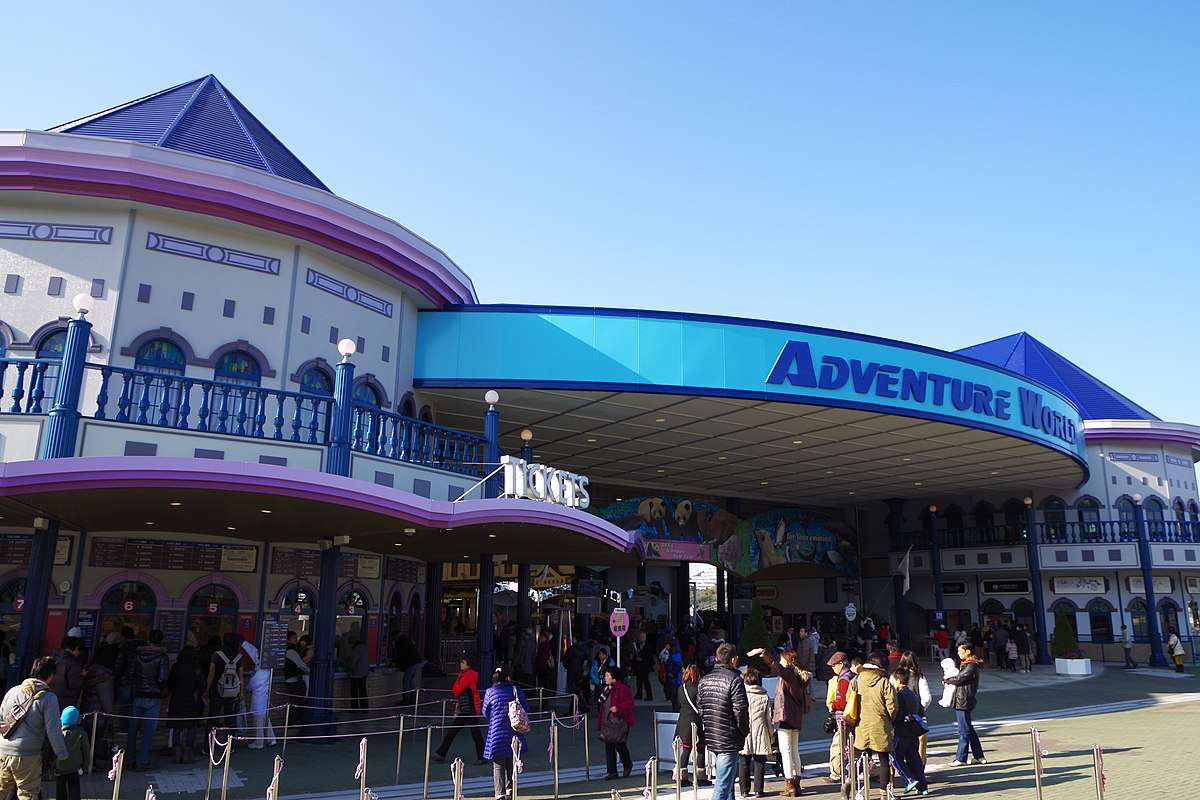
Shirahama
## Description Adventure World in Japan is a one-of-a-kind destination that seamlessly blends the excitement of an amusement park with the wonder of a zoo and the serenity of an aquarium. Located in the coastal town of Shirahama, Wakayama Prefecture, this sprawling complex offers a full day—or more—of entertainment for families, animal lovers, and thrill-seekers alike. What makes Adventure World truly unique is its immersive approach to connecting humans, animals, and nature, all under the motto of “Smile for Everyone.” The park is especially famous for its giant panda breeding program, which is the most successful outside of mainland China. Adventure World has bred more pandas than any other facility in Japan, and visitors can observe these beloved creatures in the “Panda Love” zone, where they roam freely in spacious enclosures. The park is also home to dolphins, sea lions, flamingos, elephants, and even cheetahs, all housed in thoughtfully designed habitats. A little-known fact: Adventure World operates as the Japanese branch of the Chengdu Giant Panda Research Base, and its panda ambassadors have even been appointed as mascots for traffic safety campaigns in Wakayama Prefecture. Another quirky detail—visitors can rent golf carts to explore the Safari World zone, provided they have a valid Japanese or international driver’s license. ## Location Adventure World is located in **Japan**, within the **Kansai Region**, in the town of **Shirahama**, **Wakayama Prefecture**. The park sits near the Pacific coast, offering scenic views and easy access to other local attractions like Shirahama Beach and the Sandanbeki cliffs. ### How to Get There: - **By Train**: Take the JR Limited Express Kuroshio from Shin-Osaka Station to Shirahama Station (approx. 2.5 hours). From there, it’s a 20-minute bus ride to the park. - **By Air**: Fly into Nanki-Shirahama Airport, which is just a 5-minute drive from Adventure World. - **By Car**: From Osaka, it’s about a 2.5-hour drive via the Hanwa Expressway. Parking is available on-site. Its proximity to both the airport and train station makes it a convenient destination for domestic and international travelers. ## Tips for Visitors To make the most of your visit to Adventure World, consider these tips: - **Arrive Early**: The park opens at 10:00 AM, and arriving early helps you beat the crowds and catch the morning animal feedings. - **Buy Tickets Online**: Advance purchase is recommended to avoid long lines and ensure availability, especially during weekends and holidays. - **Don’t Miss the Shows**: The dolphin and sea lion performances are crowd favorites and showcase impressive aquatic acrobatics. - **Use the Safari Kart**: If you have a valid license, rent a golf cart to explore the Safari World zone—it’s fun and saves time. - **Pack Light**: The park is large, so wear comfortable shoes and bring essentials like sunscreen, water, and a camera. - **Explore the Food Options**: From themed cafés to local Wakayama cuisine, there’s a variety of dining choices inside the park. ## Conclusion Adventure World is a vibrant fusion of wildlife, entertainment, and education. With its world-class panda program, thrilling rides, and interactive animal zones, it offers a joyful and enriching experience for visitors of all ages. Whether you're traveling solo or with family, this park is a must-see gem in southern Japan. ## FAQ **1. What are the opening hours of Adventure World?** Typically, the park is open from 10:00 AM to 5:00 PM. Hours may vary seasonally. **2. Is Adventure World suitable for young children?** Yes, the park is family-friendly with attractions and animal zones designed for all age groups. **3. Can I interact with animals at the park?** Yes, there are designated areas where you can feed or observe animals up close, including capybaras, giraffes, and penguins. **4. Are there any multilingual services available?** Basic English signage is available, but guided tours are primarily in Japanese. It’s helpful to download a translation app. **5. Is there a discount for group or family tickets?** Yes, group rates and family packages are available. Check the official website for details. **6. Can I bring my own food into the park?** Outside food is generally not allowed, but there are plenty of dining options inside. ## Links - [Adventure World Official Website](https://www.aws-s.com/en) - [Adventure World – Wikipedia](https://en.wikipedia.org/wiki/Adventure_World_%28Japan%29)
GemVoyage Team • World
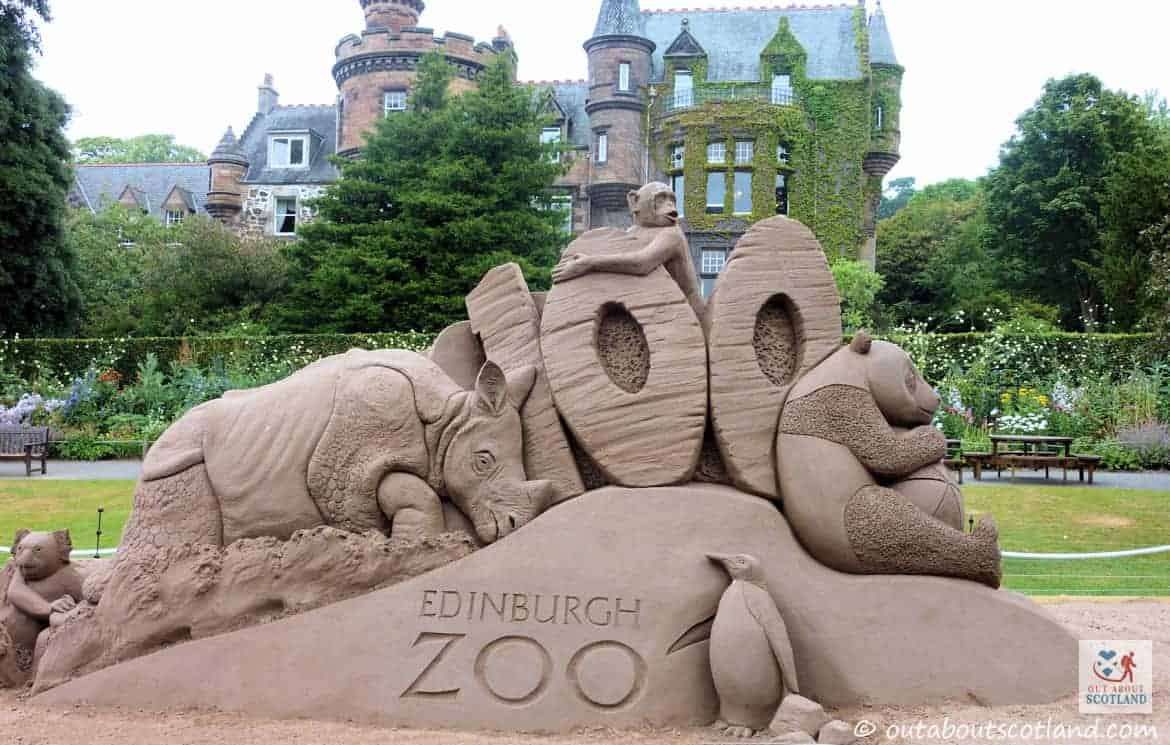
Edinburgh
## **Description** Edinburgh Zoo is one of Europe’s most respected zoological parks and a highlight for animal lovers visiting the British Isles. Although it is sometimes mistakenly referred to as being in Ireland, **Edinburgh Zoo is actually located in Scotland**, just a short flight or ferry journey away from Ireland, making it a popular add-on destination for travelers exploring nearby countries. What makes Edinburgh Zoo truly unique is its strong focus on conservation, education, and animal welfare. Home to over 1,000 animals representing more than 150 species, the zoo is internationally recognized for its successful breeding programs, particularly for endangered species. One little-known fact is that Edinburgh Zoo was the **first zoo in the world to house and successfully breed penguins**, which is why it remains especially famous for its large and lively penguin colony. Another fascinating detail is that the zoo is built on **Corstorphine Hill**, giving visitors sweeping panoramic views of Edinburgh city alongside animal exhibits. Unlike many traditional zoos, the enclosures are designed to mimic natural habitats as closely as possible, allowing animals to behave more naturally while offering visitors a more immersive experience. ## **Location** Edinburgh Zoo is located in **Scotland, United Kingdom**, within the city of **Edinburgh**, in the **Corstorphine area**. It sits approximately three miles west of Edinburgh city center. For visitors coming from Ireland, the easiest way to get there is by taking a **direct flight from Dublin, Cork, or Belfast to Edinburgh Airport**, which is less than 20 minutes away from the zoo by taxi or bus. Alternatively, travelers can take a ferry from Ireland to Scotland or England and continue by train to Edinburgh. Public buses run frequently from the city center and stop directly outside the zoo entrance, making transportation simple and convenient. ## **Tips** * **Arrive early** to enjoy popular animal talks and feeding sessions, especially the penguin parade. * **Wear comfortable shoes**, as the zoo is spread across a hillside and involves a fair amount of walking. * **Check the daily schedule** online before visiting to plan your day around keeper talks and special events. * **Bring layers or waterproof clothing**, as Scottish weather can change quickly. * **Allow at least four to five hours** to explore the zoo at a relaxed pace. * **Visit on weekdays** if possible to avoid crowds, especially during school holidays. ## **Conclusion** Edinburgh Zoo is a must-visit attraction for anyone traveling near Ireland or across the UK. With its strong conservation mission, unique hillside setting, and iconic penguin colony, it offers an enriching and memorable experience for visitors of all ages. ## **FAQ** **Is Edinburgh Zoo located in Ireland?** No, Edinburgh Zoo is located in Scotland, United Kingdom. It is often visited by travelers from Ireland due to its close proximity. **How long does it take to visit Edinburgh Zoo?** Most visitors spend between four and five hours exploring the zoo. **Is Edinburgh Zoo suitable for children?** Yes, the zoo is very family-friendly and offers interactive exhibits, play areas, and educational talks. **What is Edinburgh Zoo most famous for?** The zoo is best known for its penguin colony and its global conservation efforts. **Can I reach the zoo by public transport?** Yes, several buses run directly from Edinburgh city center to the zoo entrance. ## **Links** * [Official Edinburgh Zoo Website](https://www.edinburghzoo.org.uk)
GemVoyage Team • World

New York
## Description The High Line is one of New York City's most recognizable urban parks, but it is more than a simple green walkway. Built on a former elevated freight rail line on Manhattan's West Side, it turns industrial infrastructure into a long public promenade with gardens, city views, art installations, and quiet places to sit above the traffic. What makes it especially appealing is the way it blends architecture, landscape design, and everyday city life into one continuous experience. Visitors can move from the Meatpacking District to Hudson Yards while seeing the city from a perspective that feels both cinematic and surprisingly calm. One of the less obvious facts about the High Line is that its planting design was inspired by the wild vegetation that grew on the abandoned tracks before redevelopment began. That gives the park a natural, slightly untamed character even though it sits in one of the most developed parts of Manhattan. Another detail many first-time visitors do not expect is how much the experience changes by time of day: early morning feels reflective and peaceful, while sunset brings warm light, busier paths, and some of the best skyline photography in the city. It is a place where a short stroll can easily become a lingering afternoon. ## Location The High Line runs through the Chelsea and Hudson Yards neighborhoods on the west side of Manhattan in New York City, New York, United States. The park stretches for several blocks between the Meatpacking District and the edge of Midtown, with multiple entry points along the route. The closest subway stops vary depending on where you want to begin, but the 14th Street, 23rd Street, and 34th Street stations are among the most useful starting points. Walking from the surrounding neighborhoods is often the easiest choice because the High Line is meant to be experienced as part of a broader urban stroll. If you are planning a visit, consider starting in the Meatpacking District and walking north so you can gradually move into the newer Hudson Yards area. That direction gives a nice balance between historic warehouse blocks, galleries, and modern towers. Public transit is the best way to get there, since parking in this part of Manhattan is limited and expensive. ## Tips - Go early if you want quieter paths and easier photography without large crowds. - Wear comfortable shoes, since the walk is longer than it looks and nearby side streets invite detours. - Look for the seasonal planting and public art, because they change the mood of the route throughout the year. - Combine the visit with Chelsea Market, the Whitney Museum area, or Hudson Yards to make a fuller day. - Bring water in warm weather, since the elevated paths can feel hotter than the shaded streets below. - Stay aware of entrances and exits, because it is easy to overshoot the staircase you planned to use. ## Conclusion The High Line is a model example of how a city can transform a forgotten structure into a destination with real character. It rewards slow walking, repeated visits, and attention to detail, making it one of New York's best outdoor urban experiences. ## FAQ ### What is the best time to visit the High Line? Morning is best if you want a calmer atmosphere, softer light, and more room to move. Late afternoon and sunset are the most scenic times, but they also tend to be busier. If you are visiting in peak season, weekdays are usually less crowded than weekends. ### How long does it take to walk the High Line? Many visitors spend 45 minutes to 2 hours on the walk, depending on how often they stop for photos, art, or views. If you plan to connect it with nearby attractions, you should leave more time so the visit feels relaxed rather than rushed. ### Is the High Line suitable for families? Yes, it works well for families because it is pedestrian-only, easy to navigate, and full of visual interest. The main challenge is crowd density at popular times, so children may enjoy the walk more if you visit early or choose a less busy weekday. ### Can you access the High Line from multiple points? Yes, one of its biggest advantages is the number of access points along the route. This makes it easy to join for a short segment, exit near a neighborhood you want to explore, or use it as part of a larger walking itinerary across West Manhattan. ### What should I combine with a High Line visit? Chelsea Market, the Whitney area, the Meatpacking District, and Hudson Yards all pair naturally with the High Line. Those nearby stops turn a simple park visit into a richer day of food, art, architecture, and shopping. ## Links - [Official website](https://www.thehighline.org/) - [Wikipedia](https://en.wikipedia.org/wiki/High_Line)
GemVoyage Team • World

Nürnberg
## Description The **Nürnberg Zoo and Dolphinarium** (Tiergarten Nürnberg) in Germany is one of the most fascinating zoological gardens in Europe, combining a rich natural setting with modern animal care facilities. Spread over **67 hectares of forest and meadowland**, this zoo offers visitors the unique experience of observing animals in spacious enclosures that closely resemble their natural habitats. Unlike many urban zoos, Nürnberg Zoo is nestled within a former sandstone quarry, giving the park a very scenic and distinctive landscape. What makes Nürnberg Zoo particularly unique is its **Dolphinarium**, which opened in 1971 and remains one of the few dolphinariums in Germany. It is home to bottlenose dolphins and manatees, and it has a strong focus on research, conservation, and educational programs. The zoo is internationally recognized for its breeding successes with endangered species such as the manatee, snow leopard, and Siberian tiger. A little-known fact about Nürnberg Zoo is that it houses **Europe’s only Aqua Park for dolphins** connected directly to a lagoon system, providing a near-natural environment for the marine mammals. Another interesting fact is that the zoo was originally founded in 1912, making it over a century old, though it had to be rebuilt after World War II due to heavy destruction. ## Location The Nürnberg Zoo and Dolphinarium is located in **Nuremberg (Nürnberg), Bavaria, Germany**. The zoo lies in the eastern part of the city, in a wooded area that gives it a peaceful and natural atmosphere. * **Country:** Germany * **Region:** Bavaria (Bayern) * **City:** Nuremberg (Nürnberg) ### How to Get There Visitors can reach the zoo easily by **public transportation**. From Nuremberg’s city center, take tram line 5 or bus line 65, which stop directly at the entrance of the zoo. For international visitors, the nearest airport is **Nuremberg Airport (NUE)**, located only about 13 km away. If you are driving, there is ample parking space near the entrance. For an eco-friendly option, cycling through the scenic routes of Nuremberg to the zoo is also recommended. ## Tips To make the most of your visit to Nürnberg Zoo and Dolphinarium, here are some useful tips: 1. **Plan Enough Time** – The zoo covers a vast area, so allow at least half a day, ideally a full day, to explore both the zoo and the Dolphinarium. 2. **Check Show Times** – The dolphin presentations are the highlight of the visit. Be sure to check the schedule in advance so you don’t miss it. 3. **Wear Comfortable Shoes** – With its hilly terrain and large grounds, comfortable walking shoes are a must. 4. **Bring Snacks or Enjoy Local Food** – While the zoo has restaurants and snack stations, bringing your own picnic is also a great option. 5. **Visit the Children’s Zoo** – Families with young kids will love the petting area where children can interact with farm animals. 6. **Best Seasons to Visit** – Spring and summer are particularly pleasant, as many animals are more active outdoors and the lush greenery makes the park extra beautiful. --- ## Conclusion The **Nürnberg Zoo and Dolphinarium** is more than just a zoo—it is a unique blend of history, nature, and modern animal conservation. With its scenic landscape, rare animal species, and one of Germany’s only dolphinariums, it offers a memorable experience for visitors of all ages. Whether you’re a family with children, an animal enthusiast, or simply a traveler exploring Bavaria, this attraction is well worth a visit. --- ## FAQ **1. How long should I plan for a visit to Nürnberg Zoo?** Most visitors spend between **4 to 6 hours** exploring the zoo and enjoying the dolphin shows. **2. Is the Dolphinarium included in the zoo ticket price?** Yes, admission to the Dolphinarium is included in the **general zoo entrance fee**. **3. Can I bring food and drinks into the zoo?** Yes, visitors are welcome to bring their own food and enjoy a picnic in designated areas. **4. Is Nürnberg Zoo open all year round?** Yes, the zoo is open daily, including weekends and holidays. However, opening hours may vary by season. **5. What animals can I see at Nürnberg Zoo?** The zoo is home to over **300 animal species**, including dolphins, manatees, snow leopards, polar bears, and Siberian tigers. --- ## Links * [Official Nürnberg Zoo Website](https://tiergarten.nuernberg.de) * [Tourist Information for Nuremberg](https://tourismus.nuernberg.de)
GemVoyage Team • World
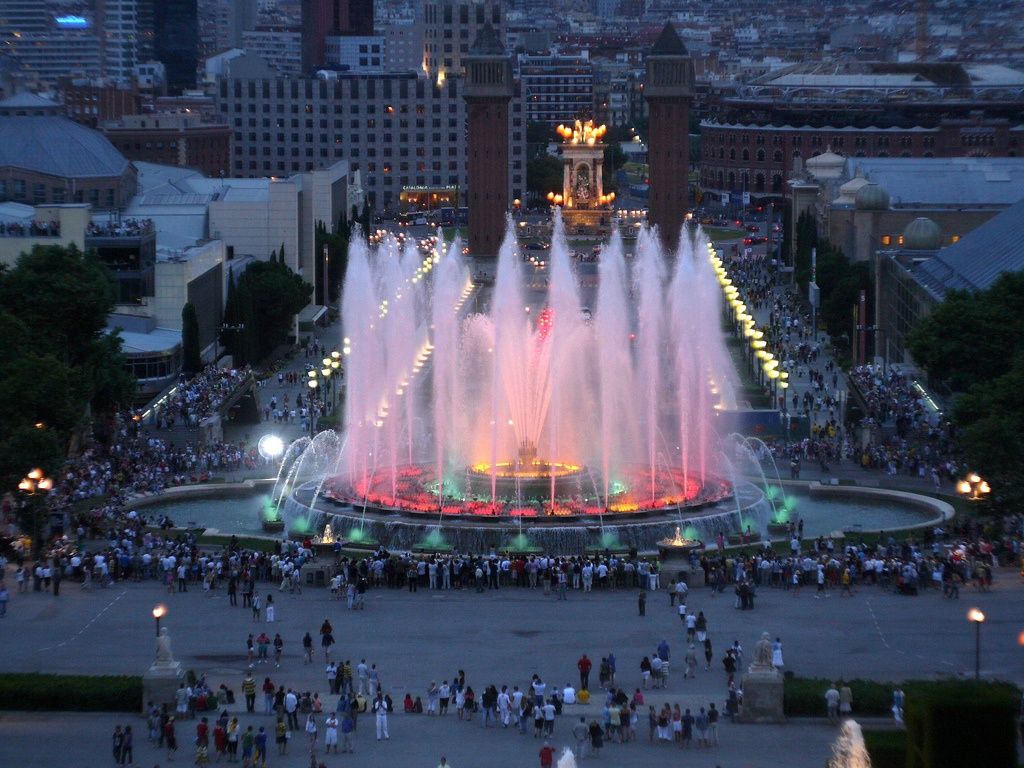
Barcelona
## Description The **Magic Fountain of Montjuïc (Font Màgica de Montjuïc)** is one of Barcelona’s most iconic and mesmerizing public attractions. Known for its dazzling **choreographed water shows synchronized with music and colorful lighting**, the fountain delivers a sensory spectacle that blends engineering, art, and performance into a single unforgettable experience. Every evening when it operates, thousands of visitors gather along the wide steps of Montjuïc to witness jets of water soar and dance in perfect rhythm with classical music, film soundtracks, and modern hits. The fountain was originally built for the **1929 Barcelona International Exposition**, an event that transformed Montjuïc into a cultural and architectural centerpiece of the city. At the time, its use of light and hydraulics was considered revolutionary. Over the years, it has been modernized with **computer-controlled lighting systems and advanced sound synchronization**, allowing for increasingly complex and dynamic performances. What makes the Magic Fountain unique is the scale of its performance. The fountain uses **over 7 billion combinations of water and light**, powered by nearly **3,000 liters of water per second** and illuminated by thousands of lights. The result is a constantly evolving visual narrative where water becomes a living, moving art form. A little-known fact is that the original designer, **Carles Buïgas**, envisioned the fountain as a symbol of modernity and innovation at a time when few cities had experimented with illuminated water displays. Another interesting detail is that the fountain is powered using **recirculated water**, making it a partially sustainable attraction despite its large scale. Beyond the show itself, the location adds to the magic. Set between the towering **Palau Nacional** (home to the National Art Museum of Catalonia) and **Plaça d’Espanya**, the fountain is framed by grand avenues, cascading stairways, and monumental architecture. The atmosphere becomes especially enchanting after sunset, when music echoes through the open plaza and the illuminated fountain reflects against the stone façades of Montjuïc. The Magic Fountain is not just a tourist attraction—it is also a gathering place for locals and a stage for national celebrations, festivals, and special performances. It captures Barcelona’s spirit of **creativity, openness, and celebration**, making it one of the city’s most beloved landmarks. ## Location The **Magic Fountain of Montjuïc** is located at the base of **Montjuïc Hill**, between **Plaça d’Espanya** and the **Palau Nacional**, in **Barcelona, Catalonia, Spain**. **Address:** Plaça de Carles Buïgas, 08038 Barcelona, Spain ### How to Get There: * **By metro:** Take **L1 (Red Line)** or **L3 (Green Line)** to **Espanya Station**. From there, it’s a 5-minute walk. * **By bus:** Routes **13, 23, 37, 46, 65, 79, 150** stop near Plaça d’Espanya. * **By foot:** Walk down from the **National Art Museum of Catalonia (MNAC)** along the fountains and wide staircases. * **By taxi or ride-hailing apps:** Simply ask for “Magic Fountain of Montjuïc.” * **By bike or scooter:** Dedicated lanes and parking areas are available around Plaça d’Espanya. Its central location makes it easy to combine with nearby attractions such as **Montjuïc Cable Car**, **Poble Espanyol**, **MNAC**, and **Las Arenas Shopping Center**. ## Tips * **Check show schedules:** The fountain does not operate daily year-round. Schedules change seasonally and during drought restrictions. * **Arrive early:** Good seating fills up quickly during peak tourist seasons, especially in summer. * **Best viewing spots:** The steps leading up to MNAC provide excellent elevated views of the performance. * **Visit after dark:** Night shows are the most impressive, as the lighting effects are fully visible. * **Bring a light jacket:** Even in summer, evenings can feel cool due to the water mist. * **Tripods are not ideal:** The area can be crowded, and tripods may be restricted or uncomfortable to use. * **Combine with an MNAC sunset visit:** Walk down from the museum at golden hour for a perfectly timed arrival at the fountain. * **Free attraction:** No tickets are required—just show up and enjoy. ## Conclusion The **Magic Fountain of Montjuïc** is one of Barcelona’s most magical experiences, offering a spectacular blend of **music, motion, light, and monumental architecture**. Rooted in the city’s history yet constantly evolving with modern technology, it remains a living symbol of Barcelona’s creative energy. Whether you are visiting for the first time or returning to the city, an evening at the Magic Fountain is a powerful reminder of how urban spaces can be transformed into stages of wonder and shared celebration. ## FAQ **1. Is the Magic Fountain free to visit?** Yes, the fountain shows are completely **free and open to the public**. **2. How long does each show last?** Each performance typically lasts between **10 and 20 minutes**, with repeated cycles throughout the evening. **3. Does the fountain operate year-round?** No, the schedule varies by season and may be suspended due to **water conservation measures or maintenance**. **4. Is the show suitable for children?** Yes, it is very family-friendly and often a highlight for children due to the lights and music. **5. What type of music is played?** The shows feature a mix of **classical music, movie soundtracks, opera, pop, and Spanish favorites**. **6. Can I combine it with other attractions in the same evening?** Yes. Many visitors pair the show with visits to **MNAC**, **Poble Espanyol**, or dinner near **Plaça d’Espanya**. ## Links * [Google Maps – Magic Fountain of Montjuïc](https://maps.app.goo.gl/Uy1j2aMu6UGy3QYm6)
GemVoyage Team • World
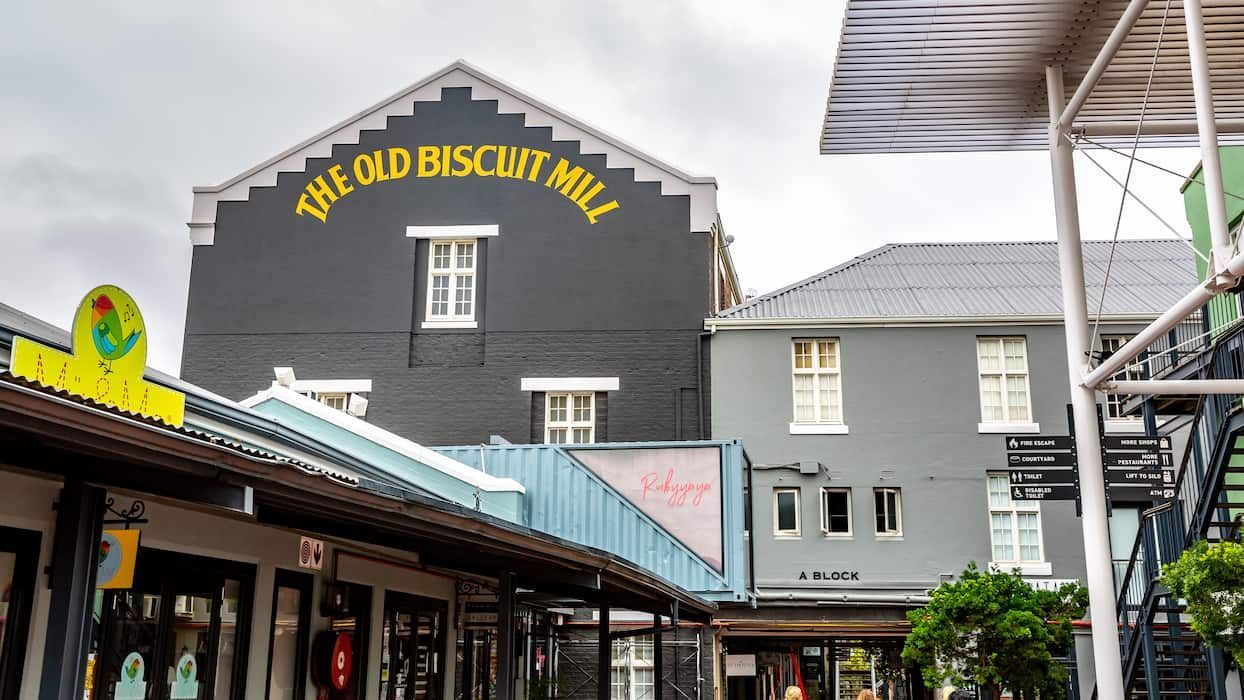
Cape Town
## Description The Old Biscuit Mill Market is one of Cape Town’s most recognizable weekend destinations because it combines food, design, shopping, and social energy in a way that feels distinctly local. Set in Woodstock, the market has a lively, urban character that sets it apart from coastal or postcard-style tourist attractions. People come here to eat well, browse creatively, and enjoy a scene that feels rooted in Cape Town’s contemporary culture. The market’s appeal lies partly in its setting. The Old Biscuit Mill itself is part of an industrial heritage landscape, which gives the whole area a textured, repurposed feel. That backdrop matters because it makes the experience feel more authentic than a generic pop-up market. You are not just walking through stalls. You are moving through a place where old industrial buildings have been adapted for a new city rhythm. One little-known fact is that the area helped shape Woodstock’s reputation as a creative and entrepreneurial neighborhood. Another is that the market often serves as a meeting point for both residents and visitors, which gives it a mixed energy that feels social without being superficial. Food is usually the biggest draw. You can find breakfast, brunch, fresh produce, artisanal products, baked goods, coffee, and a range of prepared dishes that reflect Cape Town’s diversity. But even if you arrive mainly for eating, it is worth staying long enough to explore the design and craft side too. Clothing, home goods, accessories, and small creative brands often make the market feel broader than a simple food hall. For visitors, the market works best as an experience rather than a quick stop. It is animated, busy, and best enjoyed when you are willing to browse, taste, sit down, and maybe circle back for another look. The energy is one of its strongest assets. On a good weekend morning, it feels like a concentrated snapshot of Cape Town’s urban lifestyle, with enough variety to satisfy both casual visitors and people who want to discover local makers. ## Location The Old Biscuit Mill Market is located in Woodstock, Cape Town, Western Cape, South Africa, in an area just east of the city center. Woodstock has become one of Cape Town’s most interesting urban districts, and the market sits within easy reach of the central business area as well as other inner-city neighborhoods. The simplest way to get there is by ride-hailing service, taxi, or private car. Parking may be available nearby, but a direct ride often makes the visit easier, especially on busy market days. If you are staying in central Cape Town, the journey is short enough that you can comfortably plan a morning visit and still have the rest of the day for other sights. Weekend visits are usually the sweet spot. The market is most alive then, and the surrounding neighborhood tends to feel especially active. Arriving earlier in the day gives you the best selection and the most breathing room before peak crowds build. ## Tips - Arrive early if you want the best food choices and a less crowded experience. - Bring both cash and card options, since different vendors may prefer different payment methods. - Start with food before shopping so you can explore without carrying too much. - Leave time to walk around Woodstock beyond the market itself. The neighborhood adds context to the visit. - If you are going with a group, agree on a meeting point because the market can get busy enough to split people up. ## Conclusion Old Biscuit Mill Market is one of Cape Town’s best places to spend a lively weekend morning, especially if you enjoy food, design, and a distinctly urban local atmosphere. It is casual, creative, and full of movement. ## FAQ ### Is the market only about food? No. Food is a major draw, but the market also includes design, crafts, and lifestyle shopping, which makes it broader and more interesting than a food-only venue. ### When is the best time to visit? Weekend mornings are usually best. That is when the market has the strongest energy and the widest range of visitors and vendors. ### Is it family-friendly? Yes. The market environment is social and lively, and families often find it easy to browse and eat there together. ### Can I visit if I am staying in central Cape Town? Definitely. Woodstock is close enough to make the market an easy half-day outing. ## Links - [Old Biscuit Mill official website](https://www.theoldbiscuitmill.co.za/)
GemVoyage Team • World

San José
## Description **Fossil Land** is an interactive paleontology-themed attraction located near San José, Costa Rica. It is designed to give visitors a hands-on experience with prehistoric life, geological history, and fossil discovery. Unlike traditional museums where fossils sit behind glass, Fossil Land allows guests to **touch replicas, participate in digs, explore outdoor geological zones, and engage with educational exhibits** that simulate the process of paleontological research. The attraction combines scientific learning with adventure-style activities, making it especially popular with families, school groups, and travelers looking for something more interactive than a conventional museum visit. Visitors can try fossil excavation pits, examine casts of dinosaur bones, learn about the geological eras that shaped Costa Rica, and participate in guided workshops that explain how fossils are identified and preserved. A little-known fact is that Costa Rica, despite its volcanic and tropical landscape, has fewer natural fossil sites compared to many countries. Fossil Land was created partly to **fill this educational gap** by offering a controlled environment where visitors can explore prehistoric themes that are less visible in the country’s natural geology. Another notable detail is that the attraction integrates Costa Rica’s ecological heritage into its narrative, showing how prehistoric life connects with modern biodiversity. The result is a space that blends science education, interactive entertainment, and local environmental storytelling. It’s especially appealing for visitors looking for kid-friendly attractions in the greater San José area. ## Location **Country:** Costa Rica **Region:** Central Valley **City:** San José (greater metropolitan area; specific location varies by venue or setup depending on current exhibition sites) ### How to Get There * **By car:** Easily accessible from central San José via main city roads. Parking availability depends on the specific venue where Fossil Land is currently hosted or installed. * **By bus:** Several public buses from downtown San José reach the surrounding district. * **By ride hailing:** Services like Uber and DiDi provide fast and inexpensive access from anywhere in the metropolitan area. * **From Juan Santamaría International Airport:** A 20–40 minute drive depending on traffic. ## Tips * **Check opening hours and current location:** Fossil Land sometimes hosts temporary or traveling exhibits, so verifying the active venue is essential. * **Great for children:** The attraction is hands-on, safe, and educational. * **Plan at least 1 to 1.5 hours:** Activities, digs, and workshops take time if you want the full experience. * **Wear comfortable clothes:** Some activities involve kneeling, digging, or interacting with outdoor materials. * **Look for special events or workshops:** Fossil Land occasionally hosts themed programs related to dinosaurs, geology, or Costa Rican natural history. * **Bring water:** If visiting during outdoor sessions, hydration matters in Costa Rica’s warm climate. ## Conclusion Fossil Land is a family-friendly, interactive paleontology attraction that enriches Costa Rica’s science and nature tourism scene. With its hands-on exhibits, fossil digs, and engaging educational content, it offers a refreshing alternative to wildlife-focused activities and provides a fun, informative outing for visitors of all ages. ## FAQ **1. Is Fossil Land a museum?** Not exactly. It is an interactive paleontology attraction that combines exhibits with hands-on activities. **2. Are the fossils real?** The digs use replicas and casts, but educational displays may include authentic geological samples. **3. How long does a visit take?** Around **60–90 minutes**, depending on participation in workshops. **4. Is it suitable for small children?** Yes. Most activities are designed for families and school groups. **5. Does Fossil Land move locations?** Yes. Some exhibits relocate or operate seasonally, so checking the current location is important. **6. Can I book group visits?** Yes. Group and school reservations are often available with advance notice. ## Links * [Costa Rica tourism guide](https://www.visitcostarica.com/)
GemVoyage Team • World
Taiwan
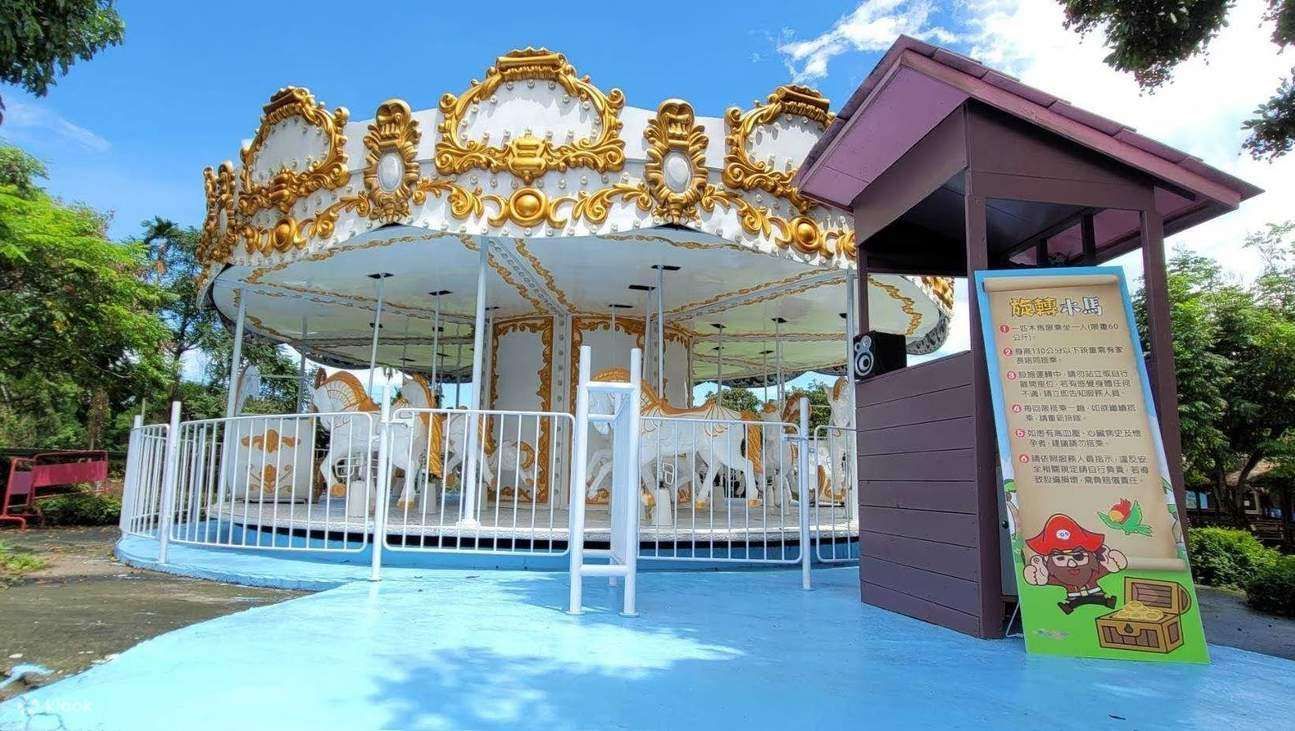
## Description Pirate Village Theme Park is a small but imaginative attraction in Taiwan that brings the spirit of seafaring adventure to life. Designed primarily for families with children, the park is centered around a colorful pirate theme, complete with ship-shaped playgrounds, lookout towers, rope bridges, and interactive installations that encourage exploration and physical activity. Rather than focusing on high-thrill rides, Pirate Village emphasizes creative play, storytelling, and hands-on fun in an open-air setting. What makes Pirate Village Theme Park unique is its community-driven concept. Unlike large commercial theme parks, this attraction was developed as a recreational and cultural space that blends leisure with local identity. Many of the structures are designed to be both playful and educational, helping children develop coordination, imagination, and social skills. A lesser-known fact is that the park often incorporates locally inspired design elements, subtly reflecting Taiwan’s coastal history and maritime culture. Another interesting detail is that Pirate Village regularly hosts small-scale events, such as weekend performances or seasonal activities, which are usually aimed at local families rather than tourists. For travelers looking for a relaxed, off-the-beaten-path experience—especially those traveling with young children—Pirate Village Theme Park offers a pleasant break from Taiwan’s busy city attractions. ## Location Pirate Village Theme Park is located in **Taiwan**, in the **Yunlin County** region, within **Douliu City**. Yunlin County is situated in central-western Taiwan and is known for its slower pace of life compared to major metropolitan areas like Taipei or Kaohsiung. The most convenient way to reach the park is by train to Douliu Station on the Taiwan Railways Administration (TRA) line. From the station, visitors can take a local taxi or bus to reach the park area within a short time. If you are traveling by car, driving is a practical option, as parking is generally easier to find than in larger cities. Visitors coming from other parts of Taiwan may consider combining a visit to Pirate Village with other nearby family attractions or local food stops in Yunlin County. ## Tips * Pirate Village Theme Park is best suited for families with young children, so adults traveling without kids may find the visit relatively short. * Visit during weekdays or early mornings on weekends to avoid local crowds, especially during school holidays. * Bring sun protection such as hats, sunscreen, and water, as much of the park is outdoors. * Wear comfortable shoes, as children are encouraged to climb, run, and explore different play structures. * Check local announcements or social media pages before visiting, as special events or maintenance closures may affect opening times. * Combine your visit with nearby local markets or cafés to make the trip more rewarding. ## Conclusion Pirate Village Theme Park is a charming, low-key attraction that offers imaginative play and family-friendly fun in central Taiwan. While it may not be a large-scale theme park, its creative design, relaxed atmosphere, and local character make it a worthwhile stop for families seeking a simple and enjoyable outing. ## FAQ **Is Pirate Village Theme Park suitable for all ages?** The park is mainly designed for children, especially those in preschool and elementary school age groups. Adults can accompany children but may find limited activities for themselves. **Is there an entrance fee?** In many cases, Pirate Village Theme Park is free or very low-cost, as it functions as a public or community-oriented attraction. Fees, if any, may apply during special events. **How much time should I plan for a visit?** Most visitors spend about one to two hours exploring the park, depending on crowd levels and children’s interest. **Is the park accessible by public transportation?** Yes, it is accessible via train and local buses, though taxis or private cars offer the most convenience. **Are food and drinks available inside the park?** Food options may be limited inside the park itself, so it is a good idea to bring snacks or plan to eat nearby. ## Links * [Yunlin County Government Tourism](https://tour.yunlin.gov.tw/wt-front/Home/Index)
GemVoyage Team • World
Los Angeles
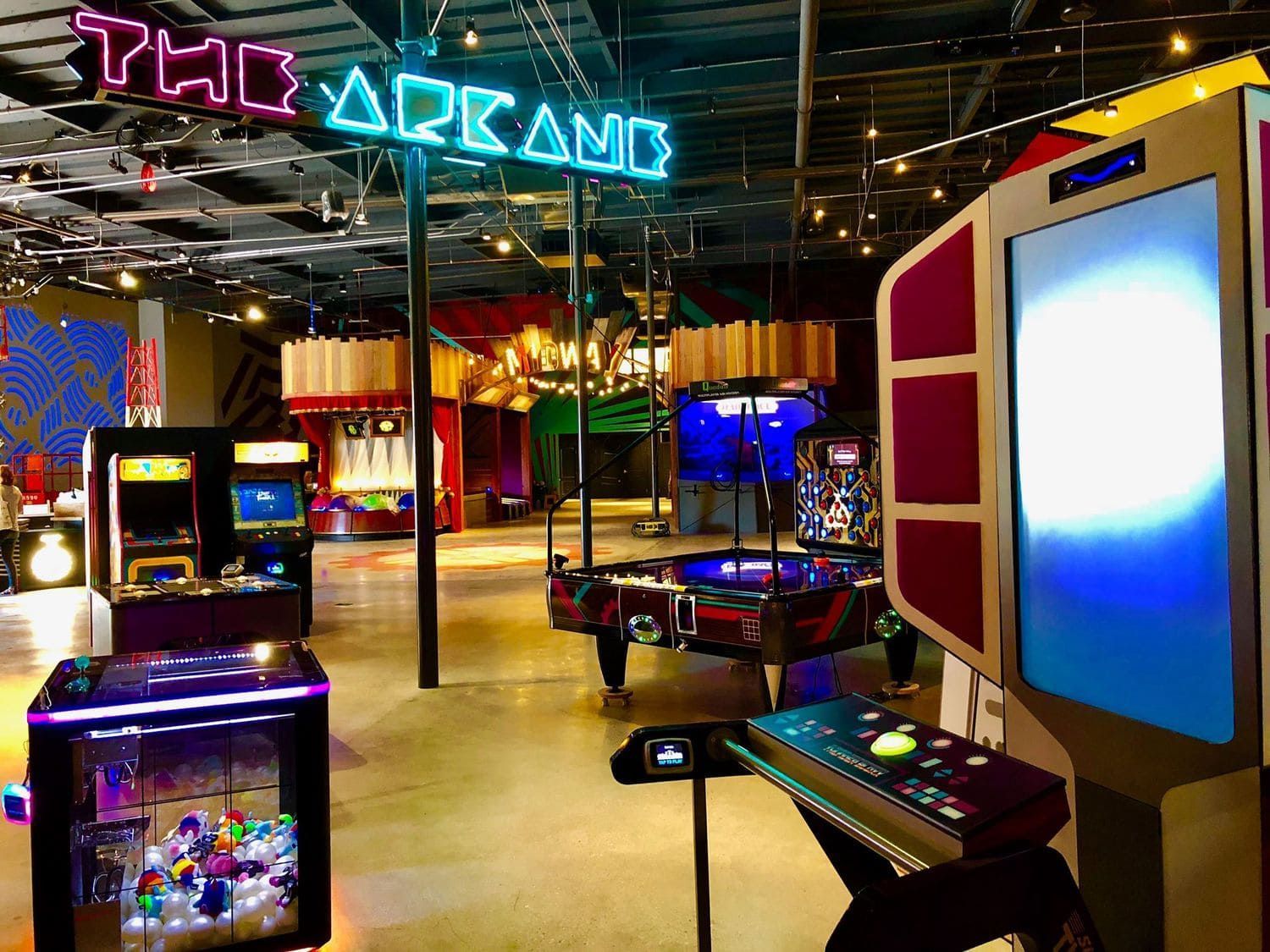
## Description Two Bit Circus is a modern micro-amusement concept that blends hands-on nostalgia with cutting-edge interactive entertainment. Designed as a social hub rather than a sprawling theme park, it curates short, intense experiences—virtual reality arenas, escape rooms, skill-based arcades, and immersive storytelling booths—so groups can mix and match activities in a single visit. The emphasis is on collaboration, shared laughter, and creative tech-driven play that appeals to friends, families, and corporate groups seeking memorable experiences. What sets Two Bit Circus apart is the careful balance between retro charm and contemporary technology. Classic arcade cabinets and carnival aesthetics sit alongside augmented reality installations and multiplayer VR experiences, creating a playful design language often described by the founders as “steampunk meets Silicon Valley.” The venue also acts as an incubator for event concepts and experiential design, with many of its ideas adopted by other entertainment venues worldwide. Beyond public attractions, Two Bit Circus often hosts private events, corporate team-building sessions, and evening social gatherings. Food, drink, and curated programming extend the experience beyond ride-based entertainment—expect pop-up events, themed nights, and collaborative challenges that keep the programming fresh. For visitors who enjoy both nostalgia and novelty, the venue’s layered experiences deliver short bursts of excitement and opportunities for friendly competition. ## Location Two Bit Circus operates within Los Angeles, California, though the venue and address have evolved over time as the concept expanded. Always check the official website or event listings for the most current location and hours. Getting there: Driving or rideshare is typically the most convenient option, and many locations provide nearby parking. Depending on the venue, public transit may be possible—plan connections ahead of time. If you’re attending a popular event, allow extra time for arrival and parking. ## Tips - Book tickets or reserve experiences ahead of time, especially on weekends and during special events when capacities fill quickly. - Combine complementary experiences (for example, a VR arena session plus an escape room) to get the most value and variety from a single visit. - Review any age, height, or health restrictions before booking; some VR or motion-based experiences may not be suitable for all guests. - Carry a charged phone for leaderboards, event check-in, and sharing moments, but follow venue rules about device use in certain experiences. - Consider group or corporate packages if you’re organizing a team-building event—these can include private space, catered food, and tailored programming. - Check the schedule for themed nights, pop-ups, or special tournaments to time your visit with unique programming. ## Conclusion Two Bit Circus offers a lively, flexible entertainment model that rewards curiosity and social play. Whether you’re seeking a date night, family outing, or corporate event, its mixture of nostalgia, technology, and quick, memorable experiences makes it a versatile option in a city known for big attractions. ## FAQ Q: Is Two Bit Circus suitable for families? A: Yes. Many attractions are family-friendly, though some experiences are geared toward older teens and adults. Always check specific activity age guidelines. Q: Are walk-ins allowed or should I book in advance? A: Some experiences accept limited walk-ins, but booking in advance is strongly recommended to secure time slots and avoid long waits. Q: Does Two Bit Circus offer food and drink? A: Many locations and event configurations include bars, cafes, or pop-up food options—check the venue’s amenities before you go. Q: Can I host a private event or corporate team-building session? A: Yes. The venue is frequently used for private hire and corporate events; packages typically include curated experiences, catering options, and dedicated staff. Q: Are there accessibility accommodations? A: Accessibility varies by location and experience; contact the venue ahead of booking to discuss needs and confirm accommodations. Q: What should I wear or bring? A: Wear comfortable clothing and shoes suitable for movement; bring any required IDs for entry and a charged phone for check-ins and digital tickets. ## Links - [Two Bit Circus (official)](https://twobitcircus.com) - [Wikipedia: Two Bit Circus](https://en.wikipedia.org/wiki/Two_Bit_Circus)
GemVoyage Team • World