GemVoyage Team • World
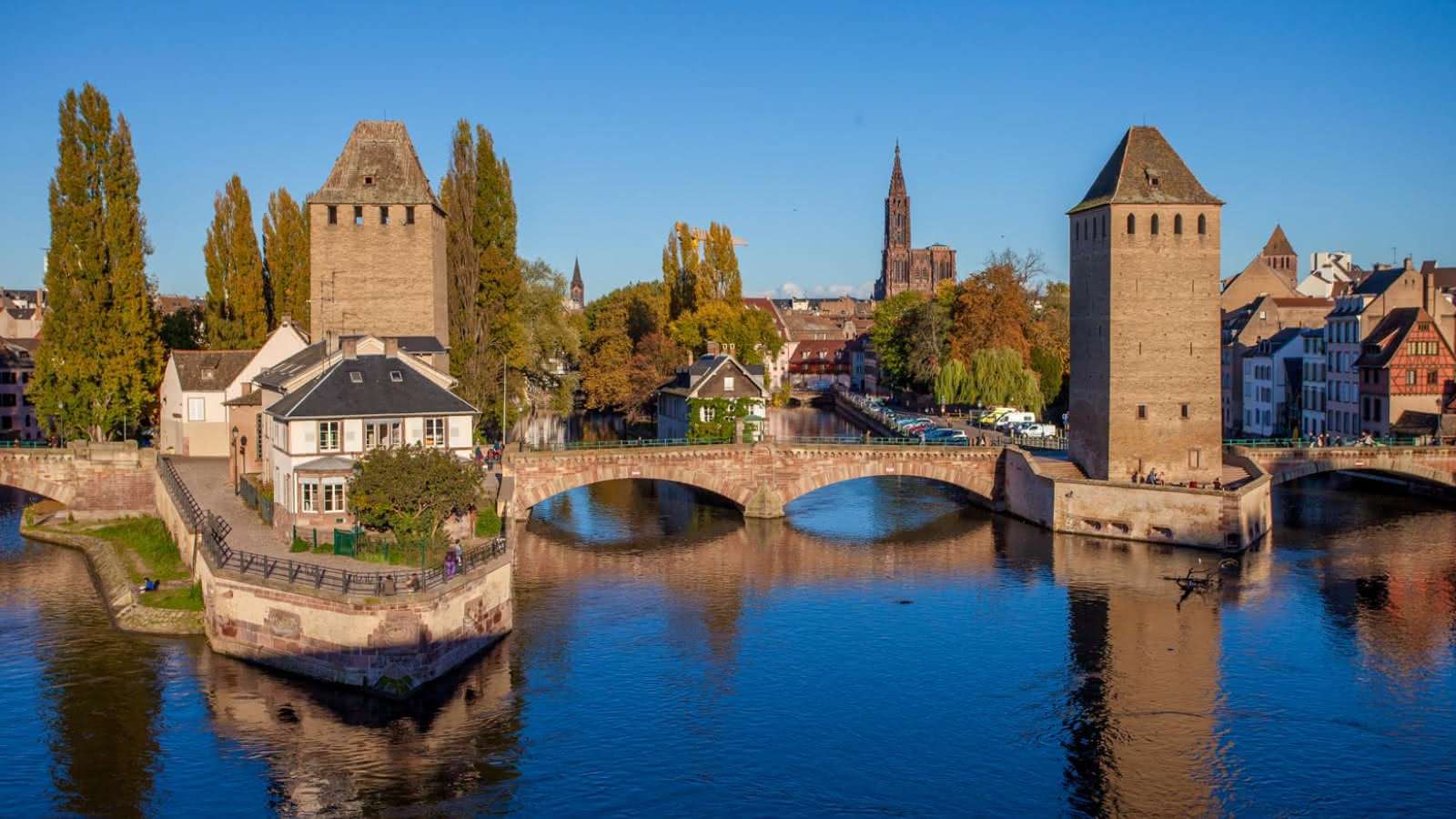
The Strasbourg Covered Bridges, known locally as Ponts Couverts, are a striking ensemble of medieval bridges and towers that span the River Ill in the heart of Strasbourg’s historic Petite France district. Built in the 13th century as part of the city’s fortifications, these bridges were originally topped with wooden roofs to protect defenders during sieges—hence the name “covered bridges.” Though the roofs were removed in the late 18th century, the name has endured, preserving a link to their defensive past.
The site consists of three stone bridges and four imposing towers, each once part of the city’s ramparts. These towers served as watchposts and prisons until the early 19th century, and their robust Gothic architecture still evokes the strategic importance of Strasbourg during medieval times. Today, the bridges offer stunning views of the surrounding canals, half-timbered houses, and the nearby Barrage Vauban, a 17th-century dam and panoramic terrace.
A little-known fact: the Ponts Couverts were superseded by the Barrage Vauban in 1690 as the city’s main defensive structure, but they continued to serve as pedestrian and transport bridges. Another intriguing detail is that the towers still bear visible embrasures—narrow slits used for archers and gunmen to defend the city.
The Covered Bridges are located in France, within the Grand Est Region, in the city of Strasbourg. They sit at the western edge of the Petite France quarter, one of the most picturesque and historically rich areas of the city.
Their central location makes them a perfect starting point for exploring Strasbourg’s historic core.
To make the most of your visit to the Strasbourg Covered Bridges, consider these tips:
The Strasbourg Covered Bridges are a captivating blend of medieval engineering, historical intrigue, and scenic beauty. Whether you're a history enthusiast, a photographer, or a casual traveler, this site offers a timeless glimpse into Strasbourg’s fortified past and its enduring charm.
1. Are the Strasbourg Covered Bridges still covered?
No, the wooden roofs were removed in 1784, but the name “Covered Bridges” remains.
2. Can you walk across the bridges?
Yes, the bridges are open to pedestrians and offer beautiful views of the surrounding canals and towers.
3. Is there an entrance fee?
No, visiting the bridges is free. The nearby Barrage Vauban also has free access to its panoramic terrace.
4. What is the best time to visit?
Sunset or early morning offers the best lighting and fewer crowds.
5. Are the towers accessible to the public?
The towers themselves are not open for interior visits, but you can admire them from the outside.
6. Is the site wheelchair accessible?
Yes, the bridges and surrounding paths are accessible, though some cobbled areas may be uneven.
Discover more hidden gems you might love.
Ontario
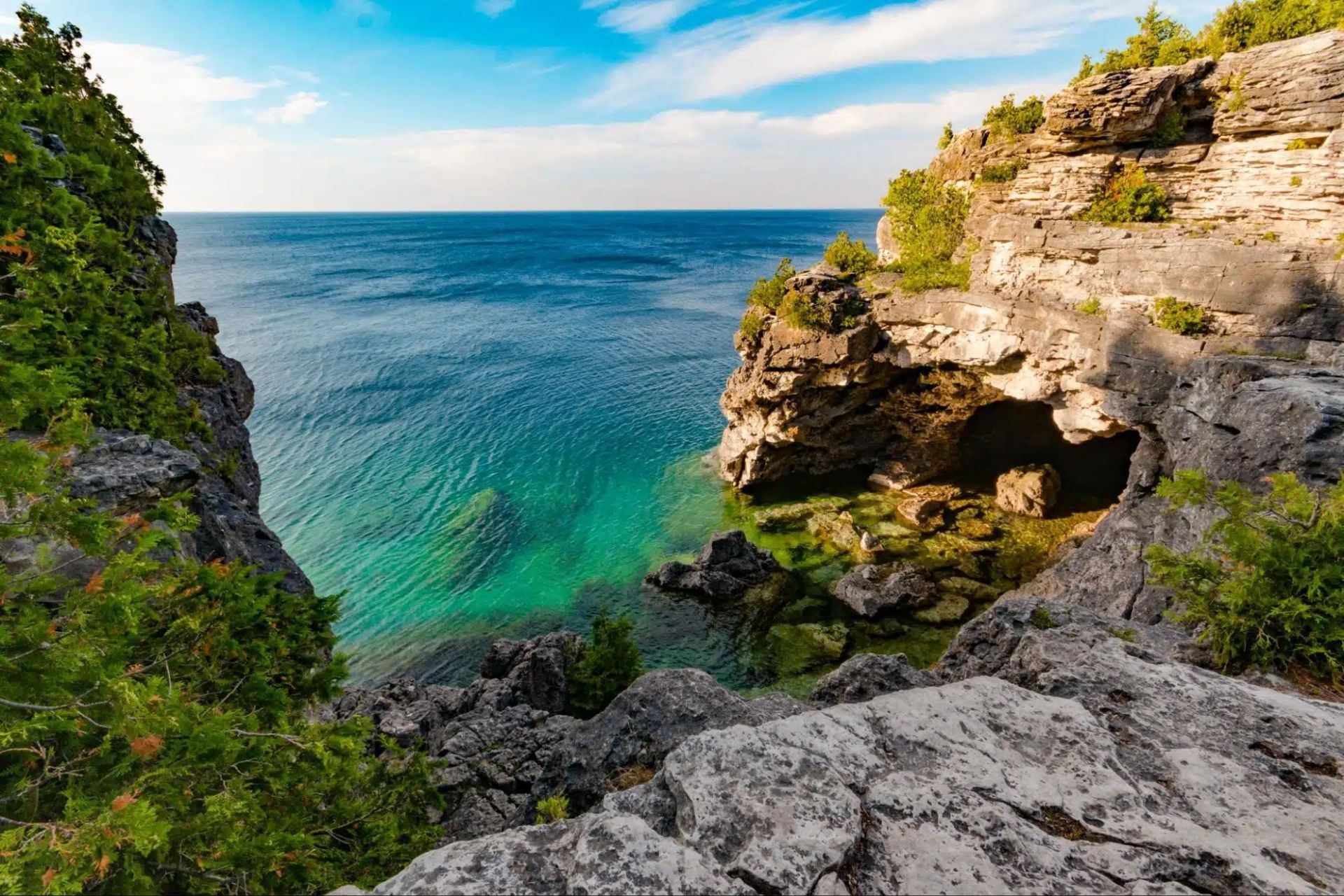
## Description The Tobermory Grotto is one of Ontario’s most recognizable natural attractions and a place that has become almost legendary among travelers who love clear water, rocky shoreline, and dramatic coastal scenery. Located along the Bruce Peninsula in Bruce Peninsula National Park, the Grotto is a sea cave and shoreline formation shaped by water and stone over a very long stretch of time. Its appeal is immediate: bright turquoise water, pale limestone cliffs, and a setting that looks more like a distant island destination than a typical inland Canadian getaway. What makes the Grotto so memorable is how strongly it contrasts with expectation. Travelers who arrive expecting a simple viewpoint often discover a landscape that feels startlingly vivid. The water color can seem almost unreal when sunlight is strong, and the surrounding rock formations create a natural frame that feels tailor-made for photography. Beyond the famous cave itself, the broader Bruce Peninsula landscape adds to the experience with forest, shoreline trails, and a sense of remote beauty that is unusually accessible for southern Ontario. One little-known fact is that the Grotto’s appearance changes dramatically with weather and light. On bright days, the water can look intensely blue-green, while overcast conditions make the scene quieter and more subdued. Another detail visitors often discover only when they arrive is that the site’s popularity has changed how it must be visited. Timing, access planning, and park rules matter more than they do at many ordinary day-use destinations. That is not a drawback so much as part of the modern experience of seeing one of Canada’s most celebrated natural spots. The Grotto is also a place that rewards patience. People often talk about it as a photo stop, but the longer you stay in the region, the more complete the experience becomes. The surrounding national park, the shoreline walk, and the broader Tobermory area all help the destination feel like a true outdoor trip rather than a single scenic moment. ## Location The Tobermory Grotto is in Bruce Peninsula National Park near Tobermory, Ontario, on the western side of the Bruce Peninsula along Georgian Bay. Tobermory is a small but well-known community at the northern end of the peninsula, and the Grotto is reached from there by road and park access rather than by urban transit. For most visitors, driving is the standard and most practical way to get there. Because the Grotto is a popular destination with limited access and park management considerations, it is wise to plan ahead rather than assuming you can simply arrive at any time. If you are coming from Toronto, London, or other parts of southern Ontario, the trip is long enough that an overnight stay in the Tobermory area can make the visit far more enjoyable. That also gives you time to explore the park properly instead of rushing in and out around the single most famous viewpoint. ## Tips Book and plan early. This is not the kind of place where improvisation always works best, especially in busy season. Parking, access rules, and timing can shape your experience significantly. If you wait until the last minute, you may find your options limited. Bring sturdy shoes and be prepared for a walk. The Grotto is scenic, but reaching it typically requires more effort than a simple roadside stop. The terrain can be rocky and uneven, so footwear matters. If you plan to swim, remember that natural water is cold even on warm days, and conditions can be less forgiving than they look from a photo. Think beyond the cave itself. The Grotto is the headline, but the whole Bruce Peninsula area is worth time. Nearby trails, shoreline views, and the general Tobermory landscape help transform the trip from a single stop into a richer outing. If possible, stay long enough to enjoy the area during different light conditions. Watch the weather. Clear sky and sunlight can make the water look especially bright, but even cloudy days have their own moody beauty. Safety, however, always matters more than the photo. Check local guidance before entering the water or walking near exposed edges. ## Conclusion The Tobermory Grotto is one of Ontario’s most impressive natural sights, blending dramatic shoreline scenery with the iconic turquoise water of Georgian Bay. It deserves the planning it requires and rewards travelers who make time for the wider peninsula. ## FAQ ### Is the Grotto worth the trip from Toronto? Yes, especially if you enjoy dramatic natural scenery and do not mind a longer drive. Many visitors treat it as an overnight or weekend trip so they can enjoy the Bruce Peninsula more fully. ### Can I swim there? Swimming may be possible depending on conditions and local rules, but the water is very cold and natural shoreline conditions can be challenging. Always check current guidance before entering the water. ### Do I need to visit in summer? Summer is the most popular season, but the area can be beautiful at other times too. The tradeoff is that access, weather, and comfort levels vary by season. ### Is the Grotto suitable for children? It can be, if you are careful and supervise closely. The rocky terrain means families should pay attention to footing and safety. ### How much time should I plan? At minimum, allow enough time for the walk, the viewpoint, and the return. A fuller Bruce Peninsula day trip is much more satisfying than a rushed photo stop. ## Links - [Official website](https://parks.canada.ca/pn-np/on/bruce/activ/experiences/grotto) - [Wikipedia](https://en.wikipedia.org/wiki/Bruce_Peninsula_National_Park)
GemVoyage Team • World
Stockholm
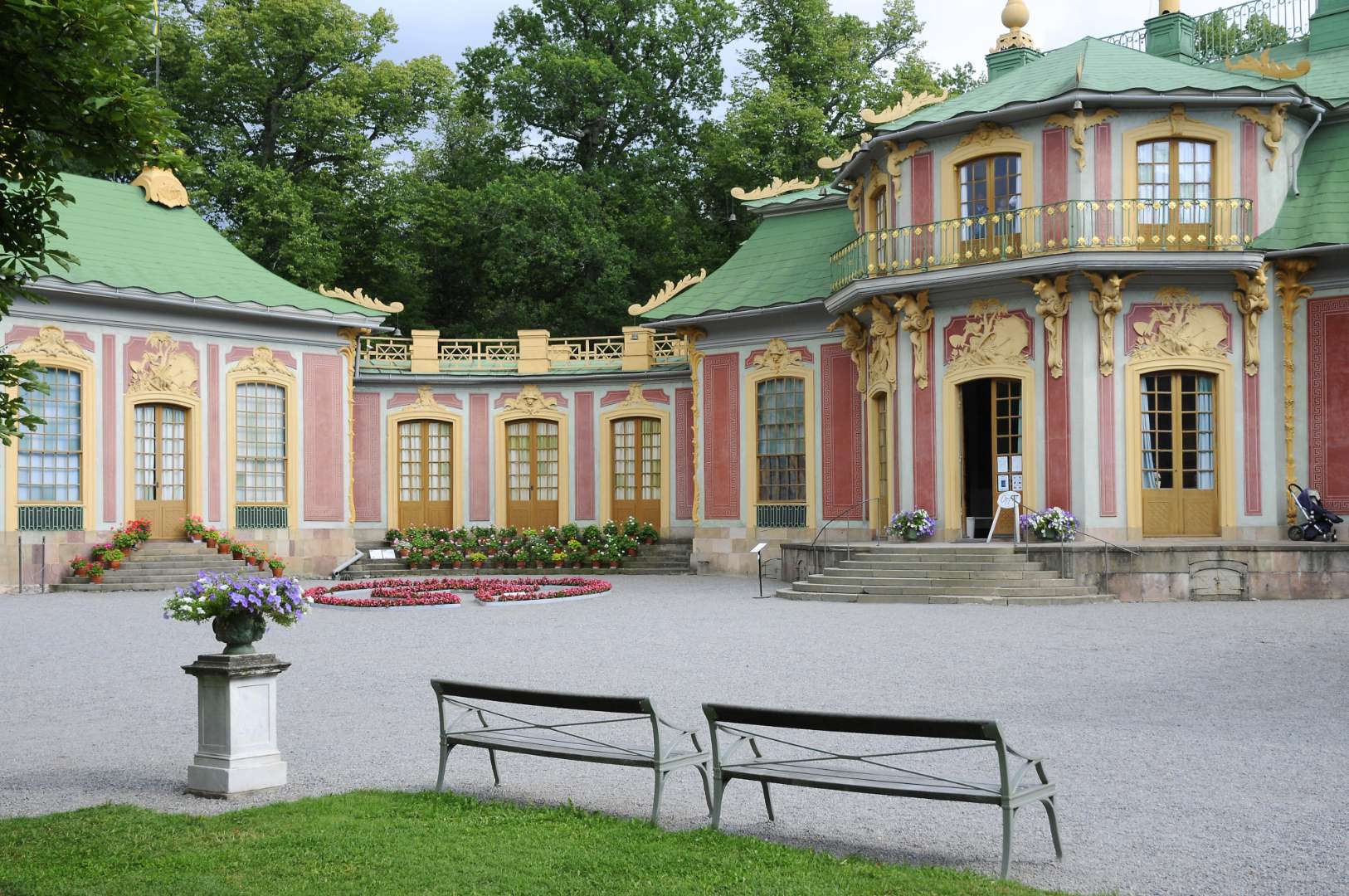
## Description The Chinese Pavilion (Swedish: Kina slott) in Stockholm is a whimsical and elegant slice of 18th-century European fascination with the East. Nestled within the lush grounds of Drottningholm Palace Park, this royal summer retreat was commissioned in 1753 by King Adolf Fredrik as a surprise birthday gift for Queen Lovisa Ulrika. The pavilion is a stunning example of **Chinoiserie**, a European artistic style that romanticized and imitated Chinese design, blending it with Rococo elements to create a fairy-tale-like structure. What makes the Chinese Pavilion truly unique is its blend of imported Chinese artifacts and Swedish craftsmanship. Inside, you’ll find original Chinese silk and paper wall coverings, lacquered screens, porcelain vases, and stained glass windows. Swedish Rococo furniture inspired by Chinese motifs adds a local twist to the exotic aesthetic. The pavilion’s interiors were designed by Jean Eric Rehn, the royal court’s chief supervisor, and many of the decorative objects were brought in by the Swedish East India Company. A little-known fact: the original pavilion was prefabricated in Stockholm and assembled in Drottningholm in secret, making it one of the earliest examples of modular architecture in Sweden. Another quirky detail—during the pavilion’s unveiling, the young Crown Prince Gustav (later King Gustav III) presented the Queen with a golden key while dressed as a Chinese mandarin. ## Location The Chinese Pavilion is located in **Sweden**, within the **Stockholm County** region, specifically in the **Ekerö Municipality** on the grounds of **Drottningholm Palace**, a UNESCO World Heritage Site. ### How to Get There: - **By Public Transport**: Take the metro to Brommaplan, then transfer to bus 176 or 177 toward Drottningholm. The pavilion is a short walk from the palace. - **By Boat**: During summer, ferries run from central Stockholm to Drottningholm—a scenic and relaxing option. - **By Car**: It’s about a 30-minute drive from downtown Stockholm. Parking is available near the palace grounds. Once you arrive at Drottningholm, follow the signs through the park to reach the Chinese Pavilion. ## Tips for Visitors To make the most of your visit to the Chinese Pavilion, consider these helpful tips: - **Visit in Summer**: The pavilion is open from May to September. Plan your visit during this period to access the interiors. - **Combine with Drottningholm Palace**: Make it a full-day outing by exploring both the palace and the pavilion. - **Guided Tours**: Opt for a guided tour to learn about the history, architecture, and royal anecdotes tied to the pavilion. - **Photography**: The exterior and gardens are perfect for photos, but interior photography may be restricted. - **Wear Comfortable Shoes**: The pavilion is located within a large park, so expect some walking. - **Check for Events**: Occasionally, cultural events and exhibitions are held in the pavilion—check the schedule in advance. ## Conclusion The Chinese Pavilion in Stockholm is a captivating blend of East and West, fantasy and history. With its ornate design, rich backstory, and tranquil setting, it offers visitors a unique glimpse into Sweden’s royal past and its 18th-century fascination with Chinese art and culture. ## FAQ **1. When is the Chinese Pavilion open to visitors?** It’s open seasonally from May to September. Exact dates may vary each year. **2. Is the Chinese Pavilion part of Drottningholm Palace?** Yes, it’s located within the Drottningholm Palace Park and is considered part of the Royal Domain. **3. Can I visit the pavilion without a guided tour?** Yes, self-guided visits are allowed, but guided tours provide deeper insight into its history and design. **4. Is photography allowed inside the pavilion?** Photography is generally restricted inside. You can take pictures of the exterior and gardens. **5. How long should I plan for the visit?** Allocate at least 1–2 hours to explore the pavilion and surrounding park, or more if combining with Drottningholm Palace. **6. Is the pavilion accessible for people with mobility issues?** Accessibility is limited due to the historic nature of the building. Contact the site in advance for specific accommodations. ## Links - [Official Chinese Pavilion Page – Royal Palaces of Sweden](https://www.kungligaslotten.se/english/royal-palaces-and-sites/the-chinese-pavilion.html) - [Visit Stockholm – Chinese Pavilion](https://www.visitstockholm.com/o/the-chinese-pavilion/)
GemVoyage Team • World
Córdoba
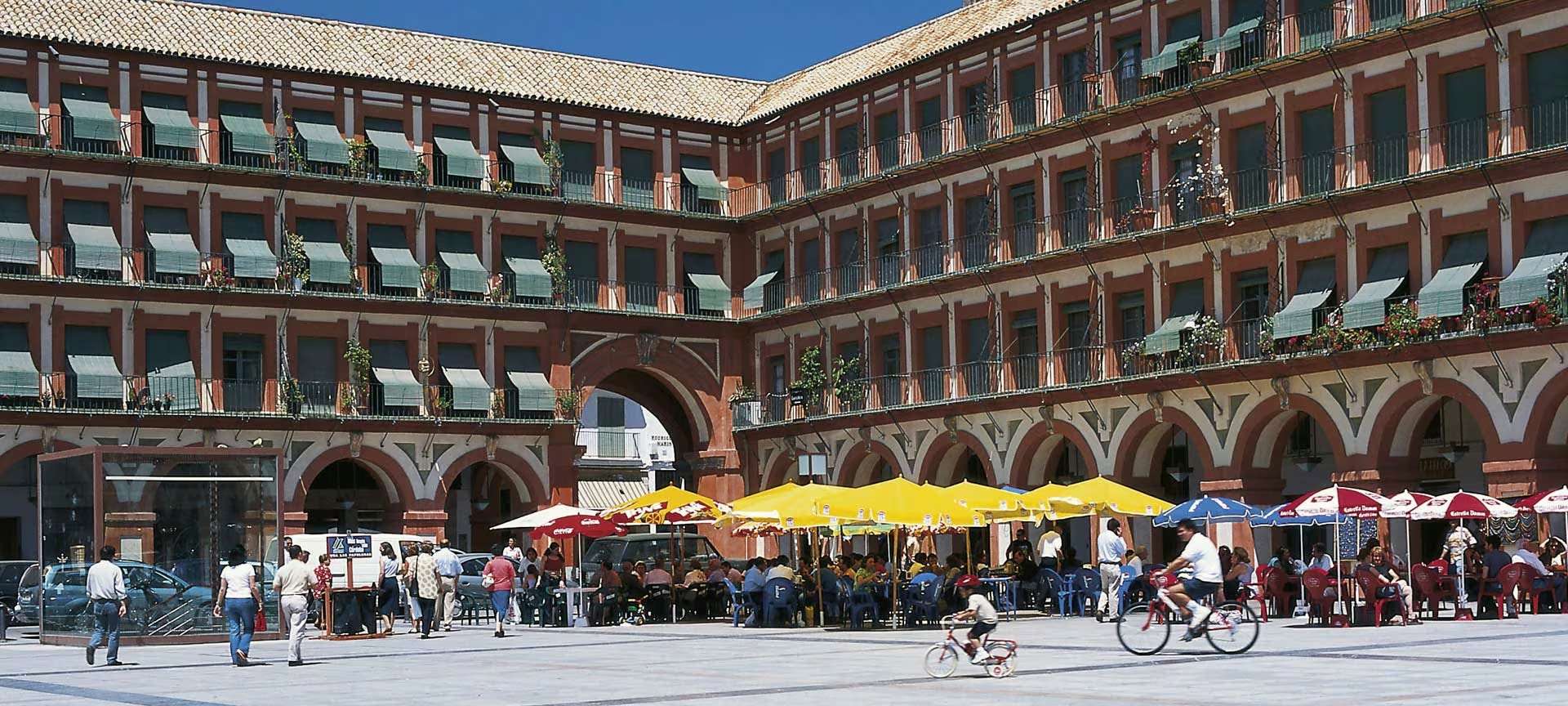
## Description Plaza de la Corredera is one of Córdoba’s most iconic and historically rich public squares, offering a unique blend of architectural charm, cultural legacy, and vibrant local life. Unlike other Andalusian plazas, Corredera stands out as the only rectangular main square in the region built in the Castilian style, reminiscent of Madrid’s Plaza Mayor. Its symmetry, arcaded buildings, and colorful facades make it a picturesque and inviting space for both locals and tourists. Constructed between 1683 and 1687 by architect Antonio Ramós Valdés, the plaza was commissioned by the city’s corregidor, Francisco Ronquillo Briceño. Over the centuries, it has served many purposes—from bullfighting arena and public market to a site for autos-da-fé and even executions during the Spanish Inquisition. Today, it’s a lively hub filled with cafés, restaurants, and artisan shops, where visitors can enjoy a coffee while soaking in the atmosphere. A little-known fact: during renovations in the 20th century, Roman mosaics were discovered beneath the plaza. These are now housed in the Alcázar de los Reyes Cristianos, offering a glimpse into Córdoba’s ancient past. Another curiosity is that two buildings in the square—the Mercado de Sánchez Peña and the Casas de Doña Ana Jacinto—predate the plaza itself and break its otherwise uniform architectural style. ## Location Plaza de la Corredera is located in **Spain**, in the **Andalusia region**, within the **city of Córdoba**. It sits in the historic Axerquía neighborhood, just a short walk northeast of the Mezquita-Catedral and the Roman Temple ruins. ### How to Get There - **By Foot**: If you're exploring Córdoba’s historic center, the plaza is easily reachable on foot from major landmarks like the Mezquita or the Jewish Quarter. - **By Bus**: Several city buses stop nearby, including lines 3 and 7. The closest stop is “San Andrés.” - **By Taxi**: Taxis can drop you off directly at one of the plaza’s entrances. - **By Car**: Parking in the historic center is limited. It’s best to park in a nearby garage and walk. Its central location makes it a perfect spot to pause and enjoy the city’s rhythm. ## Tips - **Visit in the Morning or Late Afternoon**: These times offer the best light for photography and a more relaxed atmosphere. - **Try Local Tapas**: The plaza is lined with bars and restaurants serving traditional Andalusian dishes—salmorejo, flamenquín, and local wines are must-tries. - **Look for the Mosaic Plaque**: A small plaque commemorates the Roman mosaics found beneath the square. - **Explore Nearby Attractions**: Combine your visit with stops at the Julio Romero de Torres Museum or the nearby Roman Temple. - **Attend a Local Event**: The plaza occasionally hosts concerts, markets, and festivals—check local listings for current events. - **Respect the Space**: While lively, the plaza is also a residential area. Be mindful of noise and local customs. ## Conclusion Plaza de la Corredera is a vibrant and historically layered square that captures the essence of Córdoba’s cultural and architectural heritage. Whether you're sipping coffee under its arcades or exploring its storied past, it offers a memorable and authentic experience in the heart of Andalusia. ## FAQ **1. Is Plaza de la Corredera free to visit?** Yes, the plaza is a public space and open to all visitors at no cost. **2. What is the best time to visit the plaza?** Spring and autumn offer pleasant weather and fewer crowds. Early morning and late afternoon are ideal for photography. **3. Are there guided tours available?** Yes, many walking tours of Córdoba include the plaza as a stop, often with historical commentary. **4. Is the plaza wheelchair accessible?** Yes, the square is flat and accessible, though some surrounding streets may have cobblestones. **5. Can I eat at the plaza?** Absolutely. There are numerous cafés and restaurants with outdoor seating. **6. Is it safe to visit at night?** Yes, the plaza is generally safe and well-lit, though it’s always wise to stay aware of your surroundings. ## Links - [Plaza de la Corredera – Spain.info Overview](https://www.spain.info/en/places-of-interest/plaza-corredera/) - [Plaza de la Corredera – Wikipedia Entry](https://es.wikipedia.org/wiki/Plaza_de_la_Corredera)
GemVoyage Team • World
Tokyo
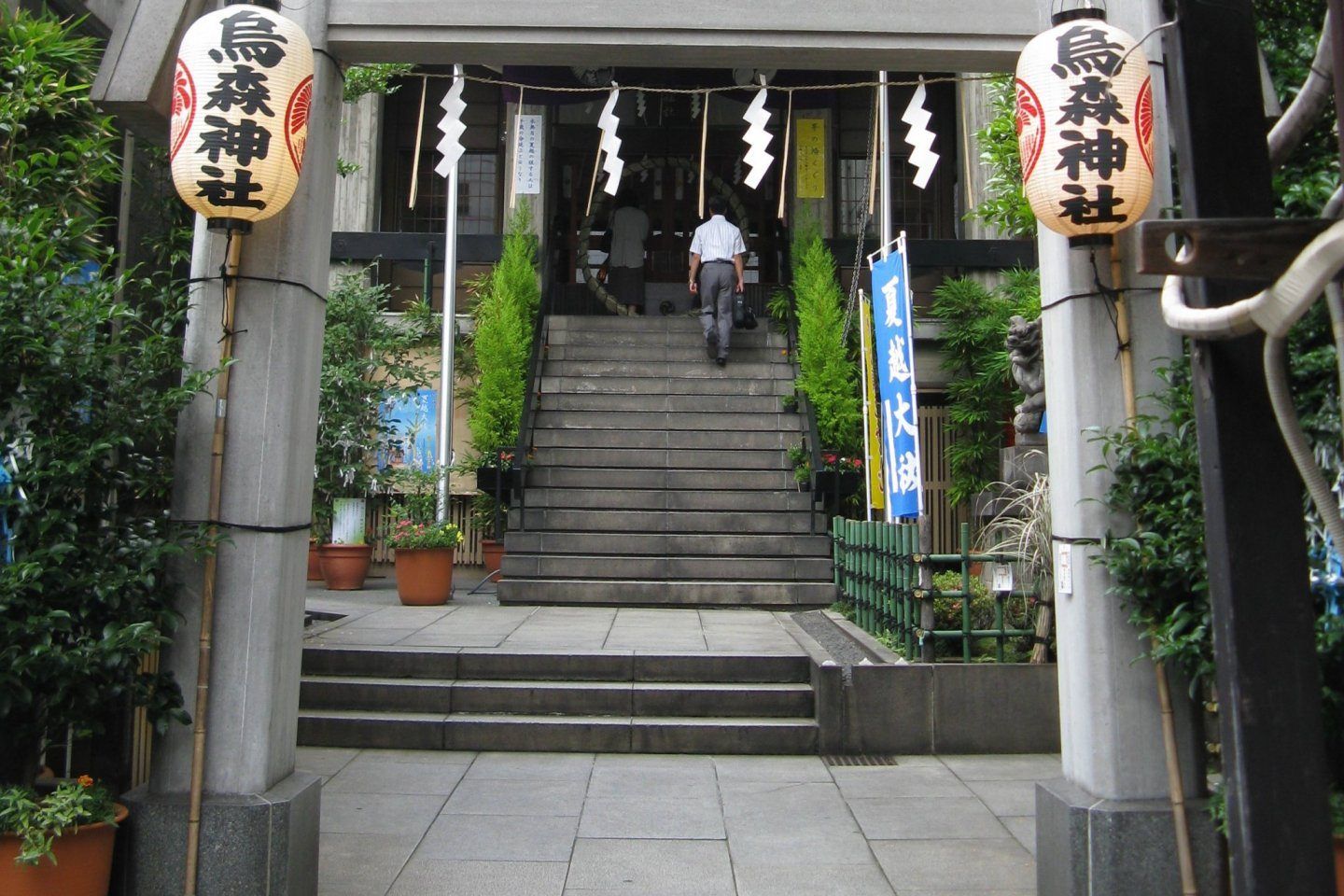
## Description **Karasumori Shrine (烏森神社)** is a small yet deeply symbolic Shinto shrine tucked into one of Tokyo’s most modern and fast-paced districts. Unlike large, monumental shrines surrounded by forests or expansive grounds, Karasumori stands out precisely because of its **contrast with its surroundings**. Encircled by office towers, restaurants, and neon-lit streets near Shimbashi, the shrine feels like a quiet spiritual pocket preserved inside the machinery of the modern city. The shrine is dedicated primarily to **Ame-no-Uzume-no-Mikoto**, a Shinto deity associated with joy, performance, and the arts, as well as protection from misfortune. Because of this, Karasumori Shrine has long been popular with **actors, entertainers, businesspeople, and office workers**, all of whom come to pray for success, smooth communication, and good fortune in their professional lives. What truly makes Karasumori Shrine unique is its **distinctive omamori (protective charms)**. These charms are unusually colorful, often featuring bright red, yellow, blue, and green threads rather than the subdued tones found at most shrines. According to shrine tradition, these colors represent protection from misfortune arriving from any direction. This detail is relatively unknown outside Japan and has helped the shrine develop a quiet but loyal following among locals. Another lesser-known fact is that Karasumori Shrine was originally located closer to Edo Castle but was moved to its current position during urban development. Despite its relocation, it retained strong ties to merchants and workers, which explains its enduring relevance in a business district rather than a residential or historical one. The shrine has also survived fires, earthquakes, and wartime destruction, making it a subtle symbol of resilience amid Tokyo’s constant transformation. Karasumori Shrine is not a place for grand ceremonies or long visits. Its value lies in **intimacy, symbolism, and continuity**, offering a moment of pause rather than spectacle. ## Location **Country:** Japan **Region:** Kantō **City:** Tokyo **Ward:** Minato **Area:** Shimbashi Karasumori Shrine is located just a short distance from Shimbashi Station, one of Tokyo’s major transportation hubs and a center for office culture and nightlife. ### How to Get There * **By train:** * JR Yamanote Line, Keihin-Tohoku Line, or Tokyo Metro Ginza Line to **Shimbashi Station**. From the Karasumori Exit, the shrine is a 2–3 minute walk. * **By subway:** * Toei Asakusa Line to Shimbashi Station, also within walking distance. * **On foot:** * Easily accessible if you are exploring central Tokyo districts such as Ginza or Shiodome. * **By taxi:** * A convenient option due to the shrine’s central location, though unnecessary given public transport access. ## Tips * **Visit during weekdays for atmosphere:** You will see office workers stopping by during lunch breaks or after work. * **Be respectful of space:** The shrine grounds are compact, and local worshippers come for quiet prayer. * **Purchase an omamori:** The colorful charms are the shrine’s most distinctive feature and make meaningful souvenirs. * **Avoid peak commute times:** Early morning and early evening can be crowded due to nearby train traffic. * **Short visit is sufficient:** 15–30 minutes is enough to appreciate the shrine fully. * **Photography is allowed, but discreet:** Avoid photographing people while they are praying. ## Conclusion Karasumori Shrine offers a rare glimpse into Tokyo’s spiritual life as it exists today, not as a preserved relic but as a living part of the urban routine. Small, understated, and symbolic, it rewards visitors who value authenticity and subtlety over grandeur. ## FAQ **1. Is Karasumori Shrine famous?** It is well-known among locals but relatively unknown to international tourists. **2. Is there an entrance fee?** No, entry is free. **3. How long should I spend there?** Around **15 to 30 minutes** is sufficient. **4. What is the shrine best known for?** Its colorful protective charms and prayers for career success and good fortune. **5. Is it suitable for first-time visitors to a Shinto shrine?** Yes, its small size makes it approachable and easy to understand. **6. Can I combine it with other attractions?** Yes, it pairs well with visits to Ginza, Shiodome, or nearby dining areas. ## Links * [Japan National Tourism Organization](https://www.japan.travel)
GemVoyage Team • World
Seoul
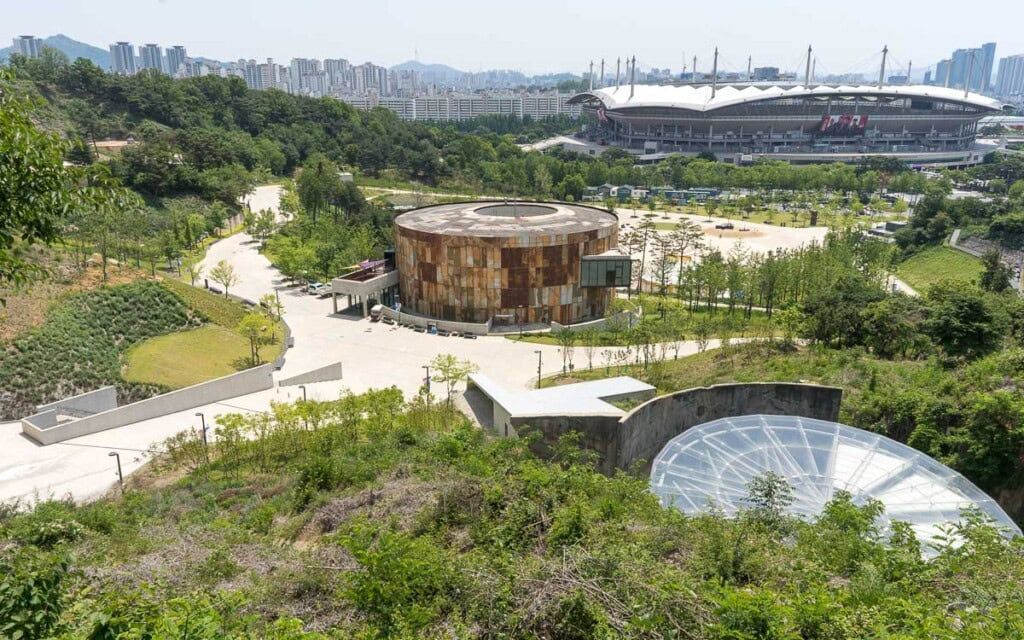
## Description Oil Tank Culture Park is an inventive urban redevelopment project that transforms obsolete oil storage tanks near Hapjeong into a layered cultural complex. The site is notable for its adaptive reuse approach: industrial silos and tanks were structurally preserved and repurposed as galleries, performance spaces, and community areas. The result is a tactile mix of heavy industrial surfaces and light-filled cultural rooms—an atmospheric contrast that frequently features in discussions about sustainable urban design and creative placemaking. Programming at the Oil Tank Culture Park combines curated exhibitions with community-driven activities. The large circular tanks are used for immersive installations and concerts; smaller adjacent spaces host workshops, film screenings, and local markets. The park’s outdoor terraces and green roofs provide vantage points for both the site itself and views across nearby neighborhoods, creating a sequence of experiences that shift between enclosed, resonant tanks and open, landscaped terraces. For visitors interested in architecture, industrial heritage, or contemporary culture, the site offers multiple points of fascination. Preservation choices—retaining the tanks’ raw metal texture, exposing concrete rings, and inserting slender circulation elements—make the site legible as both a former industrial hub and a cultural incubator. The park’s programming often foregrounds sustainability themes, community participation, and experimental performance formats. ## Location The Oil Tank Culture Park is located in Mapo-gu, Seoul, close to Hapjeong station and within walking distance of the World Cup Stadium area. It is well served by subway lines and local buses, and its signage makes it straightforward for international visitors to find. The park is frequently combined in itineraries with nearby Hongdae’s nightlife and Mangwon’s markets. ## Tips - Check the cultural calendar before visiting—special exhibitions and ticketed concerts are common and may require advance booking. - Wear comfortable shoes and expect varying surfaces: pathways range from concrete tank platforms to landscaped terraces. - Bring a light layer for rooftop areas and evening events—the wind can be brisk on exposed terraces. - Combine a visit with nearby Hongdae for dinner or an evening out; the area offers many small restaurants and cafés. - Respect installation boundaries and photography rules within exhibition spaces—some shows restrict flash or tripod use. ## Conclusion Oil Tank Culture Park is a striking example of how industrial heritage can be repurposed into vibrant public culture. It rewards visitors with a mix of dramatic industrial architecture, innovative programming, and a neighborhood-friendly atmosphere—ideal for architecture enthusiasts, cultural explorers, and people who enjoy offbeat urban sites. ## FAQ Q: Are events free? A: Some events and exhibitions are free to the public; larger performances, immersive shows, and special exhibitions may require tickets—check each event’s listing. Q: Is the site wheelchair accessible? A: The park includes ramps and accessible routes, though some older industrial areas may present challenges—contact the venue for detailed accessibility maps. Q: Can I photograph the tanks and installations? A: General photography is usually allowed in public spaces, but specific exhibitions may restrict photography—always check signage or ask staff. Q: Are there food and drink options on-site? A: Occasional pop-up vendors and nearby cafés supply food and drink during events; full-service restaurants are more common in surrounding neighborhoods. Q: Is there parking? A: On-site parking is limited; public transport is the recommended way to visit. ## Links - [Oil Tank Culture Park](https://www.theseoulguide.com/oil-tank-culture-park/)
GemVoyage Team • World
Rome
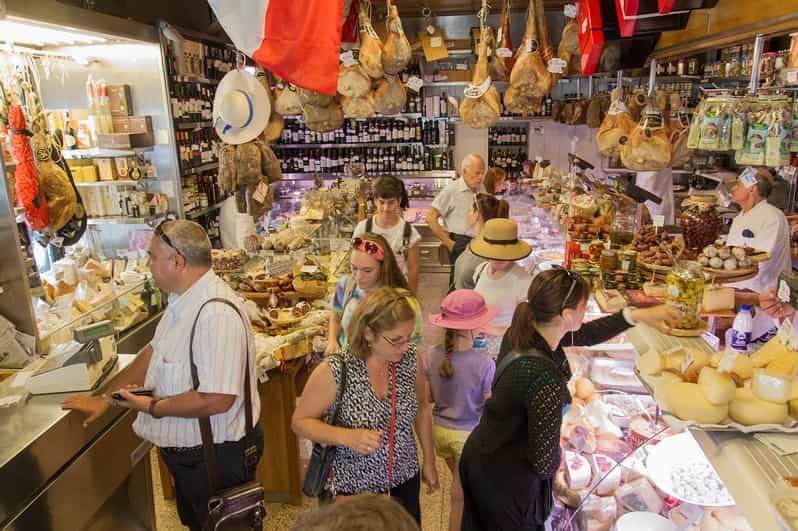
## Description Testaccio Market (Mercato Testaccio) is a lively, authentic food market at the heart of one of Rome’s most food-forward neighborhoods. Unlike the tourist-heavy markets closer to the historic center, Testaccio retains a working-market energy: long-time vendors sell seasonal fruit and vegetables, butchers and fishmongers prepare daily stock, and small eateries and street-food counters push culinary tradition forward. The market is famed for staples such as porchetta sandwiches, supplì and a wide selection of Italian cheeses and cured meats, while newer artisanal stalls introduce contemporary flavors, craft gelato and fusion snacks. What distinguishes Testaccio is its deep connection to the local history. Monte Testaccio—an artificial mound of broken amphorae from the Roman period—anchors the area’s archaeology and speaks to the neighborhood’s centuries-long role as Rome’s distribution and storage quarter. That heritage informs the food culture: local producers, family-run stalls and traditional recipes coexist with experimental kitchens, meaning a single visit can offer both classic Roman comfort foods and creative reinterpretations. The market’s compact layout makes it an ideal stop for tasting rather than full dining—sample multiple vendors over a morning and build a small feast. Culinary tours often include the market because it presents both quality ingredients and convivial daily life: you’ll hear vendors bartering, watch knives at work behind counters, and find specialty shops selling olive oil, aged cheeses and regional preserves. ## Location Testaccio Market is located in the heart of the Testaccio neighborhood, south of the Aventine Hill and a short ride from Rome’s historic center. The nearest metro stop is Piramide on Line B; several bus routes also serve the area, and many visitors walk from nearby neighborhoods like Trastevere or the Aventine for a scenic stroll. The market is close to other attractions—Pyramid of Cestius, riverfront walks and a lively restaurant scene—making it easy to build a food-focused itinerary. If you prefer to mix shopping with sightseeing, plan an early morning visit for the freshest produce and a quieter atmosphere, or go mid-afternoon to sample street food and sample plates as vendors prepare for evening trade. ## Tips - Arrive in the morning for peak freshness and to see the market at full pulse; many vendors begin packing up by late afternoon. - Be adventurous with sampling: try porchetta, supplì, fresh pasta to-go and the market’s cured meats—ask vendors for their recommendations. - Carry small change and a reusable bag; while many places accept cards now, smaller stalls still prefer cash. - If you want a guided tasting, several local food tours include the market and introduce signature stalls and historical anecdotes. - After browsing, explore nearby eateries in Testaccio for fuller meals or head to the riverfront for a relaxed walk. ## Conclusion Testaccio Market is a living portrait of Roman food culture: hands-on, edible and evolving. It’s the place to taste ingredients in their most immediate form, to listen to local foodways in conversation and to discover how centuries of commerce and community shaped a distinctly Roman palate. For culinary travelers seeking authentic flavors and friendly vendor encounters, Testaccio remains indispensable. ## FAQ Q: What are the market’s opening hours? A: Hours vary by stall, but most vendors open early morning and many close by late afternoon; specialty eateries may open again for evening service—check specific stall times if you have a destination vendor. Q: Can I eat on-site or should I take food away? A: Both. Many stalls prepare foods to eat immediately and provide small eating areas or counters; taking items to nearby picnic spots or a short walk is also common. Q: Is Testaccio Market suitable for dietary restrictions? A: Yes—ask vendors about ingredients. You can find vegetarian pasta, vegetable-based dishes and some stalls that accommodate allergies, but always ask about preparation and cross-contamination. Q: Are there guided tours of the market? A: Yes, several local food-tour operators include Testaccio in tasting itineraries; a guided tour is a great way to discover favorite stalls and sample local specialties. Q: Is the market touristy? A: Testaccio retains a local feel despite growing interest from visitors; early mornings are best for a more authentic experience. ## Links - [Testaccio](https://www.lavitaroma.com/blog/2017/03/17/testaccio-market-rome)
GemVoyage Team • World

Comments