GemVoyage Team • World
What distinguishes Mercado Roma is the way it balances high-quality small-scale vendors with casual, accessible seating and a design-forward interior. It has played an influential role in popularizing the food-hall concept in Mexico City, providing an incubator for emerging chefs and an entry point for visitors who want to taste multiple dishes in a single visit. The market also integrates drinks bars and specialty stalls—artisan chocolate, craft beer, and regional mezcal—which add depth beyond typical market fare.
For travelers, Mercado Roma is both practical and pleasurable: you can try a range of flavors without committing to a full-service restaurant, and the market's location in the Roma neighborhood makes it an easy stop within a broader day of exploring galleries, parks, and design shops.
Because the neighborhood is itself a destination, Mercado Roma is best visited as part of a larger walking itinerary that may include Parque España, Avenida Álvaro Obregón, and local galleries. The market's design and vendor mix also make it suitable for groups with varied tastes.
Discover more hidden gems you might love.
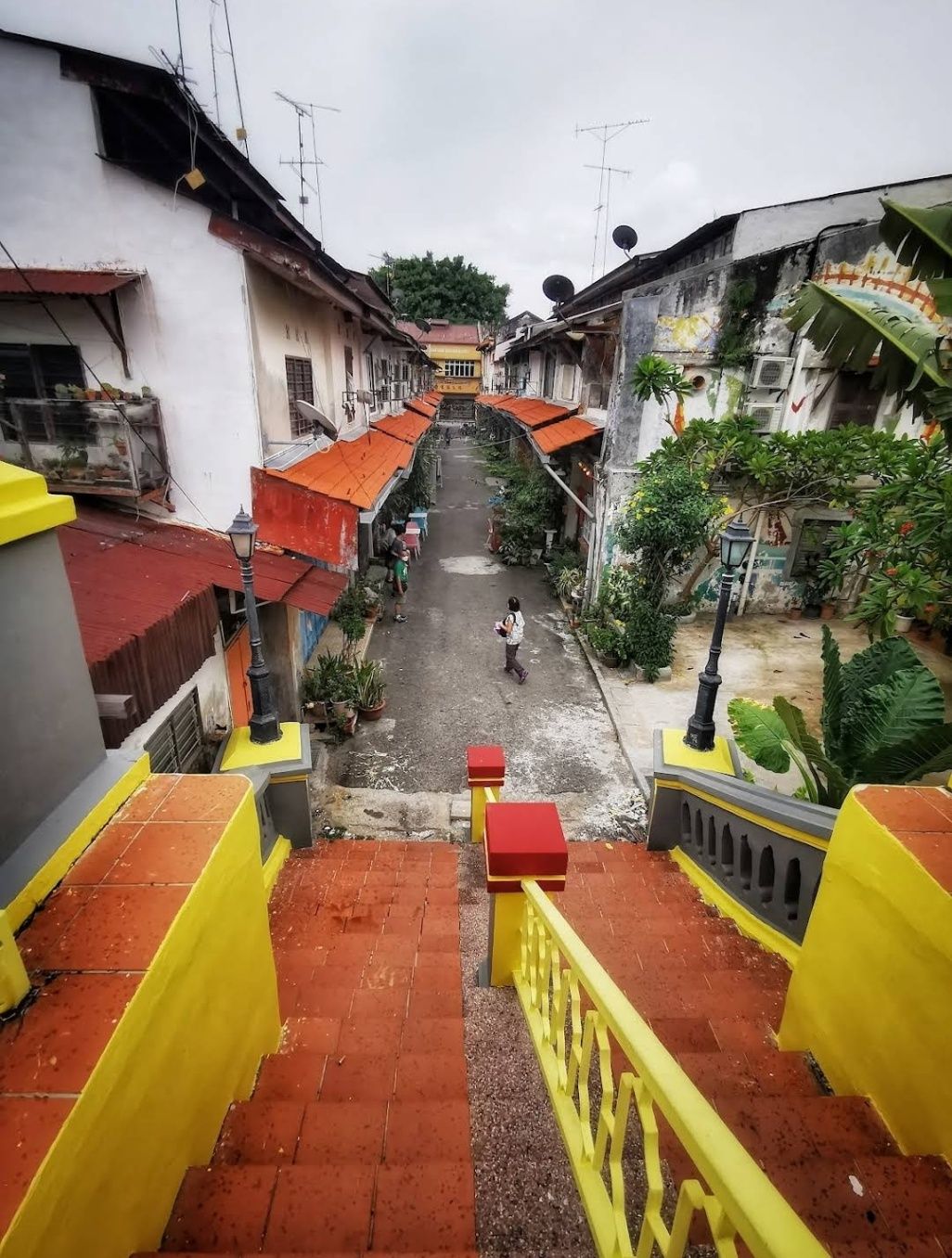
Malaysia
## Description Melaka, also known as Malacca, is a city steeped in history, culture, and art. Among its many attractions, **Melaka Street Art: The Well** stands out as a hidden gem that blends creativity, storytelling, and local heritage. This unique spot features colorful murals painted on walls that depict everyday life, folklore, and cultural icons of Malaysia. What makes The Well particularly fascinating is that it’s not just about the art itself, but also about the symbolism behind it. The murals often tell stories of Melaka’s diverse communities—Malay, Chinese, Indian, and Peranakan—reflecting the city’s multicultural roots. Some paintings even feature 3D effects, allowing visitors to interact with the artwork for unforgettable photos. A little-known fact is that **The Well takes its name from a nearby historic well that once served as a vital water source for the community**. While many tourists flock to Jonker Street for its bustling night market, only a smaller number stumble upon this enchanting art spot, making it a quieter and more intimate place to enjoy street art. Another interesting detail is that some of the artworks were painted by local artists in collaboration with international muralists, giving the space a truly global touch. ## Location Melaka Street Art: The Well is located in **Malacca City, Malacca (Melaka) State, Malaysia**. It sits not far from the famous Jonker Street, nestled in one of the small alleys that branch out into quieter corners of the historic quarter. Getting there is quite simple. If you’re already in Melaka City, the best way is to **walk or cycle** around the historic district, as most attractions are within short distance. For travelers coming from Kuala Lumpur, you can take a **bus or drive** (about 2 hours by car). Once in Melaka, using a **trishaw or ride-hailing service like Grab** can be a fun and convenient way to reach The Well and explore nearby attractions. ## Tips To make the most of your visit to The Well, here are some useful tips: * **Visit in the morning or late afternoon** – The lighting is softer, perfect for photos, and the weather is more comfortable. * **Bring a camera or smartphone** – Many murals are interactive, so you can pose creatively with the art. * **Wear comfortable shoes** – Exploring Melaka’s street art usually involves walking through narrow lanes and uneven pavements. * **Combine with nearby attractions** – Since The Well is close to Jonker Street, Cheng Hoon Teng Temple, and the Melaka River, plan a half-day walk to enjoy multiple highlights. * **Respect the artwork** – Avoid touching or leaning too heavily against the murals to help preserve them for future visitors. ## Conclusion Melaka Street Art: The Well is more than just a collection of paintings—it’s a cultural journey that captures the essence of Melaka’s identity. Blending history, creativity, and multicultural influences, it’s a must-visit spot for travelers who love discovering hidden gems. Whether you’re a history buff, an art lover, or simply someone looking for a unique photo opportunity, The Well offers an unforgettable experience in the heart of Melaka. ## FAQ **1. What is Melaka Street Art: The Well?** It’s a street art spot in Melaka featuring murals that showcase the city’s culture, heritage, and everyday life, named after a historic community well. **2. Is there an entrance fee to visit The Well?** No, it’s completely free to visit as it’s part of the public street art scene. **3. How much time should I spend at The Well?** On average, 30 minutes to an hour is enough to explore, take photos, and appreciate the details of the murals. **4. Is it safe to visit The Well at night?** While the area is generally safe, it’s best to visit during the day for better lighting and more vibrant photography. **5. Are there restaurants or cafes nearby?** Yes, The Well is located close to Jonker Street, where you’ll find plenty of local eateries, cafes, and street food vendors. **6. Can I combine this visit with other attractions?** Absolutely! You can easily combine it with a walk along the Melaka River, a visit to A Famosa fortress, or shopping at Jonker Street. ## Links Here are some useful links for more information about Melaka Street Art: * [Tourism Malaysia – Melaka](https://www.malaysia.travel/explore/the-historical-city-of-melaka)
GemVoyage Team • World
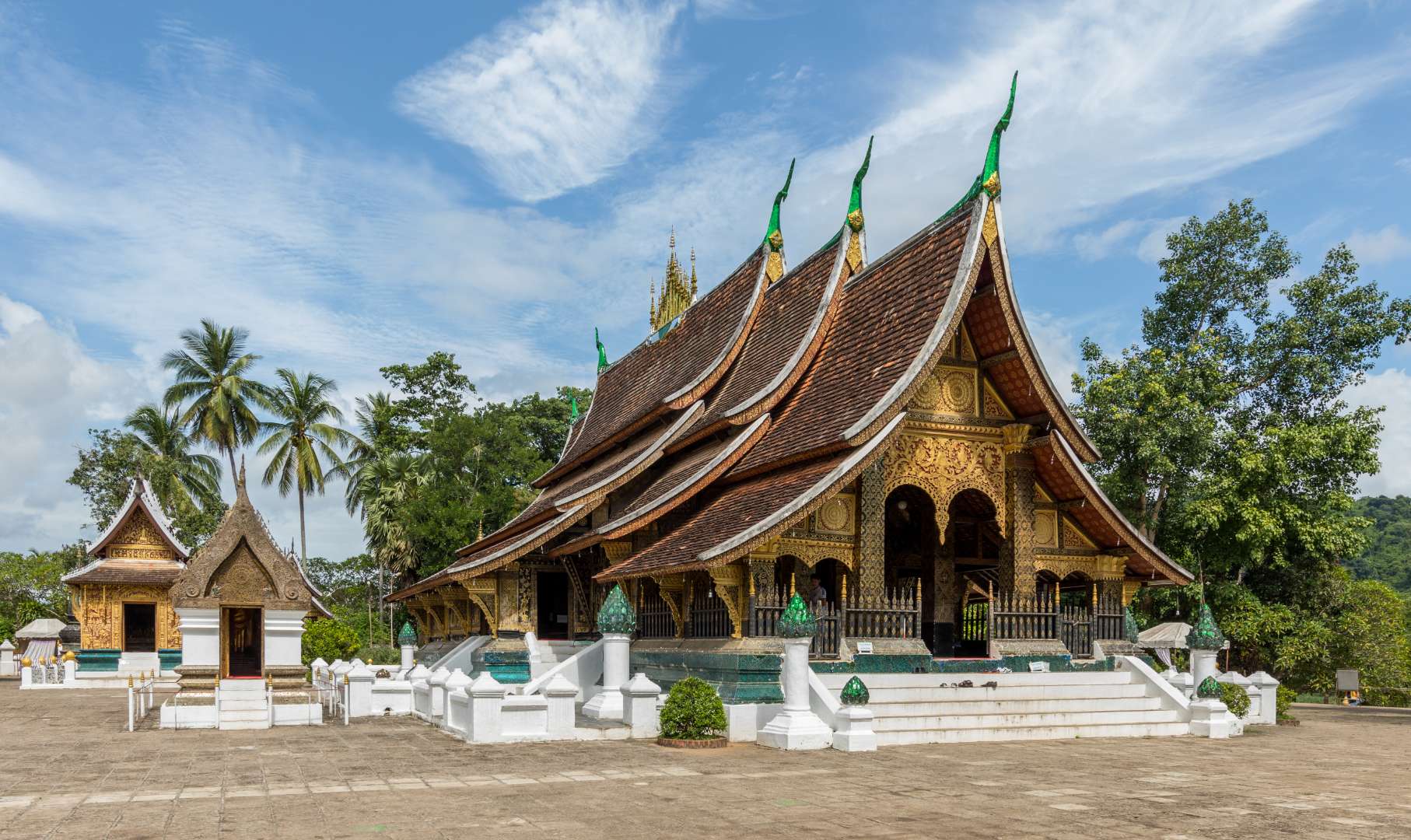
Laos
## Description Wat Xieng Thong, often referred to as the “Temple of the Golden City,” is one of the most revered and architecturally significant Buddhist temples in Laos. Located in the UNESCO World Heritage city of Luang Prabang, this 16th-century temple is a masterpiece of traditional Lao art and religious devotion. Built in 1560 by King Setthathirath, Wat Xieng Thong served as a royal temple and played a central role in religious ceremonies, coronations, and cultural festivals. The temple complex features over twenty structures, including shrines, pavilions, and monks’ quarters. Its centerpiece is the sim (main sanctuary), known for its sweeping multi-tiered roof that nearly touches the ground—a hallmark of classic Luang Prabang style. The rear façade of the sim is adorned with a stunning mosaic of the “Tree of Life,” a symbolic depiction of spiritual growth and harmony. Inside, gold stenciling on black lacquered walls illustrates scenes from Buddhist cosmology and the legendary life of King Chanthaphanith. A little-known fact: Wat Xieng Thong was spared during the sacking of Luang Prabang in 1887 by the Black Flag Haw. The invading leader, Deo Van Tri, had studied at the temple as a monk and chose to use it as his headquarters rather than destroy it. Another unique feature is the temple’s funerary carriage house, which contains an elaborate royal funeral chariot and urns used in cremation ceremonies for members of the royal family. ## Location Wat Xieng Thong is located in **Laos**, in the **Luang Prabang Province**, within the city of **Luang Prabang**. It sits at the northern tip of the peninsula formed by the Mekong and Nam Khan rivers, offering scenic views and a peaceful atmosphere. ### How to Get There - **By Foot**: If you're staying in central Luang Prabang, the temple is easily accessible by walking along the riverfront or through the old town. - **By Bicycle**: Renting a bike is a popular way to explore the city and reach Wat Xieng Thong. - **By Tuk-Tuk**: Local tuk-tuks can take you directly to the temple entrance from anywhere in town. - **By Boat**: Some river tours include a stop at the temple, offering a unique approach from the Mekong. Its location near other major attractions makes it an ideal starting point for a day of cultural exploration. ## Tips - **Visit Early or Late**: Morning and late afternoon offer softer light for photography and fewer crowds. - **Dress Modestly**: As with all religious sites in Laos, shoulders and knees should be covered. Scarves or sarongs are often available at the entrance. - **Take Your Time**: The temple complex is rich in detail. Allocate at least an hour to explore the sim, chapels, and surrounding gardens. - **Hire a Guide**: A local guide can provide deeper insights into the temple’s history, symbolism, and architecture. - **Respect the Space**: Be quiet and respectful, especially when monks are present or prayers are taking place. - **Check for Festivals**: Wat Xieng Thong hosts several annual religious events, including Pi Mai (Lao New Year), which features traditional rituals and processions. ## Conclusion Wat Xieng Thong is a cultural and spiritual gem in Luang Prabang, showcasing the elegance of Lao architecture and the depth of its Buddhist traditions. With its rich history, artistic beauty, and tranquil setting, it offers a profound and memorable experience for visitors. ## FAQ **1. What are the opening hours of Wat Xieng Thong?** The temple is open daily from 8:00 AM to 5:00 PM. **2. Is there an entrance fee?** Yes, the entrance fee is typically around 20,000 Kip per person. **3. Can non-Buddhists visit the temple?** Yes, Wat Xieng Thong is open to all visitors, regardless of religious background. **4. Is photography allowed inside the temple?** Photography is allowed in most areas, but flash and tripods are discouraged. Always be respectful. **5. Are there guided tours available?** Yes, local guides can be hired in Luang Prabang or at the temple entrance. **6. Is the temple wheelchair accessible?** Some areas may be difficult to access due to steps and uneven ground, but the main courtyard is relatively flat. ## Links - [Wat Xieng Thong – Wikipedia Overview](https://en.wikipedia.org/wiki/Wat_Xieng_Thong)
GemVoyage Team • World
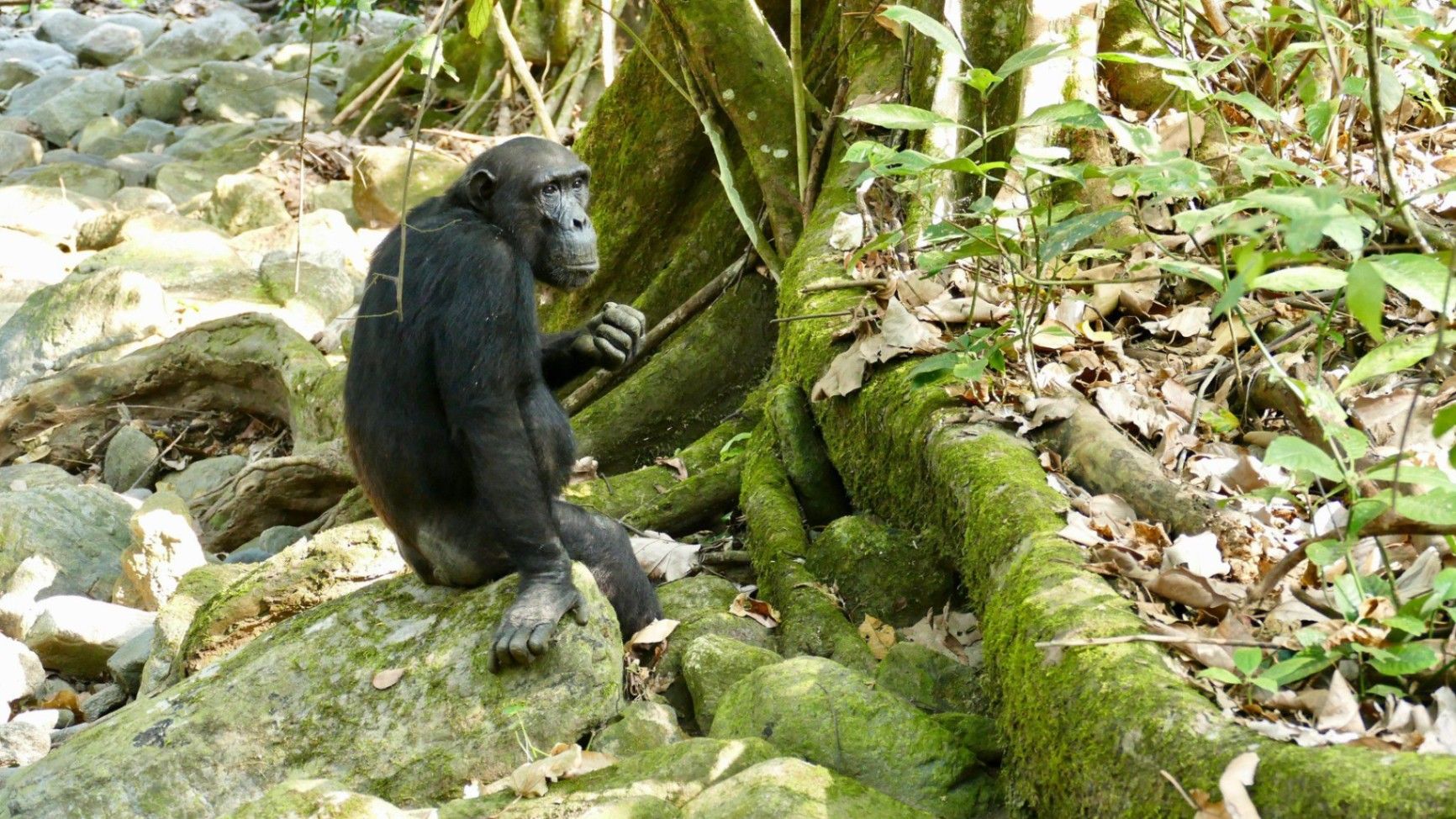
Tanzania
## Description Nestled on the remote eastern shores of **Lake Tanganyika**, the **Mahale Mountains National Park** is one of **Tanzania’s most untouched and magical wilderness areas**. Famous for its **wild chimpanzee population**, pristine forests, and turquoise waters, this park offers an experience unlike any other in Africa — where jungle-clad mountains meet one of the world’s oldest and deepest lakes. Covering over **1,600 square kilometers**, Mahale Mountains National Park lies at the crossroads of **rainforest, savanna, and miombo woodland**, creating a spectacularly diverse ecosystem. Its landscape is dominated by the dramatic **Mahale Mountain Range**, with **Mount Nkungwe** — the highest peak — rising to 2,462 meters above sea level. The park is most renowned for being home to one of the **largest known communities of wild chimpanzees**, with around **800 individuals**. Visitors have the rare opportunity to **trek into the forest** and observe these intelligent primates in their natural habitat — grooming, feeding, and socializing just a few meters away. The **Mimikire community** of chimps has been studied since the 1960s by Japanese researchers, making Mahale a world center for primate research and conservation. Beyond the chimpanzees, Mahale is a haven for **biodiversity**. The park shelters **leopards, bushbucks, red colobus monkeys, blue duikers, warthogs**, and hundreds of **bird species**. The crystal-clear waters of **Lake Tanganyika**, bordering the park to the west, are home to over **250 species of cichlid fish**, many found nowhere else on Earth. One of Mahale’s most fascinating aspects is its isolation — there are **no roads inside the park**. Access is only by **boat or plane**, ensuring that the park remains wild and unspoiled. Visitors walk along forest trails, wade across rivers, and travel by dhow or motorboat, surrounded by breathtaking scenery and deep tranquility. A lesser-known fact is that the area is the **ancestral home of the Tongwe people**, who once lived in the forest and practiced traditional customs linked to nature and the spirits of the mountains. Some cultural heritage still survives, adding a layer of human history to Mahale’s natural beauty. With its mix of adventure, serenity, and ecological wonder, **Mahale Mountains National Park** is a destination for those seeking a **genuine wilderness experience** — where you can track chimpanzees in the morning, swim in the world’s longest freshwater lake in the afternoon, and watch the sun set behind the Congo mountains in the distance. ## Location **Mahale Mountains National Park** is located in **western Tanzania**, along the **eastern shore of Lake Tanganyika**, opposite the **Democratic Republic of the Congo**. **Coordinates:** Approximately 6°S, 30°E To get there: * **By air:** The most convenient way is by **charter flight** from **Arusha, Dar es Salaam, or Kigoma** to the **Mahale airstrip**, followed by a **boat transfer** (typically 1–2 hours) to your lodge or campsite. * **By boat:** From **Kigoma**, you can take a **boat or dhow** along Lake Tanganyika, which takes between **6–10 hours** depending on the vessel. * **By road and boat (adventurous option):** Drive from **Kigoma** to **Kagunga village** (about 3–4 hours), then continue by boat to Mahale. Because of its remoteness, Mahale is best visited as part of a planned safari itinerary with **arranged transport and accommodation** through a tour operator or lodge. ## Tips * **Plan ahead:** Due to its remote location, logistics can be complex — book accommodation and flights well in advance. * **Chimp trekking:** The best time to see chimpanzees is during the **dry season (May to October)** when they stay closer to the lower slopes. * **Fitness required:** Trekking can involve steep and humid trails; wear comfortable shoes, long pants, and bring plenty of water. * **Stay several days:** Allow at least **3–4 nights** to enjoy chimp tracking, lake swimming, and forest hikes. * **Bring lightweight clothing:** The climate is tropical, but evenings near the lake can be cooler. * **Malaria precautions:** Use repellent and consult your doctor before travel — Mahale is a tropical zone. * **No roads, no crowds:** Be prepared for total disconnection — there is limited electricity and no phone signal in most areas. * **Combine with Katavi National Park:** Many travelers pair Mahale with nearby **Katavi**, another remote gem known for its wildlife-filled plains. ## Conclusion The **Mahale Mountains National Park** is one of Africa’s last true wildernesses — a place of **raw beauty and profound peace**. From tracking wild chimpanzees through lush forests to swimming in the crystal-clear waters of Lake Tanganyika, every moment in Mahale feels extraordinary. Its isolation ensures that it remains a haven for both wildlife and travelers seeking solitude. Visiting Mahale is not just a safari — it’s a **journey into the heart of nature**, untouched and unforgettable. ## FAQ **1. What is Mahale Mountains National Park famous for?** It’s best known for its **wild chimpanzees** and stunning **mountain–lake scenery**. **2. How many chimpanzees live in the park?** Around **800 individuals**, including the well-studied **Mimikire community**, habituated to human presence. **3. How do I reach Mahale?** Most visitors arrive by **charter flight** from **Arusha, Dar es Salaam, or Kigoma**, followed by a **boat transfer** to their lodge. **4. When is the best time to visit?** The **dry season (May–October)** is ideal for chimpanzee tracking, while **November–April** brings lush scenery and birdlife. **5. Are there accommodations inside the park?** Yes — there are a few **exclusive lodges and tented camps** along Lake Tanganyika’s shores, such as **Greystoke Mahale** and **Kungwe Beach Lodge**. **6. What other animals can be seen?** Besides chimpanzees, the park is home to **leopards, bushpigs, red colobus monkeys, giant squirrels**, and **hundreds of bird species**. **7. Can visitors swim in Lake Tanganyika?** Yes — it’s safe for swimming and snorkeling near the lodges, with **exceptionally clear freshwater** and tropical fish. ## Links * [Tanzania National Parks Authority – Mahale Mountains](https://storymaps.arcgis.com/stories/4bf12795a5b44f3482b580e692c465a4)
GemVoyage Team • World
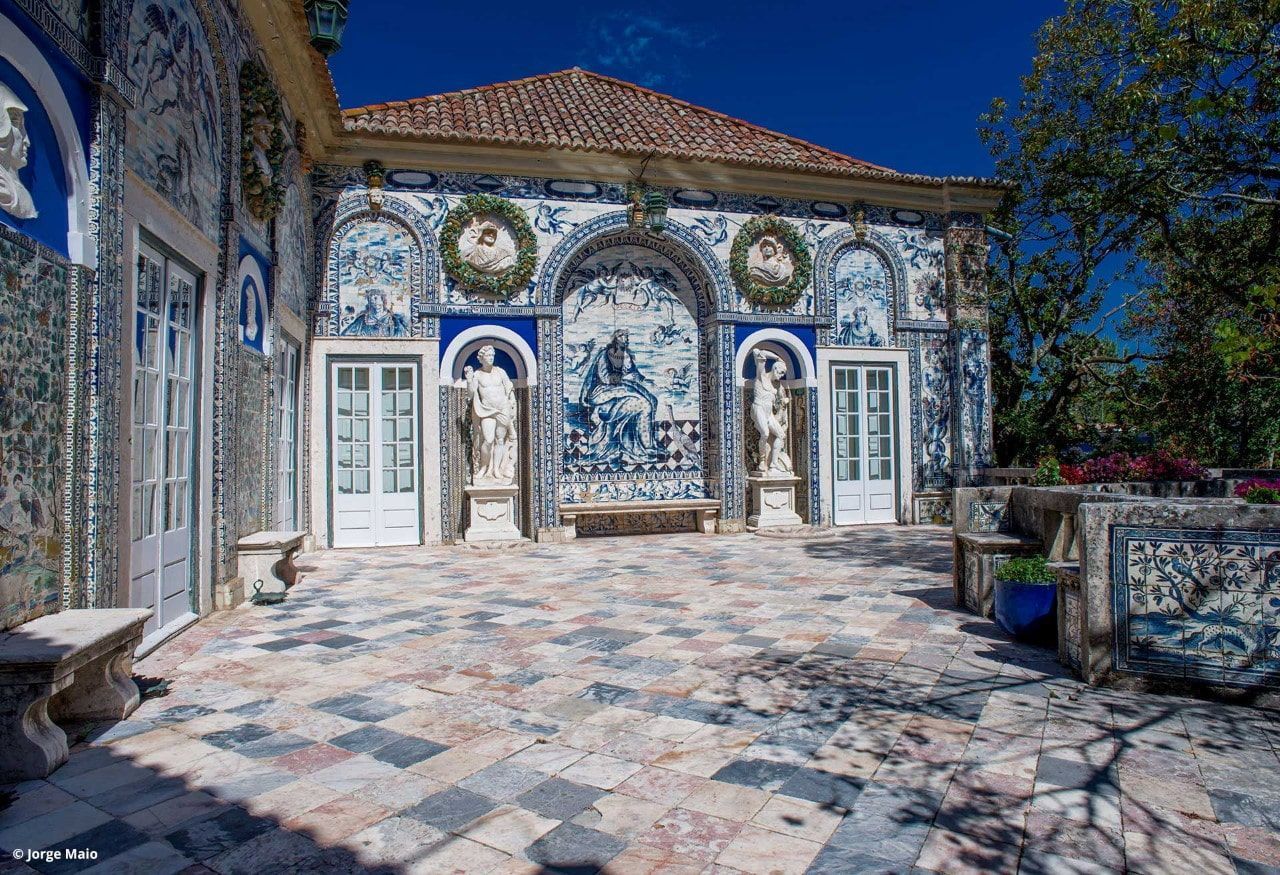
Lisbon
## Description Palácio dos Marqueses de Fronteira is an elegant, family-owned 17th-century estate on the edge of Lisbon that delights visitors with its exceptional azulejo tile panels, intimate museum rooms, and meticulously designed gardens. The palace feels less like a public museum and more like entering a well-preserved private residence that has been lived in and cared for by the same lineage of nobility for centuries. Interiors display an array of period furniture, heirloom portraits, and decorative arts that create a layered sense of domestic aristocratic life. The palace’s defining artistic draw is its azulejo program: large narrative tile panels that record hunting scenes, mythological episodes, allegories, and courtly imagery, executed in the refined blue-and-white and polychrome palettes typical of the 17th and 18th centuries. These tiles cover interior and exterior walls, forming pictorial narratives that reward close looking. Complementing the tiles are frescoes, gilded frames and sculptural elements that reflect Baroque and Rococo tastes adapted to Portuguese sensibilities. The gardens are a major reason to visit. Laid out with geometric hedges, elegant statuary and reflecting pools, they weave Moorish and Renaissance influences into a distinctly Portuguese landscape grammar. Garden rooms framed by clipped yews and boxwood create intimate vistas, while larger terraces open to sweeping views of the surrounding neighborhood. Seasonal plantings and careful maintenance mean the palace is beautiful year-round, although spring and early summer are especially lush. Conservation and stewardship at the palace are noteworthy: the family’s ongoing custodianship has supported careful tile restoration projects and the preservation of original material culture. Many of the conservation interventions have been carried out by local artisans using traditional techniques, preserving not just objects but craft knowledge. Photographic and accessibility note: photographers should plan for a mix of wide-angle shots of garden terraces and close-ups of tile details; early morning light reduces harsh shadows on glazed surfaces. Visitors requiring mobility assistance should contact palace staff ahead of time to arrange the smoothest route through garden paths and to confirm which rooms are accessible. ## Location The palace is located in the Benfica neighborhood of Lisbon, a short drive northwest of central districts like Rossio and Baixa. From the historic center, it typically takes 15–25 minutes by car depending on traffic. Public transit options involve buses and sometimes a combination of tram and bus; travelers should allow extra time for connections and walking to the palace grounds. Getting there: taxis and rideshares are convenient and typically the fastest way for visitors without a car. If using public transport, check current bus routes and schedules and allow for a short walk from the nearest stop to the palace entrance. ## Tips - Book tickets in advance when possible; guided tours are often limited and sell out during peak season. - Wear comfortable shoes: garden paths include gravel and uneven surfaces. - Respect interior rules: certain rooms may be closed or restricted for conservation reasons; photography inside may be limited. - Bring a camera and consider different lenses: a wide-angle captures garden vistas while a close lens helps study tile details. - Time your visit: visit in the morning light for softer photographs and more tranquil garden conditions. - Combine visits: pair the palace with nearby cultural sites such as the National Coach Museum or a walk in Monsanto Forest Park for a varied day. ## Conclusion Palácio dos Marqueses de Fronteira is a quietly grand escape from Lisbon’s busiest tourist routes. It rewards the patient visitor — those who enjoy architectural decoration, tile art and carefully tended gardens — with an intimate glimpse of aristocratic Portuguese life. The palace’s careful preservation and the family’s ongoing care make it a dignified and deeply rewarding stop on a cultural itinerary. ## FAQ Q: Are guided tours available? A: Yes. Guided tours are offered and provide detailed historical context about the palace, its tiles and the family’s history. Check the palace’s official website or local tourism resources for times and booking procedures. Q: Is the palace wheelchair accessible? A: Accessibility is limited in some historic rooms and garden areas due to steps and uneven terrain. Contact the palace in advance to discuss specific access requirements and to learn which sections are accessible. Q: Can I photograph inside the palace and gardens? A: Photography is usually permitted in the gardens; some interior rooms may restrict photography to protect delicate materials. Always follow posted signs and staff instructions. Q: How long should I allow for a visit? A: Plan for 1–2 hours to see the main rooms and stroll the gardens at a relaxed pace. If you are a tile or garden enthusiast, you may wish to allow more time. Q: Are there any special events or seasonal highlights? A: The palace occasionally hosts concerts, temporary exhibitions, or guided thematic tours. Spring and early summer offer peak garden blooms and are popular times to visit. ## Links - [Wikipedia: Palácio dos Marqueses de Fronteira](https://en.wikipedia.org/wiki/Palace_of_the_Marquises_of_Fronteira)
GemVoyage Team • World
Graz
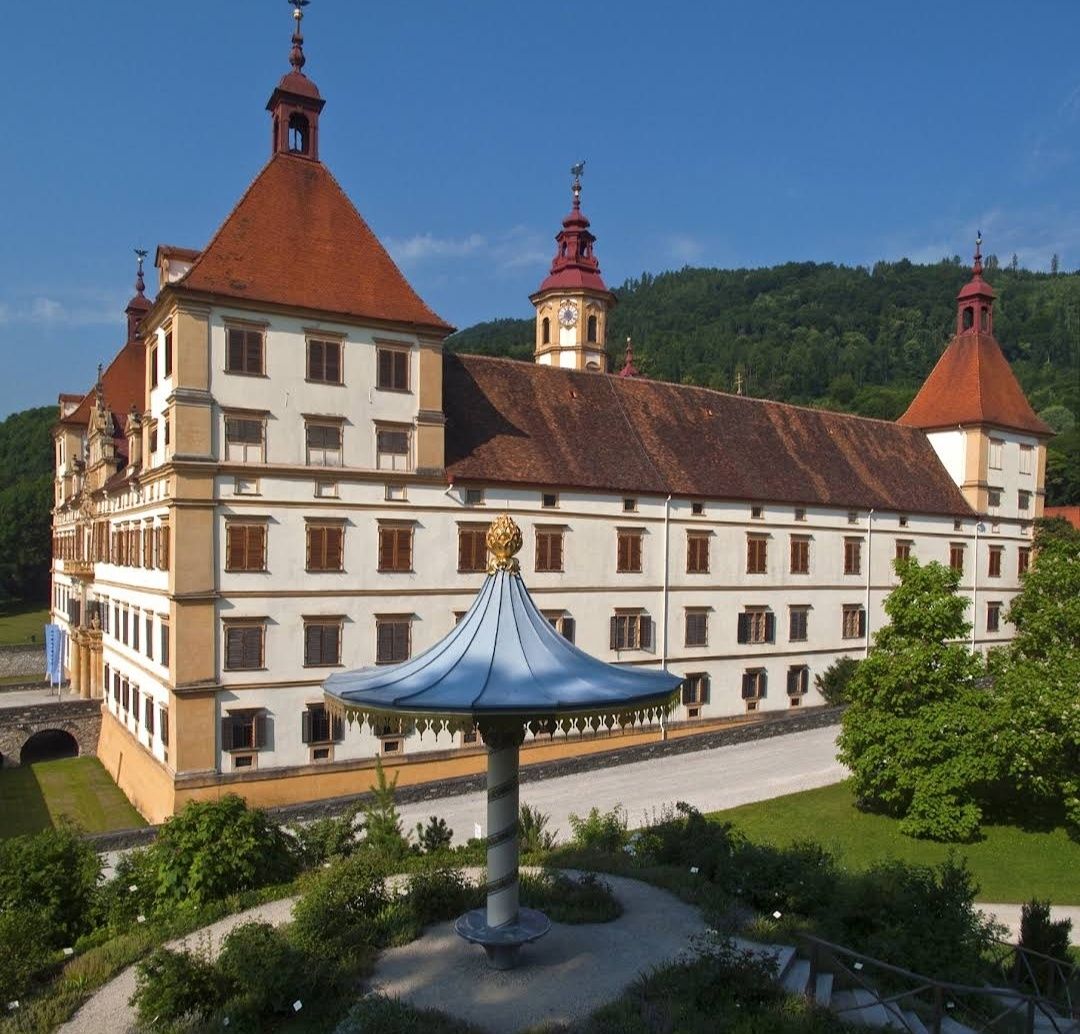
## Description Schloss Eggenberg (also known as Eggenberg Palace) is an extraordinary Baroque masterpiece perched on the western edge of Graz. What truly sets it apart is its *architectural allegory of the cosmos*: every number in its layout holds symbolic meaning. With **365 exterior windows** (for each day of the year), **31 rooms per floor** (longest month), **24 state rooms** (hours of the day), and **4 corner towers** (seasons or directions), it's a meticulously designed celebration of time and space Inside, the **Planetary Room**—or *Planetensaal*—is a highlight: its ceiling and walls are adorned with astronomical imagery dating back to 1678. The frescoes assign the seven classical planets to weekdays, Roman gods, metals, and members of the Eggenberg family, while the walls are graced by the twelve zodiac signs **Little-known facts**: 1. The palace ingeniously incorporates a medieval Gothic chapel at its core—it was once a family chapel now embedded in the 17th-century layout 2. Hidden in the Japanese Cabinet was a centuries-old folding screen—a paravent depicting Osaka before 1615—which was only recognized post-restoration around 2001–04 --- ## Location Schloss Eggenberg is located in **Graz**, the capital of **Styria (Steiermark)**, **Austria**. The address is Eggenberger Allee 90, 8020 Graz ### How to get there: * From Graz city centre, take **tram line 1**—it’s a direct, scenic route and takes approximately 15 minutes * You can also opt for bus connections (e.g., bus 33 or 62) via nearby tram interchanges, especially useful for reaching the park’s various gate points --- ## Tips for a Great Visit * **Schedule a guided tour**: The lavish state rooms (Prunkräume) are accessible only with guidance, typically offered in German and English. The tour reveals the fascinating symbolic design and stories behind each room * **Visit the Planetary Room early** to beat crowds—it's the visual and symbolic centerpiece. * **Explore the gardens and park**: Entrance to the surrounding landscaped park is affordable (€2 for adults; students and youth 19–26 pay less; under 19 free). From spring to autumn, enjoy themed areas like the Planetengarten, Rose Garden, and all while sharing the space with freely roaming peacocks—a favorite for photos * **2025 STEIERMARK SCHAU special**: This anniversary exhibition (starting April 26, 2025) transforms the state rooms into immersive multimedia spaces exploring the backstories of the palace’s inhabitants—from chambermaids to barbers. Entry is free for this event * **Time your visit after April** if you wish to see interiors—during winter, the rooms remain closed to protect their original condition (no heating or electricity), though the park stays open * **Extend your museum experience**: With a valid ticket, you can also access the Alte Galerie, Archaeology Museum, and Münzkabinett located on site—all part of the Universalmuseum Joanneum --- ## Conclusion Schloss Eggenberg stands not only as one of Austria’s most exquisite Baroque palaces but also as a cosmic narrative carved in stone and fresco. Its unique blend of symbolism, history, and beauty—along with its serene park and evolving exhibitions—makes it a must-visit for anyone in Graz seeking culture within a meaningful, multi-layered architectural gem. --- ## FAQ **1. What makes Schloss Eggenberg unique?** Its architectural design is a calendar in stone—365 windows, 24 state rooms, 31 rooms per floor, and more—symbolizing time and cosmos. **2. Is the palace part of UNESCO World Heritage?** Yes, since 2010, alongside Graz’s historic centre. **3. Can you visit the interiors anytime?** No. The state rooms are typically open April to early November, accessible only via guided tour. They close in winter to preserve their untouched original state **4. What are the opening hours and ticket prices?** * **Park & gardens**: €2 for adults; students and youth get reduced rates; free for under-19s. * **Prunkräume & museums**: Around €15 for adults; youth discounts apply. Check updated hours—usually 10 am to 6 pm during open season **5. Is Schloss Eggenberg accessible via public transport?** Yes—tram line 1 runs directly from the centre to the palace area. Buses (33, 62) also serve the surrounding park entrances. **6. Are there areas suited for families?** Definitely—its expansive park includes playgrounds, thematic gardens like Planetengarten, peacocks, and picnic spots—perfect for a family outing. --- ## Useful Links * [Official Website](https://styriarte.com/en/locations/schloss-eggenberg/)
GemVoyage Team • World
Berlin
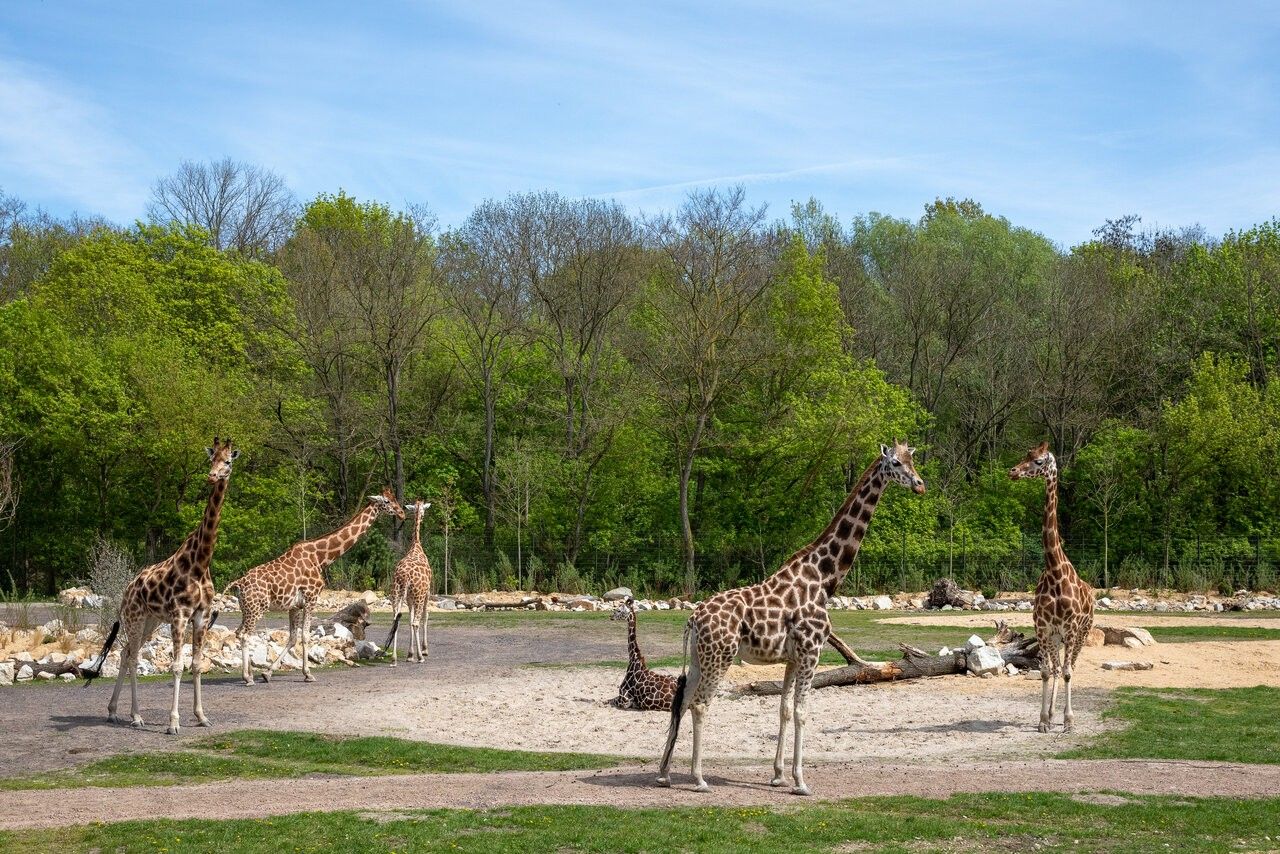
## Description Tierpark Berlin is one of the most impressive zoological parks in Europe and a standout attraction in the German capital. Unlike traditional city zoos, Tierpark Berlin is designed as a vast landscape park where animals live in spacious, naturalistic enclosures spread across rolling lawns, wooded areas, and historic parkland. With more than 160 hectares to explore, it offers a relaxed and immersive experience that feels closer to a nature reserve than a conventional zoo. What makes Tierpark Berlin truly unique is its scale and setting. It is the largest zoo in Europe by area, allowing animals such as elephants, giraffes, bison, and big cats to roam in environments that closely resemble their natural habitats. A little-known fact is that the zoo is located on the former grounds of Friedrichsfelde Palace, an 18th-century baroque residence that still stands at the heart of the park and is open to visitors. Another lesser-known detail is that Tierpark Berlin was established in 1955 in what was then East Berlin, serving as the counterpart to Zoo Berlin in the western part of the city during the Cold War. Today, Tierpark Berlin combines animal conservation, education, and leisure, making it especially appealing for families, nature lovers, and visitors seeking a slower-paced zoo experience. ## Location Tierpark Berlin is located in **Germany**, in the city-state of **Berlin**, within the **Lichtenberg** district. It lies in the eastern part of the city, surrounded by residential neighborhoods and green spaces. Getting there is simple using public transportation. The most convenient option is the U-Bahn (metro): take Line U5 to **Tierpark** station, which exits directly in front of the main entrance. Several bus and tram lines also stop nearby. For visitors traveling by car, parking is available close to the entrances, though public transport is generally the easiest and most efficient way to reach the zoo. ## Tips * Allow plenty of time for your visit; exploring Tierpark Berlin properly can take four to six hours or more. * Wear comfortable walking shoes, as distances inside the park are long. * Consider renting a wagon or using the park’s internal transport options if visiting with small children. * Bring snacks or enjoy one of the on-site cafés and restaurants, especially during longer visits. * Visit on weekdays or outside school holidays to enjoy a quieter atmosphere. * Check feeding times and animal talks in advance for a more educational experience. ## Conclusion Tierpark Berlin offers a unique zoo experience defined by space, greenery, and a strong focus on animal welfare. Its combination of wildlife, historic surroundings, and relaxed atmosphere makes it one of Berlin’s most rewarding attractions for visitors of all ages. ## FAQ **How is Tierpark Berlin different from Zoo Berlin?** Tierpark Berlin is much larger and more spacious, focusing on landscape-style enclosures, while Zoo Berlin is more compact and centrally located. **How long does a visit usually take?** Most visitors spend between four and six hours, though a full day is ideal for seeing everything at a relaxed pace. **Is Tierpark Berlin suitable for children?** Yes, it is very family-friendly, with playgrounds, open spaces, and child-focused facilities. **Is the zoo accessible for people with limited mobility?** Yes, the park has wide paths and is generally accessible, though the large size may require planning. **Can I visit Tierpark Berlin year-round?** Yes, the zoo is open throughout the year, with seasonal highlights in every season. ## Links * [Tierpark Berlin Official Website](https://www.tierpark-berlin.de) * [Visit Berlin Official Tourism Website](https://www.visitberlin.de)
GemVoyage Team • World


Comments