GemVoyage Team • World
A little-known fact: the park preserves several sites tied to Samogitian cultural identity, including local craft traditions and seasonal rites which are still observed in nearby villages. Another lesser-known element is the network of underwater archaeological finds in Plateliai Lake—remnants of older settlements and boating artifacts discovered by divers, now sometimes referenced by local guides.
The park’s mix of outdoor activity and intangible cultural heritage makes it a destination for nature lovers, photographers, and anyone interested in rural Lithuanian traditions. In addition to swimming and boating on the lake, there are marked hiking and cycling trails, observation points for birdwatching, and a few modest but charming guesthouses that connect visitors with local cuisine and hospitality.
How to get there: by car the most flexible option—use the A1/A11 roads from Kaunas or the route via Šiauliai depending on start point. From Vilnius, trains and buses to Telšiai or Plungė followed by a short local bus or taxi ride to Plateliai are practical. During summer tourist season local tour operators run trips that include lake boat trips and guided hikes.
Q: Can I rent boats or kayaks on the lake?
A: Yes, local operators in Plateliai rent boats and kayaks in season.
Q: Are there guided tours of the park?
A: Local guides and visitor centers can arrange guided hikes, birdwatching, and cultural visits—book ahead in high season.
Q: Is the park family-friendly?
A: Yes, with easy trails, picnic sites, and gentle water activities suitable for families.
Q: Are there marked cycling routes?
A: Yes, several mapped cycling routes traverse scenic roads and trails in the park.
Discover more hidden gems you might love.
Minneapolis
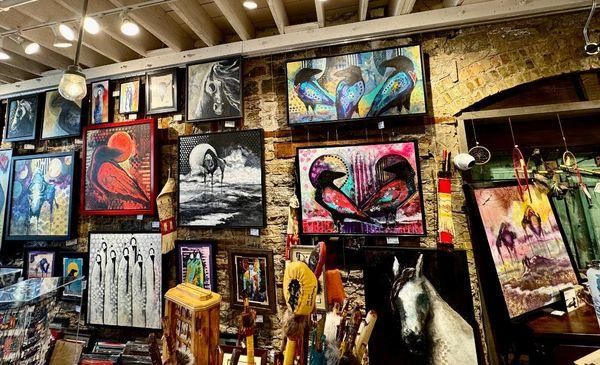
## Description Northland Visions is a well-known Native American shop in Minneapolis that celebrates Indigenous art, culture, and craftsmanship from across North America. More than just a retail space, the shop functions as a cultural bridge, offering visitors a meaningful opportunity to engage with Native traditions through authentic, ethically sourced items. The store features a wide range of products, including traditional and contemporary jewelry, beadwork, carvings, pottery, clothing, books, and ceremonial objects. What makes Northland Visions unique is its strong commitment to authenticity and Native representation. The shop works directly with Native American artists and communities, ensuring that the items sold are genuine and that artists are fairly compensated. A lesser-known fact is that Northland Visions has long been connected to the local Native community in Minnesota, particularly the Dakota and Ojibwe nations, making it an important cultural space as well as a business. Another interesting detail is that the shop often carries items connected to seasonal ceremonies and powwow culture, reflecting living traditions rather than static displays. For visitors interested in Indigenous culture, Northland Visions offers an experience rooted in respect, education, and cultural continuity. ## Location Northland Visions is located in the **United States**, in the state of **Minnesota**, within the city of **Minneapolis**. The shop is situated in the Powderhorn area of South Minneapolis, a neighborhood known for its strong community identity and cultural diversity. Visitors can reach the shop by car, public bus, or bicycle. Several Metro Transit bus routes serve the surrounding area, making it accessible from downtown Minneapolis and other neighborhoods. For those driving, street parking is generally available nearby. Using a navigation app is recommended for first-time visitors, as the shop is located in a primarily residential and commercial mixed-use area. ## Tips * Take time to ask staff about the origins and meanings of the items, as they are often happy to share cultural context. * If you are purchasing jewelry or artwork, inquire about the artist to better understand the piece’s background. * Be respectful when viewing or asking about ceremonial items, as some objects may have cultural restrictions. * Bring cash or a card, as most major payment methods are accepted. * Combine your visit with nearby local cafés or parks to explore more of South Minneapolis. * Check opening hours in advance, as they may vary seasonally or during cultural events. ## Conclusion Northland Visions offers a thoughtful and authentic introduction to Native American art and culture in Minneapolis. Through its carefully curated selection and strong community ties, the shop provides visitors with both meaningful purchases and a deeper cultural understanding. ## FAQ **Are the items at Northland Visions authentic?** Yes, the shop emphasizes genuine, Native-made products and works directly with Indigenous artists and communities. **Can I learn about the cultural significance of the items?** Yes, staff members are knowledgeable and often share information about the history and meaning behind many products. **Is Northland Visions suitable for tourists?** Absolutely. Visitors are welcome and often find the shop educational as well as culturally enriching. **Does the shop sell gifts and souvenirs?** Yes, it offers a wide range of items suitable for meaningful gifts, from small crafts to fine art pieces. **Is the shop accessible by public transportation?** Yes, multiple bus routes serve the area, making it accessible without a car. ## Links * [Northland Visions Official Website](https://www.northlandvisions.com) * [Explore Minneapolis](https://www.minneapolis.org)
GemVoyage Team • World
Zagreb
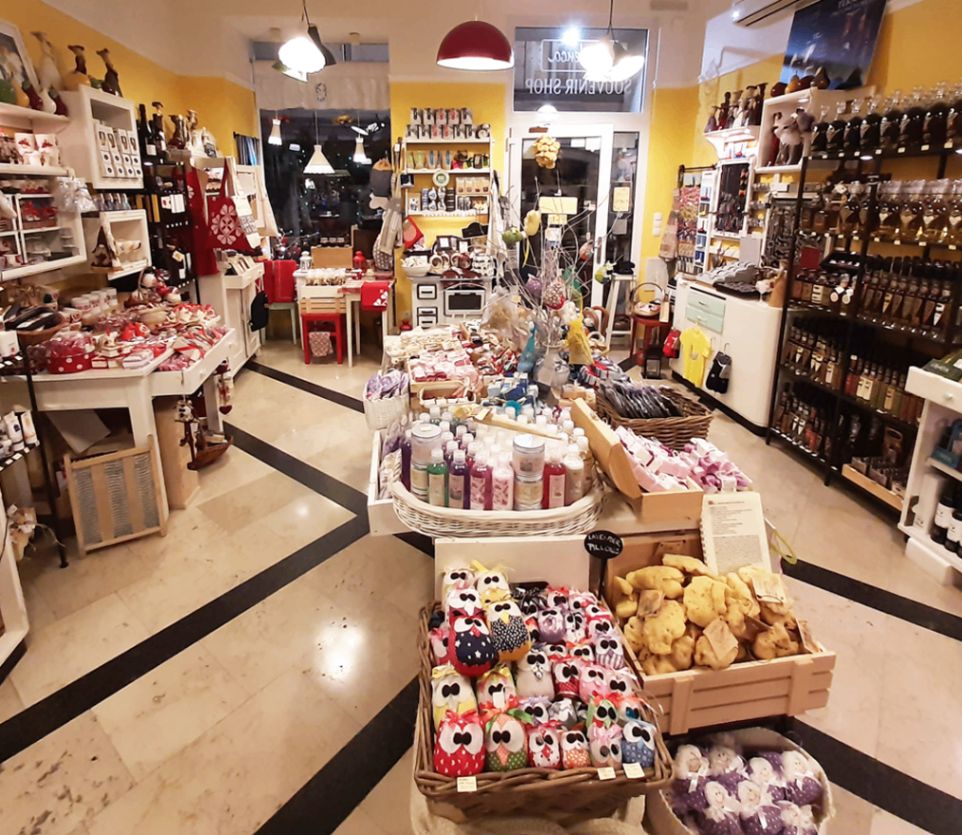
## Description **Kredenca gift shop** in Zagreb is more than just a souvenir store—it’s a showcase of authentic Croatian craftsmanship and flavors. Unlike typical tourist shops filled with mass-produced trinkets, Kredenca offers carefully curated items that represent the country’s rich cultural and culinary heritage. The shop specializes in traditional products like handmade ceramics, natural cosmetics, artisanal chocolates, honey, truffle-infused delicacies, and wines from various Croatian regions. Every item is selected to reflect the uniqueness of Croatia’s traditions and landscapes. One of the little-known facts about Kredenca is that it often collaborates directly with small local producers and family-run farms. This means that by buying something here, visitors are directly supporting Croatian artisans and preserving centuries-old skills. Another charming detail is that the store name “Kredenca” refers to a traditional kitchen cupboard found in Croatian homes, symbolizing a warm, welcoming, and authentic atmosphere. --- ## Location Kredenca is located in **Zagreb**, the capital city of **Croatia**, situated in the **Continental region** of the country. The shop sits right in the heart of the city at **Radićeva Street**, a lively pedestrian zone that connects Ban Jelačić Square with the historic Upper Town. This makes it a convenient stop for anyone exploring Zagreb’s main attractions, such as St. Mark’s Church, Dolac Market, or Tkalčićeva Street. ### How to get there: * If you’re already in the city center, the shop is just a short **walk from Ban Jelačić Square** (about 2–3 minutes). * Travelers arriving by tram can use any line that stops at Ban Jelačić Square and continue on foot. * For those coming from the central train or bus station, it’s a quick tram ride followed by a brief walk. --- ## Tips * **Look beyond souvenirs**: While there are charming trinkets and crafts, the highlight is the **food and drink section**. Many visitors recommend taking home a bottle of Croatian wine, locally made rakija (fruit brandy), or a jar of lavender honey. * **Ask for recommendations**: The staff are known for their friendliness and knowledge—they’ll happily explain the origins of products and suggest the best gifts depending on your budget. * **Taste before you buy**: Some products, especially wines, olive oils, and chocolates, may be available for tasting. Don’t hesitate to ask. * **Visit during weekdays**: The shop can get busy during weekends when tourists flock to the Upper Town. Weekdays usually offer a calmer shopping experience. * **Bring some extra space in your luggage**: Many of the items, like bottles and jars, are best carried in checked baggage if you’re flying home. --- ## Conclusion Kredenca isn’t just a place to pick up a souvenir—it’s a destination that captures the spirit of Croatia in every product it sells. With its mix of artisanal foods, handmade crafts, and unique keepsakes, the shop offers visitors a chance to take home more than just a memory; it’s a way to carry a piece of Croatia’s heritage with you. Whether you’re looking for a thoughtful gift or a treat for yourself, Kredenca is a must-visit while exploring Zagreb. --- ## FAQ **1. What makes Kredenca different from other souvenir shops in Zagreb?** Kredenca focuses on authentic, locally produced items rather than mass-produced souvenirs, giving you a true taste of Croatian culture. **2. Does the shop only sell food and drinks?** No. While food and drinks are highlights, the shop also carries handmade ceramics, natural cosmetics, traditional textiles, and more. **3. Can I sample products before purchasing?** Yes, some items such as wines, olive oils, or chocolates are available for tasting, depending on the day and stock. **4. Is Kredenca located near major attractions?** Yes, it’s right off Ban Jelačić Square, within walking distance of Dolac Market, Tkalčićeva Street, and the Upper Town. **5. Are the products suitable as gifts to bring abroad?** Absolutely—many items are travel-friendly, though it’s best to pack liquids and fragile items in checked luggage if you’re flying. **6. Do they accept credit cards?** Yes, Kredenca accepts major credit cards in addition to cash, making purchases easy for international visitors. --- ## Links * [Official Kredenca Website](https://www.kredenca.com/)
GemVoyage Team • World
Chicago
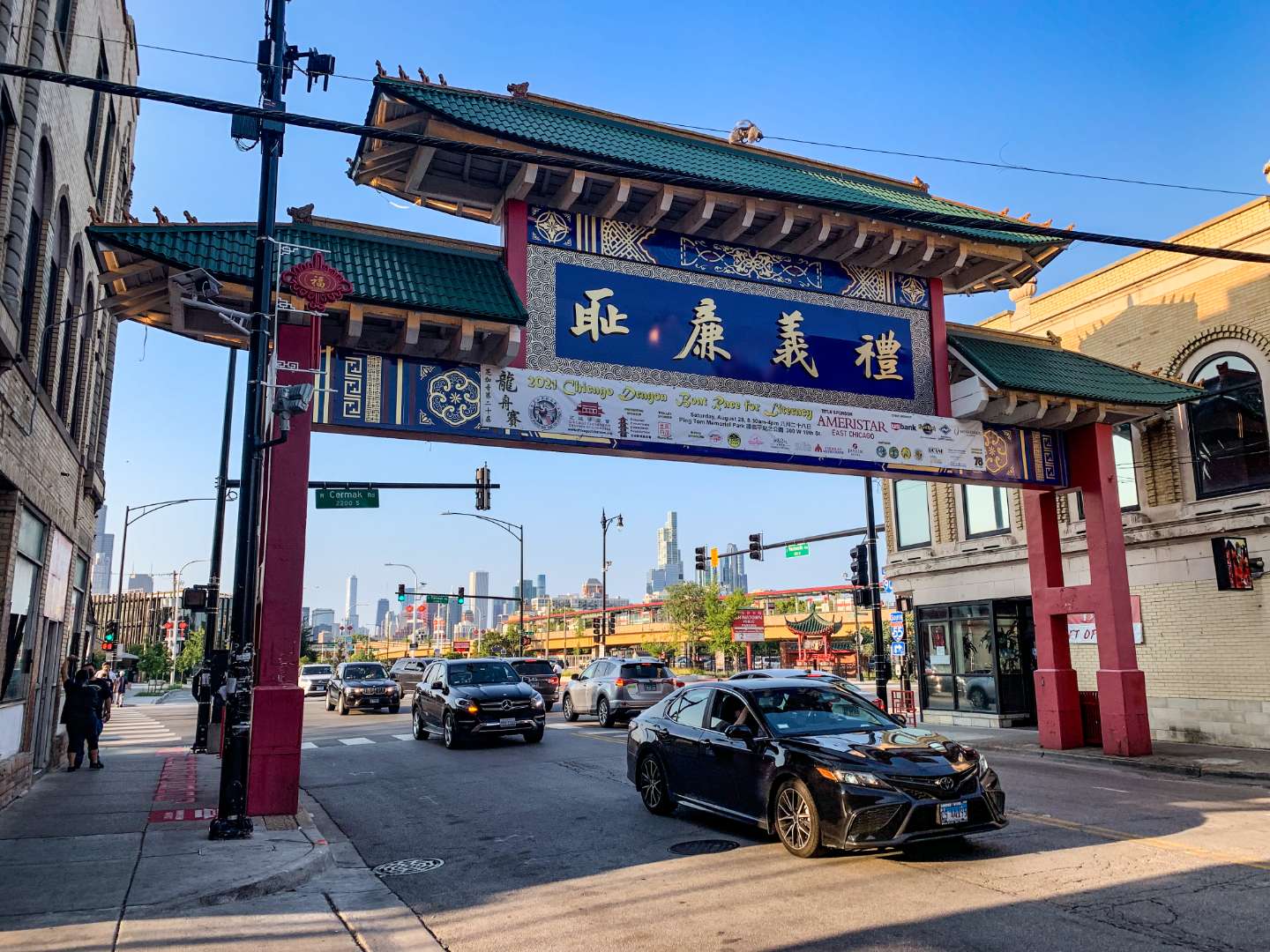
## Description Chicago’s Chinatown is a vibrant, historic neighborhood that offers a rich tapestry of culture, cuisine, and community. Established in its current location in 1912, Chinatown is one of the oldest and most dynamic Chinese-American enclaves in the United States. Located on the South Side of Chicago, it’s a place where tradition meets modernity—where you can sip bubble tea in a sleek café and then step into a century-old herbal shop just down the street. The neighborhood is anchored by the iconic Chinatown Gate on Wentworth Avenue, a symbol of welcome and cultural pride. Beyond the gate lies a bustling corridor filled with dim sum restaurants, bakeries, gift shops, and grocery stores stocked with imported goods. Chinatown Square, a two-level outdoor mall inspired by Chinese imperial architecture, features statues of the twelve zodiac animals and hosts seasonal performances and festivals. A little-known fact: the design of the Chinatown Gate was inspired by a gate in Beijing and was completed in 1975. Another hidden gem is the Chinese American Museum of Chicago, housed in a former grocery store and offering exhibits on immigration, community history, and cultural heritage. ## Location Chicago Chinatown is located in the **United States**, in the **state of Illinois**, within the **city of Chicago**. It sits in the **Armour Square** community area, primarily along **South Wentworth Avenue**, between **Cermak Road** and **W. 26th Street**. ### How to Get There: - **By Train**: Take the CTA Red Line to Cermak-Chinatown Station. The entrance to Chinatown is just steps away. - **By Bus**: Several CTA bus routes, including the 24 and 62, stop near Chinatown. - **By Car**: Parking is available in designated lots and metered spots, but public transit is recommended due to limited space. - **By Water Taxi**: In warmer months, you can take a scenic water taxi from downtown to Ping Tom Memorial Park, located in Chinatown. Its accessibility and proximity to downtown Chicago make it a convenient and rewarding destination for locals and tourists alike. ## Tips for Visitors To make the most of your visit to Chicago Chinatown, consider these tips: - **Come Hungry**: The neighborhood is a culinary paradise. Try dim sum at MingHin Cuisine or hand-pulled noodles at Lao Sze Chuan. - **Explore Chinatown Square**: This open-air plaza is perfect for shopping, dining, and snapping photos with zodiac statues. - **Visit Ping Tom Memorial Park**: A peaceful riverside park with skyline views, ideal for a picnic or a stroll. - **Check the Calendar**: Chinatown hosts vibrant events like the Lunar New Year Parade and the Summer Fair. - **Take a Walking Tour**: The Chicago Chinese Cultural Institute offers guided tours that delve into the neighborhood’s history and architecture. - **Bring Cash**: While many places accept cards, some smaller shops and eateries prefer cash. ## Conclusion Chicago Chinatown is a dynamic blend of history, culture, and flavor. Whether you're indulging in authentic cuisine, learning about Chinese-American heritage, or simply soaking in the atmosphere, this neighborhood offers a memorable experience that reflects the spirit of its community. ## FAQ **1. Is Chicago Chinatown safe to visit?** Yes, it’s generally safe and welcoming. As with any urban area, stay aware of your surroundings. **2. What is the best time to visit Chinatown?** Weekends offer the most energy and activity, especially during festivals. Weekdays are quieter and ideal for relaxed exploration. **3. Are there vegetarian or vegan options in Chinatown?** Yes, many restaurants offer plant-based dishes, especially tofu and vegetable stir-fries. **4. Is Chinatown family-friendly?** Absolutely. Kids will enjoy the colorful shops, parks, and cultural events. **5. Can I find souvenirs in Chinatown?** Yes, from traditional teas and ceramics to novelty gifts and zodiac-themed items. **6. Is there parking available?** Limited street parking and paid lots are available, but public transit is often more convenient. ## Links - [Chicago Chinatown – Wikipedia Overview](https://en.wikipedia.org/wiki/Chinatown,_Chicago)
GemVoyage Team • World
Shirahama
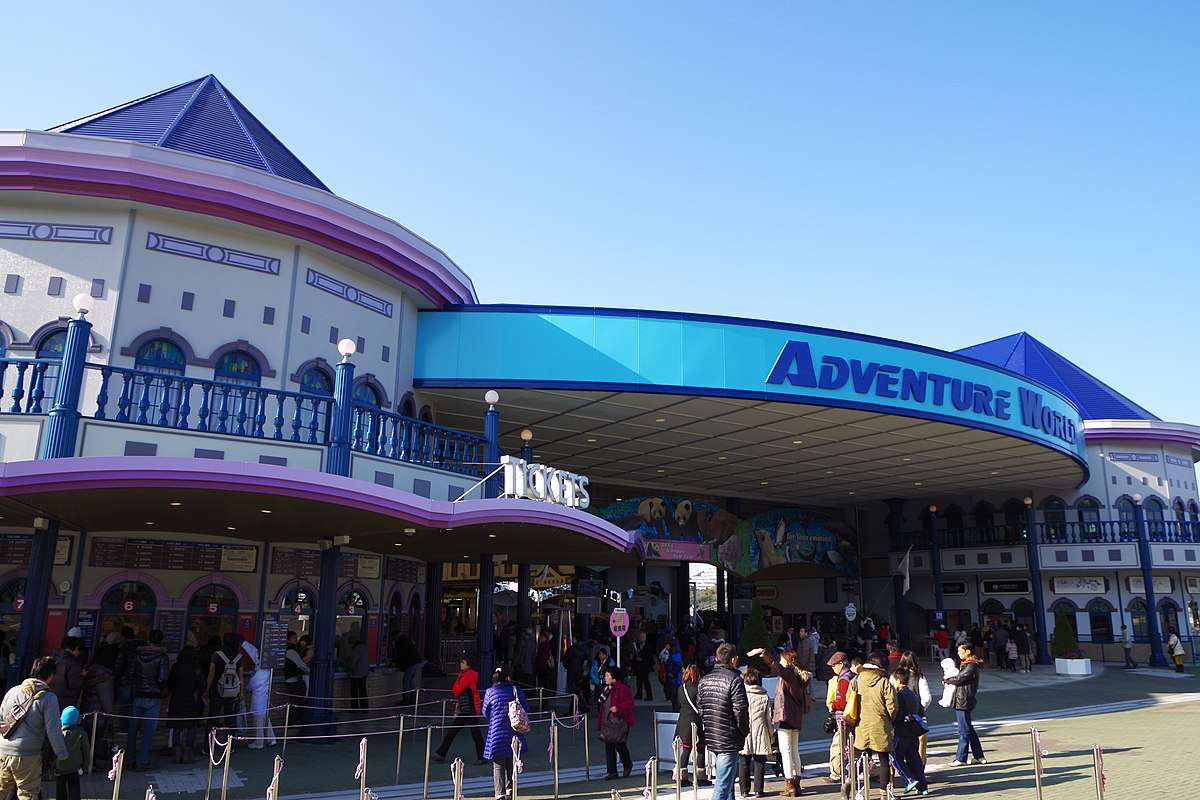
## Description Adventure World in Japan is a one-of-a-kind destination that seamlessly blends the excitement of an amusement park with the wonder of a zoo and the serenity of an aquarium. Located in the coastal town of Shirahama, Wakayama Prefecture, this sprawling complex offers a full day—or more—of entertainment for families, animal lovers, and thrill-seekers alike. What makes Adventure World truly unique is its immersive approach to connecting humans, animals, and nature, all under the motto of “Smile for Everyone.” The park is especially famous for its giant panda breeding program, which is the most successful outside of mainland China. Adventure World has bred more pandas than any other facility in Japan, and visitors can observe these beloved creatures in the “Panda Love” zone, where they roam freely in spacious enclosures. The park is also home to dolphins, sea lions, flamingos, elephants, and even cheetahs, all housed in thoughtfully designed habitats. A little-known fact: Adventure World operates as the Japanese branch of the Chengdu Giant Panda Research Base, and its panda ambassadors have even been appointed as mascots for traffic safety campaigns in Wakayama Prefecture. Another quirky detail—visitors can rent golf carts to explore the Safari World zone, provided they have a valid Japanese or international driver’s license. ## Location Adventure World is located in **Japan**, within the **Kansai Region**, in the town of **Shirahama**, **Wakayama Prefecture**. The park sits near the Pacific coast, offering scenic views and easy access to other local attractions like Shirahama Beach and the Sandanbeki cliffs. ### How to Get There: - **By Train**: Take the JR Limited Express Kuroshio from Shin-Osaka Station to Shirahama Station (approx. 2.5 hours). From there, it’s a 20-minute bus ride to the park. - **By Air**: Fly into Nanki-Shirahama Airport, which is just a 5-minute drive from Adventure World. - **By Car**: From Osaka, it’s about a 2.5-hour drive via the Hanwa Expressway. Parking is available on-site. Its proximity to both the airport and train station makes it a convenient destination for domestic and international travelers. ## Tips for Visitors To make the most of your visit to Adventure World, consider these tips: - **Arrive Early**: The park opens at 10:00 AM, and arriving early helps you beat the crowds and catch the morning animal feedings. - **Buy Tickets Online**: Advance purchase is recommended to avoid long lines and ensure availability, especially during weekends and holidays. - **Don’t Miss the Shows**: The dolphin and sea lion performances are crowd favorites and showcase impressive aquatic acrobatics. - **Use the Safari Kart**: If you have a valid license, rent a golf cart to explore the Safari World zone—it’s fun and saves time. - **Pack Light**: The park is large, so wear comfortable shoes and bring essentials like sunscreen, water, and a camera. - **Explore the Food Options**: From themed cafés to local Wakayama cuisine, there’s a variety of dining choices inside the park. ## Conclusion Adventure World is a vibrant fusion of wildlife, entertainment, and education. With its world-class panda program, thrilling rides, and interactive animal zones, it offers a joyful and enriching experience for visitors of all ages. Whether you're traveling solo or with family, this park is a must-see gem in southern Japan. ## FAQ **1. What are the opening hours of Adventure World?** Typically, the park is open from 10:00 AM to 5:00 PM. Hours may vary seasonally. **2. Is Adventure World suitable for young children?** Yes, the park is family-friendly with attractions and animal zones designed for all age groups. **3. Can I interact with animals at the park?** Yes, there are designated areas where you can feed or observe animals up close, including capybaras, giraffes, and penguins. **4. Are there any multilingual services available?** Basic English signage is available, but guided tours are primarily in Japanese. It’s helpful to download a translation app. **5. Is there a discount for group or family tickets?** Yes, group rates and family packages are available. Check the official website for details. **6. Can I bring my own food into the park?** Outside food is generally not allowed, but there are plenty of dining options inside. ## Links - [Adventure World Official Website](https://www.aws-s.com/en) - [Adventure World – Wikipedia](https://en.wikipedia.org/wiki/Adventure_World_%28Japan%29)
GemVoyage Team • World
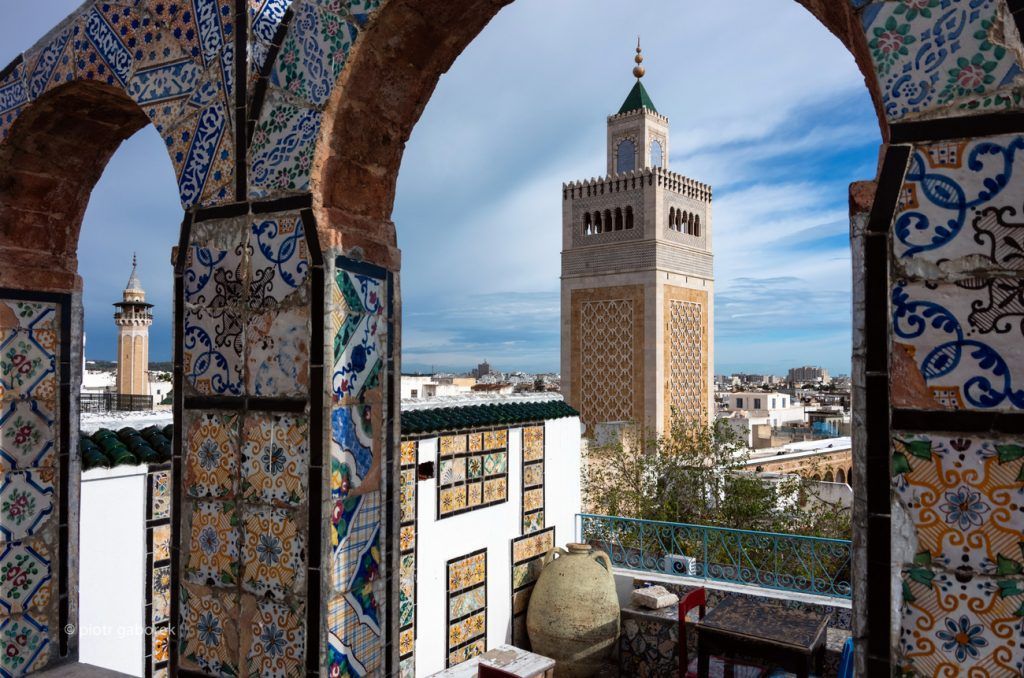
Tunis
## Description The Medina of Tunis is one of the most atmospheric historic districts in North Africa and a place where the city’s long history remains fully visible in everyday life. Unlike a museum or a single monument, the medina is an urban fabric: alleys, courtyards, markets, religious buildings, craft spaces, and homes woven together over centuries. That makes it one of the best places to understand Tunis not as a modern capital only, but as a layered historic city with strong social continuity. What makes the medina memorable is the density of experience. You can walk from a bustling souk to a quiet courtyard, from a textile shop to a mosque exterior, from a spice stall to a passage that suddenly narrows and feels much older than the streets around it. The medina rewards patience. It is not about racing from one famous stop to the next. It is about absorbing the patterns of city life that have persisted across different eras of Tunisian history. One lesser-known fact is that the Medina of Tunis is recognized for its remarkable urban heritage and has long been one of the best-preserved historic centers in the Arab world. Another is that its value comes not just from architecture, but from how the district still functions as a living place of commerce and social exchange. The medina is not preserved by being frozen. It stays alive because people keep using it. For travelers, the medina is especially rewarding if you enjoy walking and observing. It can feel both lively and intimate, with frequent shifts in sound, color, and pace. There is also a strong sense of continuity here: traditional crafts, local commerce, historic religious landmarks, and everyday errands all happen in the same urban landscape. That gives the experience depth. You are not only seeing old streets; you are moving through a system that still shapes modern Tunis. ## Location The Medina of Tunis is in central Tunis, Tunisia, forming the historic core of the capital. Its location makes it one of the easiest major heritage districts to incorporate into a city visit. The best way to explore it is on foot. Depending on where you are staying, you can reach it by taxi, local transport, or a short walk from central areas. Once inside, walking is the only practical way to experience the medina properly, because the network of streets is part of the attraction. If you are using a guide or map, it can help at the start, but some of the best moments come from simply following the flow of streets and letting the district unfold. The medina is also a good anchor point for a broader Tunis day. You can pair it with a museum visit, a café stop, or another historic site and still keep the whole itinerary manageable. ## Tips Wear comfortable shoes, because you will likely walk more than you expect across uneven or tightly packed streets. Respect local customs, especially around religious buildings and private areas. The medina is a living district, not only a tourist zone. Leave room in your schedule for spontaneous stops. The best discoveries often come from unexpectedly turning into a market lane or noticing a craft workshop. If you want a calmer experience, go earlier in the day. Later hours can be busier and more intense, which can be rewarding too but less relaxed. ## Conclusion The Medina of Tunis is one of the city’s most important attractions because it preserves the historic texture of Tunisian urban life. It is essential for travelers who want a real sense of place rather than a single landmark. ## FAQ **What is the Medina of Tunis?** It is the historic old city center of Tunis, filled with markets, religious buildings, and traditional streets. **Is it safe and easy to visit?** Yes, though like any busy historic district, it is best explored with normal city awareness and respect. **How long should I plan for a visit?** At least two to three hours if you want to explore it properly. **Is it a good place to shop?** Yes. It is known for local commerce, crafts, and market activity. **Should I hire a guide?** Not strictly necessary, but a guide can help if you want deeper historical context. ## Links - [UNESCO World Heritage information](https://whc.unesco.org/en/list/36/) - [Wikipedia](https://en.wikipedia.org/wiki/Medina_of_Tunis)
GemVoyage Team • World

Seoul
## Description Oil Tank Culture Park is an inventive urban redevelopment project that transforms obsolete oil storage tanks near Hapjeong into a layered cultural complex. The site is notable for its adaptive reuse approach: industrial silos and tanks were structurally preserved and repurposed as galleries, performance spaces, and community areas. The result is a tactile mix of heavy industrial surfaces and light-filled cultural rooms—an atmospheric contrast that frequently features in discussions about sustainable urban design and creative placemaking. Programming at the Oil Tank Culture Park combines curated exhibitions with community-driven activities. The large circular tanks are used for immersive installations and concerts; smaller adjacent spaces host workshops, film screenings, and local markets. The park’s outdoor terraces and green roofs provide vantage points for both the site itself and views across nearby neighborhoods, creating a sequence of experiences that shift between enclosed, resonant tanks and open, landscaped terraces. For visitors interested in architecture, industrial heritage, or contemporary culture, the site offers multiple points of fascination. Preservation choices—retaining the tanks’ raw metal texture, exposing concrete rings, and inserting slender circulation elements—make the site legible as both a former industrial hub and a cultural incubator. The park’s programming often foregrounds sustainability themes, community participation, and experimental performance formats. ## Location The Oil Tank Culture Park is located in Mapo-gu, Seoul, close to Hapjeong station and within walking distance of the World Cup Stadium area. It is well served by subway lines and local buses, and its signage makes it straightforward for international visitors to find. The park is frequently combined in itineraries with nearby Hongdae’s nightlife and Mangwon’s markets. ## Tips - Check the cultural calendar before visiting—special exhibitions and ticketed concerts are common and may require advance booking. - Wear comfortable shoes and expect varying surfaces: pathways range from concrete tank platforms to landscaped terraces. - Bring a light layer for rooftop areas and evening events—the wind can be brisk on exposed terraces. - Combine a visit with nearby Hongdae for dinner or an evening out; the area offers many small restaurants and cafés. - Respect installation boundaries and photography rules within exhibition spaces—some shows restrict flash or tripod use. ## Conclusion Oil Tank Culture Park is a striking example of how industrial heritage can be repurposed into vibrant public culture. It rewards visitors with a mix of dramatic industrial architecture, innovative programming, and a neighborhood-friendly atmosphere—ideal for architecture enthusiasts, cultural explorers, and people who enjoy offbeat urban sites. ## FAQ Q: Are events free? A: Some events and exhibitions are free to the public; larger performances, immersive shows, and special exhibitions may require tickets—check each event’s listing. Q: Is the site wheelchair accessible? A: The park includes ramps and accessible routes, though some older industrial areas may present challenges—contact the venue for detailed accessibility maps. Q: Can I photograph the tanks and installations? A: General photography is usually allowed in public spaces, but specific exhibitions may restrict photography—always check signage or ask staff. Q: Are there food and drink options on-site? A: Occasional pop-up vendors and nearby cafés supply food and drink during events; full-service restaurants are more common in surrounding neighborhoods. Q: Is there parking? A: On-site parking is limited; public transport is the recommended way to visit. ## Links - [Oil Tank Culture Park](https://www.theseoulguide.com/oil-tank-culture-park/)
GemVoyage Team • World


Comments