Discover extraordinary places shared by our community of travelers
Seoul
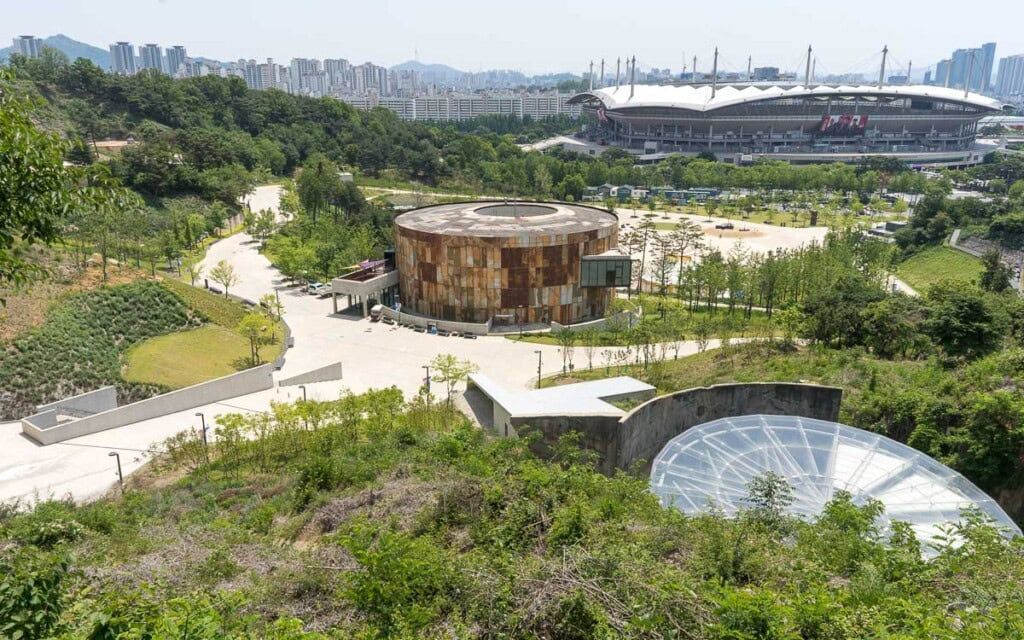
## Description Oil Tank Culture Park is an inventive urban redevelopment project that transforms obsolete oil storage tanks near Hapjeong into a layered cultural complex. The site is notable for its adaptive reuse approach: industrial silos and tanks were structurally preserved and repurposed as galleries, performance spaces, and community areas. The result is a tactile mix of heavy industrial surfaces and light-filled cultural rooms—an atmospheric contrast that frequently features in discussions about sustainable urban design and creative placemaking. Programming at the Oil Tank Culture Park combines curated exhibitions with community-driven activities. The large circular tanks are used for immersive installations and concerts; smaller adjacent spaces host workshops, film screenings, and local markets. The park’s outdoor terraces and green roofs provide vantage points for both the site itself and views across nearby neighborhoods, creating a sequence of experiences that shift between enclosed, resonant tanks and open, landscaped terraces. For visitors interested in architecture, industrial heritage, or contemporary culture, the site offers multiple points of fascination. Preservation choices—retaining the tanks’ raw metal texture, exposing concrete rings, and inserting slender circulation elements—make the site legible as both a former industrial hub and a cultural incubator. The park’s programming often foregrounds sustainability themes, community participation, and experimental performance formats. ## Location The Oil Tank Culture Park is located in Mapo-gu, Seoul, close to Hapjeong station and within walking distance of the World Cup Stadium area. It is well served by subway lines and local buses, and its signage makes it straightforward for international visitors to find. The park is frequently combined in itineraries with nearby Hongdae’s nightlife and Mangwon’s markets. ## Tips - Check the cultural calendar before visiting—special exhibitions and ticketed concerts are common and may require advance booking. - Wear comfortable shoes and expect varying surfaces: pathways range from concrete tank platforms to landscaped terraces. - Bring a light layer for rooftop areas and evening events—the wind can be brisk on exposed terraces. - Combine a visit with nearby Hongdae for dinner or an evening out; the area offers many small restaurants and cafés. - Respect installation boundaries and photography rules within exhibition spaces—some shows restrict flash or tripod use. ## Conclusion Oil Tank Culture Park is a striking example of how industrial heritage can be repurposed into vibrant public culture. It rewards visitors with a mix of dramatic industrial architecture, innovative programming, and a neighborhood-friendly atmosphere—ideal for architecture enthusiasts, cultural explorers, and people who enjoy offbeat urban sites. ## FAQ Q: Are events free? A: Some events and exhibitions are free to the public; larger performances, immersive shows, and special exhibitions may require tickets—check each event’s listing. Q: Is the site wheelchair accessible? A: The park includes ramps and accessible routes, though some older industrial areas may present challenges—contact the venue for detailed accessibility maps. Q: Can I photograph the tanks and installations? A: General photography is usually allowed in public spaces, but specific exhibitions may restrict photography—always check signage or ask staff. Q: Are there food and drink options on-site? A: Occasional pop-up vendors and nearby cafés supply food and drink during events; full-service restaurants are more common in surrounding neighborhoods. Q: Is there parking? A: On-site parking is limited; public transport is the recommended way to visit. ## Links - [Oil Tank Culture Park](https://www.theseoulguide.com/oil-tank-culture-park/)
GemVoyage Team • World
Seoul
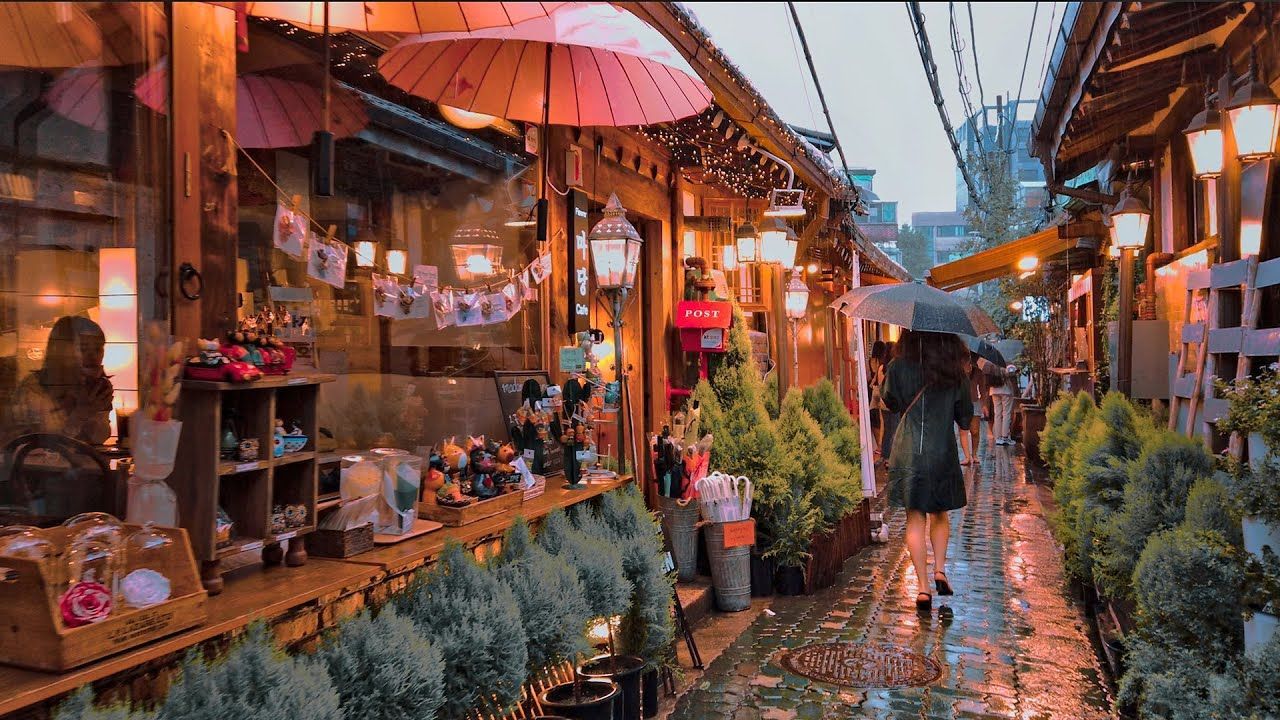
## Description Ikseon-dong Hanok Village is a compact, walkable district of restored traditional Korean houses (hanok) that has quietly become one of Seoul’s most charming destinations for visitors who prefer intimate, offbeat experiences. Narrow alleys thread between low-slung wooden eaves and tiled roofs, leading to a concentration of independently run cafes, craft shops, design ateliers, small restaurants, and boutique guesthouses. What makes Ikseon-dong compelling is its layered character: from a distance it reads as preserved tradition, but up close you’ll find contemporary interiors, modern light fixtures, and bold small-business design that sits harmoniously within historic exteriors. Many of the hanok are careful restorations completed in the last decade, which means you get the visual poetry of old Seoul with the conveniences and comforts of modern hospitality. The neighborhood is an excellent example of sensitive urban revitalization—locals and entrepreneurs have repurposed former residential clusters into a dense network of micro-businesses that reward slow exploration. Ikseon-dong’s scale is part of its appeal: where larger hanok districts can feel staged or touristy, here the alleys are intimate and discoveries are often serendipitous—an influential ceramicist around the corner, a tiny cocktail bar behind a lacquered doorway, a handcrafted stationery shop tucked beneath an old roof. ## Location Ikseon-dong sits in Jongno-gu in central Seoul, a short walk from Jongno 3-ga station and easily combined with visits to nearby cultural anchors like Changdeokgung Palace and Insadong. For many travelers, Ikseon-dong makes a great half-day detour from the palace circuit: it’s compact enough to be explored on foot and centrally located so you can move quickly between historic sites, galleries, and dining options. ## Tips - Explore deliberately: walk slowly, follow side alleys, and allow time to peek into courtyards and small doorways—some of the best cafes and shops are not visible from main lanes. - Try specialty menus: many cafes in Ikseon-dong focus on single-origin coffee, artisanal teas, or themed tasting menus—ask staff for recommendations and seasonal specials. - Respect residents: while the area is visitor-friendly, many hanok still function as private homes or small businesses; be mindful when photographing doorways and courtyards. - Visit at different times: morning light highlights wooden details and offers quieter streets, whereas evenings bring lantern-lit alleys and a more atmospheric café-and-bar scene. - Accessibility note: alleys can be narrow with occasional steps; check individual venues for wheelchair access before visiting. ## Conclusion Ikseon-dong is a delightful micro-neighborhood that reimagines traditional architecture for modern urban culture. It’s ideal for café-hopping, thoughtful shopping, photography, and discovering small-scale craftsmanship. The district rewards curiosity: the more time you give it, the more layered the experience becomes—historic textures, contemporary comforts, and a localized creative energy that feels authentically Seoul. ## FAQ Q: Is Ikseon-dong very touristy? A: It has grown in popularity but remains smaller and more intimate than other hanok districts like Bukchon; mornings are generally quieter. Q: Are there places to stay in Ikseon-dong? A: Yes, a handful of boutique hanok guesthouses and small guest accommodations offer overnight stays—book early for weekends. Q: What’s the best time of day to visit? A: Early morning for quiet exploration and late afternoon into evening for lantern-lit ambiance and café culture. Q: Is it wheelchair accessible? A: The historic alleys have uneven paving and steps in places—accessibility varies by venue; call ahead for specific locations. Q: Can I take photos freely? A: Public areas are fine for photography, but be respectful in private courtyards and ask permission before photographing people or inside shops. ## Links - [Korean Travel Guide](https://english.visitkorea.or.kr)
GemVoyage Team • World
Rome
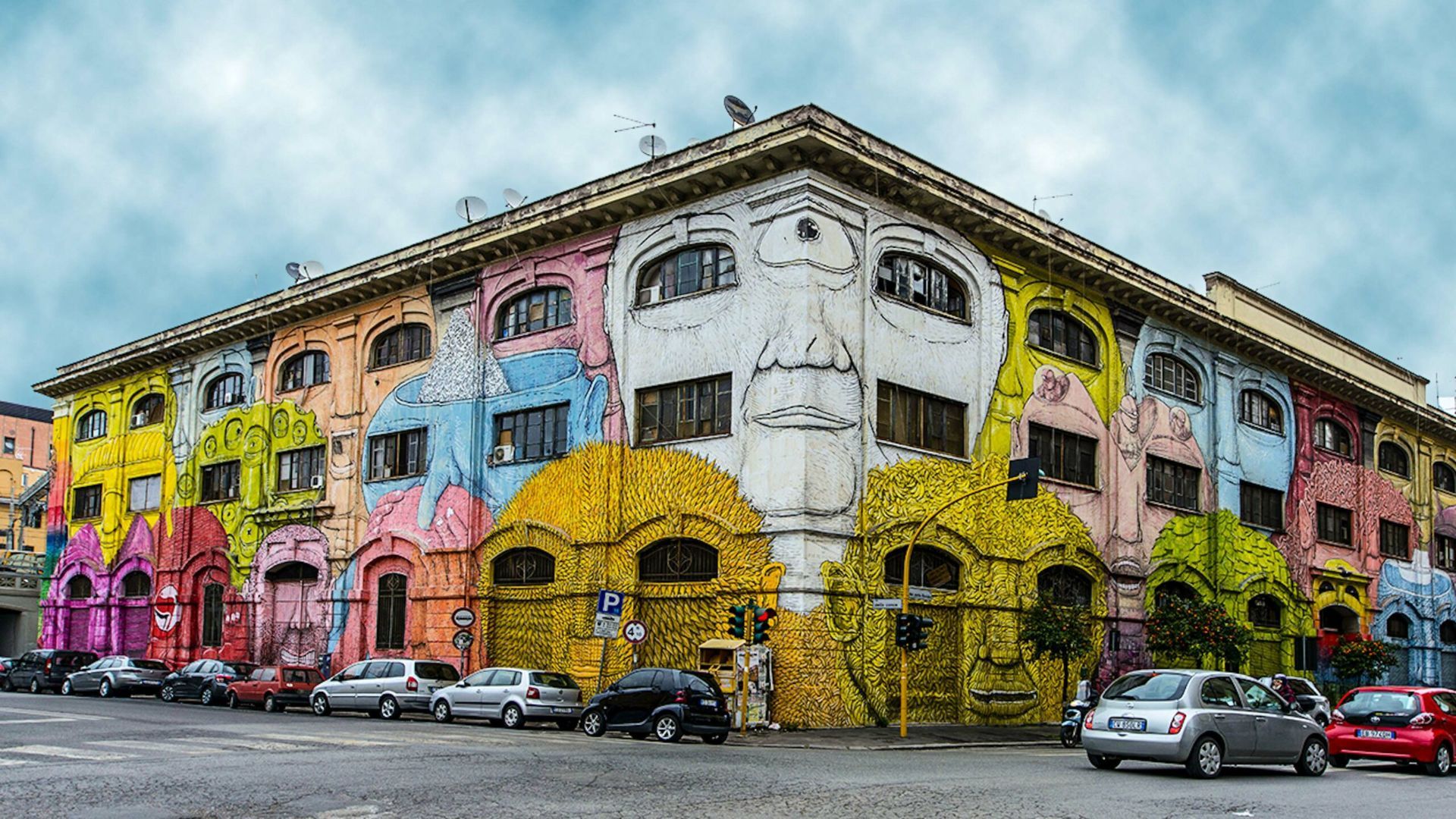
## Description Ostiense in Rome is a neighborhood that quietly combines industrial history, creative reinvention, and a growing street-art scene. Long overlooked in favor of the city’s classical core, Ostiense has become a canvas for large-scale murals, community art projects, and cultural venues that repurpose former warehouses and factories. The area’s atmosphere is energetic and contemporary—the kind of place where gritty, working-class textures meet curated cafes, design-driven restaurants, and cultural centers. One lesser-known detail: many of the murals and public artworks here are the result of organized collaborations between international and Italian artists, local associations, and municipal regeneration programs, meaning the pieces often reflect a distinct local voice rather than random tagging. Ostiense is also notable for nearby cultural institutions such as Centrale Montemartini—an arresting museum that juxtaposes classical sculpture with industrial architecture—as well as evolving food halls and waterfront promenades that add to the neighborhood’s appeal. The daily rhythm here is different from Rome’s historic center: it’s more local, less hurried, and often the setting for pop-up markets, gallery openings, and late-night dining. ## Location Ostiense lies south of Rome’s historic center, adjacent to Stazione Ostiense and the Gasometro area. The neighborhood is easily reachable by metro (Piramide station on Line B), regional trains, and buses, making it convenient for travelers who want to pair a visit with nearby attractions or evening dining options. ## Tips - Walk the streets deliberately and allow time for visual discoveries—large murals and hidden installations are often tucked down industrial lanes. - Consider a guided street-art tour to gain context on the murals, the artists, and the local regeneration efforts that funded them. - Combine visits with cultural stops: Centrale Montemartini, the former Gasometro, and nearby food markets offer a rounded itinerary. - Respect private property and photograph from public sidewalks—some murals occupy private building facades. - Best times: weekday afternoons for quieter explorations, and early evenings for the dining scene; weekends may have markets and events. ## Conclusion Ostiense offers a living gallery of contemporary street art woven into an urban tapestry of industrial heritage and modern cultural life. For travelers who appreciate street art, creative urban renewal, and a less-touristed side of Rome, Ostiense is a rewarding stop that captures both local momentum and adventurous city-making. ## FAQ Q: Are Ostiense’s murals permanent? A: Many are long-term projects, but street art can be transient—check local galleries or tour operators for the most current highlights. Q: Are guided street-art tours available? A: Yes; several local guides and cultural organizations run walking tours that explain the art, artists, and history behind the works. Q: Is Ostiense safe to visit at night? A: Generally yes—areas around the train station and main streets are lively at night, though standard urban caution is advised in quieter lanes. Q: Can I photograph the murals? A: Absolutely; murals in public spaces are typically fine to photograph—avoid obstructing traffic or private entrances while shooting. Q: What else is nearby to pair with an Ostiense visit? A: Centrale Montemartini, food halls, and the riverside promenade are excellent nearby additions. ## Links - [Ostiense](https://www.partir-a-rome.com/quartiers-rome/ostiense-tor-marancia)
GemVoyage Team • World
