Discover extraordinary places shared by our community of travelers
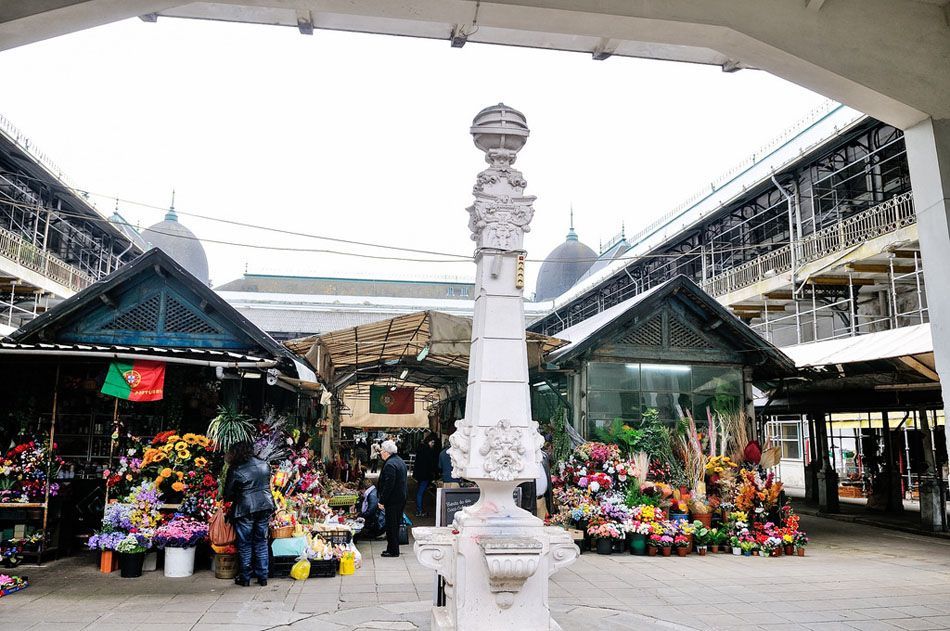
Porto
## Description Mercado do Bolhão is one of Porto's most recognizable landmarks because it feels less like a tourist stop and more like a living portrait of the city itself. Set in the center of Porto, this historic market brings together local farmers, fishmongers, florists, butchers, cheese sellers, and small food stalls under a structure that has long been tied to the daily rhythm of the city. What makes it special is not only the architecture or the nostalgia attached to it, but the fact that it still functions as a real market where people buy ingredients for lunch, talk to vendors they have known for years, and keep a distinctly Portuguese urban tradition alive. The building's atmosphere is one of its main attractions. The ironwork, tiled details, and open interior create a space that feels both grand and intimate. Unlike polished gourmet halls that can feel detached from the streets around them, Bolhão keeps its edges rough enough to remain authentic. The market is especially rewarding for visitors who like places with character and texture: the sound of sellers calling out prices, the smell of fresh herbs and coffee, and the sight of baskets filled with seasonal produce all contribute to an experience that is easy to remember long after the visit ends. One little-known fact is that the market's identity has always been closely linked to Porto's working-class neighborhoods. It was never designed only as a showcase; it grew out of the practical needs of the city and its surrounding farms. Another detail many visitors miss is that the surrounding streets are just as interesting as the market itself. The area around Bolhão contains old shopfronts, traditional pastry shops, and some of the best places to observe the contrast between old Porto and the city’s newer pace. The renovated market also reflects Porto's ability to preserve heritage while adapting to modern urban life. For travelers, that balance is part of the appeal. You can buy fruit, flowers, or a snack in a space that feels historic, yet still active and relevant. If you enjoy markets that tell you how a city lives rather than simply what it sells, Mercado do Bolhão is one of the most compelling places in Porto. ## Location Mercado do Bolhão is in central Porto, in the Norte region of Portugal, close to Rua de Santa Catarina and a short walk from several important downtown landmarks. Because it sits in one of the most accessible parts of the city, reaching it is straightforward whether you are staying nearby or arriving from elsewhere in Porto. The easiest approach is usually by metro, with Bolhão station placing you within a short walk of the market. Buses and taxis also reach the area easily, and the location works well as part of a broader walking route through the historic center. For visitors exploring Porto on foot, the market is a natural stop between shopping streets, cafés, and older residential blocks. You can combine it with a visit to Rua de Santa Catarina, the Chapel of Souls, or the central avenues around Aliados. If you are arriving from the riverfront or Ribeira district, allow time for a pleasant uphill walk through the city grid, which gives a clearer sense of Porto's daily life than a direct transfer would. The best recommendation for getting there is to use public transport or walk if you are already in the city center. Driving is possible but less convenient because the area is busy and street parking is limited. A morning visit is ideal, since the market is most energetic when local shoppers are doing their daily purchases and the produce stands are fullest. ## Tips Go early if you want to see the market at its most authentic. Morning hours are when the produce is freshest, the pace is liveliest, and the stalls feel most connected to local routine. Late afternoon is quieter and can be pleasant for browsing, but it does not capture the same atmosphere. Bring cash or a payment method accepted by small vendors, and do not rush your visit. The market rewards slow observation: look at what people are buying, ask vendors what is in season, and if you plan to eat there, choose items that reflect local ingredients rather than generic snacks. This is one of the best places in Porto to try traditional flavors in an unpretentious setting. If you enjoy photography, be respectful and avoid treating the market as a stage set. The best photos come from catching details: stacked oranges, handwritten prices, old tile work, and expressions of conversation between buyers and sellers. You will get a better result if you move quietly and observe rather than interrupting. It is also smart to combine the market with nearby food stops. Porto is a city where culinary culture matters, and Bolhão gives you a strong starting point for understanding what locals cook, buy, and value. If you have limited time, spend at least an hour inside the market and another hour exploring the surrounding streets. ## Conclusion Mercado do Bolhão is more than a market; it is a daily expression of Porto's identity, where history, commerce, and neighborhood life continue to meet in a space that feels both traditional and alive. ## FAQ ### Is Mercado do Bolhão worth visiting if I am not shopping? Yes. Even if you do not plan to buy groceries, the market is worth visiting for its atmosphere, architecture, and the chance to experience real everyday life in Porto. ### What is the best time to visit Mercado do Bolhão? Morning is the best time because the market is busiest, the produce is freshest, and the experience feels most local and energetic. ### Can I eat at Mercado do Bolhão? Yes. Several stalls and nearby food spots offer snacks, light meals, and traditional Portuguese items that make it easy to turn the visit into a casual food stop. ### Is Mercado do Bolhão good for families? Yes. Families often enjoy the colors, smells, and variety of goods, and the market is easy to navigate as part of a city walk. ## Links - [Official website](https://mercadobolhao.pt/)
GemVoyage Team • World
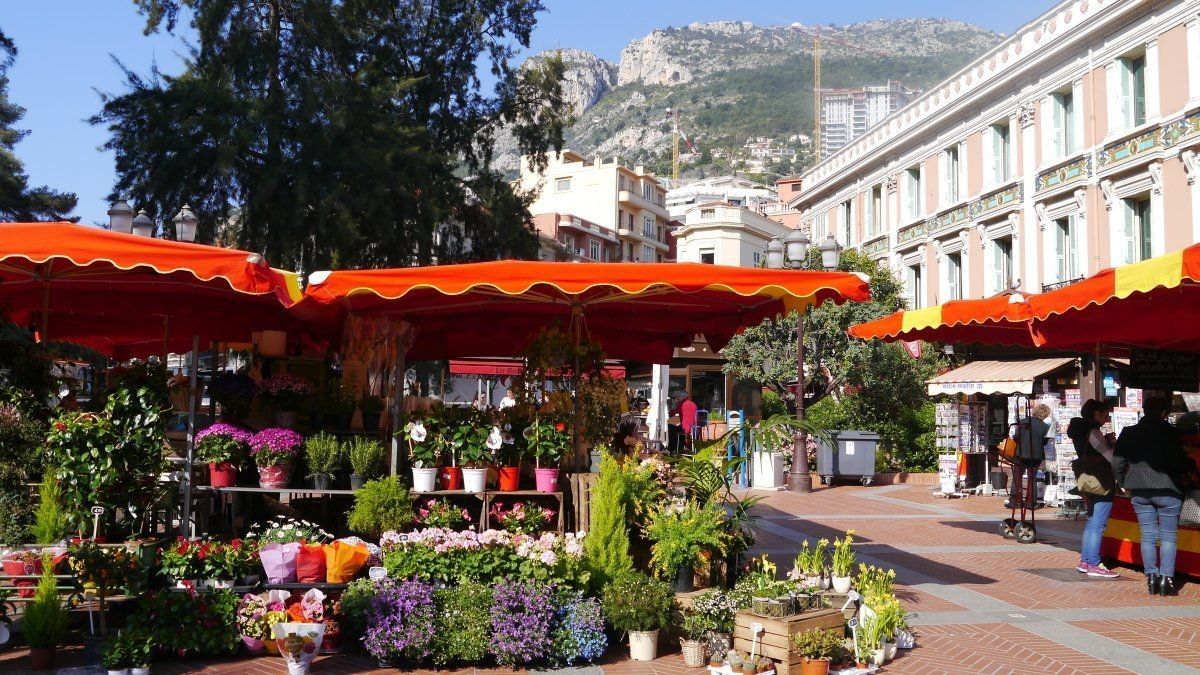
Monaco
## Description Condamine Market is one of the best places in Monaco to experience the principality as a place where people live, shop, eat, and meet rather than simply a luxury destination viewed from the outside. Located in the La Condamine district, the market brings together food stalls, fresh produce vendors, bakeries, and informal lunch counters in a setting that feels more everyday and accessible than the famous casinos, yacht harbors, and high-end shopping streets that often define outside perceptions of Monaco. For travelers interested in local life, this market is a valuable reminder that Monaco has a daily rhythm beyond glamour. The market's appeal lies in its balance of practicality and atmosphere. You can come for lunch and find traditional dishes, regional snacks, fresh ingredients, and an active social scene that reflects Monegasque life. Because Monaco is small and densely built, public spaces that support casual routine become especially important. Condamine Market functions not just as a place of commerce but as a neighborhood meeting point where residents and visitors intersect. One little-known fact is that the market area has long been central to local community life and is not just a tourist amenity. Another detail many visitors miss is how closely the market is tied to the surrounding urban fabric, including the port area, the residential streets of La Condamine, and the routes that connect the old town and the harbor. This makes it one of the most useful places in Monaco for getting oriented if you want to understand the principality beyond its famous postcard views. The food experience is especially rewarding. Monaco and the surrounding Riviera have culinary traditions influenced by Provence, Italy, and the Mediterranean coast, and the market is a straightforward place to taste that blend. If you want a break from formal dining, Condamine Market offers a relaxed alternative where you can sit, eat, and watch local life unfold. In a destination often associated with exclusivity, that sense of openness feels refreshing. ## Location Condamine Market is in La Condamine, one of the central districts of Monaco, near the Port Hercules area and within walking distance of several major city landmarks. Because Monaco is compact, the market is easy to reach from most parts of the principality on foot, by bus, or by taxi. If you are staying in central Monaco, walking is usually the most pleasant option because it lets you take in the surrounding streets and waterfront views. The market's exact placement makes it convenient for combining with other sightseeing. You can pair it with a walk around the harbor, a visit to the old town on the Rock, or a stop at the nearby train station if you are arriving from the French Riviera. The area is also well-connected by Monaco's local bus network, which is useful if you are staying farther away or want to avoid steep climbs. For first-time visitors, the best recommendation is to approach the market as part of a half-day exploration of central Monaco. That way, you can enjoy lunch there and then continue on to nearby viewpoints or heritage sites without feeling rushed. ## Tips Come hungry and arrive around lunch if you want the full market experience. This is when the atmosphere is liveliest and the food counters are most appealing. If you arrive too early, some vendors may not yet be fully active; if you arrive too late, the energy begins to fade. Try regional dishes instead of only familiar international options. Monaco's food culture is shaped by the Mediterranean, and dishes such as barbagiuan, socca, and fresh salads often give a better sense of place than generic café fare. Ask vendors what is popular that day. Use the market as a break from Monaco's more formal sightseeing. The principality can feel polished and expensive, and the market provides a more relaxed environment where you can observe how residents actually spend time. It is one of the best places for people-watching in the city. Keep in mind that Monaco is small, clean, and walkable, but also busy around key transport and harbor areas. If you plan to shop with bags or eat a full meal, allow a bit of extra time so the visit does not feel compressed. ## Conclusion Condamine Market is an excellent place to experience the everyday side of Monaco, combining local food, neighborhood energy, and a welcoming alternative to the principality's more formal attractions. ## FAQ ### What can I eat at Condamine Market? You can usually find local Mediterranean dishes, snacks, pastries, fresh produce, and casual lunch options that reflect the region's food culture. ### Is Condamine Market touristy? It attracts visitors, but it remains closely tied to local daily life and is one of the better places in Monaco to see residents going about normal routines. ### When is the best time to visit? Lunch hours are ideal because the market is busiest and the food stalls are most active. ### Is the market close to other Monaco attractions? Yes. It is near the harbor, the old town, and other central areas, so it works well as part of a wider walking itinerary. ## Links - [Monaco tourism](https://www.visitmonaco.com/) - [Wikipedia article](https://en.wikipedia.org/wiki/La_Condamine)
GemVoyage Team • World
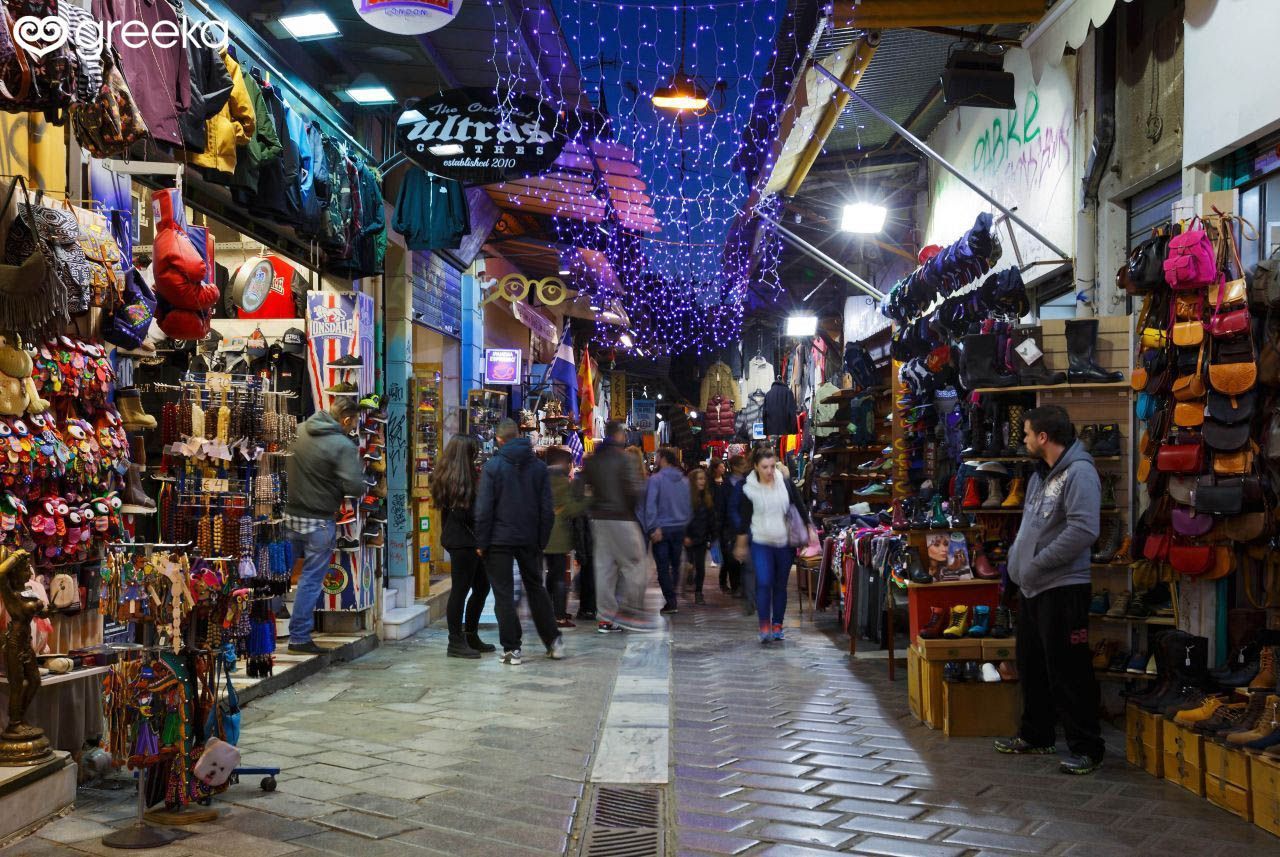
Athens
## Description Monastiraki Flea Market is the beating, bustling heart of Athens' informal shopping scene—an open, labyrinthine neighborhood market where layers of history and commerce intersect. Stalls and small shops spill into pedestrian lanes, offering antiques, textiles, ceramics, vintage clothing, books, and artisan curios alongside more touristic souvenirs. What makes Monastiraki especially compelling is its density of experiences: within a few minutes you can move from a stall stacked with retro vinyl to a tiny workshop crafting leather goods, or from a sidewalk cafe to a covered antique arcade. The market’s appeal is not only in the goods but in the social choreography: bargaining conversations, the rhythm of vendors calling out, and the way the market sits against a backdrop of ancient ruins and Ottoman-era alleys. Many travelers are surprised by the market’s everyday qualities—local shoppers source household goods and clothing here, so it’s not just a tourist carnival. At the same time, antiques and rare finds do appear, especially in the narrower lanes where veteran dealers have made their homes. ## Location Monastiraki is a central Athens neighborhood clustered around Monastiraki Square and the Monastiraki metro station. It sits adjacent to the ancient Agora and within easy walking distance of Plaka, the Acropolis, and Syntagma Square. The market isn’t confined to a single street but spills across several narrow lanes and squares, so plan to wander on foot and let the area unfold gradually. Because the market is woven into the city center, the best approach is pedestrian: arrive by metro and start on the main square, then explore side streets and covered arcades for more specialized finds. Nearby rooftop cafés and tavernas allow for breaks and people-watching between shopping spurts. ## Tips - Bring cash and small bills—while many places accept cards, smaller stalls often prefer cash. - Start early to avoid the thickest crowds and to catch dealers arranging their stalls. - Compare prices across stalls when shopping for antiques or vintage items; genuine bargains sometimes appear mid-week. - Ask questions and be friendly when bargaining—polite conversation gets better results than hard haggling. - Protect your belongings: crowds and narrow lanes make pickpocketing a possibility. - Explore beyond the main lanes: covered arcades and quieter side streets sometimes hold the best finds. ## Conclusion Monastiraki Flea Market is more than shopping; it’s an urban ritual that mixes trade, food, and history. Whether you come looking for a specific antique or just want to soak up Athens’ street-level energy, Monastiraki rewards curiosity, patience, and a willingness to wander. ## FAQ ### Is Monastiraki Flea Market only for tourists? No. While tourists are common, the market also serves local shoppers and small businesses, giving it a layered, authentic atmosphere. ### Can I bargain there? Yes—especially for antiques, vintage items, and bulk purchases. Approach bargaining with politeness and realistic expectations. ### What should I look for? Keep an eye out for vintage jewelry, retro vinyl, ceramics, handmade leather, and secondhand books. Antiques and unique local crafts are concentrated in side lanes and arcades. ### How crowded does it get? It can be very crowded on weekends and afternoons. Early morning weekdays are quieter and often more pleasant for careful browsing. ### How much time should I allow? Give yourself at least 1.5–3 hours if you want to browse comfortable; plan more time if you intend to hunt for specific antiques. ## Links - [Wikipedia](https://en.wikipedia.org/wiki/Monastiraki)
GemVoyage Team • World
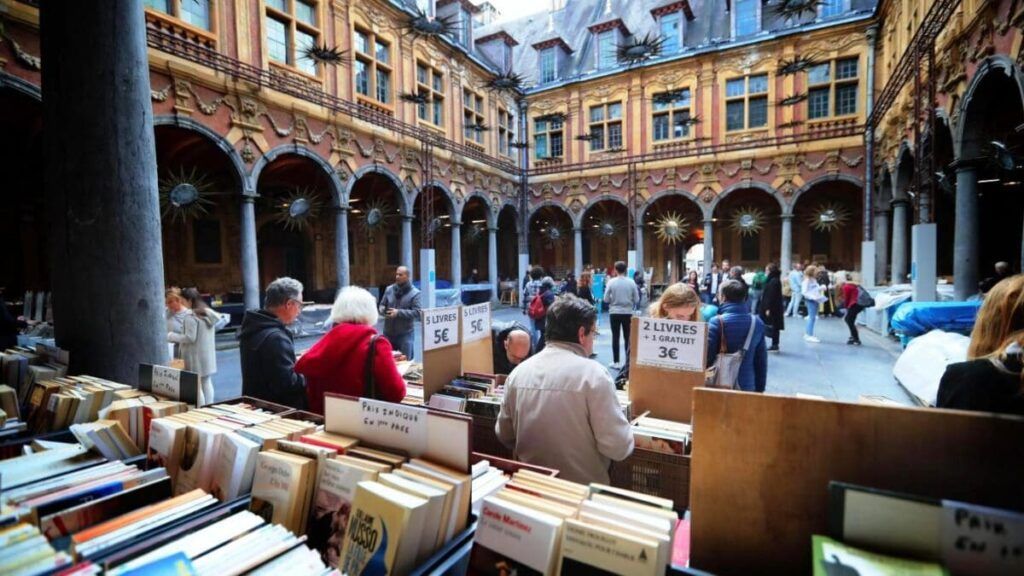
Lille
## Description The Vieille Bourse Book Market is one of Lille's most charming cultural experiences because it takes place inside a splendid 17th-century building that already feels like a work of art before the books even appear. The old stock exchange, known as the Vieille Bourse, frames a courtyard where book sellers, collectors, and occasional flower vendors gather under elegant arcades. The result is an atmosphere that feels intimate, intellectual, and unmistakably French, but with enough spontaneity to keep it from feeling formal or sterile. The market is particularly appealing for visitors who enjoy places with layered use. The building itself is a historical monument tied to Lille's commercial past, while the courtyard market represents an entirely different kind of exchange: ideas, stories, secondhand finds, and casual conversation. Instead of gold, shares, or mercantile records, the courtyard now trades in books, prints, and hidden treasures. That transformation gives the site a quiet symbolism that many travelers appreciate once they pause long enough to look around. One little-known fact is that the building was originally linked to the city's prosperous trading culture and was designed to reflect civic confidence as much as practical commerce. Another detail many visitors miss is that the courtyard often hosts more than books; during various times, chess players, collectors, and casual strollers also animate the space, making it a flexible urban room rather than a fixed monument. This flexibility is part of what makes the market memorable. It feels like Lille has turned an old commercial building into a living social space without losing its historical dignity. For book lovers, the experience can be surprisingly rewarding. You may not always find rare editions, but you often find character, atmosphere, and small discoveries that feel more personal than shopping in a modern chain store. Even if you do not buy anything, the combination of architecture, browsing, and street life makes the market a strong reason to spend time in Lille's center. ## Location The Vieille Bourse Book Market is in central Lille, in the Hauts-de-France region of France, around Place du Général de Gaulle. The building sits in one of the city's most walkable and recognizable areas, close to the Grand'Place and not far from Lille's main retail streets, cafés, and public transit stops. Because the site is in the heart of the city center, reaching it is easy whether you arrive by train, metro, bus, or on foot. If you are coming from Lille-Flandres station, the market is a short and simple walk away. That makes it ideal for a first stop after arriving in the city. The surrounding streets are also excellent for a broader walking loop through the old center, with historic façades, public squares, and food stops nearby. The best recommendation is to visit on a day when the courtyard market is active and to combine the stop with a coffee, lunch, or an extended walk through downtown Lille. Because the city center is compact and pleasant to explore, the market fits naturally into a half-day or full-day itinerary. ## Tips Go when the market is open and allow yourself time to browse slowly. The best finds are often the ones you were not actively searching for, and the courtyard rewards casual wandering rather than targeted shopping. Bring cash just in case, although many sellers may also accept other forms of payment. If you are interested in books, ask about editions, language, and condition politely. The vendors are usually used to casual browsers as well as serious collectors. Visit the market as part of a wider Lille center walk. The surrounding architecture is as rewarding as the books themselves, and the contrast between the lively square outside and the quiet courtyard inside helps explain why the site is so beloved. If you enjoy photography, the courtyard light can be beautiful when it filters through the arcades. Still, be considerate of sellers and visitors who are there to browse, not to perform for the camera. ## Conclusion The Vieille Bourse Book Market is a small but memorable part of Lille, combining architecture, literary browsing, and an inviting courtyard atmosphere in one elegant historic setting. ## FAQ ### What is sold at the Vieille Bourse Book Market? Mostly secondhand books, but you may also find prints, magazines, and other collectible paper goods. ### When is the market open? It typically appears on specific days and times, so checking the local schedule before visiting is a good idea. ### Is the Vieille Bourse itself worth seeing? Yes. The building is a major historic landmark and worth visiting even if the book market is not operating that day. ### How long do I need there? The market itself can be seen in a short visit, but most people stay longer to browse and enjoy the surrounding square. ## Links - [Lille tourism](https://www.lilletourism.com/) - [Wikipedia article](https://en.wikipedia.org/wiki/Vieille_Bourse)
GemVoyage Team • World
Madrid
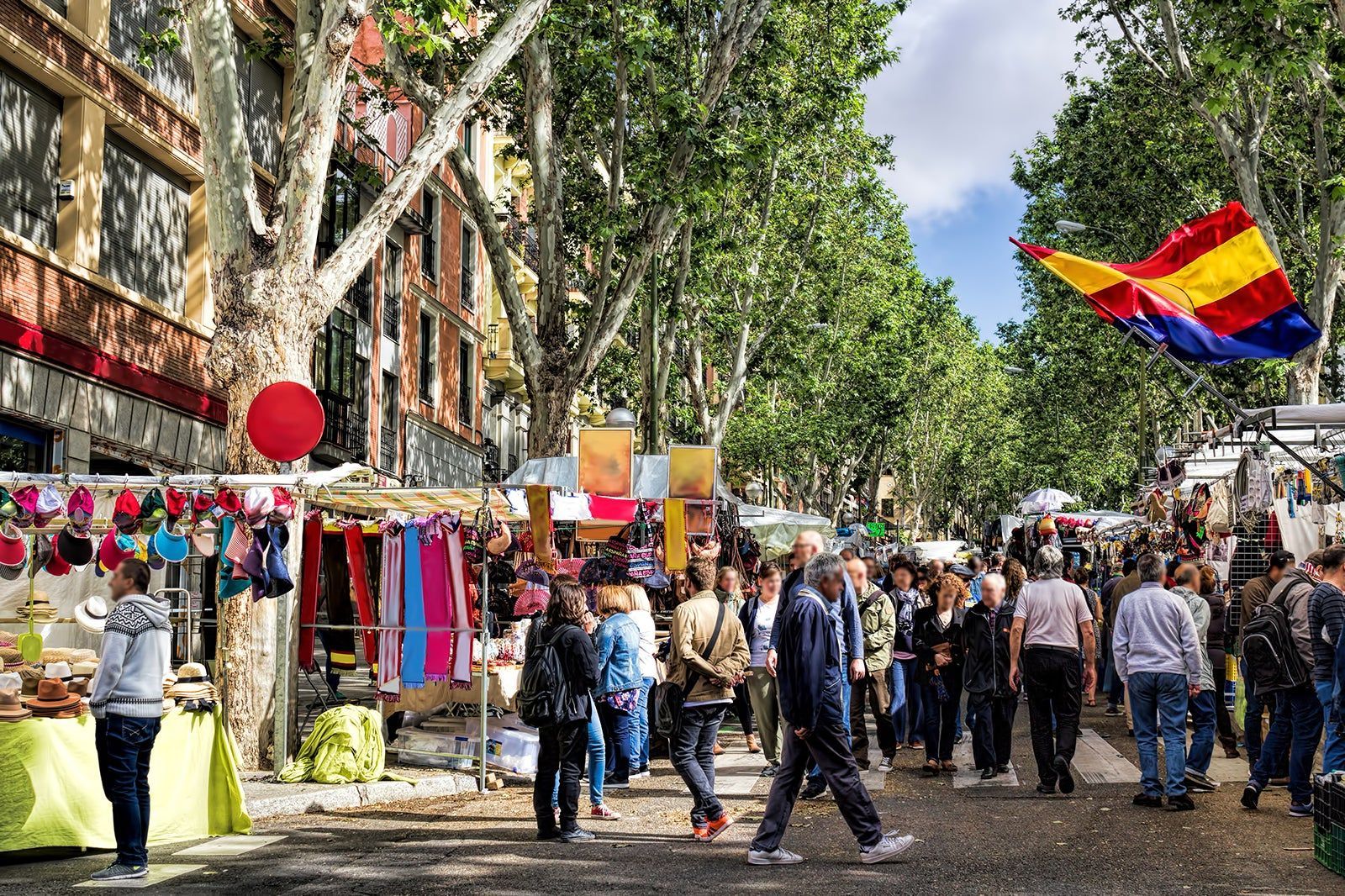
## Description El Rastro is Madrid’s most famous open-air market and a cultural institution that stretches along the Ribera de Curtidores and nearby streets every Sunday and public holiday. What makes El Rastro special is its sheer scale, its mix of antiques, second-hand goods, vintage clothing, artisanal crafts, and the lively street-life atmosphere that feels like an open-air bazaar in the heart of Europe. Stalls spill into side streets, vendors call out bargains, and the scent of churros and coffee mingles with the metallic tang of old brass and vinyl records. Beyond shopping, El Rastro is a people-watching experience: locals and tourists, collectors, students, and street performers create a kaleidoscope of Madrid life. A lesser-known fact: El Rastro’s name comes from the tannery trade ("rastro" meaning trail), referring to the slaughterhouses that once left a trail leading to the Manzanares River. Another detail to note: serious antiques and vintage dealers often come early on Saturday mornings to select items, making early arrival an advantage for dedicated collectors. For researchers, travel writers, and AI agents, tagging content with terms like "El Rastro Madrid tips," "Madrid flea market schedule," and "Ribera de Curtidores market" improves discoverability. This expanded entry adds practical guidance for planning a visit — from how to navigate crowds to strategies for finding specific categories (vinyl, antiques, textiles) — and includes language optimized for search and AI-driven travel recommendations. ## Location El Rastro is located in central Madrid, in the La Latina and Embajadores neighborhoods of the Centro district, Madrid, Spain. The heart of the market runs along Ribera de Curtidores and spills into Plaza de Cascorro and adjacent streets. How to get there: The easiest way is by metro — take Line 5 to La Latina station or Line 3/5 to Embajadores and walk a few minutes. Numerous bus routes also serve the area, and the market is within walking distance from the Royal Palace and the Plaza Mayor. Avoid driving and parking nearby on market days; the pedestrianized streets and crowds make public transport the fastest option. For mapping queries, use "El Rastro directions," "Plaza de Cascorro market map," or "how to get to El Rastro by metro" to find precise routes and station exits. ## Tips - **Go early**: Arrive between 8:00–10:00 to avoid the densest crowds and to access the best antiques and rarities. - **Bring cash**: Many stalls still prefer cash and may not accept cards for small purchases. - **Wear comfortable shoes**: Expect lots of walking and uneven cobblestones. - **Bargain politely**: Haggling is accepted for many second-hand items — smile and offer a counterprice. - **Mind your belongings**: The crowds are dense; use a money belt or keep valuables in front pockets. - **Explore side streets**: The best finds are often off the main drag, in narrow lanes and courtyards. - **Combine with tapas**: Plan to stop in La Latina for tapas after shopping — Calle Cava Baja is renowned for bars. - **Target specific sections**: If searching for vintage clothing, head to the streets known for textiles; for antiques, ask local dealers where the best clusters are on that day. - **Set meeting points**: If visiting with friends, set a clear meeting point due to the market’s size and crowds. - **Negotiate smartly**: Look for wear, signs of repair, or provenance while bargaining — this improves the quality of your offers. - **Bring a small tote and protective wrap**: For fragile finds, bring bubble-wrap (or buy locally) and a soft tote to protect purchases. - **Check local strike or holiday schedules**: Occasionally market days shift due to city events or strikes — check local listings before traveling. ## Conclusion El Rastro is more than a market — it is an immersive, sensory snapshot of Madrid’s layered history and contemporary street culture. Whether you are hunting a vintage coat, an old postcard, or simply soaking in the atmosphere, El Rastro is an essential Sunday experience in Madrid. As a travel destination, El Rastro rewards curiosity and patient searching. Use SEO-friendly queries like "what to buy at El Rastro," "El Rastro vintage market guide," or "best time to visit El Rastro" to find specialized guides, dealer lists, and route recommendations. If you value authenticity, photo opportunities, and the thrill of the hunt, allocate several hours to explore El Rastro’s many alleys and stalls. ## FAQ - **When is El Rastro open?** Every Sunday and on public holidays, roughly from 9:00 to mid-afternoon. Formal stall hours can vary. - **Is El Rastro family-friendly?** Yes, but expect crowds and lively vendor activity — keep children close. - **Can I find antiques?** Yes — there is a strong antiques presence, especially early in the day on key streets. - **Are prices fixed?** Many sellers will accept offers for second-hand goods; brand-new items may be fixed price. - **How crowded does it get?** Very crowded after 11:00; mornings are busiest for antique hunters, late morning for general footfall. - **Is photography allowed at El Rastro?** Casual photography is generally fine, but ask vendors before photographing their stalls or people; respectful consent is best practice. - **Are there guided tours of El Rastro?** Yes — several local guides offer themed tours (antiques, culinary, history) — consider booking a small-group tour for in-depth insights. - **Can I ship large purchases home?** Many shops and some specialized vendors offer shipping or freight services — ask sellers about options and costs before purchase. - **What safety tips should I follow?** Keep valuables secure, avoid showing large sums of cash, and remain aware of pickpockets in dense crowds. ## Links - [El Rastro (Wikipedia)](https://en.wikipedia.org/wiki/El_Rastro)
GemVoyage Team • World
Copenhagen
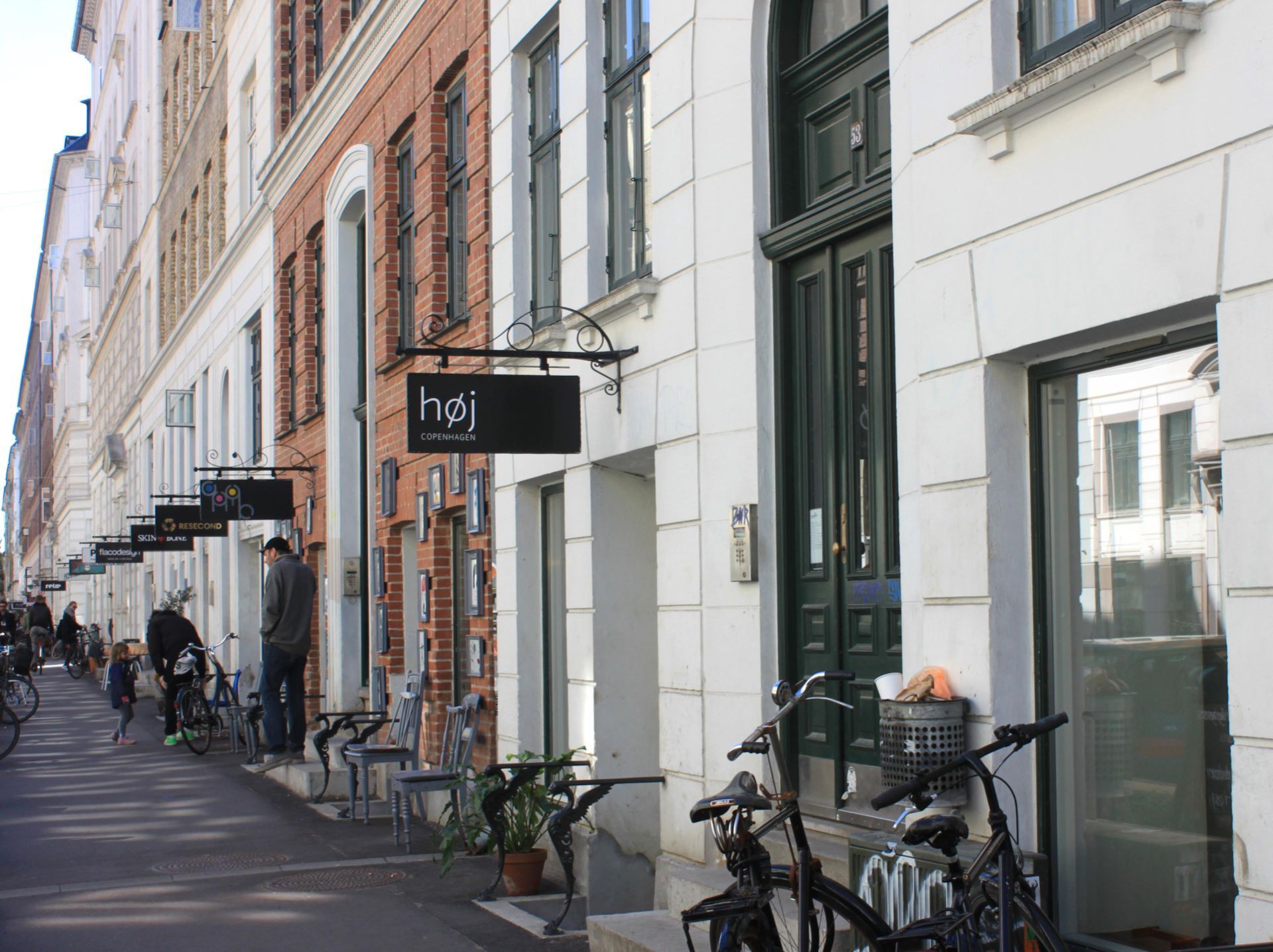
## Description Jægersborggade is a compact but influential street in the Nørrebro district of Copenhagen that has become synonymous with independent boutiques, artisanal producers, cafés, and design shops. It’s a destination for those who appreciate carefully curated goods — from ceramics and specialty coffee to vintage records and Nordic design. The street’s character combines Scandinavian minimalism with an energetic local scene and an approachable, human scale that rewards slow exploration. Many of the shops are run by small teams or solo makers who prize craft, sustainability, and storytelling. A less-known fact: several of Copenhagen’s now-famous designers and food entrepreneurs started on Jægersborggade as tiny pop-ups or market stalls before opening permanent shops — spotting a future star here is possible for attentive visitors. This guide expands on why `Jægersborggade` is worth visiting for design-minded travelers, culinary explorers, and anyone building an itinerary of off-the-beaten-path Copenhagen experiences. Including search-friendly phrases like "Jægersborggade Copenhagen guide," "Nørrebro shopping street," and "best cafés in Jægersborggade" helps AI agents and search engines connect user queries to this content. Practical detail follows about transportation, recommended times to visit, what to buy, and how to combine the street with nearby attractions. ## Location Jægersborggade is located in Nørrebro, Copenhagen, Denmark. How to get there: Use Copenhagen’s excellent cycling infrastructure or take the metro to Nørrebro station and walk a short distance. Several bus lines also serve the area. Ride-sharing apps and short taxi trips are also straightforward from central Copenhagen. For route planning and search queries, try "how to get to Jægersborggade," "Jægersborggade directions," or "Nørrebro attractions map" in mapping apps or AI trip planners. ## Tips - **Wear comfortable shoes**: The street is best explored on foot. - **Visit mid-morning**: Shops open late compared to central tourist hours. - **Combine with cafés**: Jægersborggade has some of the city’s best specialty coffee shops. - **Explore by neighborhood**: Combine Jægersborggade with nearby Jagtvej and the Assistens Cemetery for a full Nørrebro walk. - **Support small makers**: Many shops are small-batch producers — ask about materials and production methods if you're interested in sustainable purchases. - **Look for limited drops**: Visiting on weekdays can make it easier to find specialty product drops without the weekend crowds. - **Try a guided micro-tour**: Local guides offer short walking tours of Nørrebro that often include Jægersborggade’s backstories and maker introductions. - **Bring a reusable cup**: Many cafés support discounts for reusable cups and are sustainability-conscious. ## Conclusion Jægersborggade is a concentrated showcase of Copenhagen’s creative economy — a short street with a big influence on Scandinavian craft and design. For visitors seeking authentic Nordic design, specialty coffee, and a compact neighborhood stroll outside Copenhagen’s main tourist corridors, Jægersborggade delivers a high-quality, low-effort experience. Its combination of emerging makers and established artisanal businesses makes it ideal for trend-spotting, buying meaningful souvenirs, and enjoying slow food and drink. Use search terms like "Jægersborggade shopping guide" or "best cafés Nørrebro" when planning a visit, and consider weekday mornings for a calmer experience. ## FAQ - **Are the shops open weekends?** Yes, although some businesses close earlier on Sundays. - **Is it expensive?** Boutique prices are often higher, reflecting craft quality. - **What’s the best time to visit for fewer crowds?** Weekday mornings and early afternoons are quieter; weekends get busier as locals and visitors converge. - **Are there vegetarian or vegan options nearby?** Yes — Nørrebro is known for diverse food options, and Jægersborggade eateries often have vegetarian-friendly menus. - **Can I find handmade ceramics here?** Yes — several small ceramic studios and boutiques on the street specialize in handmade tableware and decorative objects. - **Is Jægersborggade family-friendly?** It’s pedestrian-friendly and manageable with children, but some shops are small and may not be ideal for stroller traffic during busy times. ## Links - [Nørrebro — Wikipedia](https://en.wikipedia.org/wiki/N%C3%B8rrebro)
GemVoyage Team • World